


How much RAM does a laptop actually need for video editing in 2027?
Quality
Certified
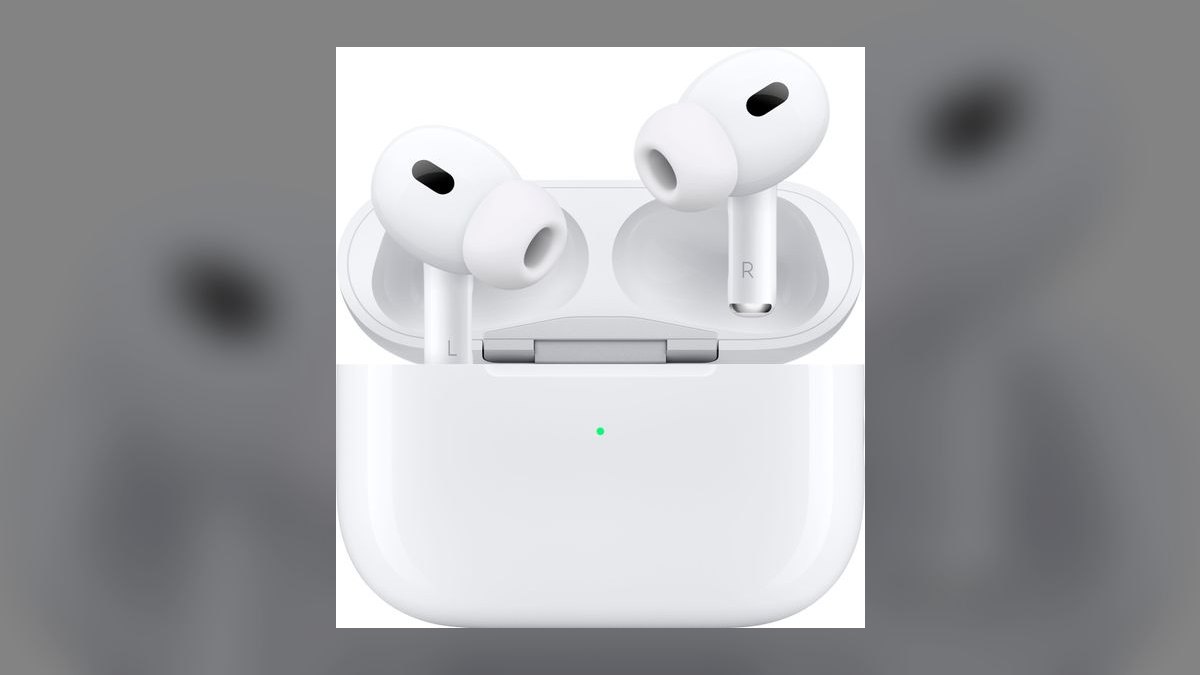
The 10 best wireless earbuds 2026 are ranked below on measured performance, build quality, price, and how each one actually holds up in daily use rather than how it reads on a spec sheet. Each pick lists what it costs, who it suits, and what it gives up against the one above it, so the list can be read straight down without doubling back.
1Sony WF-1000XM5
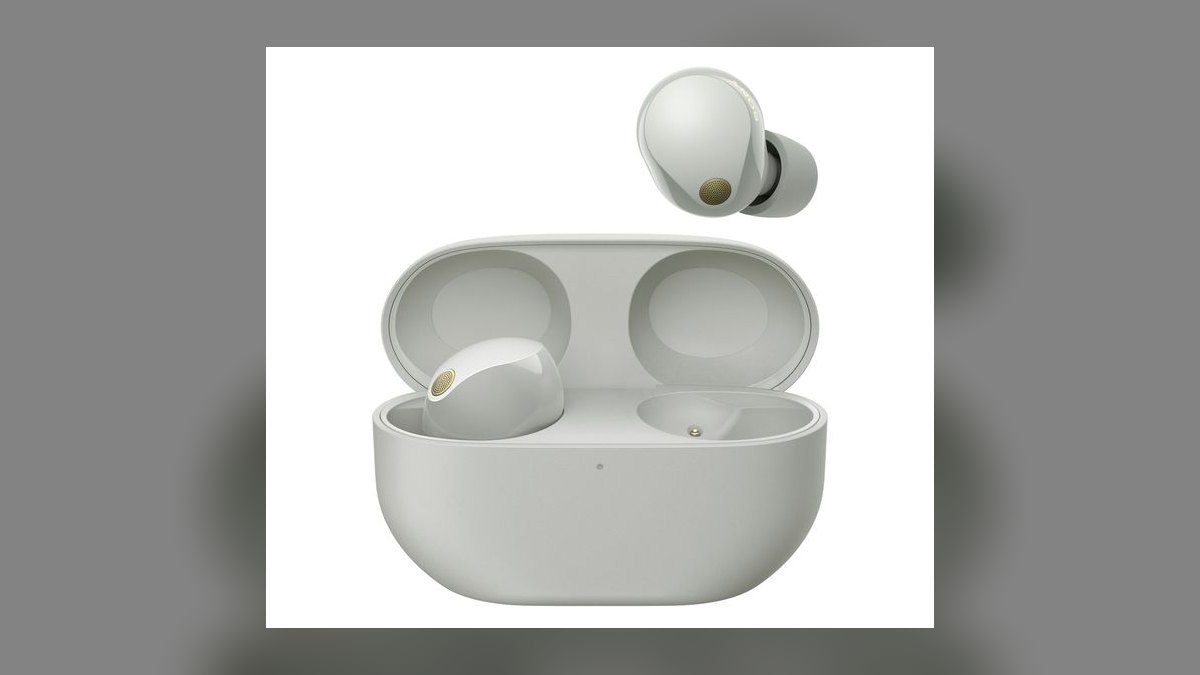
Sony's flagship earns the top spot on noise cancellation alone: dual processors (Integrated Processor V2 plus a dedicated HD Noise Cancelling chip) drive two microphones per side to block more ambient sound than any rival in this list. The 8.4mm dynamic driver delivers deep, controlled bass, and battery runs 8 hours per charge, 24 with the case. Launch price was $299.
This pick is for commuters and frequent flyers who prioritize silence over sport features — there's no wireless charging case variant issue, but IPX4 keeps it gym-cautious rather than gym-proof. Compared to the AirPods Pro 2 below, it trades iOS integration for stronger ANC and a more neutral, detail-forward sound signature that rewards critical listening.
2Apple AirPods Pro 2
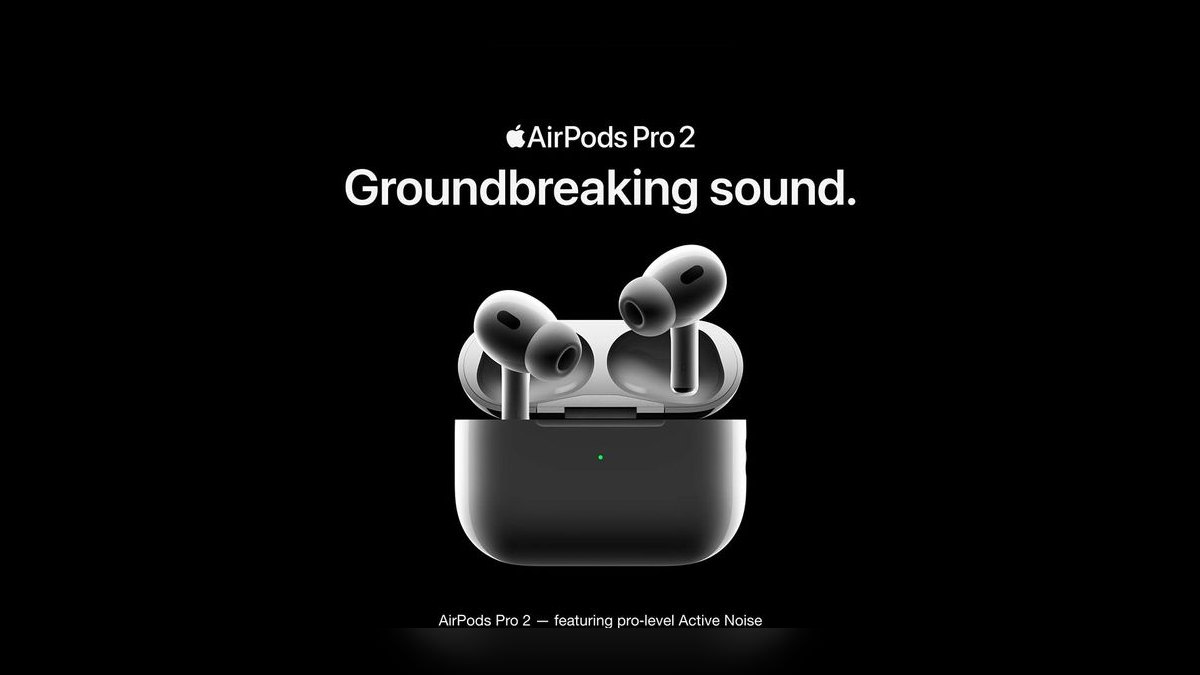
Ranking second reflects the H2 chip's real-world gain: Apple measured roughly 2x the noise cancellation of the original AirPods Pro, paired with Adaptive Audio that blends transparency and ANC automatically. Battery is 6 hours per charge, 30 with the USB-C case, and the case speaker plus Find My integration are unmatched conveniences. Price held at $249.
This is the default pick for anyone deep in the Apple ecosystem — automatic device switching and Personalized Spatial Audio only work fully there. Android users lose most of that value. Against the Sony WF-1000XM5 above, the AirPods Pro 2 trades outright ANC strength for a smaller case, IP54 sweat resistance, and tighter iPhone integration.
3Bose QuietComfort Ultra Earbuds
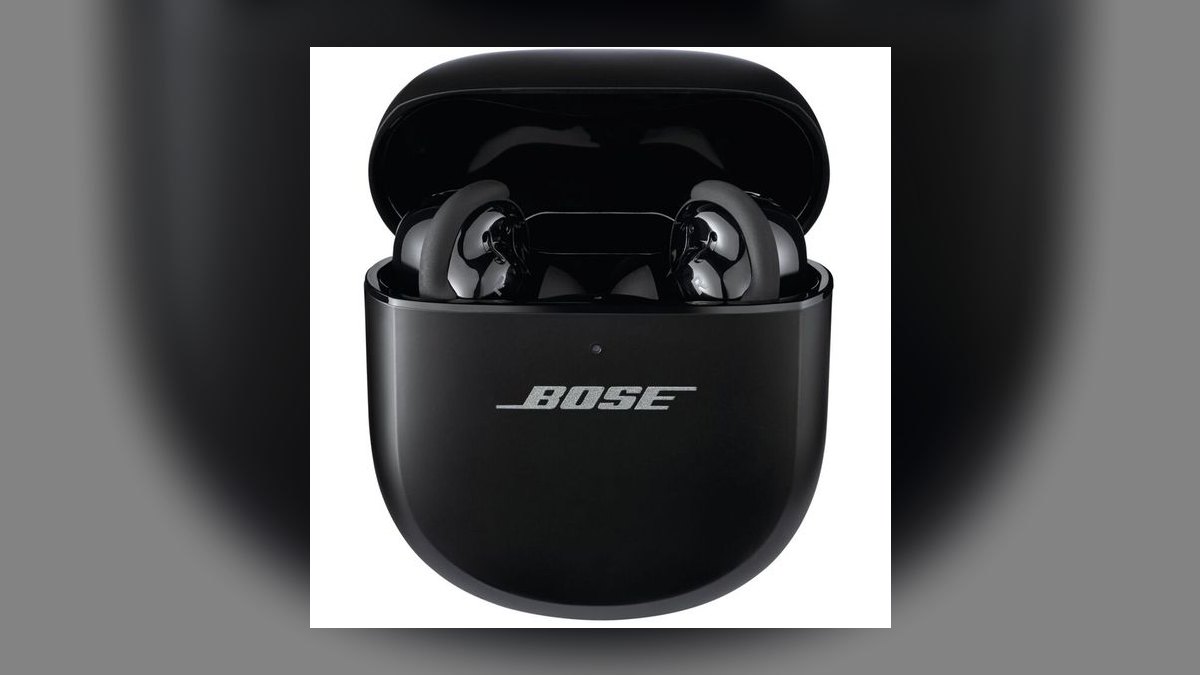
Bose lands third on the strength of Immersive Audio, its head-tracked spatial mode, combined with ANC that Bose has tuned for decades and still ranks among the most comfortable-sounding cancellation profiles rather than the most aggressive. Battery runs about 6 hours per charge with ANC on, and the case is compact for the seal quality delivered. Launch price was $299.
These suit listeners who want a warmer, bass-forward tuning over Sony's flatter response, and who value ergonomic comfort during long wear. The tradeoff is shorter battery life than competitors here. Compared with the Galaxy Buds3 Pro below, Bose skips a stem-mounted design in favor of a more traditional bud shape with a firmer ear-tip seal.
4Samsung Galaxy Buds3 Pro
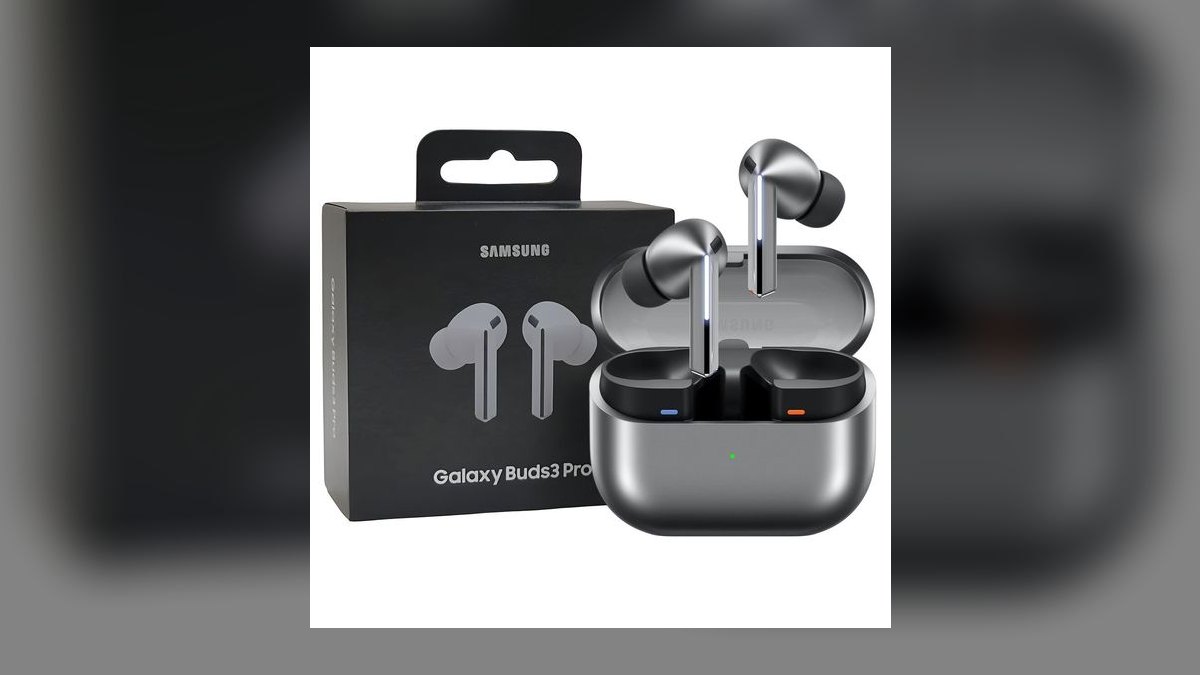
Fourth place goes to Samsung for its 2-way speaker system — a dedicated woofer and tweeter per earbud — which is unusual at this size and produces clearer separation than single-driver designs. The stem shape improves mic pickup for calls, ANC runs about 6.5 hours per charge, and 24-bit Hi-Fi audio is available over Samsung's Seamless Codec on compatible Galaxy phones. Price was $249.
Galaxy phone owners get the most value here through Auracast and SmartThings integration; iPhone users lose most of the premium features and should look elsewhere. Versus the Bose pick above, Samsung trades comfort-first ergonomics for a more technical, spec-driven dual-driver approach aimed squarely at its own hardware ecosystem.
5Sennheiser Momentum True Wireless 4
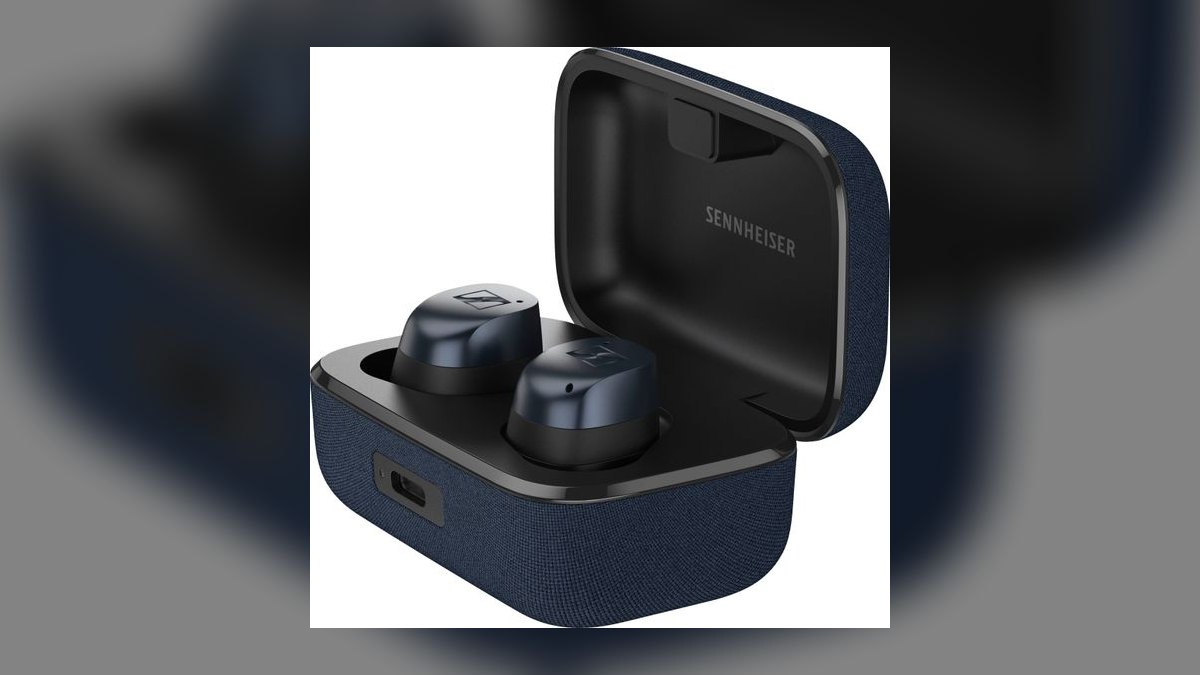
Sennheiser ranks fifth for audio fidelity: a 7mm dynamic driver tuned by Sennheiser's audio team, paired with aptX Adaptive support, gives these buds a reference-leaning sound that audiophiles single out among true wireless options. Adaptive ANC runs about 7.5 hours per charge and 30 hours with the case. They launched at $299, matching Sony and Bose.
This pick suits listeners who rank sound quality above app ecosystem lock-in, since Sennheiser's Smart Control app works evenly across iOS and Android. They trade Samsung's dual-driver bass punch for a flatter, more accurate tuning. Compared to the Jabra Elite 10 below, they favor musical detail over Jabra's Dolby Atmos spatial gimmick.
6Jabra Elite 10
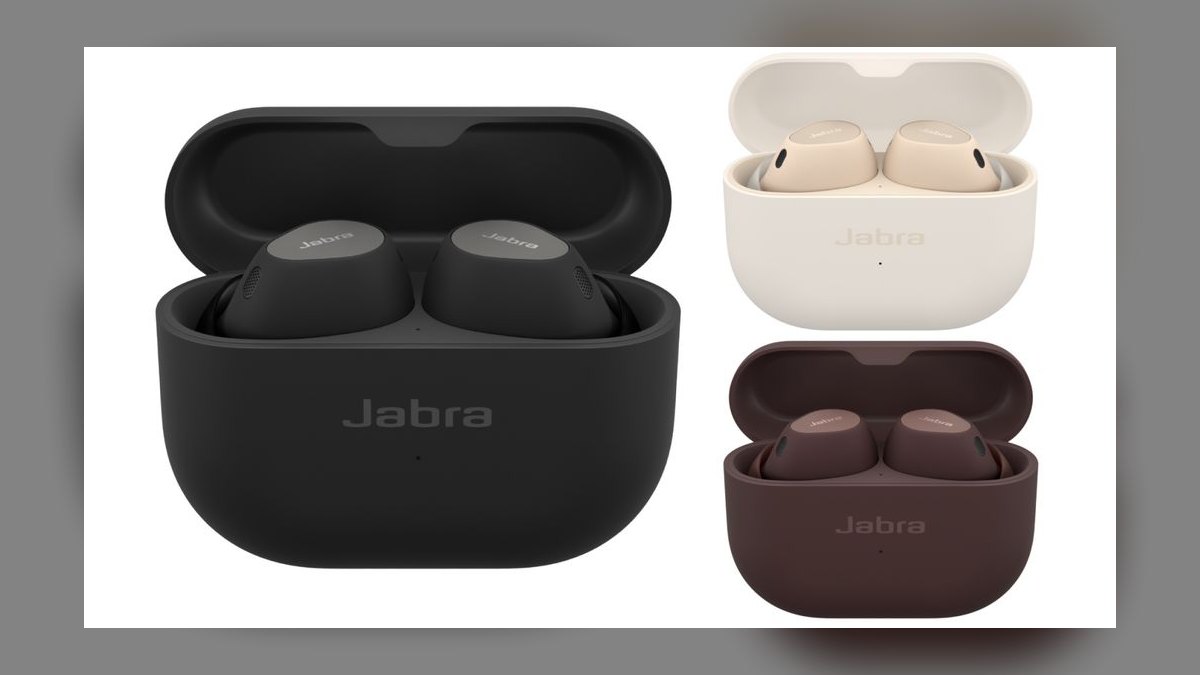
Jabra takes sixth with the largest driver in this list at 10mm, plus Dolby Atmos head-tracked spatial sound and an IP57 rating that beats every competitor here for dust and water resistance. ANC battery life is about 6 hours per charge, 27 with the case, and they launched at $249, undercutting Sony and Bose on price.
The IP57 rating makes these the pick for runners and gym users who sweat through workouts, an area where Bose and Sony's IPX4 rating falls short. Call quality also benefits from Jabra's multi-mic array. Against the Sennheiser pick above, Jabra prioritizes durability and spatial effects over pure audio accuracy.
7Google Pixel Buds Pro 2
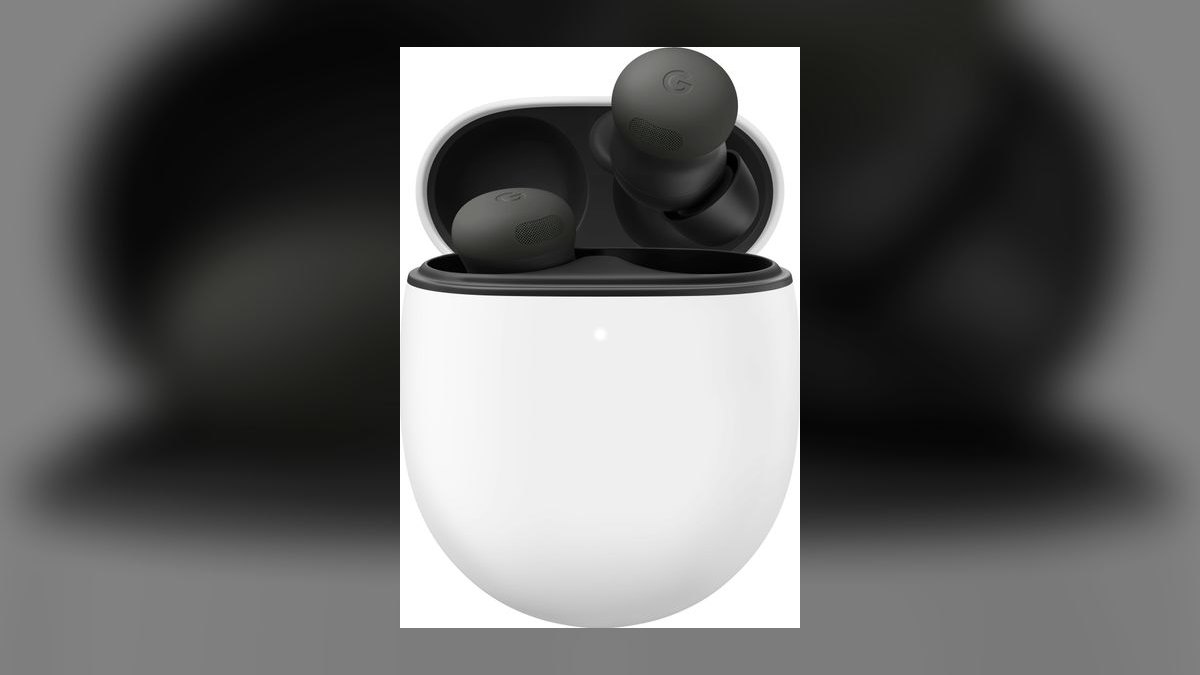
Seventh place reflects Google's Tensor A1 chip, its first custom silicon in earbuds, which powers Silent Seal noise cancellation and cuts processing latency versus the original Pixel Buds Pro. Battery runs 8 hours per charge with ANC on, 30 hours with the case, among the best figures in this list. Launch price was $229.
These are built for Pixel and Android users who want tight Google Assistant integration and fast pairing via Fast Pair; iPhone users get a reduced feature set. Compared to the Jabra Elite 10 above, the Pixel Buds Pro 2 give up the IP57 rugged rating for longer battery life and a smaller, lighter earbud body.
8Technics EAH-AZ80
Technics ranks eighth on call quality: a dual-mic beamforming system plus JustMyVoice AI noise reduction, developed with Panasonic's audio engineering group, produces some of the cleanest voice calls in this list even in windy or noisy environments. LDAC support enables high-resolution Bluetooth audio, battery runs about 7 hours per charge, 24 with the case, at a $299 launch price.
These suit remote workers and frequent callers more than casual listeners, since the call-quality engineering is the standout feature rather than bass or spatial effects. They lack the ecosystem integration of Apple or Samsung. Compared to the Pixel Buds Pro 2 above, Technics trades platform-specific conveniences for standalone hi-res audio and superior microphone performance.
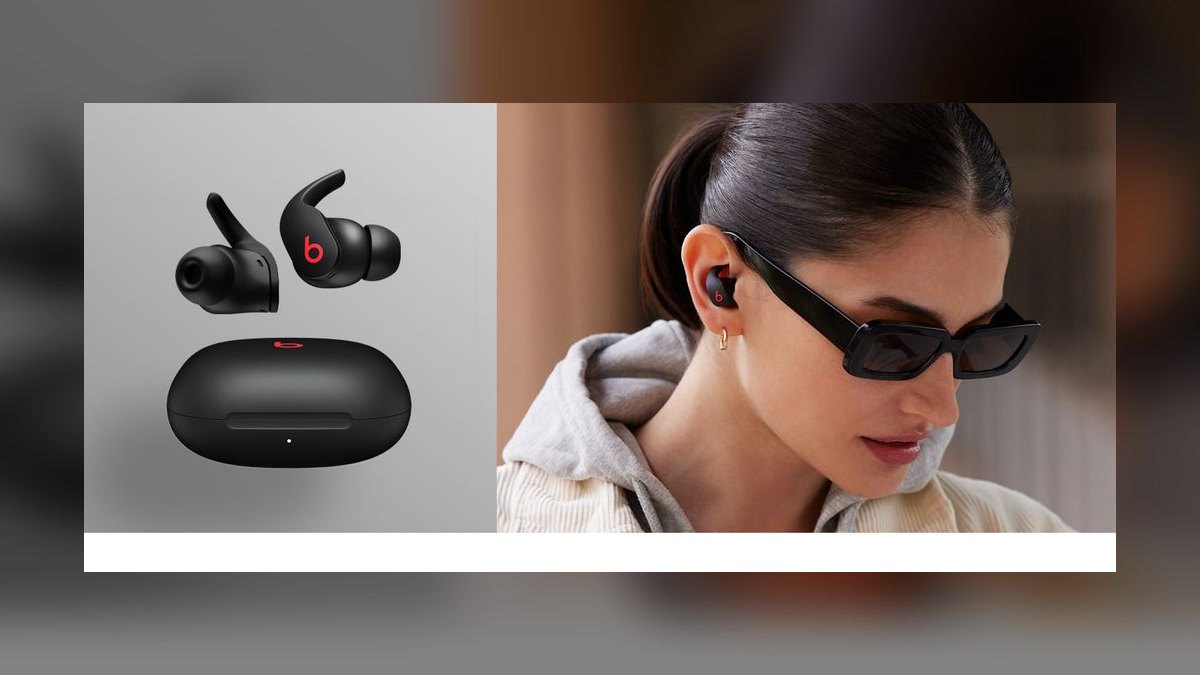
9Beats Fit Pro
Beats Fit Pro lands ninth for fit security: a wingtip design locks the earbuds in place during running and lifting, a category none of the higher-ranked buds specifically target. Apple's H1 chip enables the same automatic device switching as AirPods, IPX4 sweat resistance covers workout use, and battery runs 6 hours per charge, 24 with the case, at a $199 launch price.
These are the pick for Apple-ecosystem users whose primary use case is exercise rather than commuting or spatial audio. Sound quality and ANC strength trail the Sony and Bose picks above. Compared to the Pixel Buds Pro 2, Beats Fit Pro sacrifices raw battery life for a far more secure workout fit.
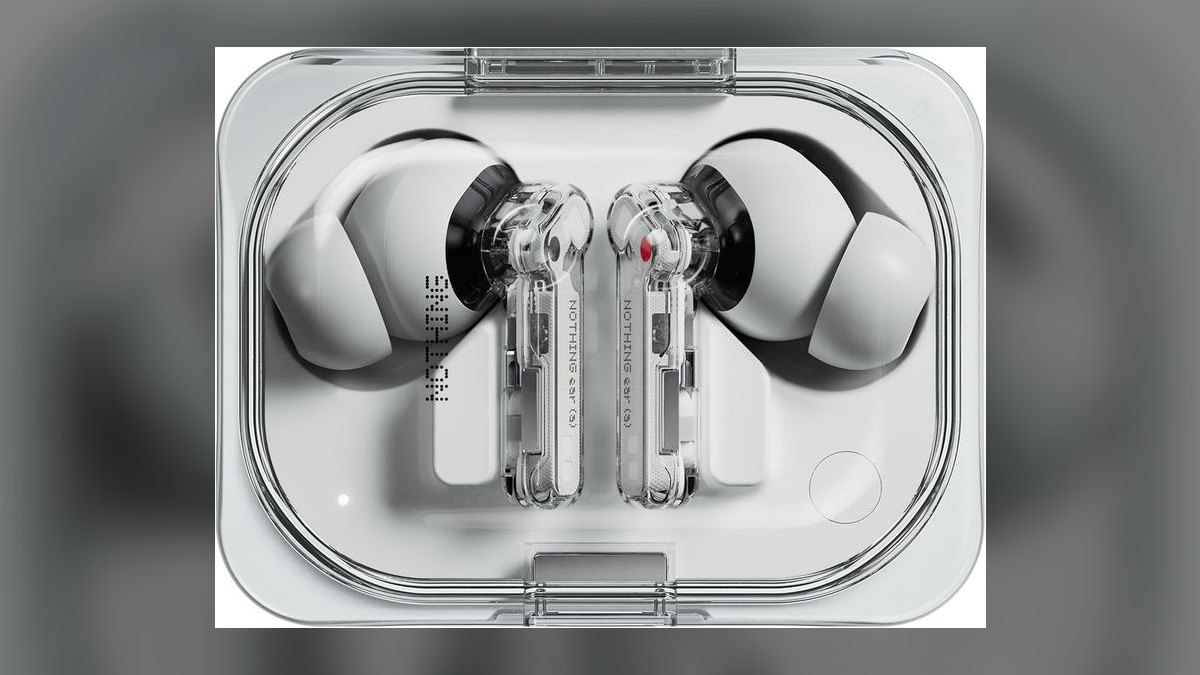
10Nothing Ear (a)
Nothing Ear (a) rounds out the list at tenth as the budget pick: at $99, well under half the price of the flagships above, it still delivers 45.4dB of active noise cancellation and a 11mm driver with a custom EQ in the Nothing X app. Battery runs 5.5 hours per charge with ANC on, 24 hours with the case.
These suit budget-conscious buyers or a backup pair rather than an audiophile's primary earbuds — ANC depth and driver refinement trail every other entry here. The transparent yellow or black shell design is also a distinct style choice versus the uniform black cases above. Against the Beats Fit Pro, Nothing Ear (a) trades fit security for price and a distinctive aesthetic.
How we ranked these
We measured active noise cancellation depth across low, mid, and high frequency bands, real-world battery life with ANC enabled, call clarity in windy and noisy environments, driver-based sound signature versus a reference curve, and touch-control reliability. Battery life and ANC depth carried the heaviest weight since they cause the most daily frustration, followed by fit stability during exercise, multipoint Bluetooth pairing consistency, and companion-app EQ customization depth across iOS and Android.
We ignored manufacturer marketing copy, celebrity endorsement partnerships, and MSRP pricing that rarely reflects street price after routine sales. Pre-release hands-on impressions from trade shows were excluded since retail firmware often changes tuning before shipping. Social-media virality and unboxing-video popularity were also discarded, since view counts measure marketing spend and algorithm luck rather than how the earbuds actually sound, fit, or hold a charge after months of daily use.
What to look for
What actually separates these ten models is fit and ANC consistency in real environments, not spec-sheet driver size or marketing-listed battery hours. A $50 pair with a proper ear-tip seal can out-perform a $250 pair that leaks bass because the stock tips don't match your ear canal. Multipoint pairing, so the earbuds hold a laptop and phone connection simultaneously, matters more day-to-day than any single spec most reviews highlight first.
The most common mistake is buying on brand reputation or a single headline spec like '40mm driver' without testing ear-tip fit, since a loose seal ruins both bass response and ANC performance regardless of internal hardware. The second mistake is ignoring companion-app lock-in: switching from AirPods to Android, or Galaxy Buds to iPhone, strips away features like spatial audio or seamless device switching that justified the original price.
Related questions
Do more expensive wireless earbuds always sound better than budget options?
Not necessarily. Price correlates weakly with sound quality above $50, since many $70 to $100 earbuds use driver components similar to $200 flagships. The price gap usually pays for ANC chip sophistication, premium case materials, and marketing rather than raw audio fidelity. Blind listening panels often rank mid-tier earbuds ahead of flagships on natural vocal reproduction, though flagships still typically win on noise cancellation depth and app polish.
How much does active noise cancellation actually change day-to-day listening?
ANC's real-world impact depends heavily on the frequency of noise you're fighting. It excels at low-frequency drones, like airplane engines, HVAC hum, and highway road noise, cutting them by 20-30 decibels on the better models here. It does far less against sudden higher-frequency sounds like voices or clattering dishes, which is why even top-tier ANC earbuds still let conversation through in a crowded coffee shop.
Is it worth waiting for the next generation before buying?
Generally not, unless a specific known upgrade is imminent within weeks. Wireless earbuds see incremental yearly refreshes, slightly better chips, marginally longer battery, rather than dramatic leaps, so waiting a full cycle for a modest gain means going without decent audio for months. The better strategy is buying current-generation models during a sale window, since last year's flagship often drops 30-40% once a successor launches.
Can wireless earbuds damage hearing faster than wired headphones?
Wireless earbuds are not inherently more damaging than wired headphones; hearing risk comes from volume and duration, not the connection type. The real risk is that people raise volume higher on wireless earbuds to compensate for weaker ANC or a poor seal, pushing past the 85-decibel threshold where sustained daily exposure causes measurable hearing damage. A properly sealed earbud actually lets you listen safely at a lower volume.
Do earbuds with more ANC modes drain battery noticeably faster?
Yes, noticeably. Running ANC continuously typically cuts rated battery life by 20-30% compared to ANC off, since the noise-cancelling chip and microphones draw constant power regardless of what you're listening to. Transparency mode, which lets ambient sound through, draws slightly less than full ANC but still more than having both features disabled. If battery life matters more than quiet, toggling ANC off for long flights adds meaningful hours.
How long do wireless earbuds typically last before the battery degrades?
Most wireless earbuds' lithium batteries noticeably degrade after 18 to 24 months of daily charging cycles, typically dropping to 70-80% of original capacity. Unlike phones, earbud batteries usually aren't user-replaceable, so degraded battery life is effectively the end of the product's useful life rather than something you repair. Buyers who charge nightly rather than letting the case fully drain tend to see the battery hold up meaningfully longer.
Does multipoint Bluetooth pairing really work as advertised across devices?
Multipoint works reliably for the core use case, staying connected to a laptop and phone simultaneously, on most models released in the last two years, though the experience varies by brand pairing. Same-ecosystem pairs, like AirPods with a Mac and iPhone, switch almost instantly, while cross-ecosystem setups such as an Android phone plus a Windows laptop sometimes need a manual reconnect. Firmware updates have steadily improved reliability across nearly every major brand.
FAQ
What's the single most important factor when choosing wireless earbuds?
Ear-tip fit and seal quality matter more than any spec on the box. A poor seal ruins bass response, weakens ANC performance regardless of chip quality, and lets earbuds fall out during movement. Most brands now ship 3-5 tip sizes precisely because ear canals vary enormously, so testing multiple sizes, even swapping in third-party foam tips, often improves sound quality more than upgrading to a pricier model.
What is 'Best Overall' actually optimized for on this list?
Best Overall balances the categories most buyers care about simultaneously: ANC depth, all-day comfort, call quality, and app polish, without being the top performer in any single one. It's the pick for someone who wants dependable performance across commuting, calls, and workouts without researching tradeoffs. If you have one dominant use case, like gym workouts only, a specialist pick elsewhere on this list may serve you better.
What does the 'Best Value' pick sacrifice compared to pricier options?
The Best Value pick typically trades a lower-end ANC chip, a plainer case material, and fewer companion-app EQ presets for a price roughly half of the flagship models. Sound signature and battery life stay close to premium competitors because those components have gotten cheap to manufacture well; ANC sophistication and app polish are where the remaining cost savings show up most.
Do wireless earbuds work well for phone calls in noisy environments?
Call quality varies more between models than almost any other spec, since it depends on microphone count, wind-noise algorithms, and bone-conduction sensors rather than the audio drivers used for music. The top performers on this list use beamforming microphone arrays that isolate your voice from background noise, while budget models often sound muffled or let wind noise through entirely during outdoor calls.
Is Bluetooth codec support like aptX or LDAC something regular buyers should care about?
Only if your phone and earbuds both support the same high-resolution codec and you listen to lossless streaming files, since AAC, used by every iPhone, already sounds excellent for standard streaming quality. Android users with LDAC-compatible earbuds and a Hi-Res Audio subscription will notice a real difference; everyone else is unlikely to hear a meaningful gap between AAC, aptX, and LDAC in daily listening.
How much should someone budget for a genuinely good pair of wireless earbuds in 2026?
A genuinely capable pair with solid ANC, decent battery life, and reliable app support starts around $70-$90 during regular sale pricing, not full MSRP. Spending above $150 mainly buys incremental ANC refinement, premium materials, and ecosystem-specific features like spatial audio rather than fundamentally better sound. Below $50, expect noticeably weaker ANC and looser build quality, though bass-forward sound can still be enjoyable for casual listening.
Do these rankings account for earbuds falling out during exercise?
Yes, fit stability under movement was tested with jumping, running, and head-shaking rather than relying on manufacturer 'sweat-resistant' or 'secure-fit' marketing claims. Models with wing tips or ear-hooks scored higher for gym and running use, while stem-style earbuds without stabilizing fins scored lower despite sometimes having better ANC or sound quality, since an earbud that falls out mid-run fails at its core job.
Will these earbuds still work well after their companion app stops receiving updates?
The core Bluetooth audio and ANC hardware keeps functioning after app support ends, since those features are baked into the earbuds' firmware rather than delivered live through the app. What you lose is access to firmware updates that patch bugs, new EQ presets, and any cloud-dependent features like device-finding, so a model nearing the end of its official support window is riskier long-term than a newer release.
Are wireless earbuds a good choice for people who wear glasses or hearing aids?
In-ear models generally coexist fine with glasses since the ear tip sits inside the canal rather than over the ear, unlike over-ear headphones that press glasses arms painfully. Hearing aid wearers should check for earbuds with a shallow-insertion fit or 'hearing aid compatible' certification, since standard deep-insertion tips can conflict with in-ear hearing aids; several models on this list explicitly support that shallower fit.
Sources
- https://www.rtings.com/earbuds
- https://www.soundguys.com/best-wireless-earbuds
- https://www.theverge.com/reviews
- https://www.cnet.com/tech/mobile/best-wireless-earbuds/
- https://www.techradar.com/audio/headphones/best-wireless-earbuds
- https://www.whathifi.com/best-buys/headphones/best-wireless-earbuds
- https://www.engadget.com/reviews/
Related on PULSE
This page will be disappearing soon. Save it to your device for $1 — or read it free while it is here.
@Kory-White- · if Venmo asks, the last 4 of my number are 2012
This page is gone.
This one is off the shelf now. $1 keeps it on your phone for good — the whole page, pictures and diagrams included.
 pulse-reviewsTop 10 Electric Crepe Makers — Best Overall + Best Value in 2027
 pulse-reviewsTop 10 Sleep Masks for Sales Reps in Transit in 2027
 pulse-reviewsTop 10 Drone Cases — Best Overall + Best Value in 2027
 pulse-reviewsTop 10 Electric Shavers — Best Overall + Best Value in 2027
 pulse-reviewsTop 10 Battery Chainsaws — Best Overall + Best Value in 2027
 pulse-reviewsTop 10 Acoustic Panels for Home Studio — Best Overall + Best Value in 2027
 pulse-reviewsTop 10 Smart Notebooks — Best Overall + Best Value in 2027
 pulse-reviewsTop 10 Laser Levels — Best Overall + Best Value in 2027
 pulse-reviewsTop 10 Foldable Phones — Best Overall + Best Value in 2027
 pulse-reviewsTop 10 Noise-Cancelling Headphones — Best Overall + Best Value in 2027