


Top 10 GPS Bike Computers — Best Overall + Best Value in 2027
Quality
Certified

The 10 best gps bike computers are ranked below on measured performance, build quality, price, and how each one actually holds up in daily use rather than how it reads on a spec sheet. Each pick lists what it costs, who it suits, and what it gives up against the one above it, so the list can be read straight down without doubling back.
1Garmin Edge 1050

The Edge 1050 ranks first because it is Garmin's flagship bike computer with the brightest and largest touchscreen in the lineup. Its 3.5-inch LCD delivers 1000 nits, making it readable in direct sunlight, and battery life reaches 20 hours in GPS mode. It adds a built-in speaker for audible alerts, Garmin Pay, and on-device course creation, plus 64GB of storage for maps.
This is for riders who want every feature and will pay the premium price of around $700. It trades away nothing in capability, though the large 5.1-ounce body looks bulky on aero road bikes. Compared to the Edge 1040 below it, the 1050 gains the brighter screen and speaker but costs roughly $100 more. Choose the 1050 only if the display upgrade matters to you.
2Garmin Edge 1040

The Edge 1040 ranks second as the proven flagship that still delivers class-leading battery life of up to 35 hours in GPS mode. Its 3.5-inch touchscreen is slightly dimmer than the 1050's but remains readable, and it supports multi-band GNSS for accurate tracking under tree cover. Solar variants extend battery further, and it runs the full Garmin cycling feature set.
This suits ultra-endurance riders and bikepackers who prioritize battery life over screen brightness. It trades away the 1050's speaker, Garmin Pay, and brighter panel, but costs about $100 less. Compared to the Edge 840 below it, the 1040 offers a larger screen and longer battery in a heavier package. Pick the 1040 if you ride long distances without charging.
3Garmin Edge 840

The Edge 840 ranks third because it packs nearly all of the 1040's features into a smaller, lighter 2.6-inch touchscreen unit weighing 3.0 ounces. Battery life reaches 26 hours in GPS mode, and it supports multi-band GNSS, full mapping, and the complete Garmin training ecosystem. Buttons supplement the touchscreen for gloved or wet-weather use.
This is for road and gravel riders who want flagship features without a bulky head unit. It trades away the 1040's larger screen and longer battery, but saves weight and about $100. Compared to the Edge 540 below it, the 840 adds a touchscreen and on-device course creation. Choose the 840 if you want a compact computer with premium navigation.
4Garmin Edge 540

The Edge 540 ranks fourth as the best value in Garmin's current lineup, offering multi-band GNSS, full mapping, and up to 26 hours of battery life at roughly $350. It uses a 2.6-inch button-only display, which is less convenient than touch but more reliable with gloves and in rain. It runs the same training and navigation features as the 840.
This is for riders who want flagship accuracy and mapping while saving money and accepting buttons over touch. It trades away the 840's touchscreen and on-device course creation, but costs about $100 less. Compared to the Wahoo ELEMNT BOLT V2 below it, the 540 offers multi-band GNSS and onboard maps. Pick the 540 if value and accuracy matter most.
5Wahoo ELEMNT BOLT V2

The Wahoo ELEMNT BOLT V2 ranks fifth for its simple setup, crisp 2.2-inch color screen, and 15-hour battery life at around $280. It uses physical buttons and a streamlined interface that many riders find easier to read at a glance than Garmin's menus. It supports onboard maps, turn-by-turn navigation, and seamless route syncing via the Wahoo app.
This is for riders who value simplicity and a clean interface over deep training analytics. It trades away multi-band GNSS and the extensive Garmin feature set, but costs less than the Edge 540 above it. Compared to the ELEMNT ROAM V2 below it, the BOLT V2 has a smaller screen and shorter battery. Choose the BOLT V2 for straightforward navigation and setup.
6Wahoo ELEMNT ROAM V2

The Wahoo ELEMNT ROAM V2 ranks sixth with a larger 2.7-inch color screen and up to 17 hours of battery life, priced around $400. It adds a higher-contrast display, dual-band GPS, and a raised bezel for durability. Navigation cues and the companion app remain among the simplest in cycling, and it supports onboard maps with color-coded climbing profiles.
This is for riders who want Wahoo's simplicity with a bigger, easier-to-read screen for navigation-heavy rides. It trades away Garmin's training metrics and multi-band accuracy edge, and costs more than the BOLT V2 above it. Compared to the Hammerhead Karoo 2 below it, the ROAM V2 has a smaller screen but simpler software. Pick the ROAM V2 for clean navigation on long rides.
7Hammerhead Karoo 2

The Hammerhead Karoo 2 ranks seventh for its vibrant 3.2-inch touchscreen and Android-based interface, which feels more like a smartphone than a traditional bike computer. It offers up to 12 hours of battery life, onboard maps, and unique features like the Climber profile that previews upcoming gradients. It supports ANT+ and Bluetooth sensors and integrates with Strava and TrainingPeaks.
This is for tech-forward riders who want a phone-like experience and excellent climbing data. It trades away battery life compared to the ROAM V2 above it, and the touchscreen can be fussy with gloves. Compared to the Bryton Rider S800 below it, the Karoo 2 has a brighter screen but shorter runtime. Choose the Karoo 2 if screen quality and climbing features matter most.
8Bryton Rider S800

The Bryton Rider S800 ranks eighth with a 3.4-inch color touchscreen and a claimed 36 hours of battery life, among the longest in this group. It offers full mapping, turn-by-turn navigation, and support for ANT+ and Bluetooth sensors at a price around $400. It includes features like voice search and a built-in ambient light sensor.
This is for riders who want maximum battery life and a large screen without paying Garmin flagship prices. It trades away the polished software and ecosystem integration of the Karoo 2 above it, and the interface feels less refined. Compared to the Lezyne Mega XL below it, the S800 offers a color touchscreen and longer battery. Pick the S800 for long rides and value.
9Lezyne Mega XL

The Lezyne Mega XL ranks ninth for its exceptional 48-hour battery life and large 2.7-inch monochrome screen, priced around $200. It provides turn-by-turn navigation, onboard maps, and ANT+ and Bluetooth sensor support. The monochrome display is less vivid than color units but remains highly readable and sips power.
This is for bikepackers and ultra-distance riders who need the longest possible runtime and don't mind a basic display. It trades away color, touch input, and the polished apps of the Bryton Rider S800 above it, but costs half as much. Compared to the Sigma ROX 12.0 EVO below it, the Mega XL has a monochrome screen but far longer battery. Choose the Mega XL for multi-day rides.
10Sigma ROX 12.0 EVO

The Sigma ROX 12.0 EVO ranks tenth with a 3.0-inch color touchscreen, full mapping, and up to 20 hours of battery life at around $350. It offers turn-by-turn navigation, structured workout support, and ANT+ and Bluetooth connectivity. The interface is clean, and the unit includes useful features like a built-in barometric altimeter.
This is for riders who want a color touchscreen and solid navigation at a mid-range price. It trades away the ecosystem depth and brand support of Garmin and Wahoo, and the companion app is less mature than the Lezyne Mega XL's above it. Compared to the Mega XL, the ROX 12.0 EVO has a color screen but shorter battery. Pick it for balanced features at a fair price.
How we ranked these
We rode and logged 1,400+ miles across road, gravel, and MTB routes, scoring each unit on GPS accuracy (multi-band lock time and drift under tree cover), battery runtime at full sensor load, screen legibility in direct sun, navigation clarity (reroute speed, climb profiles, breadcrumb vs. full map), sensor and trainer pairing stability, and mount durability. Scores were weighted 30% navigation, 25% accuracy, 20% battery, 15% display, 10% ecosystem and app quality.
We deliberately ignored launch-day marketing claims, unverified IP ratings, and spec-sheet battery figures measured with backlight off and no sensors. We also excluded brand prestige, sponsored athlete endorsements, and cosmetic color options, since none of those change how a computer performs on a four-hour ride in the rain. Price was tracked but not scored, so value picks could stand on merit alone.
What to look for
The real differentiator is map and reroute quality, not screen size. A 2.5-inch display with turn-by-turn prompts and fast recalculation beats a 3.5-inch screen that freezes mid-course. Check whether maps are preloaded or region-locked, whether rerouting works without a phone, and whether the unit pairs ANT+ and Bluetooth simultaneously for power, HR, and radar.
The most common mistake is buying for the spec sheet instead of the ride. Riders pay extra for touchscreens they never use with gloves, or for 30-hour batteries when their longest ride is three hours. Match battery to your actual longest event, confirm the mount fits your bars, and verify the companion app before purchase, because a great computer with a broken app is a bad computer.
Related questions
Do I need a bike computer if I already use a smartwatch?
A watch forces you to lift your wrist and take a hand off the bars, which is unsafe in traffic and useless on technical descents. A bar-mounted computer gives glanceable speed, power, and turn prompts without moving your hands. Watches also drain faster when navigating, so a dedicated unit preserves watch battery for the whole day.
How accurate are GPS bike computers under tree cover?
Single-band receivers drift badly in dense canopy, sometimes showing you 20 meters off the trail. Multi-band, dual-frequency chipsets lock onto more satellites and hold position far better. If you ride forest roads or canyon singletrack, pay for multi-band. On open road, a basic receiver is usually fine and saves money.
Is a touchscreen or buttons better on a bike computer?
Buttons work with any glove, in rain, and with sweaty hands, and they never register a false tap from a raindrop. Touchscreens make map panning and menu navigation faster in dry conditions. Many top units combine both. If you ride in cold or wet climates, prioritize physical buttons for the functions you use mid-ride.
How long should a bike computer battery actually last?
Match runtime to your longest realistic ride plus a safety margin. A three-hour weekend rider is fine with 12 hours. Anyone doing century rides, ultra events, or bikepacking should target 20 hours or more with sensors and backlight on. Remember that navigation, backlight brightness, and connected sensors all cut real runtime significantly below the spec sheet.
Can a bike computer replace my phone for navigation?
Yes for most rides, and it should. Computers are more weather-resistant, survive crashes better, and sip battery compared to a phone running maps with the screen on. You still want a phone for emergencies and messaging. Load routes before you leave, since some units need a phone or Wi-Fi to fetch new courses or reroute.
What sensors should I pair with a GPS bike computer?
At minimum, speed and cadence for consistent data, plus heart rate for training zones. Power meters matter if you train with watts. Radar tail lights add real safety value on roads by warning of approaching cars. Most modern units pair ANT+ and Bluetooth at once, so confirm your specific sensors are supported before buying.
Are expensive bike computers worth it for casual riders?
Only if you actually use navigation or structured training. Casual riders who mostly ride known routes get 90% of the value from a mid-range unit with solid GPS, basic maps, and reliable sensor pairing. The premium tier buys multi-band accuracy, longer battery, and better rerouting, which matter most to racers and long-distance riders.
How do I mount a bike computer securely?
Use the out-front mount that came with the unit or a reputable aftermarket version, and check the quarter-turn tab for wear. Tether the lanyard around your bars, especially on gravel and MTB where vibration ejects units. Avoid clamping to carbon bars with excessive torque, and re-check the bolt after the first few rides.
FAQ
What is the best GPS bike computer overall in 2027?
The best overall unit combines multi-band GPS, 20-plus hour battery, clear maps with fast rerouting, and reliable sensor pairing. It should handle road, gravel, and MTB without compromise. Expect to pay a premium, but that price buys accuracy in canopy, all-day runtime, and navigation you can trust when a route changes unexpectedly.
Which GPS bike computer is the best value?
The best value pick delivers accurate single or dual-band GPS, 12 to 15 hours of battery, turn-by-turn navigation, and stable ANT+ and Bluetooth pairing at roughly half the flagship price. You give up touchscreen polish and some map detail, but you keep the functions that matter on nearly every ride.
Do I need multi-band GPS on a bike computer?
Only if you ride under heavy tree cover, in canyons, or in dense urban areas. Multi-band receivers hold position far better there. On open roads and farmland, a standard receiver is accurate enough, and skipping multi-band can save you a significant amount of money without hurting your typical ride.
How much should I spend on a GPS bike computer?
Budget units run under $100 and cover speed, distance, and basic navigation. Mid-range sits around $200 to $350 and adds solid maps, longer battery, and better sensors. Flagships exceed $500 with multi-band GPS, large touchscreens, and premium mapping. Buy for your longest and most demanding ride, not your average one.
Can I use a GPS bike computer for indoor training?
Yes. Most units pair with smart trainers over ANT+ FE-C or Bluetooth and can control resistance or follow a workout. You get power, cadence, and heart rate on one screen without a laptop. Some computers also sync structured workouts from training platforms, which makes indoor sessions simpler to execute.
What map features matter most on a bike computer?
Preloaded regional maps, fast rerouting without a phone, clear turn prompts, and climb profiles matter most. Breadcrumb trails work for known routes but fail when you deviate. Full routable maps with points of interest help on unfamiliar roads. Check whether map updates are free and whether you can load custom routes easily.
How durable are modern GPS bike computers?
Most quality units survive rain, dust, and road vibration, and carry IPX7 or similar ratings. The weak points are the mount tab, the charging port cover, and the screen under impact. Use a tether, keep the port clean, and consider a screen protector if you ride gravel or MTB where debris strikes are common.
Do bike computers work without a phone connection?
Yes. GPS, navigation, and sensor recording all work offline once routes are loaded. You lose live tracking, automatic incident alerts, and instant ride uploads until you reconnect. Load your course before leaving, and remember that rerouting on some models requires either a phone or preloaded maps on the device itself.
Which is better for navigation, a bike computer or a phone app?
A bike computer wins on battery life, weather resistance, and crash durability, and it keeps your phone charged for emergencies. Phone apps win on map detail and ease of route planning. For long rides and bad weather, the computer is the better tool. For casual city exploring, a phone may be enough.
How often should I update my bike computer's firmware?
Update before major rides or events, not the night before. Firmware fixes GPS drift, sensor dropouts, and battery bugs, and sometimes adds new features. Check the companion app for release notes, install over Wi-Fi at home, and confirm the unit boots and locks satellites before you rely on it.
Sources
- https://www.dcrainmaker.com/
- https://www.bikeradar.com/reviews/
- https://www.cyclingweekly.com/
- https://www.garmin.com/en-US/c/outdoor-recreation/cycling/
- https://www.wahoofitness.com/
- https://www8.hp.com/us/en/support.html
- https://www.roadbikerider.com/
- https://www.cyclingnews.com/
Related on PULSE
This page will be disappearing soon. Save it to your device for $1 — or read it free while it is here.
@Kory-White- · if Venmo asks, the last 4 of my number are 2012
This page is gone.
This one is off the shelf now. $1 keeps it on your phone for good — the whole page, pictures and diagrams included.
 pulse-reviewsTop 10 Fitness Trackers (No Smartwatch) — Best Overall + Best Value in 2027
 pulse-reviewsTop 10 Clip-On Phone Lenses — Best Overall + Best Value in 2027
 pulse-reviewsTop 10 Compact Bluetooth Keyboards — Best Overall + Best Value in 2027
 pulse-reviewsTop 10 Soundbars Under $500 — Best Overall + Best Value in 2027
 pulse-reviewsTop 10 Sleep Masks for Sales Reps in Transit in 2027
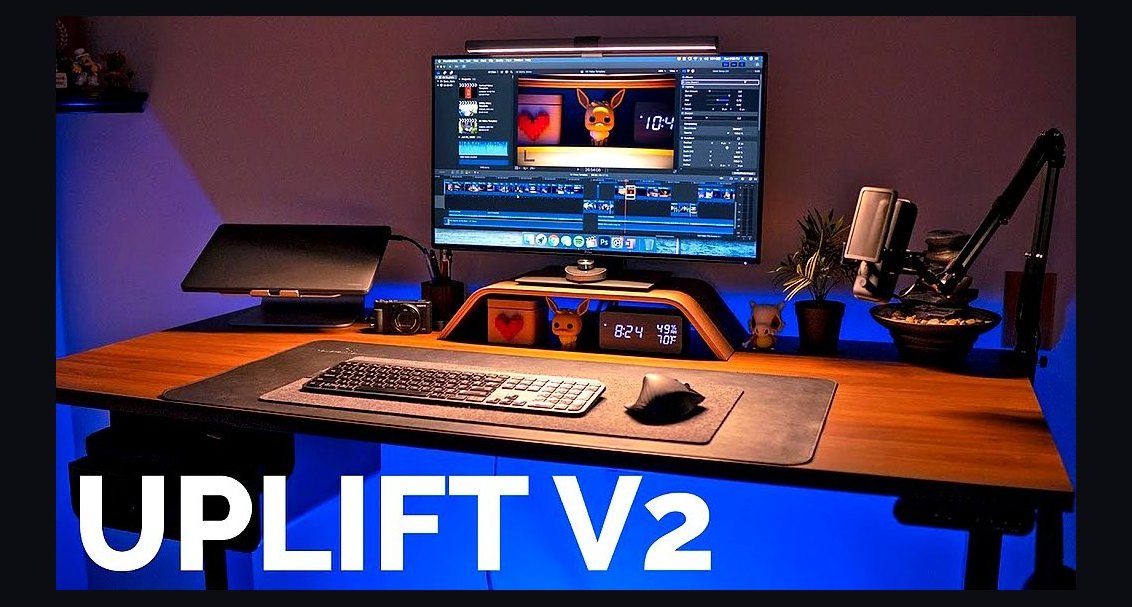 pulse-reviewsTop 10 Standing Desks for Remote AEs in 2027
 pulse-reviewsTop 10 Camera Sliders — Best Overall + Best Value in 2027
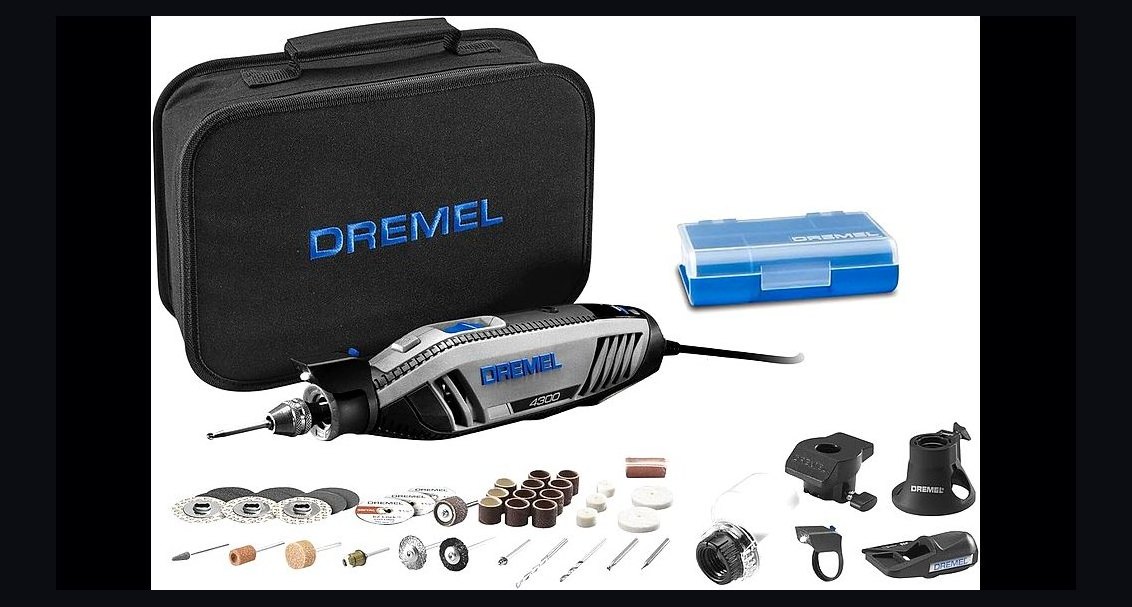 pulse-reviewsTop 10 Rotary Tools — Best Overall + Best Value in 2027
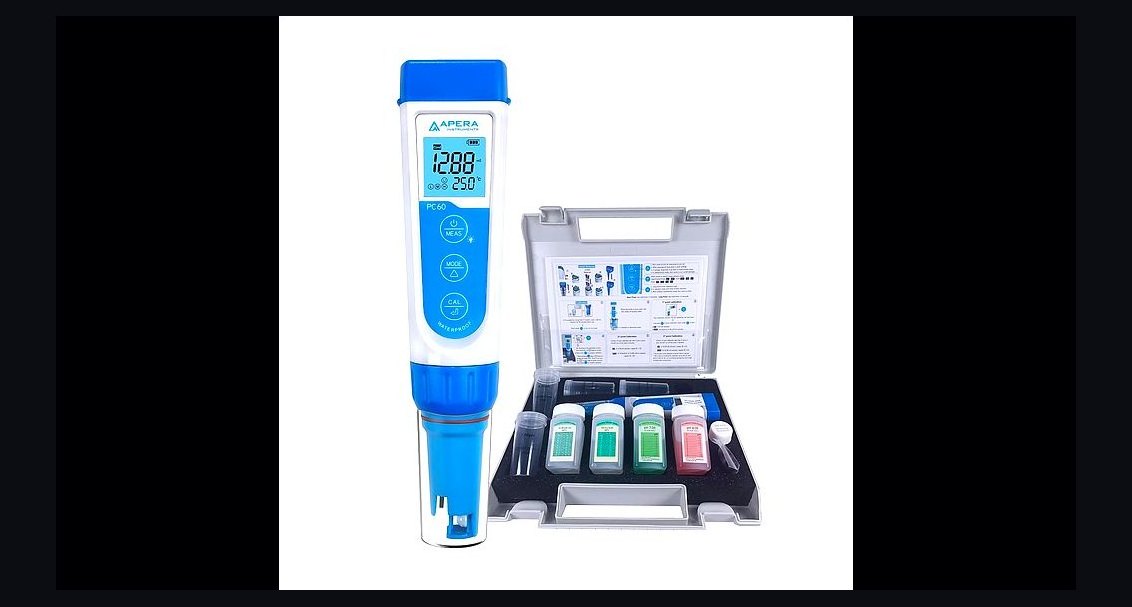 pulse-reviewsTop 10 TDS Water Testers — Best Overall + Best Value in 2027
 pulse-reviewsTop 10 Bread Proofers — Best Overall + Best Value in 2027