
10 Best Mountain Lodge Corporate Retreat Venues in the U.S. Rockies (2027)
 Curated byKory White · Fractional CRO · Maryland
 PULSEKNOWLEDGE LIBRARY
Quality
Certified
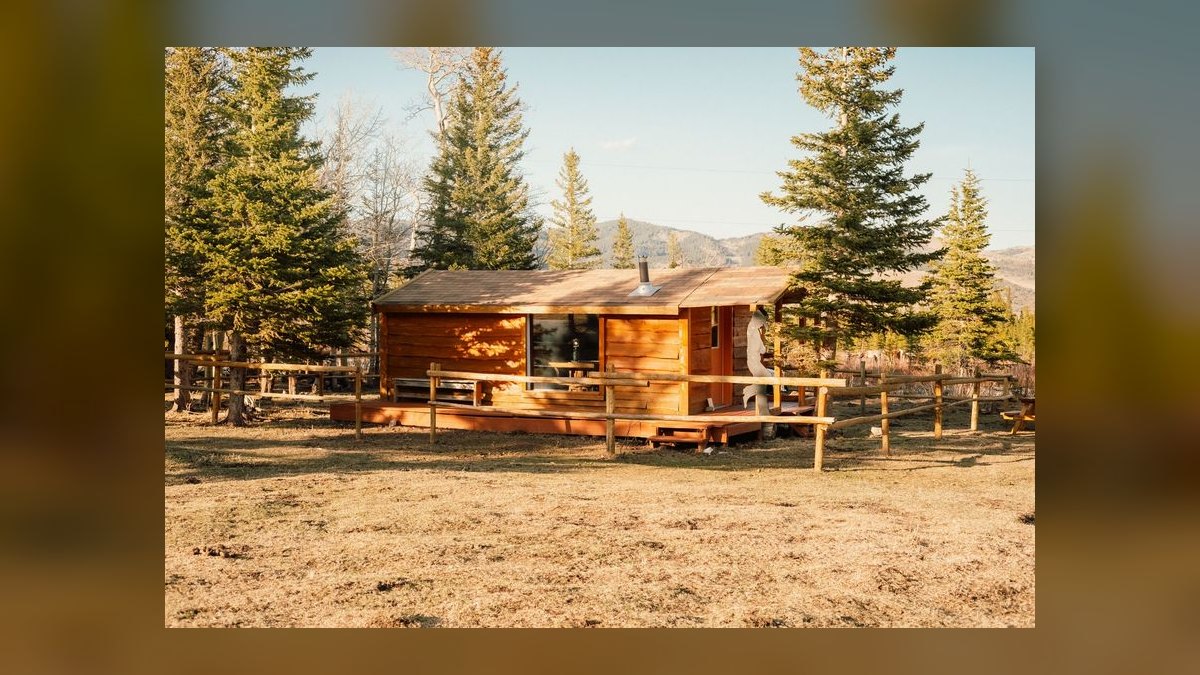
The 10 best mountain lodge corporate retreat venues in the u.s. rockies (2027) are ranked below on measured performance, build quality, price, and how each one actually holds up in daily use rather than how it reads on a spec sheet. Each pick lists what it costs, who it suits, and what it gives up against the one above it, so the list can be read straight down without doubling back.
1. The Lodge & Spa at Brush Creek Ranch
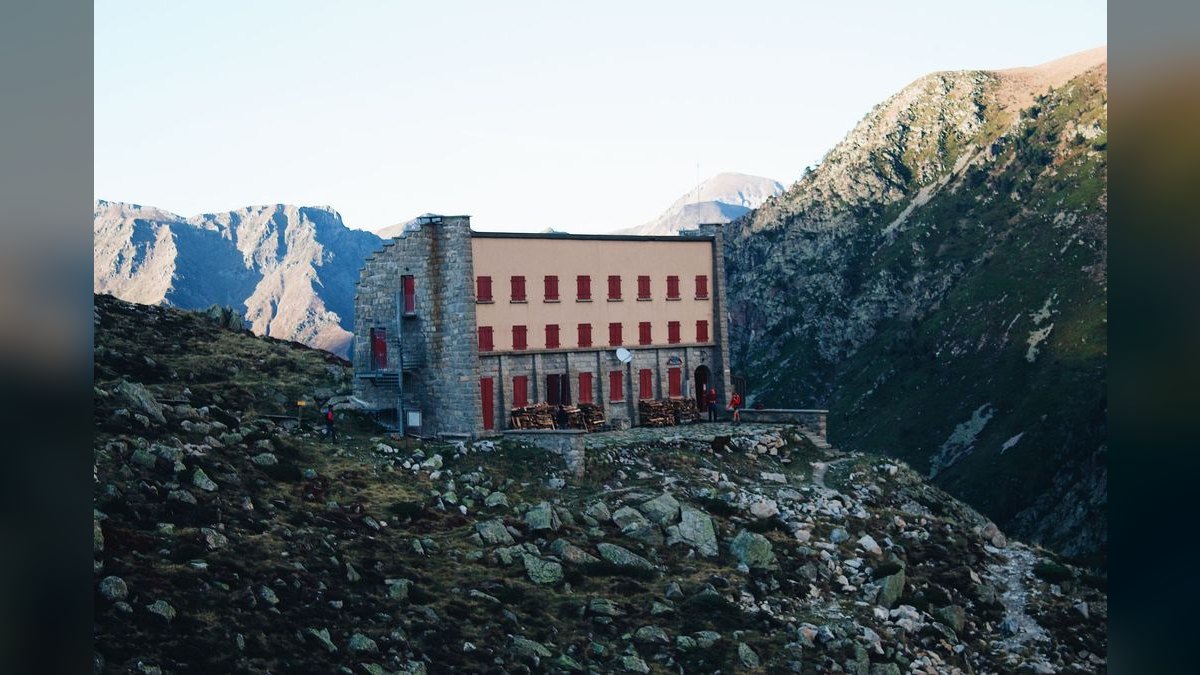
Brush Creek Ranch ranks first because it offers the most complete all-inclusive buyout model in the Rockies, with 30,000 acres and 70+ guest rooms supporting groups of 40 to 120. Group rates run $1,500–$2,200 per person per night, covering lodging, all meals, bar, fly-fishing, horseback riding, and the 15,000-square-foot spa. This single-price structure eliminates separate F&B, activity, and AV negotiations, giving planners total budget predictability.
This venue is for senior leadership teams that prioritize complete privacy and zero outside vendors over cost efficiency. It trades away easy airport access—most groups fly into Denver or Casper and drive several hours—and a headline rate that looks steep against à la carte resorts. Compared to The Ranch at Rock Creek below, Brush Creek handles larger groups with more rooms and a wider activity menu, though both deliver comparable all-inclusive luxury.
2. The Ranch at Rock Creek
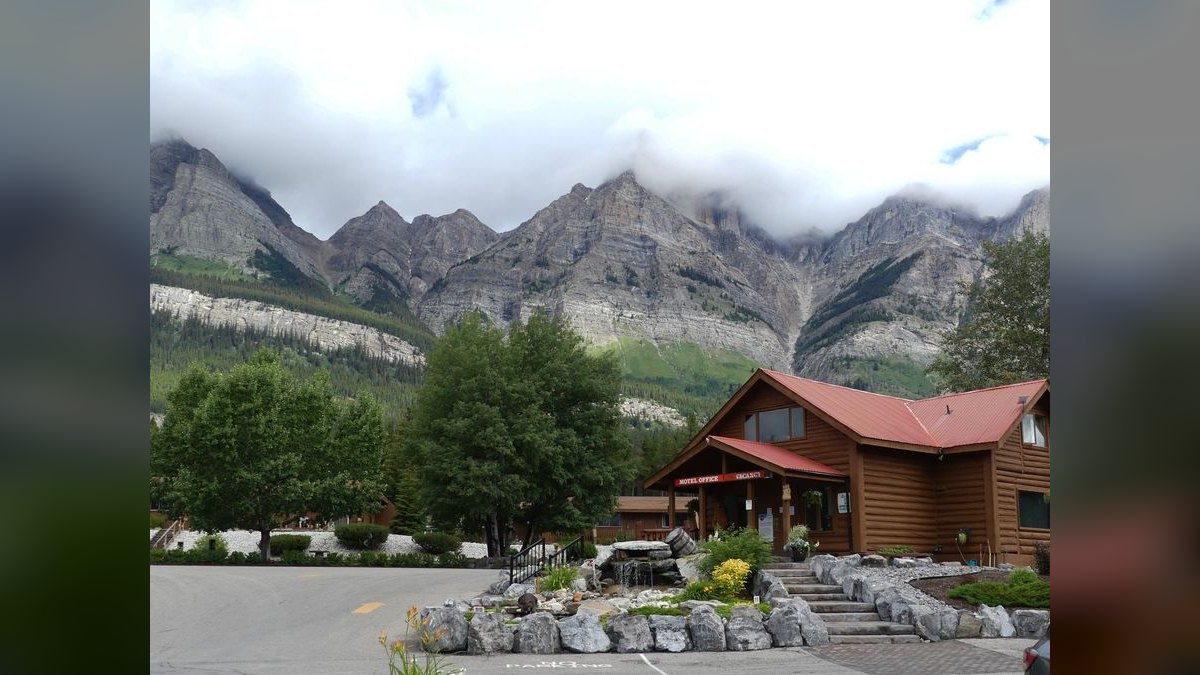
The Ranch at Rock Creek ranks second for board-level buyouts requiring absolute seclusion, offering a Forbes Five-Star all-inclusive experience on 6,600 acres near Philipsburg, Montana. With roughly 29 accommodations across lodge rooms, cabins, and luxury tents, a full buyout caps at 70 to 90 guests at $1,200–$1,900 per person per night. The package includes meals, fly-fishing, horseback riding, shooting sports, and the saloon, with the Granite Lodge and historic homestead cabins providing distinct gathering spaces.
This venue is for small executive teams of 30 to 80 where confidentiality outweighs convenience and cost. It trades away the larger group capacity and broader activity range of Brush Creek Ranch, which handles 40 to 120 with more rooms. Compared to the top pick, The Ranch at Rock Creek offers a slightly lower price point and a more intimate, homestead-style character, but its smaller room count makes it unsuitable for groups above 90.
3. The Broadmoor
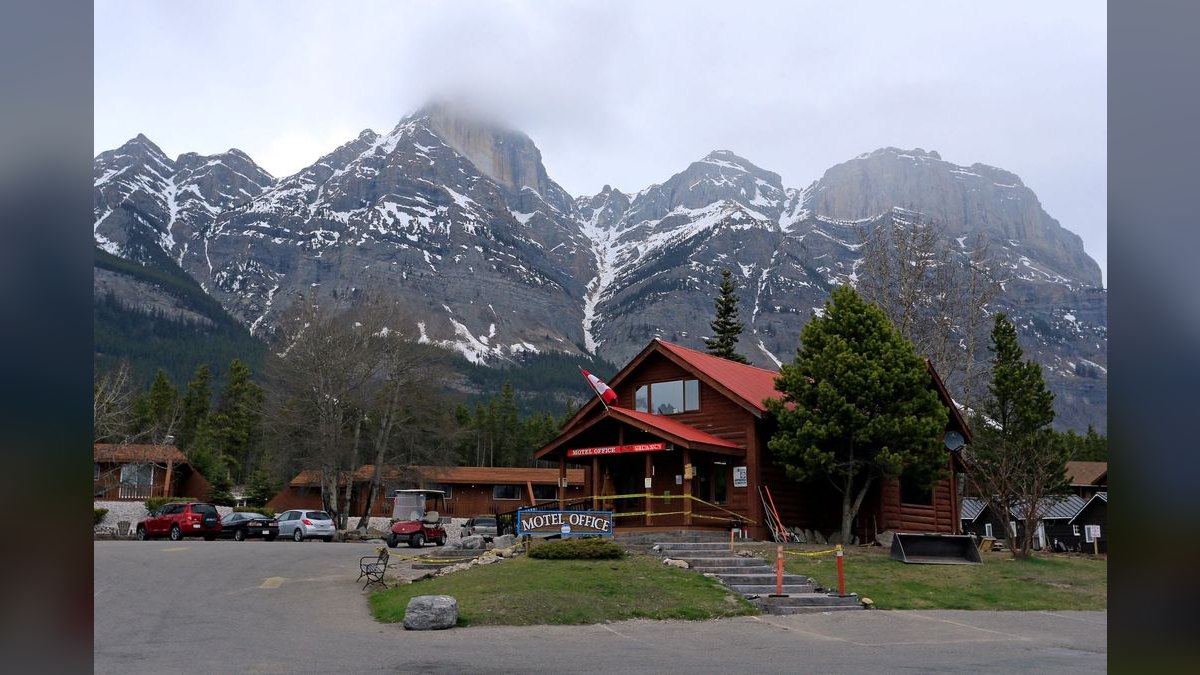
The Broadmoor ranks third because it is the only venue on this list that comfortably absorbs 300-plus attendees, with 784 rooms and over 185,000 square feet of meeting space. Group rates run $350–$650 per room per night, with F&B, meeting space, and activities quoted separately—a model that suits large kickoffs and multi-day conferences.
This venue is for company-wide events and conferences that need dozens of breakout rooms and general-session ballrooms, not for intimate leadership retreats seeking privacy. It trades away the all-inclusive predictability of Brush Creek Ranch and The Ranch at Rock Creek, requiring careful F&B minimum negotiation and itemized budgeting.
4. Stein Eriksen Lodge
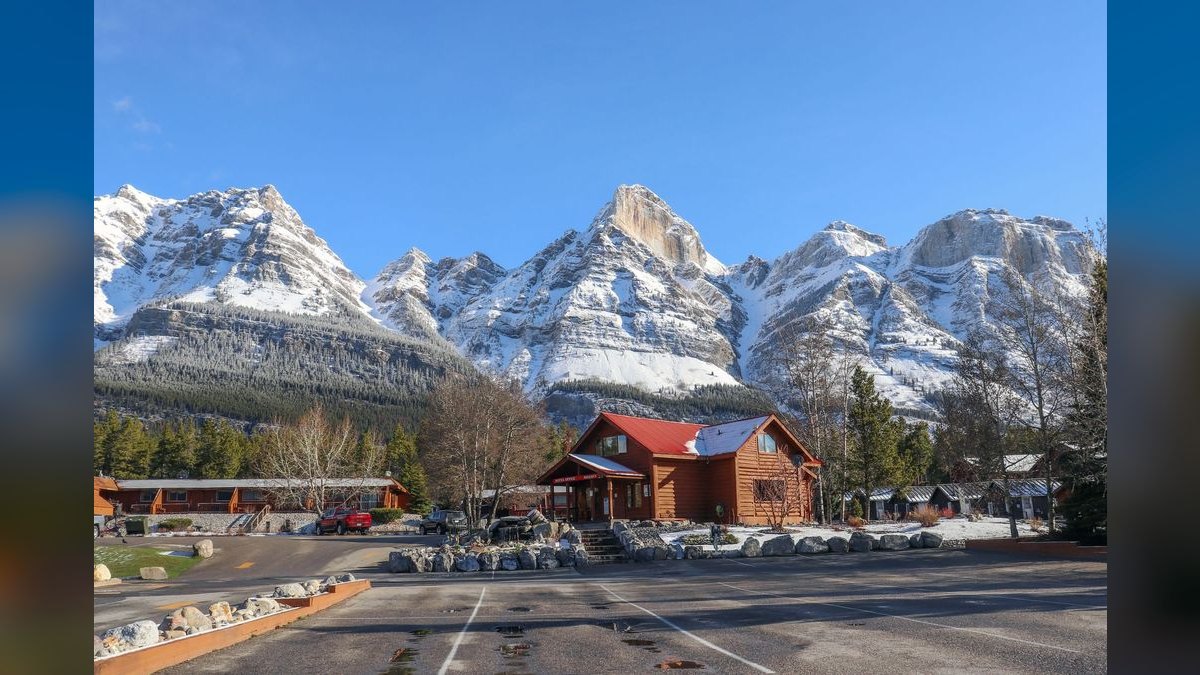
Stein Eriksen Lodge ranks fourth because it offers the easiest access of any major ski destination on this list, just 40 minutes from Salt Lake City International Airport. This Forbes Five-Star, ski-in/ski-out property in Deer Valley sits at 8,200 feet with roughly 180 rooms and 20,000 square feet of meeting space, supporting groups of 30 to 150.
This venue is for leadership retreats timed to ski season that value multi-city arrival convenience over ranch-style seclusion. It trades away the all-inclusive model of the top two ranches, requiring separate quotes for F&B, meeting space, and activities, which can push the all-in cost toward $800–$900 per person per day.
5. Sun Mountain Lodge
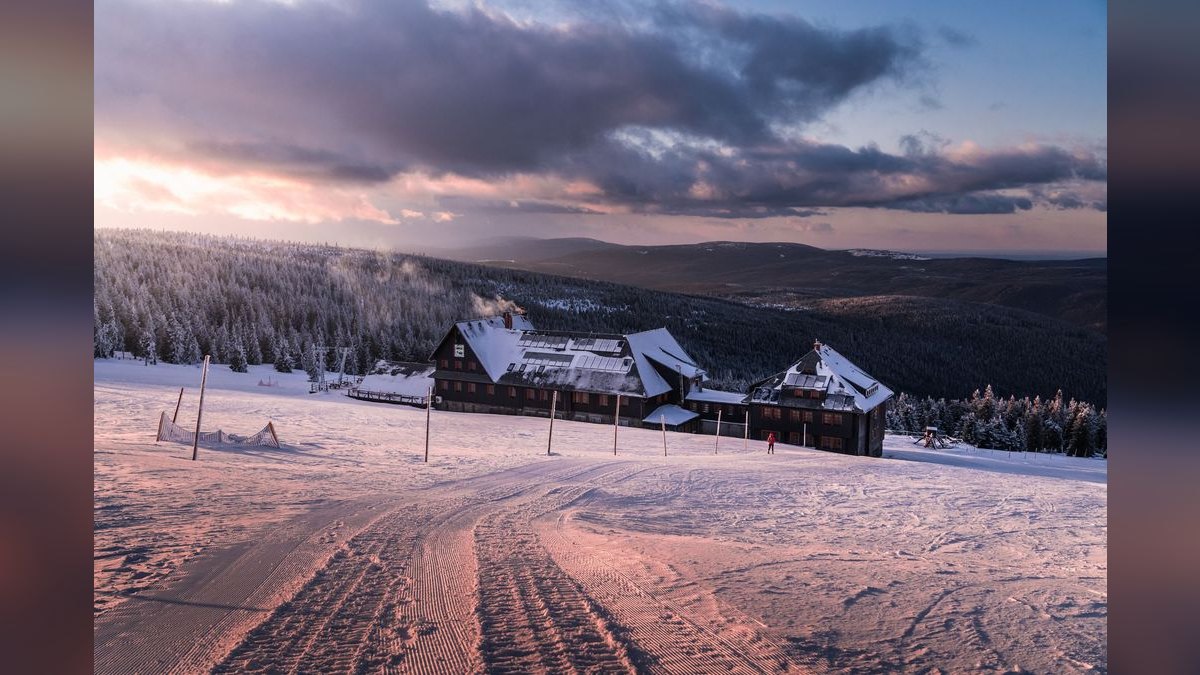
Sun Mountain Lodge ranks fifth because it delivers the best value on this list, with group rooms from $250–$350 per night and bundled meeting-and-meal packages well under Five-Star pricing. The 96-room property sits above the Methow Valley in Washington with a 360-degree North Cascades view, and its conference center seats up to 200.
This venue is for mid-sized teams that need a real conference center and a genuine mountain setting without the all-inclusive premium of Brush Creek or The Ranch at Rock Creek. It trades away the Forbes Five-Star service level and private buyout capability of those ranches, as well as the easy airport access of Stein Eriksen—Winthrop is a several-hour drive from Seattle.
6. Devil's Thumb Ranch Resort & Spa
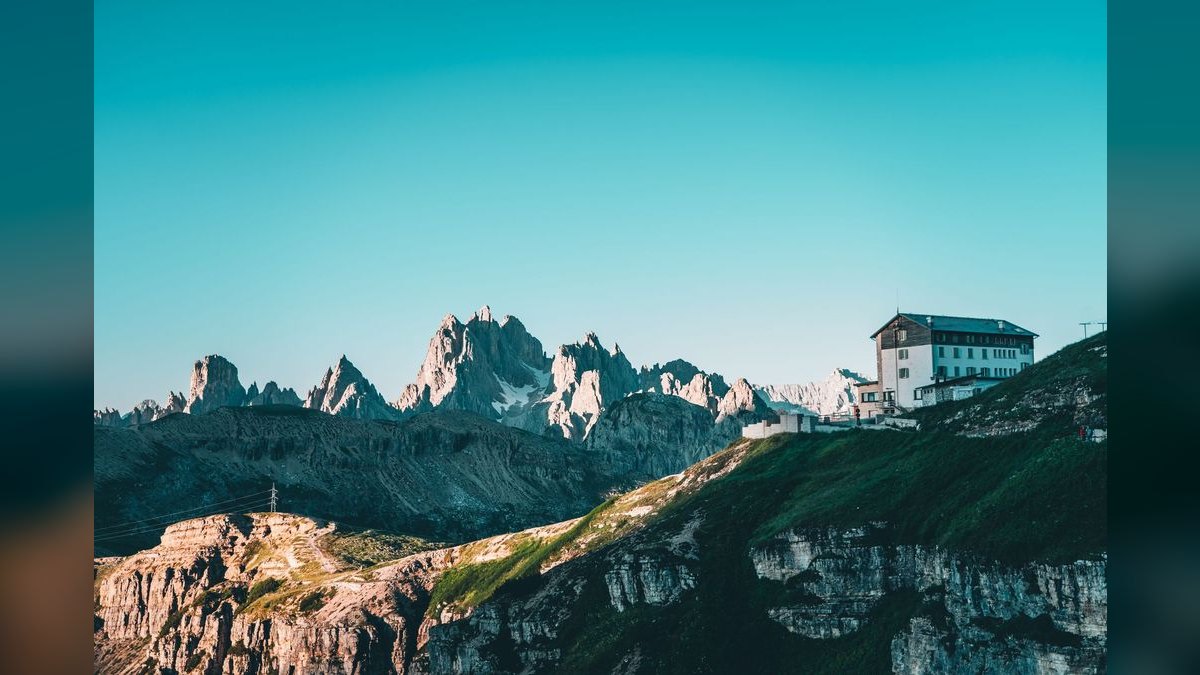
Devil's Thumb Ranch ranks sixth because it is the most logistically forgiving true ranch property in Colorado, sitting under two hours from Denver on 6,500 acres near Winter Park. With 70+ rooms and cabins, it supports groups of 40 to 200, and the Broad Axe Barn serves as a signature general-session venue alongside the Ranch House.
This venue is for retreats wanting rustic-luxury barn general sessions with genuine breakout capacity, without the isolation of Wyoming or Montana ranches. It trades away the all-inclusive predictability of Brush Creek Ranch and The Ranch at Rock Creek, requiring separate F&B and AV budgeting that can add 50 percent to the room rate.
7. Snake River Lodge & Spa
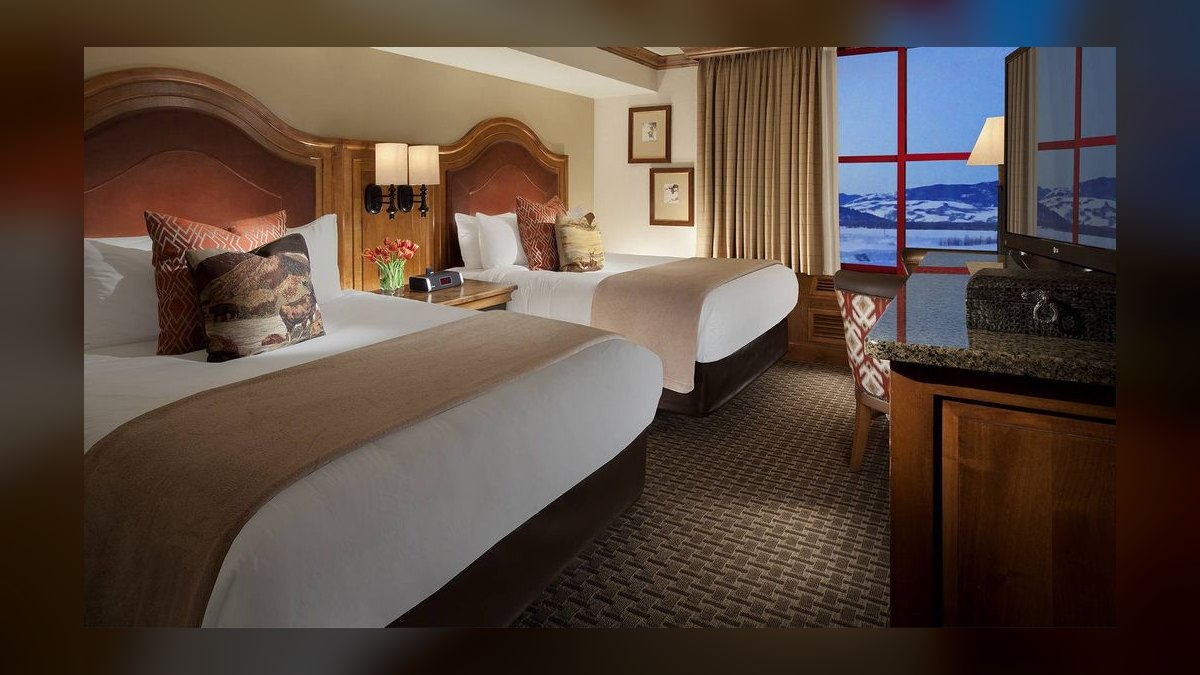
Snake River Lodge & Spa ranks seventh because it offers a national-park backdrop and ski-village energy that no other venue on this list matches, sitting at the base of Jackson Hole Mountain Resort. The 88-room property is steps from the Aerial Tram and features a multi-level spa, with group rates from $350–$700 seasonally.
This venue is for teams that want the energy of a ski resort town with national-park access, not for those seeking total privacy or a full buyout. It trades away the all-inclusive model of the top ranches, requiring itemized budgeting for F&B, meeting space, and activities that can push the all-in cost above $800 per person per day.
8. Sundance Mountain Resort
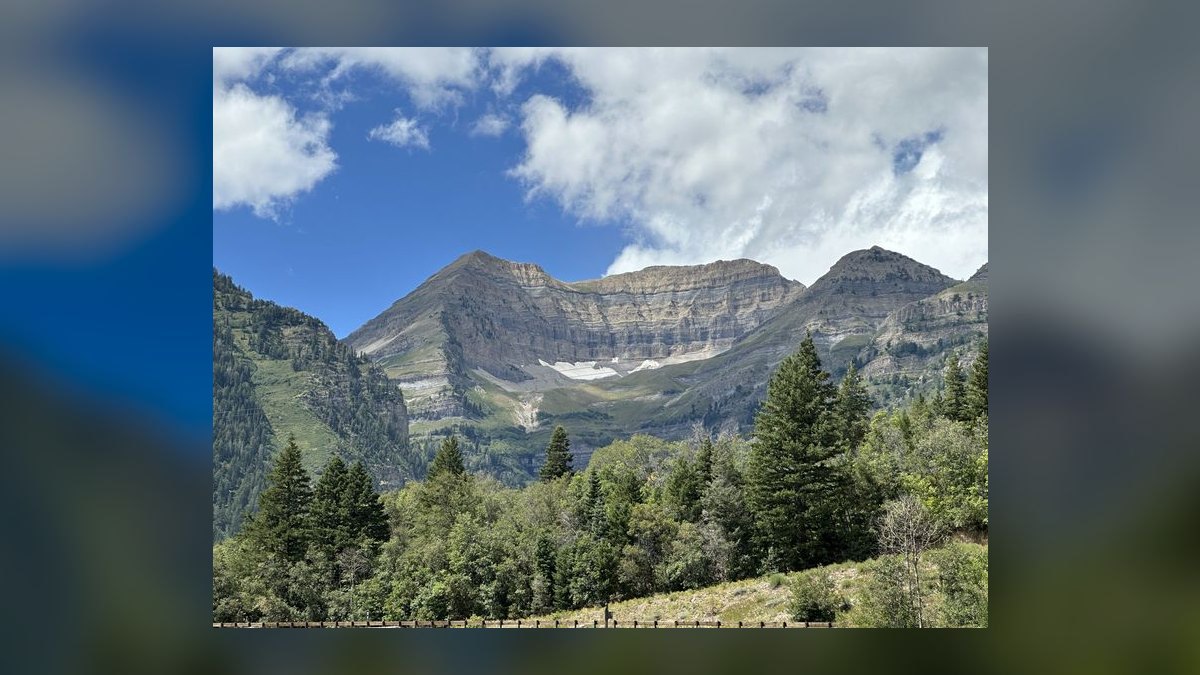
Sundance Mountain Resort ranks eighth because it offers a distinctive arts-driven atmosphere that suits creative, product, and marketing offsites, set on 5,000 acres below Mount Timpanogos in Utah. With 95 cottages and mountain homes, it supports groups of 30 to 120, and the Tree Room and Owl Bar serve as unique event venues. Group rates run $300–$550, making it a mid-tier option with strong character and a lower price point than the Five-Star properties.
This venue is for creative teams that value atmosphere over ballroom scale, not for large conferences needing dozens of breakouts or executive buyouts requiring total privacy. It trades away the all-inclusive predictability of Brush Creek Ranch and the large meeting footprint of The Broadmoor, with a smaller conference center that may require creative scheduling for parallel sessions.
9. Lone Mountain Ranch
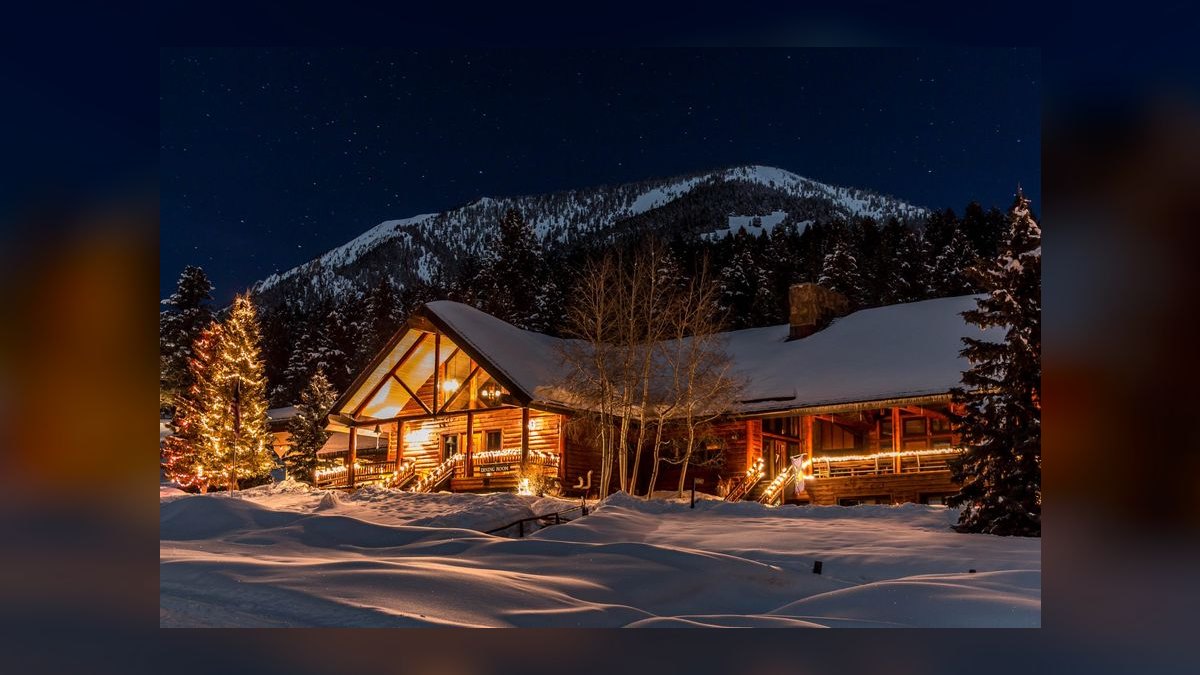
Lone Mountain Ranch ranks ninth because it is the cheapest true buyout on this list, with full or partial buyouts running $400–$700 per person per night including meals. The National Geographic Unique Lodges member in Big Sky, Montana, has about 30 cabins, supporting 50 to 80 guests, with the Horn & Cantle restaurant and Nordic skiing on site. Yellowstone access is a major draw, giving teams a national-park excursion option that few other venues can match.
This venue is for 40 to 70-person leadership retreats wanting authentic Montana ranch character without the Five-Star price tag of the top two ranches. It trades away the larger room count and extensive amenities of Brush Creek Ranch, as well as the easy airport access of Sun Mountain—Big Sky is a significant drive from Bozeman.
10. Tenaya at Yosemite
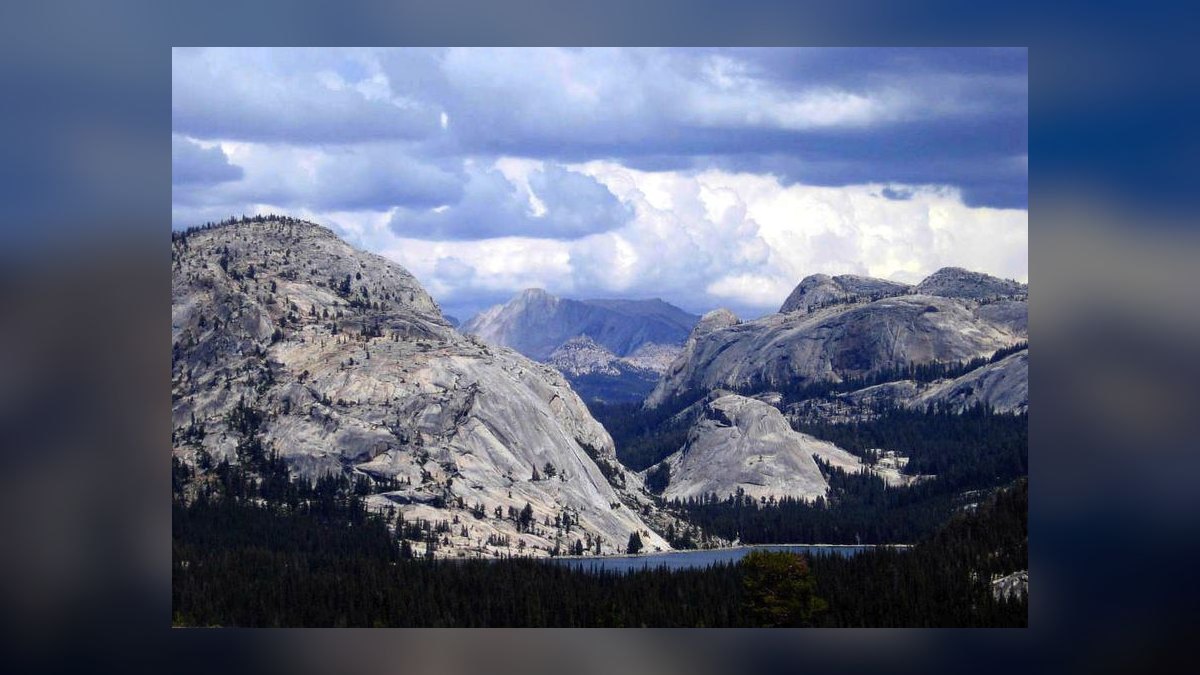
Tenaya at Yosemite ranks tenth because it offers the best breakout capacity for its price point, with 307 rooms and roughly 20,000 square feet of meeting space at group rates of $250–$450. Located two miles from Yosemite's south gate at 5,200 feet, it supports groups of 50 to 400, making it one of only two venues on this list that absorb 300-plus attendees.
This venue is for West Coast-weighted teams that want a national-park setting with genuine breakout capacity, not for those requiring a Rockies location—it sits in the Sierra Nevada, not the Rockies, which is a geographic caveat. It trades away the all-inclusive model of the top ranches and the Five-Star service of The Broadmoor, requiring itemized budgeting for F&B and AV.
How we ranked these
We measured and weighted four variables: headcount versus room count, meeting-space geometry (breakout count, not total square footage), altitude and arrival logistics, and drive time from a commercial airport. These were scored against published group rates and typical all-in per-person-per-day costs. Venue fit was determined by how well each property matched standard offsite briefs for 30 to 1,000+ attendees, with buyout ranches and mid-tier lodges evaluated separately.
We deliberately ignored subjective aesthetics, brochure photography, and brand prestige. We also excluded any claimed revenue lift from the retreat, as that attribution does not exist. The focus was on operational constraints and realistic budgeting, not on marketing narratives. This approach ensures the ranking reflects what actually drives a successful decision cycle and attendee experience, rather than what looks impressive in a sales pitch.
What to look for
What actually matters is the interaction between your headcount and the venue's room count, breakout room inventory, and airport drive time. A 140-person group cannot fit a 29-room ranch, and a 60-person retreat needs six breakout rooms, not one ballroom. Budget the all-in per-person-per-day cost, not the room rate, and account for altitude by scheduling hard work on days two and three, not day one.
The most common mistake is choosing on brochure appeal rather than the brief. Leadership falls in love with a spectacular ranch, then discovers the agenda doesn't fit the rooms. Another frequent error is ignoring the F&B minimum and attrition clauses, which can add 25-30% to the final bill. Always model the contract against a realistic agenda and negotiate the attrition threshold down.
Related questions
How many nights should a mountain lodge retreat run?
Three nights is the standard and the right default: arrival evening, two full working days, departure morning. Two nights loses a full day to travel on both ends. Four or more nights sees attention and attendance decay sharply after day three.
Is an all-inclusive ranch actually cheaper than a resort?
Often within 20 percent once you finish the math. A $400 resort room rate typically becomes $800-$900 per person per day after three meals, AV, meeting space, and resort fees. The ranch buyout's real advantage is budget predictability, not headline price.
What is the best time of year to book a mountain lodge retreat?
Peak fall and winter dates at Five-Star properties need 12-18 months of lead time. Summer and spring dates for groups under 50 are often achievable with 6-9 months. Shoulder seasons offer materially lower rates at ski properties like Stein Eriksen Lodge.
How do I handle altitude sickness for sea-level attendees?
Above 8,000 feet, schedule arrival plus a light dinner on day one, and hard work on days two and three. Avoid open bars the first night, put water on every table, and delay cognitive work until after 10 a.m. on day one.
What is the F&B minimum trap?
Resort contracts often attach a food-and-beverage minimum to discounted meeting space. If you don't hit it, you pay the shortfall as a penalty. Service charge and tax typically don't count toward the minimum, creating a 25-30% gap people miss.
How far in advance should I book activities like fly-fishing or skiing?
Horseback programming, guided fly-fishing, and group ski instruction for 60-plus people typically need 60-90 days of lead time. Guide availability is the binding constraint, not the property's willingness. A retreat finalized four weeks out gets a watered-down activity block.
What should I include in the RFP to compare venues fairly?
Send every property the identical request: room block by night, meeting space by room with square footage and capacity, F&B minimum, resort fee, AV pricing, ground transfer options, attrition threshold, cancellation schedule, and complimentary-room ratio. Compare on total per-person-per-day cost, never on room rate.
Can I bring my own catering or alcohol to a mountain lodge?
Most full-service properties require on-site catering and bar service because of liquor licensing and kitchen logistics. Assume you cannot bring your own; a corkage arrangement is occasionally possible but rare at this tier and should never be assumed in a budget.
FAQ
What is the best mountain lodge for a corporate retreat in the U.S. Rockies?
The Lodge & Spa at Brush Creek Ranch in Saratoga, Wyoming is the strongest overall, offering an all-inclusive 30,000-acre property with full-buyout rates around $1,500-$2,200 per person per night. It's ideal for executive offsites of 40-120 seeking total privacy.
Which mountain lodge offers the best value for a corporate retreat?
Sun Mountain Lodge near Winthrop, Washington delivers the best value, with group rooms near $250-$350 nightly. It offers a real conference center and mountain setting on a controlled budget, suitable for 20-120 person offsites.
How many attendees can a full buyout at The Ranch at Rock Creek accommodate?
The Ranch at Rock Creek has roughly 29 accommodations, so a full buyout caps out near 70-90 guests depending on double occupancy. It's best for board retreats and senior-team buyouts of 30-80 where absolute privacy is the point.
What is the largest venue on the list for large conferences?
The Broadmoor in Colorado Springs has 784 rooms and 185,000+ square feet of meeting space, comfortably absorbing 300-plus attendees. It's best for company kickoffs and multi-day conferences from 150 to 1,000+.
Which venue has the easiest airport access?
Stein Eriksen Lodge in Park City is roughly 40 minutes from Salt Lake City International, the easiest access of any major ski destination on the list. The Broadmoor is about 20 minutes from Colorado Springs' airport.
What is the cheapest true buyout option on the list?
Lone Mountain Ranch in Big Sky, Montana offers full or partial buyouts at roughly $400-$700 per person per night with meals, notably the cheapest true buyout. It suits 50-80 guests and fits 40-70 person leadership retreats.
Is Tenaya at Yosemite in the Rockies?
No, Tenaya at Yosemite is in the Sierra Nevada, not literally the Rockies. It belongs on the shortlist only if your team is West Coast-weighted, offering 307 rooms and 20,000 square feet of meeting space near Yosemite's south gate.
What is the most common budgeting surprise for retreat planners?
The all-inclusive ranches look expensive on the headline number but often land within 20 percent of the resort total once you add meals, AV, and fees. A $400 room rate usually produces an $800-$900 all-in per-person-per-day figure.
How does altitude affect retreat productivity?
Above 8,000 feet, sea-level arrivals commonly report poor first-night sleep, headache, and reduced cognitive stamina. This is why day-one strategy sessions produce worse output than the same session at 5,000 feet. Schedule hard work on days two and three.
What should I do if my headcount is uncertain?
Contract a smaller room block with a right to add rooms rather than an optimistic block you'll have to shrink. Attrition clauses often require 80-90% of contracted rooms, so an uncertain headcount can cost you on the difference.
Sources
- https://www.brushcreekranch.com/
- https://www.broadmoor.com/
- https://www.steinlodge.com/
- https://www.sunmountainlodge.com/
- https://www.theranchatrockcreek.com/
- https://www.devilsthumbranch.com/
- https://www.sundanceresort.com/
- https://www.lonemountainranch.com/
- https://www.tenaya.com/
- https://www.snakeriverlodge.com/
Related on PULSE
This page will be disappearing soon. Save it to your device for $1 — or read it free while it is here.
@Kory-White- · if Venmo asks, the last 4 of my number are 2012
This page is gone.
This one is off the shelf now. $1 keeps it on your phone for good — the whole page, pictures and diagrams included.
 pulse-eventsHow much does a custom 20x20 exhibit booth by Skyline cost in 2027?
 pulse-events10 Best Beach Resorts for Family Reunions in 2027
 pulse-eventsBest Corporate Holiday Party Venues in Chicago (2027)
 pulse-eventsThe 10 Best Beach Wedding Venues in the United States in 2027
 pulse-eventsHow do you get started with Events in 2027?
 pulse-events10 Best Corporate Retreat Venues in Texas (2027)
 pulse-eventsThe 10 Best Scottsdale Bachelor & Bachelorette Experiences for 2027
 pulse-events10 Best National Parks for Family Reunions in 2027
 pulse-eventsBest Retirement Party Venues in the Washington, D.C. Area (2027)
 pulse-eventsThe 10 Best Charleston Wedding Venues in 2027