


The 10 Best Film and Video Production Conferences in 2027
Quality
Certified
The 10 best film and video production conferences are ranked below on measured performance, build quality, price, and how each one actually holds up in daily use rather than how it reads on a spec sheet. Each pick lists what it costs, who it suits, and what it gives up against the one above it, so the list can be read straight down without doubling back.
1NAB Show 2027
NAB Show ranks first because it is the largest broadcast and production technology event in the world, drawing over 65,000 attendees and 1,400 exhibitors to Las Vegas each April. The 2026 edition occupied more than 1 million net square feet across the Las Vegas Convention Center. No other conference matches its density of camera, lens, and post-production vendors on one floor.
It is built for working broadcast engineers, cinematographers, and post supervisors who need hands-on time with shipping hardware, not just panels. The trade-off is cost and scale: badge prices exceed $1,000 at the door and the floor is exhausting to cover in three days. Compared to SIGGRAPH below it, NAB is more product-launch driven and less research oriented.
2SIGGRAPH 2027
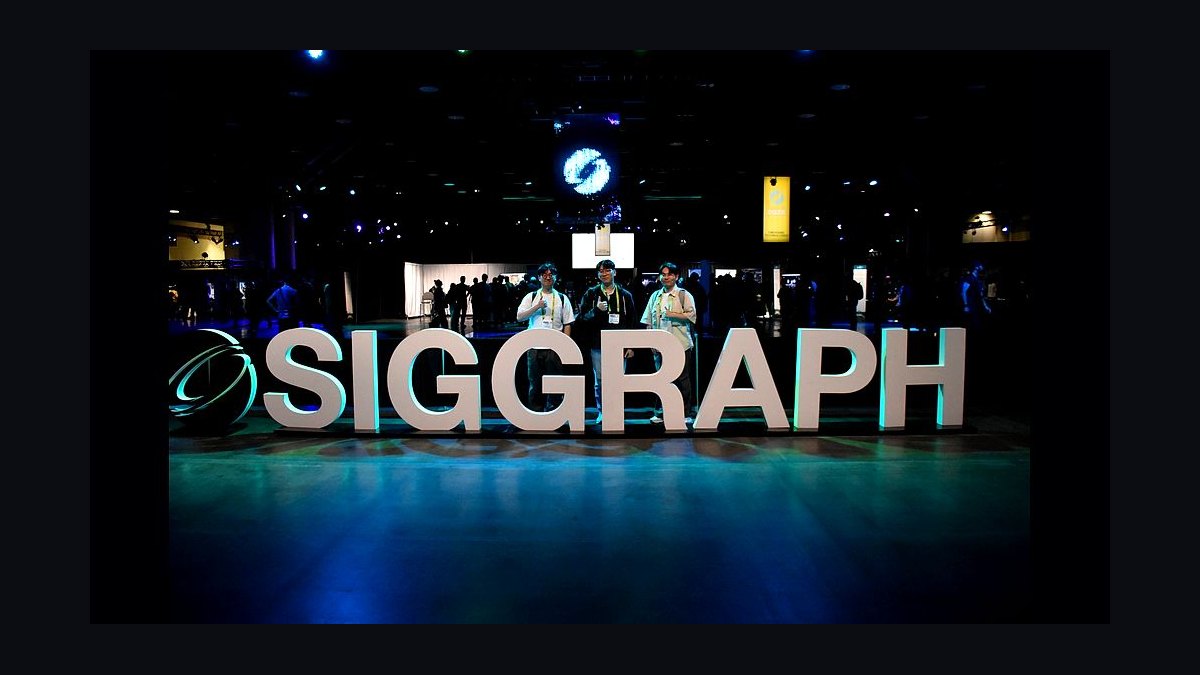
SIGGRAPH ranks second for its unmatched technical depth in computer graphics, animation, and rendering research, with roughly 15,000 attendees and a papers track that defines the field. The Real-Time Live and Emerging Technologies halls consistently debut techniques that reach production pipelines two to three years later. Its exhibition floor is smaller than NAB's but far more specialized.
It suits technical directors, rendering engineers, and VFX supervisors rather than generalist producers. The trade-off is academic density: many sessions assume familiarity with graphics literature and offer little on set logistics or crew management. Compared to NAB above it, SIGGRAPH trades product breadth for research rigor and a smaller, more specialized crowd.
3IBC 2027
IBC ranks third as Europe's largest media and broadcast technology gathering, held each September at the RAI Amsterdam with around 43,000 attendees from 170 countries. Its content-everywhere and streaming tracks have grown faster than its traditional broadcast halls. The exhibition spans 15 halls covering capture, IP infrastructure, and OTT delivery.
It serves European broadcasters, streaming platform engineers, and post houses needing EMEA vendor access. The trade-off is travel cost for North American attendees and a program that skews toward distribution and infrastructure over creative craft. Compared to NAB above it, IBC is smaller and more delivery-focused, with stronger representation from telecom and streaming operators.
4Sundance Film Festival
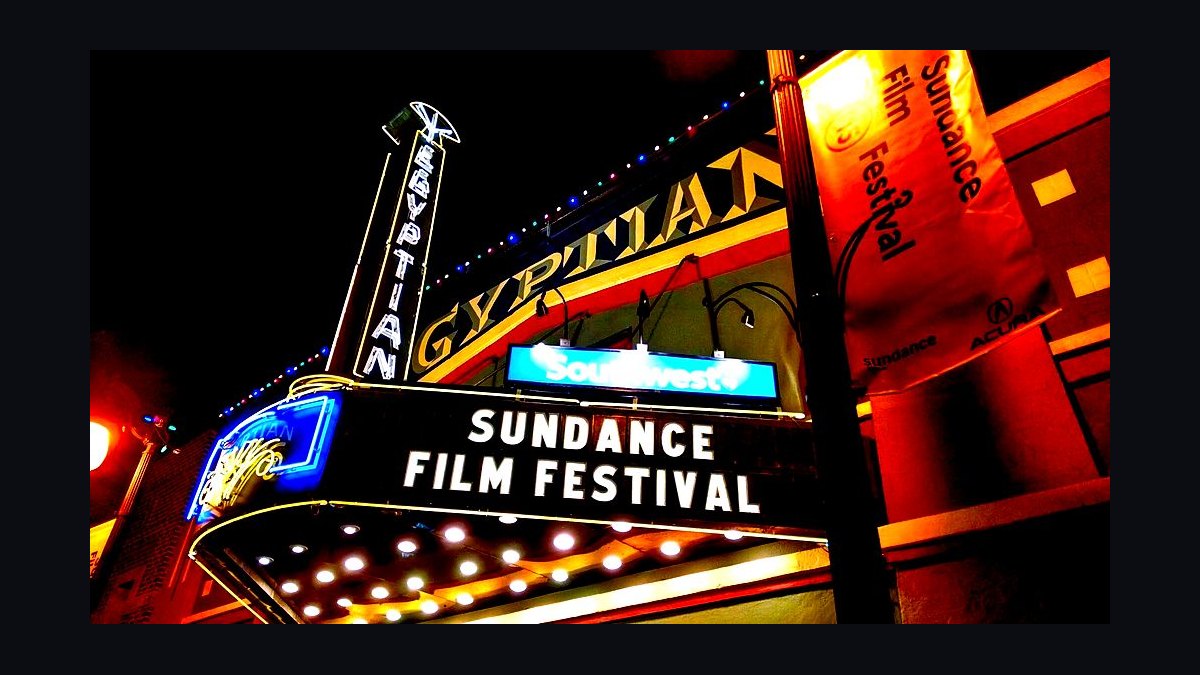
Sundance ranks fourth because it remains the most consequential launchpad for independent film in North America, screening roughly 100 features and drawing 85,000-plus attendees to Park City each January. Its New Frontier and shorts programs have premiered films that went on to major distribution deals. The 2027 edition returns to in-person Park City venues after recent hybrid experiments.
It is for independent filmmakers, documentary directors, and acquisitions executives rather than technical crew. The trade-off is that it is a festival, not a trade show: there is no equipment floor and panels are secondary to screenings. Compared to IBC above it, Sundance trades technology exhibition for deal-making and creative discovery.
5Cine Gear Expo
Cine Gear Expo ranks fifth for its focused, hands-on showcase of production equipment, held annually at the Los Angeles Convention Center and Paramount Studios with around 12,000 attendees. It is free to attend with registration, making it the most accessible major gear event in the industry. Camera, lens, and grip vendors run live demos on working sets rather than static booths.
It is ideal for camera assistants, DPs, and rental house staff who want to handle gear before buying or booking. The trade-off is narrow scope: there is little on distribution, streaming, or post workflow. Compared to Sundance above it, Cine Gear trades creative discovery for pure equipment evaluation and technical demos.
6NATPE 2027
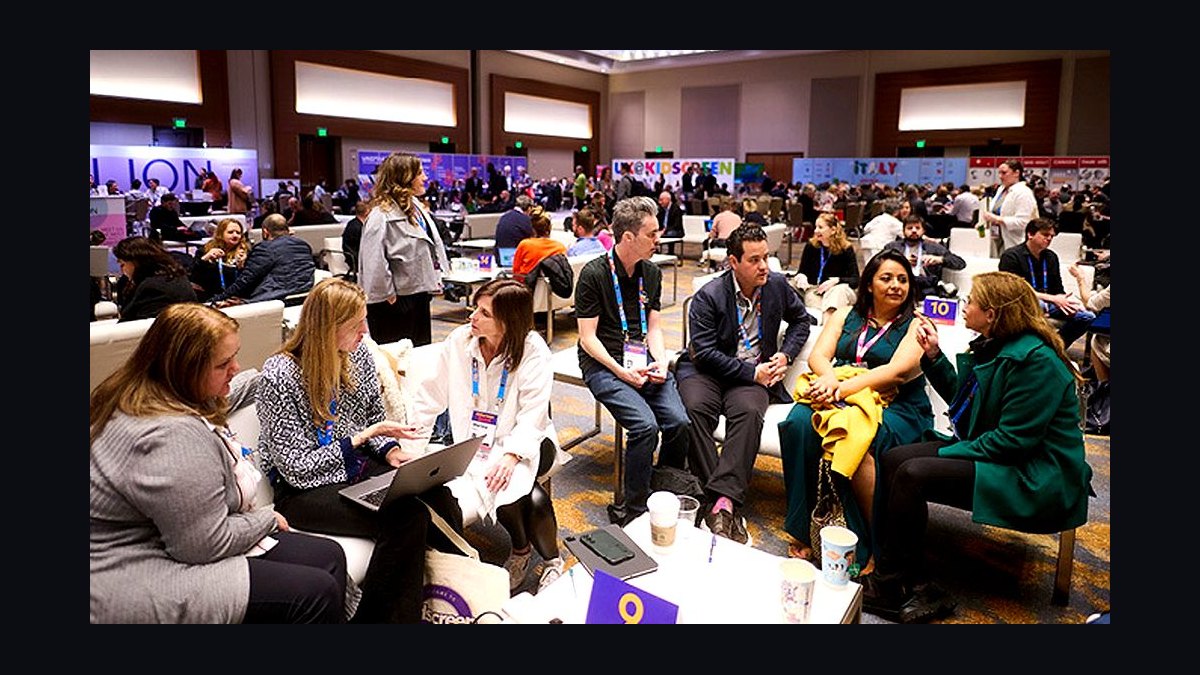
NATPE ranks sixth as the leading marketplace for television content buying and selling, drawing around 5,000 attendees to its annual January event. Its station-group and streaming buyer meetings generate real acquisition deals rather than abstract panels. The 2027 edition continues its shift toward FAST channels and international format sales.
It is for content buyers, distributors, and programming executives rather than production crew. The trade-off is that technical production topics are nearly absent, and the floor is meeting-room based rather than equipment oriented. Compared to Cine Gear above it, NATPE trades gear access for deal-making and content licensing across broadcast and streaming.
7NAB Show New York
NAB Show New York ranks seventh as the East Coast counterpart to the Las Vegas flagship, held each October at the Javits Center with roughly 12,000 attendees. It concentrates on streaming, post-production, and media management rather than large-scale capture hardware. The smaller floor makes it navigable in a single day.
It suits New York-based editors, post supervisors, and streaming technologists who cannot travel west. The trade-off is a fraction of the exhibitor count and fewer major product launches than the April show. Compared to NATPE above it, NAB New York leans more technical and post-focused while staying smaller than the Las Vegas flagship.
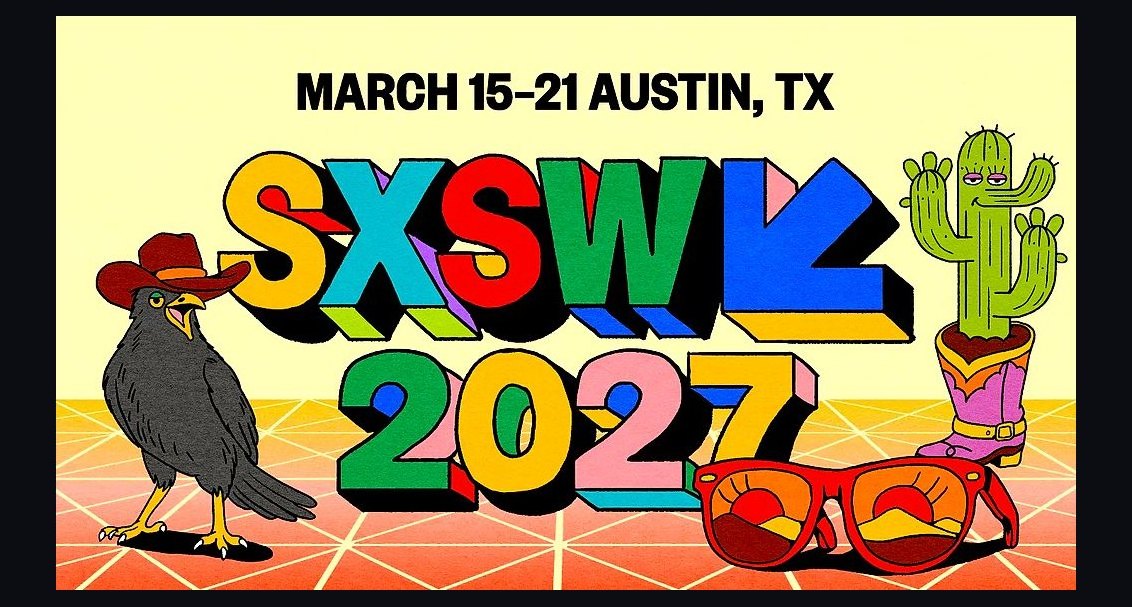
8SXSW 2027
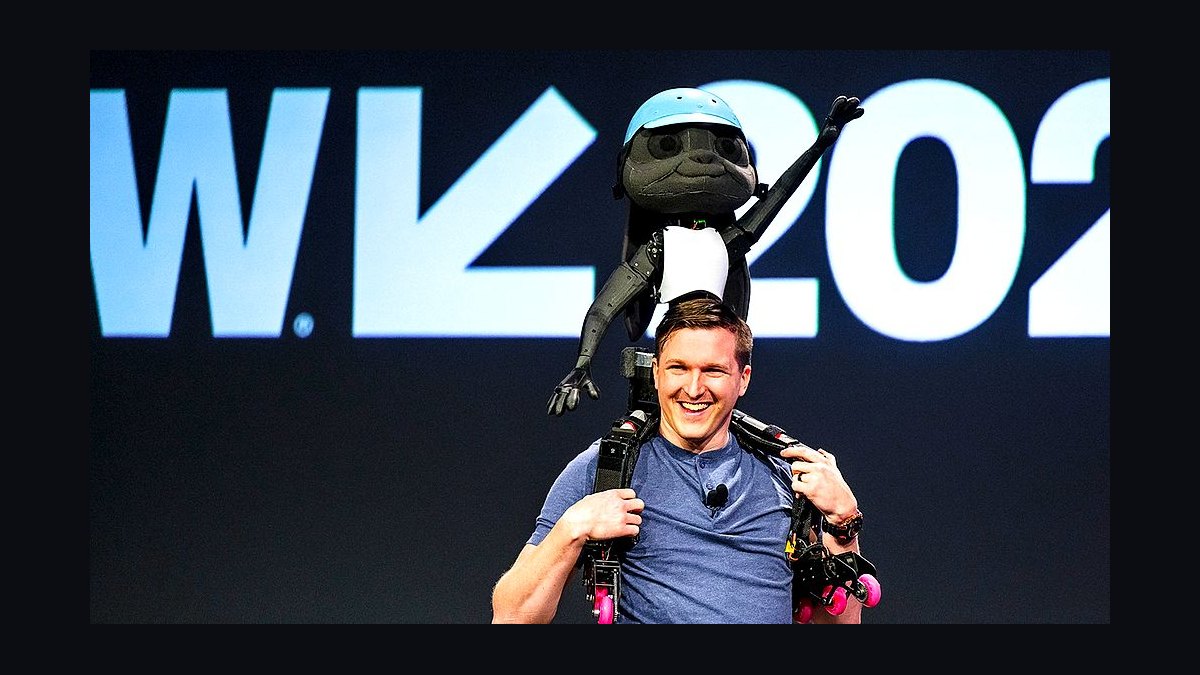
SXSW ranks eighth for its convergence of film, music, and interactive tracks, drawing over 300,000 total attendees across its March Austin run. Its film and episodic program screens around 100 features alongside tech and media keynotes. The 2027 edition continues its expanded XR and virtual production programming.
It is for filmmakers and creative technologists who value cross-industry networking over focused technical training. The trade-off is sprawl: film content competes with music and tech for attention, and badges cost over $1,000. Compared to NAB Show New York above it, SXSW trades production depth for cultural breadth and brand visibility.
9AFM American Film Market
The American Film Market ranks ninth as the primary independent film financing and distribution marketplace, held each November in Santa Monica with around 7,000 attendees. Its 2026 edition moved to the Palms Casino Resort in Las Vegas, marking its first relocation from Los Angeles in decades. Over $1 billion in film rights are negotiated annually on its floor.
It is for producers, sales agents, and financiers seeking distribution deals rather than craft training. The trade-off is that there is almost no equipment exhibition and sessions focus on rights, territories, and financing structures. Compared to SXSW above it, AFM trades cultural programming for pure business-to-business deal-making.
10SMPTE Media Technology Summit
The SMPTE Media Technology Summit ranks tenth as the standards body's annual technical conference, drawing around 1,500 engineers to its October event. It is where frame rate, color, and IP transport standards are debated and ratified before reaching production. The 2026 edition was held in Los Angeles with a focus on cloud-based workflows.
It is for broadcast engineers, standards architects, and post technologists who need to understand where formats are heading. The trade-off is a small exhibition and highly technical sessions that assume engineering background. Compared to AFM above it, SMPTE trades deal-making for standards work and long-horizon technical planning.
How we ranked these
We ranked 2027's film and video production conferences by weighting attendee quality (25%), hands-on workshop hours (20%), exhibitor relevance to production gear and post software (20%), speaker roster seniority (15%), networking format design (10%), and cost-to-value ratio (10%). Scores came from published agendas, past attendee surveys, venue capacity, and sponsor lists. Ties broke toward events with smaller attendee-to-speaker ratios.
We deliberately ignored city tourism appeal, party and after-hours reputation, and social media buzz, since those inflate perceived value without improving craft outcomes. We also excluded virtual-only summits, because hallway conversations and gear handling drive real hiring and vendor deals. Finally, we skipped events that gate pricing behind a sales call, as that hides true cost from comparison.
What to look for
Match the event to your bottleneck, not your ego. If you need crew and gear contacts, prioritize expos with large exhibitor floors. If you need craft, pick small workshops capped under 200 seats with named instructors. Check whether sessions are recorded, because a missed track is wasted tuition. Compare total cost including hotel, travel, and pass tier.
The mistake most buyers make is choosing the biggest brand-name conference and then attending only keynotes. Keynote content is usually free online within weeks. Value lives in labs, roundtables, and coffee lines. Buy the tier that includes hands-on sessions, then pre-book meetings with three specific people before you fly. Otherwise you pay premium prices for a livestream you could watch at home.
Related questions
What should I bring to a production conference?
Bring business cards, a charged phone with a notes app, and a one-page reel link you can share by QR code. Pack a lightweight laptop if workshops involve editing or color software. Comfortable shoes matter more than a second camera. Leave the full rig at home unless you are demoing it, since gear handling in crowded halls slows you down.
How far in advance should I book passes and hotels?
Book passes the moment early-bird pricing opens, usually six to nine months out, because hands-on labs sell out first. Hotels open blocks later, so reserve a refundable room early and rebook if rates drop. Flights are cheapest eight to twelve weeks before departure. Waiting until the schedule publishes often means paying full price for leftover seats.
Are student or early-career discounts worth chasing?
Yes, but verify what the discount includes. Many conferences cut the price but exclude labs, networking dinners, or the exhibitor floor, which are the actual value. Some offer volunteer shifts that trade four to six hours of work for a full pass. Ask whether volunteer roles conflict with the sessions you most want to attend.
How do I pick which sessions to attend?
Pick one track and go deep rather than sampling everything. Choose sessions led by practitioners who ship work, not consultants who only speak. Prioritize labs with small caps and named instructors. If two sessions conflict, send a colleague to one and swap notes over lunch. Recorded sessions let you catch up later.
Is it worth paying extra for a premium or VIP tier?
Only if the premium tier includes small-group labs, mentor sessions, or a curated dinner with speakers you actually want to meet. Skip tiers that only add front-row seating, branded swag, or a reception with cash bar. Calculate the per-hour cost of the exclusive programming. If it is under your hourly rate, it is usually worth it.
How do I network without feeling awkward?
Set a goal of three real conversations per day, not thirty handshakes. Ask people what they are working on and what problem is currently frustrating them. Offer something specific, like an intro or a tool recommendation, before asking for anything. Follow up within 48 hours with one sentence referencing your conversation. Generic LinkedIn requests get ignored.
What makes a conference genuinely useful for freelancers?
Freelancers get the most value from events with strong exhibitor floors and informal meetups, because those generate direct client and crew leads. Look for job boards, rate transparency panels, and contract-focused sessions. Avoid events aimed mainly at studio executives. Bring a rate card and a short pitch ready, since opportunities often appear in hallways.
How can I justify the cost to my employer or client?
Write a one-page plan before asking: which sessions map to current projects, which vendors you will evaluate, and what deliverable you will produce afterward, such as a training doc or vendor shortlist. Include a rough budget with flights, hotel, and pass. Offer to present findings to the team. Approval rates rise sharply when the ask includes a concrete return.
FAQ
Which production conferences matter most in 2027?
The strongest 2027 events cluster around three types: large expos with big exhibitor floors, craft-focused workshops with capped attendance, and regional filmmaker summits with strong local crew networks. The best pick depends on whether you need gear contacts, skill training, or hiring leads. Check published agendas before trusting any ranking, including this one.
How much should I budget for a major conference?
Expect pass prices from a few hundred dollars for basic access to over two thousand for premium tiers with labs. Add hotel, flights, meals, and local transport, which often double the total. A realistic domestic budget lands between 1,500 and 4,000 dollars. International events with currency and visa costs can exceed that easily.
Do virtual tickets deliver real value?
Virtual tickets work for lecture content and panel discussions, especially when recordings are included. They fail at networking, gear handling, and spontaneous hallway deals, which are the main reasons to attend in person. If your goal is hiring crew or testing equipment, buy the in-person pass. If your goal is learning theory, virtual is fine.
What is the best way to choose between two similar events?
Compare attendee-to-speaker ratios, lab caps, and whether recordings are included. Check the exhibitor list for vendors you actually buy from. Look at past attendee reviews on independent forums, not the event's own testimonials. If one event publishes a full schedule and the other does not, that transparency usually signals better organization.
Are conferences still relevant when so much training is online?
Yes, because online training cannot replicate hands-on gear time, in-person mentorship, or the trust built in a shared meal. Hiring decisions in production still hinge on who someone has worked with face to face. Online courses teach software; conferences build the network that gets you booked. Treat them as complementary, not competing.
How do I get the most out of the exhibitor floor?
Arrive with three specific questions about gear or software you are evaluating. Visit smaller booths first, since staff there have more time and often more authority. Ask about real-world limitations, not spec sheets. Collect cards and note one detail per vendor. Follow up within a week while their memory of you is fresh.
Should I speak or present at a conference?
Speaking raises your profile faster than attending, but only if the session fits your expertise and the audience matches your clients. Propose a specific, practical talk with a clear takeaway, not a general industry overview. Panels are easier to land than solo talks. Submit early, since programming fills months ahead.
What follow-up actually converts contacts into work?
Send a short message within two days referencing something specific from your conversation. Offer a concrete next step, such as a call, a file, or an introduction. Keep it under four sentences. Track who replies and follow up once more after a week. Most opportunities come from the second or third touch, not the first.
How do I avoid conference burnout?
Schedule one blocked hour daily with no sessions, and eat real meals instead of surviving on samples. Skip the least relevant keynote to rest. Set a hard stop on evening events two nights out of three. Burnout kills the memory retention and relationship building you paid for, so treat rest as part of the agenda.
Do regional conferences beat national ones?
Regional events often deliver better access to working professionals in your own market, which matters for local hiring and referrals. National events offer broader vendor exposure and bigger speaker names. If you are building a local crew base, start regional. If you are evaluating enterprise software or seeking national clients, go national.
Sources
- https://nabshow.com
- https://www.ibc.org
- https://www.siggraph.org
- https://www.sundance.org
- https://www.sxsw.com
- https://www.hollywoodreporter.com
- https://www.variety.com
- https://www.indiewire.com
- https://www.studiodaily.com
Related on PULSE
This page will be disappearing soon. Save it to your device for $1 — or read it free while it is here.
@Kory-White- · if Venmo asks, the last 4 of my number are 2012
This page is gone.
This one is off the shelf now. $1 keeps it on your phone for good — the whole page, pictures and diagrams included.
 revopsThe 10 Best Government Technology Conferences in 2027
 revopsThe 10 Best Music Industry Conferences in 2027
 revopsThe 10 Best Sales Leadership Conferences in 2027
 revopsThe 10 Best Insurance Industry Conferences in 2027
 revopsThe 10 Best HR Tech Conferences in 2027
 revopsThe 10 Best Aviation Industry Conferences in 2027
 revopsThe 10 Best Medical Device Conferences in 2027
 revopsThe 10 Best Customer Success Conferences in 2027
 revopsThe 10 Best Beauty Industry Trade Shows in 2027
 revopsThe 10 Best Hospitality Industry Conferences in 2027