


Should I open or buy a Chick-fil-A franchise or open an independent sandwich shop in 2027?
Quality
Certified
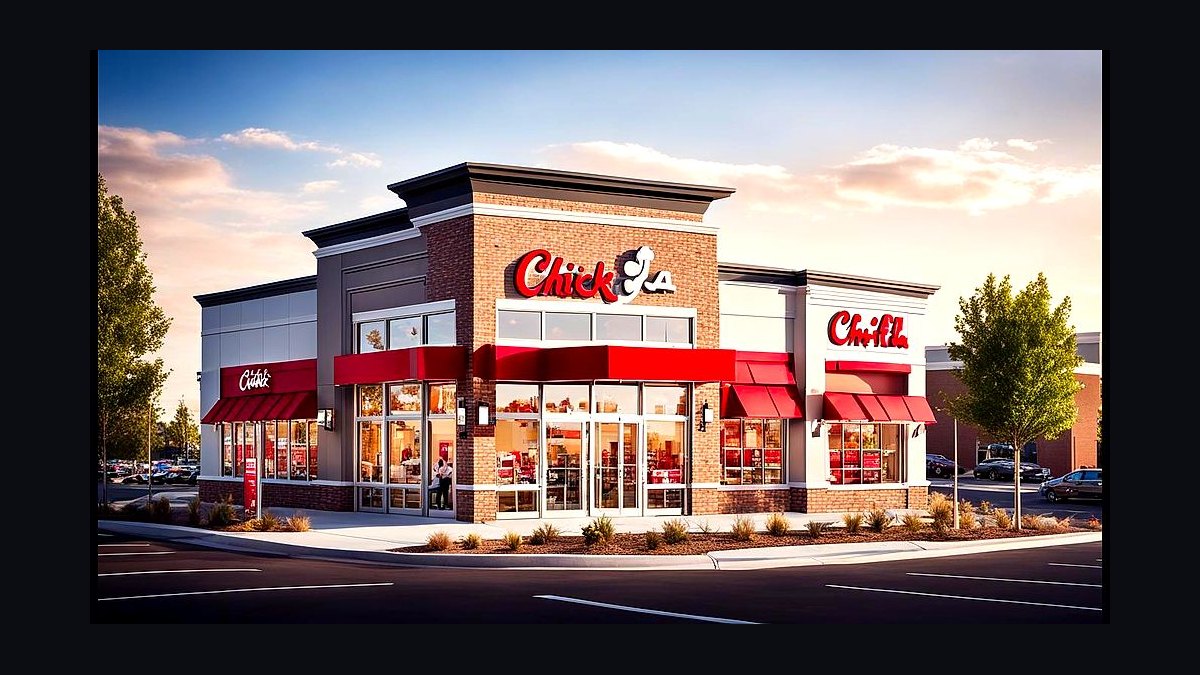
For 2027, buy the Chick-fil-A operator agreement if you want lower financial risk, a proven system, and steady six-figure income potential, but accept giving up majority ownership and long-term equity. Open an independent sandwich shop if you want full ownership, unlimited upside, and control over concept and pricing, but accept higher capital risk, slower ramp-up, and no brand pull on day one.
A Concrete Scenario That Frames The Problem
Picture two people in the same mid-sized city, each with $150,000 in savings and six months of runway, deciding where to put their money and the next decade of their working life. The first applies to become a Chick-fil-A franchise operator. Chick-fil-A owns the real estate, builds the restaurant, and buys the equipment — the operator's entry cost is a flat $10,000 fee, not a six-figure buy-in. In exchange, the operator agrees to run the unit full-time, follow Chick-fil-A's operations manual to the letter, and split the profit under a contract that historically has left Chick-fil-A with the larger share of unit economics while the operator draws a strong income (commonly discussed in the six-figure range for a mature location) without ever owning the building, the brand, or a transferable equity stake. The second person leases a 1,800 square-foot space, signs a build-out loan, designs a menu, hires a small crew, and opens an independent sandwich shop under their own name. Every dollar of profit is theirs, but so is every dollar of risk: the buildout, the walk-in cooler that breaks in month three, the slow Tuesday that never fills up, and the marketing budget needed to make anyone in town know the shop exists. The Chick-fil-A path trades ownership for safety and brand equity. The independent path trades safety for ownership and creative control. Neither is inherently better — the right answer depends on whether the person values a large, secure paycheck inside someone else's system, or a smaller, riskier, and potentially much larger payoff inside their own.
How The Mechanism Actually Works
The two paths are structured almost opposite of each other, and understanding the mechanics changes how someone should evaluate them for a 2027 launch.
Chick-fil-A does not sell a traditional franchise in the way most people picture. There is no franchise fee running into six or seven figures, no requirement that the operator build the restaurant, and no ability for the operator to own multiple locations casually the way a Subway or Dunkin' multi-unit franchisee might. Chick-fil-A selects a single operator per restaurant through a highly competitive application process — commonly reported to draw tens of thousands of applicants annually against only a small number of open units, making the acceptance rate extremely low. The operator invests the $10,000 fee, commits to working in the restaurant full-time (not as an absentee owner), and Chick-fil-A retains ownership of the real estate, the building, and the equipment. Profit above the operator's negotiated draw and operating costs flows disproportionately back to the parent company, but the operator gets a low-risk entry into a top-performing quick-service brand with best-in-class same-store sales per unit, an already-built customer base, national marketing, supply chain, training, and a facility that they never had to finance.
An independent sandwich shop works the opposite way. The founder secures their own lease, negotiates their own tenant improvement allowance (or self-funds the buildout), purchases their own equipment, designs their own menu and pricing, hires and trains their own staff from zero, and builds every ounce of brand recognition from a standing start. There is no national supply chain to lean on, no pre-built customer habit, and no corporate marketing engine. But the founder owns 100% of the equity, keeps 100% of the profit after debt service, and can sell the business, expand it, franchise it themselves, or change the concept entirely — none of which a Chick-fil-A operator can do, because the operator never owned the underlying asset.
Real Numbers, Ranges, And Benchmarks

The financial shape of each path is different enough that raw dollar comparisons can mislead unless the structure is understood first.
Chick-fil-A's entry cost is consistently reported at a flat $10,000 franchise fee — dramatically lower than almost any other national quick-service brand, precisely because the operator isn't buying real estate or equipment. Chick-fil-A itself funds the land, the building, and the kitchen. What operators actually take home varies by unit volume and market, but Chick-fil-A locations are widely cited as generating some of the highest average unit sales in the entire quick-service restaurant industry — often reported well above $4-5 million in annual revenue for average units, with flagship locations exceeding that. Even with the operator's draw structured to leave the majority of profit with the parent company, a strong operator at a high-volume unit can still see a healthy six-figure personal income, without ever taking on a construction loan, an SBA loan, or personal guarantees on a commercial mortgage.
An independent sandwich shop's numbers look very different. Total startup cost for a full build-out sandwich concept commonly ranges from roughly $150,000 on the lean end (existing second-generation restaurant space, minimal equipment changes) to $400,000-$600,000+ for a ground-up build with new HVAC, grease trap work, and a full commercial kitchen. That capital typically comes from a mix of personal savings, an SBA 7(a) loan (which can finance a large share of a small business's startup costs but requires a personal guarantee and often a down payment in the 10-20% range), and sometimes outside investors. Monthly fixed costs — rent, insurance, utilities, base payroll — commonly run in the $8,000-$20,000 range depending on market and square footage before a single sandwich is sold. Restaurant industry benchmarks generally suggest food cost should land near 28-32% of revenue and labor near 25-30% for a sandwich-format concept to hit a sustainable margin. Breakeven timelines for a new independent restaurant concept commonly run 12-24 months, and first-year survival is meaningfully improved by strong location selection, adequate working capital reserves (commonly recommended at 3-6 months of fixed costs held back, not spent on buildout), and disciplined cost control from day one — factors entirely within the independent owner's control, but also entirely their responsibility, with no corporate safety net.

Trade-Offs And Alternatives
The core trade-off is ownership and upside versus risk and effort, but there are meaningful alternatives inside each lane worth naming before committing capital in 2027.
On the Chick-fil-A side, the primary trade-off is that the operator role is closer to a highly compensated, high-accountability management job than true business ownership — there is no equity to sell, no ability to leverage the business for a loan against a second location the operator personally owns, and no transferable asset to pass to heirs the way a privately owned restaurant company can be willed or sold. The operator also commits to being present and working in the restaurant, not running it remotely or as a passive investment, and must operate within Chick-fil-A's strict operational standards (including closure every Sunday, which affects weekly revenue capture compared to competitors open seven days). The upside is stability: a recession-resistant brand, corporate-funded real estate, national advertising, and a support system that most independent operators spend years and real money trying to build themselves.
On the independent side, the alternative to a full custom build is often overlooked: buying an existing, underperforming independent restaurant or sandwich shop at a discount, keeping the lease and much of the equipment, and rebranding or repositioning it — this can cut both the capital requirement and the time-to-open dramatically compared to ground-up construction, while still preserving full ownership. Another middle path some prospective owners consider is a smaller, more established sandwich franchise (rather than fully independent or Chick-fil-A specifically) — this trades some independence for a lower-risk playbook, established supply chains, and marketing support, while still allowing multi-unit ownership and eventual resale value that the Chick-fil-A single-unit operator model does not offer.
Common Pitfalls And How To Avoid Them
Applicants to the Chick-fil-A operator program frequently underestimate the interview and vetting timeline, which can stretch well beyond a year and involve multiple rounds, background checks, and in-restaurant evaluation days — treating it as a fast 2027 launch plan is a common and costly miscalculation; anyone serious should start the application process 12-18 months ahead of a target opening and keep a fallback plan active in parallel rather than pausing all other options while waiting on a decision. A second pitfall is assuming the operator role scales into a portfolio the way other franchise systems do — Chick-fil-A's model is built around single-unit, hands-on operators, so anyone whose 2027 goal is building a multi-location restaurant group should weight this heavily against the independent or alternative-franchise path.
For the independent sandwich shop route, the most common pitfall is underfunding working capital because the buildout budget consumed the entire raise — a shop that opens with nothing left for the inevitable slow first quarter is far more likely to fail than one that opens with a leaner buildout and 3-6 months of reserves intact. A second common mistake is picking a lease based on rent price rather than foot traffic and daypart fit; a sandwich concept lives or dies on lunch volume, and a cheap location with poor lunchtime visibility routinely underperforms a pricier location with strong midday walk-by traffic. A third pitfall is skipping a real concept differentiation exercise — opening "just another sandwich shop" against an already-crowded local field (national chains, other independents, grocery deli counters) without a clear reason for a customer to choose it specifically tends to produce mediocre, unsustainable volume even with good execution on food and service.
Related Questions

How much does it really cost to become a Chick-fil-A operator in 2027?
The published franchise fee is a flat $10,000, since Chick-fil-A funds the real estate, building, and equipment itself — the operator's main investment is time, the application process, and working capital for personal expenses during the vetting period.
Can I own more than one Chick-fil-A location?
The traditional operator model is single-unit and hands-on; multi-unit ownership is not the standard path the way it is with many other franchise brands, so anyone planning a multi-location portfolio should weigh alternative franchise systems.
Is an SBA loan realistic for an independent sandwich shop?
Yes — SBA 7(a) loans are commonly used to finance independent restaurant startups, typically requiring a personal guarantee and a down payment, often in the 10-20% range of total project cost, alongside a solid business plan and some owner equity.
What's a lower-risk middle ground between these two options?
Buying an existing restaurant space with usable equipment, or choosing a smaller, less capital-intensive sandwich franchise brand, both reduce risk relative to either a full independent build-out or the multi-year Chick-fil-A application wait.
FAQ
Is it easier to get approved as a Chick-fil-A operator than to get a small business loan for an independent shop?

Not necessarily easier — it is a different kind of difficulty. The Chick-fil-A process is a competitive, multi-round selection with a very low acceptance rate, while an SBA loan approval depends on credit, collateral, and a solid business plan, which many prospective independent owners can influence more directly than they can influence a corporate selection panel.
Do Chick-fil-A operators own the building? No. Chick-fil-A owns the real estate, the building, and the equipment; the operator runs the restaurant and shares in the profit under their operator agreement, but does not hold title to the property or a transferable equity stake.
How long does the Chick-fil-A operator application process take? It commonly takes well over a year from initial application to opening day, including interviews, evaluation, and training, so it should not be treated as a fast path to being in business by a specific target date.
What's a realistic first-year budget for an independent sandwich shop? Total startup capital commonly ranges from roughly $150,000 for a lean second-generation space to $400,000 or more for a full custom build, plus 3-6 months of operating reserves held separately from the buildout budget.
Which option has better long-term wealth potential? The independent path has a higher ceiling because the owner holds 100% equity and can sell, expand, or reposition the business; the Chick-fil-A path offers a more predictable, lower-risk income stream but no ownership stake to sell or pass on.
Does the Chick-fil-A brand guarantee success for the operator? No single brand guarantees success — operator performance, local market conditions, and execution still matter — but the brand's proven demand, high average unit volumes, and corporate support meaningfully lower the operational risk compared to launching an unknown independent concept.
Sources
- https://www.chick-fil-a.com/franchise
- https://www.sba.gov/funding-programs/loans/7a-loans
- https://www.franchise.org
- https://www.investopedia.com/terms/f/franchise.asp
- https://www.restaurant.org
- https://www.qsrmagazine.com
- https://www.entrepreneur.com/franchises
- https://www.score.org/resource/business-planning
Related on PULSE
- What does it really cost to open an independent restaurant in 2027?
- How does the Chick-fil-A operator model compare to other quick-service franchises?
- Is buying an existing restaurant lease a smarter move than a ground-up build?
- What SBA loan terms should a first-time restaurant owner expect?
- How do quick-service franchises structure profit splits with operators?
This page will be disappearing soon. Save it to your device for $1 — or read it free while it is here.
@Kory-White- · if Venmo asks, the last 4 of my number are 2012
This page is gone.
This one is off the shelf now. $1 keeps it on your phone for good — the whole page, pictures and diagrams included.
 franchiseShould I open or buy a Dunkin' franchise in 2027?
 franchiseShould I open or buy a Jamba franchise in 2027?
 franchiseShould I open or buy a Hand and Stone Massage franchise in 2027?
 franchiseShould I open or buy a Marco's Pizza franchise in 2027?
 franchiseShould I open or buy a Sonic Drive-In franchise in 2027?
 franchiseShould I open or buy a Meineke franchise in 2027?
 franchiseShould I open or buy an Orangetheory Fitness franchise in 2027?
 franchiseShould I open or buy a Roto-Rooter franchise in 2027?
 franchiseShould I open or buy a Kona Ice franchise in 2027?
 franchiseShould I open or buy a Supercuts franchise in 2027?