


Should I open or buy an Arby's franchise or open an independent sandwich shop in 2027?
Quality
Certified
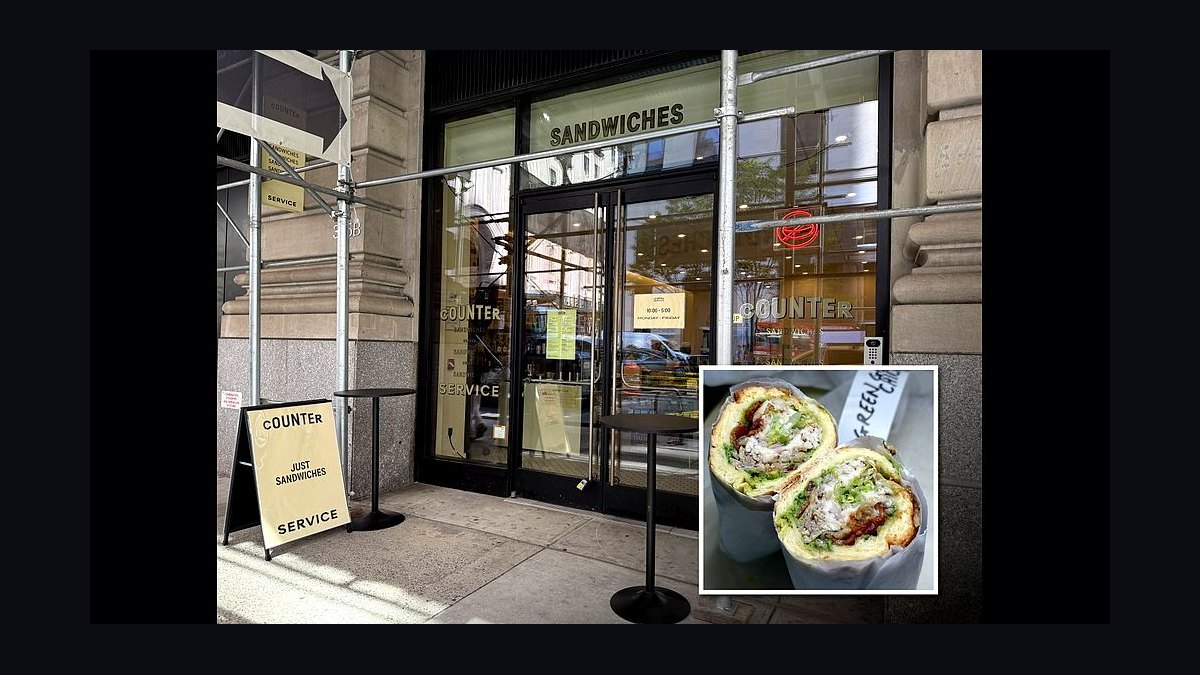
Buy the Arby's franchise if you want a proven system, national brand recognition, and are willing to trade six-figure upfront capital and ongoing royalties for lower operational risk; open an independent sandwich shop if you want full control, higher margin retention, and are prepared to build your own brand, recipes, and supply chain from scratch. In 2027, the right choice comes down to how much you value predictability versus upside and control.
Franchise vs. independent: the two paths compared
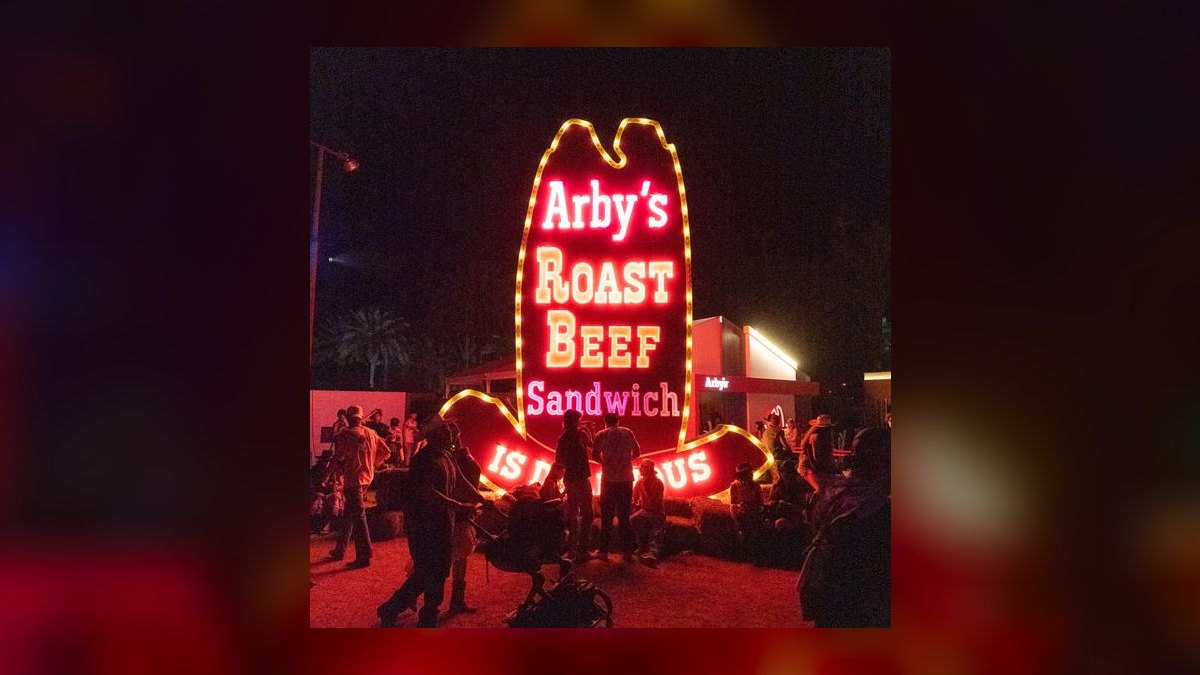
An Arby's franchise and an independent sandwich shop solve the same underlying problem — getting food into hungry hands profitably — but they ask completely different things of the person opening the door on day one. When you buy into a franchise, you are licensing a system: the recipes, the supply chain, the point-of-sale software, the marketing playbook, the training curriculum, and the brand itself. Arby's, owned by Inspire Brands, has decades of operating data behind its menu engineering, its roast beef supply logistics, and its site-selection criteria. You are not guessing whether a drive-thru slicer sandwich concept works — you are paying for the right to run a version that already works elsewhere, in exchange for an upfront franchise fee, ongoing royalty payments (commonly in the 4% of gross sales range for quick-service concepts), and a marketing/ad fund contribution (often another 3-4.5%). You also give up menu control, pricing flexibility in many markets, and the freedom to pivot the concept if local demand shifts.
An independent sandwich shop is the inverse trade. You keep 100% of the upside, you set the menu, the price points, the hours, and the vibe. You can pivot instantly — swap a slow-moving hot sandwich for a cold-pressed vegetarian option, adjust bread suppliers, chase a local ingredient trend — without asking permission or paying a royalty on the change. But you also absorb 100% of the risk. There is no national ad campaign driving traffic to your door, no established recipe R&D team, no volume-discount supply contracts, and no brand recognition that makes a first-time customer trust you before they've tasted anything. Every dollar of marketing, every hire, every menu test, and every operational fix is yours to solve, usually with far less capital cushion than a franchise operator has.
The decision also hinges on your skill set. If you are strong operationally — good at running a tight, repeatable process, managing labor cost percentages, and executing someone else's playbook with discipline — a franchise rewards that skill directly, because most of the "what to do" is already decided for you and your job is "how well do you do it." If you are strong creatively and entrepreneurially — you have a genuine point of view on what a sandwich shop should be, you've got recipes or a concept people already ask you about, and you're comfortable building systems from zero — an independent shop lets you monetize that directly instead of suppressing it inside someone else's brand standards manual.
Territory and saturation matter too. Arby's already has a dense footprint in most mid-size and large U.S. metros, which means available franchise territory in 2027 may be limited to secondary markets, highway/travel corridors, or existing-store resales (buying an existing franchisee's location rather than a brand-new build). An independent shop has no such territorial ceiling — you can open literally anywhere you can secure a lease and a health permit — but that freedom also means you have zero built-in customer base and no exclusivity protection once you're open.
How to decide between the two
The decision tree below is not about which concept is "better" in the abstract — it's about matching the concept to your capital, risk tolerance, and operating strengths.

Start with the capital question honestly. Franchise total investment ranges typically run from the mid-six-figures to well over $2 million depending on whether it's a new ground-up build, a strip-mall inline unit, or an existing-store resale, and franchisors generally require a documented net worth and liquid capital minimum before they'll even approve your application — this is disclosed in the Franchise Disclosure Document (FDD), Item 7. An independent shop can be launched leaner, particularly in a smaller footprint (600-1,200 sq ft), with a limited menu, and with secondhand equipment, though a full build-out with new equipment and a real reserve fund still commonly lands in the low-to-mid six figures.
Next, weigh risk tolerance against your need for a paycheck. Franchise systems reduce variance — you are buying a track record, not a hypothesis — but they don't eliminate risk, and a struggling location under a national brand still fails the same way an independent one does: it runs out of cash. Independent shops have a wider range of outcomes: the upside (keeping all your margin, building sellable brand equity) is higher, but so is the downside, since a bad location or a slow first year has no franchisor support system, no national marketing fund driving traffic, and no established supplier relationships to fall back on when costs spike.
Finally, be honest about which skill you actually have. Franchise success correlates most strongly with operational discipline: hitting food cost targets, managing labor scheduling, following brand standards for cleanliness and service speed, and being present on the floor during peak hours. Independent success correlates most strongly with concept-market fit and marketing hustle: can you get people to try you once, and does the product bring them back without a national ad budget behind it. If you're unsure which describes you, talk to at least three current operators of each type in your target market before committing capital — franchise brokers can connect you to existing franchisees, and local independent restaurant associations or SCORE mentors can connect you to independent owners.
The numbers behind each option

Concrete figures separate a real decision from a gut feeling. For a quick-service concept like Arby's, franchise disclosure documents (publicly available and required reading before you sign anything) typically break the investment into: an initial franchise fee (commonly in the $25,000-$50,000 range for a single restaurant), then a much larger "total investment" bucket covering real estate or leasehold improvements, kitchen equipment, signage, initial inventory, point-of-sale systems, uniforms, grand-opening marketing, and working capital reserves — for an established QSR sandwich/roast-beef brand this total investment commonly spans roughly $550,000 to $2.6 million depending on whether it's a freestanding building with a drive-thru or a smaller inline mall/strip location. On top of that upfront number, expect ongoing royalties of roughly 4% of gross sales and a separate marketing/brand fund contribution of another 3-4.5%, both paid for the life of the franchise agreement — typically a 20-year term with renewal options. Franchisors also generally require liquid capital in the $500,000-$750,000 range and a net worth well above $1 million before approving an applicant, specifically because they've seen undercapitalized operators fail in year one.
An independent sandwich shop's numbers look different in shape, not necessarily in total. Typical startup costs for a full-service independent restaurant or sandwich shop range from roughly $150,000 on the lean end (small footprint, used equipment, minimal build-out) to $500,000+ for a larger space with a full commercial kitchen build. There's no franchise fee and no ongoing royalty, which means every dollar of revenue above cost stays with the owner — a meaningful difference over a 5-10 year hold, since a 7-8% combined royalty-and-marketing-fee drag on a $1 million-revenue location is $70,000-$80,000 a year that an independent owner keeps instead. But independents also don't get volume-negotiated food costs, which means cost of goods sold can run 2-5 percentage points higher than a national chain's negotiated supply agreements, at least until the owner builds their own vendor relationships and volume.
Break-even timelines also diverge. Franchise locations, benefiting from brand recognition and a marketing fund driving day-one foot traffic, commonly reach operational break-even faster — often within the first 12-18 months — because customer acquisition cost is partially subsidized by the national brand. Independent shops typically take longer to reach the same point, often 18-30 months, because the first year is spent building local awareness from zero with a marketing budget that's entirely the owner's to fund. Labor cost percentages tend to run similarly for both models (commonly 25-32% of revenue for a limited-service sandwich concept), since labor is driven more by local wage rates and staffing model than by brand.
Sequencing the launch: from decision to opening day
Once the franchise-versus-independent decision is made, the two paths still share a similar operational skeleton, but the order and ownership of each step differs meaningfully.
For the franchise path, sequencing starts with financing (many franchisors have preferred-lender relationships that can smooth SBA loan approval), then moves to franchisor-approved site selection — you don't get to pick just any location; the franchisor's real estate team typically has to approve traffic counts, demographics, and competitive proximity. Once a site is approved and the lease is signed, franchisees go through a structured training program, often several weeks at a certified training location plus on-site opening support from the franchisor's field team. Build-out follows strict brand specifications (down to equipment models, finishes, and signage), which limits your design choices but also removes a huge amount of guesswork and rework risk. The grand opening is typically supported by co-op advertising dollars and a proven opening-week promotional playbook.
For the independent path, sequencing gives you more control at every step but removes the guardrails. Financing is harder to source without a franchisor's track record backing your loan application — expect more scrutiny on your personal business plan and financial projections from an SBA lender or bank. Site selection is entirely your judgment call, which means the traffic-count and demographic analysis a franchisor would normally do for you has to be done by you or a commercial real estate broker you hire. Menu and recipe development, supplier sourcing, and brand identity (name, logo, packaging) all have to be built before you can even start build-out, which typically adds real time to the pre-opening runway compared to a franchise, where those decisions are already made. The payoff for that extra work is a concept that's entirely yours, with no royalty ceiling on how well it can eventually perform, and full freedom to reposition the menu or brand as local demand shifts over time — something a franchisee locked into national brand standards cannot do independently.
Whichever path you choose, treat the pre-opening period as the highest-leverage phase of the whole decision: mistakes made in financing structure, lease terms, or (for independents) concept-market fit are far more expensive to unwind after opening day than they are to catch before you sign anything.
Related questions
How much does it cost to buy an existing Arby's franchise resale versus building new?
Resales are often cheaper upfront than new builds since equipment and build-out already exist, but you inherit the location's sales history, lease terms, and equipment condition — get a franchisor-reviewed financial disclosure before buying.
Can I negotiate the royalty percentage on a franchise agreement?

Royalty and ad-fund percentages are almost always fixed system-wide in the FDD and not open to individual negotiation, though some brands offer temporary reduced rates during a store's first year.
What license and health permits does an independent sandwich shop need?
Expect a local health department food-service permit, a business license, a sign permit, and possibly a liquor license if you serve alcohol — requirements vary by city and county, so check with your local health department early.
Is an SBA loan easier to get for a franchise than for an independent restaurant?
Often yes — many franchisors are pre-vetted on the SBA's franchise directory, which can speed underwriting, while an independent concept requires the lender to evaluate your business plan from scratch.
How long does Arby's franchise training take before I can open?
Franchise training programs for established QSR brands commonly run several weeks, combining classroom instruction with hands-on shift work at a certified training restaurant before your own location opens.
FAQ
Is it cheaper to open an independent sandwich shop than to buy an Arby's franchise? On the low end, yes — a lean independent build-out can start around $150,000, well below a franchise's typical total investment range, but a larger independent build with a full commercial kitchen can approach franchise-level costs, so "cheaper" depends heavily on format and size.
Do I need restaurant experience to buy an Arby's franchise?
Most franchisors don't require direct restaurant ownership experience, but they do evaluate management experience, financial qualification, and sometimes require passing a franchisee interview process; hands-on QSR experience strengthens an application even when it's not mandatory.
What's the biggest financial risk of going independent versus franchise? The biggest risk is customer acquisition — an independent shop has no national marketing fund driving day-one traffic, so the owner must fund and execute all local marketing while also building brand trust from zero, which extends the break-even timeline.
Can I convert an independent sandwich shop into a franchise later, or vice versa? You cannot convert an existing independent concept into an Arby's franchise at that location under the Arby's brand — franchising requires signing a new franchise agreement and typically brand-standard build-out; some independent owners instead choose to franchise their own concept once it's proven, which is a different process entirely.
How much working capital reserve should I keep after opening either type of shop? A common guideline is 3-6 months of operating expenses held in reserve beyond your build-out and opening costs, since both franchise and independent locations frequently take longer than projected to reach stable, predictable cash flow.
Does Arby's offer financing help to franchisees in 2027? Inspire Brands and Arby's have historically worked with preferred third-party lenders and the SBA franchise directory to help qualified franchisees secure financing, though terms and lender relationships change over time, so confirm current options directly with the franchisor's development team.
Sources
- https://www.franchise.org
- https://www.sba.gov/business-guide/plan-your-business/franchise-business
- https://www.ftc.gov/business-guidance/resources/consumer-guide-buying-franchise
- https://www.entrepreneur.com/franchises/directory
- https://www.restaurant.org
- https://www.arbys.com
- https://www.score.org/resource/business-planning-guide-restaurants
- https://www.irs.gov/businesses/small-businesses-self-employed
Related on PULSE
- How much does it cost to open a Subway franchise in 2027?
- What's the real profit margin on a quick-service restaurant franchise?
- How do I read a Franchise Disclosure Document before signing?
- Is it better to buy an existing franchise resale or build new?
- What SBA loan options exist for first-time restaurant owners?
- How long does it really take to break even on a new restaurant?
This page will be disappearing soon. Save it to your device for $1 — or read it free while it is here.
@Kory-White- · if Venmo asks, the last 4 of my number are 2012
This page is gone.
This one is off the shelf now. $1 keeps it on your phone for good — the whole page, pictures and diagrams included.
 franchiseShould I open or buy a Drybar franchise in 2027?
 franchiseShould I open or buy a Take 5 Oil Change franchise in 2027?
 franchiseShould I open or buy a Kumon franchise in 2027?
 franchiseShould I open or buy a Wingstop franchise in 2027?
 franchiseShould I open or buy a Bojangles franchise in 2027?
 franchiseShould I open or buy a Culver's franchise in 2027?
 franchiseShould I open or buy a Smoothie King franchise in 2027?
 franchiseShould I open or buy a Primrose Schools franchise in 2027?
 franchiseShould I open or buy a Meineke franchise in 2027?
 frShould I open or buy a McDonald's franchise in 2027?