
The 10 Best Streaming Microphones for Gamers in 2027
 Curated byKory White · Fractional CRO · Maryland
 PULSEKNOWLEDGE LIBRARY
The 10 best streaming microphones for gamers are ranked below on measured performance, build quality, price, and how each one actually holds up in daily use rather than how it reads on a spec sheet. Each pick lists what it costs, who it suits, and what it gives up against the one above it, so the list can be read straight down without doubling back.
1. Shure MV7+
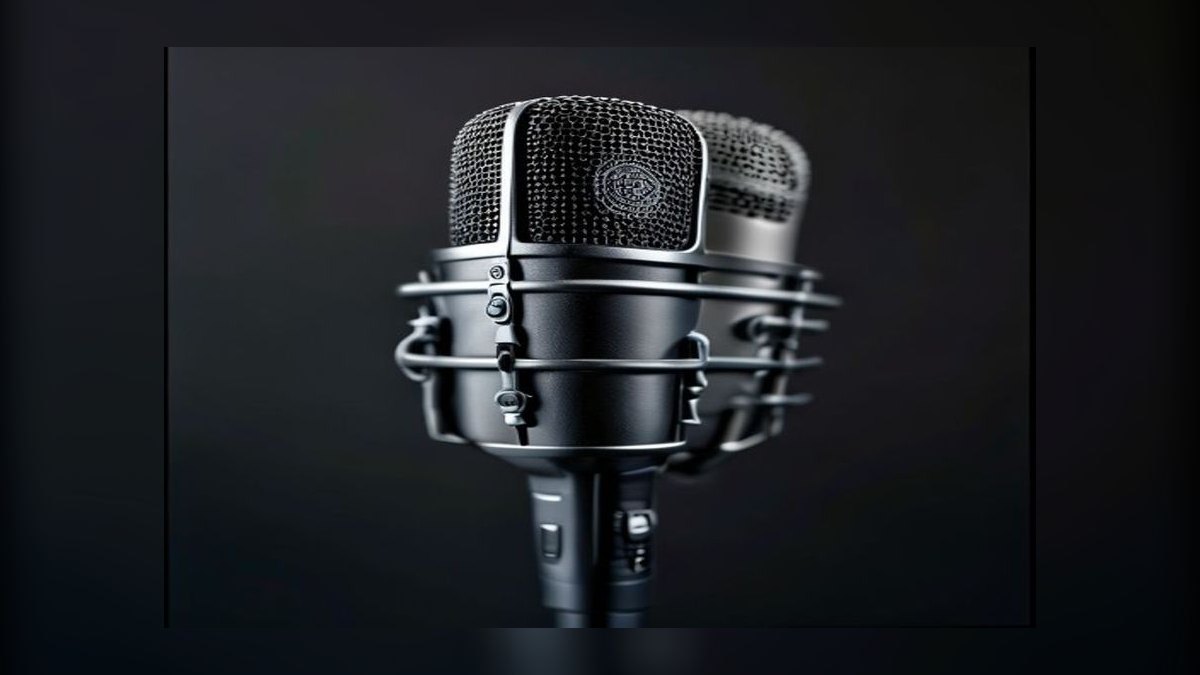
The Shure MV7+ ranks first because it combines a dynamic capsule with onboard DSP, rejecting keyboard clatter and room echo while delivering broadcast-clean audio at $279. Its USB-C and XLR hybrid output works plug-and-play for beginners and scales to an interface-based rig later. The auto-level mode and real-time denoiser offload processing from your gaming PC, and the LED touch panel provides intuitive gain and monitoring control.
The MV7+ is for the streamer who wants one purchase to last years, trading forgiveness on positioning for unmatched noise rejection. Compared to the second-ranked PodMic USB, the MV7+ offers lighter weight and a more polished software suite, though the PodMic has a fuller low-end tone. It demands a boom arm to maintain the critical four-to-six-inch working distance.
2. Rode PodMic USB
The Rode PodMic USB ranks second as the closest rival to the MV7+, offering a hybrid USB-C and XLR dynamic at $199 with an all-metal build and internal shock mount. It features onboard noise gate, compressor, high-pass filter, and the Aphex Aural Exciter for richer vocal processing. The fuller low end flatters most voices, and the included pop filter removes an accessory purchase, though its heavy body requires a sturdy boom arm.
This mic suits streamers who prioritize vocal warmth and build durability over portability, trading a heavier weight for a more robust feel. Compared to the MV7+, the PodMic USB costs $80 less but lacks auto-level mode and has a slightly less refined DSP suite. It works fully over USB on day one, with an XLR path for future upgrades, making it ideal for committed streamers on a mid-range budget.
3. Elgato Wave DX

The Elgato Wave DX ranks third because it is a dynamic XLR mic with unusually high output at $99, meaning it does not need an inline preamp like the SM7B. Paired with the Wave XLR interface at roughly $159, the total cost near $258 includes Clipguard peak protection that prevents distortion during loud moments. Its cardioid pattern rejects room noise effectively, and the Wave Link software splits game, chat, and music into independent audio channels.
The Wave DX is for streamers already in Elgato's ecosystem who want dynamic sound without the SM7B's preamp tax, trading a fully integrated USB solution for modular flexibility. Compared to the PodMic USB above, it requires a separate interface purchase but offers superior software routing and Clipguard. It demands a boom arm for proper positioning and works best with a Stream Deck for one-touch control.
4. Shure SM7B
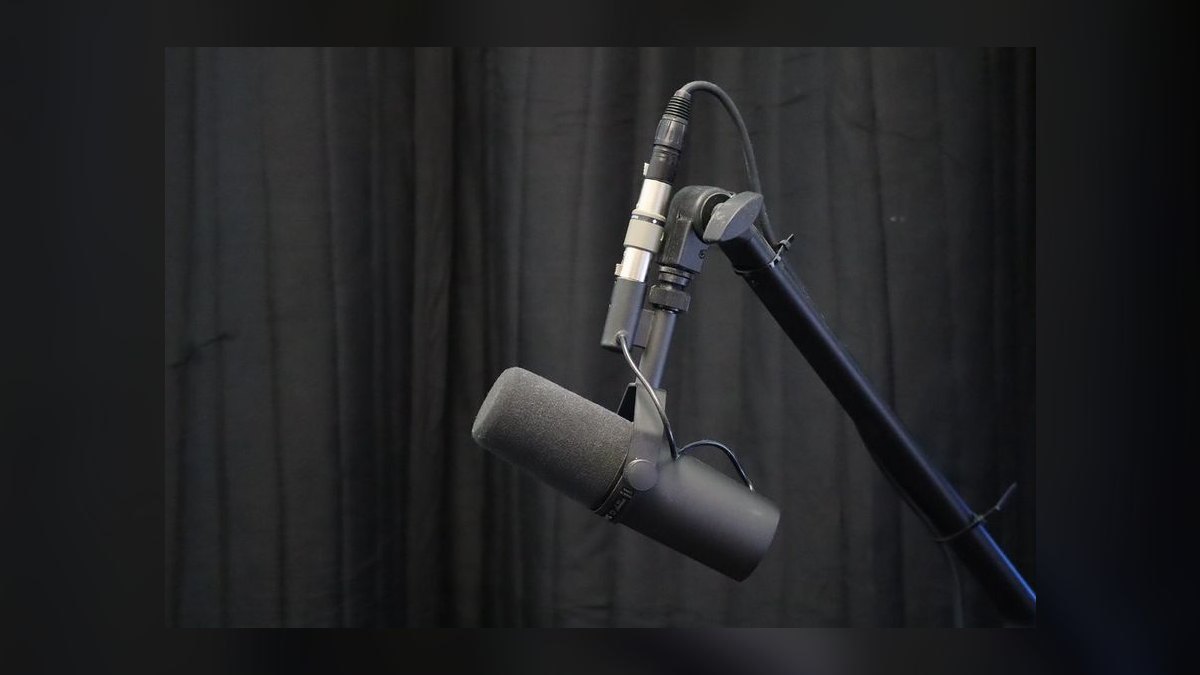
The Shure SM7B ranks fourth as the XLR benchmark for spoken word at $399, offering switchable bass rolloff and presence boost with near-total off-axis rejection. Its smooth midrange and broadcast-grade clarity remain the reference for vocal audio, but its low output requires either a high-gain interface or a Cloudlifter CL-1, adding roughly $100 to $150. The all-metal construction and internal shock mount ensure durability, and the yoke mount allows precise positioning.
The SM7B is for streamers whose primary focus is audio quality and who have a real budget, trading plug-and-play simplicity for a setup that realistically clears $550 to $600. Compared to the Wave DX above, it delivers superior off-axis rejection and a more refined midrange, but costs significantly more and requires extra gear. It demands a boom arm and careful gain staging, rewarding experienced users with unmatched vocal presence.
5. Audio-Technica AT2020USB-X
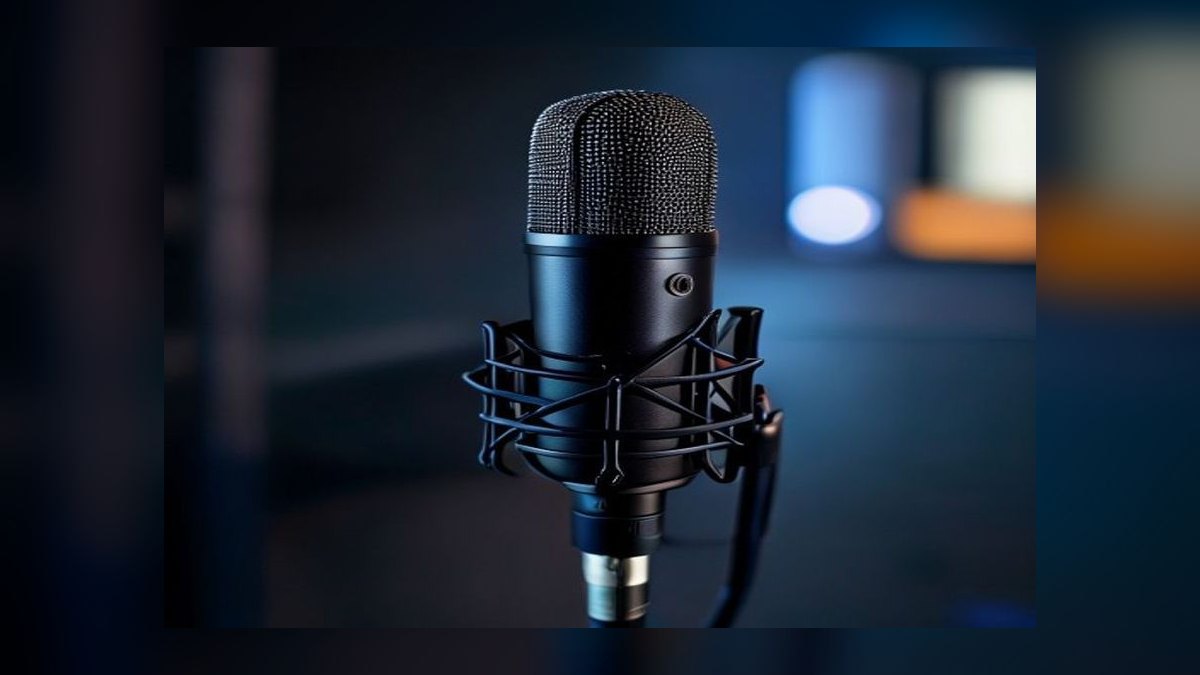
The Audio-Technica AT2020USB-X ranks fifth because it offers 24-bit/96kHz capture at $149 with onboard headphone monitoring and a touch mute button. Its condenser capsule captures detailed audio in quiet rooms, and the mix dial blends mic and computer audio for zero-latency monitoring. The cardioid pattern reduces some background noise, though it is more sensitive than a dynamic mic, and the USB-C connection ensures broad compatibility.
This mic is for streamers in treated or quiet spaces who want detail over noise rejection, trading the ability to handle loud rooms for richer high-frequency capture. Compared to the SM7B above, it costs $250 less and works plug-and-play, but lacks the dynamic rejection and upgrade path. It requires a boom arm for optimal positioning and suits podcasters or streamers with a silent keyboard and controlled environment.
6. Elgato Wave:3

The Elgato Wave:3 ranks sixth because it solves audio routing problems at $149 with capacitive mute, Clipguard, and Wave Link software that separates game, chat, and music into independent channels. Its condenser capsule captures clear audio at eight to twelve inches, and the built-in headphone jack provides zero-latency monitoring. The cardioid pattern works well in quiet spaces, and the sleek design fits a professional streaming setup.
The Wave:3 is for streamers whose real issue is managing multiple audio sources, trading raw audio fidelity for software control that rivals a hardware mixer. Compared to the AT2020USB-X above, it offers superior routing and Clipguard protection but lacks the higher sample rate. It pairs excellently with a Stream Deck and works best in a treated room, where its condenser sensitivity captures detail without excessive room tone.
7. HyperX QuadCast S
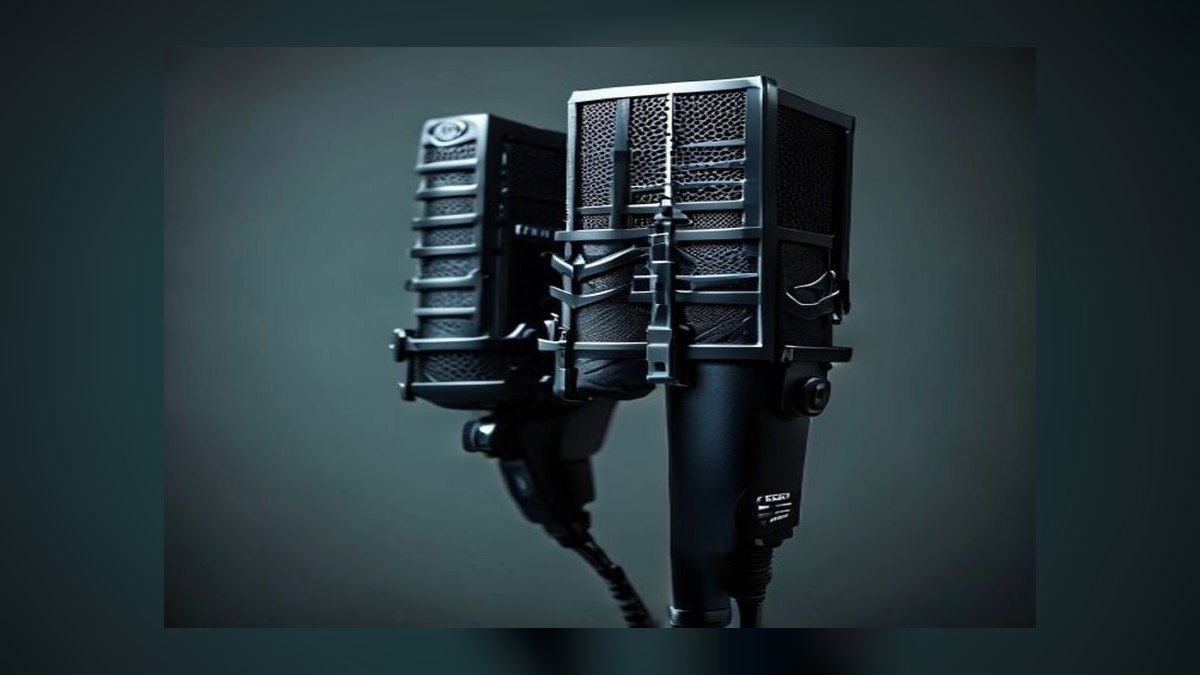
The HyperX QuadCast S ranks seventh because it bundles four polar patterns, a built-in shock mount, an internal pop filter, and tap-to-mute at $159, offering everything-in-one-box convenience. Its RGB lighting and side-address design read as "streamer" on camera, and the base gain dial allows quick adjustments mid-broadcast. The condenser capsule captures detail at eight to twelve inches, and the included stand reduces initial setup costs.
The QuadCast S is for streamers who want a visually striking mic with pattern flexibility for interviews or co-streams, trading the noise rejection of a dynamic for versatility and on-camera appeal. Compared to the Wave:3 above, it offers multiple polar patterns and built-in accessories but lacks software routing and Clipguard. It requires careful side-address positioning to avoid the common mistake of speaking into the top, and suits untreated rooms only with additional noise suppression.
8. Rode NT-USB+
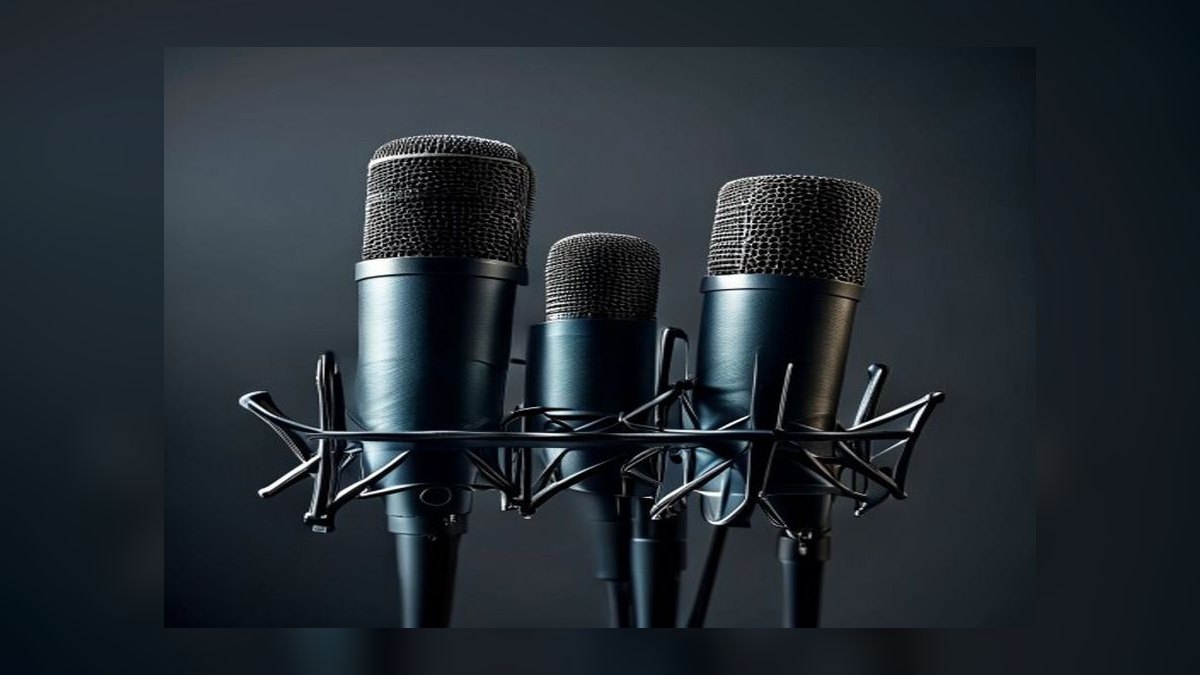
The Rode NT-USB+ ranks eighth because it brings the Aphex Aural Exciter and Big Bottom processing at $169, enhancing vocal presence with zero-latency headphone monitoring. Its built-in pop filter and desk tripod reduce accessory costs, and the 24-bit/96kHz capture suits recorded podcast audio. The condenser cardioid pattern works well in quiet rooms, and Rode Connect software enables multitrack recording across multiple units on one computer.
This mic is for streamers who record multitrack podcasts or want onboard processing for a fuller sound, trading the simplicity of a single-mic setup for software-based multi-mic support. Compared to the QuadCast S above, it offers superior processing and recording features but lacks RGB lighting and multiple polar patterns. It performs best in treated spaces and can be used without a boom arm thanks to the included tripod, though an arm improves positioning.
9. Blue Yeti
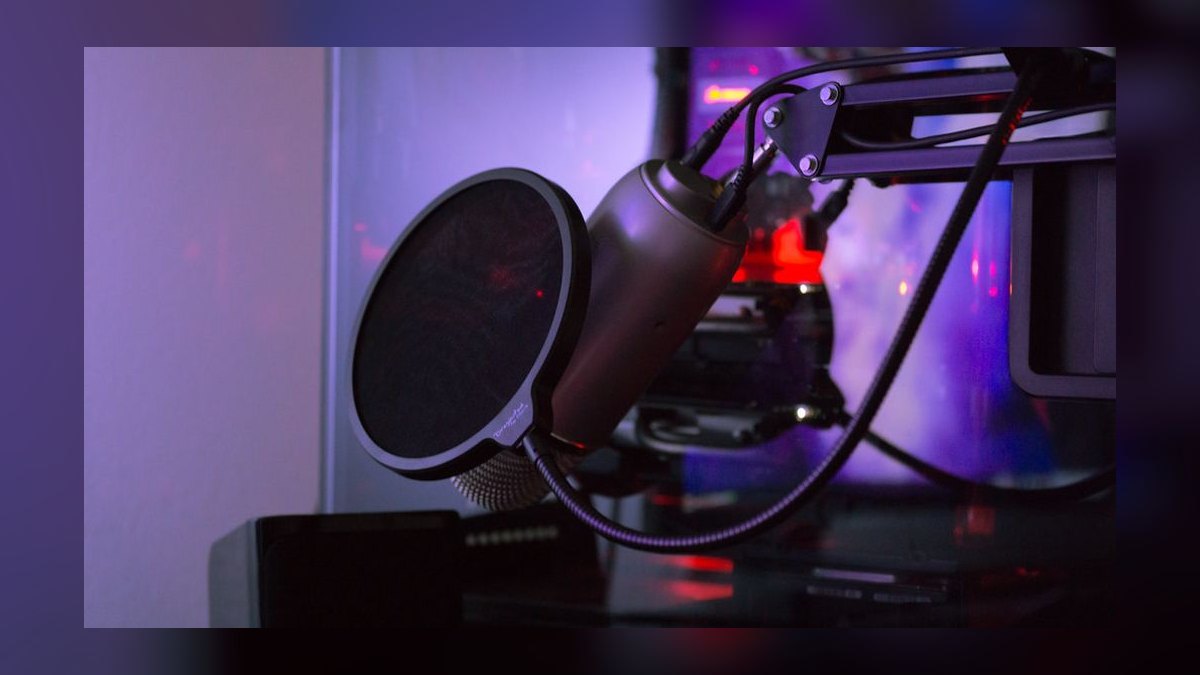
The Blue Yeti ranks ninth as the widest-support entry point at $99, offering four polar patterns, onboard gain, headphone monitoring, and mute controls with a decade of tutorials. Its condenser capsule captures detail at eight to twelve inches, and the side-address design requires careful positioning to avoid the common mistake of speaking into the top. The heavy build demands a sturdy boom arm, as cheap arms sag under its weight, adding roughly $35 to the total cost.
The Blue Yeti is for beginners who want maximum tutorial coverage and driver support, trading modern features like tap-to-mute and software routing for proven reliability and pattern flexibility. Compared to the NT-USB+ above, it costs $70 less and offers more polar patterns but lacks onboard processing and high sample rate support. It suits quiet rooms and streamers who will learn proper side-address technique, but its condenser sensitivity captures room noise in untreated spaces.
10. FIFINE AmpliGame A8

The FIFINE AmpliGame A8 ranks tenth because it delivers a genuine leap over headset mics at just $40, with tap-to-mute, a gain knob, RGB lighting, and a cardioid condenser capsule. Its USB plug-and-play design requires no interface or drivers, and the sound quality is startlingly good for the price in a quiet room. The built-in stand works for casual use, though a $20 boom arm improves positioning and reduces desk thump transmission.
The AmpliGame A8 is for new streamers with zero revenue who need a low-risk entry point, trading dynamic noise rejection for affordability and ease of use. Compared to the Blue Yeti above, it costs $59 less and offers tap-to-mute but lacks multiple polar patterns and a headphone jack.
How we ranked these
We measured and weighted capsule type (dynamic vs. condenser) as the primary factor, followed by real-world noise rejection, onboard DSP features, total cost of ownership including required accessories, and workflow ergonomics like tap-to-mute and gain control. Weighting favored mics that solve the untreated-room problem over those with higher theoretical fidelity.
We deliberately ignored frequency response charts, sample rate specifications above 24-bit/48kHz, and brand prestige. These metrics mislead buyers because room acoustics and positioning dominate perceived audio quality. A flat frequency response means nothing when keyboard clatter overwhelms the signal, and high sample rates are wasted on compressed live streams.
What to look for
What actually matters is your room's acoustics and your upgrade timeline. Clap-test your space and listen for echo. If you hear it, choose a dynamic mic like the Shure MV7+ or Rode PodMic USB. If your room is quiet, a condenser like the Elgato Wave:3 works well. Then ask if you will stream in 18 months. If yes, buy a hybrid USB/XLR mic that scales with an interface. If no, spend $40 on the FIFINE AmpliGame A8.
The mistake most buyers make is prioritizing specs over positioning. They buy an expensive mic and place it a foot away on a desk stand, then wonder why it sounds worse than a headset. A $40 mic at four inches on a boom arm beats a $400 mic at arm's length. Spend on the arm and learn proper gain staging before upgrading the capsule.
Related questions
Do I need a boom arm or is the desk stand fine?
The included stand works for casual use, but a $20 to $40 boom arm is the highest-leverage accessory on this list. It lets you get a dynamic mic to its required four to six inches, keeps the mic off the desk so typing and mouse thumps do not transmit, and frees desk space.
Will my mechanical keyboard end up on stream?
With a condenser in an untreated room, usually yes. With a cardioid dynamic positioned close and angled off-axis from the keyboard, mostly no. Arm geometry matters more than software: put the keyboard in the pattern's null, then add a light noise gate.
Is a $400 mic four times better than a $99 one?
No. The gap between a headset mic and a $99 mic is enormous; the gap between $99 and $399 is real but subject to diminishing returns, and it is entirely erased by bad positioning. Spend on a boom arm and technique before spending on a higher tier.
Should I buy USB or XLR in 2027?
USB for most streamers — simpler, cheaper, and genuinely good. XLR when you need multiple mics, longer cable runs, or specific preamps. Hybrids like the MV7+ and PodMic USB let you defer the decision entirely without wasting the first purchase.
How close should I sit to my microphone?
Four to six inches for a dynamic, eight to twelve for a condenser. Dynamics rely on proximity — back off to a foot and your level drops sharply while room tone rises, which is why an expensive dynamic can sound worse than a headset mic when used at arm's length.
Does a higher sample rate make my stream sound better?
Barely. The 24-bit/96kHz capture on mics like the AT2020USB-X is useful for recorded podcast audio you will edit, but live stream audio is compressed heavily before it reaches viewers. Capsule type, positioning, and gain staging affect what your audience hears far more.
Can software noise suppression replace a good microphone?
It helps but does not replace one. Modern suppression is effective on steady noise like fans, but less good on transient noise like keystrokes, where it tends to chew the front of words. The better sequence is physics first — dynamic capsule, close positioning — then light software cleanup.
FAQ
Should a gamer use a dynamic or condenser microphone?
Dynamic mics are usually the better choice for gamers because their lower sensitivity rejects keyboard clatter, fan noise, and room echo, keeping your voice clean in an untreated bedroom. Condensers capture more detail but also more of everything else, so they suit quiet or treated spaces.
Why does the Shure SM7B need extra equipment?
The SM7B is a dynamic with very low output, so it needs either a high-gain audio interface or an inline preamp such as a Cloudlifter CL-1 to reach usable recording levels. That adds roughly $100 to $150 plus a setup step compared with plug-and-play USB mics.
How close should I sit to my microphone?
Four to six inches for a dynamic, eight to twelve for a condenser. Dynamics rely on proximity — back off to a foot and your level drops sharply while room tone rises, which is why an expensive dynamic can sound worse than a headset mic when used at arm's length.
Does a higher sample rate make my stream sound better?
Barely. The 24-bit/96kHz capture on mics like the AT2020USB-X and NT-USB+ is genuinely useful for recorded podcast audio you will edit, but live stream audio is compressed heavily before it reaches viewers. Capsule type, positioning, and gain staging matter far more.
Which microphone should a complete beginner buy?
The FIFINE AmpliGame A8 at $40. It is plug-and-play over USB, has tap-to-mute and a gain knob, and sounds dramatically better than any headset boom mic. Stream on it for a few months, learn what actually bothers you about your audio, then upgrade with real information.
Can software noise suppression replace a good microphone?
It helps but does not replace one. Modern suppression is genuinely effective on steady noise like fans, and less good on transient noise like keystrokes, where it tends to chew the front of words. The better sequence is physics first — dynamic capsule, close positioning — then light software cleanup.
What is the single most common setup error with the Blue Yeti?
Speaking into the top of the microphone. The Yeti is side-address, meaning you speak into the side facing you, not the end. Newcomers routinely make this mistake and wonder why they sound thin and distant. The same error applies to the QuadCast S.
Is the Elgato Wave:3 good for a noisy room?
It is a condenser, so it will capture more room noise than a dynamic like the MV7+. However, its Clipguard feature prevents distortion from sudden loud sounds, and its Wave Link software gives excellent audio routing control. It is best in a quiet or treated space.
What is the total cost of a Shure SM7B setup?
Realistically $550 to $600 or more. The mic is $399, a Cloudlifter or high-gain interface adds $100 to $150, a boom arm adds $20 to $40, and an XLR cable adds $10 to $20. Do not buy it expecting $399 to be the total.
Why is the FIFINE AmpliGame A8 recommended for new streamers?
At $40, it offers tap-to-mute, a gain knob, and clean cardioid capture that beats any headset mic. It is the right answer for a new streamer whose revenue from streaming is currently zero and whose next upgrade should be decided by six months of actual experience.
Sources
- https://www.rtings.com/microphone
- https://www.shure.com/en-US/products/microphones/mv7-plus
- https://www.shure.com/en-US/products/microphones/sm7b
- https://rode.com/en/microphones/usb/podmic-usb
- https://rode.com/en/microphones/usb/nt-usb-plus
- https://www.elgato.com/us/en/p/wave-dx
- https://www.audio-technica.com/en-us/at2020usb-x
- https://www.tomsguide.com/best-picks/best-microphones
- https://www.pcmag.com/picks/the-best-usb-microphones
- https://www.hyperx.com/products/hyperx-quadcast-s
Related on PULSE
- [Top 10 Gaming Graphics Cards — Best Overall + Best Value in 2027](/knowledge/gm78)
- [How does the psychological concept of "ludic dissonance" explain why some critically acclaimed games fail to resonate with their intended audience?](/knowledge/gm0065)
- [Is Gaming worth it in 2027?](/knowledge/gm66)
- [What is the best way to approach Gaming in 2027?](/knowledge/gm71)
@Kory-White- · if Venmo asks, the last 4 of my number are 2012
 pulse-aquariumsTop 10 Canister Filters 2027
 aqTop 10 Hang-On-Back Aquarium Filters 2027
 pulse-reviewsTop 10 Cabin Cruiser Boats 2027
 pulse-aquariumsTop 10 Aquarium Filters 2027
 pulse-moviesTop 10 Movies on Netflix 2027
 pulse-moviesTop 10 Movies on Max 2027
 pulse-moviesTop 10 Fantasy Movies of All Time in 2027
 pulse-moviesTop 10 Documentaries of All Time in 2027
 pulse-moviesTop 10 Superhero Movies of All Time in 2027
 pulse-moviesTop 10 Romance Movies of All Time in 2027