


What is the average annual cost of digital game purchases for a casual gamer in 2027?
Quality
Certified
A casual gamer in 2027 should budget roughly $120–$400 per year on digital game purchases, with most landing near $200–$250. That covers a handful of discounted catalog titles, one or two new releases, occasional DLC, and a subscription. Casual buyers skew heavily toward sales, bundles, and mobile microtransactions rather than day-one full-price purchases.
The outcome you should expect
The number that matters is not the sticker price of any single game — it is the annualized total across every digital storefront a household touches. For a casual gamer, defined here as someone who plays a few hours a week, finishes two to four games a year, and does not chase new releases, the realistic annual spend on digital game purchases clusters in a band rather than landing on a single figure.
The low end of that band is close to zero. A player who lives inside one subscription service, plays free-to-play titles without spending, and buys nothing outright can finish a year having spent only the subscription fee — call it $120 to $180 depending on tier and whether the payment is monthly or annual. That player is not unusual. A meaningful share of the casual population buys no games at all in a given year because the free and subscription catalogs already exceed what they have time to play.
The middle of the band is where most casual gamers actually sit. Picture four to six digital purchases across the year, nearly all of them bought on sale. A two-year-old AAA title at 60–75% off costs $15–$25. An indie darling that launched at $25 costs $10–$15 six months later. A remaster or a well-reviewed mid-budget game runs $20–$30. Add one full-price purchase because a specific sequel mattered enough to buy at launch, and the arithmetic lands near $150–$250 for the year in outright purchases. Layer a subscription on top and the total moves to $250–$400.
The high end for a casual gamer — not an enthusiast, a casual player with disposable income and low price discipline — reaches $500 or more. That is what happens when someone buys three or four new releases at $70 each because they were in the mood, adds a season pass, and never waits for a sale. It is spending driven by convenience rather than volume. The person still plays only a few hours a week; they simply pay retail for the privilege.
The distinction worth internalizing is that casual gaming spend is governed by purchase timing, not purchase count. Two people can buy the exact same six games in a year and differ by a factor of three in total cost purely based on whether they bought at launch or eighteen months later. This is why "average annual cost" is a slippery metric: the average is pulled upward by a minority of impulse buyers while the median casual gamer spends considerably less than the mean suggests.
One more structural point. The industry has shifted so that the initial purchase is increasingly not the whole cost. Battle passes, cosmetic bundles, expansion packs, and in-app currency now represent a large slice of what gets categorized as "game purchases." A casual player who spends nothing on new games but drops $10 a month on a battle pass in one live-service title has spent $120 on digital game content without buying a single game. Any honest annual estimate has to count that.
What drives that outcome

Five variables explain nearly all the variance in a casual gamer's annual digital spend. Understanding which lever you or your household is pulling explains why your number looks nothing like someone else's.
Platform mix. A PC-primary player on a storefront with aggressive seasonal sales pays dramatically less per game than a console player buying from a first-party digital store. PC storefront sales routinely discount catalog titles 75–90%; console digital stores discount too, but less deeply and less often, and console games hold their launch price longer. A mobile-primary casual gamer often pays nothing upfront and everything through microtransactions. Platform choice alone can swing an annual total by 50% or more for identical play habits.
Patience. The single largest cost lever. New AAA releases in 2027 commonly launch at $70, with deluxe editions at $90–$100. That same title typically hits 30–40% off within six to nine months and 60–75% off at the eighteen-to-twenty-four-month mark. A casual gamer who is structurally one to two years behind the release calendar — which most casual gamers are, because backlogs accumulate — pays $20–$28 for games that enthusiasts paid $70 for. Waiting is worth roughly $45 per title.
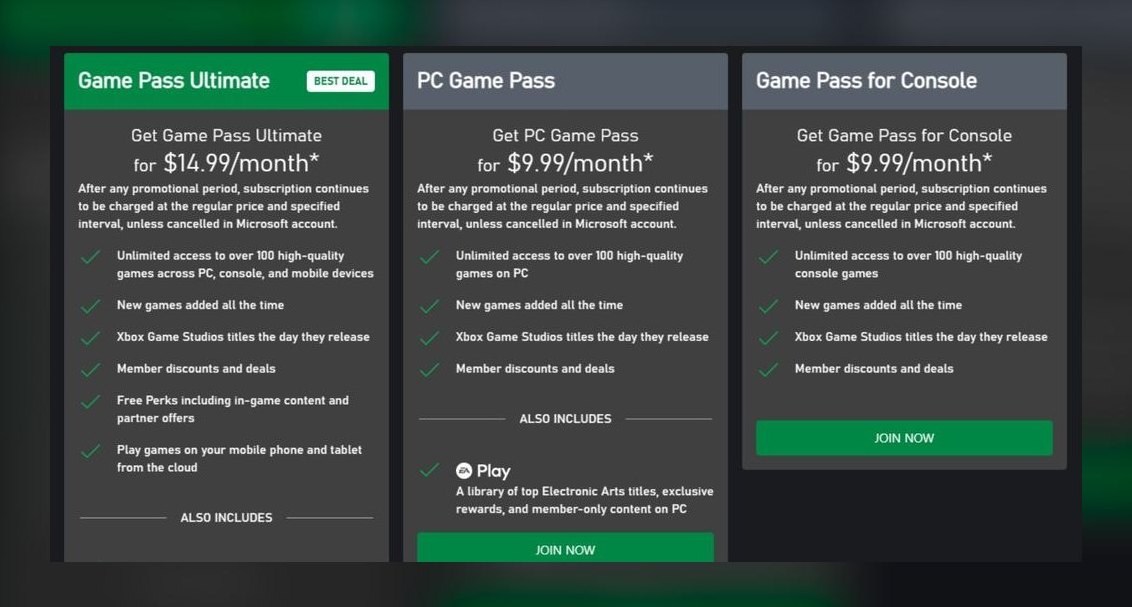
Subscription posture. Catalog subscriptions change the math in two directions at once. They add a fixed annual cost of roughly $120–$300 depending on tier, and they suppress outright purchases because the catalog absorbs demand. For a genuinely casual player — someone with limited hours who is happy playing whatever is available — a subscription is usually the cheapest possible way to game, because it replaces $200+ of purchases with a $150 fee. For a player with specific taste who wants particular titles not in the catalog, the subscription becomes additive rather than substitutive, and total spend rises.

Live-service exposure. If any of the games a casual player sticks with is a live-service title with a battle pass, the annual cost profile changes character entirely. Battle passes typically run $10–$12 per season with three to four seasons a year, so committing to one title's full pass cycle costs $30–$48 annually. Two titles doubles it. Cosmetic impulse purchases on top are unbounded — this is the category where a "casual" player can quietly outspend an enthusiast who only buys base games.
Household consolidation. Family sharing, shared libraries, and family subscription tiers materially reduce per-person cost. A family plan covering four people at $25–$30 a month lands at roughly $75–$90 per person per year, well under an individual plan. If your household has multiple players, the correct denominator is per-person, not per-account, and the average annual cost per gamer drops accordingly.
The interaction between these variables matters more than any one in isolation. The cheapest realistic profile is PC-primary, subscription-only, no live-service spend, shared household plan — that person can game all year for under $100. The most expensive casual profile is console-primary, day-one buying, two battle passes, no sharing — $600 is achievable while playing four hours a week. Same amount of play, six times the cost.
Benchmarks and realistic ranges
Here is how to translate the drivers above into actual numbers you can check your own spending against. These are constructed profiles, not survey results — use them as a self-audit framework rather than as a statistic to cite.
Profile A — the subscription minimalist. One catalog subscription at a mid tier, roughly $15–$18 per month or $150–$200 annually if paid monthly, often $120–$160 if prepaid annually. Zero outright purchases. Zero microtransactions. Annual total: $120–$200. This player finishes two or three games a year and never runs out of options. It is the best cost-per-hour ratio available in gaming and it is genuinely common among casual players.
Profile B — the patient buyer. No subscription. Five to seven digital purchases per year, all bought during seasonal sales at 50–80% off. Average per-title cost lands around $18–$22 once you blend an $8 indie with a $28 discounted AAA. Add one $70 day-one purchase for the one game they actually cared about. Annual total: $160–$220. This is arguably the median casual profile and it delivers more owned games than Profile A delivers access to.
Profile C — the blended household member. A family subscription tier shared four ways at roughly $80–$90 per person annually, plus three or four discounted personal purchases at $60–$80 total, plus one battle pass cycle in a shared multiplayer game at $30–$45. Annual total: $170–$215. Notice this lands in the same band as A and B despite a completely different spending shape — which is why the $200-ish figure keeps recurring.
Profile D — the convenience buyer. Console-primary. Buys two to three new releases per year at or near full price, $70 each, plus a $25 expansion, plus a subscription at $180. Little to no sale-waiting. Annual total: $400–$460. Still only a few hours a week of play. This profile is what pulls the arithmetic mean above the median.
Profile E — the live-service resident. Buys almost no games. Plays one or two free-to-play titles heavily. Buys every battle pass in both, plus occasional cosmetic bundles. Two full pass cycles at $40 each is $80; add $100–$200 of cosmetic and currency purchases and the annual total reaches $180–$280 with zero games purchased. This is the profile most likely to be underestimated by the player themselves, because the spending happens in $10 increments and never feels like buying a game.

Blending these, the weighted center of gravity for a casual gamer's annual digital game purchases in 2027 sits at roughly $200–$250, with a wide and right-skewed distribution. The median is meaningfully below the mean. If you want a single number to plan a personal budget around, $20 per month is a defensible starting point that covers a subscription or a steady drip of sale purchases, and $35 per month covers a comfortable version with room for a live-service habit.
For sanity-checking, some useful reference points on unit pricing in 2027: standard AAA new-release digital pricing sits at $70 with premium editions at $90–$100; mid-budget and AA titles commonly launch at $30–$50; indie titles launch at $10–$30; DLC and expansions run $15–$40; season passes run $30–$50; battle passes run $10–$12 per season. Seasonal storefront sales cluster around four to six major events per year, and the deepest discounts on a given title typically arrive at its one-year and two-year anniversaries.
Risks, edge cases, and failure modes
The most common error when estimating annual digital game spend is undercounting the small transactions. People remember the $70 purchase and forget the eleven $9.99 charges. If you are auditing your own number, pull the actual transaction history from each storefront rather than reconstructing from memory — memory undercounts microtransactions by a wide margin, routinely by 40% or more, because each individual charge falls below the threshold at which people encode a purchase as significant.
Subscription drift is the second failure mode. A subscription that made sense when you were playing four hours a week continues billing when you drop to zero hours a week. Because the charge is small and automatic, it survives months of non-use. The remedy is a calendar reminder at the renewal date rather than a resolution to remember. A single unused year at $180 costs more than most casual gamers' entire purchase budget.

Regional and currency effects distort comparisons badly. Digital game pricing varies substantially by region, and the same title can differ by a factor of two or three in local-currency terms across markets. Any "average annual cost" figure quoted without a region attached is close to meaningless. Similarly, tax treatment on digital goods varies and is sometimes displayed at checkout rather than on the store page, so the shelf price understates the real cost by whatever the local rate is.
Owning versus accessing is a risk that only shows up later. Purchases build a library that persists; subscriptions do not. A player who spends $200 a year on a subscription for five years has spent $1,000 and owns nothing, while a player who spent $200 a year on discounted purchases owns roughly thirty games. Neither is wrong — access has real value and most people replay very little — but the cost comparison is not apples-to-apples, and framing subscription spend as "cheaper" without noting this is a category error.
Backlog inflation is the quiet failure mode of the patient-buyer profile. Deep discounts make it easy to buy games you will never play. A casual gamer with limited hours who buys eight $15 games during a sale has spent $120 to acquire perhaps 200 hours of content they will consume maybe 20 hours of. The cost-per-hour-actually-played on impulse sale purchases is often worse than on a single full-price game that gets finished. Buying fewer games at higher prices can genuinely be cheaper in practice.
Hardware and peripherals are not game purchases and should be excluded from this figure, but they frequently get folded in and inflate the number. A console, a controller replacement, or a storage upgrade is a capital cost amortized over years, not an annual software cost. Keep them in a separate line if you are budgeting, or the year you buy hardware will look like a spending explosion that has nothing to do with your game-buying habits.

Gift cards and shared payment methods obscure attribution. Spend funded by gift cards often does not appear in a bank-statement audit, and a household payment card shared across multiple players' accounts makes per-person figures impossible to reconstruct. If accuracy matters, audit at the storefront account level, not at the payment-method level.
Finally, beware anchoring on published industry averages. Aggregate per-player spending figures published by market research firms include whales, enthusiasts, and heavy live-service spenders, so they run far above what a genuinely casual player spends. Using an industry-wide average annual figure as a personal budget target will overshoot substantially.
A practical rollout plan
If the goal is to establish, and then control, what a casual gamer spends per year on digital purchases, run it as a short, concrete sequence rather than a vague intention.
Step one — audit ninety days of actual transactions. Open each storefront's purchase history and export or transcribe every line for the last quarter. Include subscriptions, DLC, battle passes, and in-app currency. Multiply by four to get an annualized baseline. Do not estimate from memory; the exercise only works with real records. Most people find the annualized number is 30–60% higher than their guess.
Step two — categorize each line into one of four buckets: subscription, outright game purchase, expansion or DLC, and microtransaction or cosmetic. The mix tells you which lever to pull. If subscriptions dominate, the question is whether you use them. If microtransactions dominate, the question is whether the drip is deliberate. If full-price purchases dominate, patience is your cheapest available saving.

Step three — set a monthly ceiling rather than an annual one. Annual budgets get blown in one December sale. A $20 or $30 monthly cap, tracked simply, prevents the two failure modes that matter: impulse day-one buying and unnoticed subscription accumulation. Funding the cap with a prepaid balance or gift-card top-up rather than a linked card makes it self-enforcing, because the balance runs out.
Step four — pick one posture and commit for six months. The expensive middle ground is running a subscription *and* buying at full price. Choose: either subscription-first, where you play the catalog and only buy what the catalog lacks after waiting for a sale, or purchase-first, where you cancel subscriptions and spend the same money on owned titles bought at 50%+ off. Both are efficient. Doing both simultaneously is what produces $500 years.
Step five — install a waiting rule. Any new release goes on a list rather than into a cart. Revisit the list at the next major seasonal sale. Games you still want after three months are worth buying; the ones you have forgotten were impulse. This single rule reliably cuts the average per-title cost from roughly $70 to roughly $30 without reducing how many games you actually play.
Step six — review at renewal, not at random. Put every subscription renewal date on a calendar with a reminder three days prior. At each one, check hours played since the last renewal. Under roughly ten hours for the period, cancel; you can always resubscribe, and catalog services are designed for exactly that pattern.
Run once, then re-audit annually. The whole exercise takes under an hour and typically identifies $100–$200 a year of spend that was neither noticed nor enjoyed.
Related questions
Is a subscription cheaper than buying games outright for a casual player?
Usually yes, if the catalog satisfies you. A $150 annual subscription replaces roughly six to eight discounted purchases. It stops being cheaper the moment you keep buying alongside it, or when months pass with zero hours played.
How much do microtransactions add to a casual gamer's annual total?

More than most people estimate. A single battle pass cycle runs $30–$48 a year. Add cosmetic impulse buys and $100–$250 annually is easy to reach without buying any games. Audit transaction history rather than guessing.
How long should you wait before buying a new game on sale?
Six to nine months typically brings 30–40% off; eighteen to twenty-four months brings 60–75%. For a casual player with a backlog, waiting eighteen months cuts the average per-title cost from about $70 to about $20 with no practical downside.
Does the average annual cost differ between PC and console?
Yes, substantially. PC storefronts discount deeper and more frequently, so identical habits cost noticeably less there. Console digital stores hold prices longer and discount shallower, which pushes the same purchase pattern toward the higher end of the range.
Should hardware costs be included in this figure?
No. Consoles, controllers, and storage upgrades are capital costs amortized across several years. Folding them into an annual software figure makes hardware-purchase years look like spending spikes that have nothing to do with game-buying behavior.
FAQ
What is the average annual cost of digital game purchases for a casual gamer in 2027?
Roughly $200–$250 for a typical casual player, within a realistic range of about $120 to $400. The low end is a subscription-only player who buys nothing; the high end is someone buying two or three new releases at full price plus a season pass. The distribution is right-skewed, so the median sits below the arithmetic mean.

Why is there such a wide range for the same amount of play?
Because cost is driven by purchase timing, not play volume. A casual gamer who buys at launch pays around $70 per title; one who waits eighteen months pays around $20 for the same game. Two people playing four hours a week can differ threefold in annual spend purely on when they buy.
What counts as a digital game purchase in this figure?
Base game purchases, DLC and expansions, season passes, battle passes, and in-game currency or cosmetic bundles — anything paid for digital game content. Catalog subscriptions are usually counted separately as access rather than ownership, but should be included in any household budget total. Hardware is excluded.
How do I find my own number accurately?
Pull the purchase history from each storefront account for the last ninety days, include every line down to the $2 charges, and multiply by four. Do not reconstruct from memory — memory reliably undercounts small, frequent microtransactions, often by 40% or more, which is precisely where casual spend hides.
Is the low end really zero?
Effectively yes. Free-to-play titles, bundled or promotional giveaways, and an existing backlog can fill a full year of casual play with no spending at all. A meaningful share of casual players buy nothing in a given year because they already own more than they have time to play.
What is the fastest way to cut this cost without playing less?
Install a waiting rule: new releases go on a list, not into a cart, and get revisited at the next seasonal sale. That single habit typically drops the average per-title cost from about $70 to about $30. Second-fastest is auditing subscription renewals against hours actually played.
Sources
- https://www.esa.org/
- https://newzoo.com/
- https://www.statista.com/markets/417/topic/480/gaming/
- https://www.pwc.com/gx/en/industries/tmt/media/outlook.html
- https://www.ftc.gov/business-guidance/blog
- https://www.deloitte.com/global/en/industries/tmt.html
- https://www.pewresearch.org/
- https://www.bls.gov/cex/
Related on PULSE
- How subscription pricing changes buyer behavior in consumer software
- Why patience is the largest cost lever in any discretionary purchase category
- Microtransaction revenue models and how they hide total spend
- Building a personal spend audit from transaction exports
- Access versus ownership: the long-run cost comparison
- How regional pricing distorts cross-market cost benchmarks
This page will be disappearing soon. Save it to your device for $1 — or read it free while it is here.
@Kory-White- · if Venmo asks, the last 4 of my number are 2012
This page is gone.
This one is off the shelf now. $1 keeps it on your phone for good — the whole page, pictures and diagrams included.
 pulse-recentTop 10 Most Expensive Video Game Special Editions to Buy in 2027
 pulse-recentHow many gaming subscriptions does the average gamer have in 2027?
 pulse-recentTop 10 Most Valuable Pokémon Trading Card Game Booster Boxes in 2027
 pulse-recentHow much does a gaming PC cost per month in 2027?
 pulse-recentThe 10 Best Horror Games to Play in 2027
 pulse-recentTop 10 Most Expensive Big Box PC Games to Buy in 2027
 pulse-recentThe 10 Best Budget Gaming Mouse Pads Under $20 in 2027
 pulse-recentThe 10 Best Gaming Subscriptions for Their Price in 2027
 pulse-recentTop 10 Most Expensive Funko Pop Video Game Figures to Buy in 2027
 pulse-recentHow many hours does it take to beat the longest open-world games in 2027?