


Independent Pizza Shop GTM Playbook 2027 — Specialty Regional Style, Delivery Dominance, and the Bar Program Math
Quality
Certified
The 2027 Independent pizza shop Playbook wins on dual-channel revenue: optimized delivery (DoorDash, UberEats, Grubhub, plus first-party) driving 52–68% of sales, a higher-margin dine-in and bar program at 22–38%, and corporate catering at 6–14%. Position at the Specialty premium tier ($18–$28 per pizza), never compete on chain commodity price. Delivery Dominance plus a bar program is the profit engine.
The go-to-market motion in one picture
An Independent pizza shop is not a smaller Domino's — it is a Specialty regional brand with three stacked revenue layers, each with a different margin profile and a different acquisition motion. The commodity chain segment (Domino's, Pizza Hut, Papa John's, Little Caesars, Marco's) owns the $7.99 price-fight. Independents win by refusing that fight and instead layering premium product, delivery reach, and alcohol attach on top of a repeat-purchase habit.
The motion moves left to right: a customer discovers the shop through organic Instagram or TikTok, a Google Business Profile, or a marketplace listing; converts on a first order at a specialty price point; gets pulled into repeat behavior through a loyalty punch card and delivery convenience; and eventually anchors the highest-margin layers — dine-in with a bar tab, and recurring corporate lunch catering. Each layer feeds the next: delivery boxes on doorsteps drive brand awareness that fills the dining room, and the dining room's bar program funds the marketing that grows delivery volume.
The critical read of this picture: delivery is the volume flywheel, but the bar program and catering are where margin dollars actually accumulate. A shop that runs delivery alone caps around $385K–$580K in revenue; adding the dine-in bar and catering layers is what pushes a strong operator toward $1.2M+.

Who owns what across the revenue org
Role clarity is what separates a $650K shop that stalls from a $1.2M shop that compounds. In an Independent pizzeria the "revenue org" is small, so each person owns multiple functions — but the ownership lines must still be explicit.
Owner-operator ($385K–$680K stage). At the slice-shop and early full-service stage, the owner personally runs dough production, the counter, and delivery dispatch with a crew of 6–10. The owner is simultaneously head of product (the dough and sauce recipe are the moat), head of marketing (they shoot the Instagram Reels), and head of ops. This is sustainable through roughly $650K but becomes the ceiling: the owner cannot both stretch dough at the 7:00 PM peak and close a corporate catering account by phone.

General Manager ($680K–$1.4M stage). The first strategic hire is a GM who takes the floor and the schedule — labor, the dine-in experience, delivery-time discipline, and the 4.5-star review target. The GM owns the P&L levers the owner used to touch by feel: food cost held near 28%, labor near 25–30%, and waste under 8%. Freeing the owner from the floor is what unlocks the catering layer, because catering is a business-development motion that needs someone doing outbound, not someone on the line.
Head chef / kitchen lead. Owns product consistency — the 24–72 hour fermentation schedule, topping specs (San Marzano tomatoes, fresh mozzarella, house sausage), and the menu discipline that keeps SKU count at 14–22 pizzas so inventory does not sprawl. Product consistency is the retention engine; an inconsistent pie kills the repeat habit the whole model depends on.
Catering / BD owner. Whether it is the owner post-GM-hire or a dedicated seller, someone must own the corporate account motion: mapping 200+ target companies within a 10-mile radius, sample drop-offs at 40–60 receptions, the EZcater listing, and a multi-touch LinkedIn sequence to office managers. This role's north star is 8–22 recurring accounts by year two.
Marketing owner. Owns organic social (5–8 Reels a week), paid local Meta/TikTok, the Google Business Profile, and the loyalty program. In pizza, discovery is disproportionately visual and local, so this role's leverage is high relative to its cost.
The handoff sequence matters: owner does everything → hire GM to reclaim the owner's time → owner (or a hire) builds catering → marketing gets professionalized. Skip a step and the shop plateaus.
Metrics, targets, and realistic ranges

The Specialty Independent model lives or dies on a handful of numbers. Here are the realistic ranges a practitioner should underwrite against.
Revenue by shop type. Slice shops (counter plus 4–8 seats) run $385K–$680K at 12–18% EBITDA. Full-service pizzerias with a bar land at $680K–$1.4M and 16–24% EBITDA at maturity. Multi-unit Independents (3–8 locations) average $580K–$1.1M per unit at 18–26% because overhead spreads. A single-unit Domino's franchise runs $1.4M–$2.4M but at 12–18% net of royalties — proof that chain volume does not automatically mean better owner economics.
Average ticket. Dine-in averages roughly $24, delivery around $33 (larger baskets, attach items). Add a bar and the dinner ticket climbs to $42–$58, because alcohol attaches to 38–58% of dinner orders at $9–$22 per drink and 73–82% gross margin.
Menu-level gross margins. A cheese pizza runs about 77%, pepperoni ~75%, specialty pies 70–73%, single slices ~74%. Appetizers (garlic knots, wings, salads) sit at 70–77%. Beverages are the quiet winners: fountain soda near 90%, craft beer 73–74%, cocktails 76–77%. The blended food cost target is ~28%.

Channel mix at maturity. Aim for delivery 52–68%, dine-in plus bar 22–38%, catering 6–14%. Delivery marketplaces charge 15–30% commission and can add $185K–$485K in annual revenue; first-party delivery inside a 3-mile radius costs $4–$8 per run but saves 18–30% versus marketplace commission and should absorb the closest orders.
Delivery speed. Sub-32-minute average delivery time correlates with a materially higher repeat-order rate than 42-minute-plus shops. Thermal bags ($24–$48 each) that hold 165°F for 35–45 minutes, marketplace priority pickup, and dough hold-time discipline are the tactical levers.
Catering economics. A 30-person office lunch at $18–$24 per person is $540–$720 per delivery at 62–68% margin — higher than walk-in dine-in. Customer acquisition cost for an office account runs $480–$880 against a lifetime value of $4,800–$24K, one of the best ratios in the model.
Cost structure. Food COGS ~28%, labor ~25–30%, rent/utilities holding near $84K–$94K, software $585–$1,185/month, delivery/catering commissions scaling with volume. Software commonly includes a POS (Toast or the pizzeria-specific Slice), an inventory tool, scheduling, and payroll. Insurance runs roughly $8,400–$22,000/year; a liquor license is $0–$48K one-time and typically pays back in 8–14 months.
A realistic three-year P&L. Year one: ~$652K revenue, ~$24K EBITDA (4%) — thin during ramp. Year two: ~$952K as delivery and catering scale (~$54K EBITDA, 6%). Year three: ~$1.23M with delivery plus catering combining to ~67% of revenue and ~$95K EBITDA (8%), on a path to 18–22% by year five through multi-unit leverage and brand equity.

Launch capex. All-in $325K–$797K: lease deposit $32K–$72K, buildout $185K–$385K, pizza oven $24K–$98K, kitchen equipment $48K–$112K, branding $14K–$32K, opening inventory $8K–$22K, permits and first-year insurance $14K–$28K, liquor license $0–$48K.
Where the motion breaks down
Roughly a large share of Independent pizza shops fail in years two and three, and the failure modes are predictable. Underwriting against them is the difference between the 8% EBITDA path and closure.
Break 1 — competing on price with the chains. The single most common death. An Independent that anchors its menu near the $7.99 chain price point has no margin to fund fermentation, premium toppings, or marketing, and no story to justify a premium. The fix is positional, not tactical: anchor the menu with a $28–$32 signature pie so a $22–$28 specialty pizza reads as reasonable, and treat single slices ($5.50–$7.50) as a solo-lunch acquisition tool, not the core. Chains sell commodity; Independents sell an experience, and the price must reflect it.
Break 2 — treating delivery as an afterthought. Independents lose the delivery race to chains that own first-party logistics — unless they invest deliberately. A shop that lists on DoorDash without thermal bags, without priority pickup, and without dough hold-time discipline will post 42-minute deliveries, cold pizza, and one-star reviews that suppress marketplace ranking. That shop caps at $385K–$580K and blames "the apps." The fix is operational rigor: sub-32-minute target, insulated bags, and a first-party fleet for the closest 3-mile orders to protect both speed and margin.

Break 3 — skipping the bar program. Alcohol is the highest-leverage profit lever in the model, attaching to 38–58% of dinner tickets at 73–82% margin and lifting the dinner ticket from ~$24 to $42–$58. Shops that skip it — usually to avoid the liquor-license cost and operational complexity — cap around $680K–$880K. Given an 8–14 month payback on a $0–$48K license, avoiding it is almost always a mistake for a full-service concept.
Break 4 — menu sprawl. Past ~28 pizza SKUs, dough and topping inventory complexity drives waste above 8% and slows the line at peak. The discipline is 14–22 pizzas (6 anchors plus 8–16 specialty/seasonal), 8–14 appetizers, a tight salad and dessert set, and a full beverage program. Fewer, better SKUs protect both consistency and food cost.
Break 5 — the owner never getting off the line. If the owner is still stretching dough at year two, the catering layer never gets built and the shop plateaus at owner-capacity. The GM hire is the unlock; delaying it is a silent ceiling.
How to sequence the build
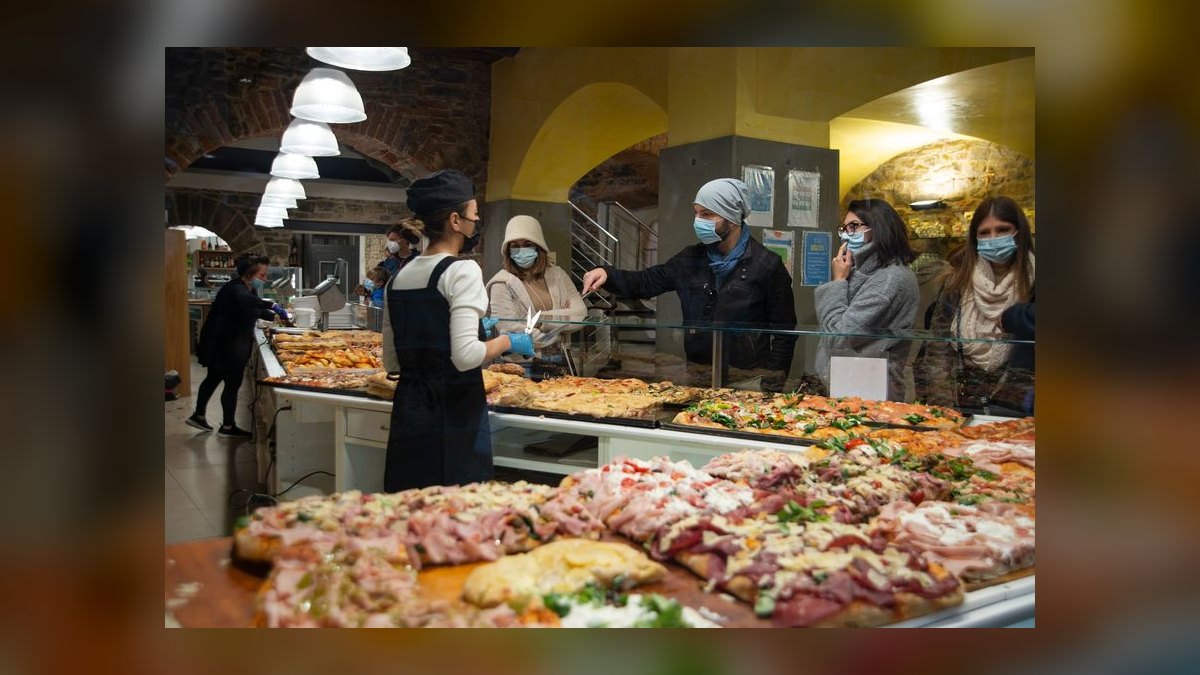
Sequencing separates the shops that reach the year-three inflection from those that burn cash in an unfocused ramp. The build runs setup → volume → margin, roughly on a 30/60/90-day cadence for the opening, then a multi-quarter maturation.
Days 1–30 (setup): secure a lease in a dense trade area — urban downtown or a family-residential corridor near 8,000+ daily traffic — and run the 12–18 week buildout including the bar. Perfect the 24–72 hour fermented dough, hire the head chef and core crew of 8–12, and stand up the full stack: POS (Slice or Toast), DoorDash, UberEats, Grubhub, EZcater, Google Business Profile, Instagram, and Yelp. Goal: soft launch into opening week.
Days 31–60 (volume): run $2,400–$4,800/month in Meta and TikTok ads, post 5–8 Reels a week of pizza theater, partner with 3–5 local food creators, dial in marketplace placement and thermal-bag discipline, and drive to the first 80 reviews at a 4.5+ average. Goal: $48K–$72K monthly revenue.
Days 61–90 (margin pivot): drop samples at 60–80 offices, launch the EZcater listing and a LinkedIn outbound sequence to 120+ office managers, and close the first 4–8 recurring corporate accounts. Goal: $68K–$98K monthly revenue with an 18–25% catering and corporate mix. From there, the year-two focus is scaling delivery and catering; the year-three focus is protecting margin and preparing for a second unit only once the first clears ~$980K with a trained GM and established brand.
The through-line: build the delivery volume engine first because it funds everything, but do not stop there — the bar program and catering are the sequenced layers that turn a busy shop into a profitable one.
Related questions
How much revenue does an Independent pizza shop need before opening a second location?
Roughly $980K+ at the first unit, plus a trained GM who can run the floor without the owner, plus an established brand — 200+ five-star reviews, local press, and a real Instagram following. Typical timing is month 24–42. Cluster strategy in one urban market beats scattered units.
Is first-party delivery worth it versus marketplaces?
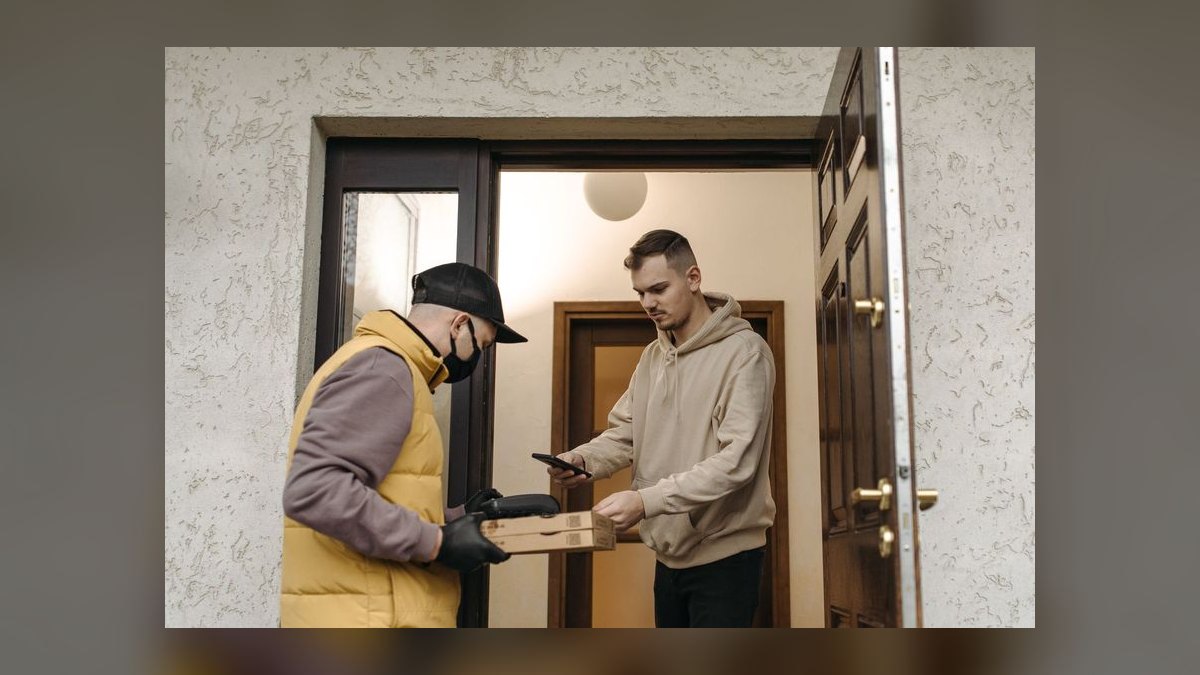
Yes, for the closest orders. Marketplaces (15–30% commission) buy reach and new customers; a first-party fleet at $14–$22/hour absorbs the 3-mile radius at $4–$8 per run, saving 18–30% on commission and protecting delivery speed. Run both — marketplaces for reach, first-party for margin.
What margin does a bar program actually add?
Alcohol attaches to 38–58% of dinner orders at 73–82% gross margin, lifting the dinner ticket from about $24 to $42–$58. It is the single highest-leverage profit lever, and the $0–$48K liquor license typically pays back in 8–14 months for a full-service concept.
How many pizza SKUs should the menu carry?
14–22 pizzas: six anchors (cheese, pepperoni, supreme, meat lovers, veggie, white) plus 8–16 specialty and seasonal pies. Add 8–14 appetizers, a tight salad and dessert set, and a full beverage program. Above ~28 pizza SKUs, inventory complexity pushes waste past 8%.
What delivery time should the shop target?
Under 32 minutes average. Shops at that speed post materially higher repeat-order rates than 42-minute-plus shops. Use insulated thermal bags, marketplace priority pickup, first-party runs for close orders, and dough hold-time discipline before peak to protect it.
FAQ
What's the realistic startup cost for an Independent pizza shop in 2027? $325K–$797K all-in: $32K–$72K lease deposit, $185K–$385K buildout, $24K–$98K pizza oven, $48K–$112K kitchen equipment, $14K–$32K branding, $8K–$22K opening inventory, $14K–$28K permits and insurance, and $0–$48K for a liquor license. Slice shops with a counter and a few seats launch at the low end ($325K–$485K); full-service pizzerias with a bar land at $580K–$797K.
Can an Independent shop compete with Domino's, Pizza Hut, and Papa John's? Not on price — the chains own commodity at $7.99. The wedge is the premium Specialty tier ($18–$28 per pizza), 24–72 hour fermented dough, premium toppings, and Instagram-worthy product theater. Chains sell a commodity; Independents sell an experience and a brand. Fighting on price is the fastest way to fail.
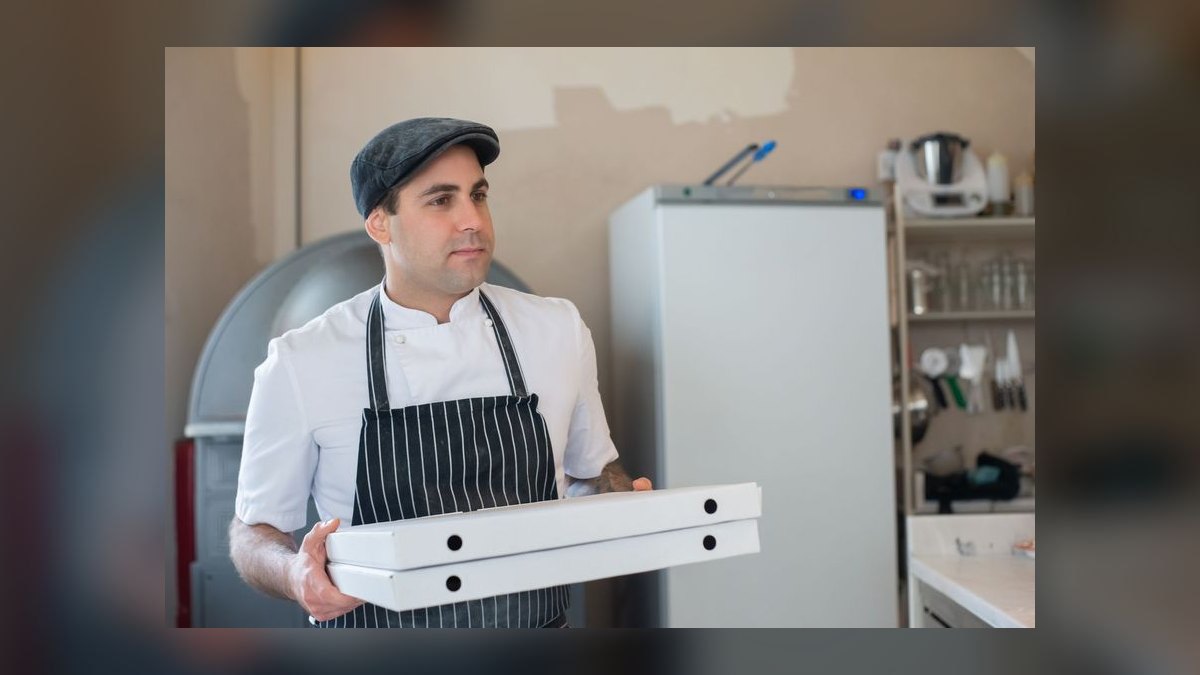
How important is delivery in 2027? Critical — delivery drives 52–68% of Independent pizza revenue. Without optimized DoorDash, UberEats, and Grubhub presence, thermal bags, and sub-32-minute delivery times, an Independent caps around $385K–$580K. With delivery dialed in, $880K–$1.4M becomes achievable. Delivery Dominance is not optional; it is the volume engine.
Should the shop add a bar program? Yes, if you can secure a liquor license and handle the operational complexity. Alcohol attaches to 38–58% of dinner orders at 73–82% margin and lifts the ticket from ~$24 to $42–$58. Without it, shops cap near $680K–$880K; with it, $1.2M+ opens up. The $0–$48K license pays back in 8–14 months.
How do you price Specialty pizzas without scaring customers? Anchor with a $28–$32 signature pie that makes the $22–$28 specialty tier read as reasonable, add $18–$22 classics, and keep $5.50–$7.50 single slices for solo lunch. A majority of customers select the mid-tier when a higher anchor is displayed alongside it — the anchor does the persuading.
When does catering start paying off? Usually by year two. After the GM hire frees the owner from the line, a business-development push — sample drops at 60–80 offices, an EZcater listing, and LinkedIn outbound to office managers — can secure 8–22 recurring accounts worth $84K–$185K in annual catering revenue at 62–68% margin.
Sources
- IBISWorld — Pizza Restaurants in the US Industry Report: https://www.ibisworld.com/united-states/market-research-reports/pizza-restaurants-industry/
- Toast — Restaurant POS and industry benchmarks: https://pos.toasttab.com/
- DoorDash — Merchant delivery platform: https://get.doordash.com/
- National Restaurant Association — industry research: https://restaurant.org/research-and-media/research/
- EZcater — Corporate catering marketplace and reports: https://www.ezcater.com/
- Square for Restaurants — POS and restaurant benchmarks: https://squareup.com/us/en/point-of-sale/restaurants
- Slice — Independent pizzeria platform: https://slicelife.com/
- Restaurant Business Online — industry news and data: https://www.restaurantbusinessonline.com/
- QSR Magazine — quick-service and pizza segment coverage: https://www.qsrmagazine.com/
- Statista — U.S. pizza and restaurant market data: https://www.statista.com/markets/423/topic/995/restaurants/
Related on PULSE
- Taco Shop GTM Playbook 2027 — Regional Authenticity Moat, Margarita Program, and the $2.8M Operator Path
- Donut Shop GTM Playbook 2027 — Morning Rush, Craft Premium, Wholesale Pivot, and the Coffee Attach Math
- How do you build a last-mile delivery software go-to-market motion in 2027?
- How do you build the GTM playbook for a specialty coffee roaster and independent coffee shop in 2027?
- Furniture DTC GTM Playbook 2027 — Design-Trade Program, Showroom Halo, and the $12.4B Wayfair Operator Path
This page will be disappearing soon. Save it to your device for $1 — or read it free while it is here.
@Kory-White- · if Venmo asks, the last 4 of my number are 2012
This page is gone.
This one is off the shelf now. $1 keeps it on your phone for good — the whole page, pictures and diagrams included.
 gtm-playbookGTM Playbook for Pizza Shops in 2027
 gtm-playbookHow do you choose between a direct sales and a partner-led go-to-market motion in 2027?
 gtm-playbookWhat is the go-to-market playbook for launching an AI product in 2027?
 gtm-playbookGTM Playbook for Mobile Notary Services in 2027
 gtm-playbookHow do you build a court and case management software go-to-market motion in 2027?
 gtm-playbookWhat is the go-to-market playbook for verticalizing in 2027?
 gtm-playbookGTM Playbook for AI Infrastructure — The Complete Operator Guide in 2027
 gtm-playbookHow do you build a workforce management go-to-market motion in 2027?
 gtm-playbookHow do you build a vector databases (Pinecone / Weaviate) go-to-market motion in 2027?
 gtm-playbookGTM Playbook for Optometry Practices in 2027