


How much do Graphics cost in 2027?
Quality
Certified
In 2027, Graphics cost ranges from roughly $100–$500 for a single social asset to $3,000–$15,000 for a full brand identity, with motion work at $2,000–$10,000 per finished minute. AI tools cut simple production 50–80%, but strategic, brand-critical creative still commands premium human rates.
What graphics spend actually covers in 2027 and why the number keeps moving
The phrase "Graphics" hides a wide portfolio of deliverables, and that is the first reason quoted prices swing so wildly between vendors. A $150 social template and a $40,000 campaign system are both "graphics," but they consume completely different amounts of strategy, iteration, and production time. Before comparing quotes, split your request into the categories that actually drive the cost: static brand assets (logos, type systems, color palettes), marketing production (social posts, email headers, display banners), long-form design (brochures, whitepapers, packaging), motion and video (animated explainers, product loops), and dimensional work (3D product renders, environmental graphics).
Each category has a different cost floor because each requires a different mix of skills. Static production is now heavily templated and AI-assisted, so the floor is low. Brand identity requires research, positioning, and stakeholder alignment, so the floor is high. Motion requires storyboarding, animation, sound, and render time, which is why it is priced per finished minute rather than per asset. Dimensional work requires modeling, texturing, lighting, and compute, which adds a technical layer most design teams do not carry in-house.
Why it matters in 2027 specifically: the market has bifurcated. Generative tools collapsed the price of "good enough" production, while the premium for differentiated, on-brand, legally clean creative held firm or rose. That means a single blended "graphics budget" is now a planning mistake. Teams that separate commodity production from strategic creative typically spend 20–40% less for the same output, because they stop paying agency rates for work a $30/month tool handles and stop paying tool prices for work that needs a senior designer. The second reason it matters is governance: usage rights, exclusivity, and revision scope are now the largest hidden multipliers on any quote, and they are negotiated, not listed. A logo quoted at $800 with limited rights can cost more over three years than one quoted at $2,500 with perpetual global rights, once you re-license for each new campaign.
The step-by-step process for scoping and pricing a graphics project
Pricing in 2027 is rarely a rate card. It is the output of a scoping process, and the same process produces your budget estimate and your vendor comparison. Run it in this order.
Step 1 — Define the deliverable list, not the vibe. Write down every asset you need: "12 social statics, 3 email headers, 1 landing hero, 2 ad variants." Vague briefs ("refresh our look") get padded quotes because vendors price uncertainty. A concrete list lets three vendors quote the same thing.
Step 2 — Classify each asset by tier. Tier 1 is high-volume, low-complexity, template-friendly. Tier 2 is medium-complexity, brand-sensitive, project-based. Tier 3 is high-impact, strategic, or technically heavy (identity systems, motion, 3D). Tier assignment, not asset count, drives most of the budget.
Step 3 — Specify usage rights up front. State where the asset will run, for how long, in which territories, and whether you need exclusivity. Limited, single-campaign, non-exclusive rights are the cheapest. Perpetual, global, exclusive rights can add 50–200% to the same artwork. Get this in writing before the quote, not after.
Step 4 — Set the revision allowance. Most quotes include two rounds. Each additional round typically adds 10–20% to the project fee, and unbounded revision is the single most common cause of budget overrun. Cap it contractually.
Step 5 — Decide the production path per tier. Tier 1 goes to AI-assisted templates or a junior freelancer. Tier 2 goes to a mid-level freelancer or a small studio. Tier 3 goes to a senior designer, specialist, or agency. Mixing paths is normal and is where the savings live.
Step 6 — Collect three quotes against the identical scope. Compare portfolio relevance, turnaround, and rights terms — not just the number. A quote 30% cheaper with no source files and limited rights is usually the more expensive option.
Step 7 — Build the 15–20% contingency. Revisions, stock licensing, font purchases, and rush fees are predictable, so budget them rather than discovering them.
The process matters because it converts a subjective "what should Graphics cost" question into a defensible number you can compare across vendors, defend to finance, and revisit next quarter without renegotiating from zero.
Costs, timelines, and typical ranges you can plan against
These are 2027 planning ranges, not quotes. Treat them as sanity checks: a bid far below the floor usually signals missing rights, missing source files, or offshore production you did not scope; a bid far above the ceiling usually signals agency overhead you may not need.
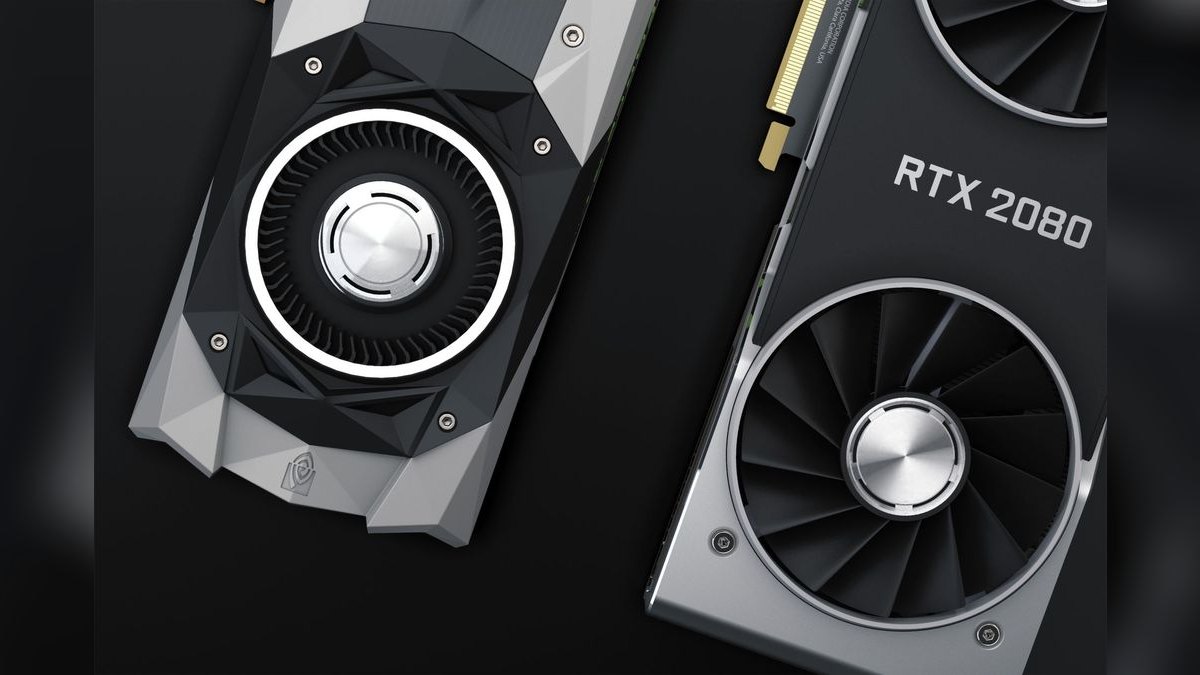
Single static social asset: $100–$500 from a freelancer; $20–$100 per month via an AI subscription for template-based production. Turnaround: hours to 2 days.
Logo design: $500–$2,500 for a professional mark with a small usage package; AI-assisted options start near $100 but rarely include the trademark-clearance thinking a launch needs. Turnaround: 1–3 weeks.
Full brand identity package (logo system, color, typography, guidelines): $3,000–$15,000. Premium agencies with original research and strategy can exceed $20,000. Turnaround: 4–10 weeks.
Website graphics (heroes, icons, custom illustrations for a mid-sized site): $2,000–$10,000. Turnaround: 3–8 weeks depending on page count.
Custom illustration: $200–$5,000. AI-assisted work sits at the low end; hand-drawn or highly detailed editorial work sits at the top. Turnaround: 2 days to 3 weeks.
Infographic: $500–$2,500, driven by data complexity and research load. Turnaround: 1–2 weeks.
Motion graphics and animation: $2,000–$10,000 per finished minute. Style, original assets, and sound design move you within that band. Turnaround: 2–6 weeks per minute of finished footage.
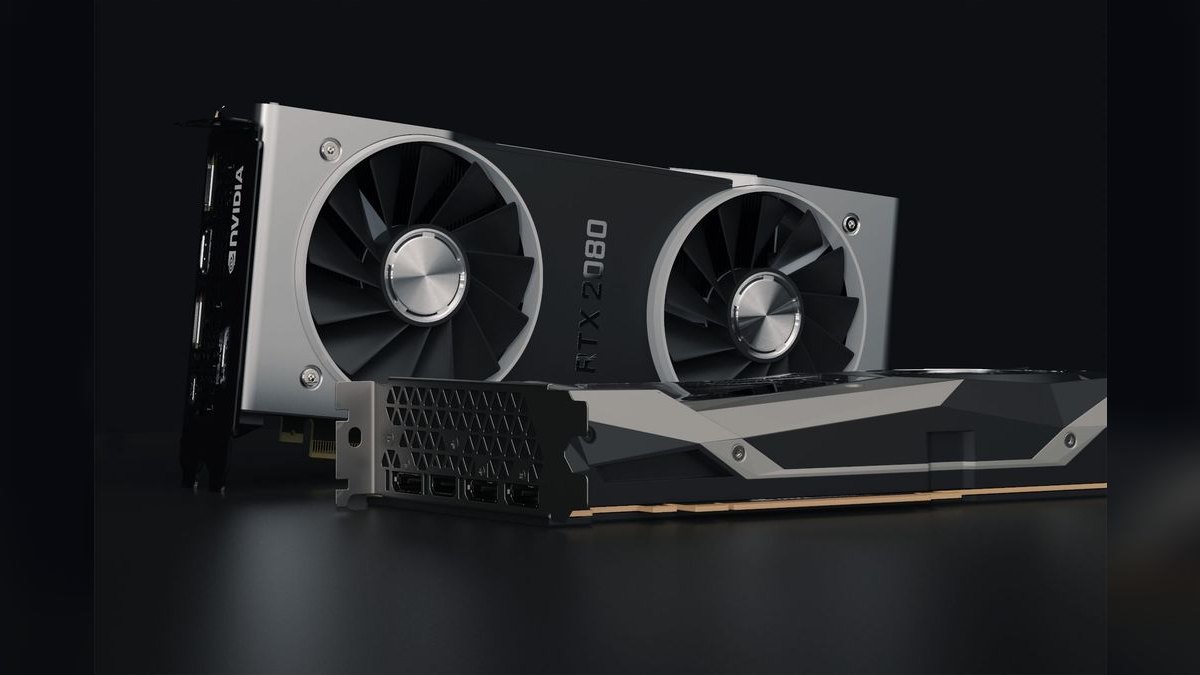
3D product visualization: $1,000–$5,000 per hero render, depending on model complexity and lighting. Turnaround: 1–3 weeks.
Packaging, environmental, or data-visualization design: typically starts around $2,500 and scales with complexity and compliance requirements.
Full marketing campaign design (multi-asset, digital plus print): $5,000–$20,000 for a mid-sized campaign; enterprise programs with extensive asset libraries exceed $50,000.
Hourly benchmarks: freelance designers $50–$150 per hour; agencies $150–$500 per hour. Rush work carries a 50–100% premium. Software adds $50–$100 per user per month for professional tools, and specialized 3D or motion seats cost more.
Retainers: $1,000–$5,000 per month covers ongoing Tier 1 and light Tier 2 production and is usually the cheapest way to handle steady volume, because onboarding cost is amortized and turnaround shortens.
Two structural notes for planning. First, the cost of a graphic is not the invoice — it is the invoice plus rights plus revisions plus the internal hours spent briefing and approving. Teams that track all four typically find 25–35% of total spend sits outside the vendor fee. Second, timelines and cost trade against each other directly: compressing a four-week identity project into ten days does not reduce the work, it adds a rush premium and usually a revision round, so the "fast" option frequently costs more in total.
Where teams get it wrong on graphics cost
Mistake 1 — Budgeting a blended rate. A single "design budget" line hides the fact that Tier 1 work should be nearly free and Tier 3 work should be expensive. Blending them means overpaying for templates and underpaying for strategy, which shows up as generic output and a brand that never coheres.
Mistake 2 — Ignoring usage rights until the contract. Rights are the largest multiplier on a quote and the easiest to negotiate early. Teams that discover mid-campaign that their license covers only one channel end up re-licensing at the vendor's price, often paying more than the original artwork.
Mistake 3 — Leaving revisions uncapped. "Unlimited revisions" sounds generous and is priced accordingly. In practice it invites scope drift, slows delivery, and converts a fixed project into an open-ended one. Two rounds plus a defined change-order rate is healthier for both sides.
Mistake 4 — Treating AI as a full replacement. AI is excellent for ideation, resizing, and low-stakes production. It is weak at brand nuance, legal clearance, and consistency across a system. Teams that replace human oversight entirely often spend the savings on rework and brand cleanup within two quarters.
Mistake 5 — Skipping the reusable asset layer. A style guide, a component library, and a set of master templates reduce per-asset cost dramatically over a year. Teams that commission every asset from scratch pay the setup cost every single time.
Mistake 6 — Comparing quotes on price alone. The cheapest bid frequently excludes source files, commercial rights, or font licensing. Normalize every quote to the same deliverables and rights before comparing numbers.
Mistake 7 — No post-project audit. Without tracking actual spend against the estimate, the same mispricing repeats next quarter. A simple quarterly review of graphics spend by tier surfaces consolidation opportunities and vendors who consistently overrun.
Decision framework: when to choose AI, a freelancer, an agency, or in-house
The right production path is a function of strategic importance, volume, and how much brand nuance the asset carries. Use this framework to route each tier deliberately rather than by habit.
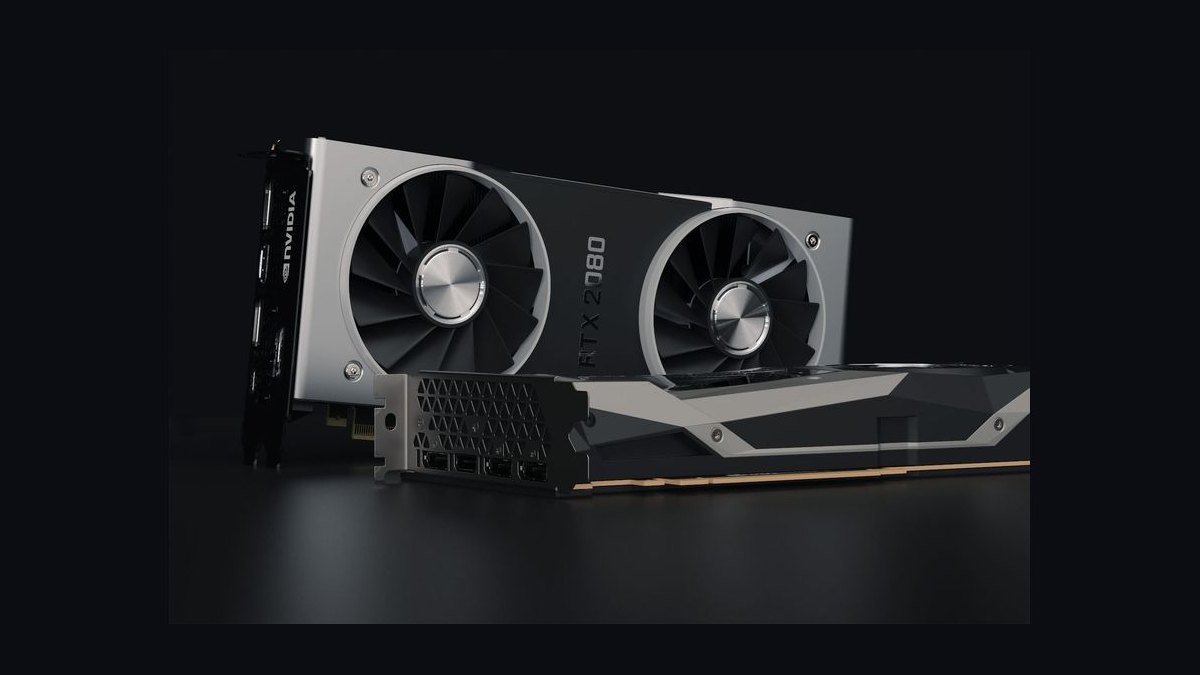
Choose AI-assisted tools when the asset is high-volume, low-stakes, easily templated, and unlikely to be scrutinized — social resizes, internal decks, concept exploration, first-draft layouts. Cost is minimal and speed is the main benefit. Do not choose AI for anything customer-facing at brand-critical moments, anything requiring legal clearance, or anything that must match a nuanced visual system.
Choose a freelancer when you need one-off or steady Tier 2 work with direct communication and flexible rates ($50–$150/hour). Freelancers are the best value for small-to-medium projects, but they have limited bandwidth and can be a single point of failure on large programs. Retainers with a trusted freelancer usually beat per-project pricing for recurring needs.
Choose an agency or studio when the work is Tier 3, multi-channel, or requires strategy, project management, and several specialists at once. Rates are higher ($150–$500/hour or a flat fee), but you get reliability, scalability, and coverage when someone is unavailable. Agencies also carry the process maturity that complex launches need.
Choose in-house when volume is high enough to keep a designer busy year-round and brand consistency is a competitive advantage. In-house carries salary, software, hardware, and training costs, but it eliminates per-project markup and builds institutional brand knowledge. Most mid-sized teams run a hybrid: in-house for Tier 1 and Tier 2, external for Tier 3 and overflow.
The framework's value is consistency. When every request is routed the same way, your Graphics cost becomes predictable, your vendor mix stays balanced, and your premium budget is reserved for the work that actually differentiates the brand.
Related questions
What is the average cost of a logo in 2027?
A professional logo typically runs $500–$2,500, depending on complexity, revision rounds, and usage rights. AI-assisted options start near $100, but usually skip trademark-clearance thinking and rarely include a full usage package.
How much do motion graphics cost per minute?
Motion graphics cost $2,000–$10,000 per finished minute in 2027. Style, original assets, sound design, and revision rounds move you within that band; rush timelines add a 50–100% premium on top.
Is it cheaper to use AI for all graphics?
For simple, low-stakes assets, yes — often 50–80% cheaper. For brand-critical or legally sensitive work, the rework and cleanup costs usually erase the savings, so human oversight still pays for itself.
What is the hourly rate for a graphic designer in 2027?
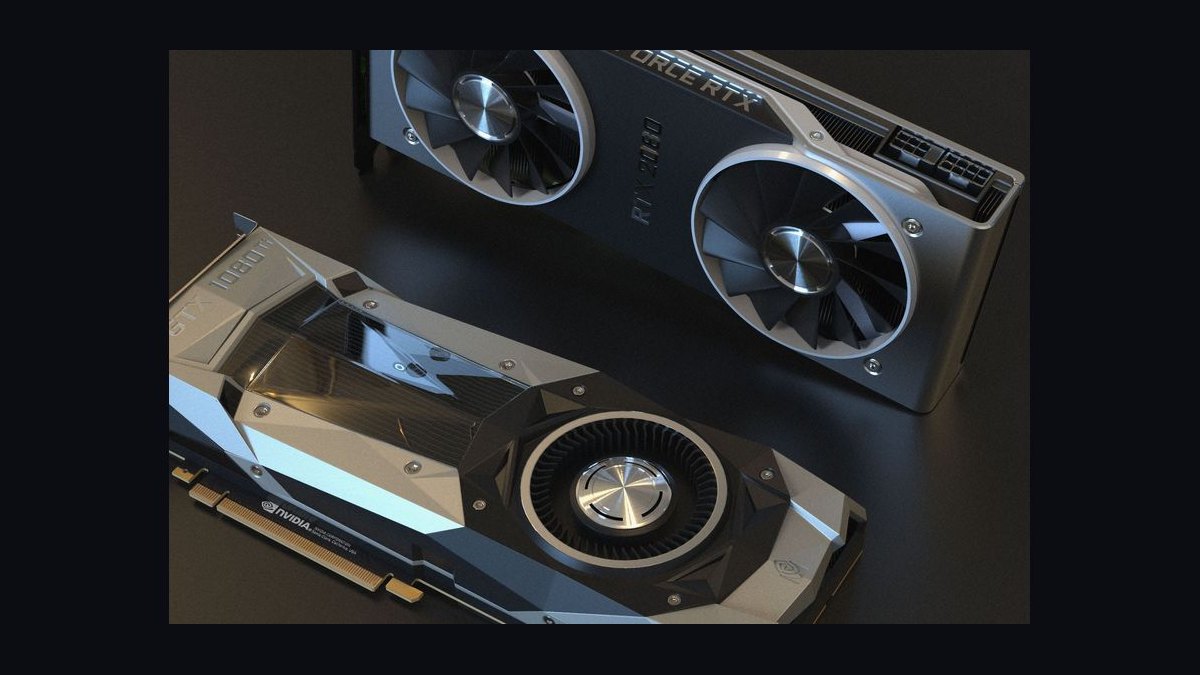
Freelance designers charge $50–$150 per hour; agencies charge $150–$500 per hour. Rates vary with seniority, specialization, and market, though remote work has narrowed geographic differences considerably.
How can I reduce graphics costs for my startup?
Use AI for concepts, build a style guide and template library early, and retain one freelancer for ongoing needs. Prioritize essential assets, cap revisions, and negotiate rights that match your actual channels.
FAQ
How much does a social media graphic cost in 2027? A single social graphic costs $100–$500 from a freelancer, or $20–$100 per month through an AI tool subscription for template-based production. Custom photography or illustration pushes the price toward the top of that range.
What is the price of a full brand identity package? A comprehensive package — logo system, color palette, typography, and guidelines — ranges from $3,000 to $15,000. Premium agencies with original research and positioning strategy can exceed $20,000.
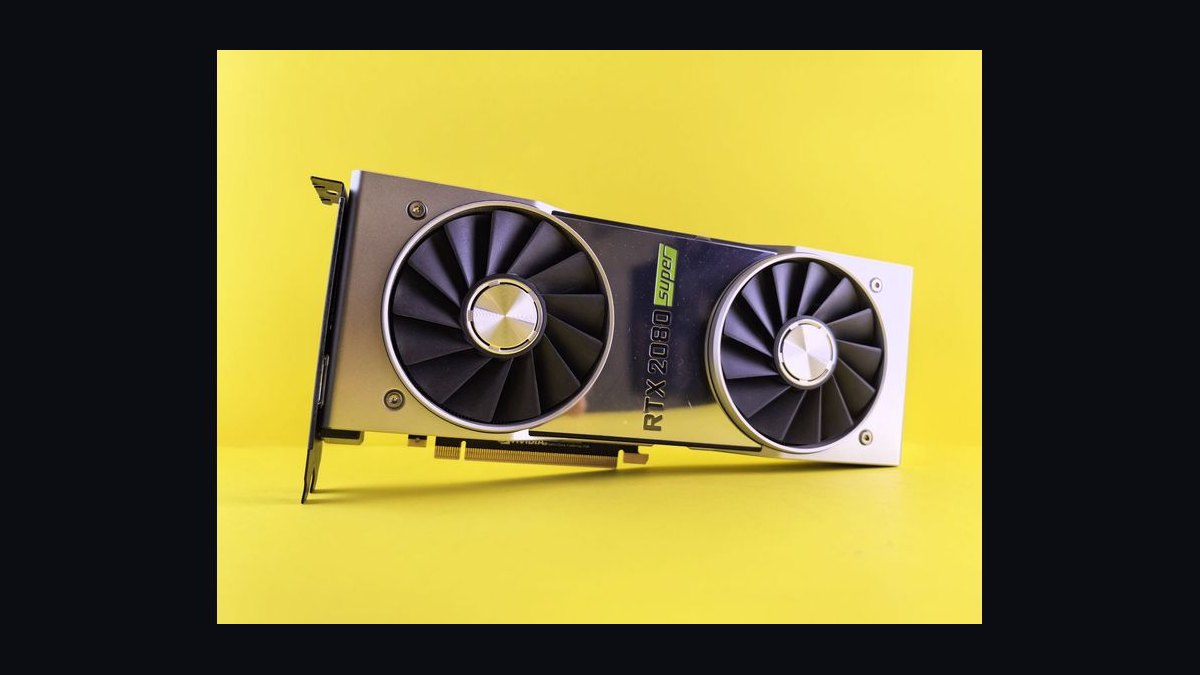
Does 3D rendering cost more than 2D design? Yes. A single 3D product visualization runs $1,000–$5,000 because it requires modeling, texturing, lighting, and render compute. A comparable 2D illustration might cost $200–$1,000.
How much do graphics cost for a website? Website graphics — hero images, icons, and custom illustrations for a mid-sized site — typically cost $2,000–$10,000. Page count, custom illustration volume, and responsive variants drive the final number.
What are the hidden costs in graphic design? Revisions beyond the agreed scope, rush fees, font and stock-image licensing, and commercial usage rights are the usual surprises. Clarify all four in the contract before work begins.
How do usage rights affect graphics pricing? Limited, non-exclusive rights for a single campaign are the cheapest. Exclusive, perpetual, or global rights can increase the price by 50–200% or more, so match the license to your actual channels and timeframe.
Sources
- Clutch — Graphic Design Pricing Guide
- 99designs — How Much Does a Logo Cost?
- DesignRush — Graphic Design Rates
- Upwork — Graphic Designer Hourly Rates
- Adobe — Creative Cloud Plans and Pricing
- HubSpot — How to Budget for Design
- G2 — Best Graphic Design Software
- Smashing Magazine — Design Pricing Guide
Related on PULSE
This page will be disappearing soon. Save it to your device for $1 — or read it free while it is here.
@Kory-White- · if Venmo asks, the last 4 of my number are 2012
This page is gone.
This one is off the shelf now. $1 keeps it on your phone for good — the whole page, pictures and diagrams included.
 gbTop 10 best Graphics options in 2027
 gbIs Graphics worth it in 2027?
 gbAnnual Sales Planning — Title Slide
 gbWhat are the most common mistakes in Graphics in 2027?
 gbTop 10 Graphics strategies for 2027
 gbWhat should you know before investing in Graphics in 2027?
 gbHow do you get started with Graphics in 2027?
 gbWhat is the best way to approach Graphics in 2027?
 graphicRegional Sales Director — LinkedIn Banner
 graphicPipeline Stages — Icon / Clip Art