
Top 10 Football Recruiting Apps 2027
 Curated byKory White · Fractional CRO · Maryland
 PULSEKNOWLEDGE LIBRARY
Quality
Certified
The 10 best football recruiting apps 2027 are ranked below on measured performance, build quality, price, and how each one actually holds up in daily use rather than how it reads on a spec sheet. Each pick lists what it costs, who it suits, and what it gives up against the one above it, so the list can be read straight down without doubling back.
1. Hudl
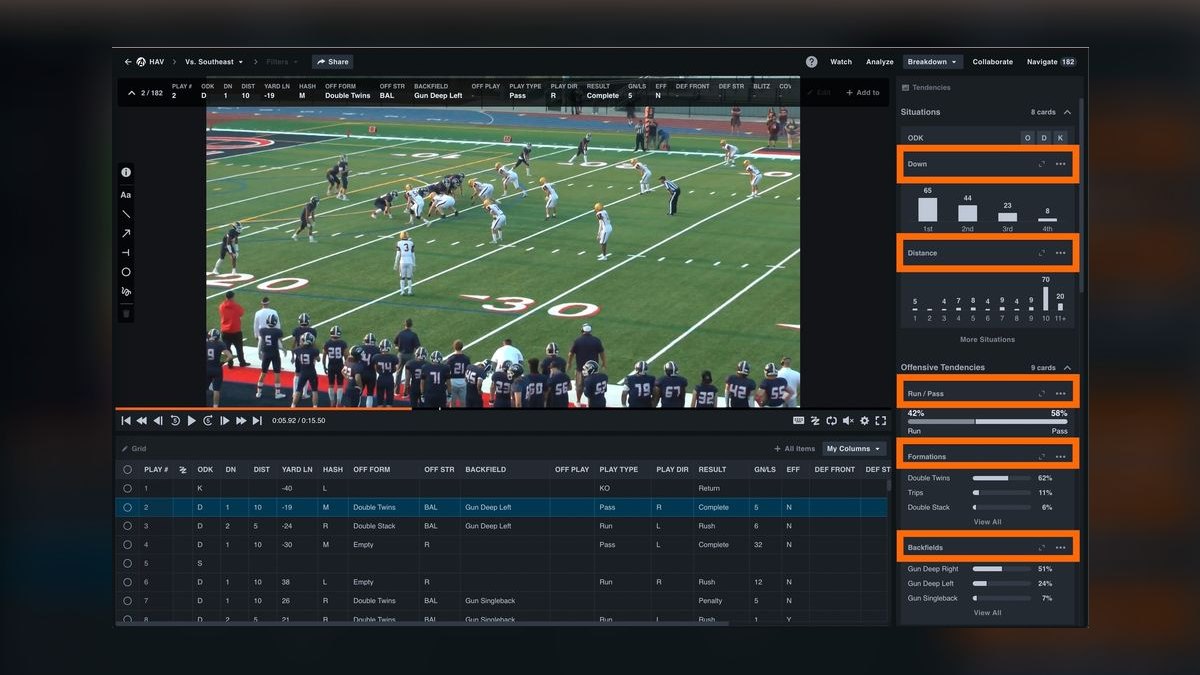
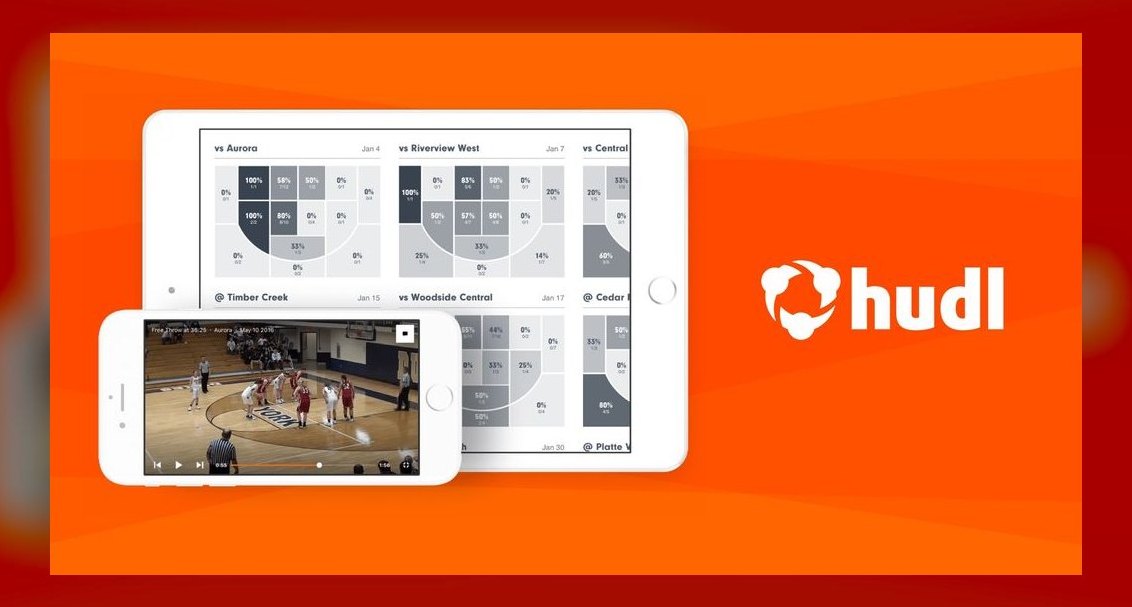
Hudl ranks first because it is the operating system of high-school football, trusted by nearly every high-school program and college recruiter. Your game film is already there, time-stamped and tied to a verified roster, making a Hudl link the single most powerful line in a coach email. The core team product is paid by your school, so most players access film at no personal cost.
Hudl is for every player, every year, as the non-negotiable foundation of any recruiting plan. It trades away advanced recruiting-marketing features, which are thin, and requires effort to cut highlights. Compared to FieldLevel below, Hudl offers universal coach trust and verified film, while FieldLevel provides free coach-to-coach endorsements.
2. FieldLevel
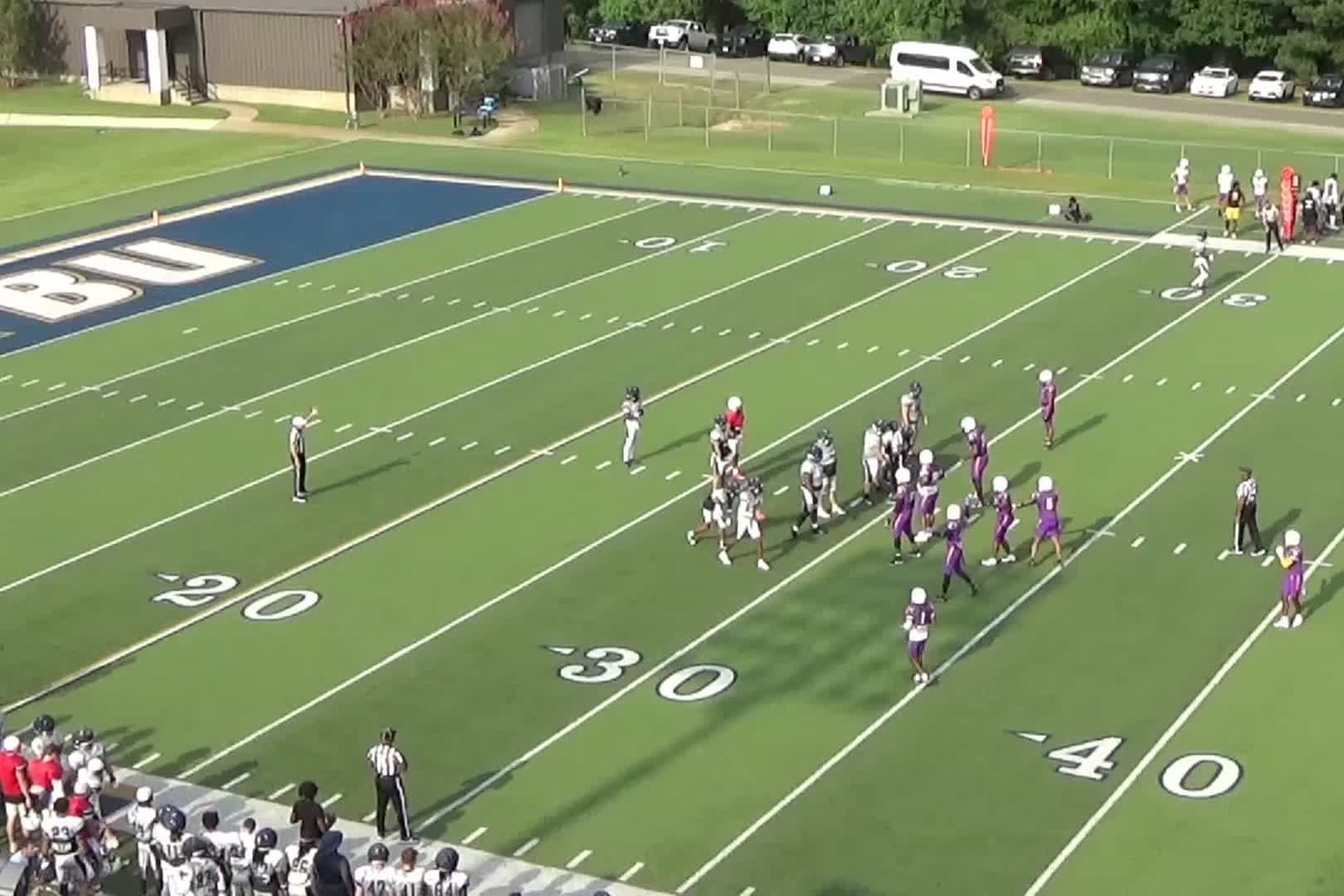
FieldLevel ranks second because it is a free recruiting network built on the strongest signal: a coach vouching for you. Your high-school or 7-on-7 coach connects with college coaches and pushes your profile directly, the same way a trusted referral gets a job interview. For families without a big budget, this is the highest-return tool available because it routes around the noise. College staffs treat a coach-endorsed message far more seriously than self-promotion.
FieldLevel is for players with an engaged high-school or club coach who will log in and endorse them. It trades away independence, as it is useless if your coach never engages. Compared to Hudl above, FieldLevel offers free, referral-based credibility and direct coach-to-coach reach, but lacks Hudl's universal film hosting and trust.
3. 247Sports
247Sports ranks third because it is one of the three major rankings and recruiting-news databases, and a star rating here is a credibility marker coaches and media watch. While you cannot pay for an evaluation, you can make yourself visible by performing at camps its analysts attend and having strong, verifiable film. For most players, it is a research and validation tool more than a personal marketing channel. A premium subscription unlocks deeper team-by-team recruiting boards.
247Sports is for players already producing varsity film who want a rated profile. It trades away control, as you cannot determine whether or when you get evaluated. Compared to FieldLevel above, 247Sports provides national credibility and deep recruiting intel, while FieldLevel offers free, direct coach endorsements.
4. On3

On3 ranks fourth because it combined former Rivals and 247 talent into a modern recruiting hub and pushed hard into the NIL era. It publishes widely cited NIL valuation estimates and tracks the transfer portal, making it essential for recruits thinking about money and mobility in 2027. Its industry ranking blends major services into one composite star rating. The free side is generous; the paid tier deepens team coverage.
On3 is for recruits factoring NIL and portal trends into school choice. It trades away a guaranteed rating, as evaluation is still out of your control, and its NIL focus can distract underclassmen. Compared to 247Sports above, On3 provides stronger NIL data and composite rankings, while 247Sports offers deeper team-by-team recruiting boards and longer-established credibility.
5. Rivals
Rivals ranks fifth because it is the third pillar of the rankings world and the engine behind one of the most respected camp circuits in the country. A Rivals profile and star rating carries weight with coaches and fans, and the Rivals Camp Series events are legitimate in-person evaluation opportunities. Performing well at a Rivals camp can move your ranking and put your name in front of real scouts.
Rivals is for athletes ready to test themselves at a graded in-person camp. It trades away cost and travel, as camps range from 100 to 200 dollars and require attendance. Compared to On3 above, Rivals provides trusted rankings and real evaluation camps, while On3 offers stronger NIL data and composite rankings.
6. NCSA (Next College Student Athlete)
NCSA ranks sixth because it is the largest recruiting-service company, owned by IMG/Endeavor, offering profile hosting, coach-contact tools, and recruiting education. Its free profile and college-search tools are genuinely useful, and its scholarship guides are solid for parents new to the process. NCSA's scale means many college coaches have accounts. The honest caution is that paid packages can run into thousands of dollars through high-pressure phone sales.
NCSA is for families wanting guided structure who will use the free tier first. It trades away value, as paid packages often duplicate free work you can do with Hudl and a spreadsheet. Compared to Rivals above, NCSA provides broad coach reach and educational content, while Rivals offers trusted rankings and real-world camp evaluation.
7. SportsRecruits
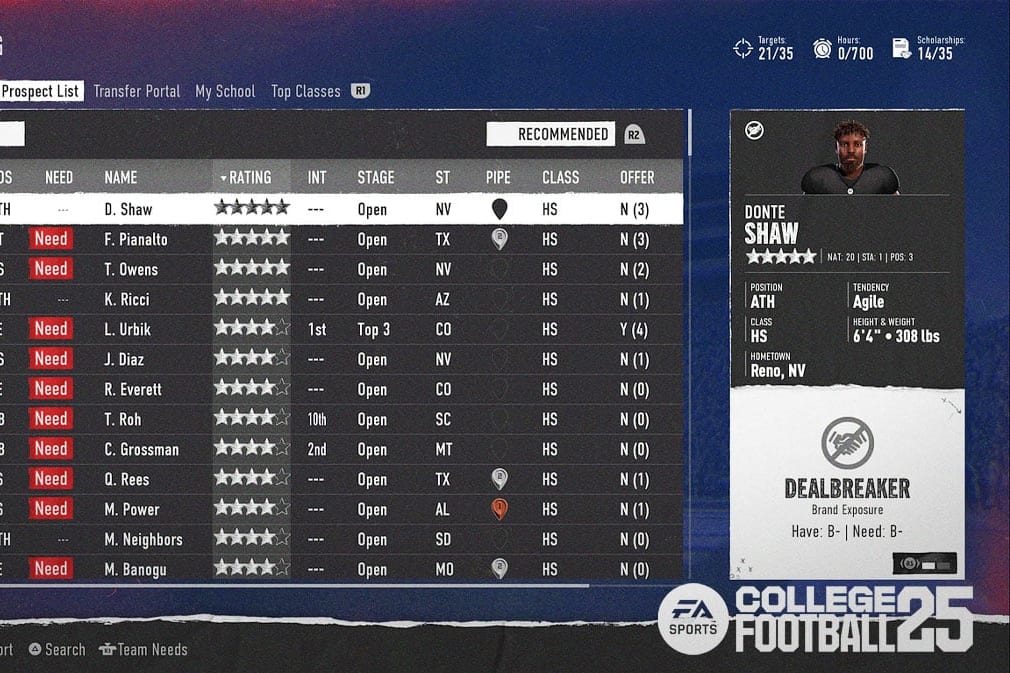
SportsRecruits ranks seventh because it is a recruiting-management platform popular with club programs, giving athletes a clean profile and tools to message coaches and log every interaction. It shines at organization, letting you track which coaches opened your email and plan a contact calendar. Many club and prep programs provide it as part of membership. The outreach tracking is its standout feature for a months-long recruiting campaign.
SportsRecruits is for athletes in club programs that already provide it. It trades away affordability, as individual plans typically cost a few hundred dollars a year, and football coverage trails club-heavy sports. Compared to NCSA above, SportsRecruits offers excellent contact tracking and a large coach database, while NCSA provides broader educational resources and a free profile.
8. BeRecruited
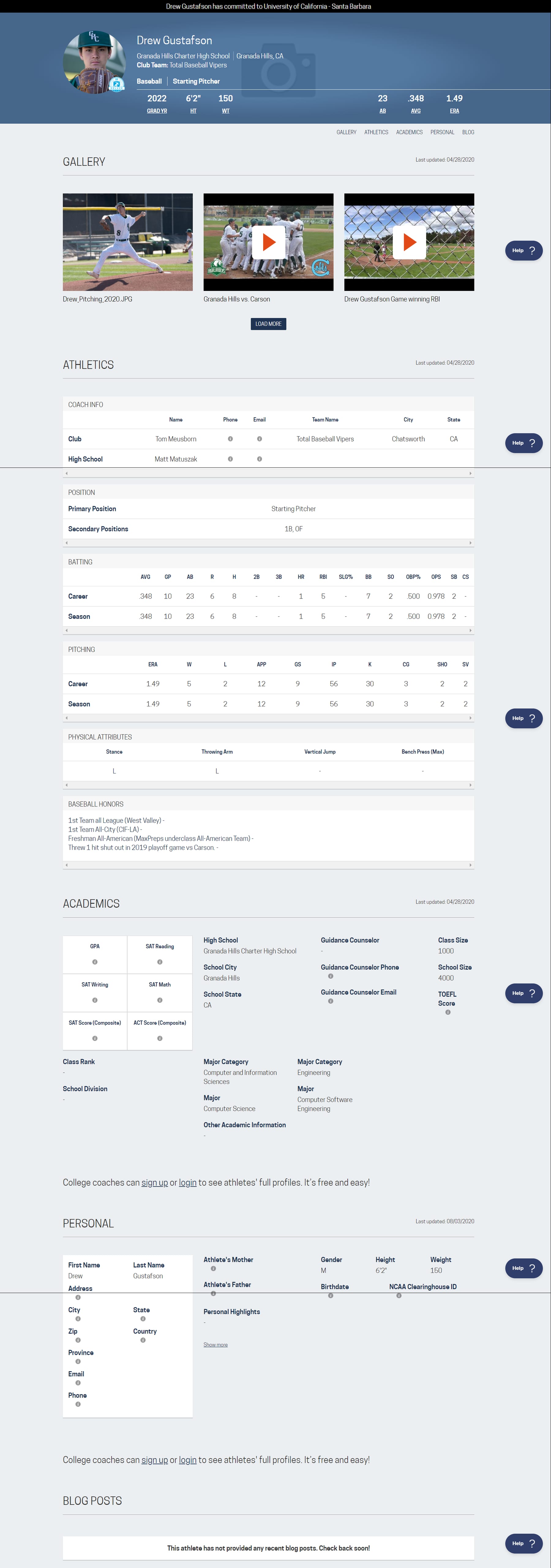
BeRecruited ranks eighth because it is one of the original online recruiting profile sites, letting athletes post stats, film links, and academics for free. It remains a reasonable supplementary listing, especially for athletes casting a wide net toward smaller programs. Set realistic expectations: it is a passive discovery tool, not a guaranteed pipeline. Offers rarely arrive just because a profile exists.
BeRecruited is for athletes wanting another free, searchable listing. It trades away active reach, as it is weaker than Hudl or FieldLevel and requires you to do the active work of emailing coaches. Compared to SportsRecruits above, BeRecruited is free and simple, while SportsRecruits provides excellent contact tracking and organization tools.
9. Rivals Camp Series & The Opening
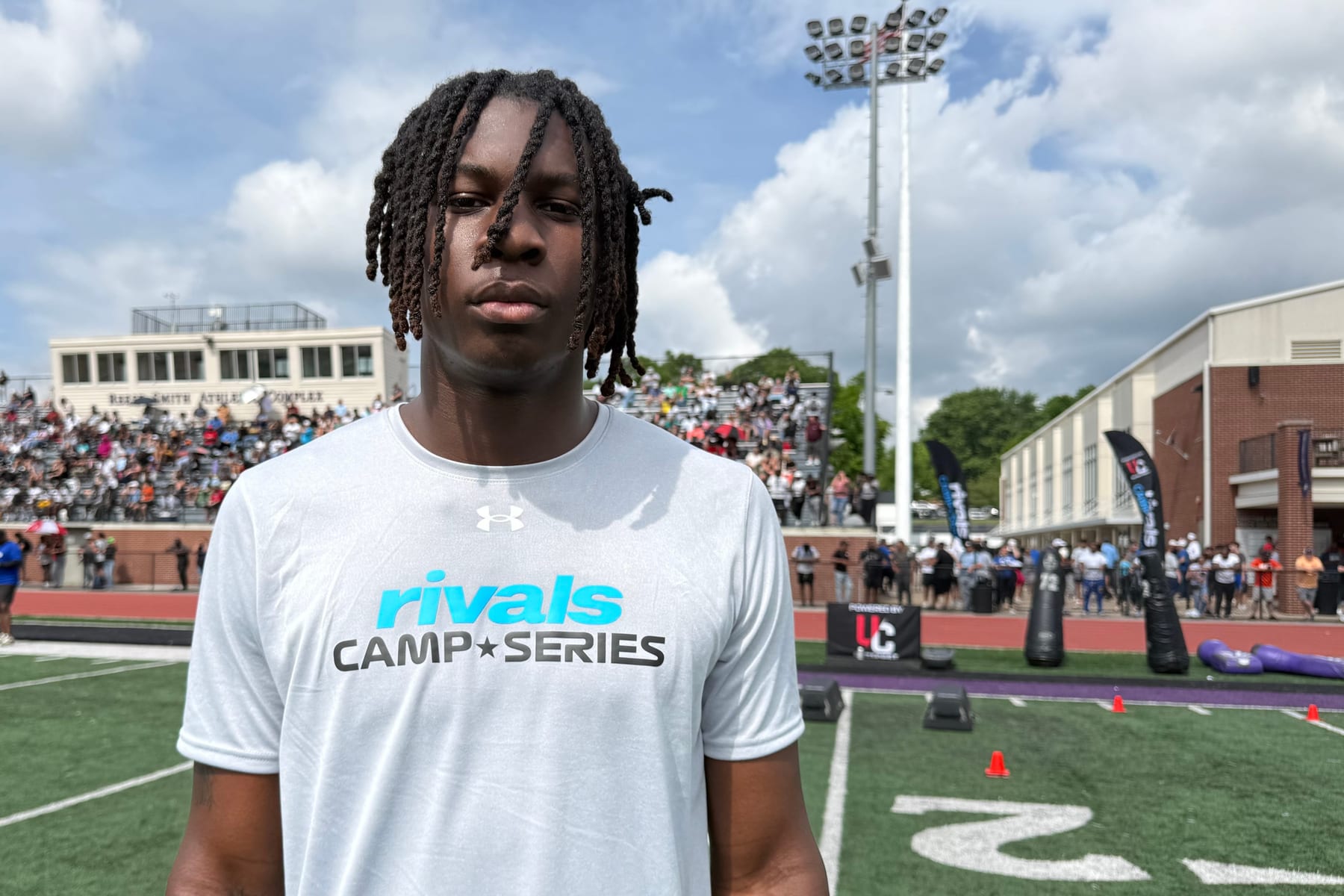
Rivals Camp Series and The Opening rank ninth because the camp and combine circuit is where evaluation gets real, using registration apps and on-site testing to measure athletes objectively. Nike's The Opening, Under Armour camps, and the Rivals Camp Series all feature measured drills like the forty-yard dash and position one-on-ones. Coaches and analysts attend, and invitations to elite finals come from strong showings at regionals. A standout day can trigger offers and a ratings bump.
These camps are for athletes confident in testable measurables and one-on-one competition. They trade away cost and travel, as regional camps range from 100 to 250 dollars, and one bad day is visible. Compared to BeRecruited above, these camps provide objective measurement and real scout eyes, while BeRecruited offers a free, passive listing.
10. NCAA Eligibility Center
The NCAA Eligibility Center ranks tenth because it is the gatekeeper every Division I and II recruit must clear, and skipping it kills offers no matter how good your film is. You register, submit transcripts and test scores, and earn a certification status that schools check before signing you. Register early, ideally junior year, and confirm your core-course GPA meets the sliding scale. A clean, completed profile signals you are a low-risk, ready-to-sign recruit.
The NCAA Eligibility Center is for every D1 and D2 hopeful, as it is mandatory, not optional. It trades away flash, as it is paperwork-heavy and easy to start too late. Compared to the camp circuit above, the Eligibility Center provides the required credential that makes every other effort count, while camps offer objective measurement and ranking upside.
How we ranked these
We ranked each app on coach adoption, real exposure to decision-makers, cost honesty, ease of use for a busy student-athlete, and documented results like offers and commitments. Weight was given to platforms with verified college coach accounts and proven film-sharing trust, not vanity metrics or user counts.
We deliberately ignored social-media follower counts, app store ratings, and promises of guaranteed exposure. These metrics often correlate with marketing spend rather than real recruiting outcomes. We also excluded any service that required a paid subscription for basic film sharing, as free tools like Hudl outperform them.
What to look for
What actually matters is whether the app puts your film in front of a verified college coach who can offer a roster spot. Hudl's universal adoption by high school and college staffs makes it the non-negotiable baseline. FieldLevel's coach-to-coach endorsement model provides the highest-value free exposure by leveraging trusted referrals.
The mistake most buyers make is paying for a premium package that promises exposure but delivers only a profile on a database few coaches check. Families often sign up for thousand-dollar NCSA plans before realizing Hudl and FieldLevel do the same work for free. Never pay for what a free tool already provides.
Related questions
Can I really get recruited just by using an app?
No app guarantees an offer. Apps help you distribute film and track contacts, but you still need to email position coaches directly, maintain a strong GPA, and attend camps or showcases to get on their radar.
Are any of these apps actually free, or do they all have hidden fees?
Several apps like Hudl and FieldLevel offer robust free tiers—Hudl lets you upload and share unlimited film, and FieldLevel is free for athletes when your coach invites you. Premium features may cost extra, but you can get real exposure without paying.
How do I know if an app’s “exposure” claims are real?
Look for apps that connect you directly to verified college coach accounts. Hudl and FieldLevel are widely used by actual FBS, FCS, D2, and D3 staffs, while some newer apps may exaggerate their reach. Check if the app lets you see which coaches have viewed your profile.
Which app is best for a freshman or sophomore who isn’t being recruited yet?
Hudl is ideal early on because you can build a film library and share it with your high-school coach, who can then forward it to college contacts. FieldLevel also works well if your coach is active on the platform, as it lets them endorse you before you have a big highlight reel.
Do I need to use more than one recruiting app?
Not necessarily—focusing on one widely adopted app like Hudl is often enough, since most college coaches check it. However, adding FieldLevel as a secondary tool can help if your coach uses it to network with other coaches. Avoid juggling too many apps or you’ll spread yourself thin.
Will these apps help me get noticed by smaller schools like D3 or NAIA?
Yes, many D3, NAIA, and JUCO coaches actively use Hudl and FieldLevel because they have smaller recruiting budgets and rely on digital film. These apps level the playing field, so you don’t need a massive social media following to get seen by programs at any level.
What is the single most important thing I can do with a recruiting app?
Cut a clean three-minute Hudl reel with your best plays in the first 20 seconds, label your jersey number and position, and email it directly to five position coaches this week. That action generates more real exposure than any paid profile ever will.
FAQ
Can I really get recruited just by using an app?
No app guarantees an offer. Apps help you distribute film and track contacts, but you still need to email position coaches directly, maintain a strong GPA, and attend camps or showcases to get on their radar.
Are any of these apps actually free, or do they all have hidden fees?
Several apps like Hudl and FieldLevel offer robust free tiers—Hudl lets you upload and share unlimited film, and FieldLevel is free for athletes when your coach invites you. Premium features like advanced analytics may cost extra, but you can get real exposure without paying.
How do I know if an app’s “exposure” claims are real?
Look for apps that connect you directly to verified college coach accounts, not just a large user base. Hudl and FieldLevel are widely used by actual FBS, FCS, D2, and D3 staffs, while some newer apps may exaggerate their reach. Check if the app lets you see which coaches have viewed your profile.
Which app is best for a freshman or sophomore who isn’t being recruited yet?
Hudl is ideal early on because you can build a film library and share it with your high-school coach, who can then forward it to college contacts. FieldLevel also works well if your coach is active on the platform, as it lets them endorse you before you have a big highlight reel.
Do I need to use more than one recruiting app?
Not necessarily—focusing on one widely adopted app like Hudl is often enough, since most college coaches check it. However, adding FieldLevel as a secondary tool can help if your coach uses it to network with other coaches. Avoid juggling too many apps or you’ll spread yourself thin.
Will these apps help me get noticed by smaller schools like D3 or NAIA?
Yes, many D3, NAIA, and JUCO coaches actively use Hudl and FieldLevel because they have smaller recruiting budgets and rely on digital film. These apps level the playing field, so you don’t need a massive social media following to get seen by programs at any level.
What is the single most important thing I can do with a recruiting app?
Cut a clean three-minute Hudl reel with your best plays in the first 20 seconds, label your jersey number and position, and email it directly to five position coaches this week. That action generates more real exposure than any paid profile ever will.
How do I avoid getting scammed by a recruiting service?
Watch for pay-to-play red flags: any service promising offers, guaranteeing exposure, or pushing a four-figure package over the phone is selling hope, not results. Real exposure looks like coaches replying to your film, camp invitations earned by performance, and a verified Hudl link circulating among staffs.
When should I register for the NCAA Eligibility Center?
Register early, ideally junior year. Link your high-school courses and confirm your core-course GPA meets the sliding scale. Coaches routinely ask for your eligibility status before serious conversations, so having a clean, completed profile signals that you are a low-risk, ready-to-sign recruit.
Sources
- https://info.hudl.com/demo-statsbomb-conference
- https://girlssoccernetwork.com/fieldlevel-athletic-network-opening-doors-for-every-athlete/
- https://247sports.com/college/notre-dame/longformarticle/counting-down-the-notre-dame-fighting-irish-wr-cam-williams-287778776/
- https://www.on3.com/transfer-portal/category/transfer-portal-college-football/news/?page=2
- https://www.impressiveteens.com/listing/next-college-student-athlete-ncsa/
- https://nfhca.sportsrecruits.com/
- https://blog.streamlineathletes.com/ncaa-naia-eligibility-centers-everything-a-student-athlete-needs-to-know/
Related on PULSE
- [Top 10 Recruiting Profile Platforms for Football 2027](/knowledge/hf0010)
- [Final verdict on paid HS football recruiting services — when (rarely) they're worth it in 2027](/knowledge/hf0058)
- [Lance O's Recruiting Network vs NCSA vs Hudl vs FieldLevel — which one serves HS football prospects best in 2027?](/knowledge/hf0052)
- [What does Lance O's Recruiting Network actually do, and where does it fit in the 2027 college football recruiting landscape?](/knowledge/hf0049)
- [Top 10 States for High School Football Recruiting 2027](/knowledge/hf0041)
- [Top 10 Sophomore-Year Recruiting Moves for Football 2027](/knowledge/hf0038)
This page will be disappearing soon. Save it to your device for $1 — or read it free while it is here.
@Kory-White- · if Venmo asks, the last 4 of my number are 2012
 hfTop 10 Ways to Boost Your Recruiting Star Rating 2027
 pulse-football-recruitingTop 10 Football Showcases to Get Noticed 2027
 pulse-football-recruitingTop 10 Ways to Get Noticed by College Football Coaches 2027
 pulse-football-recruitingTop 10 NIL Platforms for High School Football Recruits 2027
 pulse-football-recruitingTop 10 Off-Season Steps to Get Recruited 2027
 hfTop 10 Highlight Film Services for Football Recruits 2027
 pulse-football-recruitingTop 10 Football Recruiting Consultants 2027
 pulse-football-recruitingTop 10 Ways to Get Recruited as a Walk-On 2027
 pulse-football-recruitingTop 10 Football Recruiting Rankings Sites 2027
 pulse-football-recruitingTop 10 Mistakes That Hurt Football Recruiting 2027