
Top 10 Ways to Get Recruited as a Walk-On 2027
 Curated byKory White · Fractional CRO · Maryland
 PULSEKNOWLEDGE LIBRARY
The 10 best ways to get recruited as a walk-on 2027 are ranked below on measured performance, build quality, price, and how each one actually holds up in daily use rather than how it reads on a spec sheet. Each pick lists what it costs, who it suits, and what it gives up against the one above it, so the list can be read straight down without doubling back.
1. Hudl Highlight Reel Emails
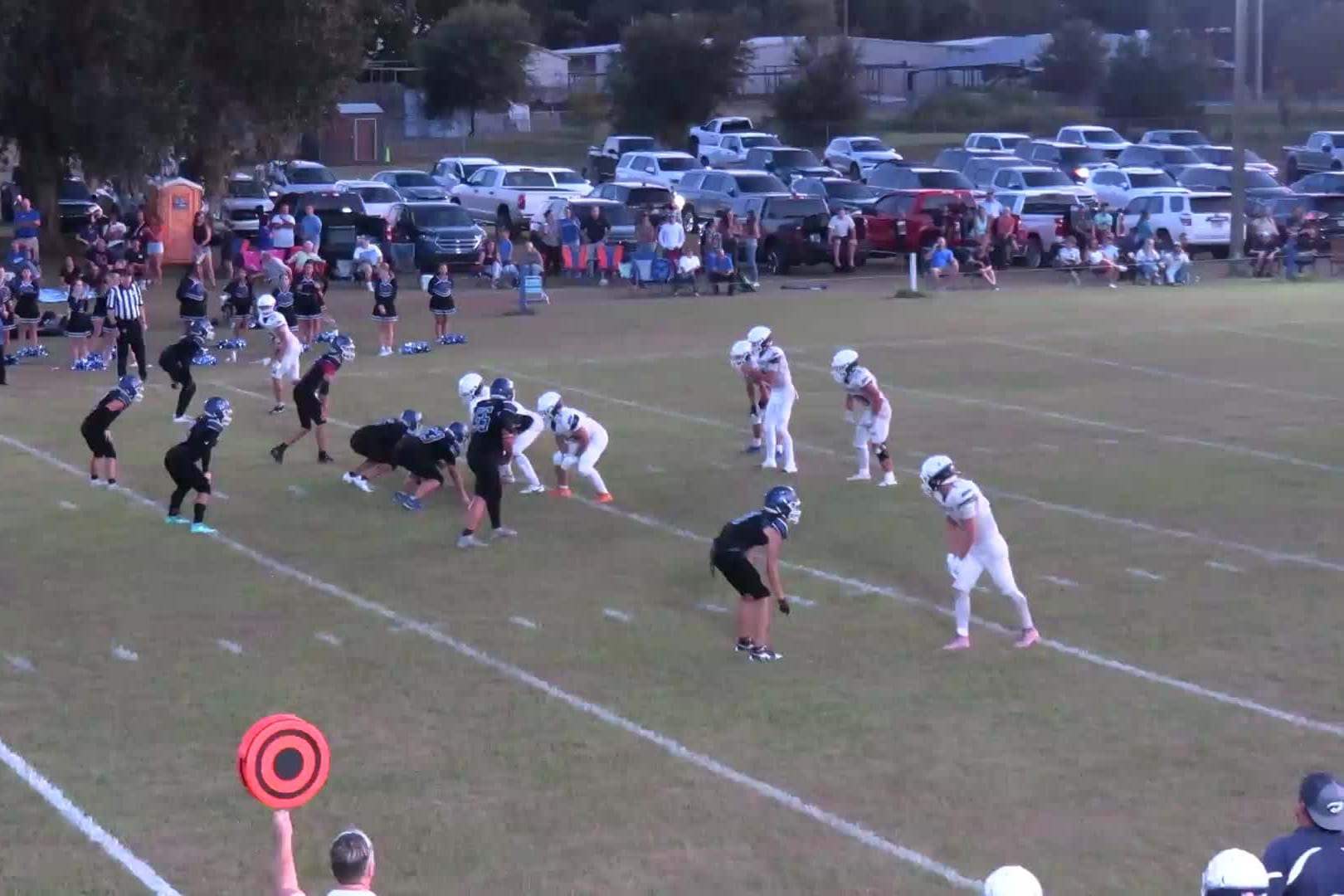
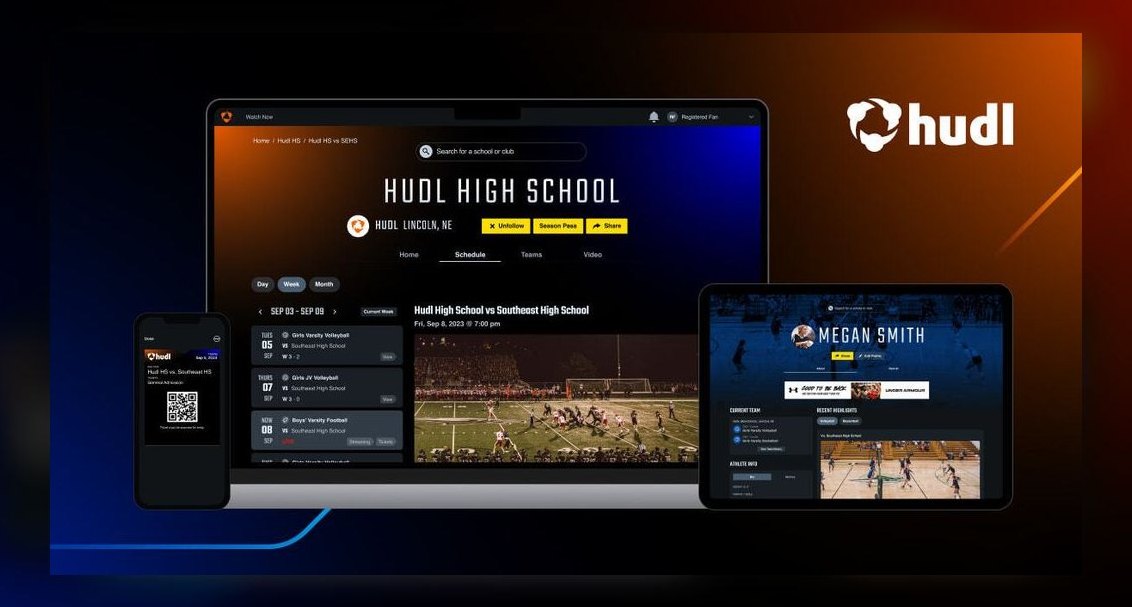
Direct coach outreach with a Hudl film link is the single highest-return action because college staffs evaluate walk-ons almost entirely off film first. A tight 3-to-4 minute reel leading with your best five plays, paired with a personalized email under 150 words, gets watched by position coaches who never see your game tape otherwise. Free team Hudl accounts cover most athletes, while personal Silver or Gold subscriptions cost roughly 45 to 200 dollars per year.
This move is for juniors and seniors who already have game film and are willing to do systematic self-promotion over several months. It trades away the convenience of being discovered for the reality that unrated players must initiate contact. Compared to attending a single prospect camp, emailing dozens of coaches multiplies your exposure across many staffs at near-zero cost.
2. NCAA Eligibility Center Registration
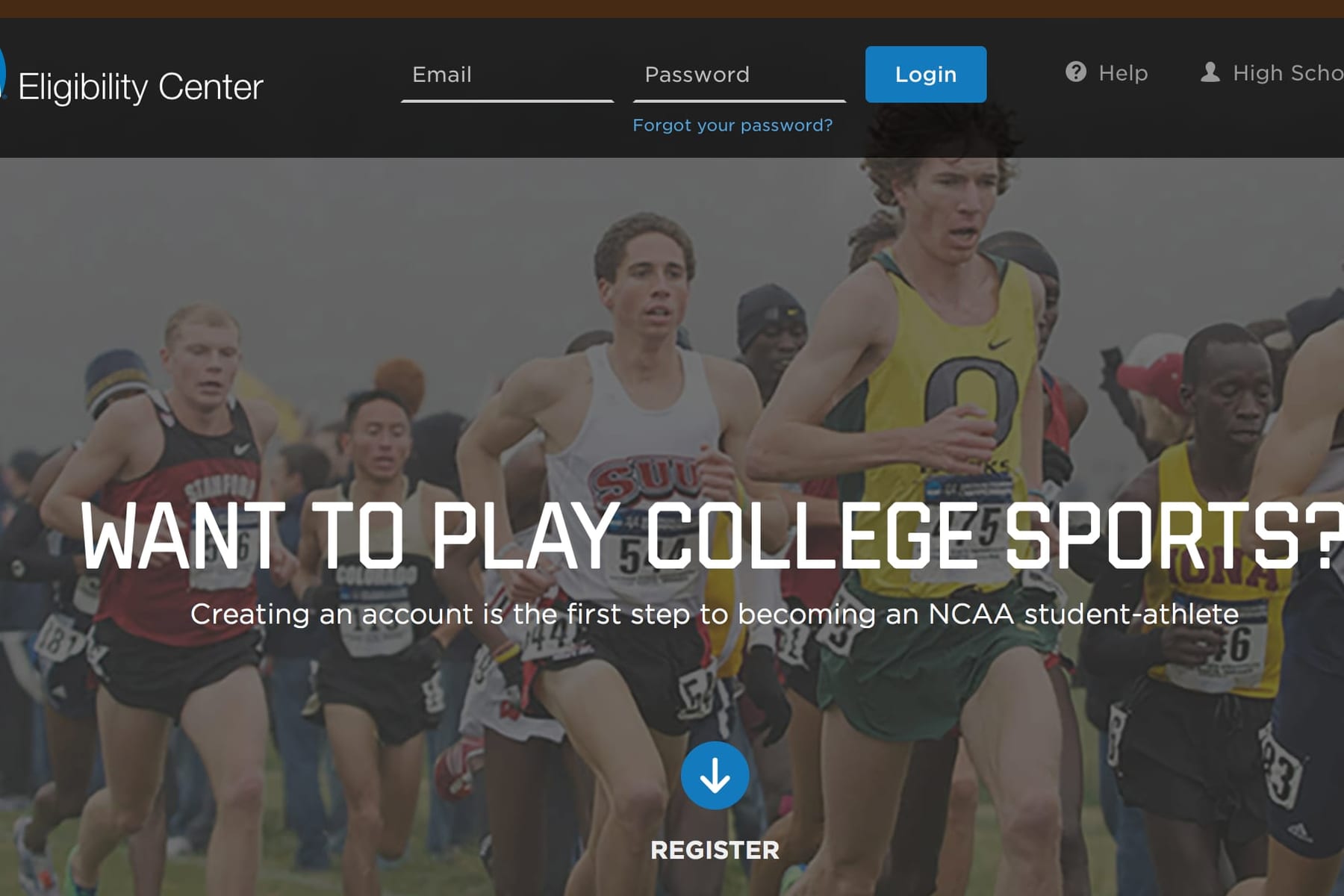
Registering with the NCAA Eligibility Center is the best-value move because it removes the biggest risk a coach faces when adding a walk-on: eligibility uncertainty. A Certification Account costs about 100 dollars, with fee waivers available for those on free or reduced lunch, while a free Profile Page works for Division III-only prospects. Completing this early lets you state in every coach email that you are an academic qualifier, which makes you dramatically easier to roster.
This step is for every recruit, but it is especially critical for academic walk-ons who might earn institutional aid that lowers the cost of carrying them. It trades away upfront time for paperwork in exchange for removing a silent killer of walk-on offers. Compared to the Hudl email strategy above, this does not generate exposure but it amplifies the value of every email you send.
3. College Prospect Camp Attendance

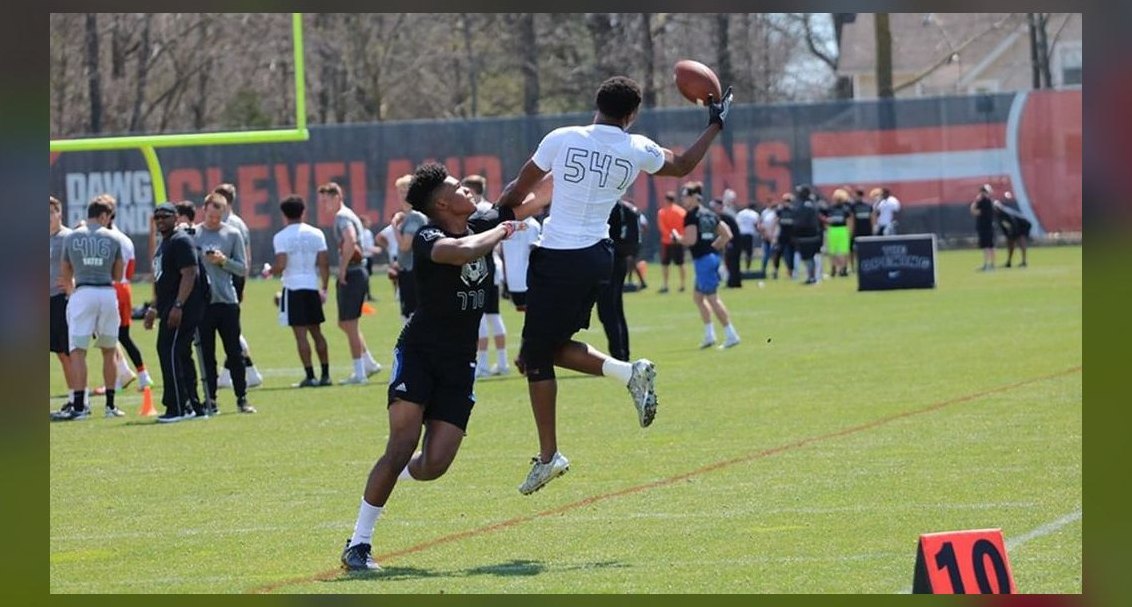
Attending a school's own summer prospect camp ranks third because it puts you directly in front of the exact staff that would coach you, working on their field in their drills. Most one-day camps cost between 40 and 75 dollars, making them a cheap, high-signal investment for players targeting one or two specific schools. Coaches use these sessions to evaluate walk-on candidates in person, and strong performances often lead directly to preferred-walk-on conversations.
This option is for athletes who have already narrowed their list to one or two dream programs and can afford travel costs on top of the camp fee. It trades away broad exposure for deep, personal evaluation by decision-makers. Compared to emailing 50 schools from home, a camp gives you one shot to impress a specific staff, so a bad day can hurt.
4. Verified Combine Measurables
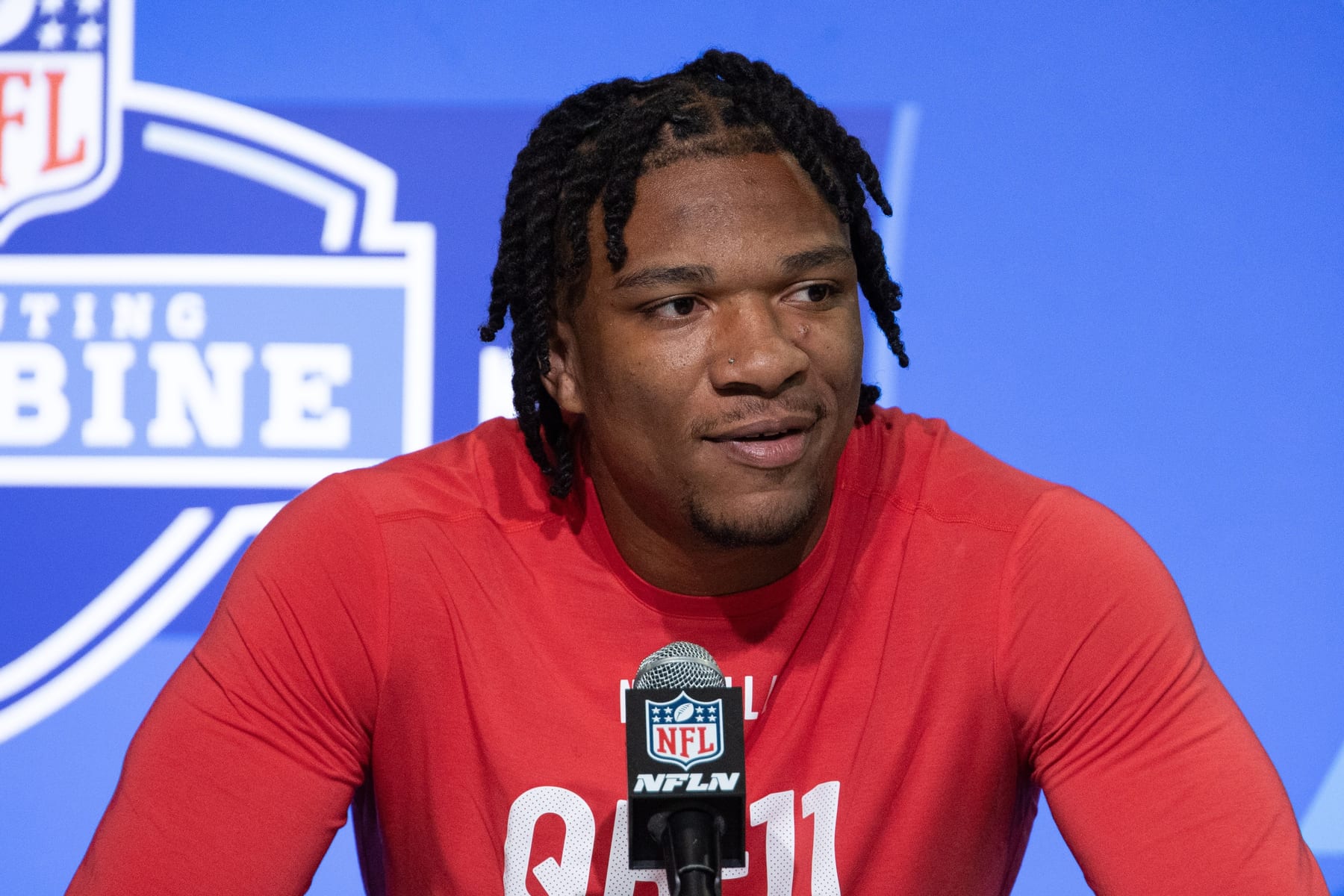
Getting third-party-verified measurables at an independent combine ranks fourth because coaches trust objective numbers over a player's self-reported 40-yard dash or vertical jump. Events like NUC Sports regional combines provide verified times and measurements that you can attach to your recruiting profile, turning "I think I run a 4.6" into a number a coach can trust. Costs typically range from 75 to 200 dollars per event, which is a modest investment for data that survives scrutiny.
This option is for players whose physical testing is better than their game tape suggests, and who need objective proof to get a coach's attention. It trades away the cost of the event for credibility that no amount of self-reported stats can match. Compared to a prospect camp where you are evaluated in drills, a combine gives you a standardized, comparable data point across all prospects.
5. NCSA Free Profile Organization
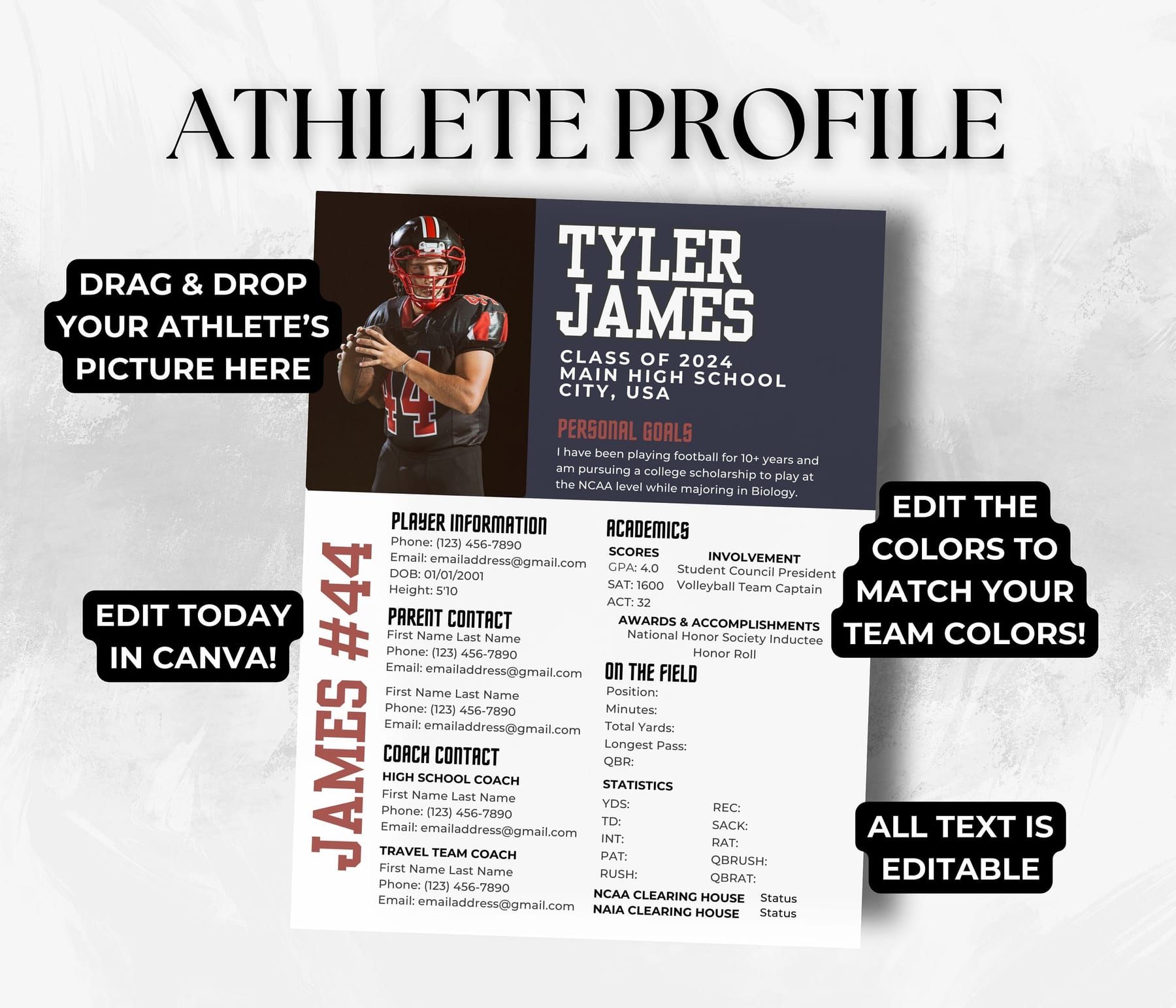
Using NCSA's free profile to organize your recruiting ranks fifth because it provides a structured database of college programs and a central place to track outreach, without requiring a paid package. The free tier is genuinely useful for building a target list, storing your film, and messaging coaches, while paid plans range from hundreds to a few thousand dollars and are not necessary for walk-on success.
This option is for families who want a systematic way to manage dozens of school contacts without building their own spreadsheet. It trades away the hard-sales pressure of upsells for the convenience of a centralized platform. Compared to the direct email strategy, NCSA does not replace personal outreach but it makes the process more manageable. The free version is worth it; the paid tiers rarely beat what you can accomplish with free tools and direct coach contact.
6. FieldLevel Coach Endorsements
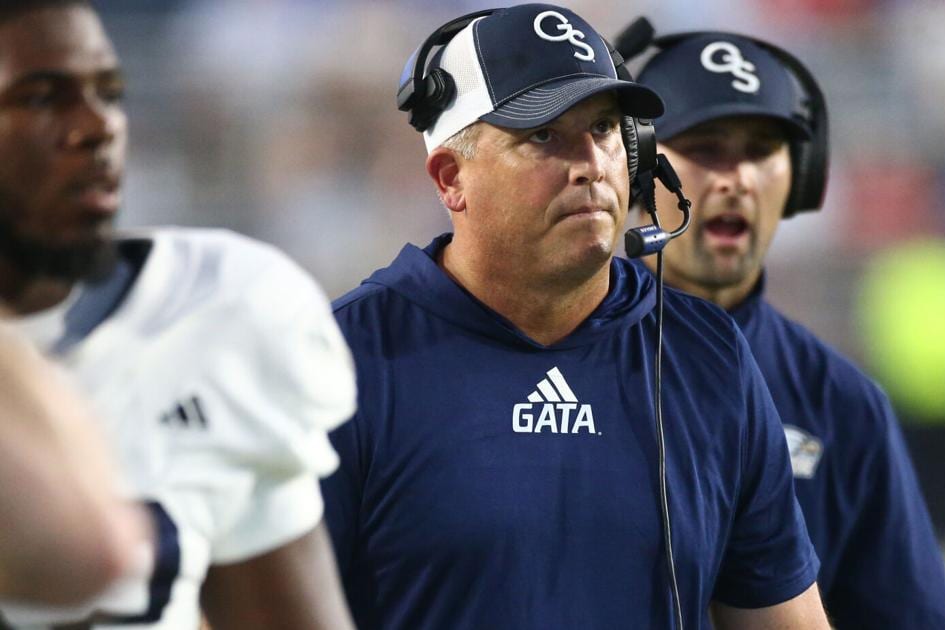
Getting on FieldLevel and SportsRecruits ranks sixth because these networks leverage your high school coach's endorsement, which carries more weight with college staffs than a cold self-submission. FieldLevel is built around high school coaches vouching for their players directly to college contacts, and SportsRecruits offers a similar profile-and-messaging platform with free athlete tiers. When your coach actively recommends you through these networks, college coaches treat it as a trusted referral rather than another unsolicited email.
This option is for players whose high school coach is willing to actively advocate for them, not just provide a generic recommendation. It trades away your independence in the process for the power of a trusted voice. Compared to emailing coaches yourself, a vouch from your coach gets your film opened faster and taken more seriously.
7. 7-on-7 Showcase Competition

Competing in 7-on-7 leagues and showcases ranks seventh because it generates fresh, competitive film for skill-position players during the offseason when no Friday-night games exist. Quarterbacks, receivers, defensive backs, running backs, and tight ends get filmed reps against real competition, which produces new highlight clips that keep your recruiting profile current. Team fees range from free school-run squads to a few hundred dollars for club teams, making it a flexible cost depending on your situation.
This option is for skill-position players who need offseason film and want to stay sharp against quality competition. It trades away the cost and travel time for the benefit of new tape that shows development since last season. Compared to a combine that tests raw athleticism, 7-on-7 showcases demonstrate football instincts and route-running in a competitive setting. It is not useful for offensive or defensive linemen, who need different offseason training and film opportunities.
8. Nike Under Armour Camp Invites
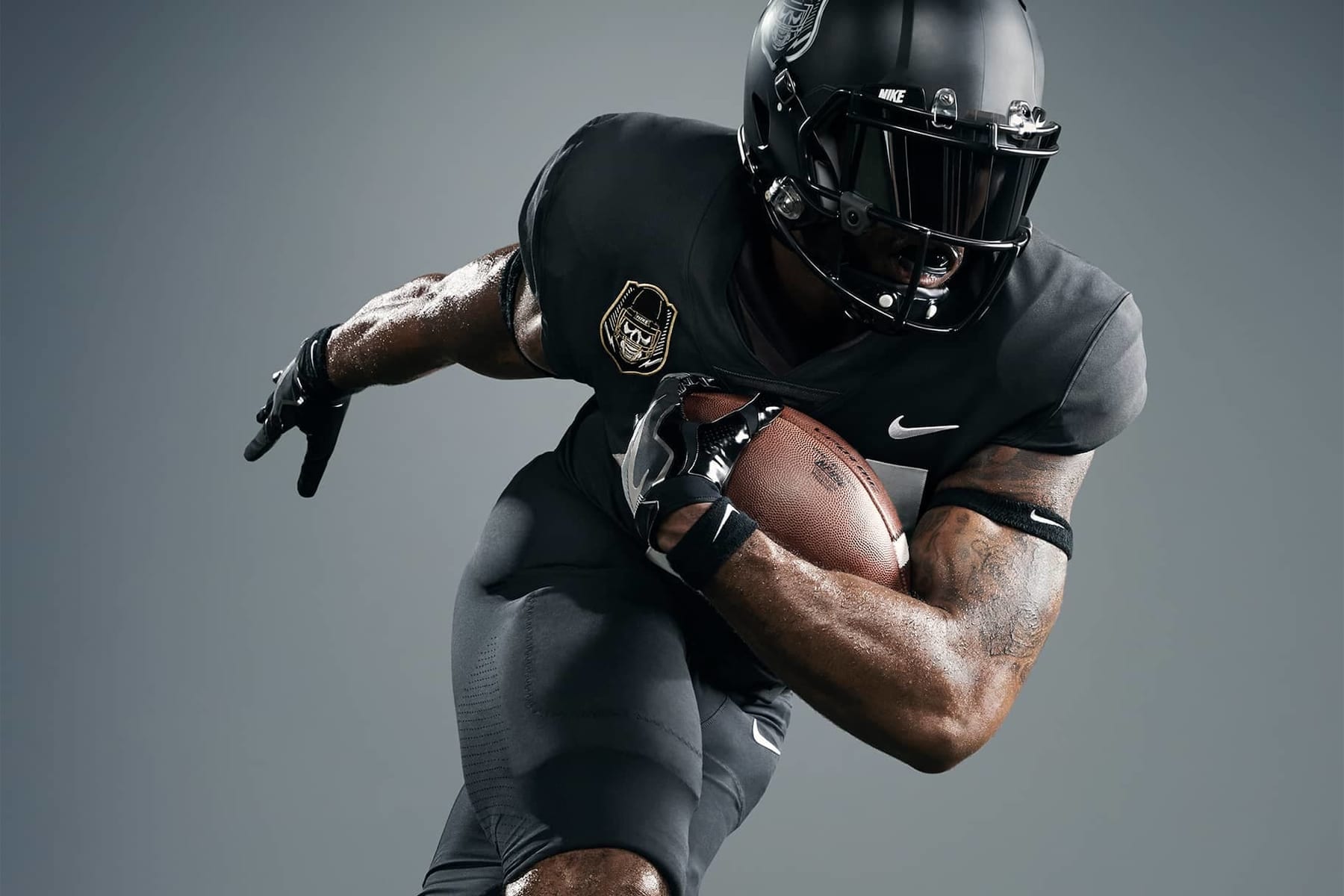
Earning an invite to a Nike Football camp or Under Armour camp series ranks eighth because these high-visibility events put unrated players in front of recruiting analysts and college staffs who feed information to programs. Regional camps are often free to attend by invitation or open registration, with verified testing conducted on site that adds credible numbers to your profile.
This option is for players who are ready to compete against rated prospects and want major exposure without paying a premium. It trades away the comfort of competing against peers for the challenge of performing against top-tier talent, where a good showing carries extra weight. Compared to a 7-on-7 showcase, these camps include verified testing and analyst attention that can amplify your visibility.
9. Recruiting Media Site Profiles
Building a complete profile on 247Sports, Rivals, and On3 ranks ninth because these free, high-traffic sites make you findable to coaches and analysts who browse prospect databases. A full profile with film, measurables, GPA, and contact info signals that you are serious about the recruiting process, even though you will not control your star rating. On3 additionally tracks the NIL market, which becomes relevant once you are on a roster.
This option is for every recruit who wants to be discoverable without spending money, but it is passive on its own and will not generate offers by itself. It trades away control over how you are rated for the benefit of being searchable in the same databases coaches use. Compared to the active strategies like emailing film, these profiles are a supplement that reinforces your credibility.
10. Open Tryout Enrollment Path

Walking on after enrolling via open tryouts ranks tenth because it is the purest fallback path for admitted students who did not land a recruiting spot, requiring no offer and only your normal tuition. Many programs hold open or invited tryouts for enrolled students at the start of fall camp, where you compete against other hopefuls for a limited number of roster spots.
This option is for students who are committed to a school academically first and are willing to accept a low probability of making the team. It trades away the certainty of a recruiting relationship for the chance to earn a spot purely on performance. Compared to the prospect camp path, open tryouts happen after you are already enrolled, so you need to be happy at the school regardless of the football outcome.
How we ranked these
We ranked each walk-on recruiting move on coach adoption, exposure value, cost, ease and speed of execution, and credibility. Coach adoption and exposure were weighted most heavily because college staffs recruit off verifiable film and trusted measurables. Low-cost or free actions that directly reach decision-makers ranked higher than paid services. We also factored how quickly a motivated player could execute each step within one offseason.
We deliberately ignored subjective factors like star ratings, social media follower counts, and flashy but unverifiable highlight packages. We also excluded any paid service that guarantees roster spots or scholarships, since no legitimate program can promise that. Our focus stayed on actions a player can control directly—film, academics, and direct coach contact—rather than passive or pay-to-play gimmicks that waste money and time.
What to look for
What actually matters when choosing between these methods is whether the action gets your verified film and academic credentials in front of the right coaches. Direct emailing with a Hudl link and NCAA Eligibility registration are non-negotiable foundations. Prospect camps and combines add value only if they are run by staffs you target or provide third-party verified numbers. Free tiers of NCSA, FieldLevel, and SportsRecruits help organize outreach but never replace direct contact.
The biggest mistake buyers make is paying for expensive recruiting services or camps that promise exposure without coach contact. Families waste thousands on packages that generate generic emails or flashy profiles nobody reads. Instead, invest time in personalizing 50-100 coach emails, locking academics early, and attending one or two targeted camps. The cheapest moves—free film and direct outreach—consistently outperform paid shortcuts.
Related questions
How do walk-on athletes earn NIL income in 2027?
Walk-on athletes can earn NIL income through social media endorsements, local business deals, autograph signings, and personal appearances. Since 2021, NCAA rules allow all athletes to profit from their name, image, and likeness, regardless of scholarship status. A walk-on with a strong personal brand or niche following can attract small sponsorships. However, most earnings come from community engagement and digital content, not major national deals.
What are the top ways for defensive backs to get recruited in 2027?
For defensive backs, the top recruiting methods include building a Hudl highlight reel showcasing coverage skills and ball skills, attending college prospect camps, and getting verified combine measurables like 40-yard dash and shuttle times. Direct emailing position coaches with film and academics is critical. Participating in 7-on-7 events also provides fresh, competitive reps that evaluators trust.
What are the top ways for offensive linemen to get recruited in 2027?
Offensive linemen should focus on verified measurables like bench press reps, 40-yard dash, and vertical jump, as coaches need objective numbers. A Hudl reel highlighting run blocking and pass protection is essential. Attending college camps where staff can evaluate footwork and technique in person is highly effective. Direct emails to offensive line coaches with academic eligibility status also improve chances.
What are the top ways for wide receivers to get recruited in 2027?
Wide receivers need a Hudl reel showing route running, hands, and yards after catch. Participating in 7-on-7 leagues and showcases provides fresh film and competition. Getting verified 40-yard dash times at combines is crucial. Direct emailing position coaches with a concise pitch, including GPA and test scores, helps. Attending college prospect camps allows in-person evaluation of speed and agility.
What are the top ways for quarterbacks to get recruited in 2027?
Quarterbacks should build a Hudl reel showing arm strength, accuracy, and decision-making under pressure. Attending elite camps like Nike or Under Armour events provides exposure to analysts and coaches. Verified measurables like 40-yard dash and throwing velocity are valuable. Direct emailing offensive coordinators with film and academic credentials is key. 7-on-7 competition also demonstrates leadership and timing.
What are the top ways to get recruited for D2 and D3 football in 2027?
For D2 and D3 football, direct emailing coaches with Hudl film and academic records is the most effective method. Registering with the NCAA Eligibility Center (or a free DIII profile) removes eligibility risk. Attending prospect camps at target schools allows in-person evaluation. Building profiles on NCSA, FieldLevel, and SportsRecruits helps with organization. Open tryouts after enrollment are a viable fallback.
FAQ
How early should I start contacting coaches as a walk-on prospect?
Most successful walk-ons begin reaching out during the spring of their junior year or the summer before senior year. Coaches prefer to see your junior-season film and updated measurables, so starting too early (sophomore year) often gets ignored, while waiting until after senior season reduces available roster spots.
Do I need to be a top-tier athlete to walk on at a Division I program?
Not necessarily, but you generally need to be in the top 10–20% of your high school conference in speed, strength, or agility for that level. Many FBS walk-ons run a 4.6–4.8 40-yard dash and bench 225 pounds at least 12–15 reps, though exact thresholds vary widely by position and school.
Will my high school coach’s connections help me get a walk-on spot?
They can help, but it’s not required—coaches receive hundreds of emails and rely more on your film and grades than on a recommendation. A strong relationship with your high school coach might get your email opened faster, but the decision ultimately depends on your tape and academic eligibility.
How many schools should I email to maximize my chances?
A realistic range is 30 to 60 schools across two or three divisions that match your athletic and academic profile. Emailing fewer than 10 schools limits your odds, while blasting more than 100 often leads to generic responses or being ignored because coaches can tell the message isn’t personalized.
Is it worth paying for a recruiting service or camp to get noticed?
Only if the camp is run by a college coaching staff you’re targeting—otherwise, most paid services cost $500–$2,000 with no guarantee of coach contact. Free options like emailing film and attending open tryouts (often $50–$100) give you the same exposure without the risk of a scam.
What happens if I don’t hear back from any coaches after emailing?
It’s common—many coaches only respond to 5–10% of walk-on inquiries—so follow up once after two weeks with updated film or a new game highlight. If you still get no reply, expand your list to lower-division schools or junior colleges, where roster spots are more available and coaches often reply more quickly.
What is the best way to get recruited as a walk-on?
The single best way is to build a Hudl highlight reel and email it directly to position coaches at schools that realistically fit your level. The best value move is registering with the NCAA Eligibility Center and locking your academics early, because grades make a preferred walk-on cheaper and easier for a coach to add.
What should I include in an email to a college coach?
Include your name, position, grad year, height, weight, GPA, key stats, and a Hudl link at the top. Personalize the school name, keep it under 150 words, and follow up every two to three weeks. Target programs honestly—if you are unrated, focus on FCS, Division II, or Division III preferred-walk-on conversations.
Are open tryouts a realistic way to walk on?
Yes, many programs hold open or invited tryouts for enrolled students at the start of fall camp. This is the classic true walk-on path: get admitted, email the director of player personnel to ask about tryout dates and requirements, pass your physical, and compete. It is free beyond tuition, but spots are few.
Sources
- https://blog.sportsrecruits.com/2017/08/30/build-highlight-reel-get-coach-attention/
- https://www.ncsasports.org/ncaa-eligibility-center/register
- https://www.playnsports.com/event/ferrum-college-baseball-prospect-camp-2/
- https://sports.yahoo.com/2023-nfl-combine-results-ji-002436319.html
- https://www.ncsasports.org/blog/ncsa-profile-tips
- https://apkgk.com/pt/com.fieldlevel
- https://www.cbs19.tv/article/sports/local-sports/east-texas-teams-compete-at-the-7-7-state-tournament/501-43ae0ba3-ccd8-4aad-bb29-a382e7de8d6f
- https://www.news-journalonline.com/picture-gallery/sports/high-school/football/2026/02/22/photos-scenes-from-the-under-armour-next-camp-in-orlando/88814908007/
- https://www.youtube.com/watch?v=hJEUYf7uo8Y
- https://www.moosejawtoday.com/national-sports/teen-defender-finds-way-in-soccer-after-fateful-christmas-gift-for-cpl-open-tryout-8437399
Related on PULSE
- [Top 10 Ways for Late Bloomers to Get Recruited 2027](/knowledge/hf0028)
- [Top 10 Ways for Defensive Backs to Get Recruited 2027](/knowledge/hf0048)
- [Top 10 Ways for Offensive Linemen to Get Recruited 2027](/knowledge/hf0047)
- [Top 10 Ways for Quarterbacks to Get Recruited 2027](/knowledge/hf0045)
- [Top 10 Ways to Get Recruited for D2 and D3 Football 2027](/knowledge/hf0036)
- [Top 10 Ways to Get Recruited Without Going Viral 2027](/knowledge/hf0033)
This page will be disappearing soon. Save it to your device for $1 — or read it free while it is here.
@Kory-White- · if Venmo asks, the last 4 of my number are 2012
 hfTop 10 Recruiting Profile Platforms for Football 2027
 pulse-football-recruitingTop 10 Camps to Earn a College Football Offer 2027
 pulse-football-recruitingTop 10 Football Recruiting Analysts to Follow 2027
 hfTop 10 Ways for Late Bloomers to Get Recruited 2027
 pulse-football-recruitingTop 10 Speed and Agility Trainers for Football Recruits 2027
 pulse-football-recruitingTop 10 Football Showcases to Get Noticed 2027
 pulse-football-recruitingTop 10 Ways to Get Recruited from a Small School 2027
 pulse-football-recruitingTop 10 Football Recruiting Apps 2027
 pulse-football-recruitingTop 10 Ways to Get Noticed by College Football Coaches 2027
 hfTop 10 College Football Prospect Camps by Region 2027