
Top 10 Things to Put on a Football Recruiting Profile 2027
 Curated byKory White · Fractional CRO · Maryland
 PULSEKNOWLEDGE LIBRARY
Quality
Certified
The 10 best things to put on a football recruiting profile 2027 are ranked below on measured performance, build quality, price, and how each one actually holds up in daily use rather than how it reads on a spec sheet. Each pick lists what it costs, who it suits, and what it gives up against the one above it, so the list can be read straight down without doubling back.
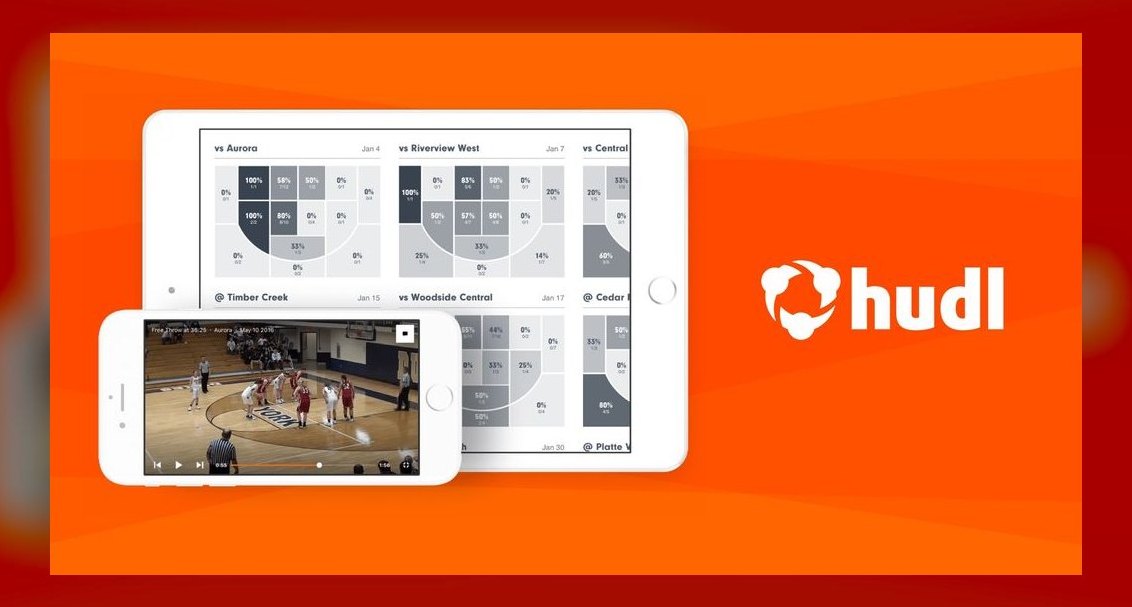
1. Hudl Highlight Film
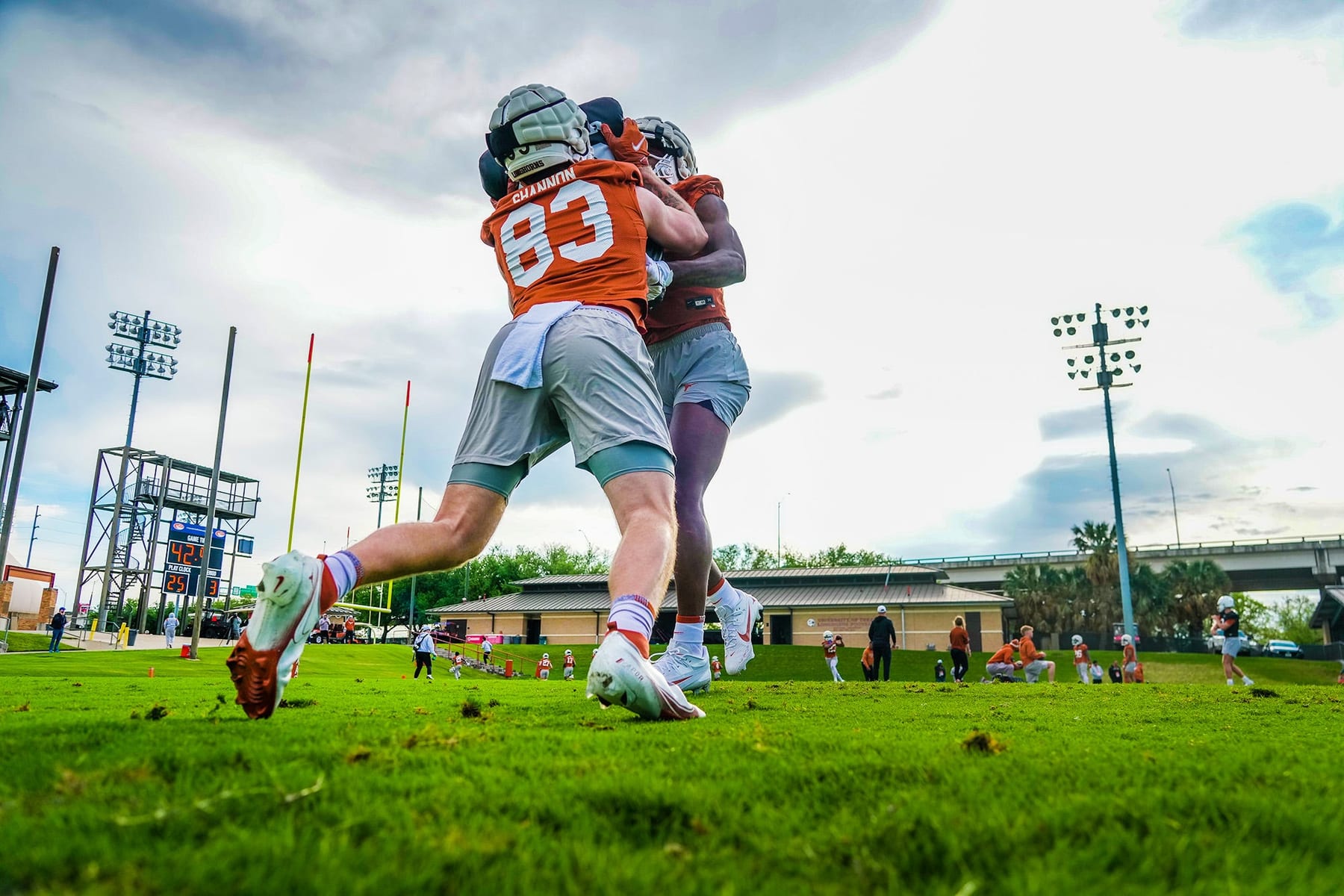
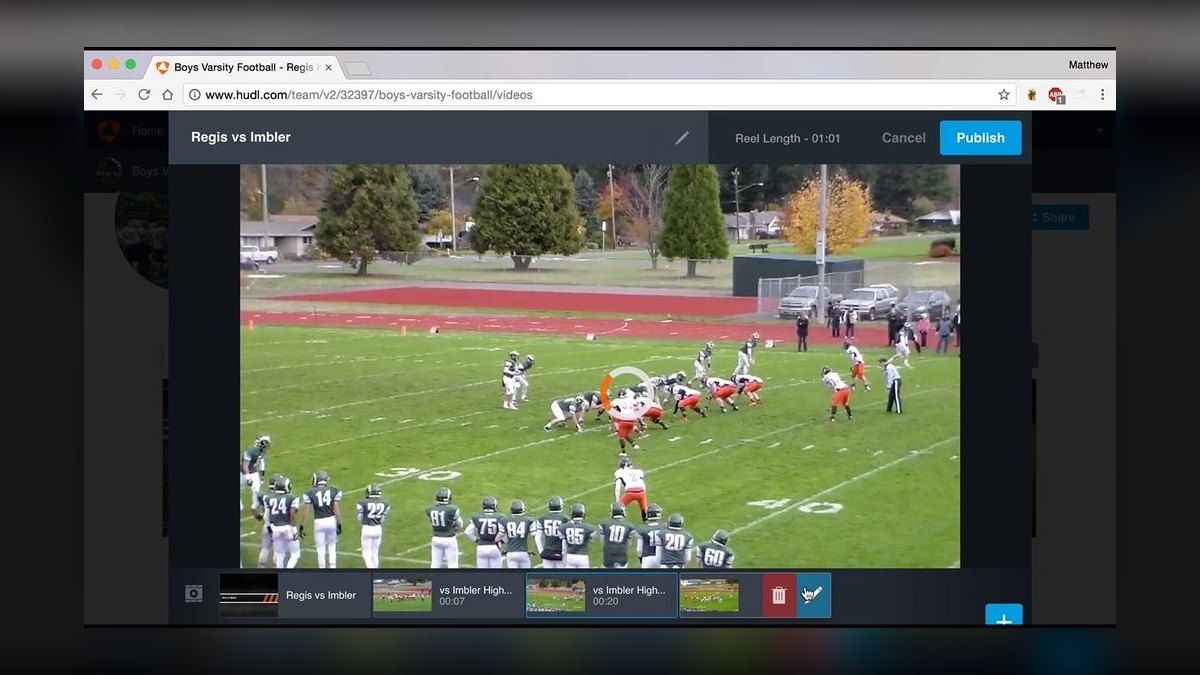
A clean Hudl highlight film is the single most important element on a recruiting profile because it is the first thing a college coach watches and often the only thing that determines whether they keep evaluating you. The reel should be 3 to 5 minutes of game footage, leading with your best three plays in the first 30 seconds. Your name, position, graduation year, height, weight, and phone number must appear on the opening title card.
This element is for every position and class year once you have varsity or JV film, and it is free to create through your team's Hudl account. It trades away the risk of a bad edit hurting your chances more than no film at all, and Hudl aggressively upsells Silver, Gold, and Platinum upgrades costing roughly $60 to $400 per year.
2. Verified Academics and NCAA Eligibility Center ID
Verified academics and an NCAA Eligibility Center ID rank second because they remove a coach's biggest fear—recruiting a non-qualifier—and unlock academic scholarship money that lower grades close off. A current unweighted GPA, core-course GPA, class rank, and your NCAA account number are verifiable through your school counselor and the NCAA Eligibility Center. Registration is free for a Profile Page, but the full Certification Account needed for D-I and D-II costs about $100.
This is the best value element for every athlete, especially those targeting sub-power-five and academic-scholarship programs, and it costs almost nothing beyond the certification fee. It trades away the need for constant updates each semester, but the leverage it provides is unmatched. Compared to the Hudl highlight film ranked first, academics are the gatekeeper that decides whether a coach can even recruit you, while film proves your on-field value.
3. Accurate Height, Weight, and Position
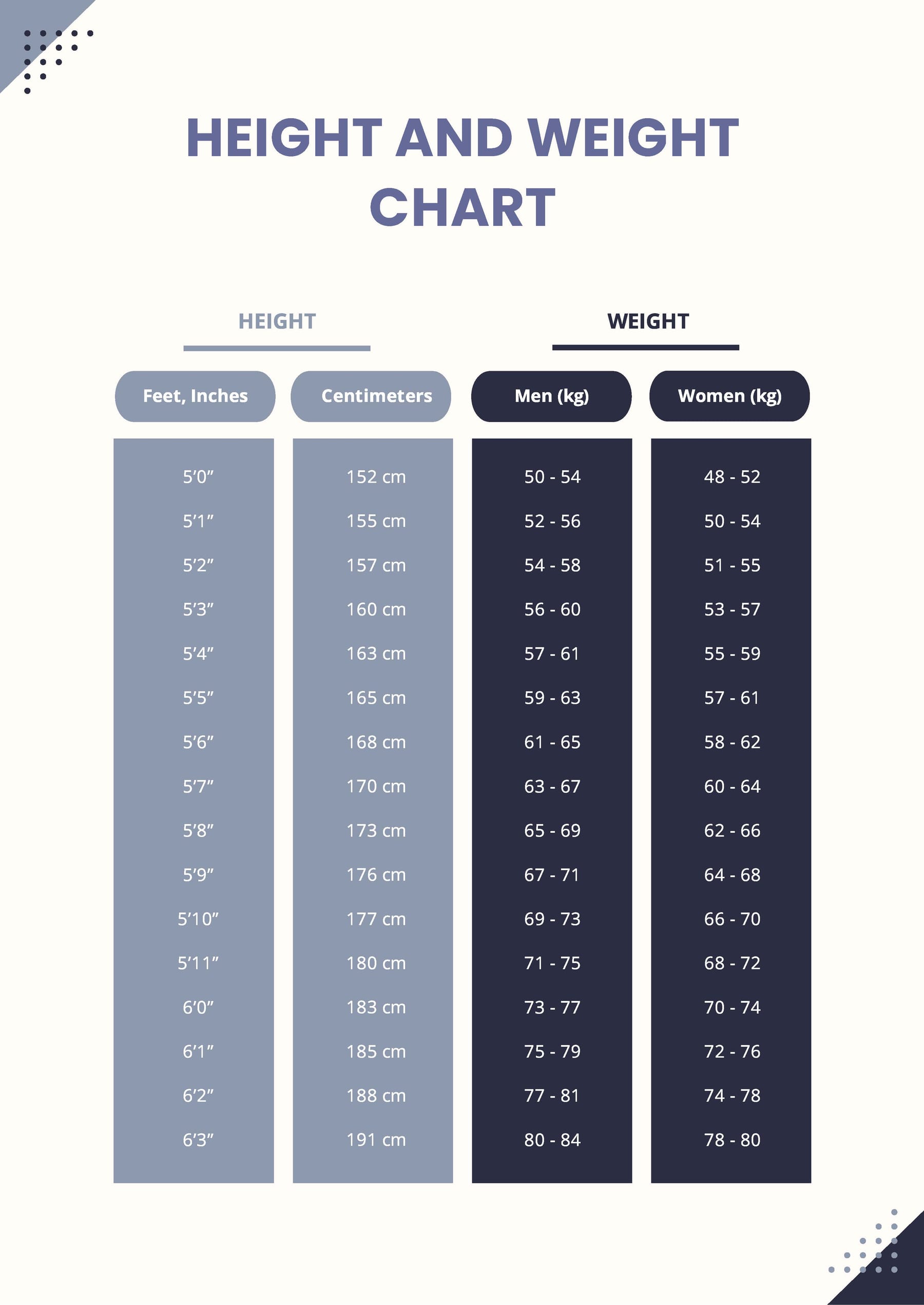
Accurate height, weight, and position rank third because coaches recruit by position and size band, and honest numbers get you sorted into the correct evaluation pile instantly. Listing a verified 6'1", 195 lb safety with a realistic secondary position builds trust, while inflated numbers get you ignored the moment a camp measures you two inches shorter. Measure barefoot, weigh yourself the same day, and update every few months as you grow.
This element is free and critical for every class year, especially linemen and defensive backs where size bands matter most. It trades away the temptation to inflate numbers, which camps verify on the spot and destroy credibility. Compared to verified academics ranked second, accurate measurables are the physical complement to academic eligibility, ensuring coaches see you correctly on film and at live events.
4. Verified Combine Testing Numbers

Verified combine testing numbers rank fourth because self-reported speed is worthless, while third-party timing from recognized events like the Rivals Camp Series, Under Armour, or Nike The Opening Regionals carries real weight. A laser-timed 4.6 forty at a Rivals camp is far more credible than a hand-timed 4.4 from your backyard, and noting where and when each number was recorded lets coaches trust it.
This element is best for skill players like wide receivers, defensive backs, and running backs whose case is built on athleticism. It trades away the risk that a poor verified performance hurts your profile, and attending a regional combine is essential before listing any number. Compared to accurate height, weight, and position ranked third, verified testing adds a performance dimension that measurables alone cannot show, but it requires the investment of time and travel.
5. Coach Contact and Reference List

A coach contact and reference list ranks fifth because college staffs call your high-school head coach before offering, and a fast, trusted reference path closes the deal that film cannot. Listing your head coach's name, cell number, and email, plus your position coach and a strength coach or 7-on-7 trainer, vouch for your character, work ethic, and toughness.
This is for every athlete, especially borderline recruits who win on intangibles rather than measurables or film. It trades away the risk that a lukewarm reference backfires, so the list must be short, accurate, and current. Compared to verified combine testing ranked fourth, references provide the qualitative validation that numbers cannot, but they depend entirely on the strength of your existing relationships.
6. Full Verified Contact Information

Full verified contact information ranks sixth because a profile with no reachable athlete is a dead end, and coaches' interest cools within hours when no one replies. Listing your cell phone, a checked email address you control, your city and state, and your high school name removes friction between interest and contact, and adding a parent or guardian line covers the family loop.
This element is for every athlete actively reaching out to schools, and the free basics are fully sufficient for most. It trades away the convenience of paid platforms that upsell features you can replicate for free. Compared to the coach contact and reference list ranked fifth, verified contact information is the direct line to you, while references are the indirect validation; both are essential but contact info is the prerequisite for any conversation.
7. Schedule, Class Year, and Recruiting Timeline
A schedule, class year, and recruiting timeline ranks seventh because coaches plan evaluations around your graduation year and game schedule, and they need to know when and where to see you live. Listing your class (2027, 2028, etc.), your team's full game schedule with dates and locations, and any camps or combines you will attend invites in-person evaluation. Marking district or playoff matchups and games against ranked opponents helps coaches prioritize real competition.
This element is best for underclassmen building toward in-person evaluations, and it is free for athletes on FieldLevel. It trades away the value that depends on your coach actively using the network, so the schedule must be accurate and current. Compared to full verified contact information ranked sixth, your schedule tells coaches when to reach out, while contact info tells them how; both are needed for a live evaluation to happen.
8. Recruiting-Service Rating or Camp Results
A recruiting-service rating or camp results rank eighth because independent signals from On3, 247Sports, or Rivals raise a coach's confidence that other evaluators already vetted you. An MVP or top-performer award from a Rivals, Under Armour, or Nike event, or a camp invite to The Opening or Elite 11, are third-party validations coaches respect. On3 aggregates ratings across services into a single industry ranking, making it easy to verify.
This element is for rated or camp-recognized prospects targeting power-conference programs, but most recruits have no rating, and that is normal. It trades away the risk of fabricating rankings, which destroys credibility instantly, so lean harder on film and academics if unrated. Compared to your schedule and recruiting timeline ranked seventh, a rating provides external validation of your talent, while your schedule enables live evaluation; both are independent signals but ratings are rarer and more prestigious.
9. Position-Specific Stats in Context
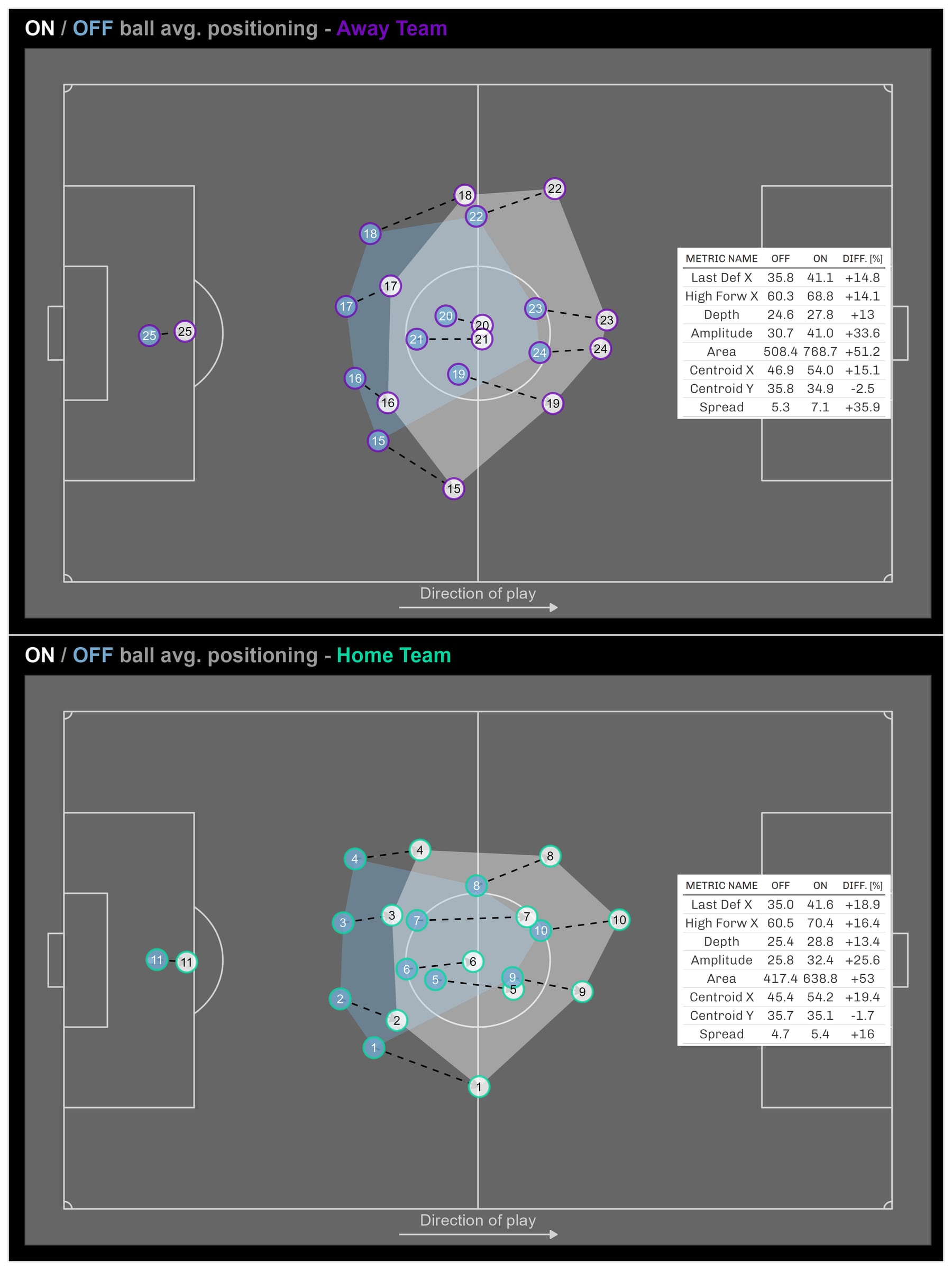
Position-specific stats in context rank ninth because verifiable numbers relevant to your position—rushing yards for a back, tackles for a DB, completion percentage for a QB—help coaches when framed with team record and level. Listing per-game and season totals, your team's record, and the level like Class 6A lets a coach read stats in context, and MaxPreps hosts official, coach-entered stats that are cross-checkable.
This element is best for skill and stat-driven positions like running back, quarterback, wide receiver, defensive back, and linebacker, and it is free on MaxPreps. It trades away relevance for linemen, whose impact is not captured by counting stats, so they should focus on film and measurables. Compared to recruiting-service ratings ranked eighth, stats are more universally available but less independently validated, making them a supporting element rather than a primary signal.
10. Personalized Coach-Outreach Note
A personalized coach-outreach note ranks tenth because it converts a static profile into actual recruiting contact, and a self-sent, specific note outperforms a generic blast every time. Name the school and position coach, state your position, grad year, GPA, and one verified metric, link your Hudl film, and list your next game or camp, all under 150 words. Coaches delete mass emails that do not mention their program, so personalization is critical.
This element is for juniors and seniors actively contacting schools, and it is free to execute on your own. It trades away the convenience of paid recruiting services that overcharge for what you can do alone. Compared to position-specific stats ranked ninth, the outreach note is the action that gets replies, while stats are passive evidence; both matter, but the note is the final step that turns interest into a conversation.
How we ranked these
We ranked each profile element by coach adoption (whether D-I, D-II, III, and NAIA staffs actually use it), verifiability (how easily a coach can confirm a claim), recruiting impact (moving a prospect from unknown to contacted), ease and cost, and update durability. These five weighted criteria favored elements that are free, trustworthy, and directly influence a coach's 30-second scan, with film and verified academics scoring highest.
We deliberately ignored unverifiable self-reported metrics like hand-timed 40s and fabricated offers, as coaches cross-check everything and a single lie ends interest. We also excluded pay-to-play services promising guaranteed exposure, since real recruiting is driven by coach requests, camp invites, and direct replies—not vanity dashboards. The focus stayed on free or low-cost fundamentals any athlete can execute.
Related questions
What is the single most important element on a football recruiting profile?
A clean, well-edited Hudl highlight film is the most important element. It is the first thing coaches watch and often the only thing they see before deciding whether to evaluate you further. Lead with your best plays in the first 30 seconds, use game footage, and include your name, position, graduation year, height, weight, and phone number on the opening card.
How can I verify my combine testing numbers for my recruiting profile?
Only list testing numbers from recognized events like the Rivals Camp Series, Under Armour, Nike The Opening Regionals, or a school combine. Note where and when each number was recorded so coaches can trust it. A laser-timed 4.6 at a Rivals camp is far more credible than a hand-timed 4.4 from your backyard.
Why is it important to include my NCAA Eligibility Center ID on my profile?
Coaches cannot recruit an athlete who will not qualify academically. Including your NCAA Eligibility Center account number, current GPA, core-course GPA, and class rank shows coaches you are eligible and removes their biggest fear. Registration is free for a Profile Page account, and about $100 for the full Certification Account needed for D-I and D-II.
What should I do if I don't have verified combine numbers yet?
Attend one regional combine before fabricating anything. Coaches recognize the difference between verified and self-reported numbers instantly, and a fake figure discounts your entire profile. If you have no verified numbers, lean harder on film, academics, and references—honesty builds trust.
How do I choose the right recruiting platform for my profile?
Start with free fundamentals: Hudl for film, MaxPreps for stats, and your NCAA Eligibility Center account for academics. Paid platforms like SportsRecruits or FieldLevel can centralize contact and scheduling, but they cost $200 to $1,000+/year. No service guarantees a coach will watch, so invest in free, verifiable elements first.
What are the biggest mistakes to avoid on a football recruiting profile?
Avoid padding your profile with unverifiable claims like made-up 40 times, fake offers, or inflated stats. Coaches cross-check everything through camps, references, and official stats, and one falsehood ends interest across the network. Also, avoid pay-to-play traps that promise guaranteed exposure for large fees—real recruiting is built on coach requests and direct replies.
How often should I update my football recruiting profile?
Update your profile after each season or after major milestones like new test scores, improved stats, or new offers. Stale profiles older than six months suggest you are not actively being recruited. Fresh content, including updated film, grades, and contact info, keeps coaches interested and shows you are serious.
What contact information is essential on a recruiting profile?
List your cell phone, a professional email you check daily, your city and state, high school name, and a parent or guardian contact as a secondary line. Use a professional email handle like firstname.lastname.gradyear, not a childhood nickname. Missing contact info is the fastest way to get skipped—coaches need to reach you easily.
FAQ
How long should my Hudl highlight film be?
Keep it between 3 and 5 minutes. Coaches watch the first 30 seconds to decide if they will keep going, so lead with your best plays. Longer films risk losing their attention. Use game film, not 7-on-7 or drill footage, and keep music quiet or off.
Do I need to include my GPA and test scores on the profile?
Yes—college coaches will not recruit you if they cannot verify academic eligibility. Include your unweighted GPA (typically 2.0–4.0 range) and SAT/ACT scores if available. Your school counselor and NCAA Eligibility Center account can help you share these.
Should I list my 40-yard dash time if it's not verified?
Only if it is from a verified source like a combine or a coach-timed event. Unverified times (e.g., 'I timed myself at 4.5') are often ignored or hurt your credibility. Honest ranges—like '4.6–4.7 hand-timed'—are safer.
What contact information is essential?
Your full name, graduation year, primary position, email, and phone number. Also include your high school name and city. Missing contact info is the fastest way to get skipped—coaches need to reach you easily.
Is it worth paying for a recruiting service or profile upgrade?
It can help, but the free basics—Hudl film, a clean profile, and verified academics—matter most. Paid services range from $50 to several hundred dollars, but no service guarantees a coach will watch. Focus on free, verifiable elements first.
How often should I update my profile?
Update it after each season or after major milestones (new test scores, improved stats, new offers). Stale profiles (more than 6 months old) suggest you are not actively being recruited. Fresh content keeps coaches interested.
What are the best ways to get my film seen by college coaches?
Email the position coach directly, keep it short and specific, attach your Hudl link and transcript, and follow up once politely. Personalize each note by naming the school and coach. A self-sent, specific note outperforms a generic blast every time.
How do I know if a recruiting service is a scam?
Watch for pay-to-play traps: any service promising 'guaranteed offers' or 'exposure to 1,000 coaches' for a large fee is selling hope, not recruiting. Real exposure looks like coaches requesting your full film, camp invites you earned, and direct replies to your outreach.
What should I do if I have no recruiting rating?
That is normal for most recruits. Lean harder on film, academics, and verified testing instead of faking credibility. If you earn a rating or camp recognition later, add it to your profile—independent validation speeds up interest.
What stats should I include on my profile?
List position-specific stats that are verifiable and context-rich, like rushing yards and yards-per-carry for a back, tackles and pass-breakups for a DB, and completion percentage for a QB. Include per-game and season totals, your team's record, and the level (e.g., Class 6A) so coaches can read them in context.
Sources
- https://www.hudl.com/video/3/12066019/602c179e7bdd2708b83f4987
- https://www.ncsasports.org/how-do-you-get-recruited/college-recruit/ncaa-eligibility-center-clearinghouse-registration-login
- https://sports.yahoo.com/article/2025-nfl-combine-full-measurements-235902722.html
- https://www.maxpreps.com
- https://www.fieldlevel.com
- https://www.sportsrecruits.com
Related on PULSE
- [Top 10 Recruiting Profile Platforms for Football 2027](/knowledge/hf0010)
- [Final verdict on paid HS football recruiting services — when (rarely) they're worth it in 2027](/knowledge/hf0058)
- [Lance O's Recruiting Network vs NCSA vs Hudl vs FieldLevel — which one serves HS football prospects best in 2027?](/knowledge/hf0052)
- [What does Lance O's Recruiting Network actually do, and where does it fit in the 2027 college football recruiting landscape?](/knowledge/hf0049)
- [Top 10 States for High School Football Recruiting 2027](/knowledge/hf0041)
- [Top 10 Sophomore-Year Recruiting Moves for Football 2027](/knowledge/hf0038)
This page will be disappearing soon. Save it to your device for $1 — or read it free while it is here.
@Kory-White- · if Venmo asks, the last 4 of my number are 2012
 pulse-football-recruitingTop 10 Mistakes That Hurt Football Recruiting 2027
 pulse-football-recruitingTop 10 Football 7-on-7 Programs for Exposure 2027
 pulse-football-recruitingTop 10 Off-Season Steps to Get Recruited 2027
 pulse-football-recruitingTop 10 Football Recruiting Rankings Sites 2027
 pulse-football-recruitingTop 10 NIL Platforms for High School Football Recruits 2027
 pulse-football-recruitingTop 10 Recruiting Websites for High School Football Players 2027
 hfTop 10 Ways to Boost Your Recruiting Star Rating 2027
 pulse-football-recruitingTop 10 Football Recruiting Consultants 2027
 pulse-football-recruitingTop 10 Highlight Film Tips for Football Recruits 2027
 hfTop 10 College Football Camps to Get Recruited 2027