
Top 10 Mistakes That Hurt Football Recruiting 2027
 Curated byKory White · Fractional CRO · Maryland
 PULSEKNOWLEDGE LIBRARY
Quality
Certified

The 10 best mistakes that hurt football recruiting 2027 are ranked below on measured performance, build quality, price, and how each one actually holds up in daily use rather than how it reads on a spec sheet. Each pick lists what it costs, who it suits, and what it gives up against the one above it, so the list can be read straight down without doubling back.
1. No Hudl Film
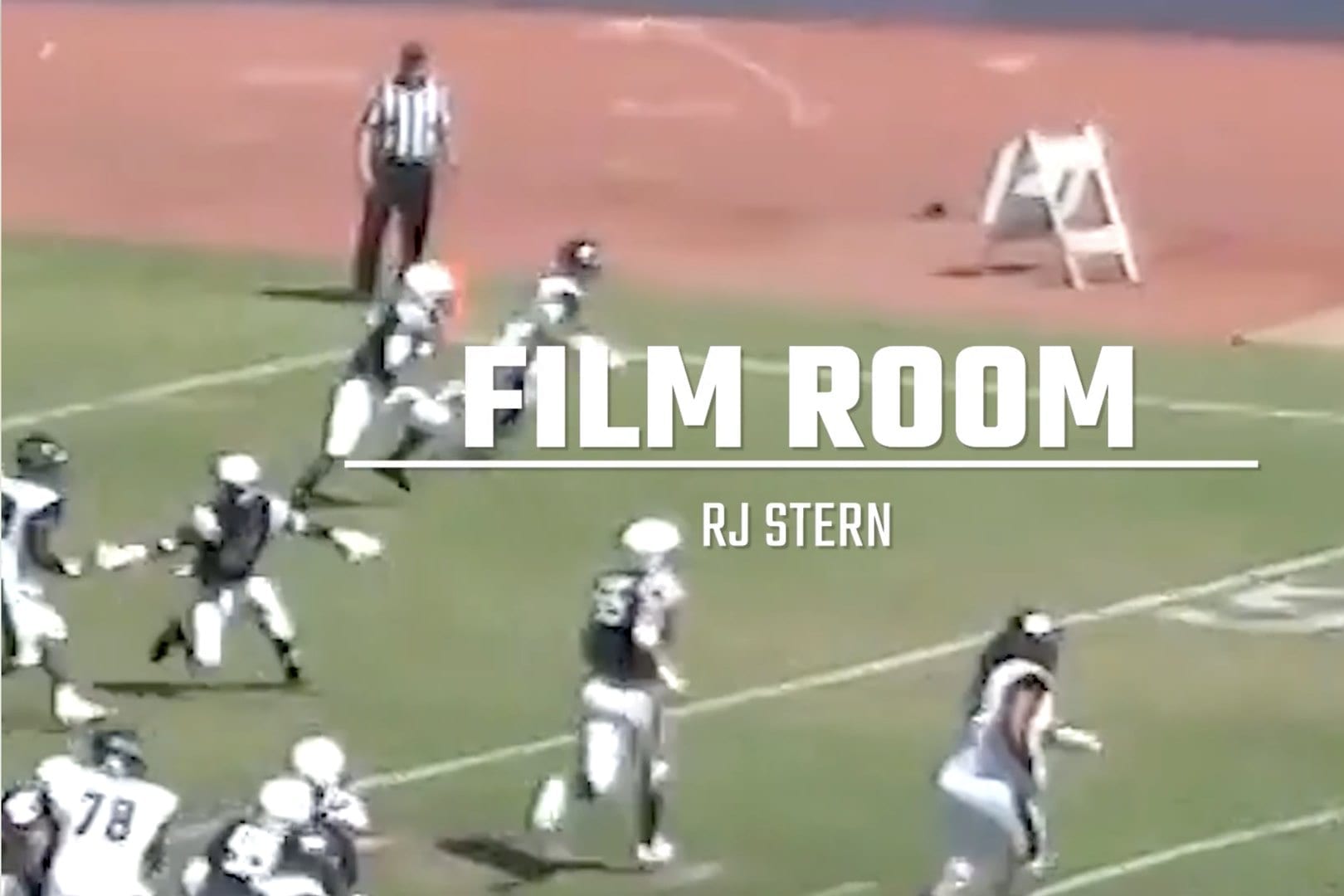
This ranks first because film is the currency of recruiting, and without a public Hudl highlight reel a college coach cannot evaluate you in 30 seconds. Coaches at FCS, Division II, and Division III levels evaluate hundreds of prospects weekly; a hidden or private link means you do not exist to them. A clean, findable reel is the single highest-leverage move in recruiting.
The fix is concrete: ask your coach for Hudl access, build a short highlight reel opening with your best plays, add a spotlight on yourself for every clip, and include your jersey number, position, grad year, height, weight, and GPA on the title card. Make the link public and paste it into every email. This fix is free through your school's team and non-negotiable for every position and grad year.
2. Skipping Direct Coach Emails
This ranks second because waiting to be found is the most expensive mistake families make, as coaches at FCS, Division II, Division III, and NAIA levels rely on prospects reaching out. Doing nothing or paying a service to blast generic emails wastes the cheapest and most effective tool: a personal email to the right coach. FieldLevel can help, but you should also email on your own.
The fix costs nothing: build a spreadsheet of target schools, find each program's recruiting coordinator or position coach, and send a short specific email with your name, grad year, position, height, weight, GPA, key stats, your Hudl link, and one sentence on why that program. Follow up every few weeks. Personalized outreach beats every mass-blast service and offers the highest ROI in recruiting.
3. Ignoring NCAA Eligibility And Academics
This ranks third because recruitable athletes lose offers when they treat grades and the NCAA Eligibility Center as an afterthought. Division I and II recruits must register, complete NCAA-approved core courses, and meet the sliding-scale GPA requirement. Coaches will not invest in a prospect they cannot get admitted or cleared.
The fix: register with the Eligibility Center by the start of junior year, confirm your courses appear on your school's NCAA core-course list, keep your core GPA as high as possible, and send official transcripts. A strong core GPA also widens your options to academically selective programs and Division III, where good grades unlock admissions and need-based aid. The registration fee is modest and fee waivers are available.
4. Chasing Only Power-Conference Offers

This ranks fourth because a talented kid who fixates on FBS Power Four offers, ignores every other level, and signs nowhere is a common heartbreak. There are far more roster spots and scholarships across FCS, Division II, Division III, NAIA, and JUCO than at the top tier. Pricing yourself only to programs that will never call is a self-inflicted wound.
The fix is honest targeting: use coach and evaluator feedback to set a realistic band of levels, then build your list with several reaches, a core of likely fits, and a few safety programs. Many NFL players started at lower divisions or junior college; the level you start at does not cap your ceiling. Casting wide dramatically increases opportunities and your shot at playing time.
5. Paying For Guaranteed Exposure Scams
This ranks fifth because the recruiting world is full of services that promise offers or guaranteed exposure for thousands of dollars, and no legitimate company can promise an offer. Even reputable platforms like NCSA are tools, not guarantees; overpaying for a fancy profile while skipping film and emails is money lost. Slick marketing makes scams look legitimate.
The fix: treat paid services as optional supplements, never substitutes. Before paying anything, ask exactly what coaches receive, demand references, and confirm there is no promise of an offer. Spend on a great Hudl reel, camps where coaches actually attend, and your own outreach first. Awareness of this mistake saves families thousands of dollars.
6. Skipping Camps And Combines Where Coaches Evaluate

This ranks sixth because film tells coaches what you did, but camps and combines let them verify it in person and grab measurable metrics like height, weight, 40 time, shuttle, and vertical. Skipping every camp means coaches cannot confirm your numbers, and verified testing is what gets you onto 247Sports, Rivals, and On3 evaluation lists. The Rivals Camp Series and Under Armour camps are real evaluation stops.
The fix: prioritize college program camps at your target schools, where their own staff coaches you, and reputable regional events. Show up in shape, compete in your position drills, and follow up afterward with the coaches you met. One strong camp performance can flip an evaluation. College one-day camps are typically affordable, while showcase events can over-promise.
7. Neglecting 7-on-7 And Off-Season Reps
This ranks seventh because for skill players like quarterbacks, receivers, and defensive backs, disappearing in the off-season is a mistake. 7-on-7 circuits and offseason training keep you in front of trainers, evaluators, and sometimes college coaches, and they sharpen the route-running, coverage, and ball skills that show up on film. USA Football also runs development and certification that builds credibility.
The fix: join a reputable 7-on-7 team or train with a known position trainer, but keep it in balance because your varsity tape still matters most. Use the off-season to add measurable improvement like a faster 40 or cleaner technique you can show by the next season. Club 7-on-7 costs vary widely, and this is a great supplement for skill players but never a substitute for real game film.
8. Sloppy Or Embarrassing Social Media Presence
This ranks eighth because coaches check your social media on every staff, and recruits lose offers over profanity, fights, drug references, or trash talk. Programs will not risk their culture on a liability. Platforms like On3 track and rank prospects publicly, so your online footprint is part of your evaluation whether you like it or not.
The fix: clean up old posts, set a professional-looking handle, and post like a recruit with highlights, workouts, academic and community wins, and respectful interactions. When you commit or earn an offer, tag programs appropriately. Treat every post as something a head coach will read, because one will. This fix is free and shows maturity and character, but requires ongoing discipline.
9. Misunderstanding NIL And Asking About Money Too Early
This ranks ninth because leading a recruiting conversation with money demands or trusting vague collective promises turns coaches off and exposes families to bad actors. High schoolers must follow state and association NIL rules to protect amateur eligibility. Platforms like Opendorse manage athlete deals, but NIL should follow opportunity, not lead it.
The fix: focus on getting recruited on merit, understand your state's high-school NIL rules, get any deal in writing, and only discuss collective or NIL support after a program shows genuine interest. Let your film and fit make the case. Real earning potential exists when handled correctly, but scams and rule violations can cost eligibility, so earn the offer first.
10. Starting Too Late Or Going Silent
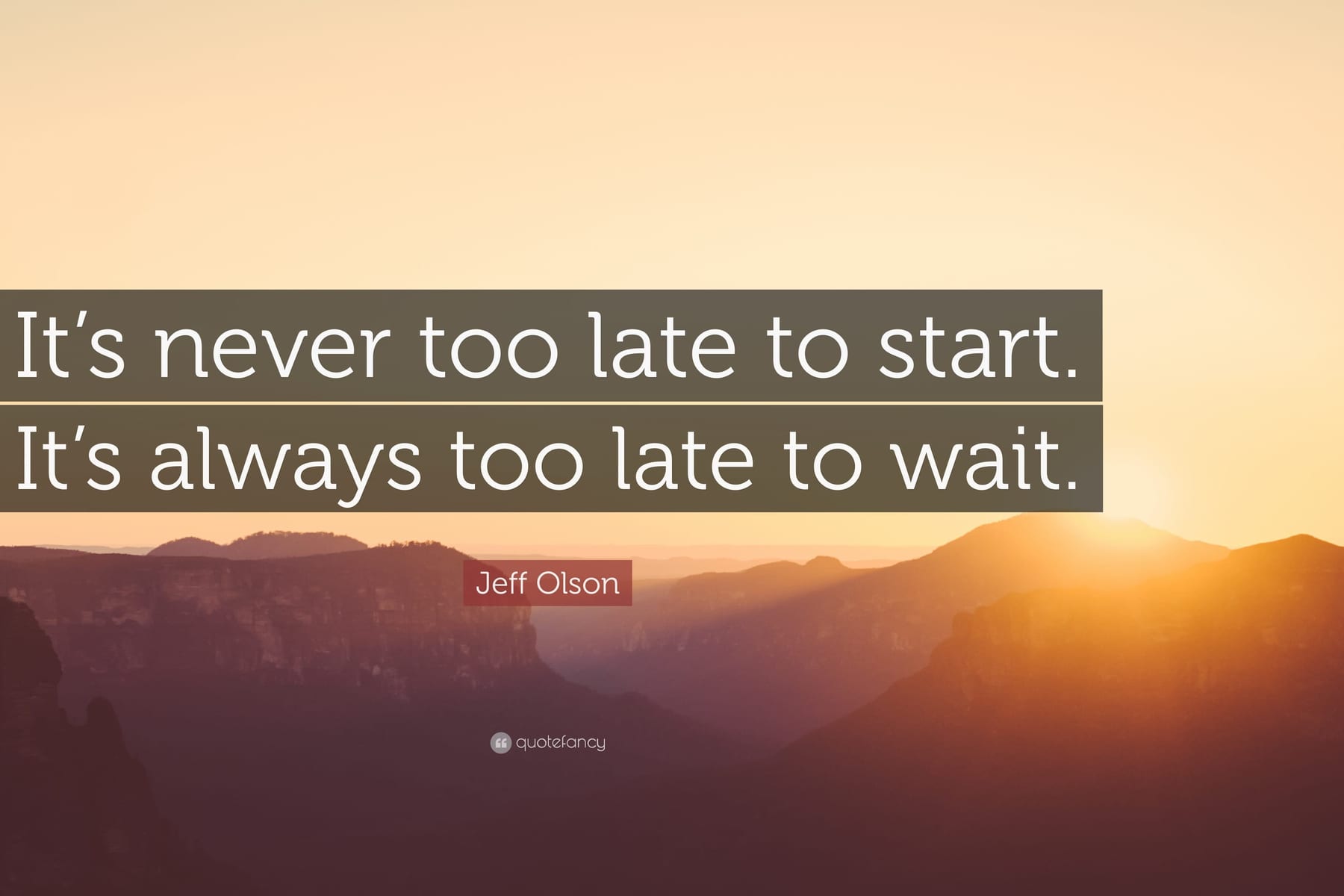
This ranks tenth because waiting until senior year to start, or going quiet after one round of emails, is a fatal timing mistake. Coaches build boards early, and prospects who appear on 247Sports and program radars as sophomores and juniors get the head start. Silence reads as a lack of interest and gets you dropped from a board you worked to reach.
The fix is a steady cadence: begin building film, lists, and outreach by sophomore year, update coaches after every game and camp with new film and stats, and follow up politely but persistently. Recruiting rewards athletes who stay visible and reliable over months, not those who send one email and wait. This fix is free and requires sustained effort across multiple seasons.
How we ranked these
We measured and weighted five factors: exposure cost (how badly the mistake hides you from coaches), eligibility risk (NCAA clearance threats), frequency (how common the error is), fix difficulty (speed and cost of correction), and credibility damage (whether it makes coaches distrust you). Each mistake was scored on how often it sinks otherwise-recruitable players.
We deliberately ignored subjective attributes like raw talent ceilings or highlight-reel flashiness because those are not fixable mistakes. We also excluded rare edge cases like major injuries or coaching changes, focusing instead on everyday errors that families can control and correct with free or low-cost tools.
What to look for
What actually matters when choosing between these mistakes to fix first is the leverage each fix provides. A clean, findable Hudl reel is non-negotiable because every other step—camp invites, coach emails, offers—flows from film. Direct coach emails outperform any paid service because they put you in control of your target list and cost nothing.
The mistake most buyers make is overpaying for "guaranteed exposure" services that promise offers. No legitimate company can guarantee an offer, and families waste thousands on fancy profiles while skipping the free, high-ROI work: building film, emailing position coaches, and maintaining NCAA eligibility. Spend on camps where coaches actually evaluate, not on promises.
Related questions
How early should I start building my Hudl film?
Start as a sophomore, but even a junior with no film can catch up if you upload your best plays within a week. Coaches will not watch raw game footage longer than 30 seconds, so keep your highlight reel tight and update it after every season.
Is it worth paying for a recruiting service that promises offers?
No legitimate company can guarantee an offer, so avoid any service that makes that claim. Free tools like Hudl, FieldLevel, and direct emailing of position coaches give you more control and often better results than paid packages.
How many coaches should I email, and what should I say?
Aim for a reasonable number of position coaches at schools that fit your academic and athletic level, not just big programs. Keep your email short: include your Hudl link, height, weight, GPA, and a sentence about why you're interested in their program.
What's the biggest mistake with the NCAA Eligibility Center?
Waiting until senior year to register or complete your coursework is a common error that can end your eligibility. Start the process as a junior, check your core-course progress with your counselor, and submit your transcript early.
Should I go to every camp I'm invited to?
No—pick a few camps at schools where you realistically fit their roster needs and have already sent film. Attending too many camps wastes time and money, and coaches notice when you show up unprepared.
How do I know if a coach is actually interested in me?
Look for direct contact from a position coach or recruiter, not just a generic camp invitation or social media follow. If a coach asks for your film, schedules a call, or visits your school, that's real interest—anything else is just a numbers game.
FAQ
What is the single biggest mistake in football recruiting?
Having no Hudl film a coach can open in 30 seconds. Film is the currency of recruiting, and without a public highlight reel, you effectively do not exist to college coaches evaluating hundreds of prospects weekly.
How can I get recruited without paying for a service?
Build a spreadsheet of target schools, find each program's recruiting coordinator or position coach, and send a short email with your Hudl link, stats, GPA, and a sentence on why that program. Follow up every few weeks.
When should I register with the NCAA Eligibility Center?
Register by the start of junior year. Confirm your courses appear on your school's NCAA core-course list, keep your core GPA high, and send official transcripts early to protect your eligibility for Division I and II programs.
Should I only focus on Power Four conference offers?
No. Most roster spots and scholarships live at FCS, Division II, Division III, NAIA, and JUCO levels. Fixating only on Power Four programs often leads to signing nowhere. Cast a wide net across multiple levels.
How do I avoid recruiting service scams?
Never pay a service that promises offers or guaranteed exposure—no legitimate company can promise that. Before paying, ask exactly what coaches receive, demand references, and confirm there is no offer guarantee.
Why are camps and combines important?
They let coaches verify your film in person and grab measurable metrics like 40 time and vertical. Verified testing gets you onto 247Sports, Rivals, and On3 evaluation lists. Prioritize camps at your target schools.
How should I handle NIL conversations with coaches?
Focus on earning the offer on merit first. Discuss NIL only after a program shows genuine interest. Leading with money demands turns coaches off, and high schoolers must follow state NIL rules to protect eligibility.
What is the best time to start recruiting outreach?
Begin building film, lists, and outreach by sophomore year. Update coaches after every game and camp with new film and stats. Consistent visibility over months wins boards; one email and silence gets you dropped.
How can I clean up my social media for recruiting?
Delete old posts with profanity, fights, or drug references. Set a professional handle and post highlights, workouts, academic wins, and respectful interactions. Treat every post as something a head coach will read.
What is the best value move in recruiting?
Building your own coach-contact list and emailing position coaches directly for free. This outperforms any paid service and costs nothing but time. Personalized outreach beats every mass-blast service.
Sources
- https://www.hudl.com/
- https://web3.ncaa.org/ecwr3/
- https://247sports.com/
- https://www.on3.com/
- https://www.rivals.com/
- https://www.fieldlevel.com/
- https://www.usa football.com/
- https://opendorse.com/
Related on PULSE
- [Top 10 Recruiting Profile Platforms for Football 2027](/knowledge/hf0010)
- [Final verdict on paid HS football recruiting services — when (rarely) they're worth it in 2027](/knowledge/hf0058)
- [Lance O's Recruiting Network vs NCSA vs Hudl vs FieldLevel — which one serves HS football prospects best in 2027?](/knowledge/hf0052)
- [What does Lance O's Recruiting Network actually do, and where does it fit in the 2027 college football recruiting landscape?](/knowledge/hf0049)
- [Top 10 States for High School Football Recruiting 2027](/knowledge/hf0041)
- [Top 10 Sophomore-Year Recruiting Moves for Football 2027](/knowledge/hf0038)
This page will be disappearing soon. Save it to your device for $1 — or read it free while it is here.
@Kory-White- · if Venmo asks, the last 4 of my number are 2012
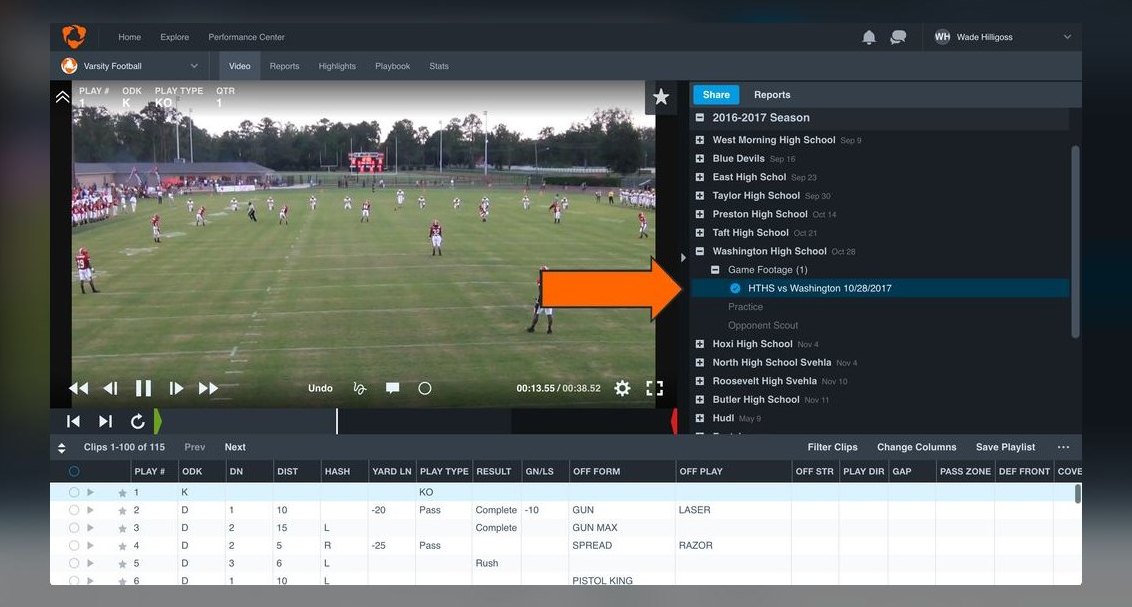 pulse-football-recruitingTop 10 Recruiting Websites for High School Football Players 2027
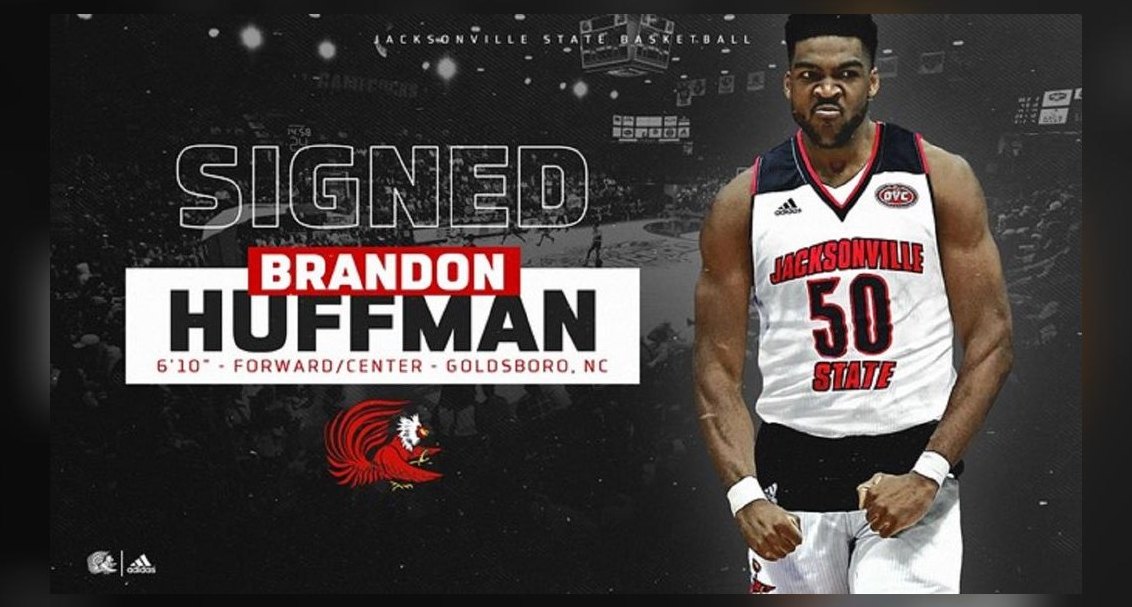 pulse-football-recruitingTop 10 Football Recruiting Analysts to Follow 2027
 hfTop 10 Ways for Late Bloomers to Get Recruited 2027
 pulse-football-recruitingTop 10 Football Recruiting Rankings Sites 2027
 pulse-football-recruitingTop 10 Football 7-on-7 Programs for Exposure 2027
 pulse-football-recruitingTop 10 Camps to Earn a College Football Offer 2027
 hfTop 10 College Football Prospect Camps by Region 2027
 pulse-football-recruitingTop 10 Football Recruiting Apps 2027
 pulse-football-recruitingTop 10 Highlight Film Tips for Football Recruits 2027
 pulse-football-recruitingTop 10 Football Showcases to Get Noticed 2027