
How does NIL work in high school sports in 2027?
 Curated byKory White · Fractional CRO · Maryland
 PULSEKNOWLEDGE LIBRARY
Quality
Certified

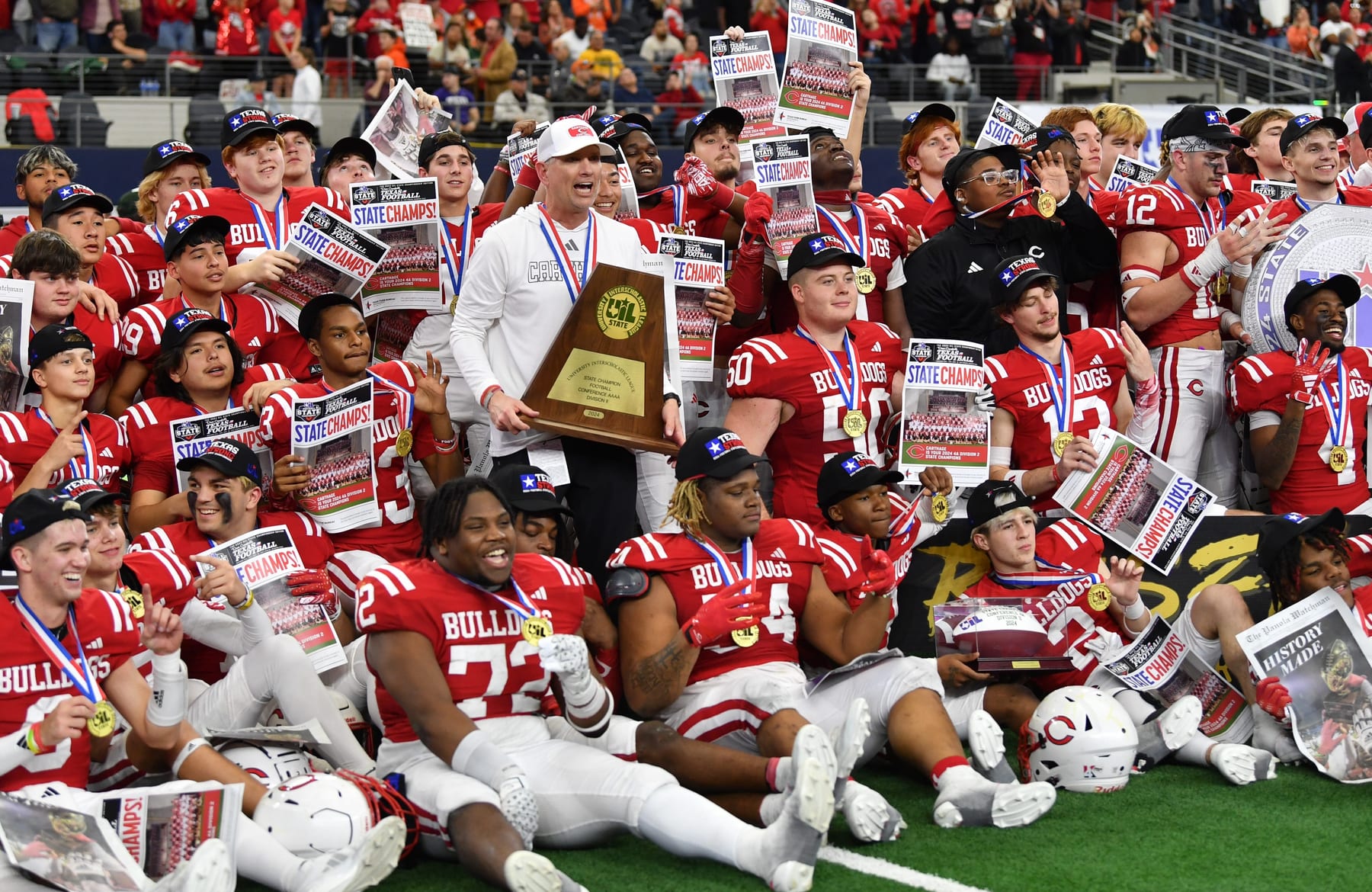
As of 2027, high school NIL is legal in roughly 35 states plus Washington, D.C., a significant expansion from the handful that allowed it in 2021, but the rules remain fragmented state by state. Name, Image, and Likeness gives a high school athlete the right to earn from their own identity — endorsements, paid appearances, content creation, camps and clinics, and merchandise. Major states including California, Florida, Georgia, Ohio, Pennsylvania, New Jersey, and Texas permit it, with Ohio passing rules through the Ohio High School Athletic Association in 2025 and Texas allowing it after the University Interscholastic League revised its policy. A notable group of states including New York, Louisiana, and Mississippi still prohibit or heavily restrict high school NIL deals. The result is a patchwork where what is legal in one state — and what disqualifies an athlete from eligibility — varies by the athletic association governing them.
For operators, high school NIL is a multi-jurisdiction compliance problem: the same activity is legal here, banned there, and conditionally allowed somewhere else, and any platform serving athletes has to enforce all of it correctly.
1. The State of High School NIL in 2027
Near-national, not uniform
About 35 states plus D.C. now allow some form of high school NIL. That is close to nationwide coverage, but "allowed" means very different things in different places. Some states permit broad commercial deals; others bar any use of school logos, uniforms, or facilities; many prohibit categories like alcohol, gambling, or tobacco regardless.
How states got here
The shift was rapid. States that banned high school NIL watched athletes and families push back, saw college NIL normalize, and flipped — Ohio's OHSAA vote in 2025 and Texas's UIL revision are recent examples. The momentum runs one direction: toward permission with guardrails.
2. What High School Athletes Can Actually Do
The permitted activity menu
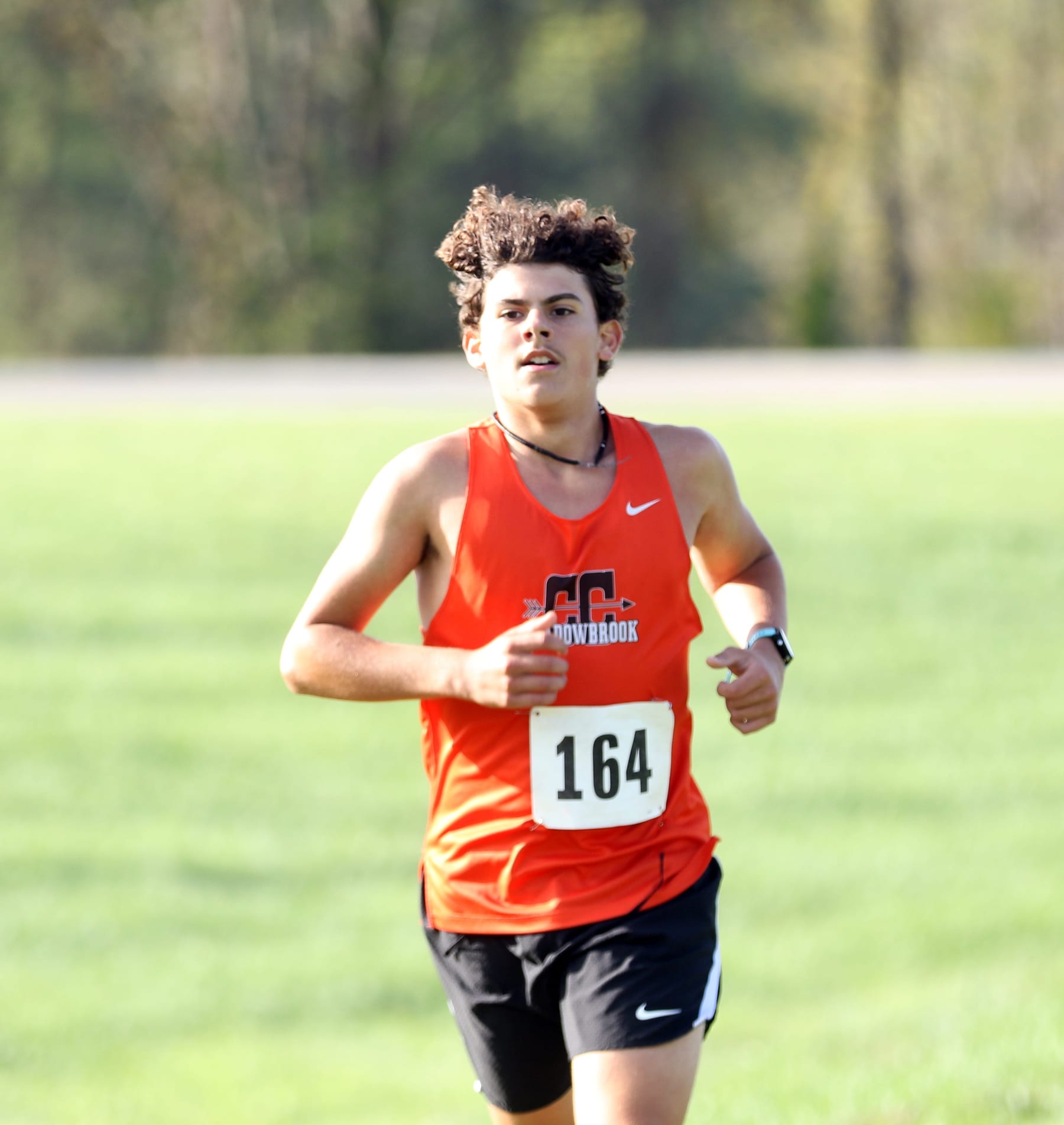
Where NIL is legal, the common deal types are:
- Endorsements — local or national brands paying for promotion
- Paid appearances — events, signings, and meet-and-greets
- Content creation — social media posts and sponsored content
- Camps and clinics — the athlete teaching younger players for pay
- Merchandise — the athlete's name or brand on product
The lines they cannot cross
Most states draw hard limits: no school logos, uniforms, or facilities in the deal, no pay tied to athletic performance or enrollment (that would be pay-for-play, not NIL), and category bans on alcohol, gambling, tobacco, and adult content. Crossing those lines risks eligibility, which is the real penalty — a bad deal can end a season.
3. Key Restrictions That Still Apply in Most States
Even where high school NIL is legal, nearly all state athletic associations impose common guardrails. School logos, uniforms, and facilities are almost universally banned from commercial use — a student cannot wear their varsity jacket in a sponsored Instagram post or film a paid ad in the school gym. Team-based deals are also prohibited; an entire basketball team cannot sign a collective shoe contract without risking eligibility. Pay-for-play remains strictly off-limits: a booster cannot offer NIL money as an inducement to attend or stay at a particular school. Most states also require that the value of any deal be commensurate with the athlete's actual market influence, not their athletic potential — a freshman with no social media following cannot justify a $10,000 "endorsement."
4. Practical Compliance for Athletes and Families
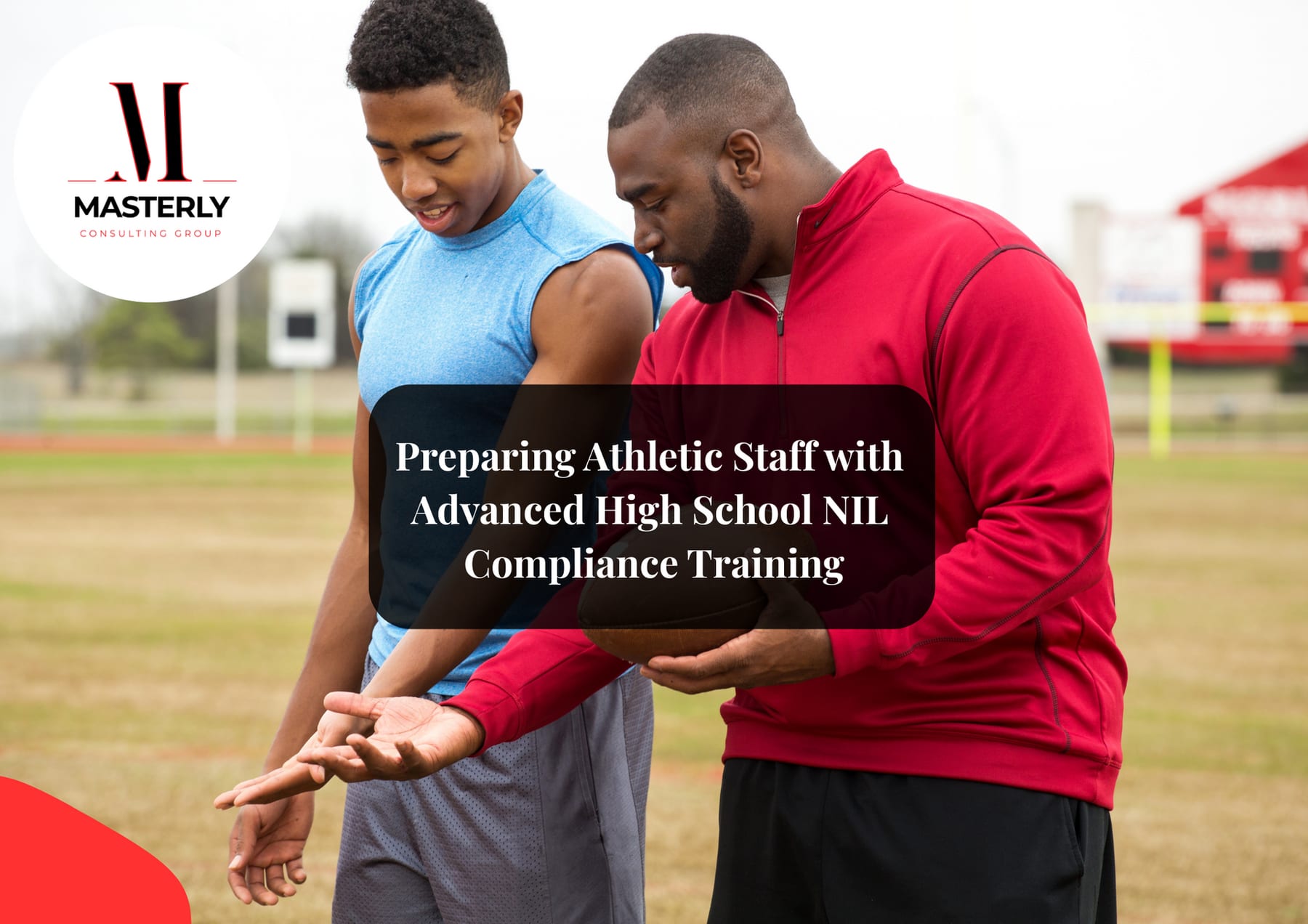
For a high school athlete pursuing NIL in 2027, the first step is checking their state association's specific rules — a simple PDF download from the governing body's website. Most associations require written disclosure of any deal to the school's athletic director within 7–14 days of signing. Parental consent is mandatory for minors in all states, and many require the school to sign off that the deal does not conflict with team activities or school values. Athletes should also maintain a separate bank account for NIL earnings and keep copies of all contracts. The most common pitfalls are inadvertently using school imagery (even a background shot of the football field) and accepting a deal from a category banned by the state (e.g., a local sports bar in a state that prohibits alcohol-related endorsements).
5. The Money, the Parents, and the Tax Reality
Most high school deals are local and modest
Outside of a handful of national recruits, the typical high school NIL deal is small and local — a few hundred dollars from a regional restaurant, auto dealer, or gym, plus social posts and an appearance. The headline exceptions are real but rare: top basketball and football recruits have signed deals reaching into six figures with national brands before ever enrolling in college. The vast middle is closer to a part-time job than a windfall, which shapes how families should think about it.

Minors mean contracts, taxes, and a guardian in the loop
Because most high school athletes are minors, nearly every deal involves a parent or guardian co-signing the contract, and many states require that an adult review terms. The income is taxable: NIL earnings are reported, and athletes often need an EIN or a single-member LLC, quarterly estimated tax payments, and basic bookkeeping. Financial-aid implications matter too — earned income can affect need-based aid calculations down the line.
6. The Role of Third-Party Platforms
As of 2027, several NIL marketplaces now serve high school athletes, but they must comply with each state's unique rules. Platforms like Opendorse and MOGL have expanded to support high school athletes in states where it is legal. These platforms typically verify athlete eligibility through school rosters, flag prohibited categories, and handle payment processing. Some states require platforms to register with the state athletic association. Athletes should use only platforms that explicitly confirm they support high school NIL in their specific state, as using an unapproved platform could jeopardize eligibility.
FAQ
Is high school NIL legal in 2027? Yes in roughly 35 states plus Washington, D.C., including California, Florida, Georgia, Ohio, and Texas. A notable group of states including New York, Louisiana, and Mississippi still ban or heavily restrict it, and rules vary by state and school.
What can high school athletes earn money from? Endorsements, paid appearances, content creation, camps and clinics, and merchandise — anything tied to their name, image, and likeness, as long as it follows state and association rules.
What is not allowed in high school NIL? Typically no use of school logos, uniforms, or facilities, no pay tied to performance or enrollment (that is pay-for-play), and category bans on alcohol, gambling, tobacco, and adult content. Violations risk eligibility.
Why are high school NIL rules so inconsistent? Because they are set by state athletic associations, not one national body. Each state — and often each school — has its own rule set, creating a patchwork that a compliant platform has to enforce by jurisdiction.
What is the biggest risk for a high school athlete doing NIL? Losing eligibility. A deal that violates state or association rules can end an athlete's season, which is why compliance and disclosure matter more than the size of the check.
Do high school athletes pay taxes on NIL income? Yes. NIL earnings are taxable income. Because most athletes are minors, deals are typically co-signed by a parent or guardian, and families often set up an EIN or single-member LLC, make quarterly estimated payments, and keep records. Earned income can also affect future need-based financial aid.
How much do high school athletes actually make from NIL? Most deals are local and modest — often a few hundred dollars plus social posts and an appearance. A small group of elite national recruits have signed deals reaching six figures before college, but those are the exception, not the norm.
Which states still prohibit high school NIL? Notable states include New York, Louisiana, Mississippi, Alaska, Hawaii, Idaho, Montana, North Dakota, South Dakota, Vermont, and Wyoming, though policies change frequently.
Sources
- Opendorse — High school NIL: state-by-state regulations
- MOGL — State-by-state NIL regulations for high school
- ESPN — Ohio high school principals vote to allow NIL
- NCSA — What is NIL? Name, image, likeness rule explained
- NFHS — High school NIL policy updates
- Influxer — High school NIL: what athletes need to know
- USA Today — High school NIL tracker by state
Related on PULSE
- [How does NIL impact high school recruiting commitments in 2027?](/knowledge/hf0061)
- [Top 10 NIL Platforms for High School Football Recruits 2027](/knowledge/hf0019)
- [Top 10 High School Football Recruiting Hotbed Cities 2027](/knowledge/hf0042)
- [Top 10 States for High School Football Recruiting 2027](/knowledge/hf0041)
- [Top 10 Recruiting Websites for High School Football Players 2027](/knowledge/hf0002)
- [Do mass marketing email campaigns to college coaches actually work in 2027?](/knowledge/hf0051)
This page will be disappearing soon. Save it to your device for $1 — or read it free while it is here.
@Kory-White- · if Venmo asks, the last 4 of my number are 2012
This page is gone.
This one is off the shelf now. $1 keeps it on your phone for good — the whole page, pictures and diagrams included.
 hfHS football NIL — the hype, the reality, and why most recruiting services oversell it in 2027
 pulse-football-recruitingFinal verdict on paid HS football recruiting services — when (rarely) they're worth it in 2027
 hfAre college football recruiting services like Lance O's Recruiting Network worth it — the industry-wide reality in 2027
 pulse-football-recruitingLance O's Recruiting Network vs NCSA vs Hudl vs FieldLevel — which one serves HS football prospects best in 2027?
 hfWhat is the average NIL deal size for a top-100 football recruit in 2027?
 pulse-football-recruitingDo mass marketing email campaigns to college coaches actually work in 2027? The recruiting services tactic critique
 pulse-football-recruitingWhy your HS football coach's phone call beats any paid recruiting service in 2027?
 pulse-football-recruitingWhat is LRN's NIL Consultation service and how does it help HS football prospects build a brand in 2027?
 pulse-football-recruitingHow does NIL impact high school recruiting commitments in 2027?
 pulse-football-recruitingWhat does Lance O's Recruiting Network actually do, and where does it fit in the 2027 college football recruiting landscape?