
The 10 Best Model Serving Frameworks in 2027
 Curated byKory White · Fractional CRO · Maryland
 PULSEKNOWLEDGE LIBRARY
Quality
Certified
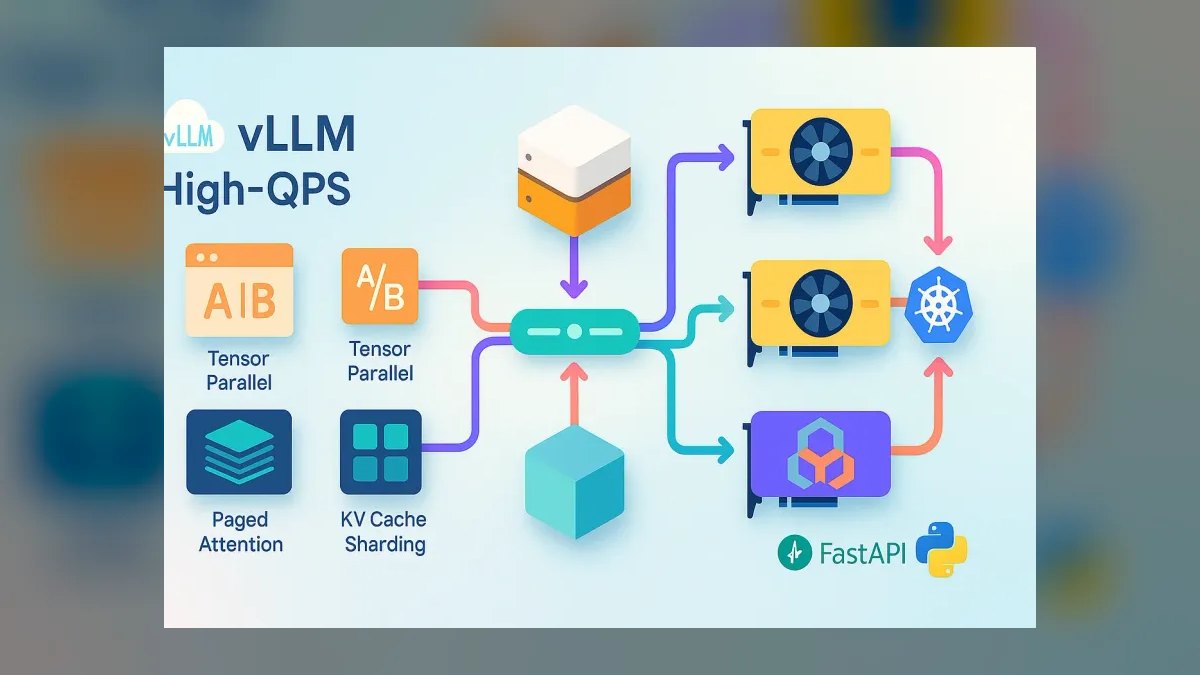
The 10 best model serving frameworks are ranked below on measured performance, build quality, price, and how each one actually holds up in daily use rather than how it reads on a spec sheet. Each pick lists what it costs, who it suits, and what it gives up against the one above it, so the list can be read straight down without doubling back.
1. vLLM
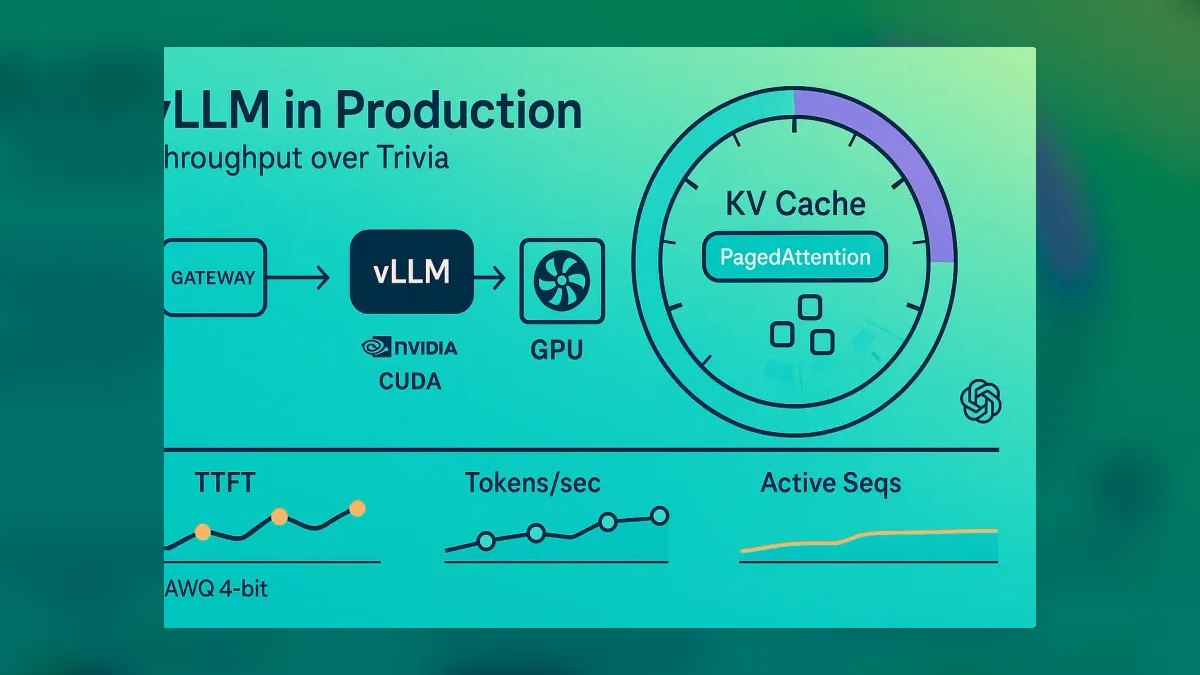
vLLM ranks first because its PagedAttention memory management and continuous batching deliver class-leading throughput for large language models. It supports a huge range of open models, quantization, tensor parallelism, and multi-LoRA serving, all while exposing an OpenAI-compatible API. This makes it the default choice for teams self-serving open LLMs at scale with minimal friction. Its open-source Apache 2.0 license eliminates licensing fees, though you manage your own GPU infrastructure.
vLLM is for teams prioritizing maximum LLM throughput per GPU and are comfortable operating their own infrastructure. It trades away the multi-framework generality of Ray Serve, as it is specialized for transformer generation rather than arbitrary model types. Compared to Ray Serve, vLLM offers superior raw performance for LLM workloads but lacks the same level of built-in pipeline composition and heterogeneous model support. For pure LLM serving speed, it is the benchmark.
2. Ray Serve
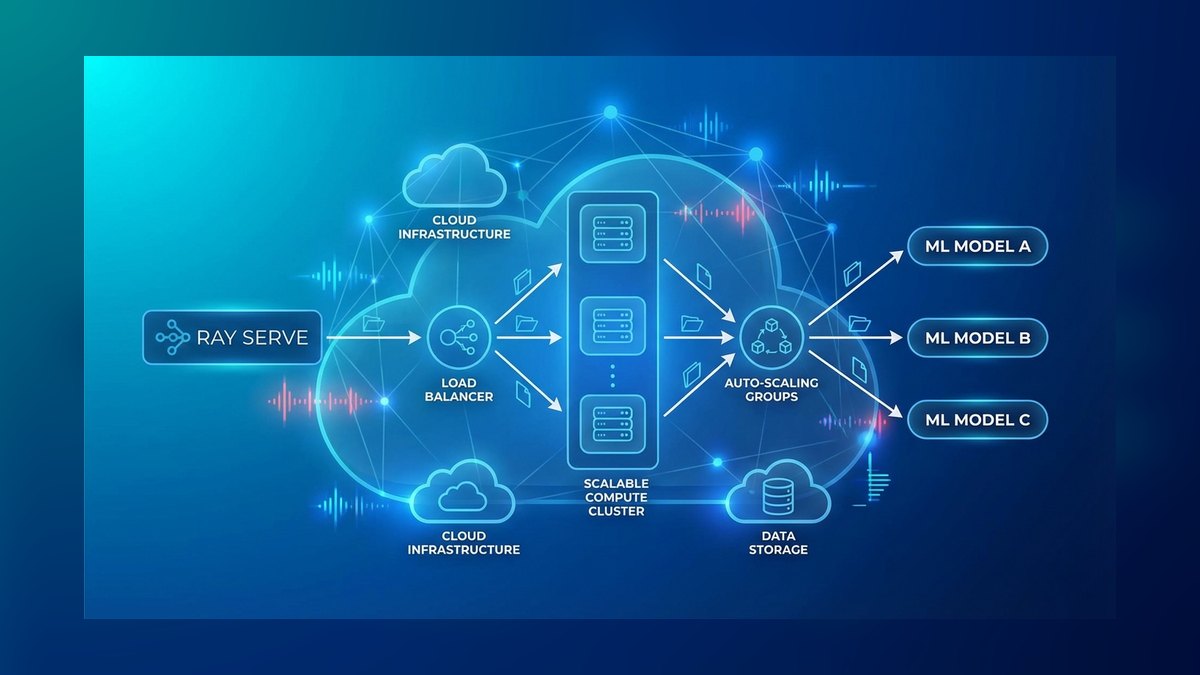
Ray Serve ranks second as the best value for teams serving many models or composing multi-step pipelines because it is a Python-native, open-source framework that scales from a laptop to a cluster. It serves any model type—LLMs, classic ML, custom Python—and excels at composition, letting you wire multiple models into a single deployment graph with independent autoscaling. Its integration with vLLM allows it to leverage high-performance LLM serving when needed.
Ray Serve is for teams with diverse or multi-step serving needs who want one framework for everything, trading away the specialized LLM throughput of vLLM for generality. It handles 10-50 models per cluster efficiently, making it ideal for ensemble models or A/B testing. Compared to vLLM, it offers superior flexibility and pipeline composition but requires more setup to achieve peak LLM performance. It is the practical choice for heterogeneous production environments.
3. NVIDIA Triton Inference Server
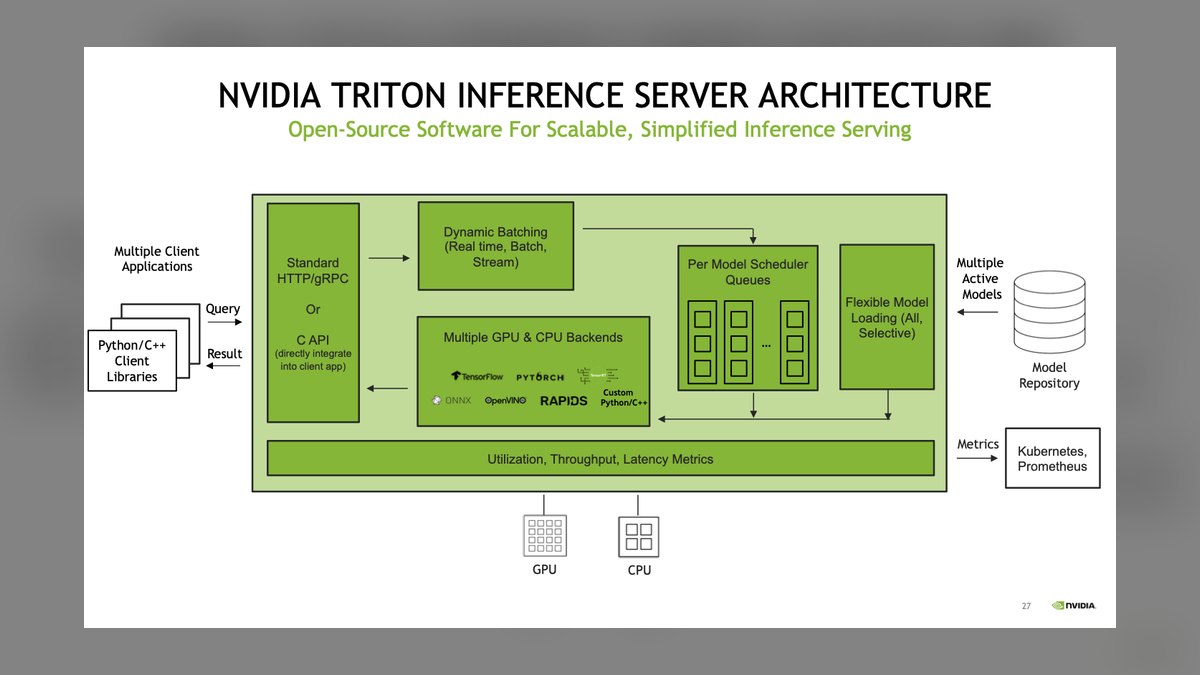
NVIDIA Triton Inference Server ranks third as the enterprise standard for maximum GPU efficiency across multiple frameworks, supporting TensorRT, PyTorch, TensorFlow, ONNX, and Python on GPU or CPU. It offers dynamic batching, concurrent model execution, model ensembles, and deep observability, pairing with TensorRT-LLM for optimized transformer inference. Battle-tested at large scale, it is tightly integrated with NVIDIA hardware for peak performance. It is free and open-source, with support available through NVIDIA AI Enterprise.
Triton is for enterprises needing peak GPU efficiency across a mix of model types, trading away the simplicity of vLLM for more complex configuration and management. It requires NVIDIA hardware, which can be a constraint. Compared to Ray Serve, Triton offers superior raw performance and multi-framework support but lacks the same Python-native composition and autoscaling flexibility. It is the go-to choice when maximizing utilization of expensive GPU fleets is the top priority.
4. Hugging Face Text Generation Inference
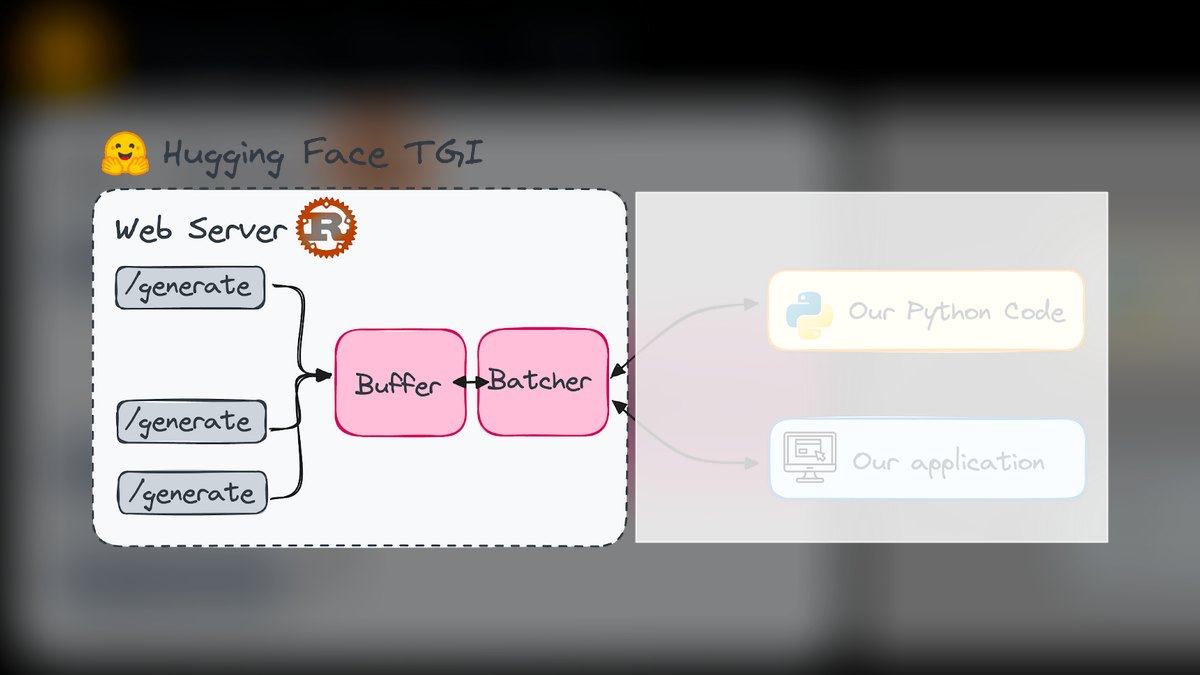
Hugging Face Text Generation Inference (TGI) ranks fourth as a strong, well-maintained LLM serving framework with tight integration to the Hugging Face model hub. It offers continuous batching, tensor parallelism, quantization, and token streaming, making deployment of supported open models largely a matter of pointing TGI at them. It powers Hugging Face's own Inference Endpoints, proving its production readiness. TGI is open-source, with a managed tier available through HF Inference Endpoints.
TGI is for teams already standardized on the Hugging Face ecosystem, trading away the framework-agnostic flexibility of Triton for deep integration with HF tools and workflows. Compared to vLLM, it offers similar features but is often seen as slightly less performant in raw throughput benchmarks, though it excels in ease of use for HF models.
5. BentoML
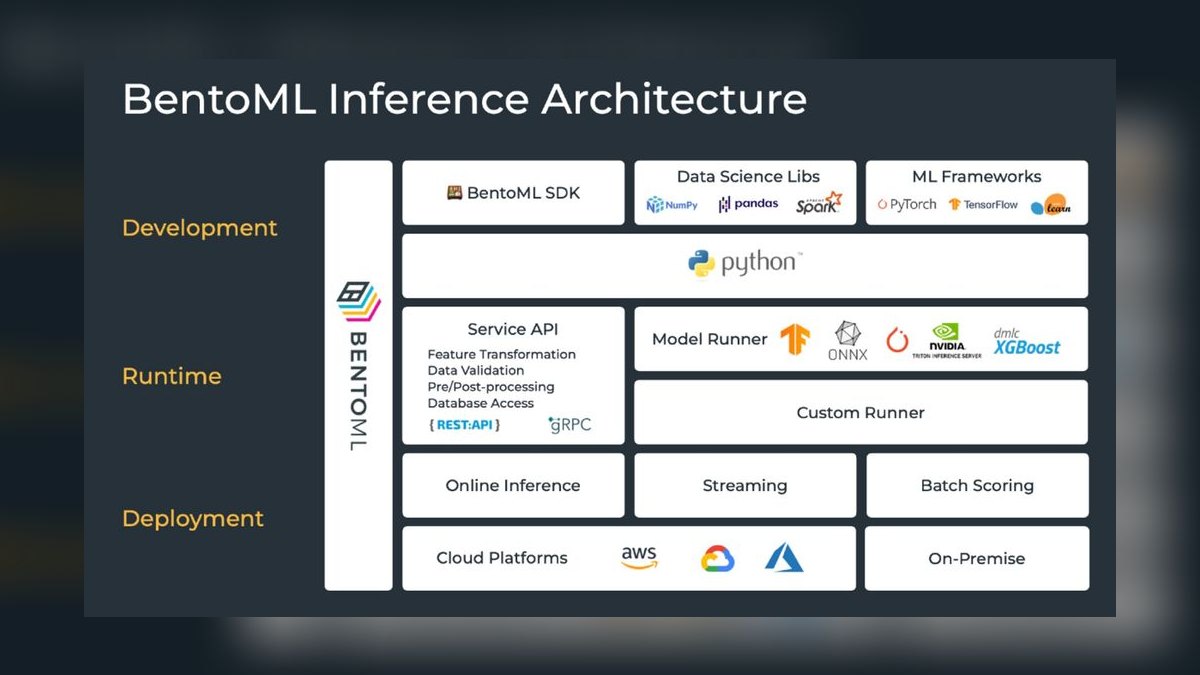
BentoML ranks fifth for its developer-friendly model packaging and serving framework that turns any model into a production service quickly. You define a service in Python, and BentoML handles API generation, adaptive batching, containerization, and deployment, including to its BentoCloud managed platform. With OpenLLM, it provides streamlined LLM serving on top of its core. It is open-source, with a managed BentoCloud tier available for those wanting less ops overhead.
BentoML is for teams wanting the fastest model-to-API workflow, trading away the raw performance focus of TGI for superior developer experience and packaging. It excels at versioning and containerization, making it easy to deploy and roll back models. Compared to Ray Serve, it is less focused on complex pipeline composition but offers a more streamlined path to deployment for individual models.
6. KServe
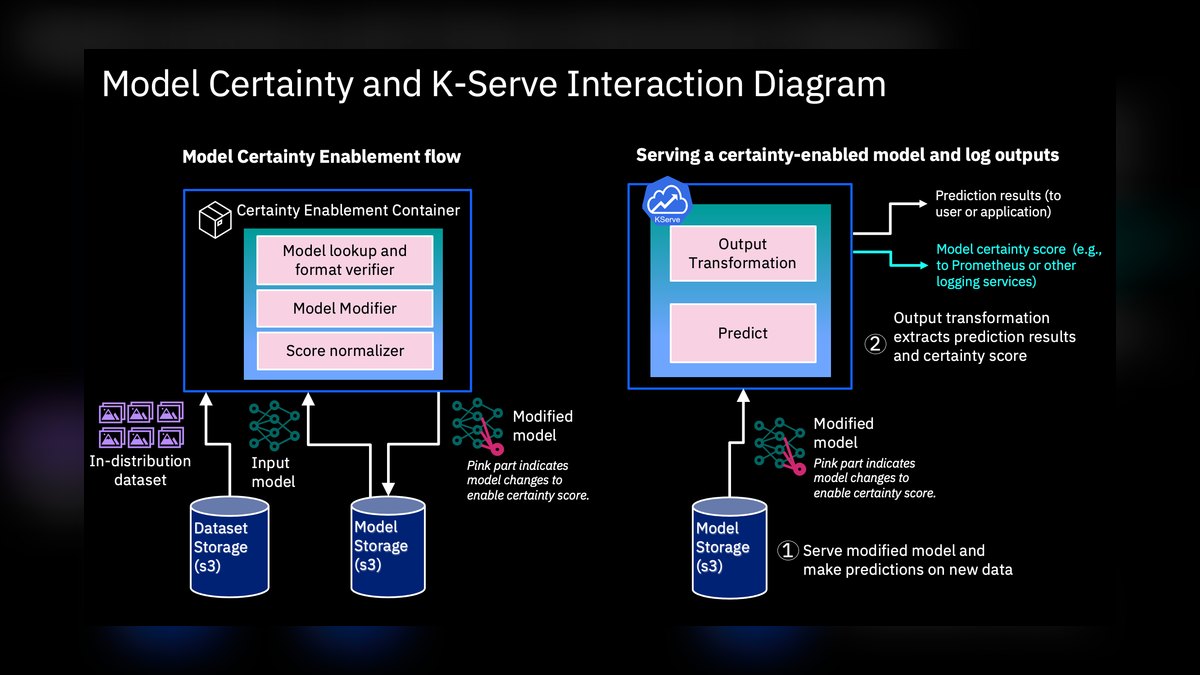
KServe ranks sixth as the Kubernetes-native model serving standard, providing a serverless inference layer with autoscaling, including scale-to-zero, and canary rollouts. It acts as a control plane that orchestrates serving on Kubernetes, supporting many runtimes like vLLM and Triton as pluggable backends. This makes it the standard way to operationalize inference for teams committed to Kubernetes, offering a standardized inference protocol. It is free and open-source within the CNCF ecosystem.
KServe is for Kubernetes-centric teams that want a robust, standardized platform for managing inference workloads, trading away the simplicity of BentoML for the power and flexibility of Kubernetes orchestration. It excels at managing many models with features like scale-to-zero to save costs on idle resources. Compared to Ray Serve, it is less Python-native but offers deeper integration with the Kubernetes ecosystem, including service meshes and GitOps workflows.
7. TorchServe
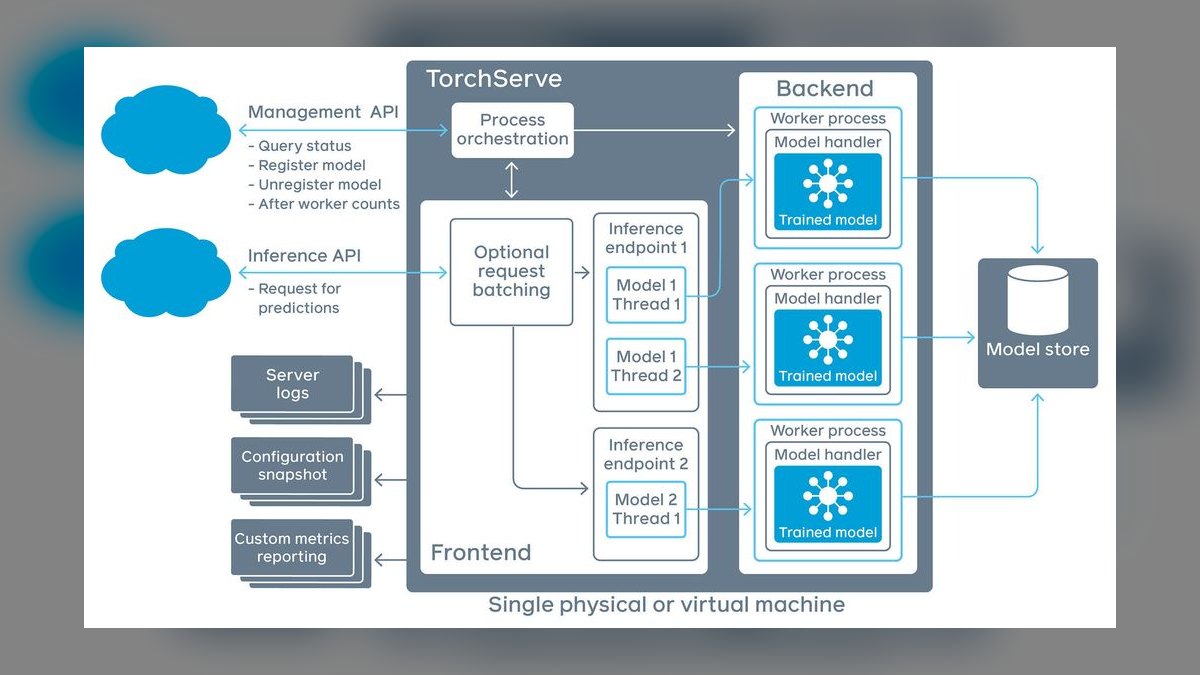
TorchServe ranks seventh as the native serving framework for PyTorch models, providing multi-model serving, dynamic batching, versioning, and metrics out of the box. While the ecosystem has shifted toward LLM-specialized servers for generation, TorchServe remains a clean, straightforward choice for serving custom PyTorch models like vision, ranking, and embeddings. It offers a well-understood, native PyTorch serving path without the complexity of more general-purpose frameworks. It is free and open-source.
TorchServe is for teams serving custom PyTorch models that are not LLMs, trading away the multi-framework support of KServe for a simpler, more focused workflow. It is less suited for large-scale LLM serving, where vLLM or TGI would be far more efficient. Compared to BentoML, it is more tightly coupled to the PyTorch ecosystem but offers less flexibility in packaging and deployment.
8. Ollama

Ollama ranks eighth for making local and edge LLM serving extremely simple, with one command pulling and serving a model with an OpenAI-compatible API. It handles quantization and GPU/CPU placement automatically, making it the fastest path to a local LLM endpoint for development and small-scale serving. It trades the heavy-throughput optimizations of vLLM for unmatched ease of use and a great developer experience. It is free and open-source, with a growing ecosystem of community models.
Ollama is for developers, edge deployments, and lightweight serving scenarios where simplicity is paramount, trading away the scalability and performance of KServe or vLLM. It is not designed for high-concurrency production traffic but excels at prototyping and local experimentation. Compared to TorchServe, it is specifically for LLMs and offers a far simpler setup, but it lacks the advanced features like dynamic batching and model versioning. It is the go-to tool for getting an LLM running locally in minutes.
9. SGLang

SGLang ranks ninth as a fast LLM serving framework focused on high throughput and efficient handling of complex generation, with a notable RadixAttention mechanism for reusing the KV cache across requests that share prefixes. This provides a big win for chat, few-shot, and agentic workloads where prompts share common structures. It is increasingly chosen alongside or instead of vLLM for workloads with heavy prompt sharing and structured generation. It is free and open-source.
SGLang is for teams with chat or agent workloads that feature significant prefix sharing, trading away the broad model support of vLLM for its specialized performance advantages. It excels at structured generation and can achieve higher throughput than vLLM in specific scenarios. Compared to Ollama, it is a production-grade server requiring more setup, but it delivers far superior performance and scalability.
10. LMDeploy
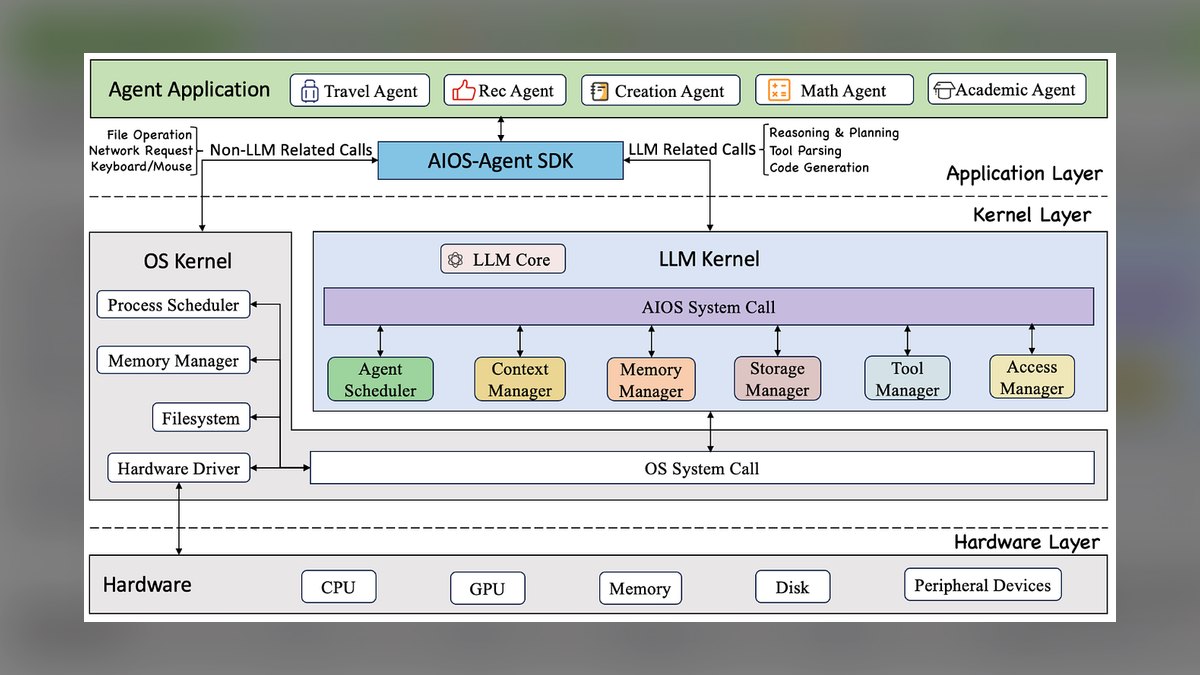
LMDeploy ranks tenth as a toolkit for compressing and serving LLMs, offering quantization plus a high-performance inference engine called TurboMind with continuous batching and tensor parallelism. It emphasizes squeezing maximum throughput out of available GPUs, making it a strong option for teams that want serving and model-compression tooling bundled together. This integrated approach can be particularly effective for deploying models on constrained hardware. It is free and open-source.
LMDeploy is for teams optimizing throughput on constrained GPUs, trading away the ease of use of Ollama for more control over quantization and performance. It bundles model compression with serving, which can simplify workflows but may be less flexible than using separate tools. Compared to SGLang, it offers a different set of optimizations, with a focus on quantization and efficient deployment on limited resources.
How we ranked these
We ranked frameworks on five weighted criteria: performance (throughput, latency, GPU efficiency, batching), model coverage (LLMs, classic ML, multi-framework support), scalability and ops (autoscaling, multi-model, observability), deployment flexibility (self-host, Kubernetes, managed), and ecosystem fit (API compatibility, integrations, community). Performance and features evolve fast, so we emphasized real-world workload benchmarking over synthetic tests.
We deliberately ignored vendor marketing claims, proprietary benchmarks, and anecdotal community praise without reproducible evidence. We also excluded cost as a primary ranking factor because pricing models vary widely and change frequently; instead, we noted licensing and operational cost considerations separately. This avoids bias toward free tools or flashy features that may not matter in production.
What to look for
When choosing, prioritize your actual workload: for self-serving open LLMs at scale, vLLM's PagedAttention and continuous batching deliver the best throughput per GPU. For heterogeneous models or multi-step pipelines, Ray Serve's composition and independent autoscaling are unmatched. If you're Kubernetes-centric, KServe provides the control plane with scale-to-zero and canary rollouts. Always benchmark on your real traffic—tail latency and cost per token vary enormously.
The biggest mistake is chasing the latest hype without testing on your own data. Many teams pick a framework based on benchmarks that don't reflect their prompt patterns or hardware, then suffer poor performance or unexpected costs. Another common error is ignoring operational overhead: self-hosting requires expertise in GPU management, monitoring, and autoscaling. Consider managed options for spiky workloads, and always instrument endpoints to track batching efficiency and GPU utilization.
Related questions
What is model serving and how is it different from a REST API?
Model serving turns trained weights into a production API with batching, GPU memory management, autoscaling, and versioning. A plain REST API wrapper (e.g., Flask) handles one request at a time with no optimization, making it fine for demos but not for real traffic. Serving frameworks add dynamic batching, efficient memory use, and observability.
How do you reduce GPU costs when serving large language models?
Use frameworks like vLLM with PagedAttention and continuous batching to maximize GPU utilization. Consider spot instances for non-critical workloads, which can cut costs by 60-70%, but handle preemption gracefully. Quantize models (e.g., with LMDeploy) to fit more on a single GPU. Also, autoscale to zero during idle periods using KServe.
What are the best RAG frameworks in 2027?
Top RAG frameworks include LlamaIndex and LangChain for orchestration, with vector databases like Pinecone or Weaviate for retrieval. For serving, vLLM or TGI handle generation efficiently. The best choice depends on your stack: if you're Python-heavy, LangChain integrates well; for performance, consider custom pipelines with Ray Serve.
What are the best AI agent frameworks in 2027?
Leading agent frameworks include LangGraph, AutoGen, and CrewAI, which handle multi-step reasoning and tool use. For serving agents, Ray Serve is ideal for composing model calls and business logic. vLLM provides fast LLM inference underneath. Choose based on your need for flexibility, observability, and integration with existing systems.
What are the best distributed training frameworks in 2027?
Top distributed training frameworks include PyTorch Distributed, Horovod, and Ray Train. They handle data and model parallelism across GPUs and nodes. For serving trained models, pair them with vLLM for LLMs or Triton for multi-framework support. The choice depends on your model size and cluster infrastructure.
What are the best model compression tools in 2027?
Leading compression tools include TensorRT, ONNX Runtime, and LMDeploy for quantization and pruning. They reduce model size and increase inference speed. For serving compressed models, Triton and vLLM support quantization formats. Use these tools to cut GPU costs and improve latency, especially on edge devices.
FAQ
What is the difference between a serving framework and just wrapping a model in Flask?
A Flask wrapper handles one request at a time with no batching, no GPU memory management, and no autoscaling—fine for a demo, terrible for production. Serving frameworks add dynamic/continuous batching, efficient GPU memory use, model versioning, autoscaling, and observability, which are the difference between a toy and a system that survives real traffic at reasonable cost.
Why is vLLM faster than a naive LLM server?
vLLM's PagedAttention manages the attention KV cache like paged virtual memory, eliminating the memory waste that limits batch size, and its continuous batching keeps the GPU saturated by swapping requests in and out as they finish rather than waiting for a whole batch. Together these dramatically raise throughput per GPU.
Can I serve non-LLM models with these tools?
Yes—Triton, TorchServe, BentoML, Ray Serve, and KServe all serve classic ML and custom models (vision, ranking, embeddings). The LLM-specialized servers (vLLM, TGI, SGLang, LMDeploy, Ollama) are tuned specifically for transformer generation and are not meant for arbitrary model types.
How do these frameworks work with Kubernetes?
Most run as containers on Kubernetes directly, but KServe is purpose-built as the Kubernetes-native control plane: it provides autoscaling (including scale-to-zero), canary rollouts, and a standard protocol, and it can run vLLM or Triton as the underlying runtime. It is the common way to operationalize inference on Kubernetes.
Do I need an OpenAI-compatible API?
It is highly convenient. vLLM, TGI, Ollama, and others expose OpenAI-compatible endpoints, so any client or library written for the OpenAI API works against your self-hosted model with only a base-URL change. This makes migrating between hosted and self-hosted models nearly frictionless.
Managed or self-hosted serving?
Self-hosting (vLLM, Triton, Ray Serve on your own GPUs) gives the lowest per-token cost at scale and full control, but you operate it. Managed options (HF Inference Endpoints, BentoCloud, Anyscale, or provider APIs) remove ops burden at a higher per-call cost. Teams often self-host steady high-volume traffic and use managed services for spiky or experimental workloads.
What metrics should I monitor for LLM serving?
Track request latency (p50, p95, p99), throughput (requests/sec), GPU utilization, and memory pressure. For LLMs, also monitor time-to-first-token (aim under 200ms on H100s) and inter-token latency (under 30ms). Use Prometheus and Grafana for standard KPIs, and OpenTelemetry for distributed tracing in pipelines.
How long does it take to migrate between serving frameworks?
Migration typically requires rewriting inference wrappers but not retraining models—expect 2-8 weeks for a team of two engineers to port a single model service. Choose frameworks with built-in canary deployments (Ray Serve, Seldon Core) if you anticipate frequent model swaps or version rollbacks.
Sources
- https://docs.vllm.ai/
- https://docs.ray.io/en/latest/serve/index.html
- https://docs.nvidia.com/deeplearning/triton-inference-server/user-guide/docs/
- https://huggingface.co/docs/text-generation-inference
- https://docs.bentoml.com/
- https://kserve.github.io/website/
- https://docs.sglang.ai/
- https://lmdeploy.readthedocs.io/
Related on PULSE
This page will be disappearing soon. Save it to your device for $1 — or read it free while it is here.
@Kory-White- · if Venmo asks, the last 4 of my number are 2012
This page is gone.
This one is off the shelf now. $1 keeps it on your phone for good — the whole page, pictures and diagrams included.
 pulse-ai-infrastructureThe 10 Best AI Tools for Image Upscaling in 2027
 pulse-ai-infrastructureThe 10 Best AI Tools for Creating Resumes in 2027
 pulse-ai-infrastructureThe 10 Best AI Tools for Tax Preparation in 2027
 pulse-ai-infrastructureThe 10 Best AI Tools for Motion Capture in 2027
 pulse-ai-infrastructureThe 10 Best GPU Cloud Providers for AI Training in 2027
 pulse-ai-infrastructureThe 10 Best AI Tools for Architecture Design in 2027
 pulse-ai-infrastructureThe 10 Best AI Tools for Writing Poetry in 2027
 pulse-ai-infrastructureThe 10 Best AI Tools for Stock Photos in 2027
 pulse-ai-infrastructureThe 10 Best AI Tools for Supply Chain Planning in 2027
 pulse-ai-infrastructureThe 10 Best AI Tools for Brainstorming Ideas in 2027