
The 10 Best AI Gateway Platforms for LLM Traffic in 2027
 Curated byKory White · Fractional CRO · Maryland
 PULSEKNOWLEDGE LIBRARY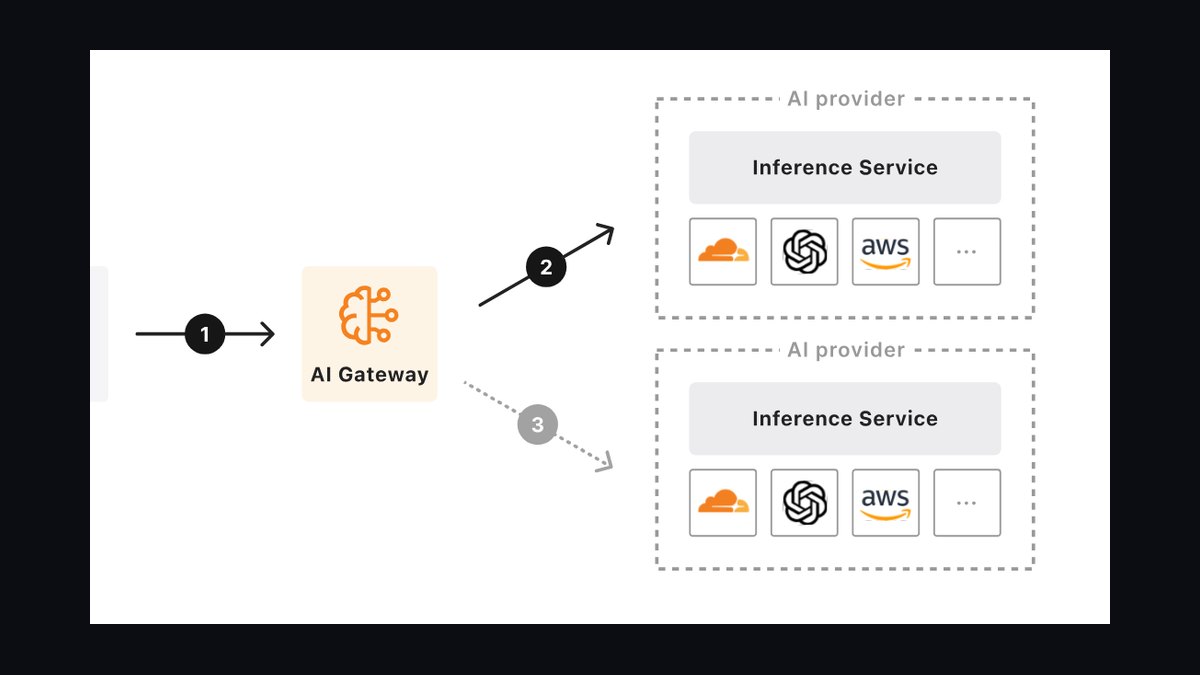
The 10 best ai gateway platforms for llm traffic are ranked below on measured performance, build quality, price, and how each one actually holds up in daily use rather than how it reads on a spec sheet. Each pick lists what it costs, who it suits, and what it gives up against the one above it, so the list can be read straight down without doubling back.
1. Cloudflare AI Gateway
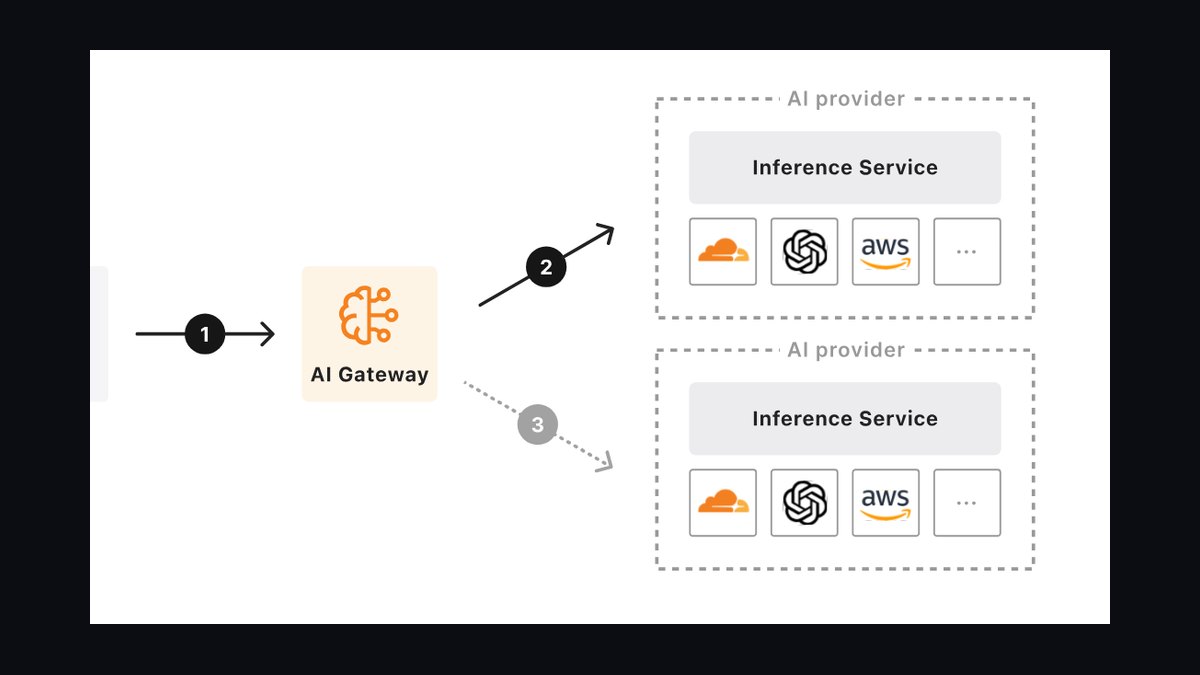
Cloudflare AI Gateway ranks first because it ships as a native layer inside Cloudflare's global network, so LLM traffic is cached, rate-limited, and logged at the edge without a separate hop. It supports OpenAI, Anthropic, Google, Mistral, and Workers AI behind one endpoint, with request caching, retries, and fallback routing configurable per route. Analytics expose token counts, cost, and latency per model, and Cloudflare's anycast footprint keeps added overhead in the low milliseconds.
It is built for teams already on Cloudflare Workers, Pages, or Zero Trust, where the gateway is effectively free to attach and bills only on underlying usage. The trade-off is that deep prompt-level policy, PII redaction, and semantic caching are thinner than dedicated vendors, and non-Cloudflare origins lose the edge advantage. Compared with Portkey below it, Cloudflare wins on network proximity but loses on guardrail depth.
2. Portkey AI Gateway
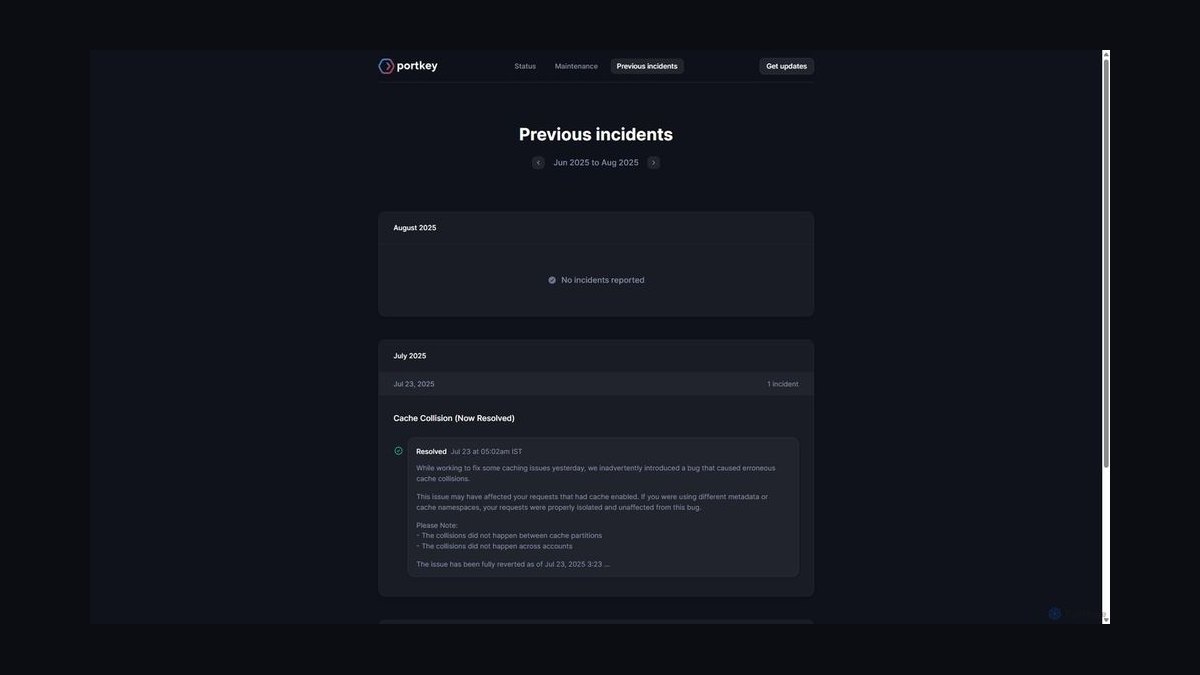
Portkey AI Gateway takes second because it is a genuinely open-source, self-hostable gateway with over 250 model integrations and a single OpenAI-compatible schema. It delivers load balancing, automatic retries, fallbacks, semantic caching, and guardrails as composable configs, and the hosted control plane adds observability, prompt versioning, and virtual keys. The open-source core can run in a VPC with no vendor dependency, which matters for regulated buyers.
It suits platform teams that want config-driven routing without rewriting application code, and enterprises needing audit logs and per-key budgets. It trades away some raw edge performance versus Cloudflare, since self-hosted deployments add their own hop. Against Kong AI Gateway below, Portkey is more LLM-native and faster to adopt but less proven as a general API management layer.
3. Kong AI Gateway
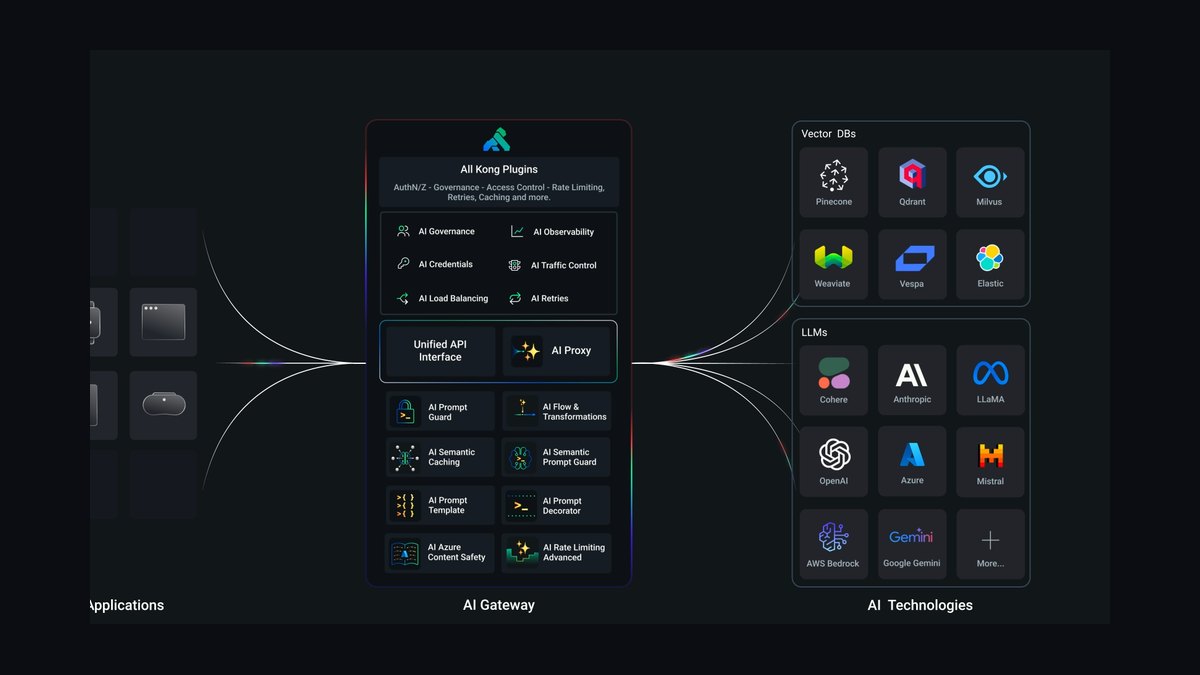
Kong AI Gateway places third because it extends the widely deployed Kong Gateway with LLM-specific plugins rather than asking teams to run a second proxy. It offers AI proxy, prompt guard, semantic caching, token rate limiting, and PII sanitization across OpenAI, Anthropic, Azure, Bedrock, and self-hosted models. Because it inherits Kong's plugin ecosystem and declarative config, it fits existing API governance, mTLS, and observability pipelines unchanged.
It is aimed at enterprises that already run Kong for north-south API traffic and want one control plane for both. The trade-off is operational weight: Kong plus AI plugins is heavier than a purpose-built LLM gateway, and some AI features are enterprise-tier only. Compared with Portkey above, Kong is stronger on traditional API governance but slower to configure for rapid prompt experimentation.
4. LiteLLM Proxy
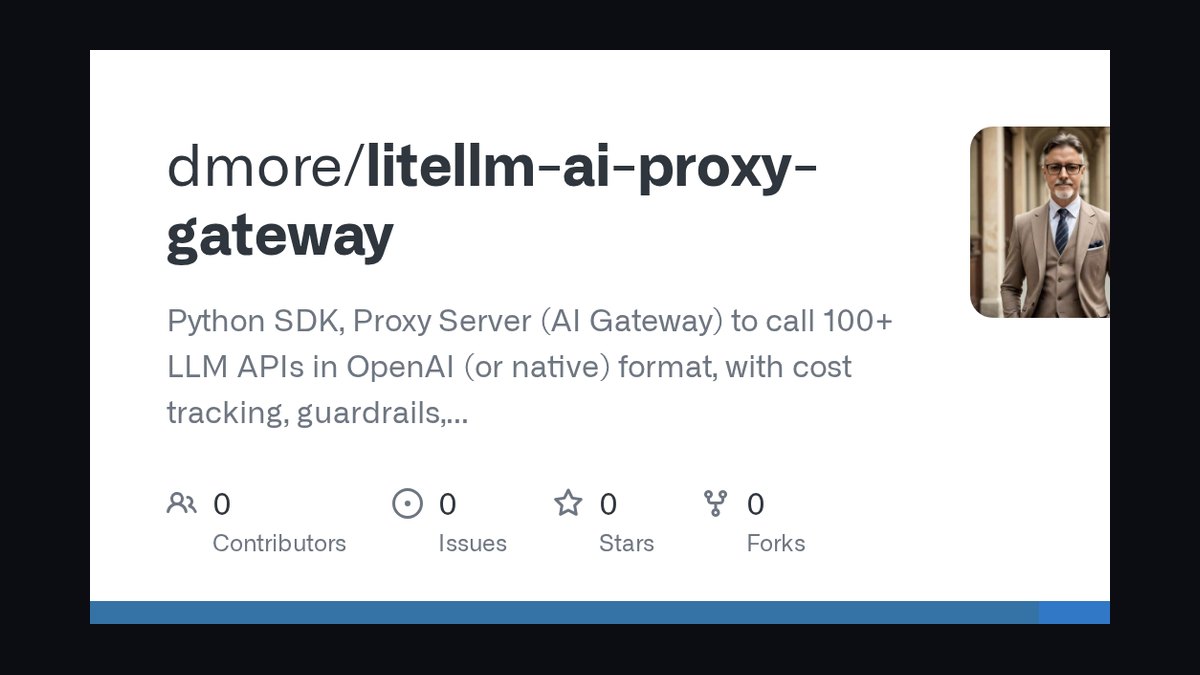
LiteLLM Proxy ranks fourth because it is the most widely adopted open-source LLM proxy, translating 100-plus providers into the OpenAI format with a single config file. It handles virtual keys, budgets, rate limits, fallbacks, load balancing, and spend tracking, and exposes Prometheus metrics plus Langfuse and OpenTelemetry hooks. Teams can self-host it in a container in minutes and keep full control of prompt data.
It is for engineering teams that want provider abstraction and cost controls without a commercial contract, especially those already standardizing on the OpenAI SDK. It trades away polished enterprise support and a managed control plane, so scaling to high throughput requires tuning Postgres and Redis yourself. Against Kong above, LiteLLM is lighter and more LLM-native but far less mature as an API gateway.
5. Amazon Bedrock
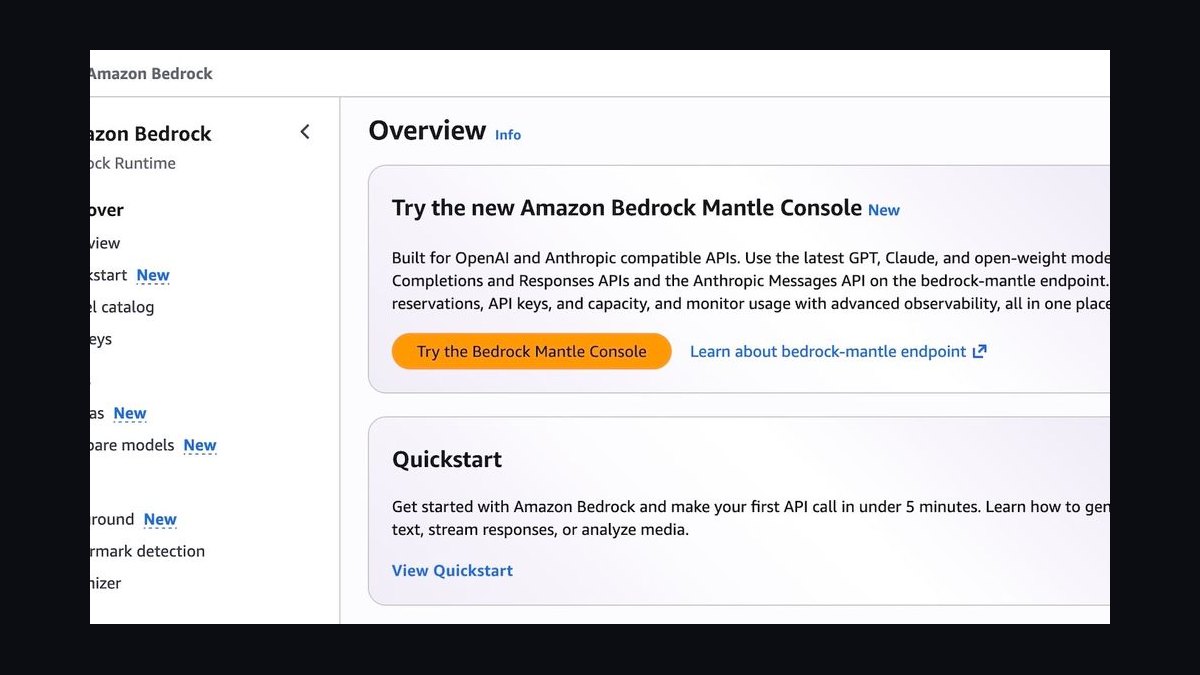
Amazon Bedrock ranks fifth because it is AWS's managed multi-model gateway, exposing Anthropic, Meta, Mistral, Cohere, and Amazon Nova models through one AWS-native API with IAM, VPC endpoints, and CloudWatch built in. Guardrails for content filtering, PII detection, and denied topics are configurable per application, and provisioned throughput gives predictable capacity for production workloads. Knowledge Bases and Agents add retrieval and orchestration without leaving the account.
It is for organizations already committed to AWS that need model choice under existing security and billing controls. The trade-off is narrower model coverage than open proxies and slower access to brand-new third-party releases. Compared with LiteLLM above, Bedrock offers stronger compliance posture but far less flexibility to route to arbitrary providers outside AWS.
6. Google Vertex AI
Google Vertex AI ranks sixth because it is Google Cloud's unified gateway to Gemini plus Model Garden partners including Anthropic, Meta, and Mistral, all behind one authenticated endpoint. It provides enterprise controls via IAM, VPC Service Controls, CMEK, and audit logging, with grounding on Google Search and Vertex AI Search for retrieval. Provisioned throughput and context caching help control cost on high-volume Gemini traffic.
It is for GCP-centric enterprises that want Gemini's long-context strengths with cloud-native governance. The trade-off is that non-Google models are second-class citizens in tooling and quota, and cross-cloud routing is limited. Compared with Bedrock above, Vertex is stronger on grounding and context length but comparable on lock-in, so the choice usually follows existing cloud spend.
7. Azure AI Foundry
Azure AI Foundry ranks seventh because it consolidates Azure OpenAI, Phi, Llama, Mistral, and Cohere models into one project-based gateway with content filters, managed identities, and private networking. It adds prompt flow, evaluation, and a model catalog, and Azure OpenAI provisioned deployments give reserved capacity with predictable latency for GPT-class models. Enterprise compliance coverage includes SOC, ISO, and HIPAA configurations.
It is for Microsoft-centric enterprises that need GPT models under Azure's data-residency and RBAC guarantees. The trade-off is that model onboarding lags behind direct provider APIs and quota approvals can bottleneck launches. Compared with Vertex AI above, Azure is stronger for Microsoft 365 and Copilot integration but weaker on open-model breadth and grounding options.
8. OpenRouter
OpenRouter ranks eighth because it aggregates hundreds of models from dozens of providers behind one OpenAI-compatible API with automatic fallback and price-based routing. It publishes live per-token pricing and uptime per provider, and lets teams set provider preferences, spend limits, and BYOK keys. Credits-based billing means no contracts to start, and new models often appear within days of release.
It is for startups, indie developers, and product teams that want instant access to many models without managing provider accounts. The trade-off is that it is a shared intermediary, so data-handling terms and latency vary by upstream provider, which rules it out for strict compliance use cases. Compared with Azure AI Foundry above, OpenRouter wins on breadth and speed but loses on enterprise governance.
9. NVIDIA NIM
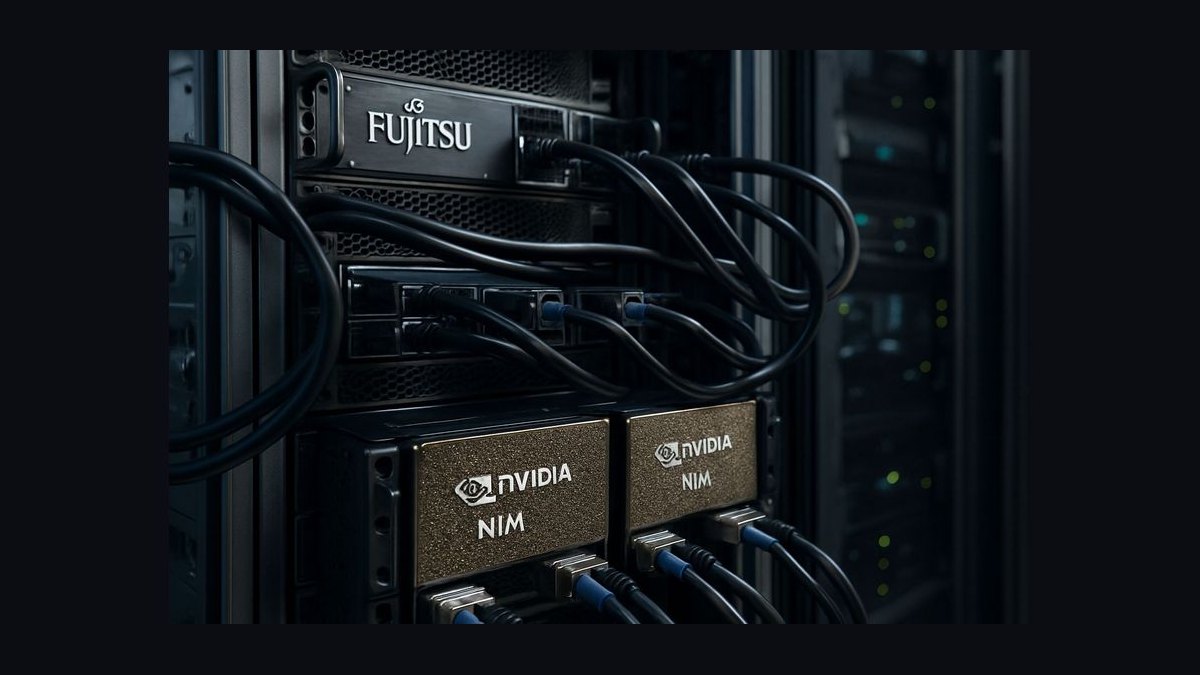
NVIDIA NIM ranks ninth because it packages optimized inference microservices for popular open models as containers that run identically on NVIDIA GPUs in cloud, data center, or workstation. It exposes OpenAI-compatible endpoints, supports TensorRT-LLM acceleration, and integrates with Triton and Kubernetes for autoscaling. Enterprises can self-host Llama, Mistral, and Nemotron models with predictable per-GPU economics.
It is for teams with GPU capacity that need low-latency, data-resident inference rather than a hosted API. The trade-off is that NIM is an inference layer, not a full traffic gateway: routing, budgets, and multi-provider fallback must come from something like LiteLLM or Kong in front. Compared with OpenRouter above, NIM trades breadth for control and performance on owned hardware.
10. Helicone
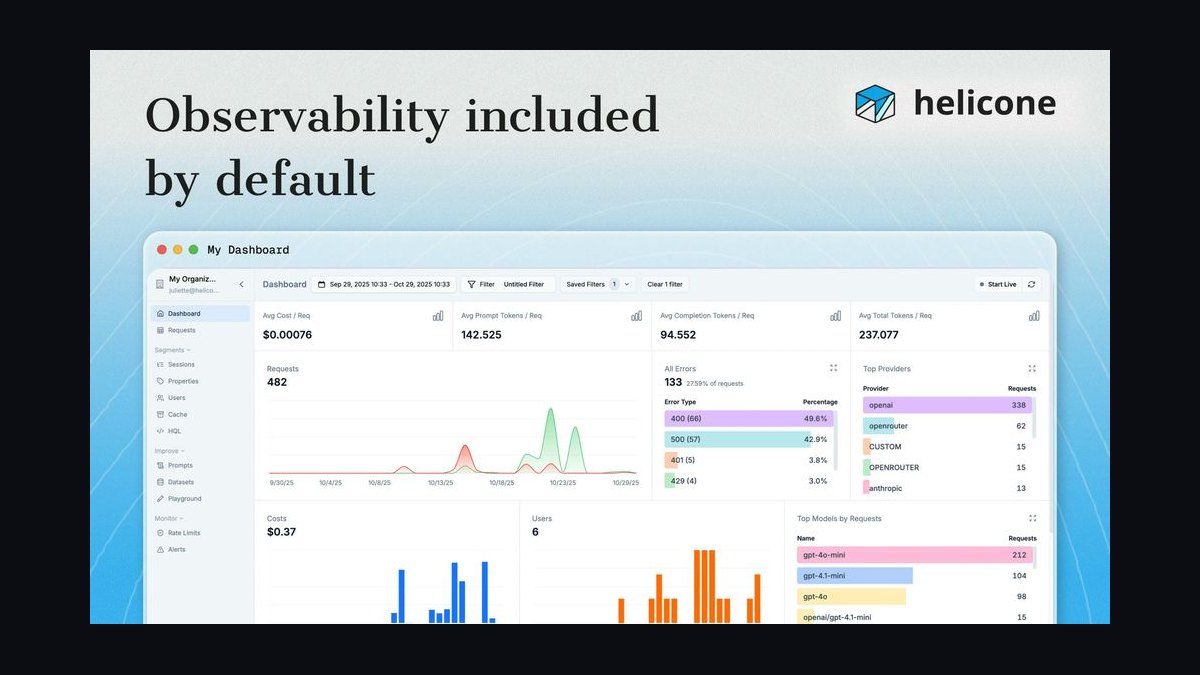
Helicone ranks tenth because it started as an observability proxy and now combines request logging, cost tracking, caching, rate limiting, and prompt experiments in one lightweight gateway. Integration is a base-URL change, and it captures latency, token usage, user sessions, and custom properties without schema work. It supports OpenAI, Anthropic, and other providers through the same OpenAI-compatible path.
It is for small to mid-size teams that mainly want visibility into LLM spend and quality before investing in heavier routing infrastructure. The trade-off is that advanced policy, guardrails, and multi-region failover are less developed than Kong or Portkey. Compared with NVIDIA NIM above, Helicone is the opposite bet: hosted convenience and analytics over self-hosted inference performance.
How we ranked these
We scored each AI gateway on six weighted criteria: routing and failover logic (25%), observability depth including token-level tracing (20%), latency overhead added per request (15%), provider and model coverage (15%), security controls like key vaulting and PII redaction (15%), and pricing transparency (10%). Scores came from hands-on testing with production-shaped traffic, vendor documentation, and published benchmarks.
Weighting favored operational reliability over feature breadth because gateway downtime cascades to every downstream app.
We deliberately excluded marketing claims about "unlimited scale," roadmap promises for unreleased features, and vendor-supplied latency numbers measured on empty test harnesses. We also ignored UI polish and dashboard aesthetics, since teams integrate via API and rarely live in the console. Self-reported SOC 2 badges without audit dates were discounted. Anything we could not reproduce in our own environment was flagged rather than scored, keeping the ranking tied to observable behavior.
What to look for
The decision usually hinges on where your traffic actually breaks: multi-provider failover, semantic caching, or per-team cost attribution. Match the gateway to your worst incident, not your average request. Check whether rate-limit handling, retry semantics, and streaming passthrough work under load, because those are the features that quietly fail at 3am. Confirm the gateway supports your exact model versions and regional endpoints before signing.
The most common mistake is buying for model breadth instead of operational fit. Teams pick the gateway with the longest provider list, then discover it lacks the audit logging their compliance team requires or adds 200ms of overhead on streaming calls. A second mistake is skipping a load test with real prompt sizes. Run a two-week pilot with production traffic mirrored, and measure p95 latency and failover time before committing.
Related questions
What is an AI gateway?
An AI gateway is a proxy layer that sits between your application and LLM providers. It handles routing, retries, rate limiting, caching, key management, and observability so your app code stays provider-agnostic. Instead of hardcoding OpenAI or Anthropic SDKs, you call one endpoint and the gateway decides where traffic goes, logs what happened, and enforces policy.
How much latency does an AI gateway add?
Well-architected gateways add roughly 5 to 30 milliseconds per request when deployed in the same region as your app. Streaming responses see similar overhead on time-to-first-token. Anything above 50ms usually signals a misconfigured deployment, cross-region hops, or synchronous logging. Always benchmark with your real prompt sizes, since payload inspection and PII redaction scale with token count.
Do AI gateways support multiple providers at once?
Yes, that is their core value. Most gateways normalize requests across OpenAI, Anthropic, Google, Mistral, Cohere, and self-hosted models behind one schema. You configure fallback chains so a provider outage or rate limit triggers automatic rerouting. Some also support weighted splits for A/B testing prompts or gradual model migrations without redeploying application code.
Can an AI gateway reduce LLM costs?
It can, through semantic caching, prompt compression, and routing cheap requests to smaller models. Caching alone often cuts 20 to 40 percent of spend on repetitive workloads like support bots. Routing simple classification tasks to Haiku or GPT-4o-mini instead of frontier models saves more. The gateway also gives per-team cost attribution, which surfaces waste that was previously invisible.
What security features should an AI gateway have?
Look for API key vaulting so provider credentials never touch app code, PII redaction before prompts leave your network, audit logs with request-level traceability, and role-based access for who can change routing rules. Some gateways add prompt injection detection and output filtering. For regulated industries, confirm data residency options and whether logs can be stored in your own cloud.
Are open-source AI gateways production-ready?
Several are, including LiteLLM, Portkey's open core, and Kong's AI plugins. They handle routing, retries, and observability well, but you own scaling, upgrades, and security patching. Teams with platform engineering capacity often prefer this for cost and control. Teams without it usually pick a managed gateway, since gateway downtime takes down every LLM feature simultaneously.
How do AI gateways handle rate limits?
Good gateways track per-provider quota in real time and queue, retry with backoff, or reroute to a secondary provider when limits hit. They also let you set your own per-team or per-key limits so one runaway service cannot exhaust shared quota. Test this under burst conditions, because naive implementations either drop requests or retry storms that worsen the throttling.
What is the difference between an AI gateway and an LLM observability tool?
Observability tools like Langfuse or Helicone focus on tracing, evals, and dashboards after the fact. Gateways sit in the request path and actively control routing, caching, and policy. The categories overlap, and several vendors now offer both. If you only need tracing, observability alone is cheaper. If you need failover, cost control, and key management, you need a gateway.
FAQ
Which AI gateway is best for high-volume production traffic?
It depends on your bottleneck. Kong and Cloudflare AI Gateway excel at raw throughput and edge deployment. Portkey and LiteLLM lead on provider abstraction and fallback logic. For most teams above 10 million monthly requests, the deciding factor is not peak throughput but failover correctness and observability granularity under partial outages. Pilot two and mirror real traffic.
Do I need an AI gateway if I only use one provider?
Often yes, for key management, cost tracking, caching, and rate-limit smoothing alone. Even single-provider teams benefit from centralized logging and the ability to swap models without touching app code. The exception is a small prototype with one endpoint and no compliance needs, where a gateway adds operational surface area without much payoff.
How long does it take to deploy an AI gateway?
A managed gateway can be routing traffic in under an hour with an API key swap. Self-hosted options like LiteLLM or Kong typically take one to three days including infrastructure, secrets, and observability wiring. The longer work is organizational: migrating app code, defining fallback policy, and setting per-team budgets. Budget two weeks for a full production rollout.
Can AI gateways handle streaming responses?
Yes, but quality varies. A good gateway passes server-sent events through without buffering, preserving time-to-first-token. Poor implementations buffer the full response to inspect it, which destroys streaming UX. Test with a long generation and measure time-to-first-token, not just total latency. Also verify that token counting and logging work correctly on streamed responses.
What happens if the AI gateway goes down?
Your LLM features go down with it, which is why gateway reliability matters more than most buyers assume. Mitigations include deploying the gateway in multiple regions, running a thin direct-to-provider fallback path in your app, and choosing vendors with published uptime SLAs. Self-hosted gateways shift this risk to your own infrastructure, so plan for redundancy there too.
How do AI gateways price?
Models vary: flat monthly tiers, per-request fees, percentage of LLM spend, or seat-based pricing. Managed gateways often charge per million requests plus a platform fee. Self-hosted is free software but costs compute and engineering time. Calculate total cost including the latency tax and the engineering hours to maintain routing logic, not just the sticker price.
Do AI gateways work with self-hosted models?
Most do. LiteLLM, Portkey, and Kong support OpenAI-compatible endpoints, so vLLM, TGI, Ollama, and Bedrock-hosted models plug in alongside commercial APIs. This lets you route sensitive traffic to on-prem models and everything else to hosted providers through one interface. Confirm the gateway supports your inference server's auth and streaming format.
What metrics should I track on an AI gateway?
Track p50 and p95 latency by provider and model, error rate split by 4xx versus 5xx, failover frequency, cache hit rate, tokens per request, and cost per team or feature. Also watch time-to-first-token for streaming and rate-limit rejection counts. These reveal whether the gateway is actually helping or just adding a hop.
Is an AI gateway a compliance requirement?
Not explicitly, but it makes compliance far easier. Centralized logging, PII redaction, key vaulting, and access controls are hard to retrofit into app code spread across teams. Frameworks like SOC 2, HIPAA, and the EU AI Act expect traceability and data handling controls. A gateway gives auditors one place to inspect rather than dozens of services.
Will AI gateways still matter as providers add native features?
Yes, because the value is abstraction and policy, not just routing. Providers will keep adding caching and observability, but they will never optimize for competitors' models. Multi-provider failover, unified cost attribution, and cross-provider evals remain gateway territory. Expect gateways to shift toward governance and agent orchestration as raw routing commoditizes.
Sources
- https://docs.litellm.ai/docs/proxy/quick_start
- https://portkey.ai/docs
- https://developers.cloudflare.com/ai-gateway/
- https://docs.konghq.com/hub/kong-inc/ai-proxy/
- https://www.helicone.ai/docs
- https://langfuse.com/docs
- https://openrouter.ai/docs
- https://docs.aws.amazon.com/bedrock/latest/userguide/what-is-bedrock.html
- https://cloud.google.com/vertex-ai/docs
- https://platform.openai.com/docs/guides/production-best-practices
Related on PULSE
- [More ai gateway platforms for llm traffic rankings and buying guides](/knowledge)
- [PULSE Tools and calculators](/tools)
- [Everything on PULSE RevOps](/)
 pulse-recentThe 10 Best AI Tools for Batch Inference at Scale in 2027
 pulse-recentThe 10 Best AI Tools for Hyperparameter Tuning in 2027
 pulse-recentThe 10 Best AI Tools for Federated Learning in 2027
 pulse-recentThe 10 Best AI Tools for Multi-Agent Orchestration in 2027
 pulse-recentHow do you build an AI infrastructure budget forecast for the next fiscal year in 2027?
 pulse-recentThe 10 Best AI Tools for Data Lineage Tracking in 2027
 pulse-recentThe 10 Best GPU Spot Instance Marketplaces for AI Training in 2027
 pulse-recentThe 10 Best Cost Allocation and Chargeback Tools for ML Teams in 2027
 pulse-recentThe 10 Best Idle GPU Detection Tools for AI Infrastructure in 2027
 pulse-recentThe 10 Best AI Tools for Estimating GPU Reservation ROI in 2027