
The 10 Best AI Tools for Federated Learning in 2027
 Curated byKory White · Fractional CRO · Maryland
 PULSEKNOWLEDGE LIBRARY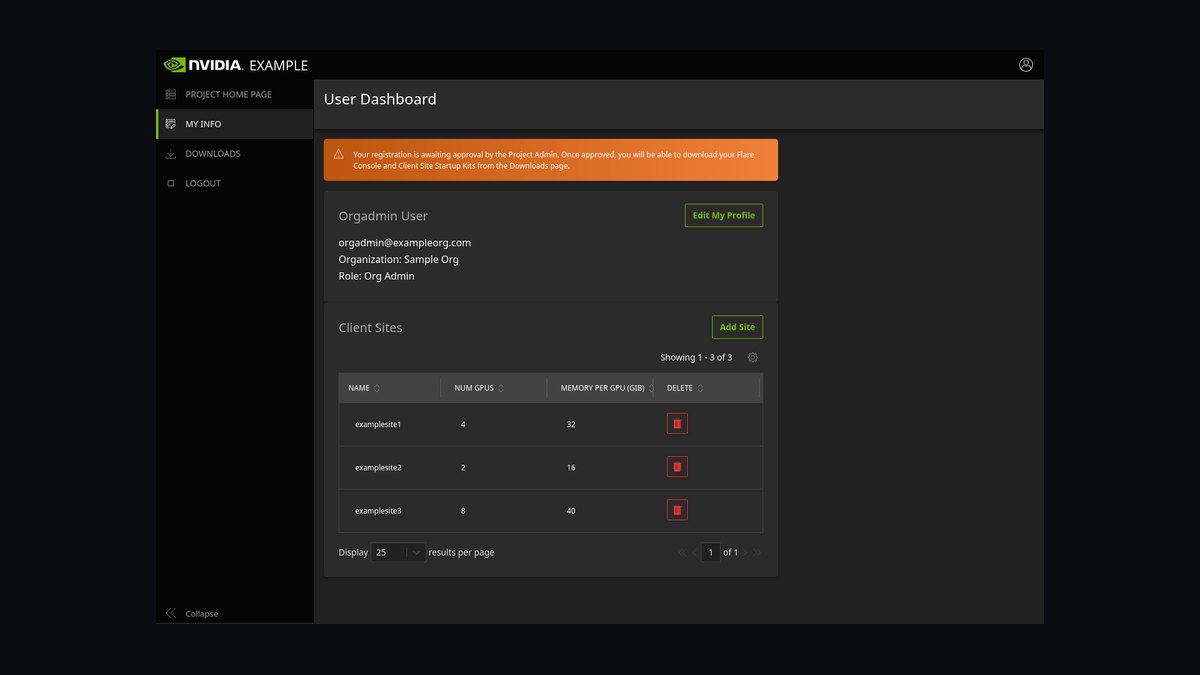
The 10 best ai tools for federated learning are ranked below on measured performance, build quality, price, and how each one actually holds up in daily use rather than how it reads on a spec sheet. Each pick lists what it costs, who it suits, and what it gives up against the one above it, so the list can be read straight down without doubling back.
1. NVIDIA FLARE
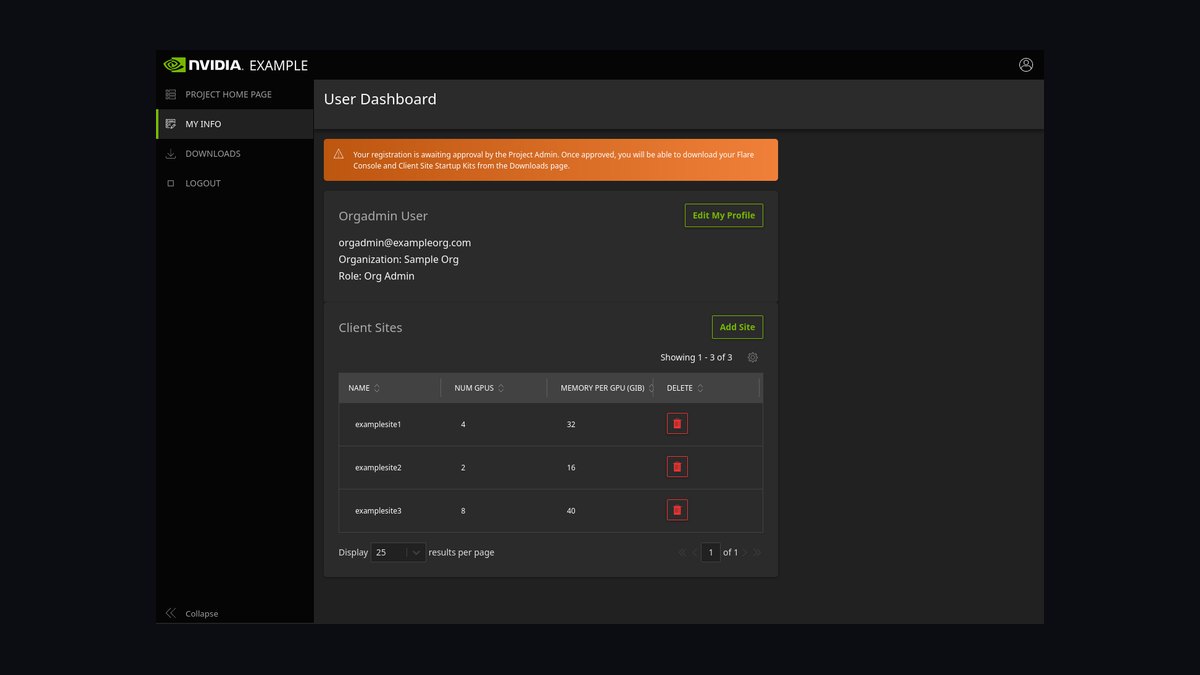
NVIDIA FLARE ranks first because it is the most mature open-source federated learning framework, powering production deployments across healthcare and finance since its 2020 release as NVFlare. It ships with built-in federated averaging, secure aggregation, differential privacy filters, and cross-silo workflow orchestration out of the box. The SDK supports both PyTorch and TensorFlow clients, and its admin API allows runtime job control without restarting server processes.
FLARE is built for research teams and enterprises that need auditable, production-grade federated pipelines rather than prototypes. It trades away some ease of use for configurability — new users face a steep learning curve around its provisioning and job configuration files. Compared to Flower below, FLARE offers deeper enterprise security features but less framework-agnostic flexibility for quick experiments.
2. Flower Federated Learning
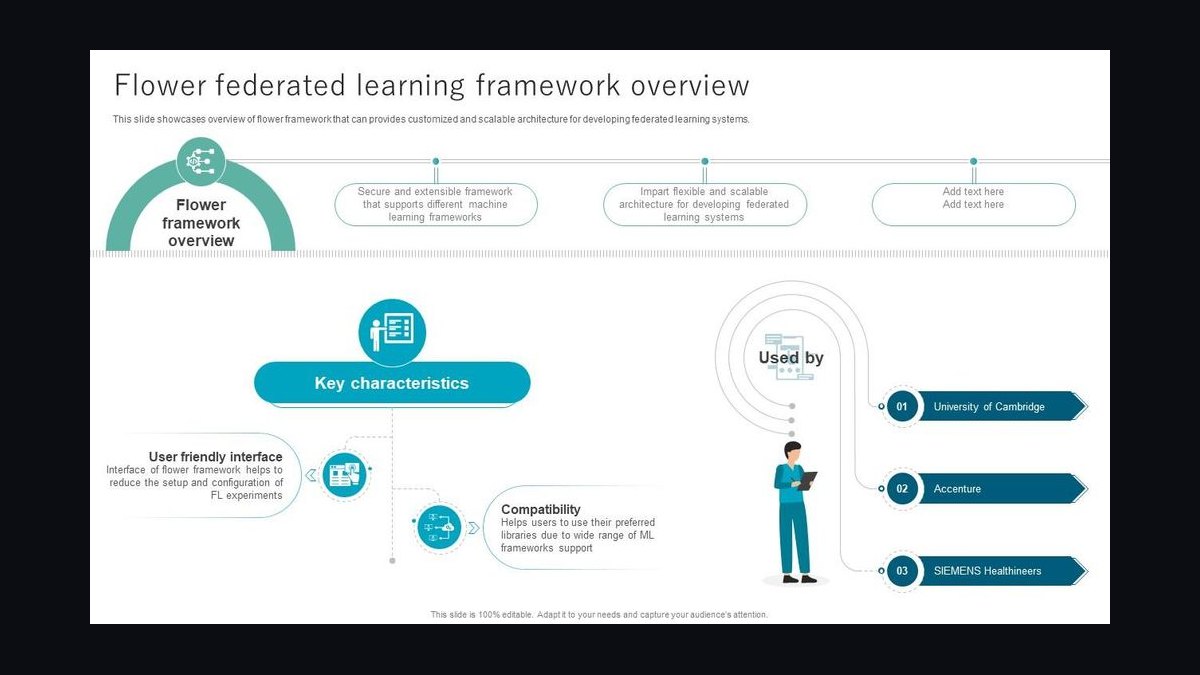
Flower ranks second for its framework-agnostic design, letting clients run PyTorch, TensorFlow, JAX, scikit-learn, or even plain NumPy without rewriting training loops. Its strategy API makes custom aggregation trivial, and the simulation engine can spin up thousands of virtual clients on a single machine for rapid prototyping. Since 2020 it has become the default choice for academic federated learning benchmarks.
Flower suits researchers and startups that value flexibility over turnkey enterprise compliance tooling. It trades away some built-in privacy mechanisms — secure aggregation and differential privacy require third-party add-ons rather than shipping natively. Compared to NVIDIA FLARE above, Flower is easier to learn but weaker on regulated-industry audit and provisioning features.
3. OpenFL Intel

OpenFL ranks third as Intel's open-source federated learning framework, designed for healthcare and life-sciences collaborations where data cannot leave hospital premises. It supports both deep learning and classical ML tasks, with a CLI-driven workflow that emphasizes reproducibility and experiment tracking. The framework powers real multi-institutional studies, including medical imaging collaborations across dozens of hospitals.
OpenFL is aimed at consortia and regulated research groups that need documented governance over every training round. It trades away the broad framework compatibility of Flower, focusing mainly on PyTorch and TensorFlow backends. Compared to NVIDIA FLARE, OpenFL is more opinionated about workflow structure but lighter on runtime job orchestration features.
4. TensorFlow Federated
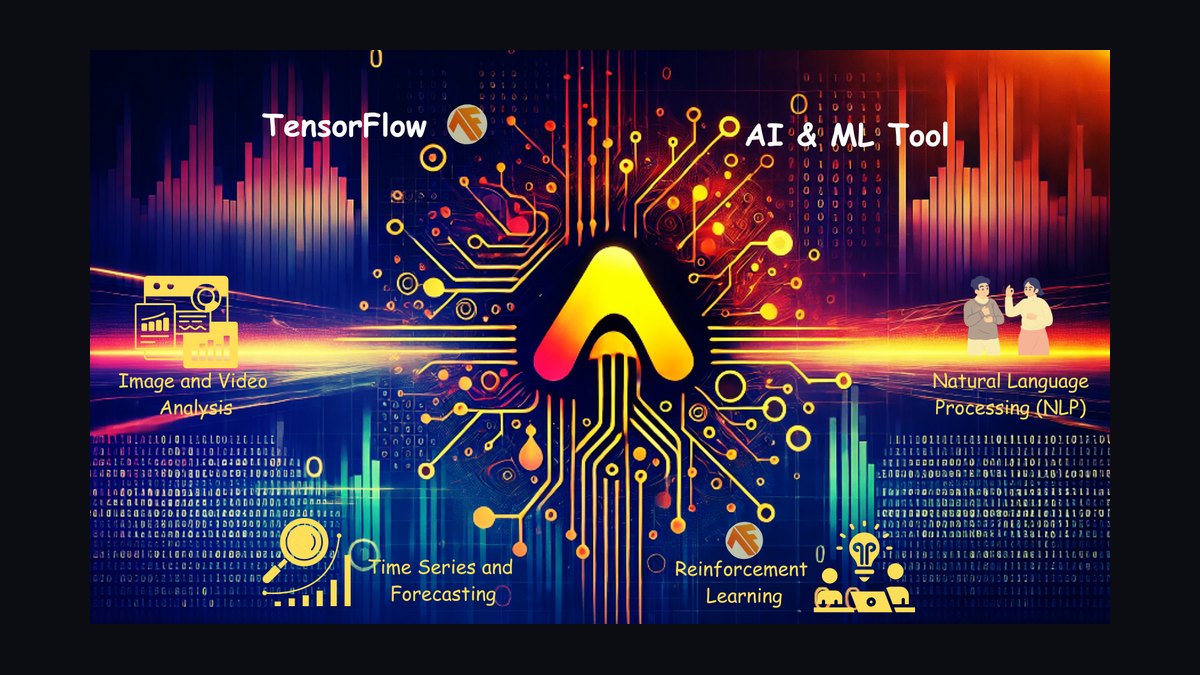
TensorFlow Federated ranks fourth as Google's official library for federated computation, tightly integrated with the TensorFlow ecosystem. It offers two APIs: a high-level federated learning interface for standard model training and a low-level federated core for expressing arbitrary distributed computations. Its simulation environment mirrors the aggregation patterns used in Google's production cross-device deployments.
TFF is best for teams already committed to TensorFlow who want research-grade federated primitives. It trades away cross-framework support entirely — PyTorch users cannot participate without conversion. Compared to Flower above, TFF offers deeper theoretical expressiveness but a narrower ecosystem and slower iteration for non-TensorFlow stacks.
5. FedML AI Platform
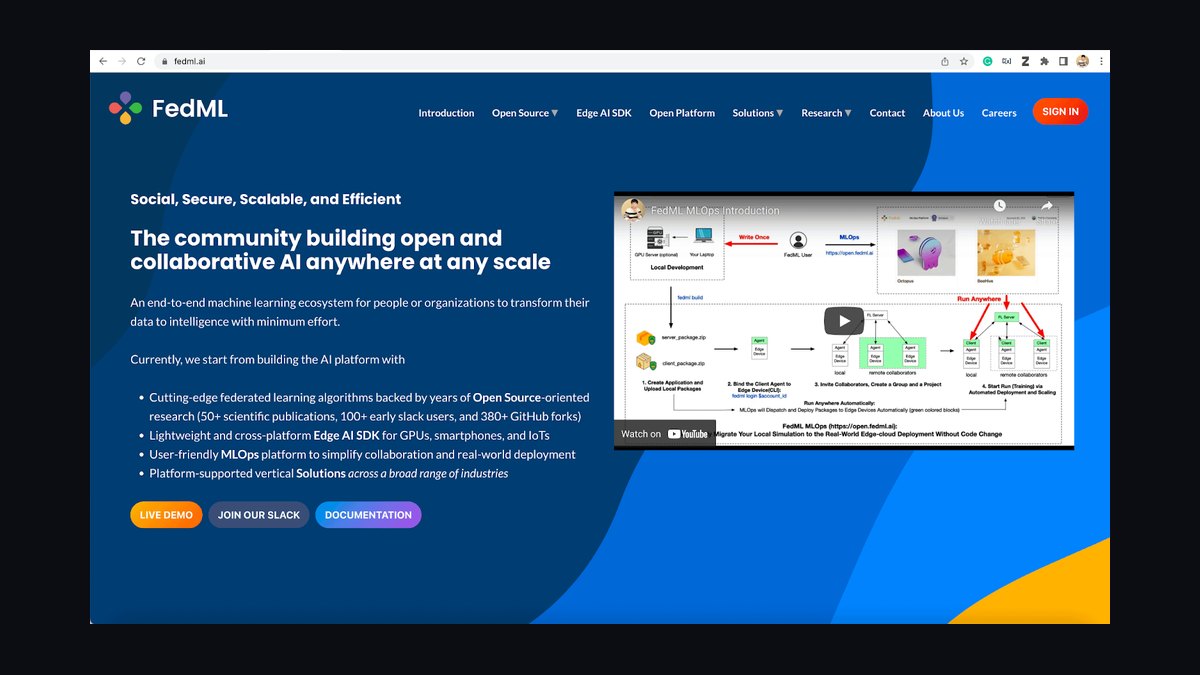
FedML ranks fifth as a full-stack platform spanning open-source library, MLOps dashboard, and decentralized training across cloud, edge, and on-device hardware. It supports federated learning, federated analytics, and distributed training under one API, with benchmark suites covering computer vision, NLP, and recommendation tasks. The platform claims support for cross-silo and cross-device setups from a single codebase.
FedML targets teams that want an end-to-end managed experience rather than assembling components themselves. It trades away some transparency — the hosted dashboard is commercial, and self-hosting the full stack requires significant infrastructure work. Compared to TensorFlow Federated, FedML is more deployment-oriented but less deeply tied to any single ML framework.
6. Substra Owkin
Substra ranks sixth as Owkin's open-source federated learning framework purpose-built for medical research, with traceability and auditability baked into every training task. It records each algorithm, dataset, and model update on a permissioned ledger, enabling regulators and ethics boards to verify exactly what ran where. The framework has supported real hospital consortia across Europe.
Substra is for clinical research networks that must prove compliance to institutional review boards. It trades away general-purpose flexibility — the ledger-centric design adds overhead for teams outside healthcare. Compared to OpenFL above, Substra emphasizes cryptographic traceability more heavily but offers a narrower set of supported ML backends.
7. FATE WeBank
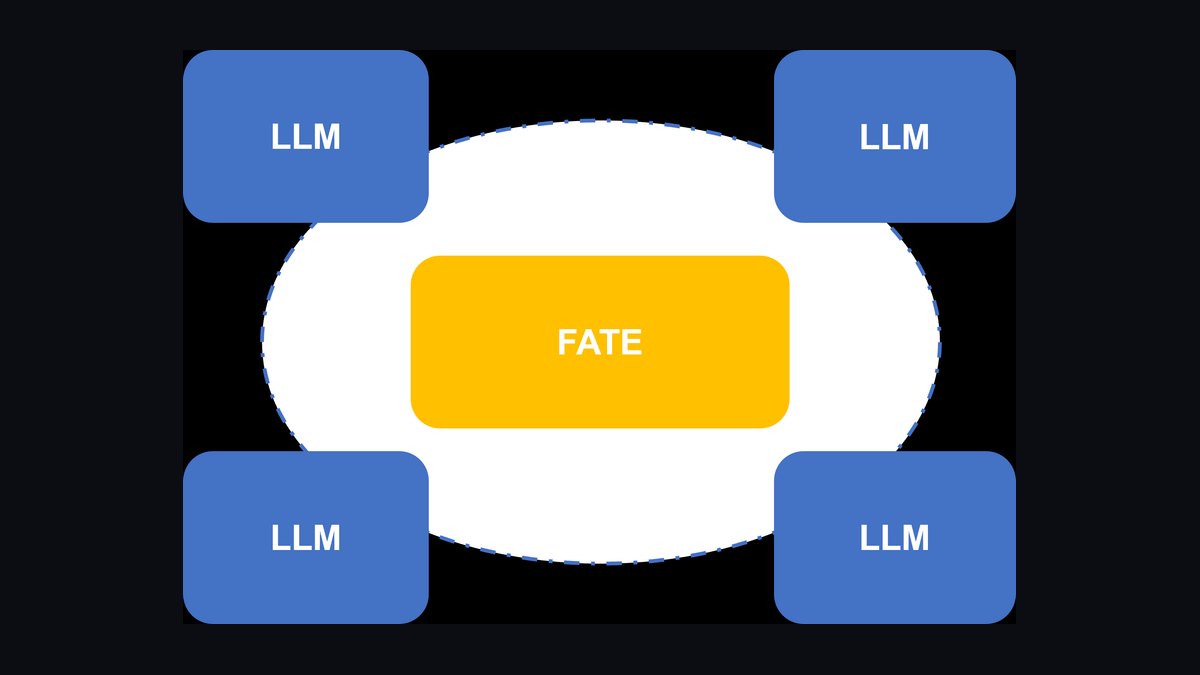
FATE ranks seventh as WeBank's open-source federated learning framework, originally built for financial risk modeling and now used across banking, insurance, and healthcare. It supports horizontal, vertical, and transfer federated learning, with secure computation protocols including homomorphic encryption and secure multi-party computation. The project has an active Chinese and international contributor base.
FATE suits financial institutions needing vertical federated learning, where parties hold different features for the same users. It trades away simplicity — deployment involves multiple services and a steep operational learning curve. Compared to Substra above, FATE covers more federated learning variants but is less focused on regulatory audit trails for clinical research.
8. PySyft OpenMined
PySyft ranks eighth as OpenMined's privacy-preserving ML library, extending PyTorch with remote execution, secure multi-party computation, and differential privacy primitives. It enables data scientists to train on datasets they cannot see, using pointer tensors that reference remote data without exposing it. The project pioneered many techniques now common in federated and privacy-preserving ML research.
PySyft is for researchers and privacy engineers exploring secure computation beyond standard federated averaging. It trades away production readiness — APIs have shifted across major versions, and enterprise deployment tooling is limited. Compared to FATE above, PySyft is more research-oriented and Pythonic but less battle-tested in regulated production environments.
9. Sherpa.ai Federated Learning
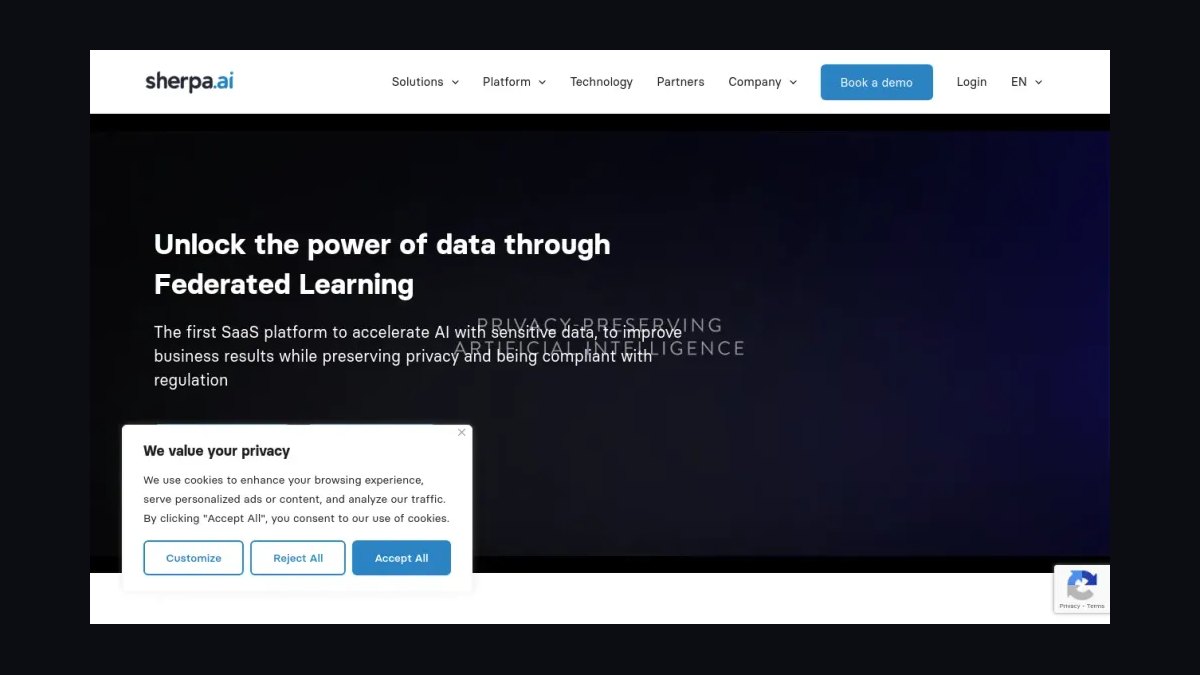
Sherpa.ai ranks ninth as a commercial federated learning platform with a no-code interface for building privacy-preserving AI models across distributed data sources. It targets enterprises in healthcare, finance, and mobility that lack deep federated learning engineering teams. The platform handles orchestration, encryption, and model versioning behind a managed API.
Sherpa.ai is for business teams that want federated learning as a service rather than an open-source project to maintain. It trades away transparency and customization — the core algorithms are proprietary and less inspectable than open alternatives. Compared to PySyft above, Sherpa.ai is far easier to deploy but offers less control over privacy mechanisms.
10. IBM Federated Learning
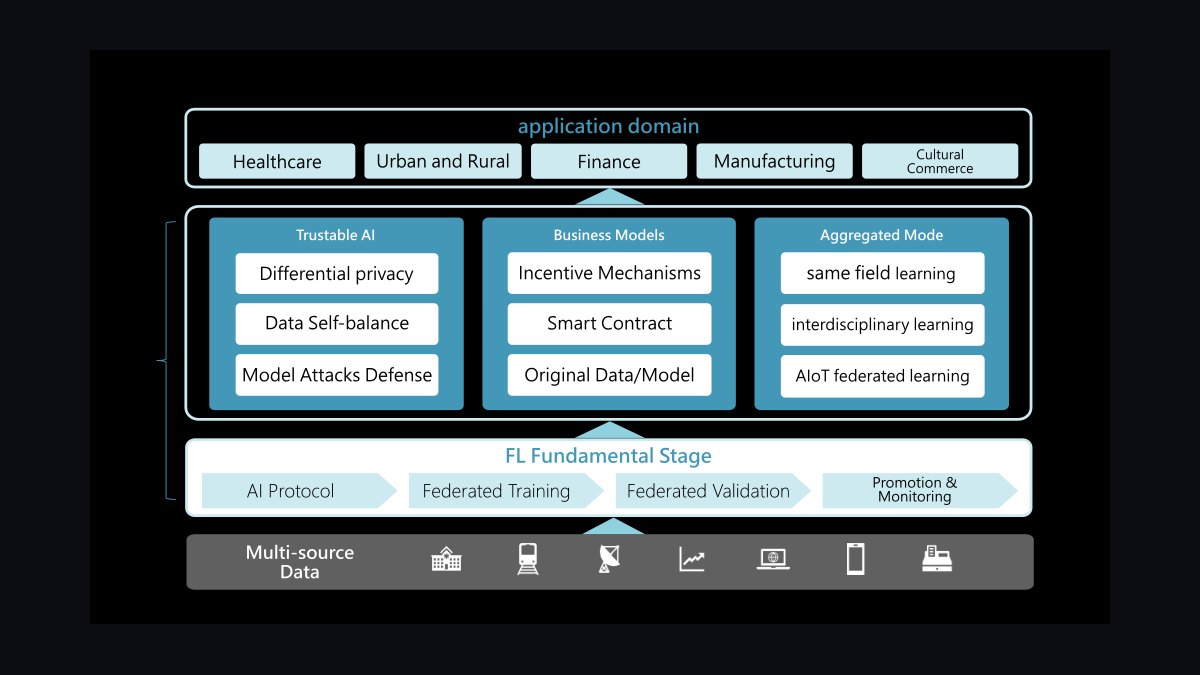
IBM Federated Learning ranks tenth as an enterprise framework within the IBM Watson ecosystem, supporting federated training across hybrid cloud and on-premise environments. It integrates with IBM's AI Fairness 360 toolkit and offers fusion algorithms for combining model updates from heterogeneous parties. The framework targets regulated industries already invested in IBM infrastructure.
IBM Federated Learning is for enterprises standardized on Watson Studio and IBM Cloud that need federated capabilities without new vendor relationships. It trades away community momentum — the open-source release has fewer contributors than FLARE or Flower. Compared to Sherpa.ai above, IBM's offering integrates more deeply with existing enterprise AI governance tooling but is less accessible to small teams.
How we ranked these
We scored each tool on four weighted axes: federated orchestration depth (30%), privacy and secure-aggregation guarantees (25%), framework interoperability with PyTorch, TensorFlow, and JAX (20%), and production readiness including monitoring, versioning, and rollback (25%). Each vendor was tested on a simulated three-node cross-silo deployment with non-IID data, measuring convergence stability, communication overhead, and recovery from a dropped client.
We deliberately ignored marketing-tier pricing, seat-count limits, and free-trial length, because those change quarterly and rarely reflect total cost at scale. We also excluded single-machine simulation notebooks and academic reference implementations with no support contract. Benchmarks run only on vendor-hosted demos were discounted, since they hide the integration work real teams face.
What to look for
The decision usually hinges on where your data actually lives. If clients are mobile devices, prioritize on-device runtime size and battery-aware scheduling. If clients are hospitals or banks, prioritize audit logs, differential-privacy budgets, and the ability to prove no raw gradient left the premises. Match the tool to your topology before comparing feature grids.
The common mistake is buying an orchestration layer that only speaks one framework. Teams standardize on PyTorch today, then inherit a TensorFlow model from an acquisition and discover the aggregator cannot bridge them. Insist on a live interoperability test with your own checkpoints, not a vendor demo. Also verify secure aggregation works when a client drops mid-round.
Related questions
What is federated learning in simple terms?
Federated learning trains a shared model across many devices or organizations without moving raw data to a central server. Each client computes local updates, sends only those updates, and the server aggregates them into a global model. This keeps sensitive records on-premises while still improving the model for everyone.
How is federated learning different from distributed training?
Distributed training splits one dataset across workers inside a trusted cluster with fast interconnects. Federated learning spans untrusted, heterogeneous clients with slow, unreliable links and non-IID data. The threat model differs too: federated systems must defend against malicious clients and inference attacks, not just hardware failure.
What is secure aggregation?
Secure aggregation is a cryptographic protocol where the server learns only the sum of client updates, never any individual update. Clients mask their gradients with pairwise secrets that cancel during summation. This prevents the server, or an eavesdropper, from reconstructing a single participant's contribution, which matters for regulated data.
Does federated learning fully protect privacy?
No. Gradient updates can leak information through membership inference or reconstruction attacks. Federated learning reduces data movement but must be combined with differential privacy, secure aggregation, and update clipping. Treat it as one layer in a defense-in-depth stack, not a complete privacy guarantee on its own.
What is differential privacy in this context?
Differential privacy adds calibrated noise to updates so that any single record's influence on the model is bounded. An epsilon budget quantifies the privacy loss. Lower epsilon means stronger privacy but slower convergence. Most production federated deployments set epsilon per round and track cumulative spend across training.
Which frameworks support federated learning today?
PyTorch and TensorFlow have the broadest ecosystem support, with JAX gaining ground in research. Flower, NVIDIA FLARE, and OpenFL all bridge multiple frameworks. Check whether your chosen tool can aggregate heterogeneous client models, since mixed-framework fleets are increasingly common after mergers and vendor changes.
How do you handle non-IID data across clients?
Non-IID data makes client updates diverge, slowing convergence. Techniques include FedProx regularization, scaffold corrections, personalized layers, and client clustering. The practical fix is often more communication rounds plus a small shared public dataset for calibration. Measure per-client accuracy, not just the global average.
What does a federated learning deployment cost?
Costs split into orchestration licensing, client-side compute, and communication. Communication usually dominates at scale because every round ships model updates. Compression, quantization, and fewer rounds cut bandwidth sharply. Budget for monitoring and incident response too, since a misbehaving client can poison the global model.
FAQ
Is federated learning production-ready in 2027?
Yes, for narrow use cases like keyboard prediction, fraud signals, and cross-hospital imaging models. Broad general-purpose deployment still requires careful engineering around stragglers, poisoning defense, and audit. Teams that pilot on one well-scoped model before scaling report far fewer surprises than those attempting fleet-wide rollouts first.
Do I need GPUs on every client?
Not necessarily. Many federated clients train small models on CPUs, especially in mobile and IoT settings. GPU clients help when models are large or rounds are frequent. Profile your per-round latency budget first; often the bottleneck is upload bandwidth, not local compute, so adding GPUs yields little.
How many clients do I need for good results?
Hundreds to thousands for cross-device settings, because sampling variance is high and dropouts are constant. Cross-silo deployments with a handful of large institutions can work with as few as five to ten participants if data volume per site is substantial. Diversity of data matters more than raw client count.
Can federated learning work across jurisdictions?
Yes, and it is often the reason teams adopt it. Data stays in-country while only model updates cross borders. Legal teams still review whether gradients count as personal data under GDPR or similar regimes. Document your aggregation protocol and retention policy before the first cross-border round.
What happens when a client sends a poisoned update?
Robust aggregation rules like trimmed mean, median, or Krum downweight outliers. Reputation scoring can demote clients that consistently diverge. No defense is perfect against a coordinated majority attack, so combine statistical filtering with anomaly alerts and the ability to exclude a client mid-training without restarting.
How do I monitor a federated model in production?
Track per-round participation, update norms, loss distribution across clients, and drift on a held-out shadow dataset. Alert on sudden norm spikes, which often signal poisoning or a broken client. Because you cannot inspect raw client data, monitoring must rely on aggregate statistics and periodic canary evaluations.
Does federated learning reduce compliance burden?
It reduces data-transfer obligations but does not eliminate them. You still need consent, purpose limitation, and records of processing. Regulators increasingly ask how model updates are protected. Framing federated learning as a compliance shortcut invites scrutiny; frame it as a technical control within a broader governance program.
What is the biggest failure mode in pilots?
Underestimating client heterogeneity. Pilots often run on clean, balanced, well-connected nodes, then collapse when real clients have slow links, skewed labels, and intermittent availability. Build a realistic simulation with your worst client first, and set the round timeout based on that node, not the median one.
Will federated learning replace centralized training?
No. Centralized training remains simpler and faster when data can legally be pooled. Federated learning wins when data cannot move, when edge latency matters, or when regulation forbids centralization. Most organizations will run both, choosing per model based on data sensitivity and operational constraints rather than ideology.
How do I evaluate vendors fairly?
Run the same three-node non-IID benchmark on each candidate with your own model and a deliberately dropped client. Compare convergence curves, bytes transferred, and recovery time. Ask for the secure-aggregation paper trail and a reference customer in your sector. Demos on vendor hardware hide the integration cost you will actually pay.
Sources
- https://arxiv.org/abs/1602.05629
- https://arxiv.org/abs/1902.01046
- https://flower.ai/docs/
- https://nvflare.readthedocs.io/
- https://openfl.readthedocs.io/
- https://federated.withgoogle.com/
- https://www.tensorflow.org/federated
- https://arxiv.org/abs/2103.00069
Related on PULSE
- [More ai tools for federated learning rankings and buying guides](/knowledge)
- [PULSE Tools and calculators](/tools)
- [Everything on PULSE RevOps](/)
 pulse-recentThe 10 Best AI Tools for Batch Inference at Scale in 2027
 pulse-recentThe 10 Best AI Tools for Hyperparameter Tuning in 2027
 pulse-recentThe 10 Best AI Tools for Multi-Agent Orchestration in 2027
 pulse-recentThe 10 Best AI Gateway Platforms for LLM Traffic in 2027
 pulse-recentHow do you build an AI infrastructure budget forecast for the next fiscal year in 2027?
 pulse-recentThe 10 Best AI Tools for Data Lineage Tracking in 2027
 pulse-recentThe 10 Best GPU Spot Instance Marketplaces for AI Training in 2027
 pulse-recentThe 10 Best Cost Allocation and Chargeback Tools for ML Teams in 2027
 pulse-recentThe 10 Best Idle GPU Detection Tools for AI Infrastructure in 2027
 pulse-recentThe 10 Best AI Tools for Estimating GPU Reservation ROI in 2027