
Can I use reverse osmosis water for a freshwater community tank?
 Curated byKory White · Fractional CRO · Maryland
 PULSEKNOWLEDGE LIBRARY
Quality
Certified
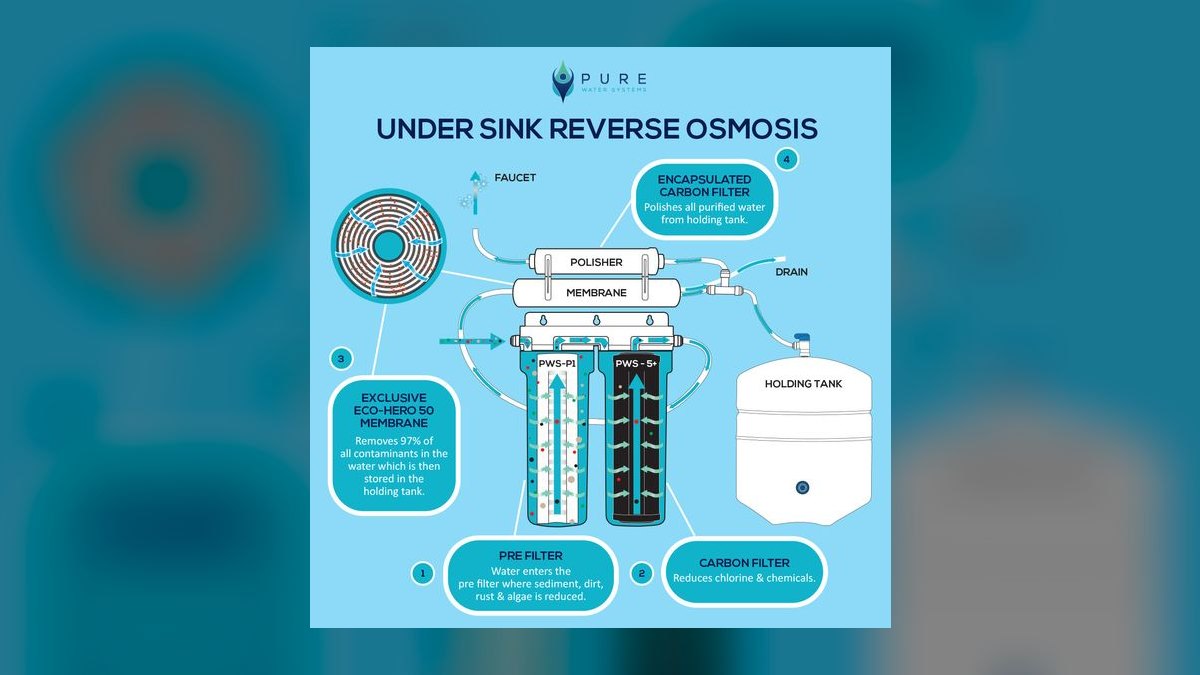
Yes, but only after remineralizing it. Straight reverse osmosis water has essentially zero hardness and zero buffering capacity, so pH swings violently and fish struggle to osmoregulate. Add a GH/KH mineral product or blend RO with dechlorinated tap water to reach roughly GH 4–8, KH 3–6, TDS 150–300 ppm.
What RO water actually is, and why the "purity" framing misleads people
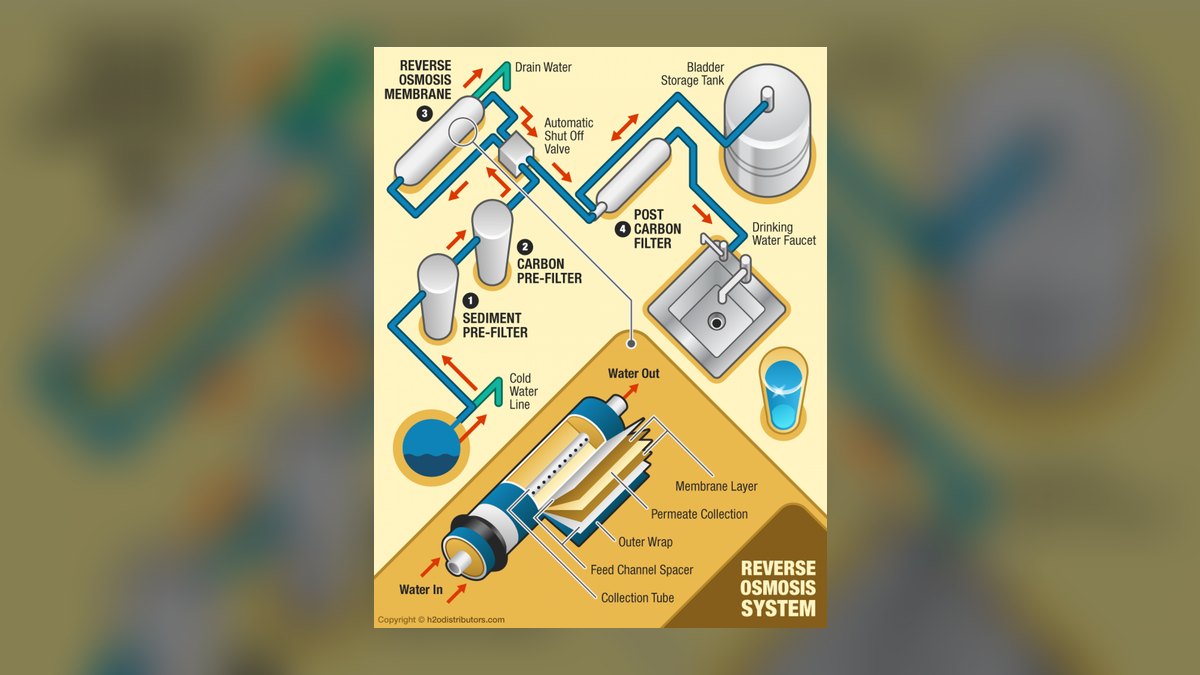
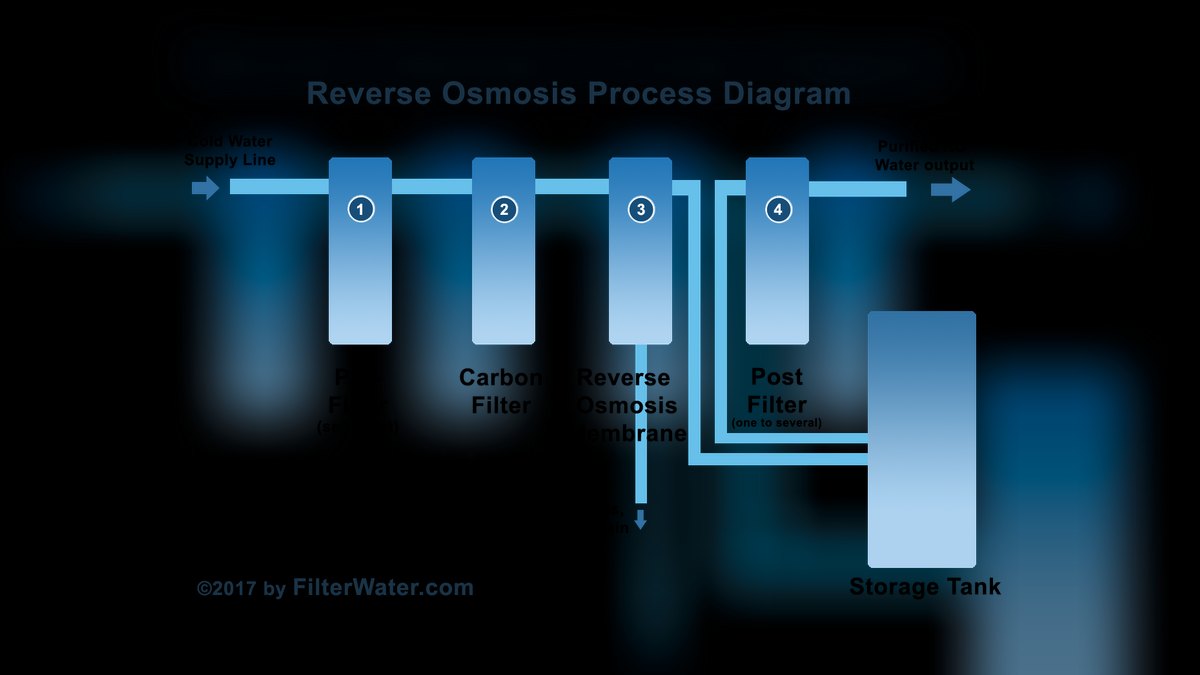
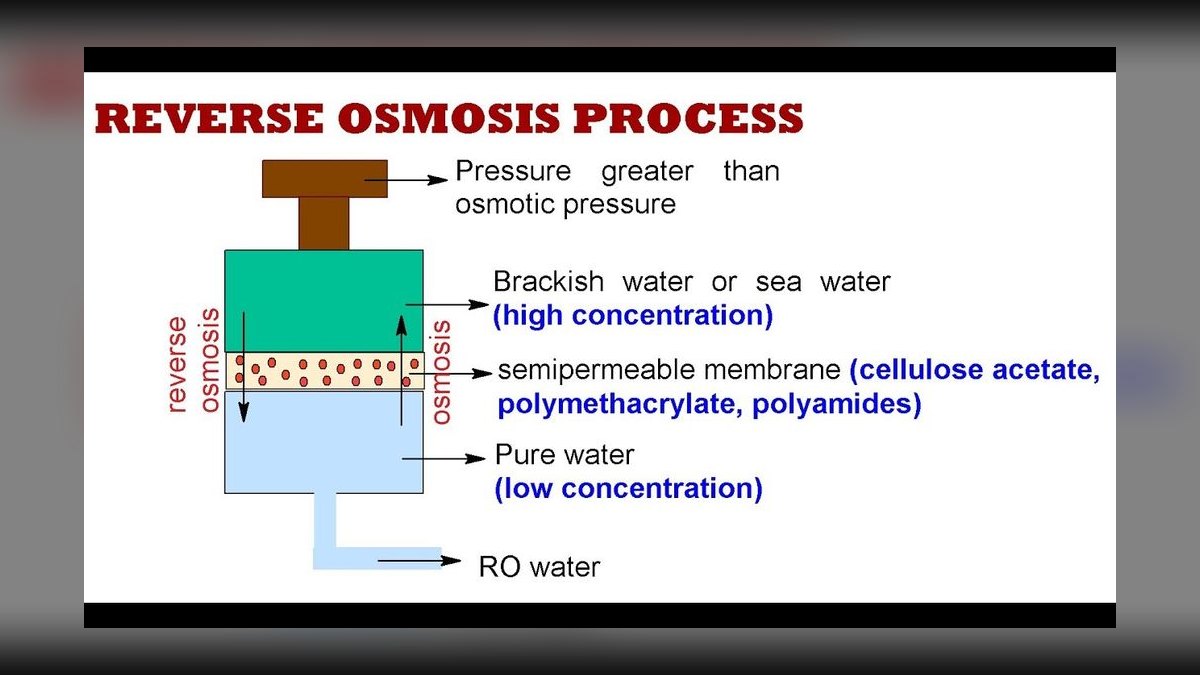
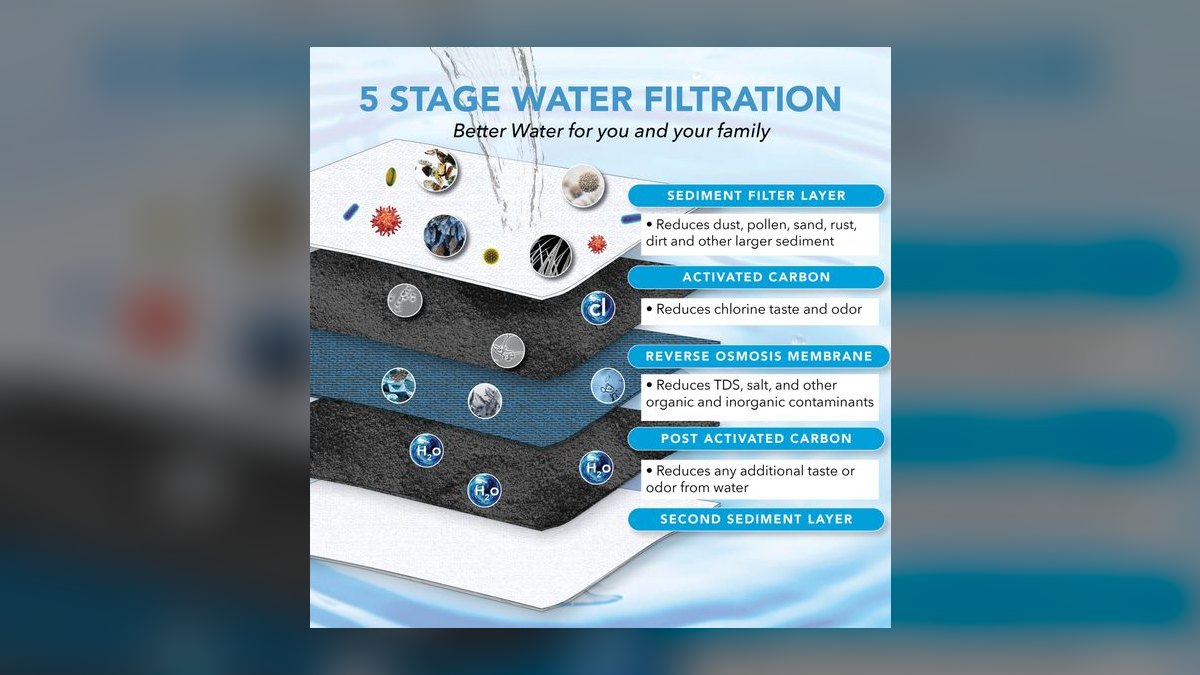
A reverse osmosis membrane pushes water against a semi-permeable film under household line pressure, typically 40–80 psi, and rejects the overwhelming majority of dissolved ions on the reject side. A well-maintained residential unit removes somewhere in the neighborhood of 90–99% of total dissolved solids depending on membrane age, feed temperature, and whether a DI resin stage follows the membrane. Tap water entering at 350 ppm TDS commonly leaves the membrane somewhere under 20 ppm; add a deionization cartridge and the output can read 0–2 ppm on a handheld meter.
The trouble is that "pure" and "safe" are not the same claim, and the aquarium hobby conflates them constantly. What the membrane strips out is not only the stuff you wanted gone — nitrate, phosphate, copper leached from old plumbing, chloramine byproducts, silicates that feed diatoms — but also everything your livestock and plants actually need dissolved in the water column. Calcium and magnesium, the two ions that general hardness (GH) measures, are not contaminants. Fish use calcium at the gill to regulate the permeability of their epithelium and to control how fast ions leak outward across the concentration gradient. Freshwater fish already live in a body of water more dilute than their own blood, meaning water constantly floods inward by osmosis and salts constantly bleed outward. Their kidneys and chloride cells run continuously to bail out excess water and reclaim ions. Drop the ambient calcium toward zero and you widen that gradient at exactly the moment you remove the ion most responsible for slowing the leak.
Carbonate hardness (KH) is the second casualty and arguably the more immediately dangerous one. KH measures bicarbonate and carbonate, the buffering pair that absorbs acid without letting pH move. A mature freshwater community aquarium generates acid constantly: nitrification converts ammonia to nitrite to nitrate and consumes alkalinity at roughly 7 mg/L of calcium carbonate equivalent for every 1 mg/L of ammonia-nitrogen oxidized. Add carbon dioxide from respiration, tannins from driftwood, and the organic acids from decomposing food, and you have a system that pushes downward on pH around the clock. KH is what stands in the way. At KH 0, nothing stands in the way. A tank running on unremineralized reverse osmosis water can read pH 7 in the evening and pH 5.2 the next morning after a single overfeeding, and that collapse takes the biofilter down with it — the nitrifying bacteria in a freshwater community system slow dramatically below about pH 6.0 and effectively stall in the high 5s, which strands ammonia in a tank whose fish are already stressed.
There is a related misconception worth naming because it drives so many bad decisions: people read that their target species comes from "soft, acidic blackwater" and conclude the goal is the lowest possible mineral content. Wild cardinal tetras and many Rio Negro species do inhabit water with conductivity under 20 µS/cm. But those are enormous, chemically stable bodies of water with decades of equilibrium behind them, and the fish in your tank are almost certainly captive-bred several generations deep in whatever the breeder's tap water was — frequently moderately hard. The wild parameter is a description of a habitat, not a prescription for a glass box holding twenty gallons.
The step-by-step remineralization process
The workflow below is the one that actually holds up over months rather than the one that works for a weekend. Mix in a separate container, never in the tank, because dosing powder directly into an occupied aquarium creates local concentration spikes and gives you no way to verify the result before livestock swims through it.
Start by measuring your RO output with a TDS meter every single time you make water. This is the cheapest diagnostic in the hobby and it is the one that tells you when the membrane is failing. A unit that has been producing 8 ppm for a year and suddenly produces 45 ppm has a membrane approaching the end of its life or a failed sediment/carbon prestage letting chlorine through to attack the film. Thin-film composite membranes are destroyed by chlorine — that is what the carbon block ahead of the membrane exists to prevent — and once the film is oxidized, rejection falls off permanently.
Then pick your mineral source and commit to it. There are three broad routes and they are not interchangeable:
A dedicated GH/KH remineralizer raises both hardness types together in a fixed ratio. This is the simplest path for a general community aquarium and the one to default to. Dose to a target TDS, then verify with liquid GH and KH drop tests rather than relying on TDS alone, because TDS meters read conductivity and convert with a generic factor — two waters at identical TDS can carry very different calcium content.
A GH-only remineralizer plus a separate alkalinity buffer gives you independent control of the two axes. This matters when you want GH 6 for shrimp molting and plant nutrition but KH only 2–3 so that CO2 injection can drive pH down without fighting a wall of carbonate. It is more work and more test kits, and it is unnecessary for a straightforward community tank.
Blending RO with dechlorinated tap water is free, uses no additives, and is the option most people should try first. It also carries forward whatever is in the tap — nitrate, phosphate, copper — in proportion to the blend ratio, which is precisely why some people bought the RO unit in the first place.
Blend math is straightforward proportional dilution. Measure your tap GH and target the mix:
- Tap at GH 12, target GH 6 → 50% tap, 50% RO
- Tap at GH 16, target GH 6 → roughly 37% tap, 63% RO
- Tap at GH 8, target GH 6 → 75% tap, 25% RO
Do the same arithmetic on KH separately, since tap water rarely presents GH and KH in a convenient ratio. Municipal supplies fed from limestone aquifers often run KH nearly equal to GH; supplies treated with lime softening or drawn from surface reservoirs can be lopsided in either direction. Where the two calculations disagree, split the difference and top the shortfall with a small dose of the corresponding additive.
Dissolution time is the step people skip. Powdered calcium sulfate and magnesium sulfate blends need real agitation and real time — twenty to thirty minutes with a small circulation pump, not thirty seconds of stirring. Test too early and you will read low, over-dose to compensate, and land high once the rest finally dissolves. Sodium bicarbonate, which is what most KH buffers are built around, dissolves quickly by comparison. If you are going to store premixed water in a barrel, aerate it — freshly mixed water is often out of equilibrium with atmospheric CO2, and pH will drift upward over the first several hours as excess CO2 outgasses. Testing pH immediately after mixing and panicking at the number is a common and avoidable mistake.
Temperature match matters more than it seems. A 6–8°F mismatch on a 25% water change moves the whole tank several degrees, and thermal shock stacked on a chemistry change is what turns an uneventful maintenance session into a week of ich treatment.
Costs, timelines, and the ranges that actually apply
A residential under-sink or countertop RO unit sized for aquarium use generally lands in the $60–200 range for a 50–100 gallon-per-day system, with RO/DI units carrying DI resin stages running higher. Replacement economics matter more than the purchase price over a multi-year horizon: sediment and carbon prefilters typically want replacement every 6–12 months depending on feed quality, and the membrane itself often lasts 2–5 years if the prefilters are actually kept current. Neglect the carbon block and that membrane life collapses, which is the single most expensive mistake in RO ownership.
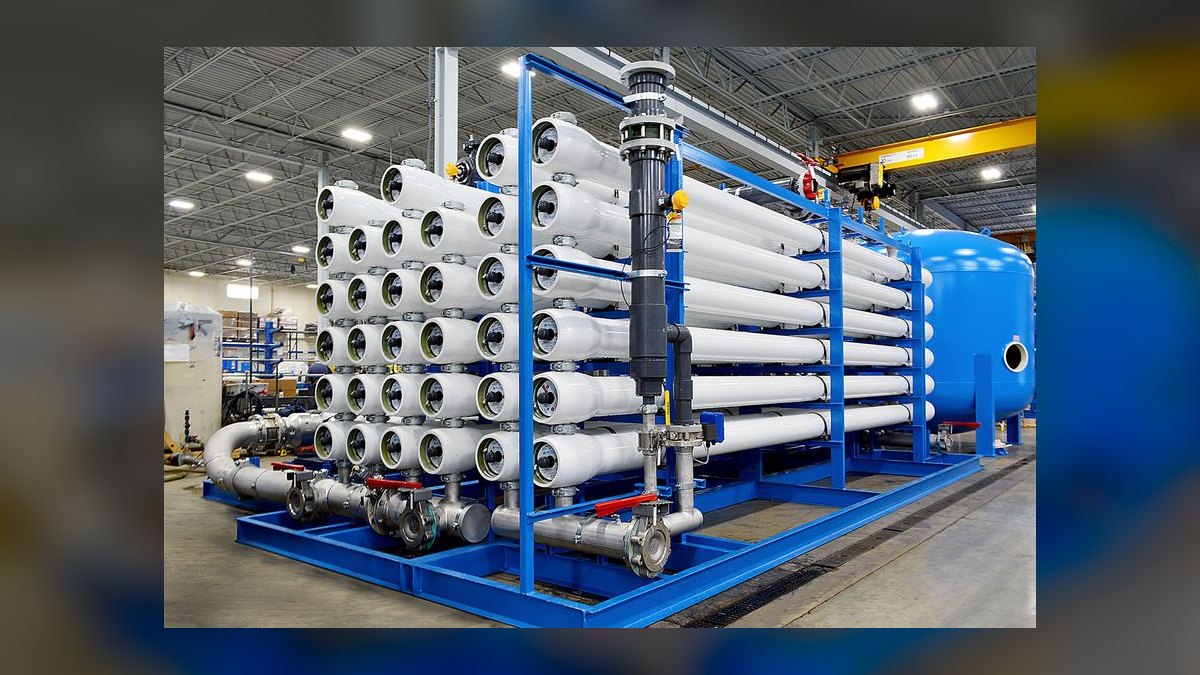
Waste ratio is the operating cost nobody budgets for. Standard units reject somewhere around 3–4 gallons to drain for every gallon of permeate produced, and the ratio worsens in cold weather because membrane flux drops with feed temperature. Making 20 gallons of RO water for a weekly change on a large freshwater community system can mean 60–80 gallons down the drain. Permeate pumps and higher-recovery configurations improve this meaningfully but add complexity and cost. Some people plumb the reject line to irrigation, which is fine for landscaping tolerant of elevated mineral content and terrible for anything sensitive.
Remineralizer consumption is modest. A GH/KH product dosed to raise a moderate amount of hardness in 20 gallons weekly will run a container for months, and the per-water-change cost typically sits well under a dollar. Test kits are the recurring line item people underestimate: a liquid GH/KH kit gives you a few hundred tests, a TDS meter needs occasional calibration solution, and a pH kit or probe rounds it out. Budget for replacing reagents annually — old titration reagent drifts and gives you confidently wrong numbers.
Timelines are where expectations most often break. Converting an established freshwater community aquarium from hard tap to a softer RO-based mix is not a weekend project. Moving GH from 14 down to 6 safely takes four to eight weeks of incremental water changes, because the safe rate of change is roughly 1–2 dGH per week and no more than about 0.2 pH units in a day. Fish tolerate a wide range of absolute parameters far better than they tolerate rapid movement between them; a tetra will live perfectly well at GH 10 and perfectly well at GH 4, and can die going from one to the other in an afternoon. Meanwhile, the substrate, driftwood, and rock in an established tank hold a mineral reservoir that leaches back, so measured progress lags your water-change math by a noticeable margin — expect the tank to read harder than your replacement water for weeks.
Setting up a new tank on RO from day one is much faster because there is nothing to transition. Mix to target, fill, cycle the biofilter over four to eight weeks with an ammonia source, and stock. The KH you establish at the start is worth choosing deliberately: KH 3–4 gives you enough buffer to survive normal acid production while leaving room for gentle downward pH movement, whereas KH 8+ pins pH firmly in the high 7s regardless of what else you do.
Volume planning is worth a moment of arithmetic. A 40-gallon community system on 25% weekly changes needs 10 gallons of finished water per week, or roughly 520 gallons a year. At a 4:1 waste ratio that is over 2,500 gallons through the unit annually — which is exactly why membrane and prefilter sizing should match your actual maintenance schedule rather than the smallest unit on the shelf.
Where hobbyists get reverse osmosis wrong
The most consequential error is running an aquarium at KH 0 or KH 1 and interpreting the resulting pH chaos as a livestock problem. Someone reports fish gasping, a stalled cycle, and pH readings that differ between morning and night, and the diagnosis chases disease, filtration, or stocking. The actual cause is that there is nothing in the water to hold pH steady. Restore KH to 3 or above and the symptom set frequently disappears within a week. This failure mode is specific to reverse osmosis and to very soft natural supplies; it essentially never happens on hard tap water, which is why so much general aquarium advice does not address it.
Second: using TDS as the only measurement. TDS is a proxy for total ionic content, not a description of which ions. You can hit 200 ppm with a sodium-heavy buffer and still leave calcium too low for shrimp to molt or plants to build cell walls. Sodium contributes to conductivity as readily as calcium does, and a TDS meter cannot tell you which one it just read. Use TDS as a fast day-to-day consistency check and liquid GH/KH tests as ground truth whenever anything changes.
Third: topping off evaporation with remineralized water. Water evaporates; dissolved minerals do not. Replace evaporative loss with plain RO and only replace *removed* water with remineralized mix. Get this backward and TDS climbs steadily week over week, which is a slow-motion version of the exact problem RO was supposed to solve. On a heated open-top tank losing a gallon a week, topping off with mineralized water instead of plain RO can add meaningfully to hardness inside a couple of months.
Fourth: adjusting pH with acid or alkalinity products instead of adjusting KH. Acid buffers work by consuming carbonate. On water that already has near-zero KH, they drive pH down fast and leave you with nothing holding the new value, which produces the sawtooth pH pattern that stresses fish far more than a stable "wrong" pH ever would. Set KH deliberately and let pH settle where that KH and your CO2 level put it.
Fifth: mixed-species stocking with irreconcilable requirements. A tank holding livebearers that want GH 10–20 alongside soft-water characins and Caridina shrimp that want GH 4–6 has no correct answer, and RO does not create one. Choose a coherent group of species around one water profile. This is a stocking decision that should precede the equipment decision, and reversing that order is how people end up with an expensive RO unit and a tank that still does not work.
Sixth: assuming the membrane is fine because water is coming out. Rejection degrades gradually. Without a TDS meter reading both input and output, you can spend months slowly reintroducing everything you bought the unit to remove. Log both numbers each time you make water and watch the rejection percentage rather than the raw output figure — a rising output number on a rising input number may be seasonal source variation rather than membrane failure, and only the ratio distinguishes them.
Seventh, and more subtle: over-correcting after a bad test. Someone reads GH 3 against a target of 6, doses for the full difference, does not wait for dissolution, tests again, reads 5, doses again, and lands at 11 by evening. Change one variable, wait a full mixing cycle, retest, and accept slow convergence. The tank does not care whether you hit target this hour.
Deciding whether reverse osmosis belongs in your setup at all
The honest starting position is that most freshwater community aquariums do not need RO. If your tap water tests within a reasonable window — GH roughly 4–12, KH 3–8, nitrate under about 20 ppm, no copper problem from plumbing, chloramine handled by a conditioner — then dechlorinated tap water is more stable, cheaper, and less error-prone than any RO workflow. The stability argument is the strong one: a tap-water tank has a consistent input that does not depend on you correctly dosing powder at 10pm on a Sunday. Every remineralization step is an opportunity for a mistake, and a system with fewer steps fails less often.
Reverse osmosis earns its place when tap water is genuinely unsuitable or when you need precise control that tap simply cannot give:
Contaminated or extreme source water. Nitrate above 40 ppm out of the tap, copper from old pipes at levels that kill invertebrates, or hardness so extreme (GH 25+) that soft-water species are off the table. Here RO is not a refinement, it is the only path.
Species with narrow requirements. Wild-caught Apistogramma, discus, chocolate gouramis, and many Caridina shrimp lines want water most municipal supplies cannot produce. Breeding often demands softer water than simple maintenance does, since egg membranes in some species fail to develop properly above certain hardness thresholds.

High-tech planted tanks running CO2. Precise control of KH lets you set how far CO2 injection moves pH and how much room you have before hitting the biofilter's lower limit. Starting from a blank slate also means your fertilizer dosing is the whole story rather than tap water plus an unknown.
Reproducibility across a fish room. If you run multiple tanks, mixing every one from RO to a known recipe means every tank has identical, documented chemistry regardless of what the utility did to the supply this month. Seasonal source switching between reservoirs and wells can move municipal hardness substantially, and RO insulates you from that entirely.
The adjacent question worth asking before buying anything is whether the problem is water chemistry at all. Plenty of "my water must be wrong" situations turn out to be overstocking, an undersized filter, a maintenance interval that slipped, or a species that was never appropriate for the tank. Chemistry is the most measurable variable, which makes it the most attractive one to blame. Test first, and change one thing at a time.
Related questions
Does RO water work for a saltwater tank the same way?
Reef systems use RO or RO/DI water almost universally, but the process differs: you mix synthetic sea salt to a specific gravity around 1.025 rather than dosing freshwater remineralizers. Saltwater keepers push for the lowest possible TDS because silicates and phosphates in tap water feed nuisance algae aggressively.
Can I use distilled or deionized water instead?
Both behave like RO water — near-zero hardness and buffering — so the same remineralization requirement applies. Distilled is impractical at aquarium volumes due to cost. DI resin polishes RO output to near 0 TDS and is common in reef use but generally unnecessary for a freshwater community tank.
Do I still need a dechlorinator with RO water?
Not for the RO portion; the carbon prefilter removes chlorine and the membrane rejects most chloramine byproducts. If you blend with tap water, dechlorinate the tap portion before combining. Always dechlorinate tap used for emergency top-offs or when the RO unit is offline.
Will RO water help with algae problems?
Sometimes, indirectly. If your tap water carries significant phosphate, nitrate, or silicate, removing it eliminates a nutrient source. But algae in a well-fed tank is usually driven by light duration, feeding rate, and organic load rather than source water, so RO alone rarely fixes it.
How do I know when my membrane needs replacing?
Track rejection percentage rather than raw output TDS. Measure input and output each time you make water. When rejection falls below roughly 90%, or output TDS climbs substantially on stable input, the membrane is failing — often because a spent carbon prefilter let chlorine through.
FAQ
Can I put straight RO water into a freshwater community tank in an emergency?
For evaporative top-off, yes — replacing evaporated water with plain RO is actually the correct practice, since minerals stay behind. For an actual water change, no. Straight RO as replacement water dilutes hardness and buffering in the tank, and on a large change that can move pH sharply. If you have no remineralizer available, use dechlorinated tap water instead and correct the chemistry later.
How long after remineralizing can I use the water?
Give it twenty to thirty minutes of active circulation for full dissolution, then test. Many people mix a day ahead with an airstone running, which lets the water reach equilibrium with atmospheric CO2 so the pH reading you get is the pH you will actually have in the tank. Testing immediately after mixing often shows a temporarily depressed pH that corrects itself as CO2 outgasses.
What GH and KH should I target for a general community tank?
GH 4–8 and KH 3–6 covers the overwhelming majority of commonly kept community species, including tetras, rasboras, corydoras, and most common plants. Stability inside that window matters more than the exact number. If your stocking leans toward livebearers, shift upward; if it leans toward soft-water characins and dwarf cichlids, shift toward the lower end and hold it there.
Is a TDS meter enough, or do I need GH and KH test kits?
You need both. TDS is fast and excellent for spotting drift and for checking membrane performance, but it cannot distinguish calcium from sodium, and it tells you nothing about your buffering reserve. Use TDS daily-to-weekly as a consistency check and liquid GH/KH tests whenever you change a recipe, add a new mineral product, or troubleshoot a problem.
Why did my pH crash even though I remineralized?
Almost always because KH was set too low, or because it was consumed faster than expected. Nitrification steadily eats alkalinity, and a heavily stocked or heavily fed tank burns through it faster. If KH reads near zero at the end of a week, either raise the starting KH or shorten the interval between water changes. A tank whose KH is measurably declining between changes is telling you its acid load exceeds its buffer supply.
Can I mix RO water and tap water without any additive at all?
Yes, and it is the most common approach for people whose tap water is simply too hard rather than contaminated. Measure tap GH and KH, calculate the ratio that lands you in your target window, and mix consistently. The caveat is that blending carries over a proportional share of everything in the tap — including nitrate and any copper — so it is the wrong choice when contamination, not hardness, was the original problem.
Sources
- USGS — Hardness of Water
- EPA — Secondary Drinking Water Standards
- EPA — Chloramines in Drinking Water
- University of Florida IFAS — Water Hardness and Alkalinity in Aquaculture
- University of Florida IFAS — Ammonia in Aquatic Systems
- NOAA Fisheries — Aquaculture Water Quality
- Seachem — Product Information
- API Fish Care — Freshwater Master Test Kit
- CDC — Water Treatment Methods
Related on PULSE
- [Top 10 Reverse Osmosis Units for Freshwater Tanks](/knowledge/aq0889)
- [Top 10 Reverse Osmosis Deionization Units for Freshwater Aquariums](/knowledge/aq0828)
- [Top 10 Reverse Osmosis Systems for Reef Aquariums](/knowledge/aq0950)
- [Top 10 Reverse Osmosis/Deionization (RO/DI) Systems for Reef Tanks](/knowledge/aq0908)
- [What is the ideal water temperature for a tropical community tank?](/knowledge/aq0985)
This page will be disappearing soon. Save it to your device for $1 — or read it free while it is here.
@Kory-White- · if Venmo asks, the last 4 of my number are 2012
This page is gone.
This one is off the shelf now. $1 keeps it on your phone for good — the whole page, pictures and diagrams included.
 pulse-aquariumsWhat is the best quiet canister filter for a 40-gallon breeder tank in a bedroom?
 pulse-aquariumsHow do I treat fin rot in freshwater fish without medication?
 pulse-aquariumsTop 10 Aquarium Glass Scrapers with Long Handles for Deep Tanks (2027)
 pulse-aquariumsTop 10 Planted Tank CO2 Regulators for Beginner Aquascapers in 2027
 pulse-aquariumsWhat type of gravel is safe for goldfish that might eat it?
 pulse-aquariumsBest automatic fish feeder for pelleted food that doesn't clog or overfeed?
 pulse-aquariumsWhat size aquarium heater is safe for a 20-gallon tall tank?
 pulse-aquariumsWhy is my aquarium pH dropping overnight and how to prevent it?
 pulse-aquariumsTop 10 Automatic Fish Feeder Timers for Vacation Care (2027, Dial vs. Digital)
 pulse-aquariumsTop 10 Planted Aquarium Substrates Compared 2027