
How do I treat fin rot in freshwater fish without medication?
 Curated byKory White · Fractional CRO · Maryland
 PULSEKNOWLEDGE LIBRARY
Quality
Certified
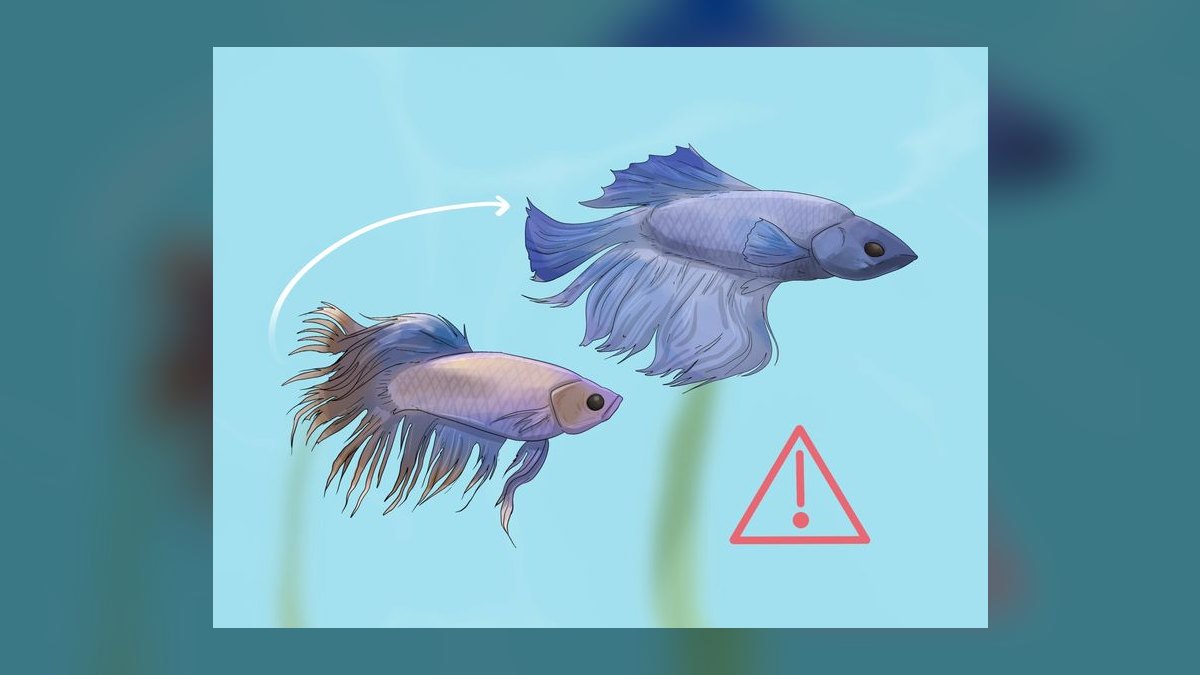
Treat mild fin rot without medication by fixing water quality first: test ammonia and nitrite to 0 ppm, nitrate under 20, then do 25–50% dechlorinated water changes daily or every other day. Hold species-appropriate temperature, remove the stressor causing it, feed high-quality food, and expect visible regrowth in one to three weeks.
The outcome you should expect from a medication-free approach
Set your expectations against what fin rot actually is before you judge whether the water-only route is working. Fin rot is not a single organism. It is an opportunistic infection — usually gram-negative bacteria like *Aeromonas*, *Pseudomonas*, or *Flavobacterium columnare* — colonizing tissue that a stressed, immune-suppressed fish can no longer defend. Those bacteria live in every freshwater aquarium on earth, including healthy ones. They are not invaders you exterminate; they are residents that got an opening. That distinction is the whole basis of the no-medication approach: you are not killing a pathogen, you are closing the opening and letting the fish's own immune system finish the job.
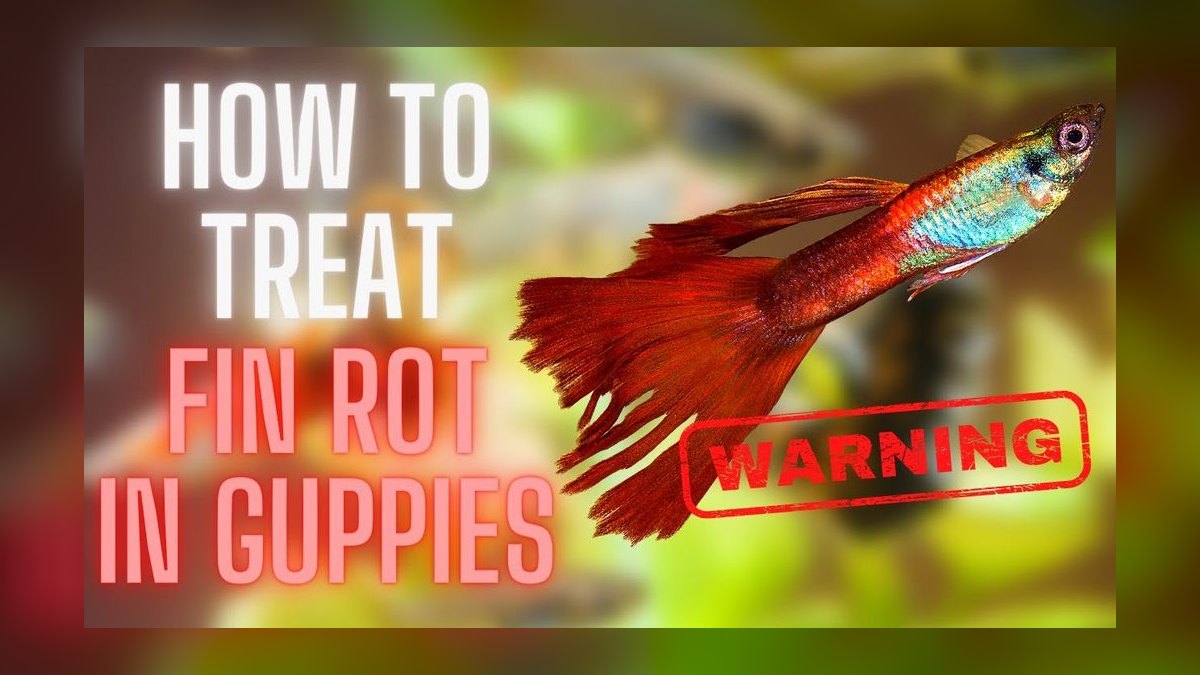
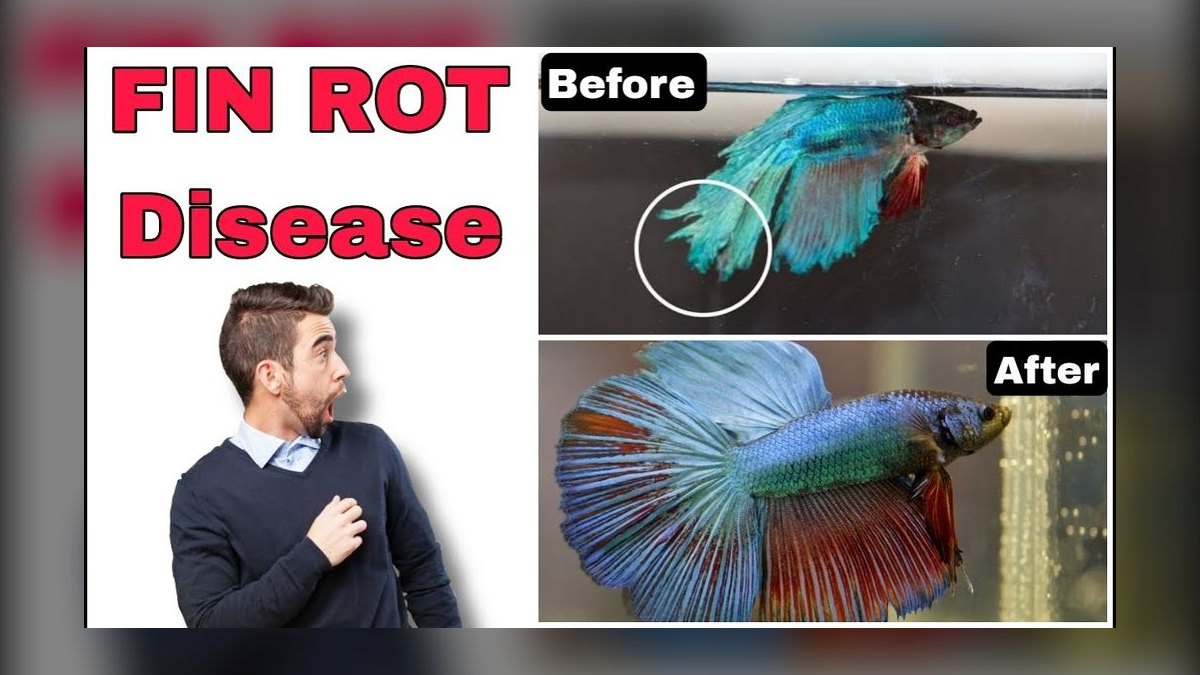
So the realistic outcome depends almost entirely on the stage you caught it at. Catch it at the frayed-edge stage — fins look ragged or slightly translucent at the margins, maybe a thin white or gray line along the edge, but the fin membrane is otherwise intact and the fish eats normally — and clean water plus stressor removal resolves it in the large majority of cases. You should see the advancing edge stop within 3–5 days and clear new membrane growth (it comes in transparent and unpigmented, which frightens people who think it looks worse) starting around day 5–10. Full cosmetic recovery of a betta's flowing caudal fin can take 4–8 weeks; a tetra's short fins can look normal in two.
Catch it late — rot eaten into the fin base, red or bloody streaks at the peduncle, body ulceration, a fish sitting on the substrate refusing food, or fungal cotton growth riding on the damaged tissue — and the honest answer is that environment alone will probably not save the fish. Systemic infection has moved past the point where a healthy immune system can catch up, and the fish's energy budget is going to stress response instead of healing. At that stage the responsible choice is medication, and holding to a medication-free philosophy is choosing the philosophy over the animal.
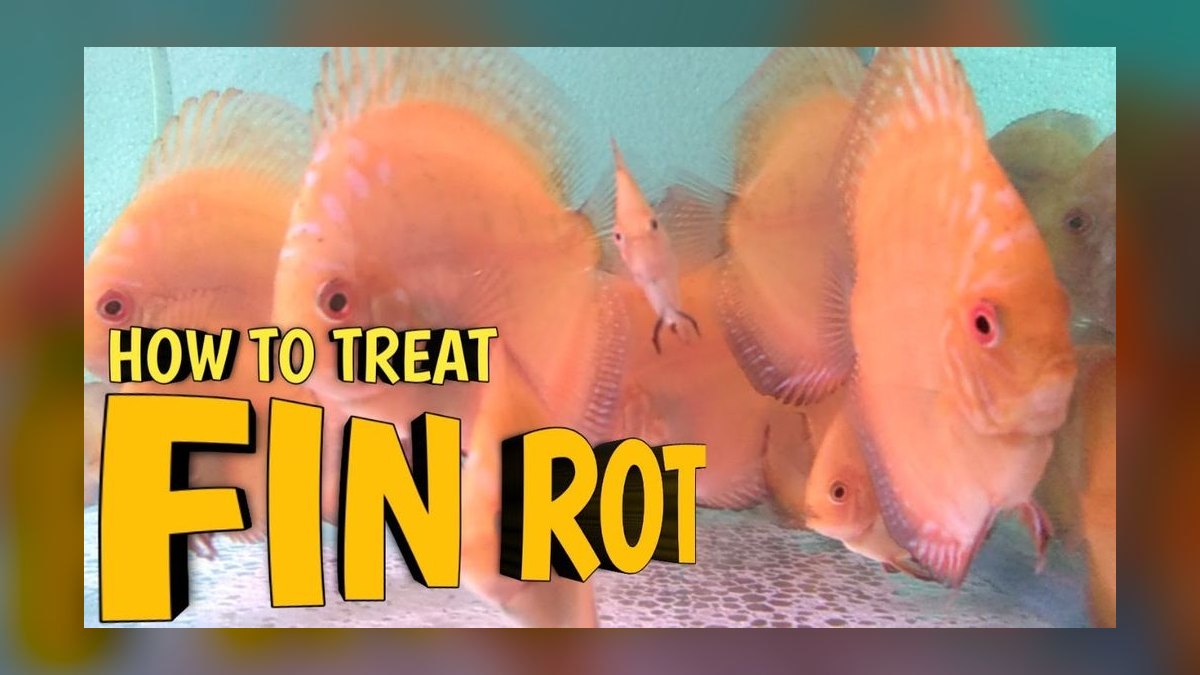
There is a middle zone that trips people up: fin rot that stops advancing but never visibly regrows. That usually means the water is now fine but the fin base was damaged past the regenerative tissue, or the fish is old, or the original stressor (a nipping tank mate, a filter intake, a chronic low-grade ammonia source) is still present. Non-advancing rot with no regrowth is not a failure of the method — it is a signal to go looking for what you missed upstream.
One more expectation to calibrate: this approach costs you time and consistency, not money. Doing it right means 15 minutes a day for two weeks. Most medication-free treatments fail not because the theory is wrong but because the keeper does three good water changes, gets bored, and drifts back to weekly maintenance while the fish is still healing.
What drives that outcome — the causal chain behind the rot
Almost every case of fin rot traces back to one of five upstream causes, and the water change is only the visible half of the fix. If you treat the water and ignore the cause, the rot returns within a month, which is exactly the pattern that convinces people the medication-free route "doesn't work."
Dissolved nitrogenous waste. Ammonia and nitrite are directly cytotoxic and immunosuppressive. Ammonia burns gill tissue and mucous membranes; nitrite binds hemoglobin and starves tissue of oxygen. Any detectable reading of either — even 0.25 ppm on a liquid test — means your biofilter is not keeping up, and the fish is living in a chemical stressor 24 hours a day. This is the single most common driver, and it is why "new tank syndrome" and fin rot arrive together so reliably. Nitrate is a slower poison; chronically over 40 ppm suppresses growth and immunity even though it will not kill outright.
Mechanical damage that got infected. A fin-nipping tank mate, a bare uncovered filter intake, sharp plastic plants, or a fish that flares at its own reflection and shreds its own finnage. The bacteria did not start this — they moved into a wound. Water quality can be perfect and the rot will still recur every few weeks until you remove the aggressor or the sharp object.
Temperature stress. Both directions matter. A tropical fish held below its range has a metabolically slowed immune system while the bacteria — *Flavobacterium* especially — remain perfectly active. A goldfish or white cloud held too warm has depressed oxygen availability and elevated metabolic demand. Swings matter more than absolute values: a heater that cycles 4°F is worse than a stable temperature 2°F off ideal.
Crowding and bioload. Too many fish in too little water means faster waste accumulation, more aggression, less refuge, and more pathogen density in the water column. The old inch-per-gallon rule is crude and misleading for large-bodied fish, but the underlying point holds — a 10-gallon tank with six fish will drift toward fin rot in a way the same six fish in 29 gallons will not.
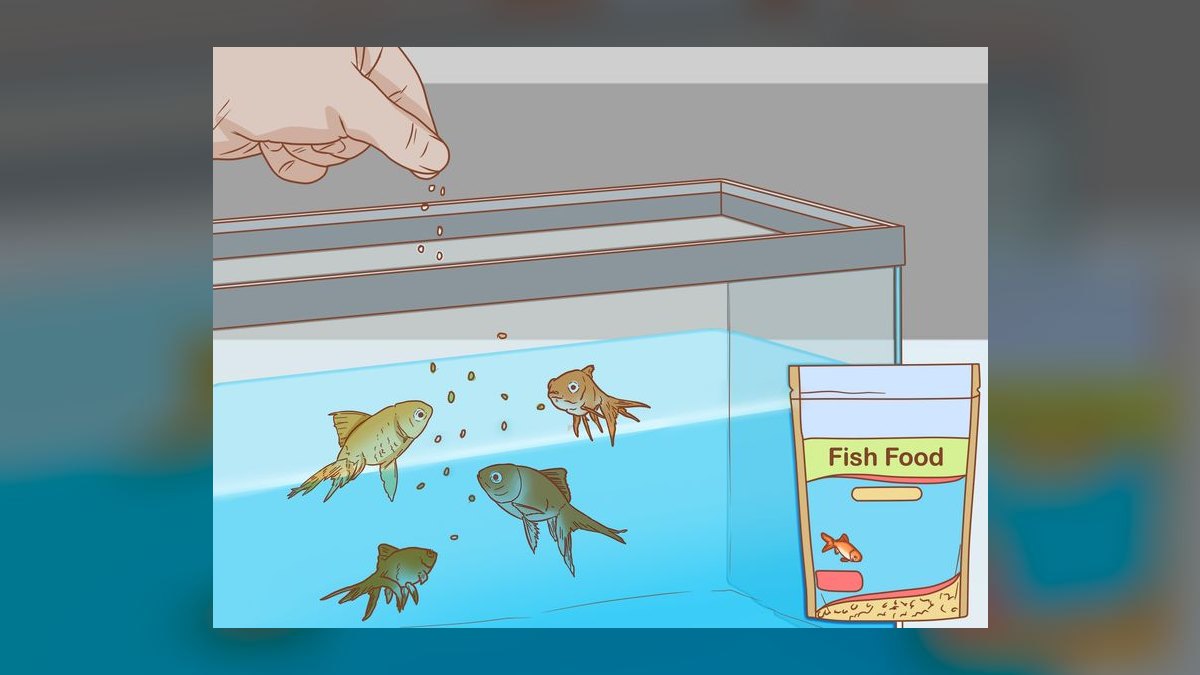
Poor nutrition. Old flake food that has been open eight months has lost most of its vitamin C, and vitamin C is directly required for collagen synthesis — which is literally the material fin membrane is made of. A fish on degraded food cannot rebuild fin tissue at any speed regardless of how clean the water is.
The practical consequence of that chain is a diagnostic habit worth building: when you see fin rot, do not ask "what do I add to the water?" Ask "what has been wrong in this tank for the past two to three weeks?" Fin rot is a lagging indicator. Whatever caused it was happening well before you noticed the fins.
Benchmarks and realistic ranges to aim for
Vague targets produce vague results. Here are the numbers to actually hit while you treat a fish without medication.
Water chemistry. Ammonia 0 ppm and nitrite 0 ppm — not "low," zero, on a liquid reagent test kit, because paper test strips routinely read false-zero on both. Nitrate under 20 ppm during active treatment, and under 40 ppm as a permanent ceiling. pH matters less than pH *stability*; a rock-steady 7.8 beats a 6.8 that swings to 7.6 every time you do maintenance. Note the interaction that catches people: ammonia's toxicity rises sharply with pH and temperature, so the same 0.5 ppm reading is far more damaging at pH 8.2 and 82°F than at pH 6.6 and 76°F.
Water change cadence and volume. During active treatment, 25–50% every 24–48 hours. Larger single changes (over about 60%) are usually counterproductive in a small tank — the pH and temperature shock can outweigh the benefit. Always temperature-match to within roughly 1°F, and always dechlorinate; chlorine and chloramine burn gills and damage the biofilter, which will make you worse off than when you started. Once fins stop receding, taper to 25% twice weekly through the regrowth phase, then to your normal weekly schedule.
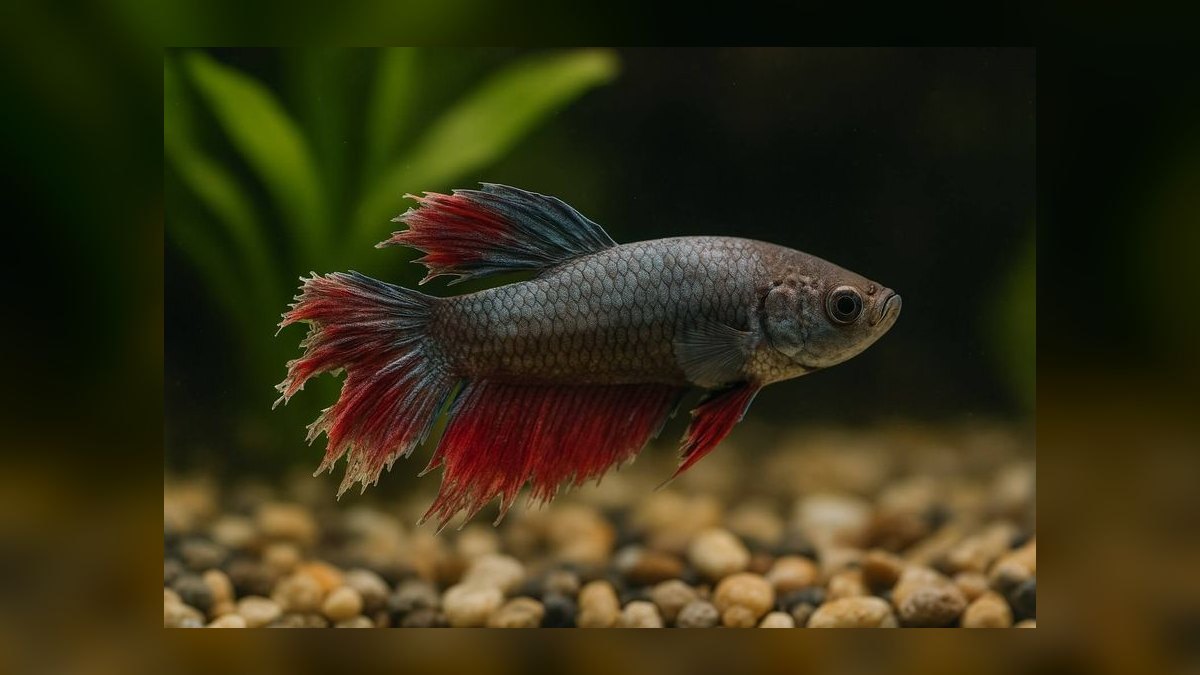
Temperature by species. Bettas 78–80°F. Most community tropicals (tetras, rasboras, corydoras, gouramis) 75–80°F. Goldfish and white cloud minnows 65–72°F — and this is a common unforced error, because people apply "raise the temperature" advice from ich treatment to a coldwater fish and cook it. Do not raise temperature to fight fin rot the way you would for ich; the ich rationale is accelerating a parasite's life cycle, and it does not transfer. Warmer water holds less dissolved oxygen and speeds bacterial growth too.
Aquarium salt. The commonly used range is 1 tablespoon per 5 gallons for gentle support, up to 1 teaspoon per gallon for a more assertive dose. Salt does not kill the bacteria at these concentrations. It reduces the osmotic work the fish's body does to hold its internal salt balance across damaged tissue, which frees metabolic capacity for healing, and it supports slime coat production. It is a supportive measure, not a cure. Critically, it is not appropriate for every fish: scaleless species and salt-sensitive families — corydoras and other small catfish, loaches, many plecos — tolerate it poorly, and live plants and most invertebrates react badly. If you keep any of those, treat in a bare hospital tank or skip salt entirely and lean harder on water changes. Salt does not evaporate, so replace it only in proportion to the water you remove.
Timeline benchmarks. Advancement should stop within 3–5 days. New transparent membrane appears at the fin margin around day 5–10. Pigment and rays fill in over 2–8 weeks depending on how much fin was lost and how ornate it was. If nothing has stopped advancing by day 7, the environment-only approach has failed for this case — that is your decision point, not day 21.
Feeding. Small amounts twice daily, all of it consumed within 2–3 minutes, uneaten food siphoned out. Fresh food matters more than fancy food: an open container of flakes loses meaningful vitamin content within about six months, so buy small containers and replace them. Frozen brine shrimp, daphnia, or bloodworms a few times a week add protein and fatty acids for tissue repair. Blanched zucchini or spinach for herbivores adds antioxidants. One skipped feeding day per week reduces waste load without harming an adult fish, and during heavy water-change treatment that can help.
Risks, edge cases, and failure modes
Crashing the biofilter while trying to save the fish. The most self-defeating outcome in medication-free treatment: aggressive daily changes with unconditioned tap water, scrubbing the filter media clean, replacing cartridges "for hygiene." Each of those kills nitrifying bacteria, ammonia spikes, and you have amplified the exact stressor that caused the rot. Rinse filter media in removed tank water, never tap water, and never replace all media at once.
Misidentification. Several conditions get called fin rot and respond differently. Fin *nipping* damage is clean-edged, appears overnight, and shows no discoloration — that is a tank-mate problem, not an infection. Columnaris presents as gray-white saddle patches and mouth fuzz, moves far faster than typical fin rot, and is genuinely dangerous within 48 hours. True fungus is distinctly cottony and usually secondary to a wound. Betta tail biting produces symmetrical chunks missing, often in a semicircle, with no progressive edge — bettas do this out of boredom or stress and no water change will fix it. Ammonia burn alone reddens and frays fins without infection. Treating the wrong thing with water changes wastes the days that mattered.
The scaleless and invertebrate problem. Salt is the default supportive tool and it is off the table for a good share of tanks. If your affected fish is a cory, kuhli loach, or bristlenose, or if the tank holds shrimp, snails, or plants you care about, you need a plan that is water changes plus stressor removal plus nutrition — and no salt. That plan works; it just gives you one less lever, so consistency matters even more.
Hospital tank trade-offs. Moving the fish gives you dose control, no plant or invert exposure, easy observation, and no salt in the display. It also costs you a cycled filter — a bare hospital tank has no biofilter, so it needs daily near-total water changes or seeded media from the main filter. Netting and moving a sick fish is itself a stress event, and for a mild case in a well-maintained tank the move can do more harm than staying put. Move when: the fish is being harassed, the display holds salt-sensitive species, or the case is severe. Stay put when: the case is mild and the display water is correctable.
Home remedies that hurt. Hydrogen peroxide dosed into a display tank damages gill tissue and the biofilter. Raising the temperature into the mid-80s for a tropical fish reduces oxygen when the fish needs it most. Indian almond leaves and driftwood tannins have genuinely mild antimicrobial and stress-reducing effects and are safe, but they are a support, not a treatment — and they will tint water and can lower pH in soft water, which matters if your buffering is weak. Melafix and similar tea-tree products are frequently marketed as gentle alternatives; they are known to affect the labyrinth organ in bettas and gouramis and are not a reliable substitute for real antibiotics in a severe case.
Confusing regrowth with worsening. New fin membrane grows in clear and colorless before pigment and rays follow. Many keepers see a transparent margin, read it as further rot, and escalate treatment on a fish that was healing. Look at the *shape* of the edge instead: healing edges are smooth and even, advancing rot is ragged and irregular, often with a dark or white line.
The zoonotic and welfare footnotes. *Aeromonas* and *Mycobacterium* species in aquariums can infect humans through cuts — wear gloves or use a dedicated bucket if you have open skin on your hands, and wash after maintenance. And on welfare: if a fish has stopped eating for several days, is lying on its side, or has open body ulcers, the humane options are prompt medication or euthanasia, not a fourth week of water changes.
Recurrence. Rot that clears and comes back within a month is a near-certain sign the upstream cause was never addressed. The usual culprits, in order: an undersized or unmaintained filter, a tank mate you have not caught in the act (watch at lights-on and lights-out, which is when most nipping happens), or a heater that is failing intermittently. A cheap second thermometer at the opposite end of the tank catches more heater problems than people expect.
A practical rollout plan you can run this week
Treat it as a protocol with defined checkpoints and an explicit exit condition, not an open-ended vigil.
Day 0 — measure and diagnose. Test ammonia, nitrite, nitrate, pH, and temperature with a liquid kit before you change anything, and write the numbers down; you cannot tell what is improving otherwise. Photograph the affected fins straight-on with good light. That photo is the only reliable comparison you will have on day 7, because daily observation blinds you to gradual change. Inspect the tank hardware: uncovered intakes, sharp silk or plastic decor, a heater reading correctly against a separate thermometer. Watch the tank for 15 minutes at lights-on and again at lights-off, specifically looking for chasing and nipping.
Day 0 — remove the cause. This step does more than anything else on the list. Rehome or separate an aggressor, cover the intake with sponge, pull the sharp decoration, break up sightlines with plants or hardscape so a bullied fish has refuge, correct the heater, cut the feeding volume if you have been overfeeding. If the tank is genuinely overstocked, that has to change or nothing else will hold.
Days 1–7 — the treatment window. 25–50% dechlorinated, temperature-matched water change every 24–48 hours. Siphon the substrate as you go; detritus under gravel is a reservoir of both waste and bacteria. Add salt at 1 tablespoon per 5 gallons only if your species and tank inhabitants tolerate it, dissolving it in a cup of tank water first — never dropping crystals near a fish. Feed small, fresh, high-quality food twice daily and remove leftovers. Test ammonia and nitrite daily; any reading above zero means increase change frequency. Do not add anything else — no multiple products stacked, no chasing pH, no "just in case" treatments. Every additional variable makes the result uninterpretable.
Day 7 — the decision point. Photograph again and compare against day 0. Advancement stopped and edges look smooth: continue, taper to 25% every two or three days, and expect visible regrowth over the following weeks. Advancement stopped but no regrowth: keep water pristine, re-audit for a missed stressor, give it another 7–10 days. Rot still advancing, or now red at the fin base, or the fish stopped eating: the medication-free approach has failed for this case. Move to a proper antibacterial treatment or consult an aquatic vet, and do it that day rather than after another lost week.
Weeks 2–8 — regrowth and hold. Return to a normal schedule of 25% weekly changes with substrate vacuuming, keep testing weekly until you trust the numbers again, and keep the food fresh. Regrown fin often comes back slightly lighter or with a subtle kink in the rays; that is normal scar structure and not a recurrence.
Ongoing prevention. Quarantine every new fish for two to four weeks in a separate tank before adding it — this single habit prevents more disease than every treatment on this page combined. Change 25% weekly. Keep the filter maintained but never sterilized. Test monthly even when everything looks fine, because ammonia is invisible until the fish tell you. Buy small food containers so they stay fresh. Stock for adult size, not the size in the bag. And keep a cycled sponge filter running in your main tank at all times — it costs almost nothing and gives you an instant hospital tank whenever you need one, which is the difference between reacting in an hour and reacting in three weeks.
Related questions
Does aquarium salt actually cure fin rot?
No. At aquarium doses it does not kill the bacteria involved. It reduces osmotic stress across damaged tissue and supports slime coat production, which frees the fish's own immune resources for healing. It is supportive, and it is unsafe for corydoras, loaches, many plants, and invertebrates.
Should I raise the temperature to treat fin rot?
Generally no. That advice comes from ich treatment, where heat accelerates a parasite's life cycle. For bacterial fin rot, higher temperature lowers dissolved oxygen and speeds bacterial growth. Hold a stable, species-appropriate temperature instead, and never apply tropical numbers to goldfish or other coldwater species.
How do I tell fin rot from fin nipping?
Nipping damage appears suddenly, has clean torn edges, and shows no discoloration. Fin rot advances gradually with ragged, often white-, gray-, or black-edged margins. Watch the tank at lights-on and lights-off; most nipping happens then. Both can be present at once — nipping opens the wound rot exploits.
Do I need a hospital tank to treat fin rot without medication?
Not for mild cases in a well-maintained tank. Move the fish if it is being harassed, if the display holds salt-sensitive fish, plants, or invertebrates, or if the case is severe. Remember a bare hospital tank has no biofilter, so it needs seeded media or near-daily changes.
Will fin rot spread to my other fish?
The bacteria are already present in every tank, so it is less "contagious" than opportunistic — other fish get it when they share the same stressor. If one fish has it, check whether the water, temperature, or crowding is affecting everyone. A weakened or bullied tank mate is the likely next case.
FAQ
Can I treat fin rot with just water changes?
For mild, early-stage rot, yes — consistent water changes plus removing whatever caused the stress resolve most cases, because the fish's own immune system does the actual clearing once the environment stops suppressing it. What water changes cannot do is reverse a systemic infection that has already reached the fin base or body.
How long does fin rot take to heal without medication?
Advancement should stop within 3–5 days of correcting the water. Visible new membrane usually appears by day 5–10, and full cosmetic regrowth takes anywhere from two weeks for short-finned fish to eight weeks for an ornate betta. If nothing has stopped advancing after seven days, the approach has failed for that case.
What water parameters should I target during treatment?
Ammonia and nitrite at 0 ppm on a liquid test kit, nitrate under 20 ppm, pH stable rather than any specific number, and temperature steady in the species' range — roughly 78–80°F for bettas and most community tropicals, 65–72°F for goldfish and other coldwater fish.
Are Indian almond leaves or driftwood tannins a real treatment?
They release tannins with mild antibacterial and antifungal properties and genuinely reduce stress, so they are a reasonable support in a soft-water tank. They are not a treatment on their own, they tint the water, and in weakly buffered water they can pull pH down further than you intended.
Is hydrogen peroxide a safe medication-free alternative?
Not in a display tank. At concentrations meaningful against bacteria it damages gill tissue and kills the nitrifying bacteria in your filter, which triggers an ammonia spike and worsens the exact condition you are trying to fix. It is a poor trade in any freshwater setup with a fish living in it.
When should I stop trying and use medication?
When rot has reached the fin base, when there is redness or bloody streaking at the base or on the body, when the fish stops eating or lies on the substrate, or when the rot is still advancing after seven days of correct water management. At that point, prioritizing the fish over a medication-free philosophy is the responsible call.
Sources
- https://www.avma.org/resources-tools/pet-owners/petcare/fish-owners-guide
- https://www.petmd.com/fish/conditions/fin-rot-fish
- https://www.thesprucepets.com/fin-rot-in-aquarium-fish-1381009
- https://vetmed.illinois.edu/pet-health-columns/aquarium-fish-health/
- https://www.epa.gov/nutrientpollution
- https://www.fws.gov/program/national-fish-hatchery-system
- https://www.wavma.org/
- https://edis.ifas.ufl.edu/publication/FA179
- https://www.aquariumcoop.com/blogs/aquarium/fin-rot
Related on PULSE
- [How do you treat fin rot in aquarium fish?](/knowledge/aq1107)
- [How to set up a hospital tank for fin rot without medicating the main display?](/knowledge/aq0479)
- [Top 10 fin rot treatments 2027](/knowledge/aq0183)
- [How to treat ich in a planted tank without harming invertebrates?](/knowledge/aq0486)
- [How do you treat ich in a freshwater aquarium?](/knowledge/aq0989)
- [Top 10 ich medication tips 2027](/knowledge/aq0184)
This page will be disappearing soon. Save it to your device for $1 — or read it free while it is here.
@Kory-White- · if Venmo asks, the last 4 of my number are 2012
This page is gone.
This one is off the shelf now. $1 keeps it on your phone for good — the whole page, pictures and diagrams included.
 pulse-aquariumsWhat size aquarium heater is safe for a 20-gallon tall tank?
 pulse-aquariumsBest automatic fish feeder for pelleted food that doesn't clog or overfeed?
 pulse-aquariumsTop 10 Aquarium Glass Scrapers with Long Handles for Deep Tanks (2027)
 pulse-aquariumsWhat type of gravel is safe for goldfish that might eat it?
 pulse-aquariumsHow to set up a hospital tank for fin rot without medicating the main display?
 pulse-aquariumsWhat is the best quiet canister filter for a 40-gallon breeder tank in a bedroom?
 pulse-aquariumsTop 10 Planted Aquarium Substrates Compared 2027
 pulse-aquariumsTop 10 Sand Sifting Cleaner Kits for Bare-Bottom Aquarium Maintenance (2027)
 pulse-aquariumsCan I use reverse osmosis water for a freshwater community tank?
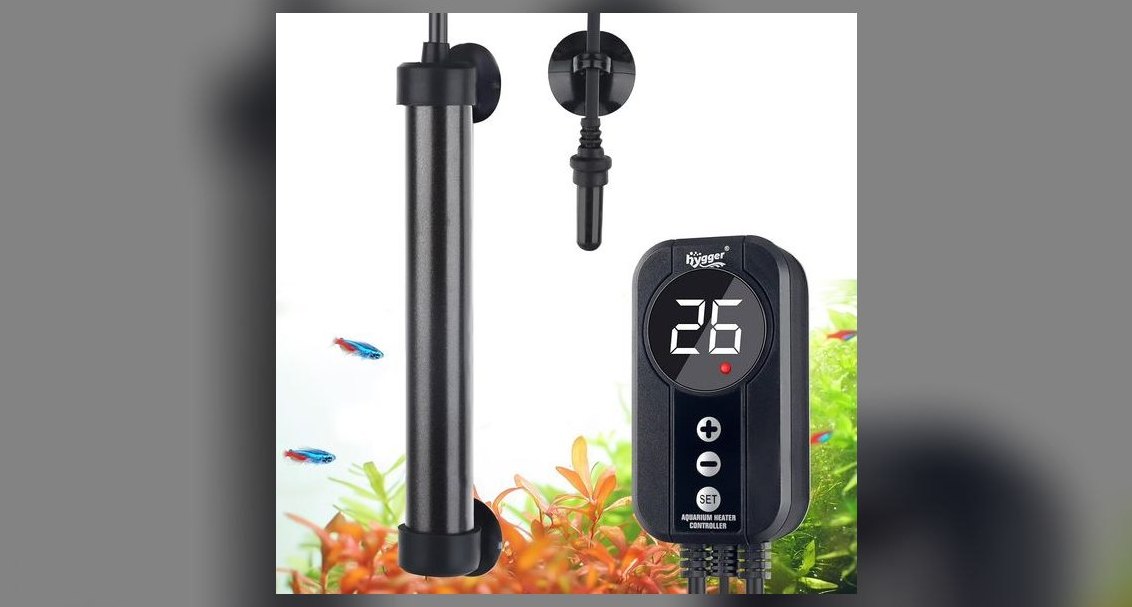
 pulse-aquariumsTop 10 Submersible Aquarium Heaters with External Controllers for Safety (2027)