
How Do I Handle a Buildout for a Second or Expansion Location in 2027?
 Curated byKory White · Fractional CRO · Maryland
 PULSEKNOWLEDGE LIBRARY
Quality
Certified
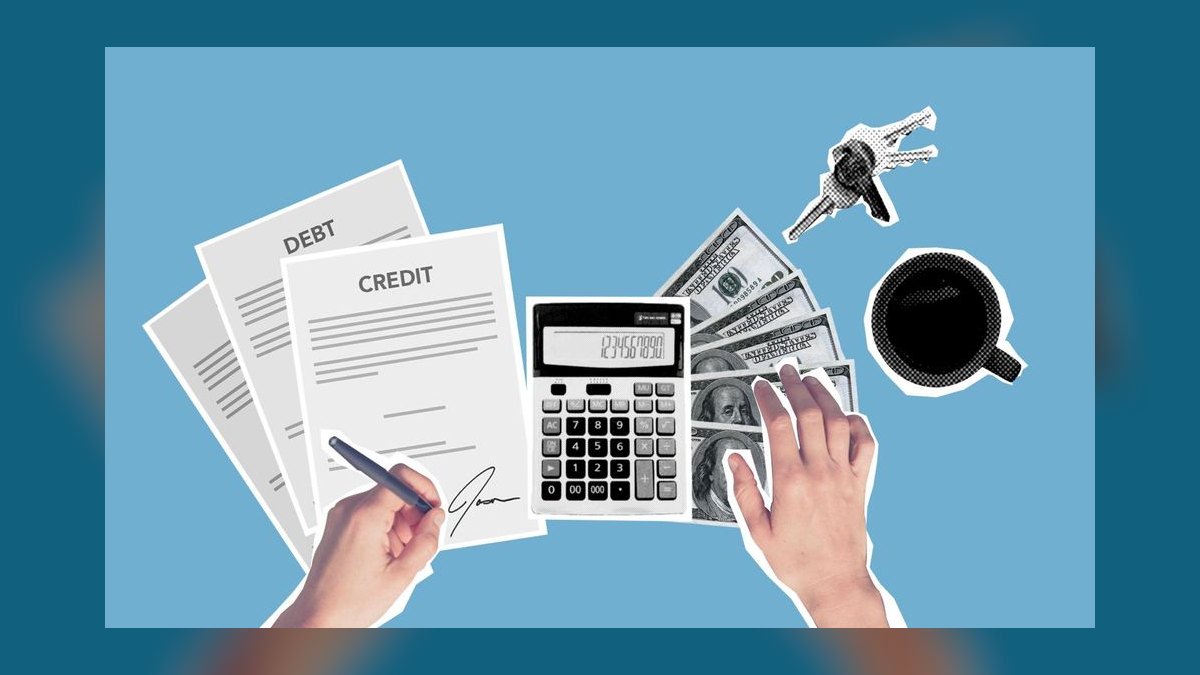
Handle a second-location buildout by leveraging your first store's proven sales and rent-payment record to negotiate a richer tenant-improvement allowance, longer free rent, and a capped or burn-down personal guaranty. Standardize the build to cut cost 20-30%, structure TI as milestone draws, and hold each location in a separate LLC.
Your first store is your best negotiating asset
A landlord underwriting a brand-new operator is pricing pure risk — they have no idea whether the concept works, whether you can run it, or whether rent will arrive on the first. A landlord underwriting your second location sees a business that already pays rent on time and proves the model, and that single fact shifts every concession in your direction. Walk into the second negotiation with hard performance numbers, not a pitch deck or a vision statement.
Bring the receipts. Show up with your trailing-twelve-month P&L, your rent ledger documenting an unbroken payment history, and your sales-per-square-foot from location one. That track record is the lever that unlocks better terms, so present it up front rather than waiting for the landlord to ask. The operator who volunteers "here's exactly what we did on 4,000 square feet last year" reframes the entire conversation from hope to evidence.

Concretely, a proven operator can push for three things a first-timer rarely gets. First, a higher tenant-improvement (TI) allowance — roughly $30-$80 per square foot for general retail or office, and $100-$200+ per square foot for restaurant, fitness, or medical space where the buildout is far more intensive. Second, more free rent, structured as one to two months abated per year of term rather than the thin abatement a startup receives. Third, a weaker guaranty — a good-guy guaranty or a burn-down that drops toward zero over two to four years of on-time payment. You earned that trust on store one; make the landlord price it in rather than leaving it on the table.
Standardize the buildout so store two is cheaper
The real expansion advantage is repeatability. Your first buildout was expensive because everything was invented from scratch — the floor plan, the fixture package, the vendor relationships, and the change-order learning curve you paid for one lesson at a time. The second buildout should come in roughly 20-30% cheaper and faster if you systematize instead of starting over.

Reuse your prototype design: the same floor plan logic, the same fixtures, the same equipment specifications, and the same approved vendor list. Re-engage the general contractor and architect who already built for you once — they understand your standards, they re-bid faster, and they price tighter because they aren't guessing at scope. Bulk-buy fixtures and equipment across both locations to earn volume pricing on shelving, lighting, millwork, and signage; a signage order for two storefronts almost always beats two separate one-off orders. And lock a standard furniture, fixtures, and equipment (FF&E) budget per square foot, so the moment a location starts running hot on cost you can spot it before it blows the whole budget.
A standardized build also compresses your timeline. Permitting still takes what it takes — that clock lives with the municipality, not you — but design and procurement, the phases you actually control, shrink dramatically when you're duplicating a known quantity rather than designing a one-off. The discipline compounds: by your third and fourth location you have a true prototype kit, and each opening gets cheaper, faster, and more predictable than the last.
Structure the TI allowance so you're not the bank
A tenant-improvement allowance only protects your cash if it's structured correctly. The headline number matters far less than the mechanics of how and when it actually pays out, and landlords know this — the loose terms are where they quietly claw value back.
The most important term is timing. Insist the landlord funds construction directly or reimburses on a draw schedule tied to milestones — not a single lump sum paid after you open and submit paid invoices. If reimbursement only comes after opening, you finance the entire buildout out of your own pocket first, which is exactly the cash crunch you're expanding to avoid. A milestone draw schedule pays as construction hits agreed stages — framing, MEP rough-in, finishes — keeping your working capital intact through the build instead of tying it up for months.

Define "improvements" broadly. Push the allowance to cover soft costs — architect fees, permits, engineering — and FF&E, not just building-attached hard construction. Landlords instinctively try to limit the allowance to work that stays with the building, so this is a real negotiation, but soft costs are real dollars and worth fighting for. On a mid-size buildout, soft costs alone can run 10-15% of the total.
Get unused TI converted to free rent. If you build under budget — which a standardized build makes likely — the leftover allowance should apply against your rent rather than reverting to the landlord. For a strong tenant this is a winnable point, and it rewards you for the discipline of an on-budget build instead of tempting you to spend the allowance just because it's there. Finally, protect against liens: require the landlord to fund promptly so your contractor never has grounds to file a mechanic's lien against the space — a lien can freeze your opening and poison the relationship on day one.

Don't let the second guaranty sink the first
The single biggest expansion risk is stacked personal liability. If your first lease carries a full personal guaranty and you sign another unlimited guaranty on store two, one failing location can trigger default across both leases and reach your personal assets twice over. Over-leveraging is precisely how a healthy first store gets dragged down by a struggling second one — the expansion meant to build wealth instead puts the whole thing at risk.
Cap the new guaranty. Never sign an unlimited, full-term personal guaranty on the second location — negotiate a good-guy guaranty or a burn-down instead. On a ten-year lease for 4,000 square feet at $40 per square foot, a guaranty capped at six to twelve months of rent limits your exposure to roughly $80,000-$160,000 rather than the full ~$1.6 million of remaining term. That is the difference between a recoverable setback and a personal catastrophe.

Separate the entities. Hold each location in its own LLC so a default at one does not automatically cross-default the other. Your attorney structures this, but the principle is simple: contain the failure. Ask about springing guaranties (which only activate on a defined default event) and "bad boy" carve-outs (which limit personal liability to fraud, waste, or abandonment) — the gold standard for experienced operators, and negotiable when your financials back it up. Watch closely for cross-default language: landlords who own multiple properties sometimes insert clauses that tie all your leases together, so a stumble at one location legally triggers every other. Strike that language whenever you can; it silently undoes the entity separation you paid your attorney to build.
Sequence the buildout to avoid costly delays
When you're building a second location while keeping the first one running, the order of operations makes or breaks the budget. Most owners rush to sign the lease and then figure out the buildout — a mistake that routinely adds 10-20% in unexpected costs once hidden site conditions surface. Sequence it deliberately instead, and let the lease follow the diligence rather than the other way around.

Start by securing a conditional lease with a 60-90 day feasibility period. During that window, bring in your architect, MEP engineer, and general contractor for a thorough site assessment. You're hunting for hidden gremlins: undersized HVAC, an inadequate electrical panel, plumbing that fights your layout, or structural issues that demand expensive remediation. A feasibility study runs $3,000-$8,000 and routinely saves $50,000 or more in change orders later — the cheapest insurance in the entire deal.
Next, get hard bids from at least three contractors before you sign the final lease. This is where your first location's data becomes gold — you already know your actual cost per square foot from last time. Adjust for shell condition: a raw warehouse and a former restaurant carry very different starting points, and bids for identical scope commonly vary 15-25% between contractors. Then negotiate the TI allowance against those real bids, not a landlord's generic number. If bids land at $120 per square foot and the landlord opens at $60, you know the exact gap to bridge — by pushing the allowance up, trimming scope, or arranging financing. The point is to know your number cold before you're locked into a lease that doesn't pencil.

Finance the gap when the allowance isn't enough
Even with a strong track record, most second-location buildouts face a funding gap — the difference between what the landlord contributes and what construction actually costs. That gap commonly runs $20-$80 per square foot depending on industry and market. Smart operators plan for it in advance rather than scrambling mid-build, when your leverage is lowest and the clock is already running.
SBA 504 loans are a common expansion tool, offering long fixed-rate terms and covering a large share of buildout and real-estate cost, though they require you to occupy at least 51% of the building and carry a multi-month closing timeline. Equipment leasing covers big-ticket items like kitchen gear, shelving, or specialized machinery with no upfront cash outlay, using the equipment itself as collateral — convenient, but higher total cost than paying cash. A second-location line of credit, secured by your first store's cash flow, is fast — often funded in a few weeks — but banks want to see roughly twelve months of consistent profitability and usually attach a personal guaranty.

Self-funding through retained earnings is the cheapest route of all. Many successful operators aim to bank 30-50% of the buildout cost before breaking ground, then let the TI allowance cover the rest. That approach avoids interest entirely and hands you maximum leverage with contractors, who negotiate harder against a buyer who isn't waiting on a loan and can commit on the spot. Whichever mix you choose, size the gap during feasibility — not after the first surprise invoice lands.
Use the second lease to fix what hurt you on the first
Your first lease taught you exactly where you bled. The second negotiation is your chance to correct those clauses from a position of proven credit — every term is back on the table, and your track record is the leverage that wins the changes. Do not re-sign the same document just because the template looks familiar and the broker says "it's standard."

If your first common-area-maintenance (CAM) charge was uncapped, demand a 3-5% annual cap on controllable CAM this time. If your first rent escalated on "3% or CPI, whichever is greater," hold the second to a flat, fixed escalation you can actually model years out. If you signed a full personal guaranty, replace it with a good-guy or burn-down guaranty. If landlord delays ate your fixturing time, tie commencement to substantial completion with delay tolling, so the rent clock doesn't start until the space is genuinely ready for you. And if your first TI was reimbursed only after opening, insist on a milestone draw schedule.
Before committing, model the numbers cold. Compare total buildout cost against the TI allowance to find your true out-of-pocket gap. Estimate months to break-even using store one's actual ramp curve, not an optimistic guess. Add up your combined rent obligation across both leases and stress-test whether the business can carry both if store two ramps slowly for six months. And write down your worst-case guaranty exposure under both a capped and uncapped scenario — that single number tells you how much of your personal life is riding on the expansion, and whether the deal is worth signing at all.
FAQ
What's the first step when planning a buildout for a second location? Review your first location's lease for exclusivity or radius clauses that could restrict where you expand. Then assemble your sales and rent-payment history to use as leverage. That track record is what lets you negotiate a stronger tenant-improvement allowance and better guaranty terms on the new space.
How much tenant-improvement allowance can I realistically expect? Allowances vary widely by market and landlord, but a proven operator can often negotiate $30-$80 per square foot for general retail or office, and considerably more for restaurant or medical space. Your first store's performance gives you room to push for the higher end, though it's never guaranteed.
Should I use the same contractor for the second buildout? It's often smart if your first contractor delivered on time and on budget, since they already know your build. But always collect at least two competitive bids. Material and labor prices shift, so comparing quotes ensures you aren't overpaying even with a trusted partner.
How do I handle timing between signing the second lease and opening? Give yourself at least 6-12 months from lease signing to opening. Permitting, construction, and inspections regularly take longer than planned, so build in a buffer rather than rushing. A conditional lease with a feasibility period lets you vet the space before you're fully committed.
Can I use my first location as collateral for expansion financing? Some lenders will consider it, but it's not automatic. You'll typically need to show strong, consistent cash flow from the first store to qualify for a loan or line of credit, and your interest rate will depend on your credit profile and the lender's appetite for the deal.
What's the biggest mistake owners make with a second buildout? Assuming the second location costs the same as the first. Labor rates, material costs, and local code requirements differ significantly, even within the same city. Budget 10-20% above your initial estimate to absorb surprises, and never sign an unlimited second guaranty that stacks on the first.
Sources
- https://www.cbre.com/insights
- https://www.jll.com/en-us/insights
- https://www.cushmanwakefield.com/en/united-states/insights
- https://www.naiop.org/research-and-publications/
- https://www.boma.org/
- https://www.icsc.com/
- https://www.sba.gov/funding-programs/loans/504-loans
Related on PULSE
This page will be disappearing soon. Save it to your device for $1 — or read it free while it is here.
@Kory-White- · if Venmo asks, the last 4 of my number are 2012
This page is gone.
This one is off the shelf now. $1 keeps it on your phone for good — the whole page, pictures and diagrams included.
 buildoutsHow Do I Negotiate Co-Working or Flex-Space Terms in 2026?
 pulse-recentHow much should I set aside for a landlord-funded buildout contingency in 2027?
 pulse-recentHow do I insure landlord-installed HVAC and electrical systems separately from my own buildout equipment in 2027?
 pulse-recentHow Much Should I Budget for the Landlord's Construction Management Fee Deducted From My TI Allowance in 2027?
 pulse-recentHow Do I Budget for the Gap Between My TI Allowance and My Actual Buildout Cost in 2027?
 pulse-recentWhat interest rate does a landlord typically charge when amortizing my TI allowance into rent in 2027?
 pulse-recentWhat percentage does a landlord typically charge as a construction management fee when they're funding my buildout in 2027?
 pulse-recentWhat is the average landlord-funded buildout allowance for a 5,000 sq ft retail space in 2027?
 pulse-recentHow much should I budget for a landlord-funded buildout when the allowance still leaves a gap to cover myself in 2027?
 pulse-recentHow much does a landlord-funded tenant improvement allowance typically cover per square foot in 2027?