
What is the range of a typical electric sedan in 2027?
 PULSEKNOWLEDGE LIBRARY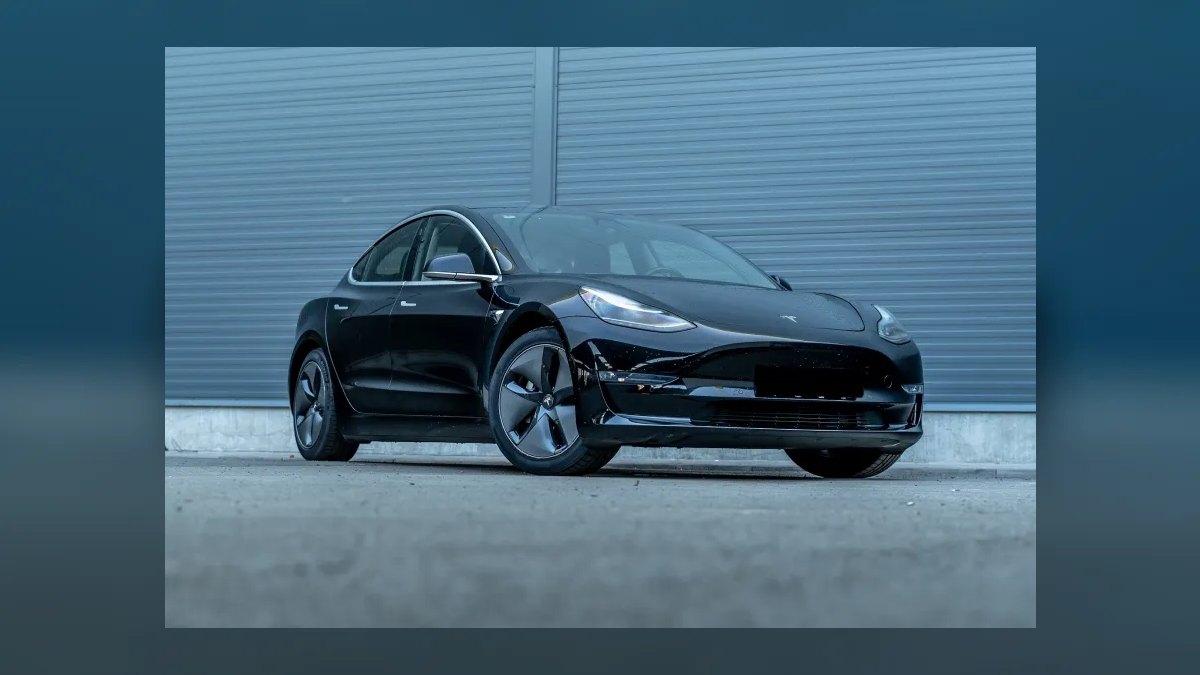
A typical electric sedan in 2027 is expected to deliver roughly 250–350 miles of EPA-rated range, with entry trims near 220–260 miles and long-range trims reaching 350–400. Real-world highway range usually lands 10–25% below the sticker, so plan around 200–300 usable miles per charge.
The outcome you should expect
If you walk into a dealership in 2027 and look at the mainstream electric sedan shelf — the segment that competes with a Camry, an Accord, a 3-Series, a Model 3 — the number on the window sticker will most likely start with a 2 or a 3. That is the honest center of the distribution. The cheapest configurations, usually a single-motor car with the smaller battery pack and the aero wheels deleted in favor of larger cosmetic ones, will sit somewhere in the low-to-mid 200s. The volume trim — the one most buyers actually order, single motor, mid-size pack — clusters around 280 to 330 miles. The halo trim, dual motor or extended pack, pushes toward 350 and occasionally past 400.
That spread has been remarkably stable for several model years, and there is a structural reason for it. Range is not primarily a battery chemistry problem anymore; it is a packaging and cost problem. A sedan floor can accommodate roughly 60 to 85 kilowatt-hours of usable capacity without intruding into rear footwell height or forcing a taller roofline that wrecks the drag coefficient. At the efficiency a well-designed sedan achieves — call it 3.5 to 4.2 miles per kilowatt-hour on the EPA combined cycle — that pack range mathematically produces 210 to 360 miles. Manufacturers are not choosing 300 miles arbitrarily. They are choosing the largest pack that fits under a low floor at a price the segment will bear, and 300 falls out the other end.
The second thing to expect is that the sticker is a ceiling, not a promise. EPA combined figures are generated from a weighted blend of city and highway test cycles, and the city portion flatters electric cars enormously because regenerative braking recovers energy that a combustion car throws away as heat. Drive that same car at 75 mph on a flat interstate in 45-degree weather, and you will typically see 80 to 90% of the rated number. Drive it at 75 mph in 15-degree weather with the cabin heater working, and 60 to 70% is realistic. This is the single largest gap between what buyers expect and what they experience, and it is worth internalizing before you sign anything.
Third, expect the *distribution* to matter more than the average. A buyer who charges at home overnight and drives 40 miles a day genuinely does not care whether the car does 250 or 350 — both are functionally infinite for that use case, and the larger pack is dead weight and dead money. A buyer who lives in an apartment with no home charging, or who drives 400-mile family trips four times a year, cares intensely. The "typical" range figure is a useful benchmark for comparing cars against each other, and a nearly useless input for deciding what *you* need. Those are different questions and they deserve different answers.
What drives that outcome
Range is a four-variable equation, and understanding which lever a manufacturer pulled explains most of the differences you will see across the 2027 electric sedan field.
Usable battery capacity. This is the fuel tank. Note *usable* — packs reserve a buffer at the top and bottom of the state-of-charge window to protect cell longevity, so a "77 kWh" pack might expose 74 or 75 kWh to the driver. Sedans in this class generally carry 55 to 85 kWh usable. Below 55 you are in compact-car territory; above 85 you are fighting floor height, mass, and cost. Lithium iron phosphate chemistry, which has become common on entry trims because it is cheaper and tolerates daily 100% charging, is less energy-dense than nickel-manganese-cobalt, so an LFP entry trim often gives up 15 to 20% of range relative to a same-size NMC pack. That is the single most common reason a base trim looks disappointing on paper.
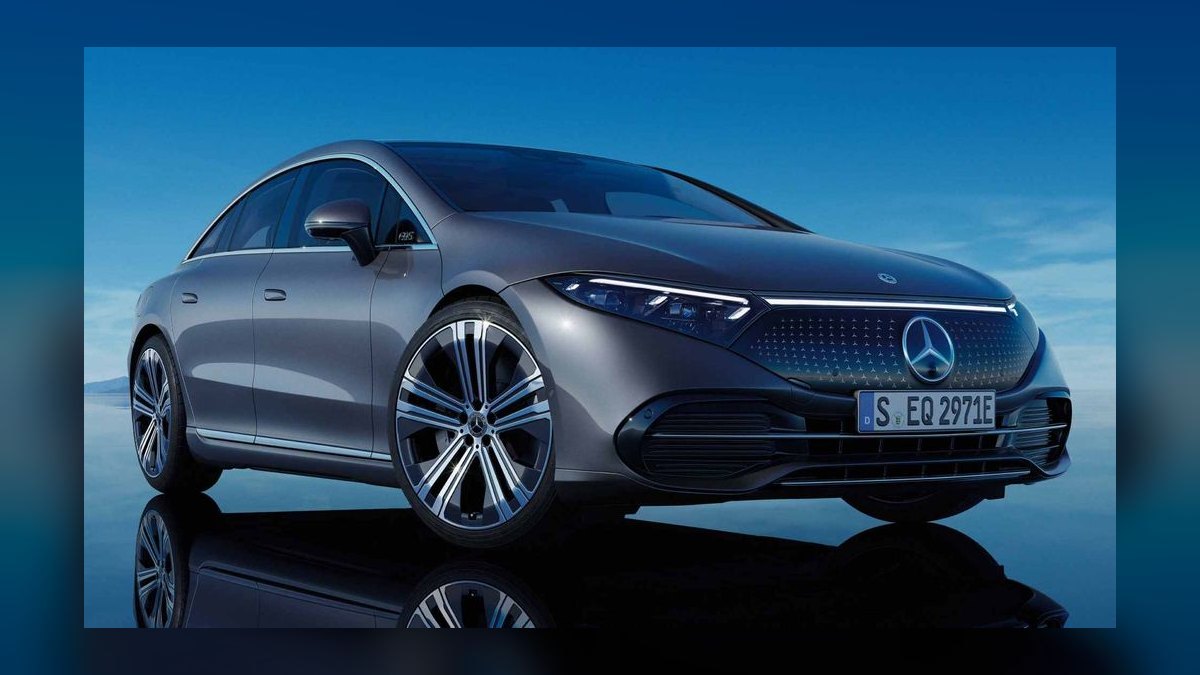
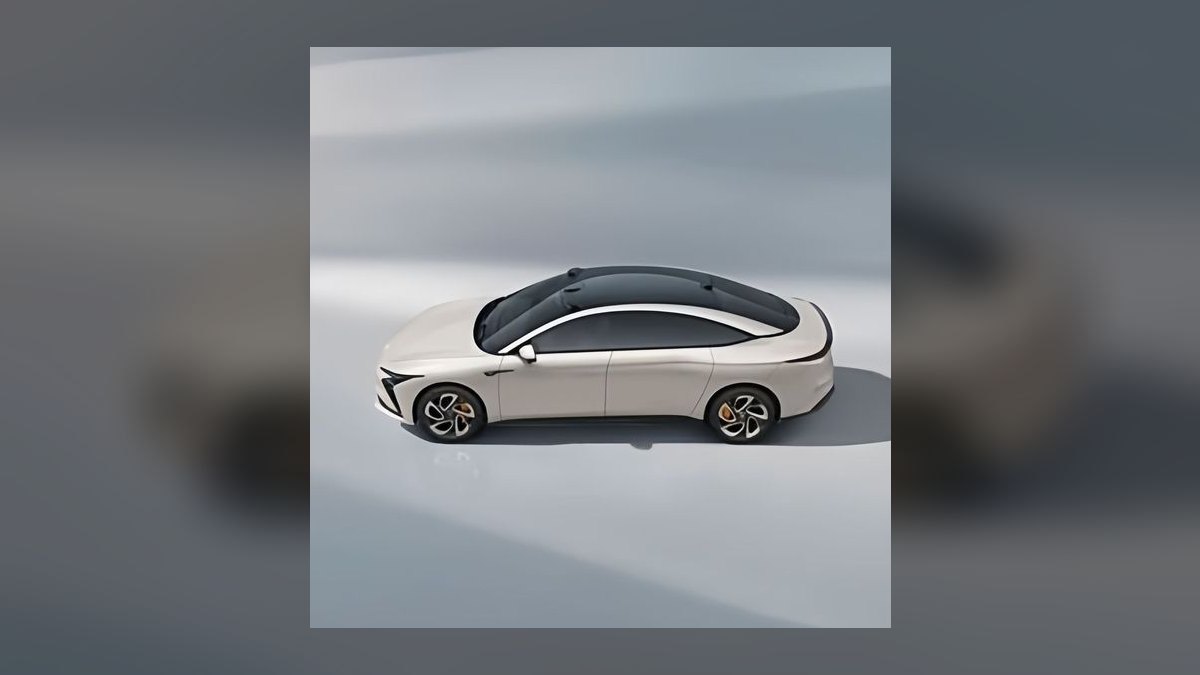
Aerodynamic drag. At highway speed, aero is the dominant load — it scales with the square of velocity, so power demand scales with the cube. This is why sedans beat SUVs and crossovers on range at identical pack size, often by 15 to 25%. A sedan can achieve a drag coefficient in the 0.20 to 0.24 range with flush handles, a smooth underbody, active grille shutters, and a carefully managed rear taper. A crossover on the same platform struggles to get below 0.28. The frontal area difference compounds it. If you want maximum miles per dollar of battery, the sedan body style is the cheat code, and that is precisely why the most efficient electric cars on the market keep being sedans and fastbacks rather than the crossovers everyone actually buys.
Mass and rolling resistance. Weight matters far less than intuition suggests on a steady highway cruise and far more in city driving and on grades. Tires matter enormously and are badly underrated: a low-rolling-resistance tire on a narrow 18-inch aero wheel can be worth 20 to 30 miles of range versus a wide performance tire on a 20-inch wheel on the identical car. This is a real, measurable, buyer-controllable variable. When you see two trims of the same electric sedan rated 40 miles apart with the same battery, the wheel and tire package is usually most of the explanation.
Thermal and accessory load. Cabin heating is the big one. A resistive heater pulls 3 to 6 kW in cold weather, which at highway speed is 15 to 30% of total vehicle power draw. A heat pump cuts that meaningfully — typically recovering a third to a half of cold-weather range loss — which is why heat pump availability is one of the more consequential spec-sheet lines in a cold climate and why it is worth checking whether it is standard or bundled into a package. Battery preconditioning before a fast-charge stop matters too, less for range than for how long you sit at the charger.
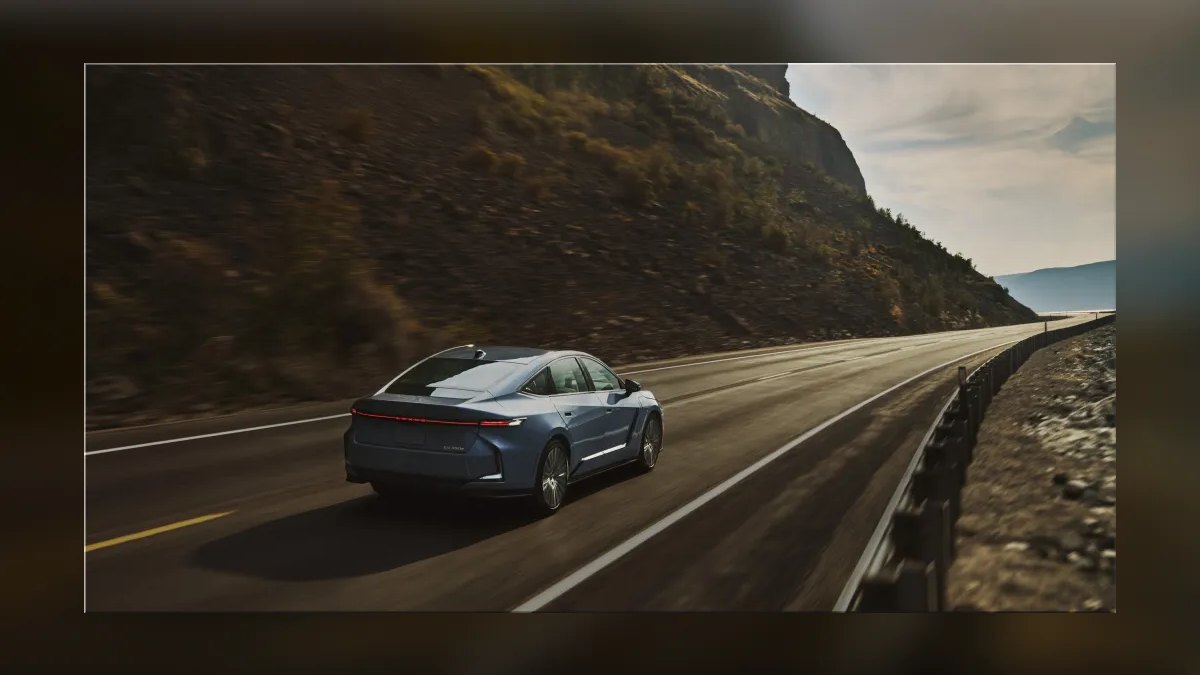
The practical upshot: two 2027 electric sedans with identical 75 kWh packs can be rated 60 miles apart, and essentially all of that gap comes from aero, tires, and thermal management rather than anything exotic. When you compare cars, compare efficiency in miles per kilowatt-hour, not range in miles. Efficiency is the engineering achievement; range is efficiency multiplied by how much battery someone was willing to pay for.
Benchmarks and realistic ranges
Here is how to translate a spec sheet into numbers you can actually plan around.
Start with efficiency, not range. Divide the EPA range by the usable pack size to get miles per kilowatt-hour. A good 2027 electric sedan lands between 3.5 and 4.3 mi/kWh on the combined cycle. Below 3.2 and something is inefficient — heavy, draggy, or riding on the wrong tires. Above 4.3 and you are looking at a genuinely exceptional aero package or a very light car. This one number lets you compare a 60 kWh car against an 85 kWh car fairly.
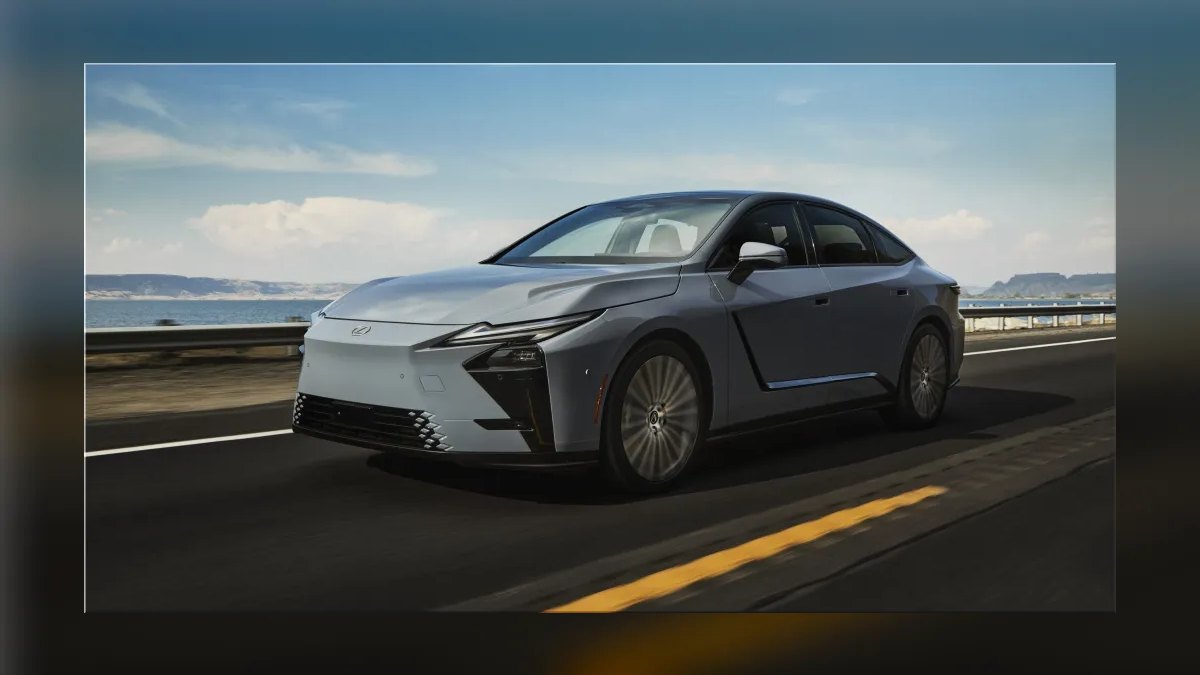
Apply a highway derate. For interstate cruising at 70 to 80 mph in mild weather, multiply the EPA combined figure by 0.80 to 0.88. A 320-mile car becomes 256 to 280 highway miles. This derate is not a defect; it is the arithmetic consequence of a test cycle that includes city driving where EVs shine.
Apply a cold derate on top of that. Below freezing, multiply again by 0.75 to 0.90 depending on whether the car has a heat pump and how cold it actually gets. A 320-mile car on a 20-degree interstate day might realistically deliver 190 to 230 miles. Battery capacity itself recovers when the pack warms; the loss is mostly cabin heat and increased internal resistance, not permanent.
Then apply the charging buffer. Nobody road-trips from 100% to 0%. The practical fast-charging window is roughly 10% to 80%, because DC charge rates taper hard above 80% — the last 20% can take as long as the first 60%. So your *road-trip leg length* is about 70% of your cold-and-highway-adjusted range. That 320-mile sedan is a 180-to-200-mile-per-leg car on a winter interstate trip, and a 220-to-260-mile-per-leg car in summer. That is the number that determines whether a trip is pleasant or annoying, and it is roughly 60 to 70% of the number on the sticker.
Charging speed is half the range question. A car that adds 175 miles in 20 minutes with a 250 kW peak and a flat charge curve is more usable on a long trip than a car with 40 more miles of range and a 110 kW peak that tapers at 50%. Look for peak DC rate, the shape of the curve (how long it holds near peak), and whether the car preconditions the battery automatically when you navigate to a charger. Ten-to-eighty times in the 18-to-30-minute band are the practical benchmark for this class.
Degradation over time. Modern packs with active thermal management typically lose a few percent in the first year or two, then settle into a slow linear decline — commonly landing somewhere around 10% loss by 100,000 miles, though this varies with chemistry, climate, and how often the car is DC fast-charged to high states of charge. Warranties in most major markets are 8 years / 100,000 miles with a capacity-retention floor, frequently 70%. Buy assuming you will have roughly 90% of day-one range at the end of a typical lease-plus-lease ownership span, not 100%.
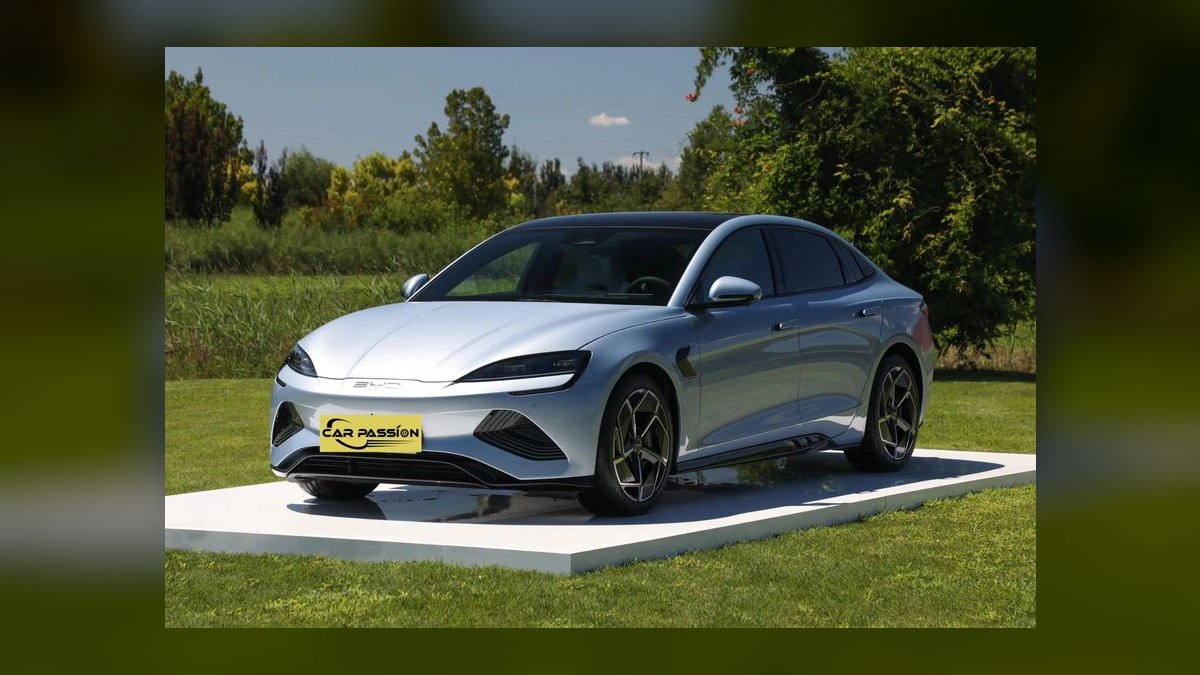
Adjacent comparison — where sedans sit against the rest of the lineup. The same platform in crossover form generally gives up 30 to 60 miles. An electric pickup or three-row SUV with a much larger pack often lands at similar or worse rated range because frontal area and mass eat the capacity advantage, and their real-world highway derates are steeper — towing collapses range by 40 to 50% almost universally. If range per dollar is what you are optimizing for, the sedan remains the most efficient shape on the road, which is a genuinely underappreciated argument for a body style the market has otherwise been abandoning.
Risks, edge cases, and failure modes
Comparing across rating standards. EPA, WLTP, and CLTC figures are not interchangeable. WLTP numbers typically run 10 to 20% higher than EPA for the same car; CLTC figures run higher still, often 25 to 35% above EPA. A car advertised at 435 miles CLTC is not a 435-mile car by American measurement. When a range figure seems startlingly good, check which cycle produced it before drawing conclusions.
Trim-level bait and switch. The headline range in an advertisement is almost always the best-case trim — long-range pack, smallest wheels, single motor. The car on the lot with the panoramic roof, the 20-inch wheels, and all-wheel drive may be 60 to 80 miles short of that number. Read the specific configuration's rating, not the model's.
The winter cliff for apartment dwellers. If you cannot charge at home, cold weather compounds badly. You lose range *and* charging gets slower, because a cold pack accepts less power until it warms. A driver who was making one weekly charging stop in summer may find themselves making two or three in January. This is the failure mode most likely to turn a satisfied owner into a frustrated one, and it is entirely predictable in advance.
Towing and roof loads. A roof box or bike rack on a sedan can cost 15 to 25% of range at highway speed — the aero package that makes the sedan efficient is exactly what a roof load destroys. Sedans generally are not rated for meaningful towing anyway, but if you are cross-shopping against a crossover for occasional towing duty, understand that towing roughly halves range across essentially every electric vehicle.
Charging network dependence. Range is only half of road-trip viability; the other half is whether chargers exist along your route, work when you arrive, and are not occupied. The industry's consolidation around the North American Charging System connector has improved this considerably in North America, but a car's practical utility still depends heavily on which networks it can access natively versus through an adapter. Check this before assuming a range figure translates to freedom.
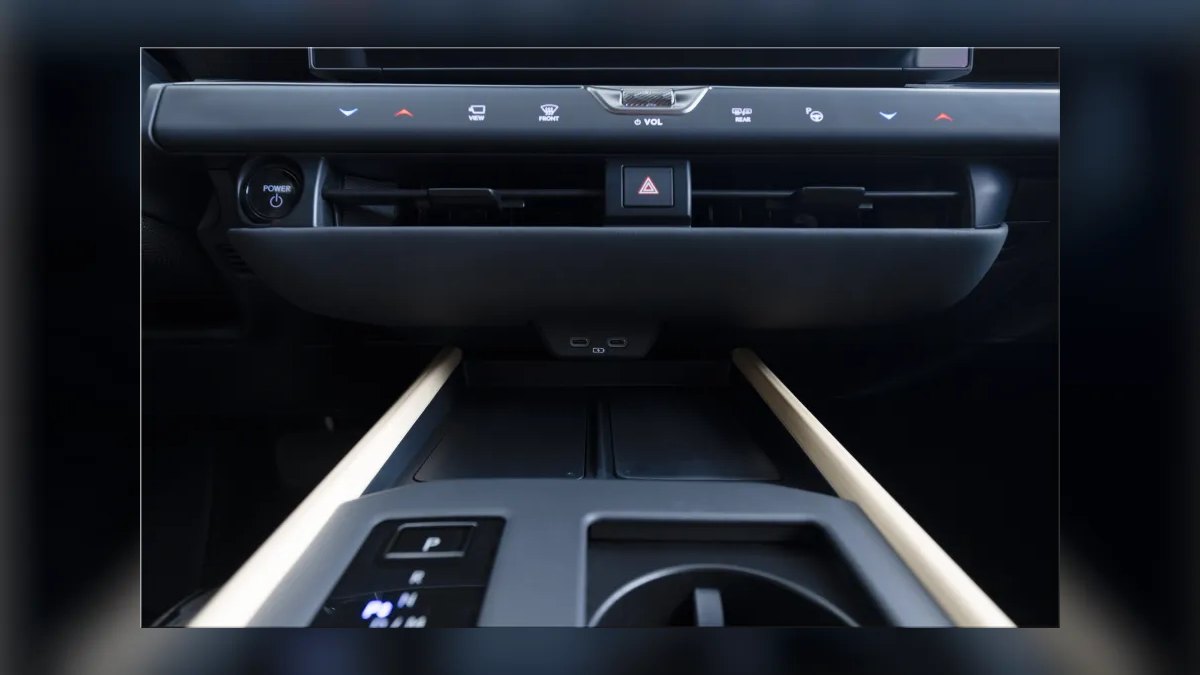
Speed sensitivity is nonlinear and underestimated. The difference between 65 and 80 mph is not 20% of your range — it is frequently 25 to 30%, because drag power scales with the cube of speed. Drivers who habitually run 80 on the interstate should mentally subtract another chunk from every estimate above. Conversely, this is the single easiest lever to pull when you are worried about reaching the next charger.
Battery state-of-charge habits. Routinely charging NMC packs to 100% and leaving them there accelerates degradation; the usual guidance is a daily ceiling of 80 to 90% with 100% reserved for trip days. LFP packs are the exception and generally *want* a periodic full charge for state-of-charge calibration. Following the wrong protocol for your chemistry is a slow, invisible way to lose range you paid for.
Software-defined range changes. Over-the-air updates can shift efficiency in either direction — improved thermal logic can add range, and a conservative revision to pack management can quietly remove some. It is worth reading release notes rather than assuming the number is frozen at delivery.
A practical rollout plan
Whether you are a single buyer or an operations lead electrifying a fleet of sedans, the sequence that avoids expensive mistakes is roughly the same: measure actual demand, size to the demand rather than the anxiety, verify charging before you commit, then validate in the worst month of the year.
Step one: measure your real distance distribution. Pull thirty to ninety days of actual driving. Not your estimate — your odometer, your telematics, or your navigation history. Find the median day and, more importantly, the 90th and 99th percentile days. Most drivers discover their median is under 40 miles and their 95th percentile is under 120. Fleet operators running sedans for outside sales or field service almost always find the same shape: a fat cluster of short days and a thin tail of long ones.
Step two: size to the 90th percentile, plan for the tail. Buy enough range to cover 90 to 95% of your days with home or depot charging alone, and treat the remaining days as fast-charging days. Sizing to the 99th percentile means paying for hundreds of pounds of battery you use twice a year. For most drivers the 90th percentile plus the winter derate plus the 10-to-80 buffer lands you squarely in that 280-to-330-mile typical sedan, which is precisely why the market converged there.
Step three: solve charging before you solve range. A Level 2 home or depot charger converts a 300-mile car into a car that starts every morning full, which functionally eliminates range as a daily concern. Confirm panel capacity, get an electrician's quote, and check utility rebates and time-of-use rates before ordering the car — this is the step most likely to produce an unpleasant surprise, and it is far cheaper to discover early. For fleets, model depot dwell time against charger count; you frequently need far fewer chargers than vehicles because vehicles sit overnight.
Step four: validate in winter. Run a real cold-weather test before you scale. Take the actual route, in the actual cold, in the actual car, and record the actual consumption. Every assumption above is a planning estimate; one January week of measured data replaces all of them.
Step five: build the habits that preserve the range. Set the daily charge limit to match your chemistry, precondition the cabin while plugged in rather than on battery, keep tire pressures at spec, and use the smaller wheel option if it is offered. These are unglamorous and collectively worth 10 to 15% — comparable to a meaningful pack upgrade, at no cost.
Related questions
How much range do I actually need for daily driving?
Most drivers cover under 40 miles on a median day and under 120 on a 95th-percentile day. With home charging, a 250-mile electric sedan covers that with enormous margin. Range only becomes the binding constraint on road trips or without reliable home or depot charging.
Why is highway range lower than city range in an EV?
Regenerative braking recovers energy during city stop-and-go, while steady highway cruising offers nothing to recover and pays a cubic aerodynamic power penalty. That inverts the combustion-car pattern. Expect 80 to 88% of the EPA combined figure at 70 to 80 mph in mild conditions.
Does a heat pump really matter for range?
Meaningfully, in cold climates. A resistive cabin heater can draw 3 to 6 kW; a heat pump recovers roughly a third to a half of typical cold-weather range loss. In a mild climate it matters far less. Check whether it is standard or optional on your specific trim.
How much range will the battery lose over time?
Modern thermally managed packs typically show a few percent loss early, then a slow decline — often near 10% by 100,000 miles, varying with climate, chemistry, and fast-charging habits. Most warranties guarantee roughly 70% capacity for 8 years or 100,000 miles.
Is a sedan more efficient than an electric SUV?
Yes, substantially. Lower frontal area and a drag coefficient often in the 0.20 to 0.24 range give a sedan 15 to 25% better efficiency than a crossover on the same platform and battery — commonly 30 to 60 more miles of rated range for identical cost.
FAQ
What is the range of a typical electric sedan in 2027?
The typical mainstream electric sedan is expected to be rated around 250 to 350 miles on the EPA combined cycle, with base trims near 220 to 260 and long-range trims reaching 350 to 400. The volume-selling configuration clusters near 280 to 330. Real-world highway range runs roughly 10 to 25% below the rating in mild weather and considerably below that in deep cold, so a practical planning figure is 200 to 300 usable miles.
Why do two electric sedans with the same battery have different range ratings?
Almost always aerodynamics, tires, and thermal management rather than the battery. Wheel size and tire compound alone can account for 20 to 30 miles. Drag coefficient differences, the presence or absence of a heat pump, vehicle mass, and drive-unit efficiency explain most of the rest. Compare miles per kilowatt-hour instead of raw range — that isolates the engineering from the size of the checkbook.
How should I convert an advertised range figure into a road-trip planning number?
Multiply by about 0.85 for highway speed in mild weather, then by another 0.75 to 0.90 if it is below freezing, then by roughly 0.7 to account for charging between 10 and 80% rather than 0 and 100. A 320-mile sedan yields roughly 220 to 260 miles per leg in summer and 180 to 200 in winter.
Are WLTP and CLTC range figures comparable to EPA numbers?
No. WLTP figures typically run 10 to 20% above EPA for the same vehicle, and CLTC figures often run 25 to 35% higher. A car advertised with an impressive number from a different cycle may be unremarkable by EPA measurement. Always confirm which standard produced a figure before comparing two cars from different markets.
Does fast-charging speed matter more than range?
On long trips, often yes. A car that reliably adds 170 to 200 miles in 20 minutes is more usable than one with 40 more miles of range that tapers hard at 50% state of charge. Look at peak DC power, how long the curve holds near peak, whether the car preconditions the battery automatically, and the practical 10-to-80% time — 18 to 30 minutes is the benchmark for this class.
What should I do if I cannot charge at home?
Weight charging speed and network access far more heavily than peak range, and prefer a trim with a high, flat DC charge curve. Map the reliable fast chargers near your home, work, and regular routes before buying, and test one during a cold week. Without home charging, charging convenience — not range — determines whether ownership is pleasant.
Sources
- https://www.fueleconomy.gov/feg/evtech.shtml
- https://www.epa.gov/greenvehicles/electric-vehicle-myths
- https://afdc.energy.gov/vehicles/electric
- https://www.nrel.gov/transportation/vehicle-systems.html
- https://www.energy.gov/energysaver/electric-vehicles
- https://www.consumerreports.org/cars/hybrids-evs/
- https://www.iea.org/reports/global-ev-outlook-2024
- https://www.nhtsa.gov/vehicle-safety/electric-vehicle-safety
- https://www.aaa.com/autorepair/articles/electric-vehicle-range-testing
Related on PULSE
- How much does it cost to charge an electric car at home versus a public fast charger?
- What is the real-world winter range loss on an electric vehicle?
- How long does an EV battery last before it needs replacement?
- Level 2 versus DC fast charging: which one do you actually need?
- Electric sedan versus electric SUV: which is the better total-cost buy?
- How do you size charging infrastructure for a fleet of electric sedans?
 pulse-carsTop 10 Electric Minivans 2027 — Best Overall + Best Value
 pulse-carsTop 10 Hydrogen Cars 2027 — Best Overall + Best Value
 pulse-carsTop 10 Luxury Pickup Trucks 2027 — Best Overall + Best Value
 pulse-carsTop 10 7-Seater SUVs 2027 — Best Overall + Best Value
 pulse-carsTop 10 Fuel-Efficient Cars 2027 — Best Overall + Best Value
 pulse-carsTop 10 Work Trucks 2027 — Best Overall + Best Value
 pulse-carsTop 10 Roadsters 2027 — Best Overall + Best Value
 pulse-carsTop 10 Plug-In Hybrids 2027 — Best Overall + Best Value
 pulse-carsTop 10 Affordable EVs 2027 — Best Overall + Best Value
 pulse-carsTop 10 SUVs and 4x4s 1980 — Best Overall + Best Value