
How do I check a used car's history before buying in 2027?
 PULSEKNOWLEDGE LIBRARY
To check a used car's history before buying in 2027, obtain the vehicle identification number (VIN) from the seller and run it through at least two independent history report services such as Carfax, AutoCheck, or the National Motor Vehicle Title Information System (NMVTIS). Cross-reference the reports with a physical inspection, a pre-purchase mechanic's inspection, and a lien search to verify the vehicle's title status, accident history, odometer readings, and outstanding loans before completing any purchase.
What it is and why it matters
A vehicle history report is a compiled record of a specific car's life, organized by its 17-character VIN. These reports aggregate data from insurance companies, state DMVs, auto auctions, repair shops, and police departments to create a timeline of events that have affected the vehicle. In 2027, the landscape of vehicle history checking has evolved significantly from earlier years, with more data sources being integrated into consumer-facing platforms than ever before.
The importance of checking a used car's history before buying cannot be overstated. According to industry data, roughly 40% of all vehicles on the road have been in at least one reported accident, and approximately 1 in every 20 vehicles has a rolled-back odometer. A history report is the single most efficient tool a buyer has to uncover these issues before committing thousands of dollars to a purchase.
Why does this matter so much in 2027 specifically? Three factors have changed the calculus:
First, the average age of vehicles on American roads has climbed to approximately 12.6 years, meaning more used cars are being sold with complex maintenance histories and multiple previous owners. Older vehicles have more history to check, and more opportunities for something to have gone wrong.
Second, the proliferation of electric vehicles has introduced new data points that traditional history reports are still learning to capture. Battery health, charging history, and software update records are becoming increasingly relevant, and some providers have begun integrating this data into their reports.
Third, the rise of peer-to-peer car selling platforms has shifted a significant portion of used car transactions away from dealerships. When buying from a private seller, there is no dealer obligation to provide a history report, making the buyer's responsibility to check the vehicle's history even more critical.
The cost of skipping this step is substantial. A car with a salvage title may be worth 30-50% less than the same vehicle with a clean title. An unreported flood-damaged vehicle can develop electrical problems that cost thousands to repair. A car with a rolled-back odometer could have 50,000 more miles of wear than the seller claims. Checking the history before buying is not an optional step in 2027; it is a mandatory part of due diligence for any used car purchase.
The step-by-step process
Checking a used car's history before buying in 2027 follows a logical sequence that maximizes the chance of uncovering problems while minimizing wasted time and money. Here is the process that works in practice.
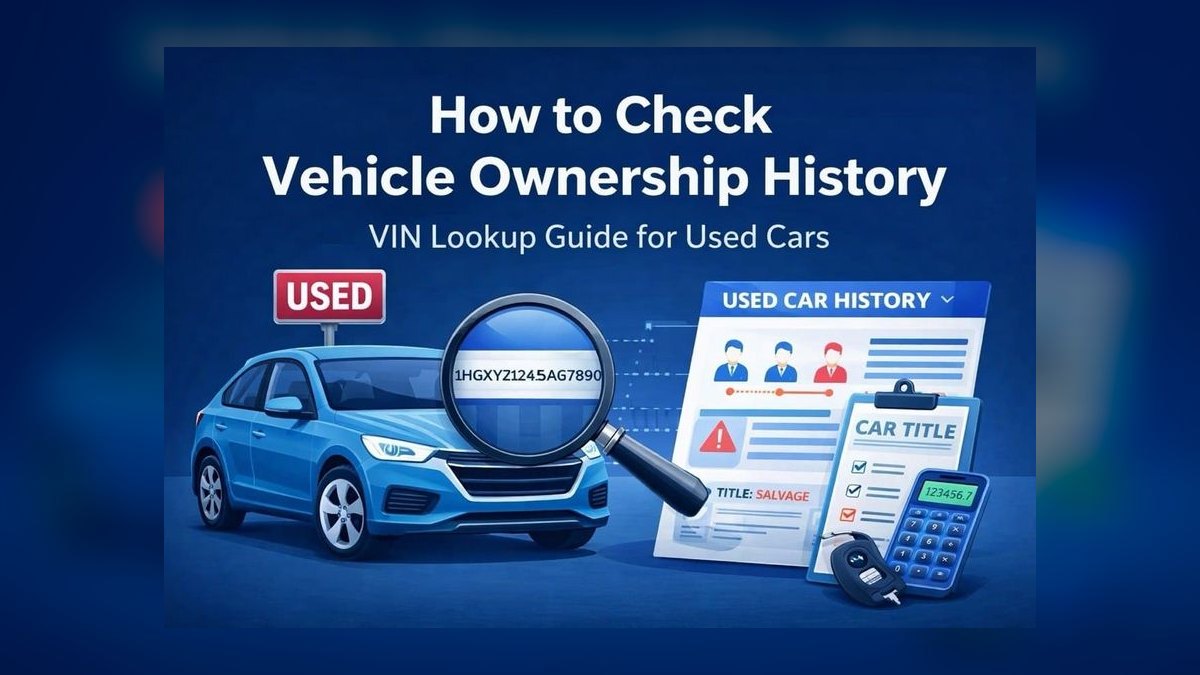
Step 1: Obtain the VIN. The VIN is a 17-character alphanumeric code typically found on the driver's side dashboard near the windshield, on the driver's side door jamb sticker, and on the vehicle's registration and insurance documents. Ask the seller for the VIN before you even schedule a test drive. A legitimate seller will provide it without hesitation. If a seller refuses to share the VIN, that is an immediate red flag and reason to walk away.
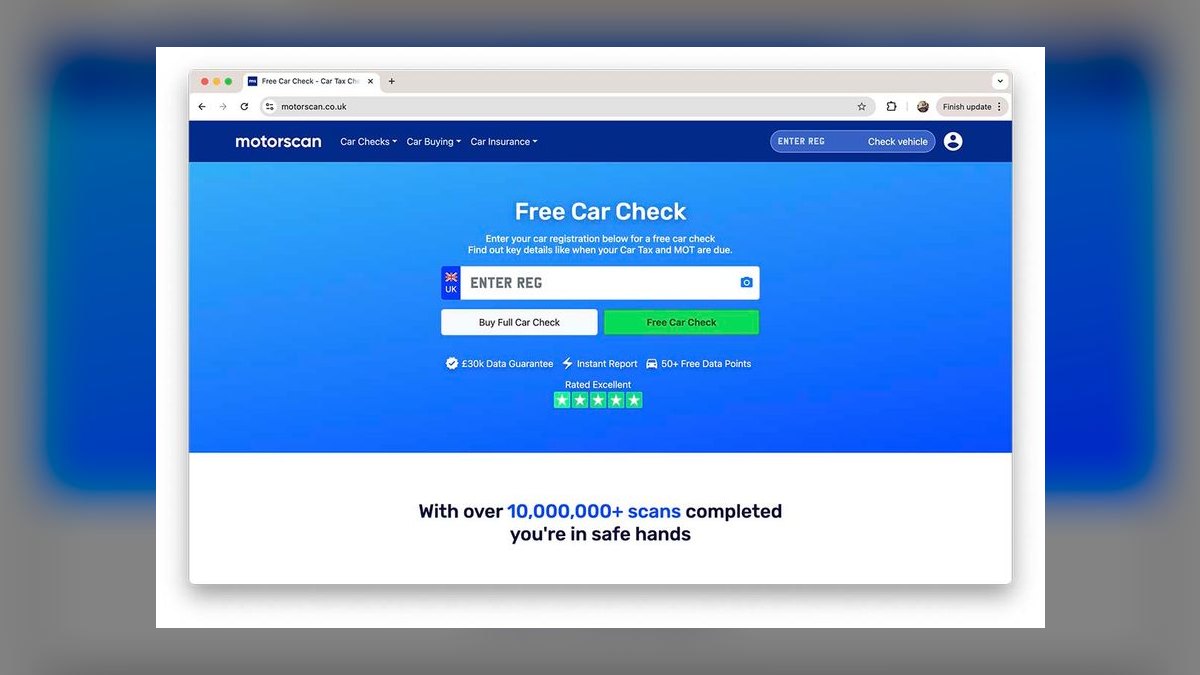
Step 2: Run a free NMVTIS check. The National Motor Vehicle Title Information System is a U.S. Department of Justice program that aggregates title data from all 50 states and participating insurance companies. It is the only federally mandated vehicle history system, and it is free or very low cost through approved providers. The NMVTIS check will tell you the current title status, any brand on the title (such as salvage, flood, or rebuilt), and the odometer reading at last title transfer. This is your first filter and should always be run before spending money on premium reports.
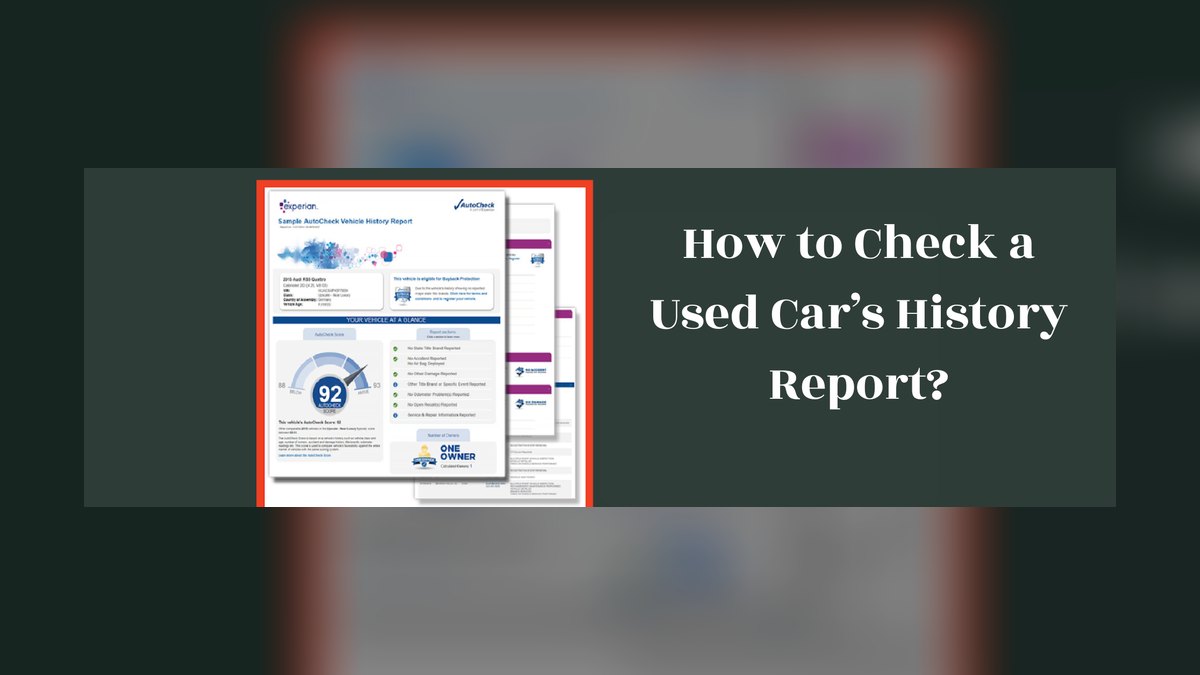
Step 3: Purchase one or two paid history reports. Carfax and AutoCheck are the two dominant commercial providers. Carfax pulls from over 100,000 data sources including service facilities, auctions, and state DMVs. AutoCheck uses a proprietary scoring system called the AutoCheck Score that rates a vehicle on a scale of 1-100 relative to similar vehicles. In 2027, a single Carfax report costs approximately $39.99, and an AutoCheck report costs approximately $24.99. Many buyers purchase both because they draw from partially overlapping but distinct data sources. A vehicle may appear clean on one report and show issues on the other.
Step 4: Review accident history and odometer readings. Look for any reported accidents, noting the severity and airbag deployment status. Check the odometer readings recorded at each title transfer and service event. The readings should increase consistently over time with no unexplained drops. A drop of even one mile is a sign of potential odometer fraud.
Step 5: Run a lien search. A lien search reveals whether there is an outstanding loan against the vehicle. If the seller still owes money on the car, the lender has a legal claim to it. In 2027, you can run a lien search through your state's DMV or through commercial services for approximately $5-10. Never pay a seller in full for a vehicle with an outstanding lien unless you are certain the lien will be satisfied during the transaction.

Step 6: Check for open recalls. Use the National Highway Traffic Safety Administration's VIN lookup tool, which is free at nhtsa.gov. Enter the VIN and you will see any open safety recalls that have not been addressed. While recalls are typically repaired for free by dealerships, an open recall indicates the seller did not maintain the vehicle properly.
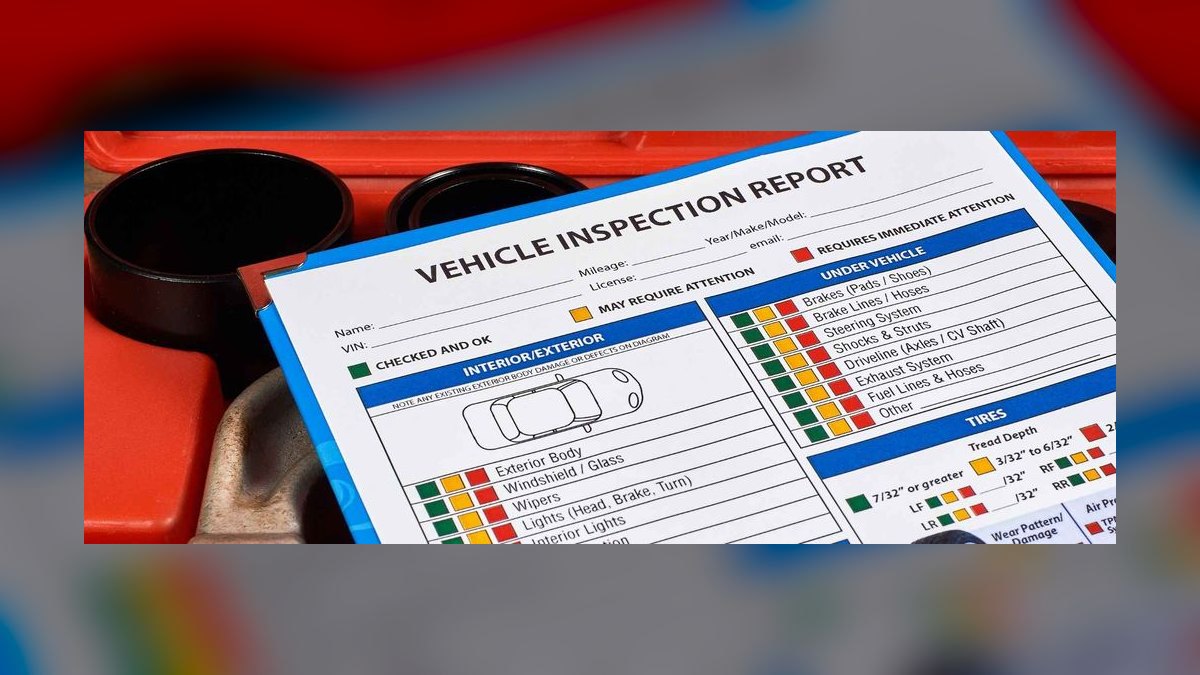
Step 7: Schedule a pre-purchase inspection. No history report is complete, and no report can tell you about the vehicle's current mechanical condition. A pre-purchase inspection by an independent mechanic typically costs $100-200 and takes 1-2 hours. The mechanic should check the engine, transmission, brakes, suspension, electrical systems, and look for signs of previous damage that may not have been reported.
Costs, timelines, and typical ranges
The total cost of checking a used car's history before buying in 2027 is modest compared to the potential savings. Here is the realistic breakdown of what you should expect to spend.
The NMVTIS check is free or costs between $0 and $5 depending on the approved provider you use. Some state DMVs provide NMVTIS data directly at no charge. The federal government mandates that NMVTIS data be accessible to consumers, so you should never pay more than a nominal fee for this service.
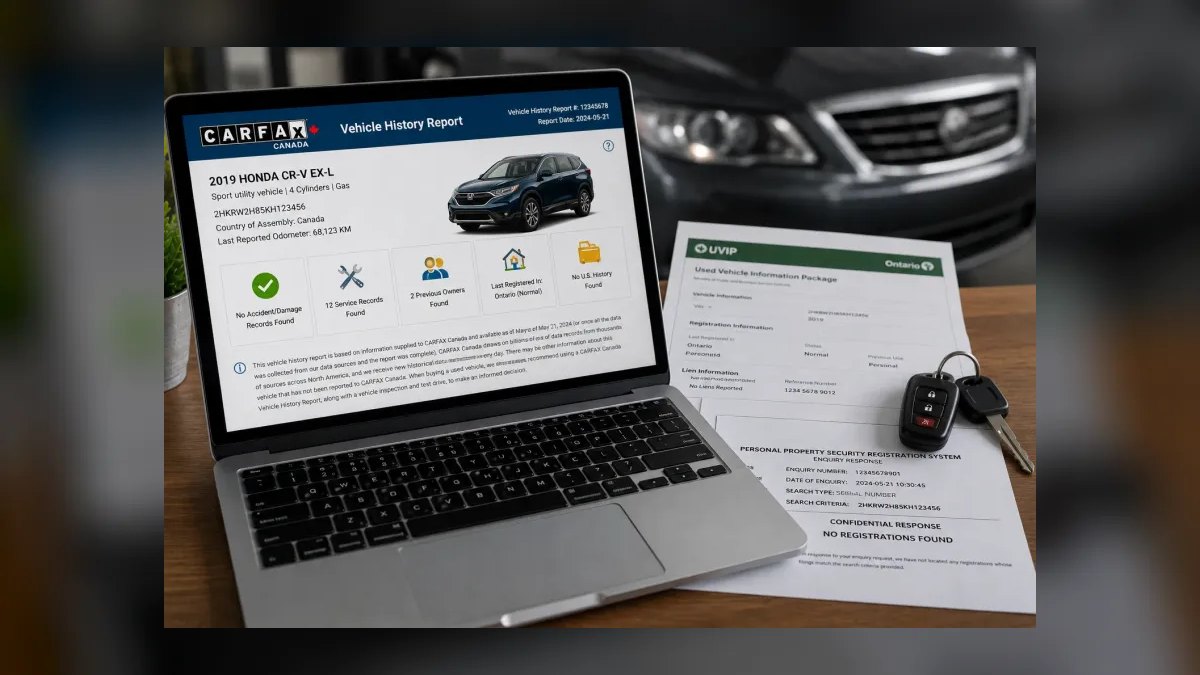
Carfax reports cost $39.99 for a single report or $64.99 for three reports within a 30-day period. If you are shopping for multiple vehicles, the multi-report package is the better value. AutoCheck costs $24.99 for a single report or $44.99 for 20 reports in 30 days, making it the more economical choice for serious shoppers who plan to check many VINs.
Lien searches range from $5 to $15 depending on the state and whether you use a commercial service or go directly through the DMV. Some states offer this information for free online.
The pre-purchase inspection is the largest single cost, ranging from $100 to $250 depending on your location and the mechanic's hourly rate. Some dealerships offer free inspections on their own inventory, but you should still consider paying for an independent inspection on any private-party purchase.
The timeline for completing all checks is typically 2-5 days. The NMVTIS check and paid reports return instantly. The lien search may take 1-2 business days if you go through the DMV. The pre-purchase inspection requires scheduling, which is often the bottleneck. In a competitive market, you may need to act quickly, but never skip the history check just to move faster.
In total, you should budget $150-300 and 2-5 days to fully check a used car's history before buying. Compare this to the potential cost of buying a salvage-title vehicle, which could be $5,000-15,000 in lost value, or a flood-damaged vehicle with electrical problems, which could cost $3,000-8,000 in repairs. The return on investment for a thorough history check is among the best in any consumer purchase.
Where teams get it wrong
Even experienced buyers make mistakes when checking a used car's history before buying. Understanding these common errors can help you avoid them.
Relying on a single report. The most common mistake is purchasing one Carfax report and assuming it tells the complete story. Carfax and AutoCheck draw from different data sources, and neither captures every event in a vehicle's life. A 2023 study found that Carfax and AutoCheck disagreed on accident history in approximately 15% of vehicles. Always run at least two reports and compare them carefully. Discrepancies between reports are themselves a red flag that warrants further investigation.

Trusting the seller's provided report. Many sellers, particularly dealerships, will provide a free Carfax report as part of the listing. While this is convenient, it is not a substitute for running your own check. The seller could have provided an older report that does not include recent events, or the report could be for a different vehicle with a similar VIN. Always run your own report using the VIN you have verified from the vehicle itself.
Ignoring the NMVTIS check. Because NMVTIS is less well-known than Carfax, many buyers skip it. This is a significant error. NMVTIS is the only system that captures title brands from all 50 states, and it is the most reliable source for detecting salvage, flood, and rebuilt titles. Carfax and AutoCheck can miss title brands if the data was not reported to them, but NMVTIS has a legal mandate to receive this information.
Not verifying the VIN matches the vehicle. VIN cloning is a real crime where a stolen vehicle is given the VIN of a similar legally-owned vehicle. Before running any report, verify that the VIN on the dashboard, the door jamb, and the title all match. Look for signs of tampering, such as loose screws around the VIN plate, paint overspray on the door jamb, or a VIN plate that looks newer than the surrounding metal.
Skipping the lien search. Many buyers assume that if the title is in the seller's possession, there is no lien. This is incorrect. The seller may have paid off the loan but not yet received the title from the lender, or the title may be a duplicate issued while a lien was still active. A lien search is cheap and fast, and it protects you from a situation where a lender repossesses the vehicle after you have paid for it.
Failing to check for flood damage. Flood damage is notoriously underreported in vehicle history reports. A vehicle can be flooded and repaired without any insurance claim being filed, meaning no record exists. In 2027, with increasing frequency of severe weather events, flood-damaged vehicles are more common than ever. Look for signs of flood damage during your physical inspection: musty odors, water lines in the engine bay, rust on unpainted metal surfaces, and mud or debris in unusual places.
Not completing the physical inspection. A history report tells you about the vehicle's past, but it cannot tell you about its present condition. Even a vehicle with a clean history report can have worn brakes, a failing transmission, or structural rust. The pre-purchase inspection is not optional; it is a critical complement to the history check.

Ignoring the maintenance history. A vehicle with a clean accident history but no maintenance records is a risk. Regular oil changes, fluid flushes, and scheduled maintenance are essential to a vehicle's longevity. If the seller cannot provide maintenance records, consider that a yellow flag and factor it into your offer price.
Decision framework: when to choose what
Not every used car purchase requires the same level of history checking. The depth of your investigation should scale with the value of the vehicle and the risk profile of the transaction. This decision framework helps you allocate your time and money appropriately.
For vehicles under $5,000: The cost of a full history investigation can be a significant percentage of the vehicle's value. In this price range, run the free NMVTIS check and one paid report. If both come back clean, proceed with the purchase but be aware that you are taking on more risk. A $200 inspection on a $4,000 car may not be economically justified, but you should at least have a trusted mechanic give the vehicle a quick once-over.
For vehicles between $5,000 and $15,000: This is the most common price range for used car purchases, and it justifies a standard check. Run the NMVTIS check, purchase both Carfax and AutoCheck reports, and run a lien search. If the vehicle is being purchased from a private party, add a recall check and a pre-purchase inspection. The total cost of approximately $200-300 is reasonable insurance on a five-figure purchase.

For vehicles over $15,000: Full diligence is mandatory. Run every check available, including the NMVTIS check, both paid reports, a lien search, a recall check, and a comprehensive pre-purchase inspection. For electric vehicles, add a battery health assessment, which may cost an additional $100-200. For high-performance or luxury vehicles, consider a specialist inspection at a dealership or marque-specific shop. At this price point, skipping any step is unjustifiable.
For vehicles with a branded title: If the NMVTIS check reveals a salvage, rebuilt, flood, or other branded title, you must decide whether to walk away or proceed with extreme caution. A rebuilt salvage vehicle can be a good value if the repairs were done properly, but you should have a specialist inspection and expect to pay 30-50% less than the clean-title market value. Many lenders will not finance branded-title vehicles, so you will likely need to pay cash.
For vehicles with red flags in the history: A single accident does not necessarily disqualify a vehicle, but it should change your approach. Request the repair records and have your mechanic specifically inspect the repaired areas. A vehicle with two or more reported accidents, any airbag deployment, or any frame damage should be avoided regardless of price.
Related questions
What is the best free way to check a used car's history?
The National Motor Vehicle Title Information System (NMVTIS) is the best free resource for checking a used car's history. It provides title status, odometer readings, and salvage information from all 50 states. You can access NMVTIS data through approved providers at no cost or for a small fee.
How much does a Carfax report cost in 2027?
A single Carfax report costs $39.99 in 2027. Carfax also offers a package of three reports for $64.99, which is the better value if you are shopping for multiple vehicles. AutoCheck offers a single report for $24.99 or 20 reports for $44.99.
Can a used car have a clean history report but still be a bad purchase?
Yes. History reports only capture events that were reported to their data sources. Unreported accidents, flood damage repaired without insurance claims, and mechanical issues that were never documented will not appear on any report. This is why a pre-purchase inspection is essential.
How do I check if a used car has an outstanding loan?
You can check for an outstanding loan by running a lien search through your state's DMV or through a commercial service. The search typically costs $5-15 and returns results within 1-2 business days. A vehicle with an active lien cannot be legally sold without satisfying the loan first.
What is the difference between Carfax and AutoCheck?
Carfax and AutoCheck draw from partially overlapping but distinct data sources. Carfax has more service and maintenance records, while AutoCheck uses a proprietary scoring system. For the most complete picture, run both reports and compare the results for any discrepancies.
FAQ
How do I check a used car's history before buying in 2027?
Start by obtaining the VIN from the seller and verifying it matches the vehicle. Run a free NMVTIS check to verify the title status, then purchase Carfax and AutoCheck reports to review accident history and odometer readings. Run a lien search, check for open recalls, and schedule a pre-purchase inspection with an independent mechanic before completing the purchase.
What information is included in a vehicle history report?
A vehicle history report typically includes title information, accident history, odometer readings, service records, ownership history, lien information, and recall status. The specific data depends on the provider and the sources that have reported information about that particular VIN.
How accurate are vehicle history reports?
Vehicle history reports are generally accurate for the events that are reported to their data sources, but they are not comprehensive. Unreported accidents, repairs done without insurance claims, and maintenance performed at non-participating shops will not appear on a report. Always combine a history report with a physical inspection.
Can I check a used car's history for free?
Yes, the NMVTIS system provides free or low-cost title and odometer information. You can also check for open recalls for free at nhtsa.gov. However, comprehensive accident and service history typically requires a paid report from Carfax or AutoCheck.
Should I check the history of a used car even if I am buying from a dealership?
Yes. While dealerships are required to disclose known defects in some states, they are not required to provide a complete history report, and they may not know the full history themselves. Always run your own independent check using the VIN from the vehicle itself.
How far back does a vehicle history report go?
Vehicle history reports typically cover the entire life of the vehicle from the first title issuance. However, data from the earliest years may be sparse if the vehicle was sold in a state with less comprehensive reporting or if the data was never submitted to the report provider.
Sources
- https://www.nhtsa.gov/recalls
- https://www.vehiclehistory.gov/
- https://www.carfax.com/
- https://www.autocheck.com/
- https://www.consumer.ftc.gov/articles/buying-used-car
- https://www.iii.org/article/auto-insurance-basics
- https://www.edmunds.com/car-buying/
- https://www.kbb.com/car-advice/
- https://www.dmv.org/vehicle-history/
- https://www.nada.org/
Related on PULSE
- How to negotiate the price of a used car in 2027
- The complete guide to pre-purchase vehicle inspections
- Understanding salvage titles and rebuilt vehicles
- Electric vehicle battery health checks before purchase
- Private party vs. dealership used car buying: pros and cons
- How to spot odometer fraud when buying a used car
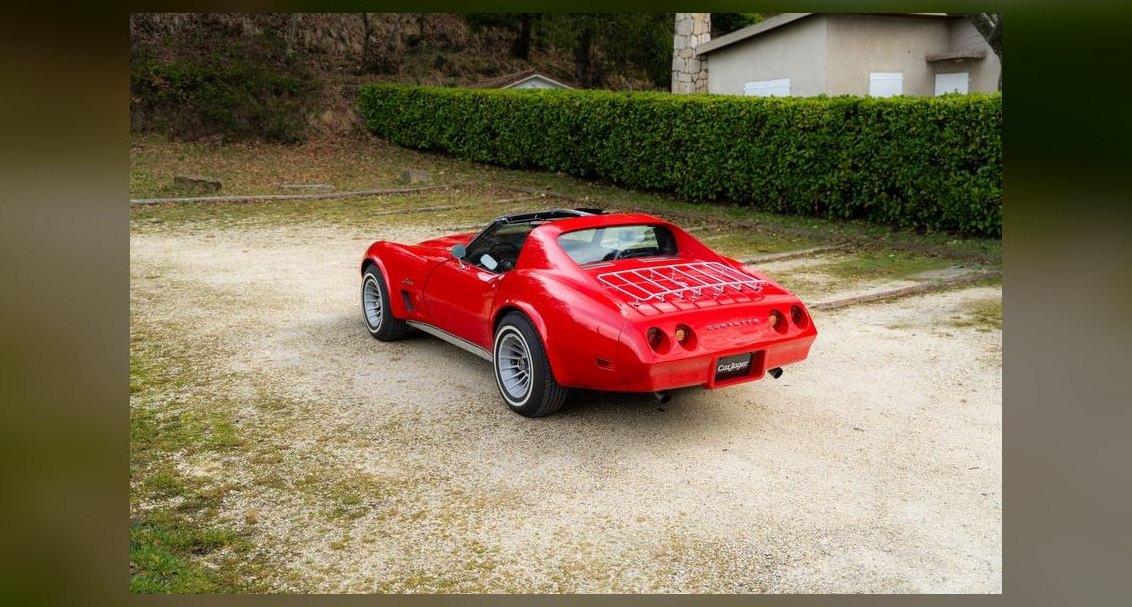 pulse-carsBest Chevrolet Corvette Generations (Ranked) in 2027
 pulse-carsBest Used Hybrid SUVs Under $25,000 in 2027 (Ranked)
 pulse-carsBest Used Electric SUVs Under $15,000 in 2027 (Ranked)
 pulse-recentWhat is the real-world range of a 2027 electric sedan in freezing weather in 2027?
 pulse-carsBest Volkswagen GTI Generations (Ranked) in 2027
 pulse-carsBest Toyota Highlander Generations (Ranked) in 2027
 pulse-carsBest Cadillac Escalade Model Years (Ranked) in 2027
 pulse-carsBest Audi Models in 2027
 pulse-carsBest Volvo Models in 2027
 pulse-carsBest Chevrolet Silverado Model Years (Ranked) in 2027