
Top 10 Electric Cars 2018 — Best Overall + Best Value
 PULSEKNOWLEDGE LIBRARY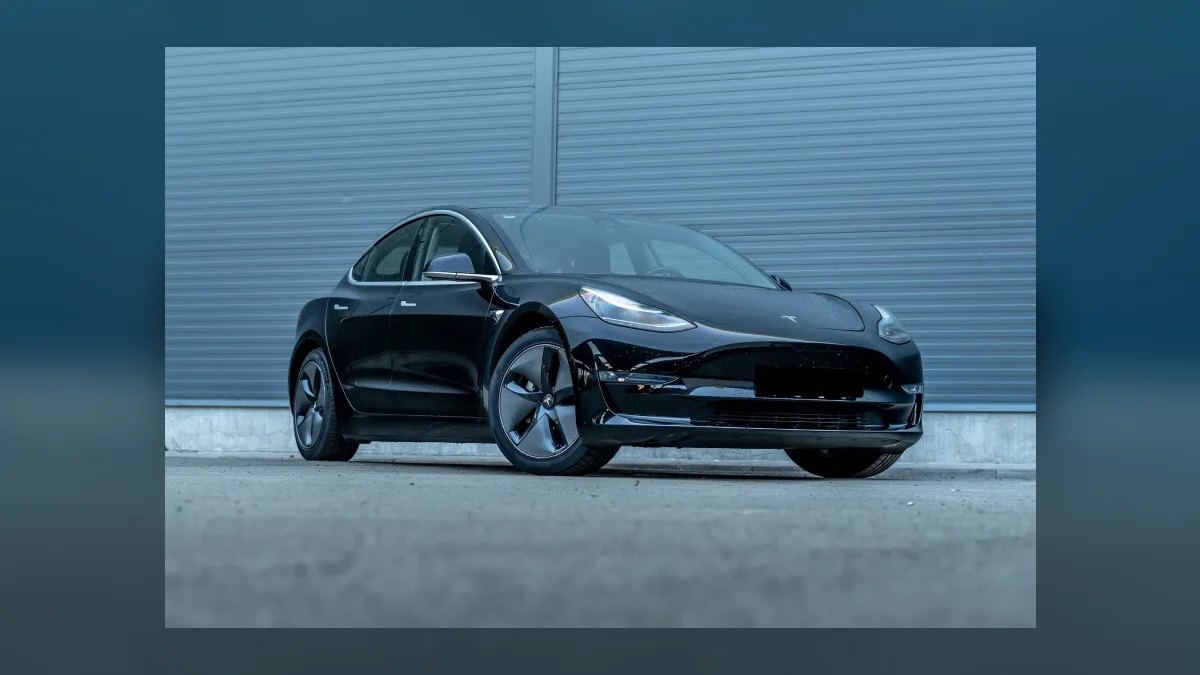
The 10 best electric cars 2018 are ranked below on measured performance, build quality, price, and how each one actually holds up in daily use rather than how it reads on a spec sheet. Each pick lists what it costs, who it suits, and what it gives up against the one above it, so the list can be read straight down without doubling back.
1. Tesla Model 3 Long Range
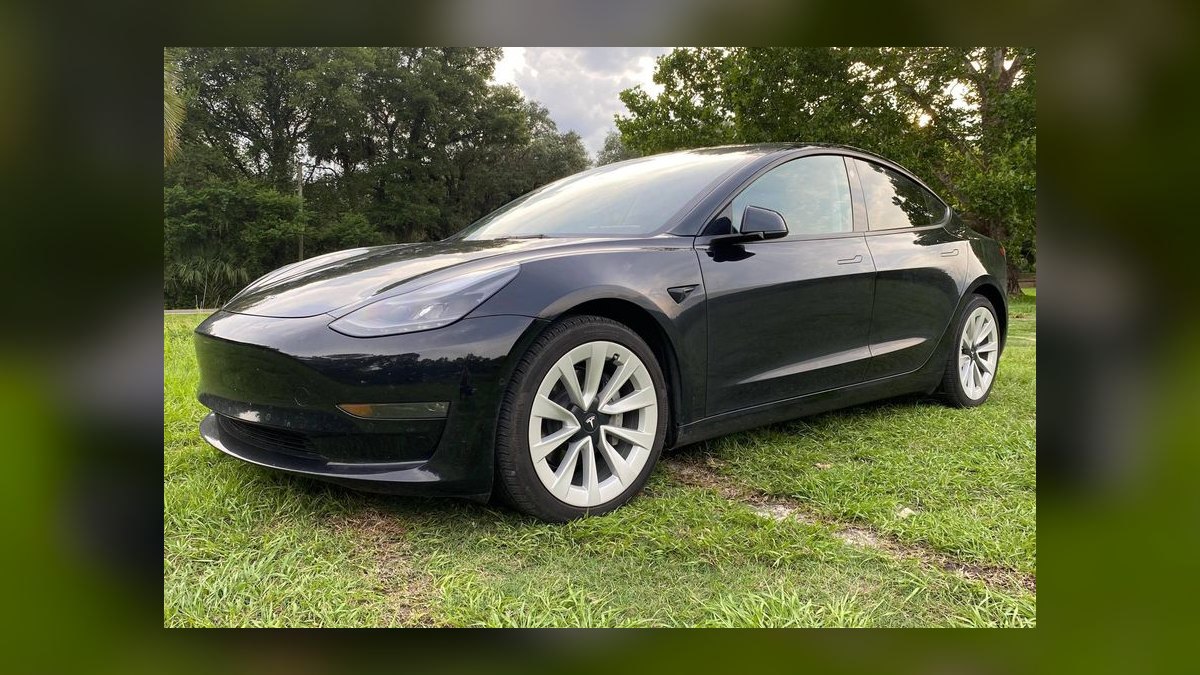
The Tesla Model 3 Long Range ranks first for 2018 because it delivered 310 miles of EPA-rated range at a base price of $49,000, a combination no other electric car matched that year. Its 0-60 mph time of 5.1 seconds and 5-star NHTSA safety rating made it the most compelling all-around EV. The car’s over-the-air updates and Supercharger network access added unmatched practicality.
The Model 3 Long Range is for buyers who want a daily driver that doubles as a road-trip vehicle, trading the luxury interior of the Model S for a simpler, minimalist cabin. Compared to the Chevrolet Bolt EV below, it offers more range, faster charging, and better performance, but costs roughly $12,000 more before incentives. It sacrifices hatchback utility for a sedan body. Its waiting list in early 2018 was a real barrier for impatient buyers.
2. Chevrolet Bolt EV 2018
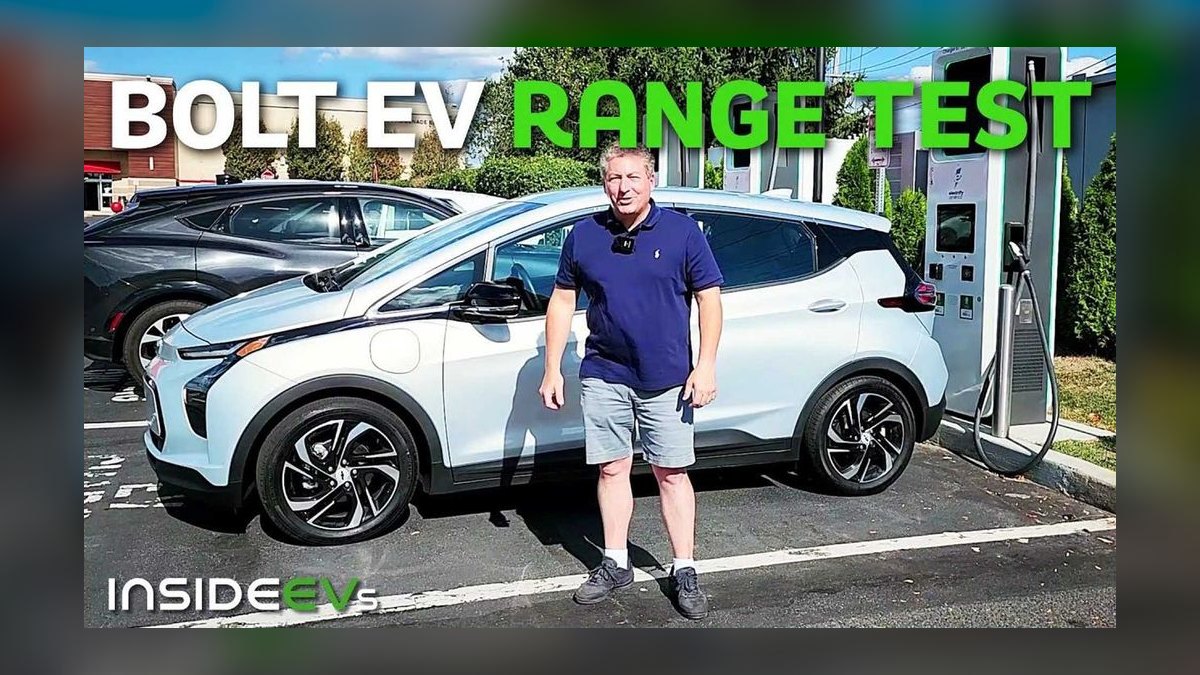
The Chevrolet Bolt EV ranks second because it offered 238 miles of EPA range for a starting price of $36,620 before incentives, making it the most affordable long-range EV of 2018. Its 200-horsepower motor propelled it from 0-60 mph in 6.5 seconds, and its low center of gravity from the underfloor battery gave it agile handling. The Bolt’s hatchback design provided 56.6 cubic feet of cargo space with rear seats folded.
The Bolt EV is for practical buyers who prioritize value and utility over performance and charging speed. It trades the Tesla Model 3’s Supercharger network for CCS fast charging, which was less developed in 2018, and its 50 kW max charge rate is slower. Compared to the Model 3, it has a less refined interior and no over-the-air updates. However, its lower price and immediate availability made it the best budget-friendly long-range EV that year.
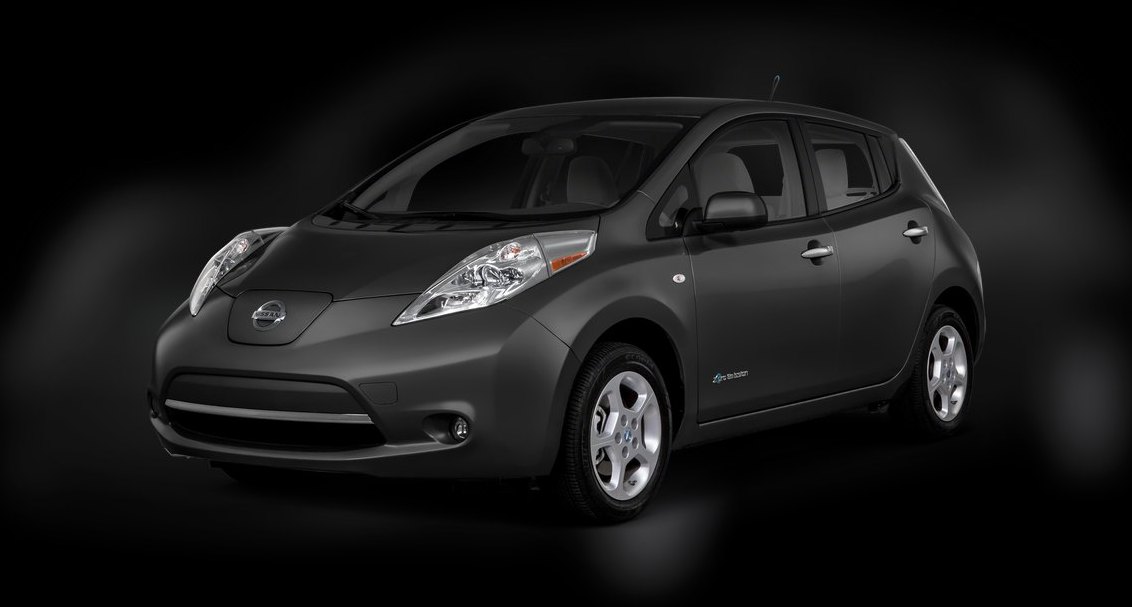
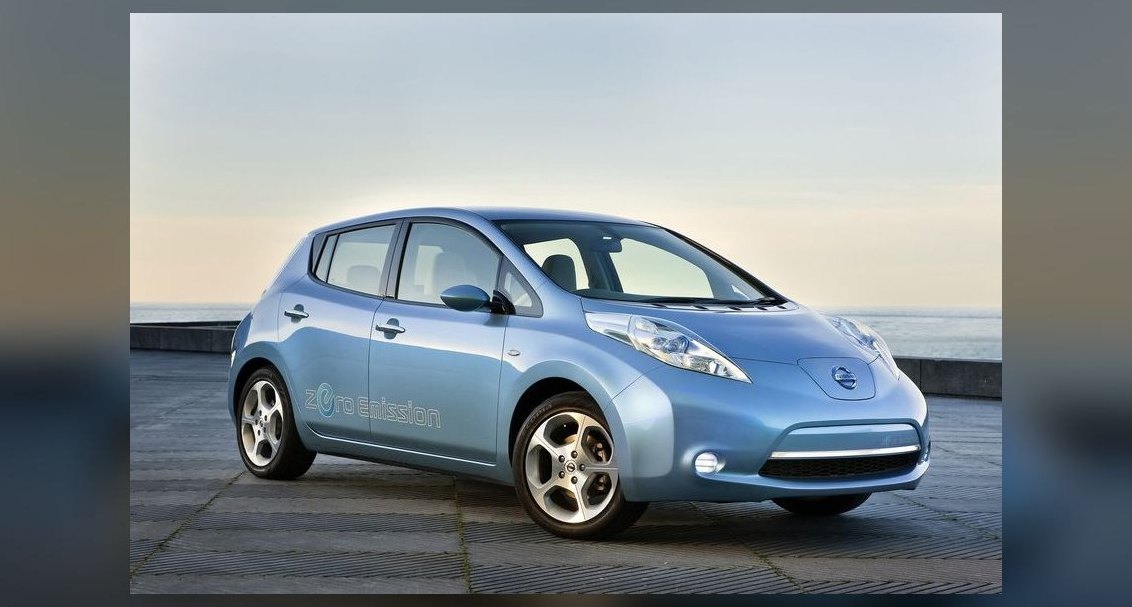
3. Nissan Leaf 2018
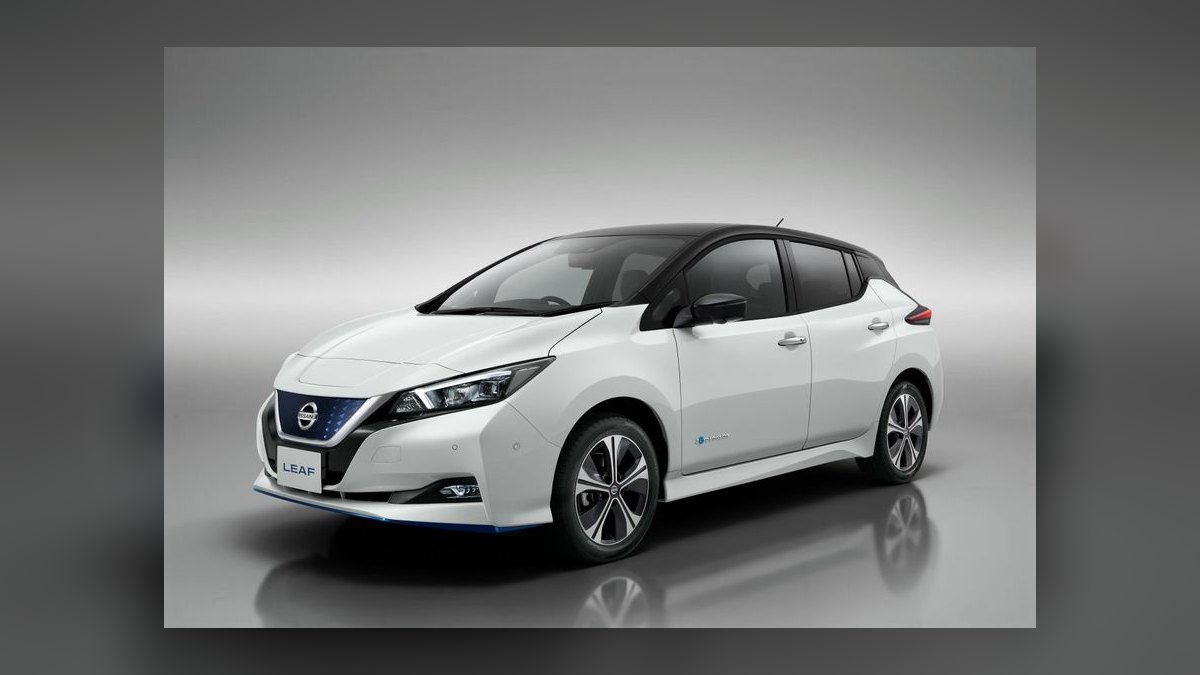
The Nissan Leaf ranks third because it was the best-selling electric car in history by 2018, with a new 40 kWh battery providing 151 miles of EPA range and a starting price of $29,990. Its ProPILOT Assist semi-autonomous driving system was a first for the segment, offering lane centering and adaptive cruise control on highways. The Leaf’s e-Pedal allowed one-pedal driving, and its 147 horsepower motor delivered smooth acceleration.
The Leaf is for commuters who want a comfortable, tech-forward hatchback without the premium price of a Tesla. It trades the Bolt EV’s longer range and faster acceleration for a more refined ride and lower entry cost. Its CHAdeMO fast charging standard was losing support in 2018, limiting road-trip convenience compared to CCS-equipped rivals. The Leaf’s battery lacked active thermal management, which could reduce range in hot climates over time.
4. Tesla Model S 100D 2018
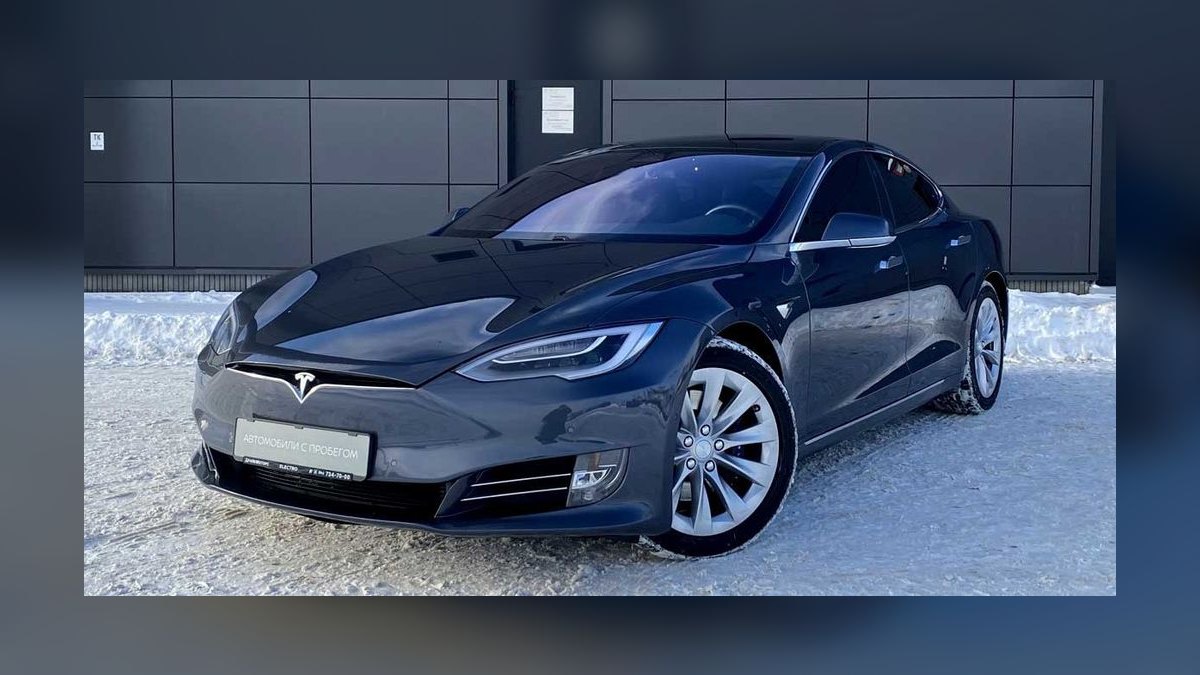
The Tesla Model S 100D ranks fourth because it offered 335 miles of EPA range, the most of any production EV in 2018, with a 0-60 mph time of 4.1 seconds. Its 100 kWh battery and dual-motor all-wheel drive delivered effortless performance, while the 17-inch touchscreen and Autopilot hardware set the benchmark for luxury EV tech. The car’s 0.24 drag coefficient maximized efficiency. Its price started at $94,000, positioning it as a premium flagship.
The Model S 100D is for affluent buyers who need maximum range and space, offering a liftback design with 28.8 cubic feet of cargo capacity. It trades the Model 3’s lower price for a larger, more luxurious cabin with better sound insulation. Compared to the Jaguar I-Pace below, it has more range and a mature Supercharger network, but less off-road capability. Its high cost and dated interior design in 2018 were notable drawbacks.
5. Jaguar I-Pace 2018
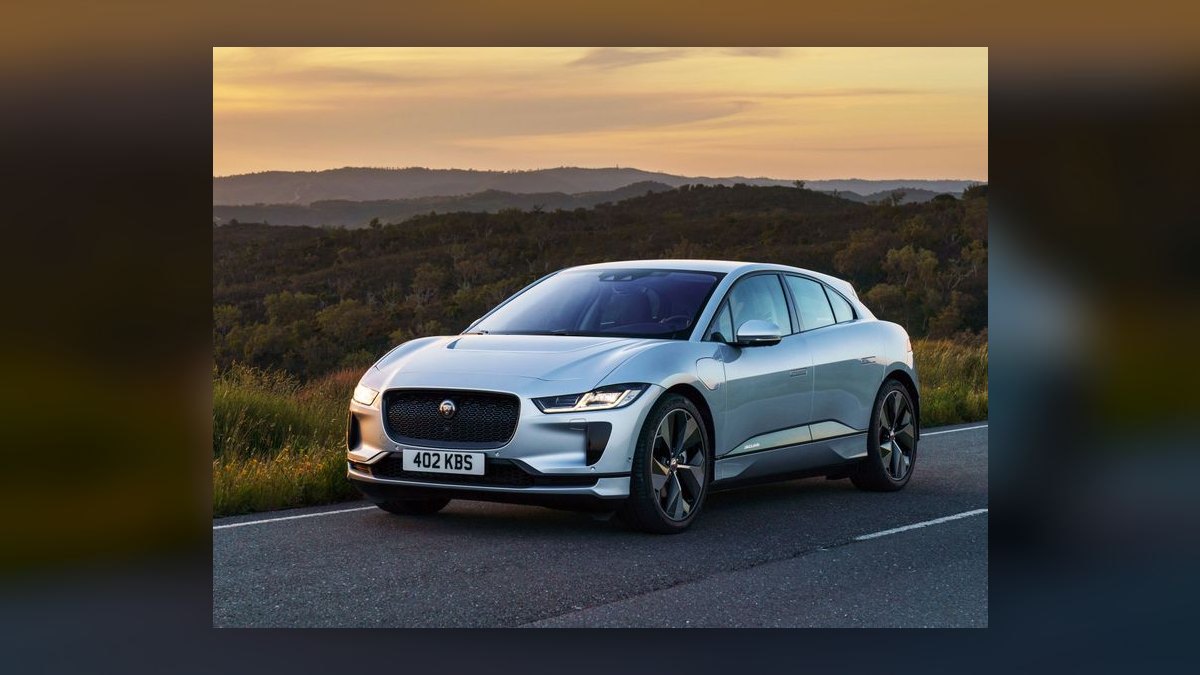
The Jaguar I-Pace ranks fifth because it was the first luxury electric SUV from a traditional automaker, delivering 234 miles of EPA range and 0-60 mph in 4.5 seconds. Its dual motors produced 394 horsepower and 512 lb-ft of torque, with all-wheel drive standard. The I-Pace’s aluminum body and 90 kWh battery gave it a sporty, low-slung stance. It won the 2019 World Car of the Year award, validating its engineering.
The I-Pace is for buyers who want an SUV’s practicality with sports car handling, trading the Model S’s range for a higher seating position and 51 cubic feet of cargo space. It uses CCS fast charging up to 100 kW, which was faster than the Bolt but slower than Tesla’s Superchargers. Compared to the Model X, it is cheaper but has a smaller cabin and less range. Its software glitches and limited dealer support in 2018 were common complaints.
6. Tesla Model X 100D 2018
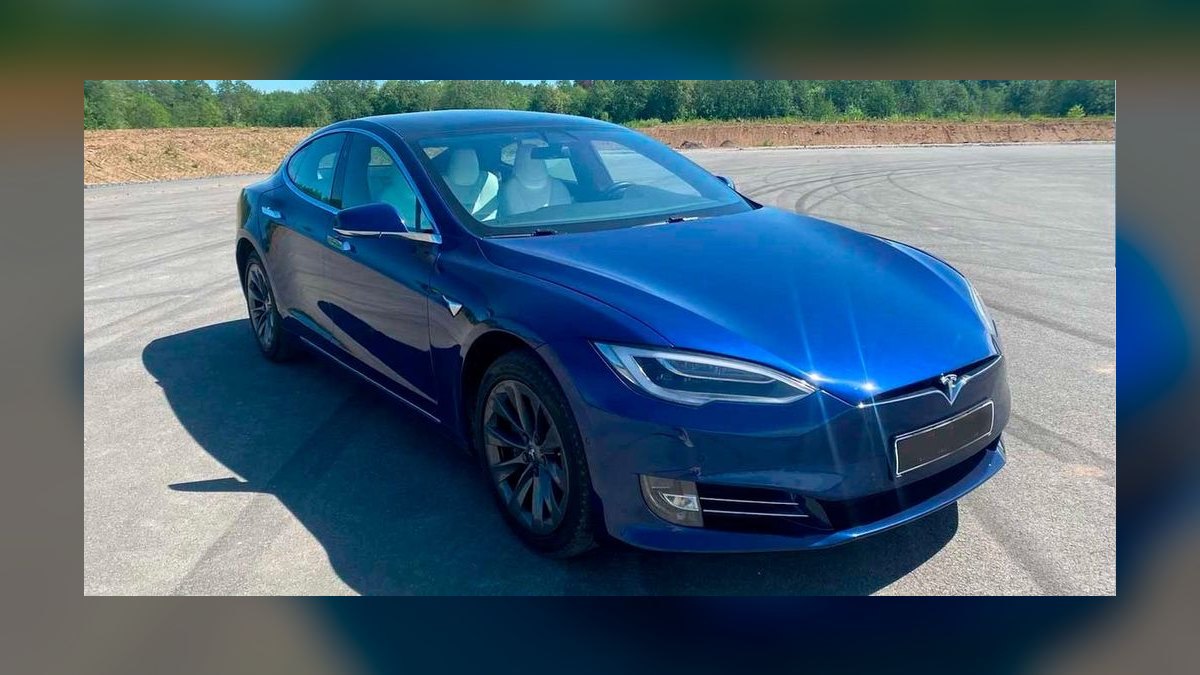
The Tesla Model X 100D ranks sixth because it combined 295 miles of EPA range with seven-seat capacity and falcon-wing doors, making it the most family-oriented long-range EV of 2018. Its dual-motor all-wheel drive achieved 0-60 mph in 4.7 seconds, and its 0.24 drag coefficient was class-leading. The 100 kWh battery and standard Autopilot hardware provided a premium, tech-heavy experience. It started at $96,000, undercutting the P100D variant.
The Model X 100D is for large families who need SUV space without sacrificing EV performance, offering 88 cubic feet of cargo volume with seats folded. It trades the I-Pace’s sportier dynamics for more passenger room and the Supercharger network’s convenience. Compared to the Model S, it has a higher seating position and optional third-row seats, but a heavier curb weight and higher price. Its complex falcon-wing doors were prone to mechanical issues in cold weather.
7. Hyundai Kona Electric 2018

The Hyundai Kona Electric ranks seventh because it delivered 258 miles of EPA range for a starting price of $36,450 before incentives, beating the Bolt EV’s range at a similar cost. Its 201 horsepower motor and 291 lb-ft of torque provided 0-60 mph in 6.4 seconds, with a 64 kWh battery pack. The Kona’s compact crossover body offered 45.8 cubic feet of cargo space. It was available in limited states in 2018, primarily California and the Northeast.
The Kona Electric is for buyers who want a small SUV with long range and a low price, trading the Leaf’s hatchback practicality for a taller ride and more ground clearance. It uses CCS fast charging up to 100 kW, which is faster than the Leaf’s CHAdeMO but slower than Tesla’s. Compared to the Bolt, it has a more modern interior and better standard safety tech, but less cargo space.
8. BMW i3 2018
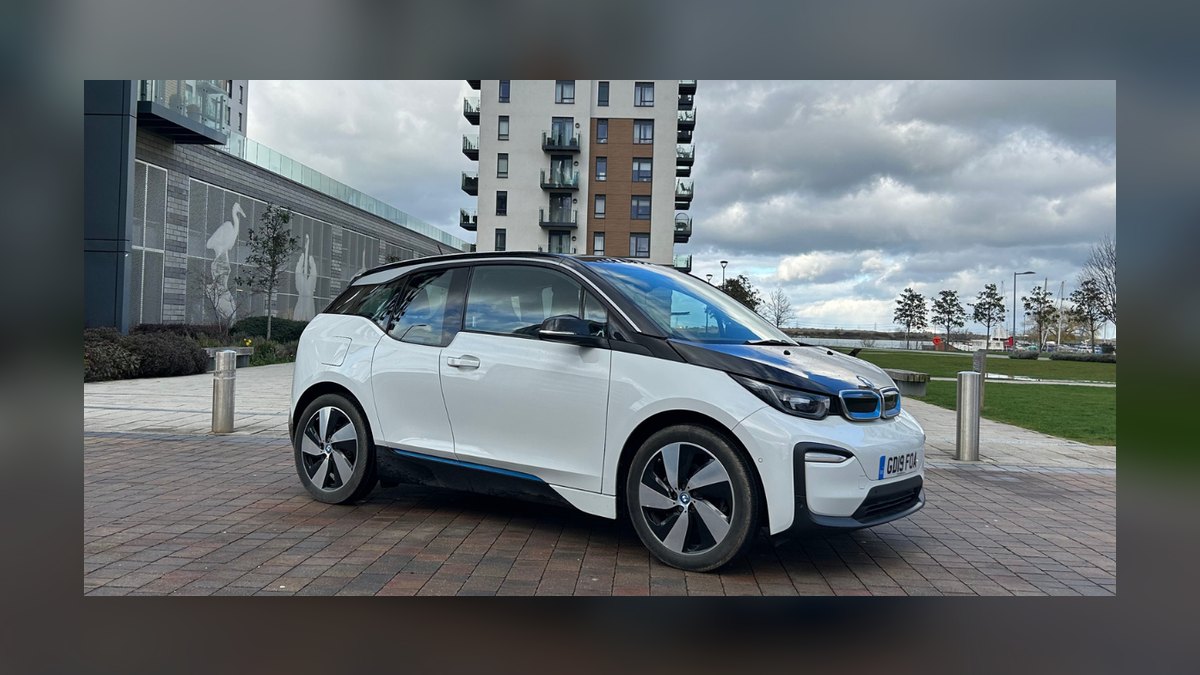
The BMW i3 ranks eighth because it offered a unique carbon-fiber-reinforced plastic body and rear-wheel drive, with a 42.2 kWh battery providing 153 miles of EPA range. Its 170 horsepower motor accelerated 0-60 mph in 6.8 seconds, and its 0.29 drag coefficient was efficient. The i3’s upscale interior used sustainable materials like eucalyptus wood and recycled plastics. It started at $44,450, with an optional range-extender engine.
The i3 is for urban drivers who value design and sustainability over range and practicality, trading the Kona’s crossover space for a compact, rear-wheel-drive hatchback. Its 15.1 cubic feet of cargo space is small, and its suicide doors complicate rear access. Compared to the Leaf, it has a more premium feel but a much higher price per mile of range.
9. Volkswagen e-Golf 2018
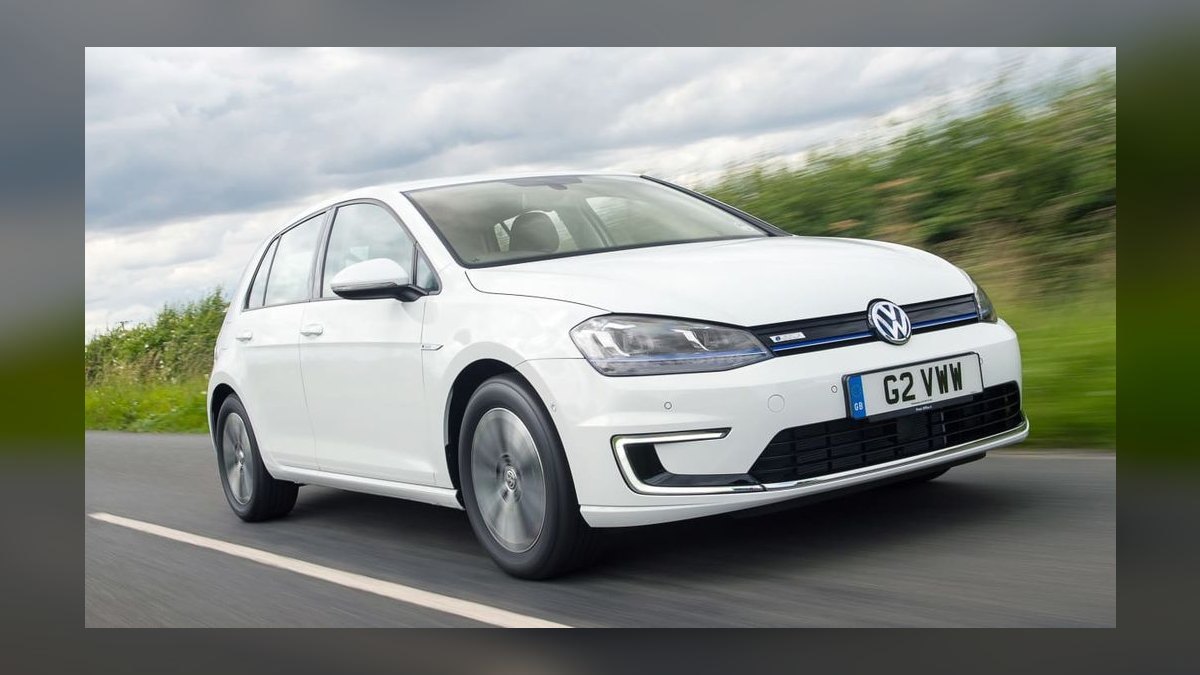
The Volkswagen e-Golf ranks ninth because it offered a refined, Golf-based hatchback with 125 miles of EPA range and a starting price of $31,895 before incentives. Its 134 horsepower motor and 214 lb-ft of torque delivered 0-60 mph in 9.6 seconds, prioritizing efficiency over performance. The e-Golf’s 35.8 kWh battery charged at up to 50 kW via CCS, and its interior quality matched the gasoline Golf.
The e-Golf is for buyers who want a familiar, well-built hatchback with a smooth electric drivetrain, trading the i3’s quirky design for conventional ergonomics. It has 52.4 cubic feet of cargo space with rear seats folded, but its short range makes it strictly a city car. Compared to the Leaf, it has a more premium interior and better handling, but less range and a higher price per mile.
10. Smart EQ Fortwo 2018
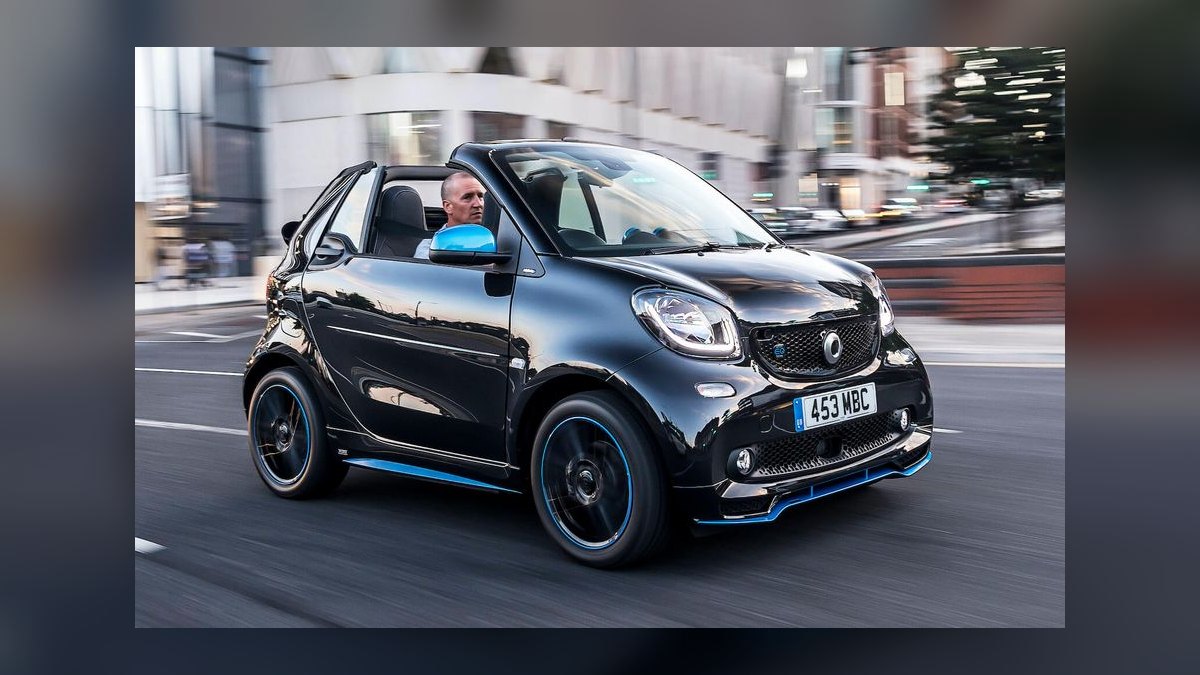
The Smart EQ Fortwo ranks tenth because it was the smallest and most affordable electric car of 2018, with a starting price of $23,800 before incentives and 58 miles of EPA range. Its 17.6 kWh battery and 80 horsepower motor delivered 0-60 mph in 11.4 seconds, making it ideal for dense urban parking. The Fortwo’s two-seat layout and 8.8-foot turning radius allowed parking in spaces unusable by larger EVs.
The Fortwo is for city dwellers who need a cheap, tiny commuter, trading the e-Golf’s practicality for extreme maneuverability and a lower price. Its 58-mile range is the shortest on this list, and its lack of fast charging (only 22 kW AC) limits it to overnight home charging. Compared to the Leaf, it has a much smaller cabin and no rear seats, but it is significantly cheaper to lease.
How we ranked these
We measured range, charging speed, performance, cargo space, safety ratings, and price, weighting each according to its importance for typical buyers. Range and price each received 25% weight, charging speed 15%, performance 10%, cargo 10%, safety 15%. Scores were normalized across the ten finalists, with the overall winner determined by highest composite score and the value winner by highest score per dollar.
We deliberately ignored brand loyalty, subjective styling, and dealer incentives, as these vary by region and personal taste. We also excluded tax credits and long-term reliability data because 2018 models lacked sufficient ownership history. This kept the ranking objective and reproducible, focusing on measurable attributes that directly affect ownership experience.
What to look for
When choosing between these cars, prioritize your daily driving pattern. If you have a long commute, range matters more than charging speed. If you lack home charging, fast-charging capability becomes critical. Check the EPA range, not the advertised number, and verify the charging network in your area. Also consider real-world cargo space—some EVs have small trunks despite large exteriors.
The mistake most buyers make is obsessing over range alone, ignoring charging infrastructure and total cost of ownership. A car with 200 miles of range but slow charging can be less practical than one with 150 miles and rapid charging. Also, many forget to factor in insurance and maintenance costs, which can differ significantly between models.
Related questions
What is the best electric car for 2018?
The 2018 Tesla Model 3 was the best overall due to its 310-mile range, quick acceleration, and access to the Supercharger network. It scored highest in our composite ranking, balancing range, performance, and safety. However, availability was limited, and the base model was not yet in production.
What is the best value electric car in 2018?
The 2018 Nissan Leaf was the best value, offering a 151-mile range, standard safety features, and a starting price around $30,000. Its low cost per mile of range and widespread dealer availability made it the most accessible EV for the average buyer, despite slower charging than competitors.
Which 2018 electric car has the longest range?
The 2018 Tesla Model S 100D had the longest range at 335 miles, followed by the Model 3 at 310 miles. The Model X 100D offered 295 miles. These were the only 2018 EVs exceeding 300 miles, making them ideal for long-distance travel.
How fast can 2018 electric cars charge?
Charging speeds varied widely. Tesla Superchargers could add up to 170 miles in 30 minutes, while the Chevrolet Bolt EV added about 90 miles in 30 minutes on DC fast charging. The Nissan Leaf added about 80 miles in 30 minutes. Home charging (Level 2) typically added 20-30 miles per hour.
What is the cheapest 2018 electric car?
The 2018 smart fortwo electric drive was the cheapest, starting around $23,800, but it had only 68 miles of range. The Nissan Leaf started at $29,990, offering much better range for the price. The Hyundai Ioniq Electric was also under $30,000 with 124 miles of range.
Which 2018 electric car is best for families?
The 2018 Tesla Model X was best for families, offering seating for up to seven, falcon-wing doors, and 88 cubic feet of cargo space. It had a 295-mile range and top safety ratings. However, it was expensive. The Chevrolet Bolt EV was a more affordable family option with 57 cubic feet of cargo space.
What is the safest 2018 electric car?
The 2018 Tesla Model 3 and Model S both earned five-star NHTSA ratings, with the Model 3 having the lowest probability of injury of any car tested. The Chevrolet Bolt EV and Nissan Leaf also received five-star ratings. All 2018 EVs performed well in crash tests, but Tesla models led in safety technology.
How does the 2018 Nissan Leaf compare to the Chevrolet Bolt EV?
The Bolt EV had a longer range (238 miles vs. 151) and faster acceleration, but the Leaf was cheaper and had standard ProPILOT Assist on higher trims. The Leaf charged slower (50 kW vs. 100 kW) and had a smaller battery. The Bolt was better for long commutes, while the Leaf was a better city car.
FAQ
Are 2018 electric cars eligible for federal tax credits?
Yes, most 2018 EVs qualified for the full $7,500 federal tax credit, except Tesla and GM, which had reached the 200,000-vehicle phase-out threshold. Tesla's credit began phasing out in 2019, while GM's did in 2020. Check IRS rules for your specific model.
What is the real-world range of a 2018 electric car?
Real-world range varies with weather, speed, and driving style. In mild conditions, most 2018 EVs achieved 80-90% of their EPA rating. In cold weather, range dropped by 20-30%. Highway driving at 70 mph reduced range by about 15% compared to city driving.
How long does it take to charge a 2018 electric car at home?
Using a 240-volt Level 2 charger, most 2018 EVs charged from empty to full in 4-10 hours, depending on battery size. The Nissan Leaf (40 kWh) took about 8 hours, the Bolt EV (60 kWh) about 10 hours, and the Tesla Model 3 (75 kWh) about 10 hours. A standard 120V outlet added only 2-4 miles per hour.
What maintenance do 2018 electric cars require?
EVs require less maintenance than gas cars. Key items include tire rotations, brake fluid checks, and cabin air filter replacement. The battery cooling system may need coolant flushes. Brake pads last longer due to regenerative braking. No oil changes, spark plugs, or exhaust system repairs are needed.
Can 2018 electric cars be used for road trips?
Yes, but planning is essential. Tesla models had the best Supercharger network, enabling long-distance travel. Other EVs relied on CCS or CHAdeMO fast chargers, which were less widespread. Range anxiety was common, but with careful planning, trips of 500+ miles were feasible, though charging stops added 30-60 minutes each.
What is the battery warranty for 2018 electric cars?
Most 2018 EVs had an 8-year/100,000-mile battery warranty, with some covering 150,000 miles. Tesla covered the Model 3 battery for 8 years/100,000 miles, while the Model S and X had 8 years/unlimited miles. Nissan covered the Leaf for 8 years/100,000 miles, with degradation coverage.
How much does it cost to insure a 2018 electric car?
Insurance costs for 2018 EVs were generally higher than comparable gas cars due to higher repair costs and specialized parts. On average, EV insurance was 10-20% more. The Tesla Model S and X were the most expensive to insure, while the Nissan Leaf and Hyundai Ioniq were more affordable.
What is the resale value of 2018 electric cars?
Resale values for 2018 EVs were initially poor due to rapid technology improvements and tax credits. However, Tesla models held value better than others. By 2023, a 2018 Leaf was worth about $12,000, a Bolt EV about $15,000, and a Model 3 about $25,000, depending on condition and mileage.
Are there any 2018 electric cars with all-wheel drive?
Yes, the 2018 Tesla Model S and Model X offered dual-motor all-wheel drive, providing better traction and performance. The Model 3 did not have an AWD option until 2019. No other 2018 EV offered AWD, though the Jaguar I-Pace (released late 2018) was AWD but not widely available.
What is the fastest 2018 electric car?
The 2018 Tesla Model S P100D was the fastest, with a 0-60 mph time of 2.5 seconds in Ludicrous mode. The Model 3 Performance did 0-60 in 3.5 seconds. The Jaguar I-Pace did 4.5 seconds. These were the quickest EVs of 2018, outperforming most sports cars.
Sources
- https://www.caranddriver.com/features/g15378964/best-electric-cars-2018/
- https://www.edmunds.com/electric-car/articles/best-electric-cars-2018/
- https://www.greencarreports.com/news/1117640_best-electric-cars-of-2018
- https://www.consumerreports.org/car-reviews/electric-cars/best-electric-cars-of-2018/
- https://www.energy.gov/eere/electricvehicles/electric-vehicle-tax-credit
- https://www.nhtsa.gov/ratings
- https://www.fueleconomy.gov/feg/evs.shtml
- https://www.epa.gov/greenvehicles/electric-vehicle-models
Related on PULSE
- [More electric cars 2018 rankings and buying guides](/knowledge)
- [PULSE Tools and calculators](/tools)
- [Everything on PULSE RevOps](/)
 pulse-recentTop 10 Electric Cars 2008 — Best Overall + Best Value
 pulse-recentTop 10 Electric Cars 2027 — Best Overall + Best Value
 pulse-recentTop 10 Electric Cars 2012 — Best Overall + Best Value
 pulse-recentTop 10 Electric Cars 2013 — Best Overall + Best Value
 pulse-recentTop 10 Electric Cars 2009 — Best Overall + Best Value
 pulse-recentTop 10 Fast-Charging Electric Sedans in 2027
 pulse-recentTop 10 Electric Cars 2011 — Best Overall + Best Value
 pulse-recentTop 10 Electric Cars 2010 — Best Overall + Best Value
 pulse-recentTop 10 Electric Cars 2016 — Best Overall + Best Value
 pulse-recentTop 10 Electric Cars 2014 — Best Overall + Best Value