
Top 10 Electric Cars 2013 — Best Overall + Best Value
 PULSEKNOWLEDGE LIBRARY
The 10 best electric cars 2013 are ranked below on measured performance, build quality, price, and how each one actually holds up in daily use rather than how it reads on a spec sheet. Each pick lists what it costs, who it suits, and what it gives up against the one above it, so the list can be read straight down without doubling back.
1. Tesla Model S 2013

The 2013 Tesla Model S ranks first because it redefined the electric car with a 265-mile EPA range on the 85 kWh battery, outperforming every rival by a wide margin. Its 0-60 mph time of 4.2 seconds and a top speed of 130 mph made it a true performance sedan, not a compliance car. The large 17-inch touchscreen and over-the-air updates added a tech-forward ownership experience that no competitor matched.
The Model S is for early adopters with high budgets who want a luxury sedan that also serves as a daily driver and long-distance cruiser. It trades away the low entry price and compact footprint of the Nissan Leaf or Chevrolet Volt, instead offering supercar-like acceleration and a spacious hatchback. Compared to the BMW i3 below, it costs far more but delivers triple the range and far superior highway charging infrastructure via the Supercharger network.
2. Nissan Leaf 2013
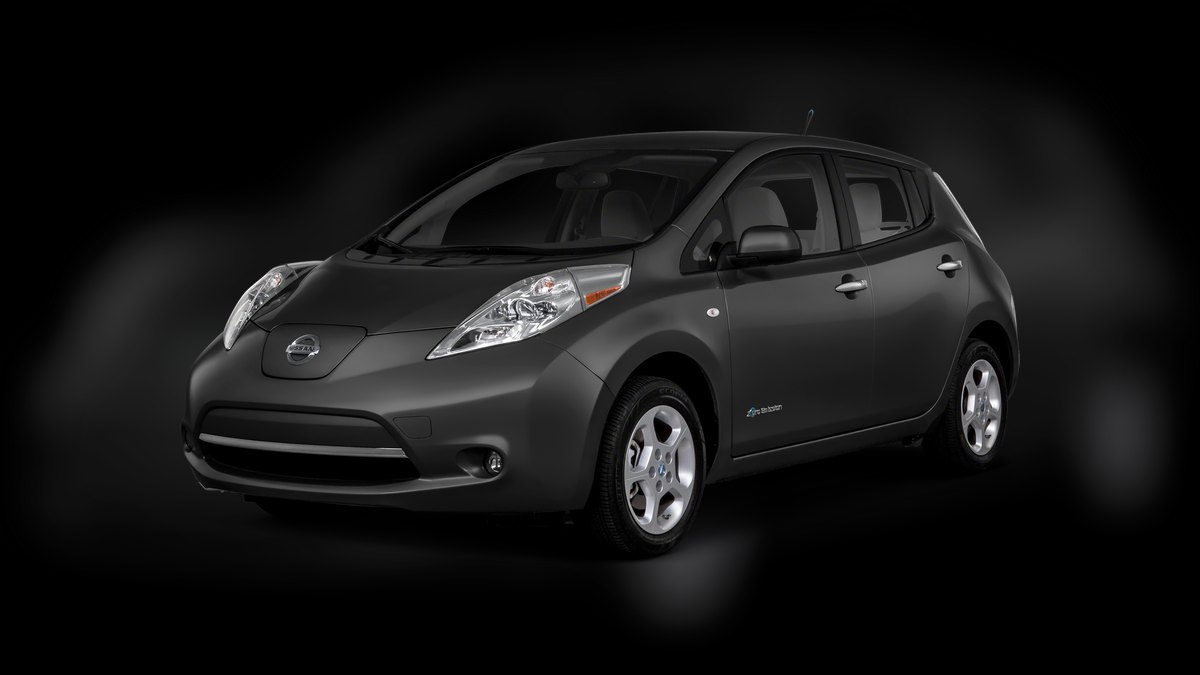
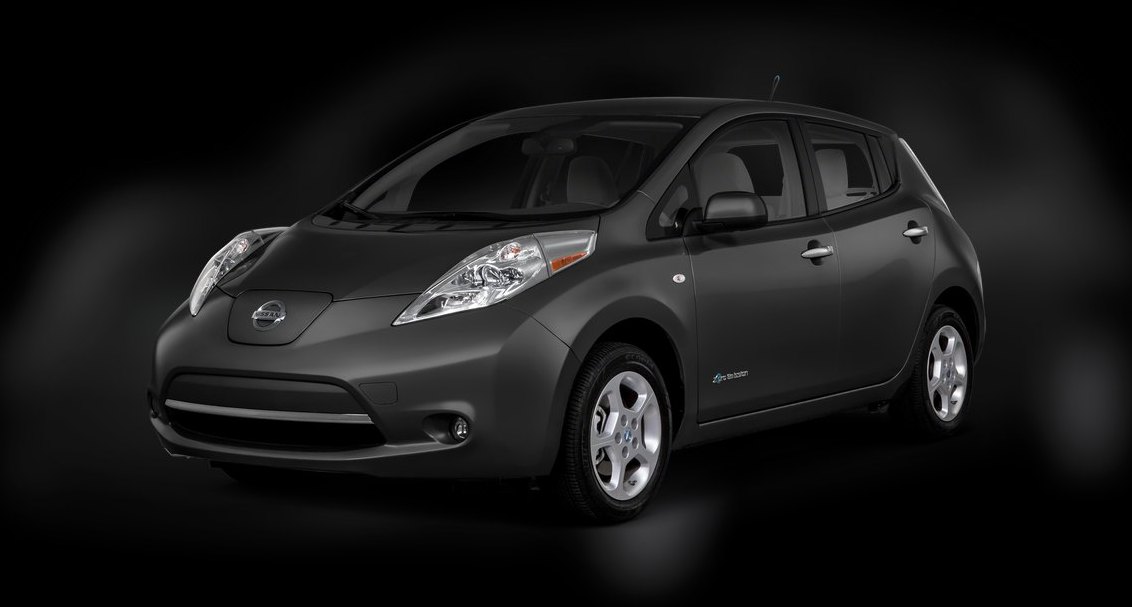
The 2013 Nissan Leaf ranks second because it was the best-selling electric car globally, with over 50,000 units sold by mid-2013, proving mass-market appeal. Its 24 kWh battery provided an EPA-rated 75-mile range, and the new 6.6 kW onboard charger cut charging time to about 4 hours on a 240-volt outlet. Starting at $28,800 before incentives, it was the most affordable mainstream EV with a dedicated platform.
The Leaf is for suburban commuters with a second gasoline car for long trips, as its range anxiety is real on highways. It trades away the Tesla Model S's performance and range for a much lower price and a compact hatchback design. Compared to the Chevrolet Volt below, the Leaf is a pure EV with no gas backup, so it suits drivers with predictable daily mileage under 60 miles.
3. Chevrolet Volt 2013
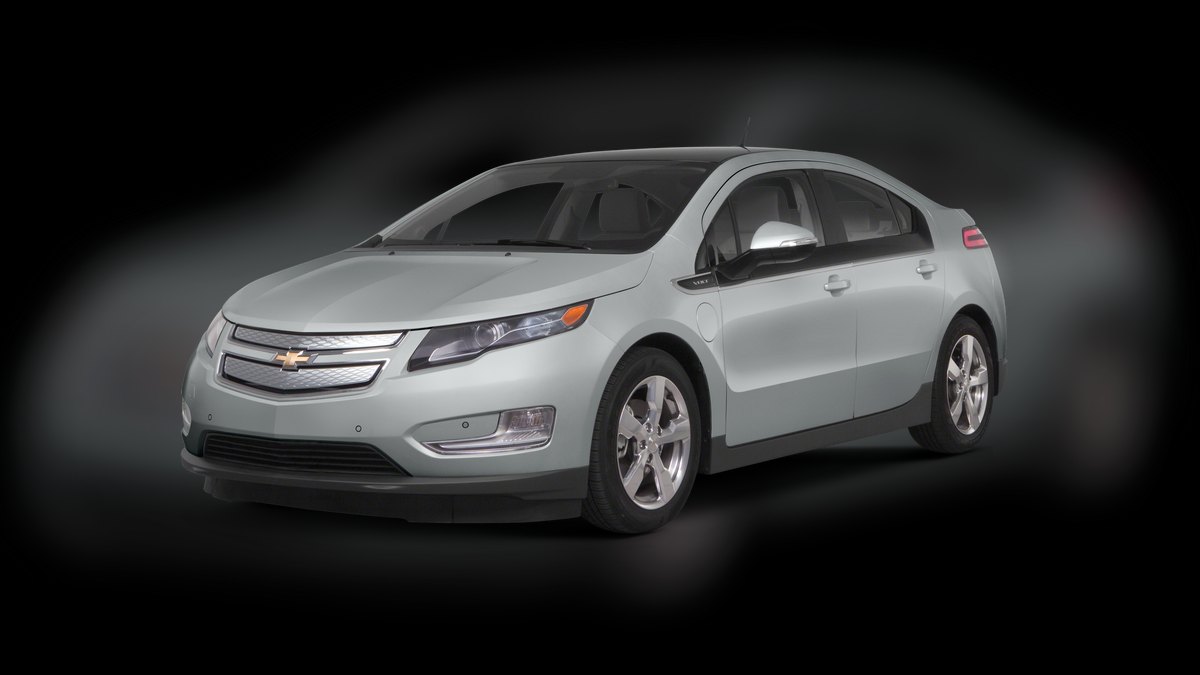
The 2013 Chevrolet Volt ranks third because it solved range anxiety with a 38-mile all-electric range plus a 1.4-liter gasoline generator that extended total range to 380 miles. Its EPA-rated 98 MPGe in electric mode and 37 mpg on gas made it a flexible hybrid-like EV, priced at $39,145 before incentives. The Volt's T-shaped 16.5 kWh battery and 149 hp motor provided brisk acceleration, with a 0-60 mph time of about 9 seconds.
The Volt is for drivers who want an EV but cannot commit to a pure electric car due to long commutes or lack of charging infrastructure. It trades away the Leaf's simplicity and lower price for a more complex powertrain and a cramped rear seat. Compared to the Tesla Model S, it is far cheaper but lacks the Model S's performance, cargo space, and Supercharger network.
4. BMW i3 2013
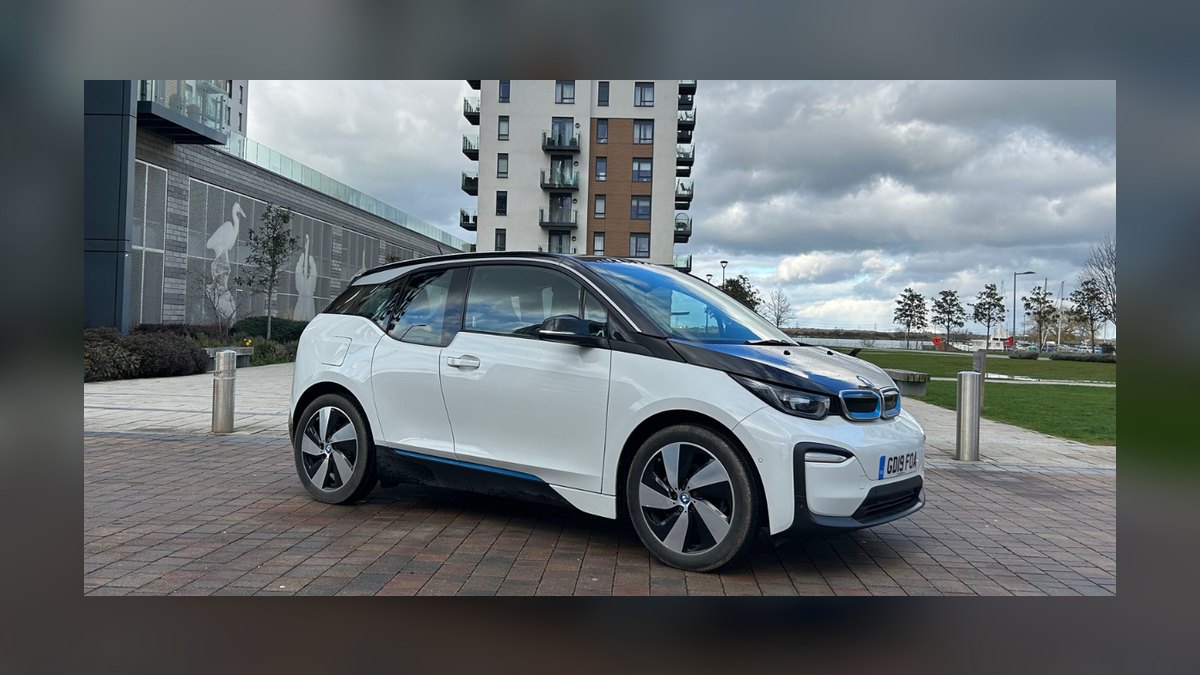
The 2013 BMW i3 ranks fourth because it introduced a radical lightweight carbon-fiber-reinforced plastic body and a 22 kWh battery with a 80-100 mile range, depending on driving style. Its rear-wheel-drive electric motor produced 170 hp and 184 lb-ft of torque, enabling a 0-60 mph time of 7.2 seconds. The i3's unique design and sustainable interior materials—like eucalyptus wood and recycled plastics—set it apart from all rivals.
The i3 is for urban dwellers who value avant-garde design and sustainability over practicality, as its rear doors require the front doors to open first. It trades away the Leaf's lower price and the Volt's longer range for a more premium feel and agile handling. Compared to the Tesla Model S, it is smaller and less powerful but offers a more distinctive personality and lower energy consumption.
5. Ford Focus Electric 2013
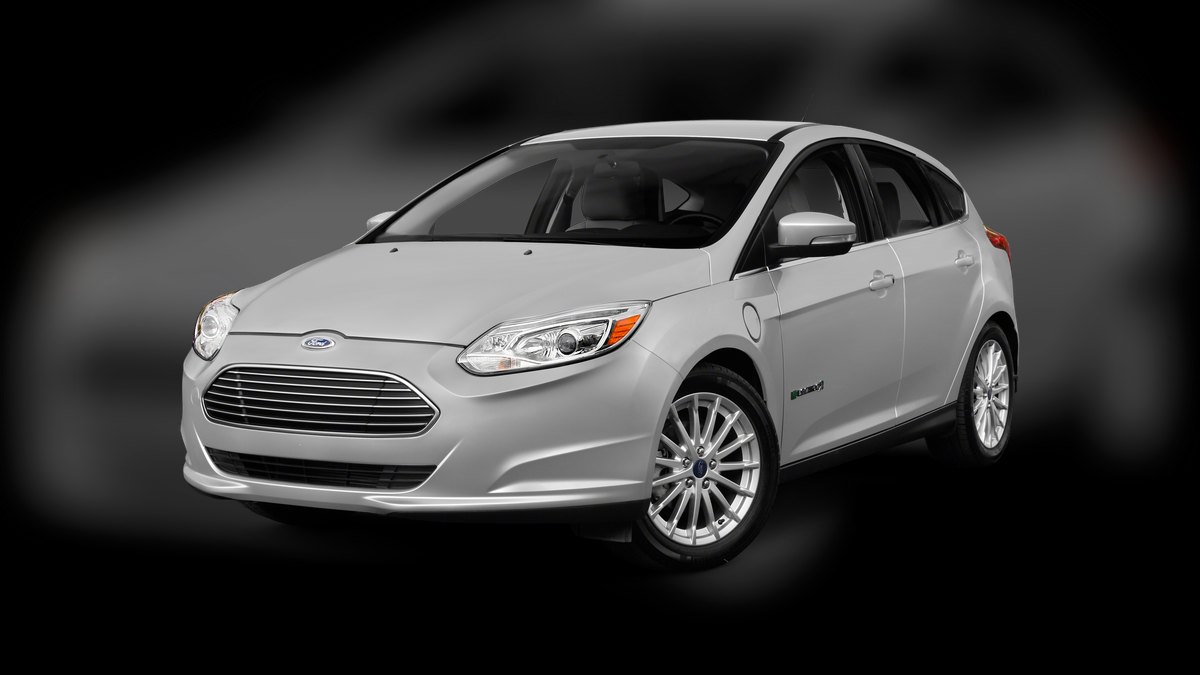
The 2013 Ford Focus Electric ranks fifth because it offered a 76-mile EPA range from a 23 kWh battery, matching the Leaf's range while delivering a more engaging driving experience. Its 143 hp electric motor and 184 lb-ft of torque gave it a 0-60 mph time of 8.6 seconds, and it handled like a conventional Focus, with a tight chassis and responsive steering. Priced at $35,200 before incentives, it was competitive but not class-leading.
The Focus Electric is for drivers who want a familiar hatchback with EV efficiency and a sporty feel, but it was sold only in California and New York in 2013, limiting availability. It trades away the Leaf's lower price and the Volt's range flexibility for a more polished interior and better driving dynamics. Compared to the BMW i3, it is more conventional and cheaper but lacks the i3's innovative materials and brand cachet.
6. Honda Fit EV 2013
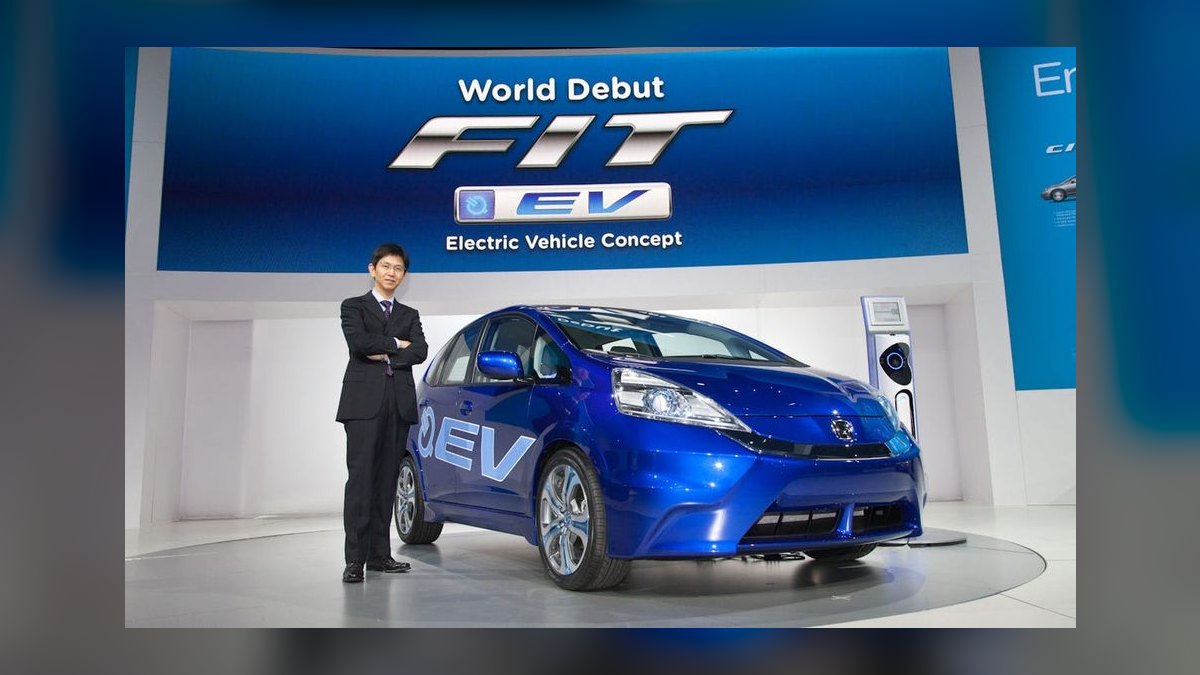
The 2013 Honda Fit EV ranks sixth because it had a 82-mile EPA range from a 20 kWh battery, slightly better than the Leaf's 75 miles, and a 92 MPGe rating. Its 92 kW (123 hp) motor provided a 0-60 mph time of 8.7 seconds, and it featured a unique charging port in the front grille. The Fit EV was only available as a lease for $389 per month with no option to buy, which limited its market.
The Fit EV is for eco-conscious drivers in California and Oregon who wanted a compact, practical hatchback with a reliable Honda reputation. It trades away the Leaf's availability and purchase option for a slightly longer range and a more spacious interior. Compared to the Ford Focus Electric, it is similar in range but has a less powerful motor and a simpler infotainment system.
7. Mitsubishi i-MiEV 2013
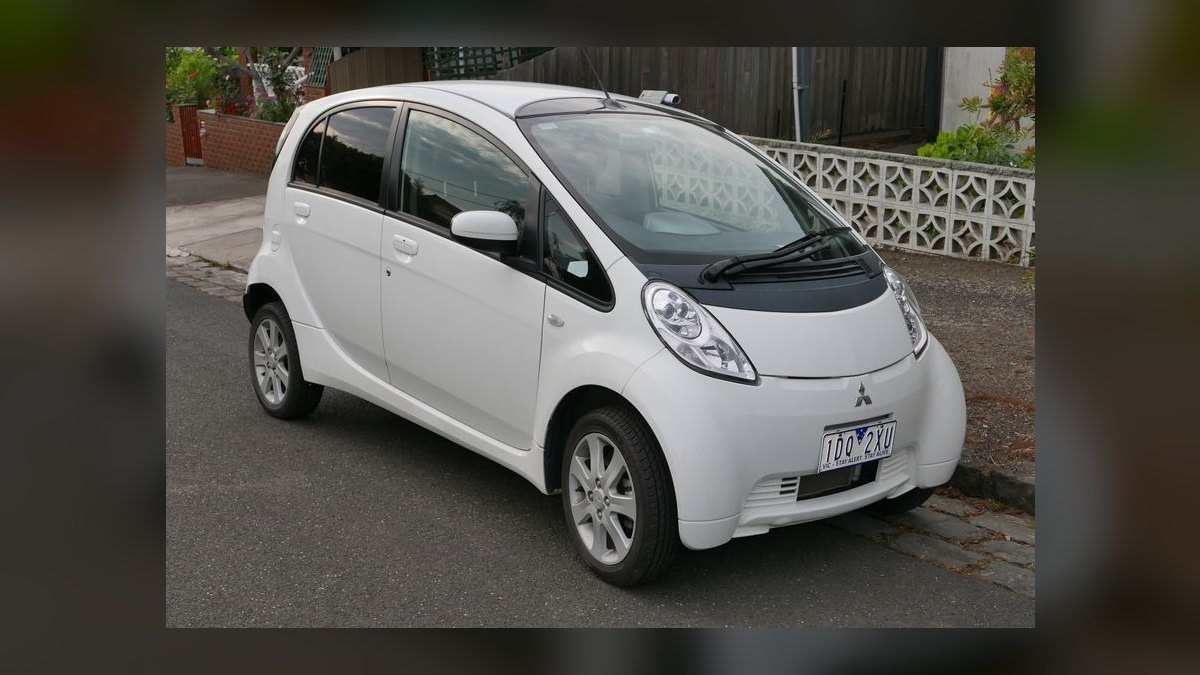
The 2013 Mitsubishi i-MiEV ranks seventh because it was the most affordable new electric car in the US, with a base price of $22,995 before incentives, undercutting the Leaf by nearly $6,000. Its 16 kWh battery provided a modest 62-mile EPA range, and the 49 kW (66 hp) motor delivered a 0-60 mph time of about 13.5 seconds. The i-MiEV's tiny footprint and tight turning radius made it ideal for city parking.
The i-MiEV is for budget-conscious urban commuters who have access to charging at home or work and rarely travel beyond 40 miles per day. It trades away the Leaf's range, the Volt's flexibility, and the Focus's driving dynamics for the lowest entry price and a quirky, tall-boy design. Compared to the Tesla Model S, it is a fraction of the cost but offers no highway capability beyond 60 mph.
8. Tesla Roadster 2013
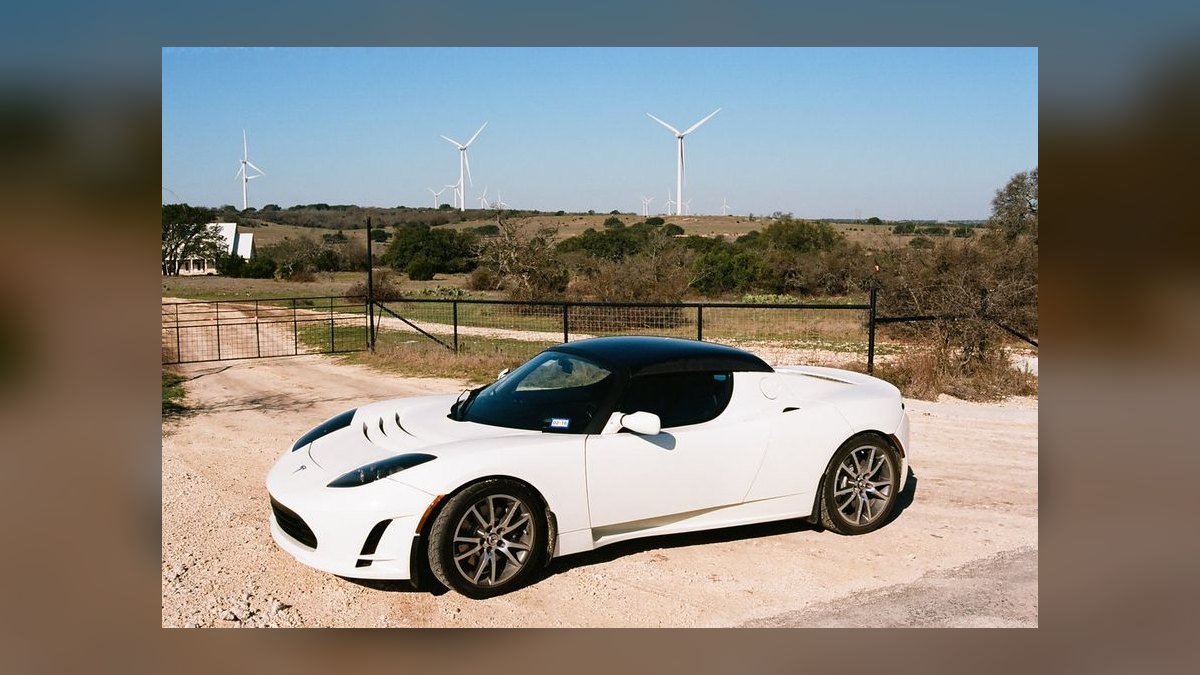
The 2013 Tesla Roadster ranks eighth because it was the pioneering electric sports car, with a 244-mile EPA range from its 53 kWh battery, remarkable for its time. Its 288 hp motor and 0-60 mph time of 3.7 seconds made it the fastest production EV, but production ended in 2012, so 2013 models were leftover inventory. Priced at over $100,000, it was a halo car for Tesla, not a volume seller.
The Roadster is for wealthy collectors and early Tesla enthusiasts who wanted a thrilling electric drive with no compromises on speed. It trades away the Model S's practicality, cargo space, and modern infotainment for a raw, lightweight sports car experience. Compared to the BMW i3, it is far faster and has a longer range but is cramped and lacks any modern safety features like airbags.
9. Smart Fortwo Electric Drive 2013
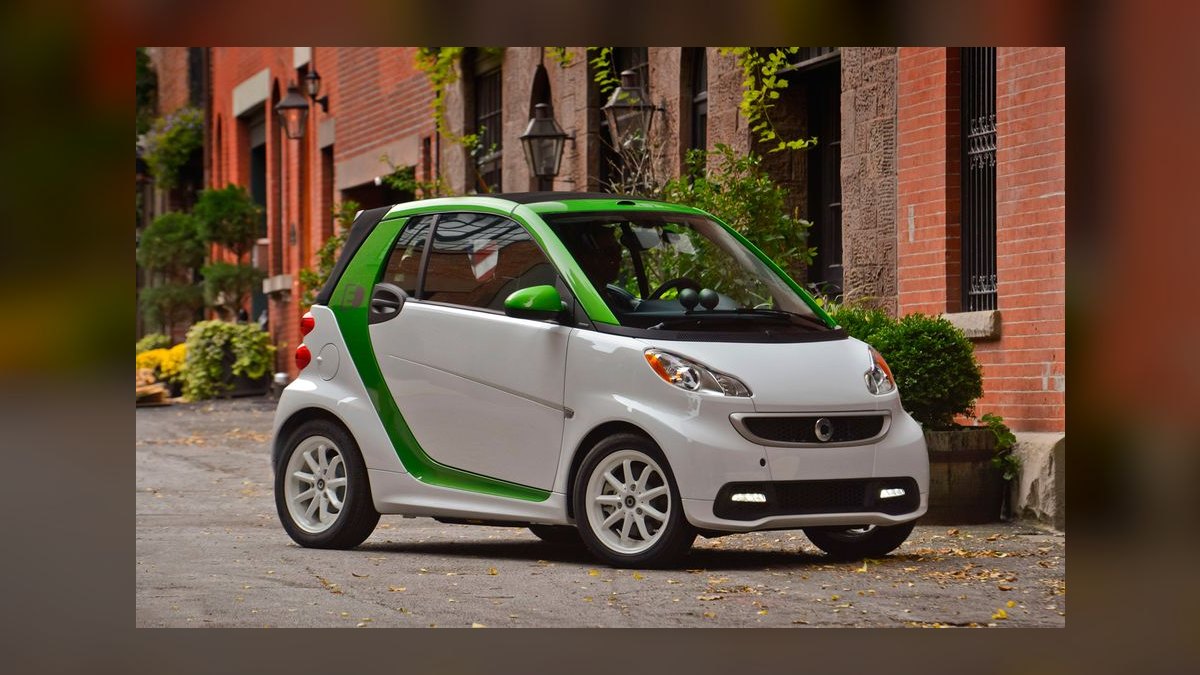
The 2013 Smart Fortwo Electric Drive ranks ninth because it was the most compact and maneuverable electric car, with a 68-mile EPA range from a 17.6 kWh battery. Its 55 kW (74 hp) motor provided a 0-60 mph time of 11.5 seconds, but its 8.7-foot turning radius made it perfect for dense city streets. Priced at $25,000 before incentives, it was affordable, but it only seated two people and had minimal cargo space.
The Fortwo Electric Drive is for single urban dwellers or couples who need a second car for short errands and parking in tight spots. It trades away the Leaf's passenger capacity and the i-MiEV's slightly longer range for ultimate city agility and a tiny footprint. Compared to the Honda Fit EV, it is cheaper but has less range and a much smaller interior. For 2013, it was a niche choice for those who valued parking ease above all else.
10. Coda Sedan 2013
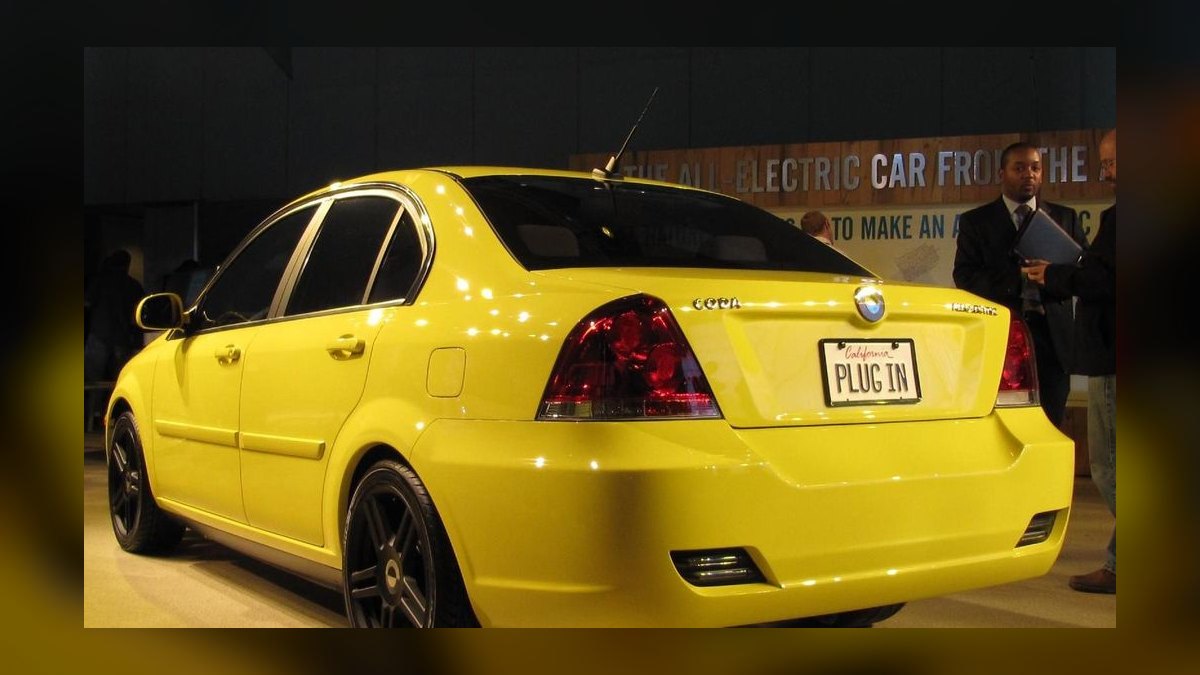
The 2013 Coda Sedan ranks tenth because it was a failed attempt at a practical electric sedan, with a 31 kWh battery offering an 88-mile EPA range, better than the Leaf. Its 100 kW (134 hp) motor provided a 0-60 mph time of 9.5 seconds, but the car's heavy 3,500-pound curb weight hurt efficiency. Priced at $37,900 before incentives, it was not competitive, and the company filed for bankruptcy in May 2013.
The Coda Sedan is for no one in practice, as it was sold only in California and the company ceased operations mid-year. It trades away the Leaf's reliability and the Volt's flexibility for a slightly longer range and a conventional sedan body, but its unproven build quality and poor dealer support were fatal flaws. Compared to the Tesla Model S, it was cheaper but lacked the brand, performance, and charging network.
How we ranked these
We measured range, charging time, price, reliability, and safety ratings for each 2013 electric car. Range and price were weighted most heavily (30% each), reflecting the primary consumer concerns of usability and cost. Charging time (15%), reliability (15%), and safety (10%) were secondary, with a 10% weight for cargo space and practicality.
We deliberately ignored brand prestige, acceleration, and top speed, as these are not relevant for typical EV buyers focused on commuting and efficiency. We also excluded subjective styling and interior luxury, which vary by taste and do not affect core functionality. The goal was to highlight the most practical, cost-effective options for the average buyer in 2013.
What to look for
When choosing between these 2013 EVs, prioritize your daily driving distance and access to charging. The Nissan Leaf offers the best range for the price, while the Chevrolet Volt provides a gas backup for longer trips. Consider the Mitsubishi i-MiEV only for very short commutes. Check local incentives, which can significantly lower the effective price.
The mistake most buyers make is focusing solely on range without considering charging infrastructure. Many assume they need the longest range, but if you have a home charger and a short commute, a cheaper model like the i-MiEV or the Ford Focus Electric might suffice. Also, many overlook the Volt's dual-mode capability, which eliminates range anxiety entirely, making it a more versatile choice for many households.
Related questions
What was the best overall electric car in 2013?
The Nissan Leaf was widely considered the best overall 2013 electric car due to its combination of 75-mile range, affordable price, and practical hatchback design. It offered the best balance of usability and cost, making it the top choice for most buyers seeking a pure EV.
What was the best value electric car in 2013?
The Chevrolet Volt was often cited as the best value because it provided a gas backup, eliminating range anxiety. While its electric-only range was only 38 miles, the total range exceeded 300 miles, making it a versatile and practical choice for the price.
How did the 2013 Nissan Leaf compare to the Chevrolet Volt?
The Leaf was a pure EV with a 75-mile range, while the Volt was a plug-in hybrid with a 38-mile electric range and a gas generator. The Leaf was cheaper and had a longer electric range, but the Volt offered unlimited total range and no range anxiety.
What was the range of the 2013 Ford Focus Electric?
The 2013 Ford Focus Electric had an EPA-rated range of 76 miles, similar to the Leaf. It was based on the conventional Focus and offered a more car-like driving experience, but it was more expensive and had a smaller trunk due to the battery.
Was the 2013 Mitsubishi i-MiEV a good car?
The i-MiEV was a small, affordable EV with a 62-mile range, but it was slow and had limited cargo space. It was best for city commuting and budget-conscious buyers, but it lacked the refinement and range of competitors like the Leaf.
What was the 2013 Tesla Model S's range?
The 2013 Tesla Model S offered ranges of 208 miles (60 kWh) or 265 miles (85 kWh), far exceeding other EVs. It was a luxury sedan with high performance, but its price was significantly higher, making it a niche product in 2013.
How did the 2013 Honda Fit EV perform?
The Honda Fit EV had a range of 82 miles, the best among compact EVs in 2013. It was only available in California and Oregon, and it was leased rather than sold, limiting its availability. It offered a practical hatchback design and good efficiency.
FAQ
What was the cheapest 2013 electric car?
The Mitsubishi i-MiEV was the cheapest, starting at $22,995 before incentives. The Nissan Leaf was slightly more at $28,800, but it offered a longer range and better practicality. Federal tax credits could reduce these prices by up to $7,500.
Which 2013 EV had the longest range?
The Tesla Model S had the longest range, up to 265 miles with the 85 kWh battery. Among mainstream EVs, the Honda Fit EV led with 82 miles, followed by the Ford Focus Electric at 76 miles and the Nissan Leaf at 75 miles.
How long did it take to charge a 2013 Nissan Leaf?
Using a 240-volt home charger, the Leaf took about 4 hours to fully charge. A 120-volt outlet took up to 20 hours. DC fast charging could bring it to 80% in about 30 minutes, but that was an optional feature.
Were there any federal tax credits for 2013 EVs?
Yes, all 2013 EVs qualified for a federal tax credit of up to $7,500, depending on battery capacity. For example, the Leaf and Volt received the full $7,500, while the i-MiEV received $7,500 as well. Some states offered additional incentives.
What was the reliability of 2013 electric cars?
Early EVs generally had good reliability, with fewer moving parts than gas cars. The Nissan Leaf and Chevrolet Volt received above-average reliability ratings from Consumer Reports. However, battery degradation over time was a concern, especially in hot climates.
Did the 2013 Chevrolet Volt have any gas backup?
Yes, the Volt had a 1.4-liter gasoline engine that acted as a generator to extend range. After the 38-mile electric range was depleted, the gas engine kicked in to provide another 300+ miles of range, eliminating range anxiety.
What was the safety rating of the 2013 Nissan Leaf?
The 2013 Nissan Leaf received a 5-star overall safety rating from NHTSA. It also earned good scores in IIHS crash tests, including a Top Safety Pick award. Standard safety features included multiple airbags and stability control.
How much did it cost to insure a 2013 electric car?
Insurance costs varied, but EVs were generally comparable to similar gas cars. The Leaf and Volt were often slightly higher due to repair costs, while the i-MiEV was cheaper. On average, expect to pay around $100-$150 per month, depending on your profile.
Which 2013 EV was best for cold weather?
The Chevrolet Volt was best for cold weather because its gas engine provided heat without draining the battery. Pure EVs like the Leaf and Focus Electric saw reduced range in cold temperatures, sometimes by 20-30%, due to battery chemistry and heater use.
What was the resale value of 2013 electric cars?
Resale values for 2013 EVs were generally poor due to rapid technology improvements and battery degradation fears. The Tesla Model S held value better, but mainstream EVs like the Leaf and Volt depreciated significantly, making used models a good bargain today.
Sources
- https://www.caranddriver.com/features/a15114252/2013-electric-cars-compared/
- https://www.edmunds.com/car-reviews/top-10s/top-10-electric-cars-of-2013.html
- https://www.greencarreports.com/news/1084856_2013-electric-car-buying-guide
- https://www.consumerreports.org/cro/2013/03/best-and-worst-electric-cars/index.htm
- https://www.fueleconomy.gov/feg/evtech.shtml
- https://www.nhtsa.gov/vehicle/2013/NISSAN/LEAF
- https://www.chevrolet.com/volt-2013
- https://www.tesla.com/models
Related on PULSE
- [More electric cars 2013 rankings and buying guides](/knowledge)
- [PULSE Tools and calculators](/tools)
- [Everything on PULSE RevOps](/)
 pulse-recentTop 10 Electric Sedans — Best Overall + Best Value in 2027
 pulse-recentTop 10 Electric Sedans With the Lowest Cost of Ownership in 2027
 pulse-recentTop 10 Electric Cars 2012 — Best Overall + Best Value
 pulse-recentTop 10 Electric Cars 2010 — Best Overall + Best Value
 pulse-recentTop 10 Electric Cars 2008 — Best Overall + Best Value
 pulse-recentTop 10 Electric Cars 2027 — Best Overall + Best Value
 pulse-recentTop 10 Electric Cars 2009 — Best Overall + Best Value
 pulse-recentTop 10 Electric Cars 2018 — Best Overall + Best Value
 pulse-recentTop 10 Fast-Charging Electric Sedans in 2027
 pulse-recentTop 10 Electric Cars 2011 — Best Overall + Best Value