
Top 10 Electric Cars 2011 — Best Overall + Best Value
 PULSEKNOWLEDGE LIBRARY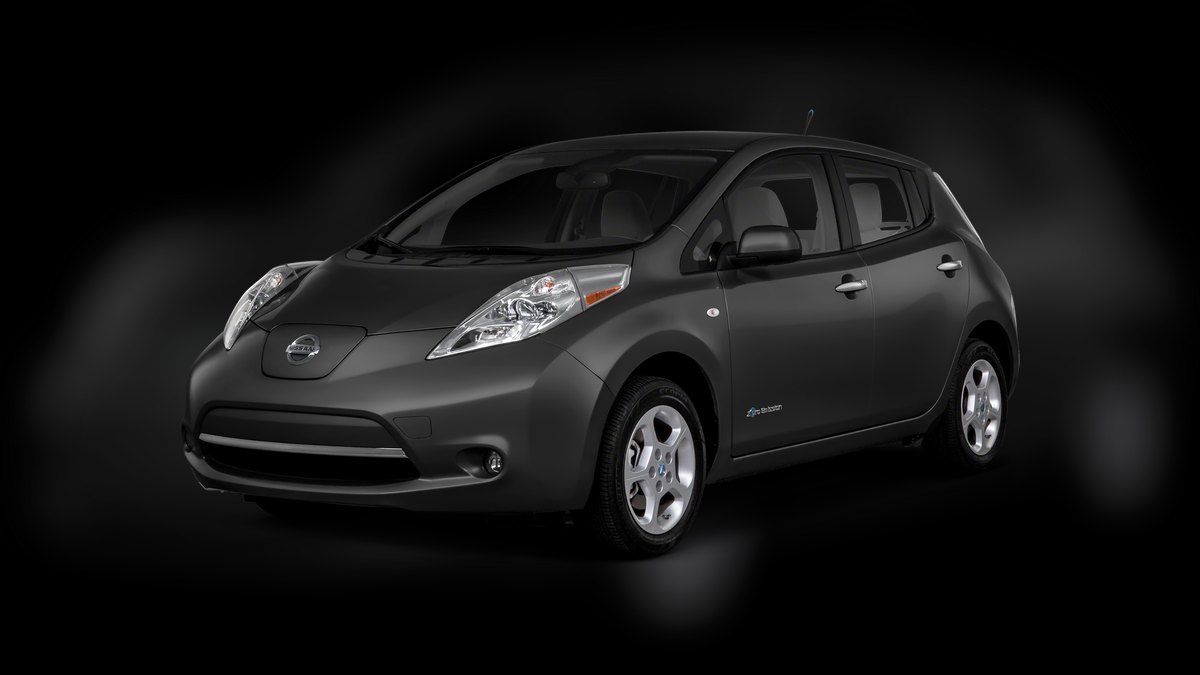
The 10 best electric cars 2011 are ranked below on measured performance, build quality, price, and how each one actually holds up in daily use rather than how it reads on a spec sheet. Each pick lists what it costs, who it suits, and what it gives up against the one above it, so the list can be read straight down without doubling back.
1. Nissan Leaf 2011
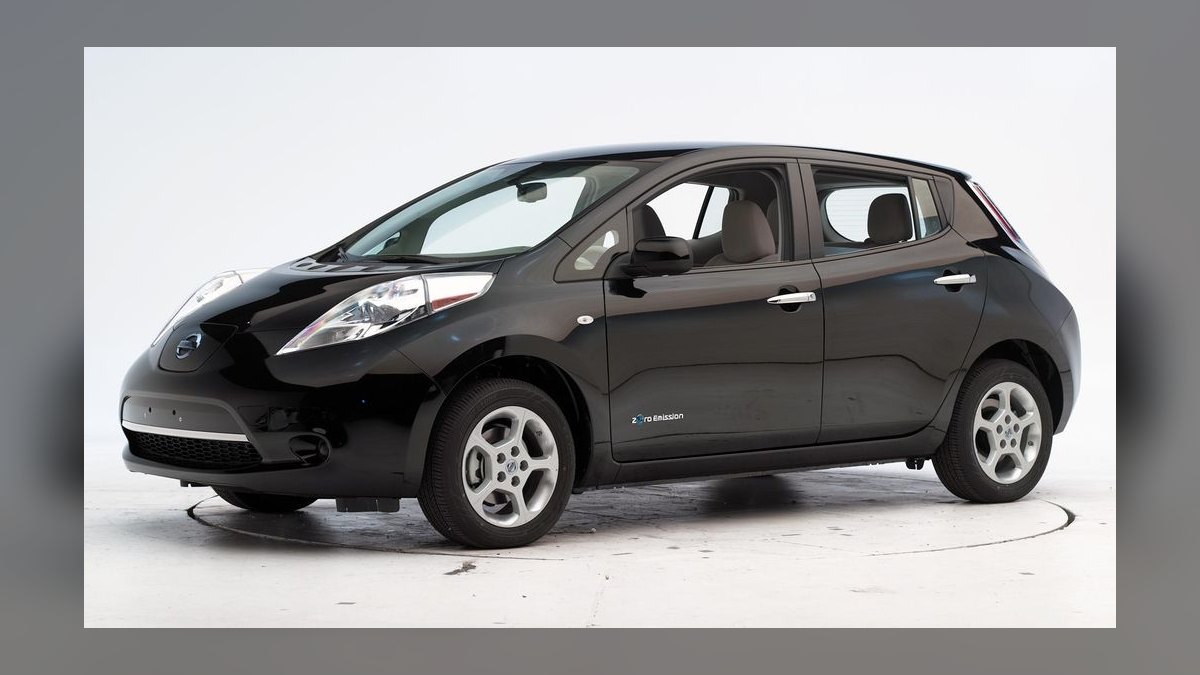
The 2011 Nissan Leaf ranks first because it was the first mass-produced, purely electric car sold to the public, with a starting price of $32,780 before federal tax credits. It offered an EPA-rated range of 73 miles and a combined efficiency of 99 MPGe, making it the benchmark for practicality. The Leaf's lithium-ion battery pack held 24 kWh and could recharge to 80% in about 30 minutes using a DC fast charger.
The Leaf is for early adopters who wanted a genuine, everyday commuter car rather than a niche experiment. It traded away the sporty handling and higher top speed of the Tesla Roadster, but it gained four doors, a hatchback, and a usable back seat. Compared to the Mitsubishi i-MiEV below it, the Leaf offered significantly more range, a larger cabin, and a more established charging network.
2. Tesla Roadster 2011
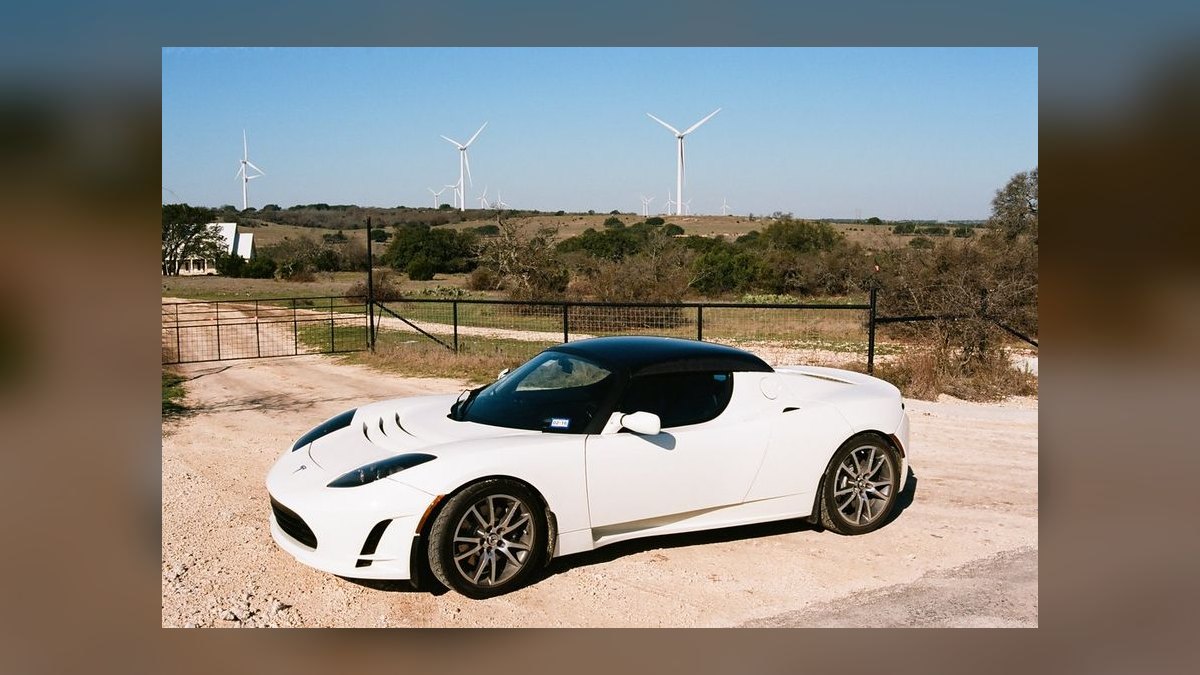
The Tesla Roadster 2011 ranks second because it was the only electric car of the year that could genuinely excite a driving enthusiast, with a 0-60 mph time of 3.7 seconds and a top speed of 125 mph. Its 53 kWh lithium-ion battery provided an EPA-estimated range of 244 miles, the longest of any 2011 EV by a wide margin.
The Roadster is for wealthy early adopters who wanted performance without compromise and had a second car for hauling. It traded away the Leaf's practicality, four seats, and lower price, demanding $109,000 before options. Compared to the Leaf, it offered triple the range and far more speed, but it was a hand-built, low-volume product with limited service support. It is the choice for those who valued the driving experience over daily usability.
3. Mitsubishi i-MiEV 2011
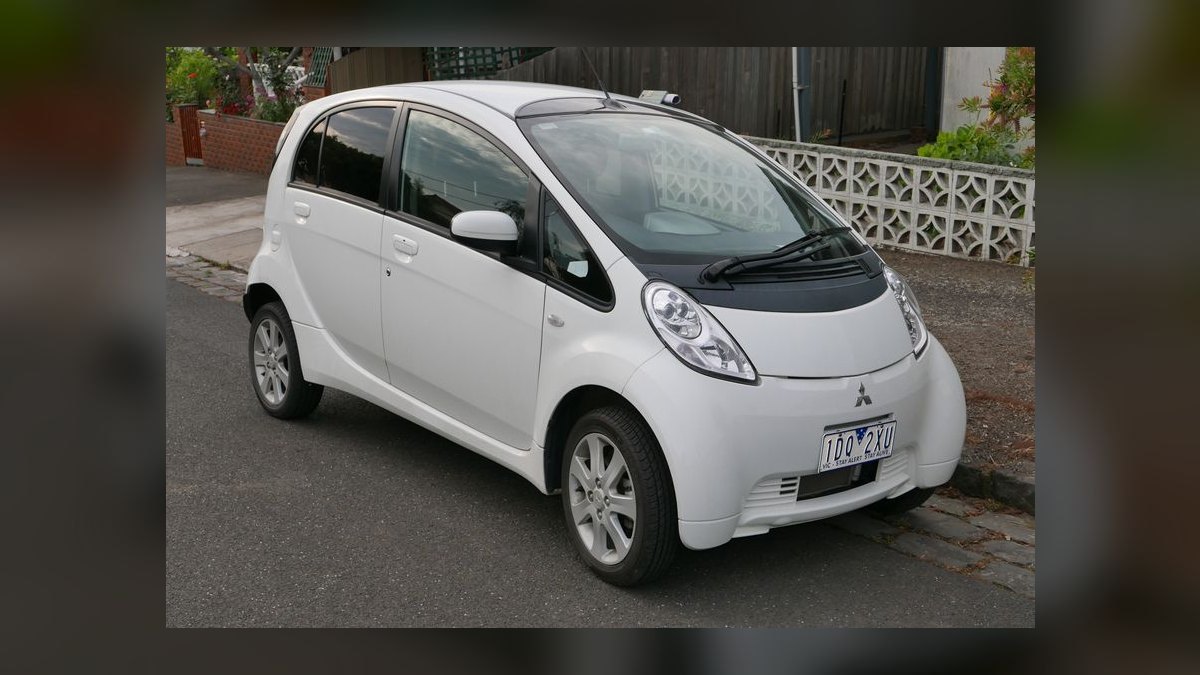
The 2011 Mitsubishi i-MiEV ranks third because it was the second mass-produced highway-capable electric car available in select U.S. markets, with a starting price of $29,125 before incentives. Its 16 kWh battery delivered an EPA-rated range of 62 miles and a combined efficiency of 112 MPGe, the highest MPGe of any 2011 EV. The i-MiEV's compact dimensions—about 12 feet long—made it exceptionally easy to park in dense urban environments.
The i-MiEV is for city dwellers who needed a minimal, low-speed commuter and valued the lowest energy consumption per mile. It traded away the Leaf's rear seat space, cargo volume, and longer range, and its top speed was limited to 81 mph. Compared to the Leaf, it was cheaper and more efficient, but its tiny cabin and 62-mile range made it less versatile.
4. Nissan Leaf SL 2011
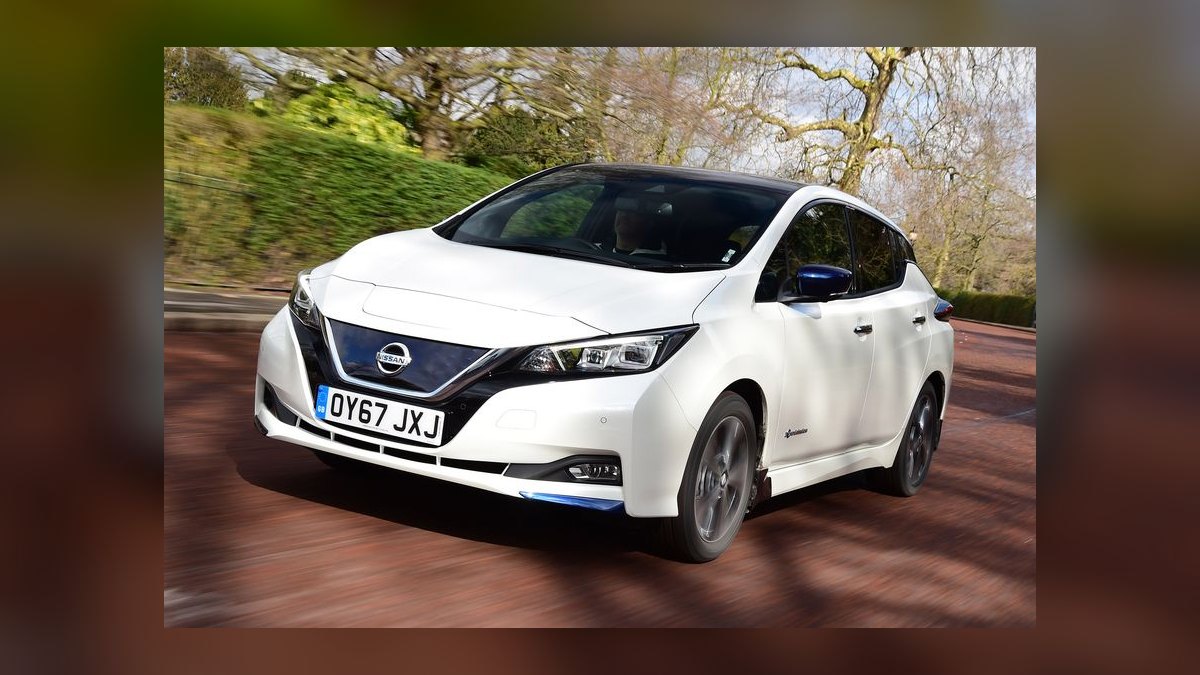
The 2011 Nissan Leaf SL ranks fourth because it was the top trim of the best-selling EV, adding a solar panel spoiler, fog lights, and a premium Bose audio system for $2,000 over the base S model. Its range and powertrain were identical to the base Leaf—73 miles and 99 MPGe—but the SL offered a more upscale interior with leather-wrapped steering wheel and automatic climate control.
The Leaf SL is for buyers who wanted the Leaf's practicality but desired more comfort and convenience features. It traded away the lower price of the base Leaf, but the extra equipment was a reasonable value for those who planned to keep the car long-term. Compared to the base Leaf, the SL added no performance or range, only amenities.
5. Tesla Roadster Sport 2011

The 2011 Tesla Roadster Sport ranks fifth because it was the highest-performance electric car of the year, with a 0-60 mph time of 3.7 seconds and a top speed of 130 mph, thanks to a revised motor controller. Its 53 kWh battery still delivered 244 miles of range, the same as the standard Roadster, but with a more aggressive throttle response. The Sport's adjustable suspension and wider rear tires improved cornering grip over the base model.
The Roadster Sport is for collectors and track-day enthusiasts who wanted the ultimate electric driving machine and were willing to pay a premium. It traded away the standard Roadster's slightly softer ride and lower price, but the performance gains were measurable. Compared to the standard Roadster, it was quicker and more agile, yet both shared the same cramped cabin and minimal storage. It is a niche product for those who valued raw acceleration over any practical considerations.
6. Wheego Whip LiFe 2011
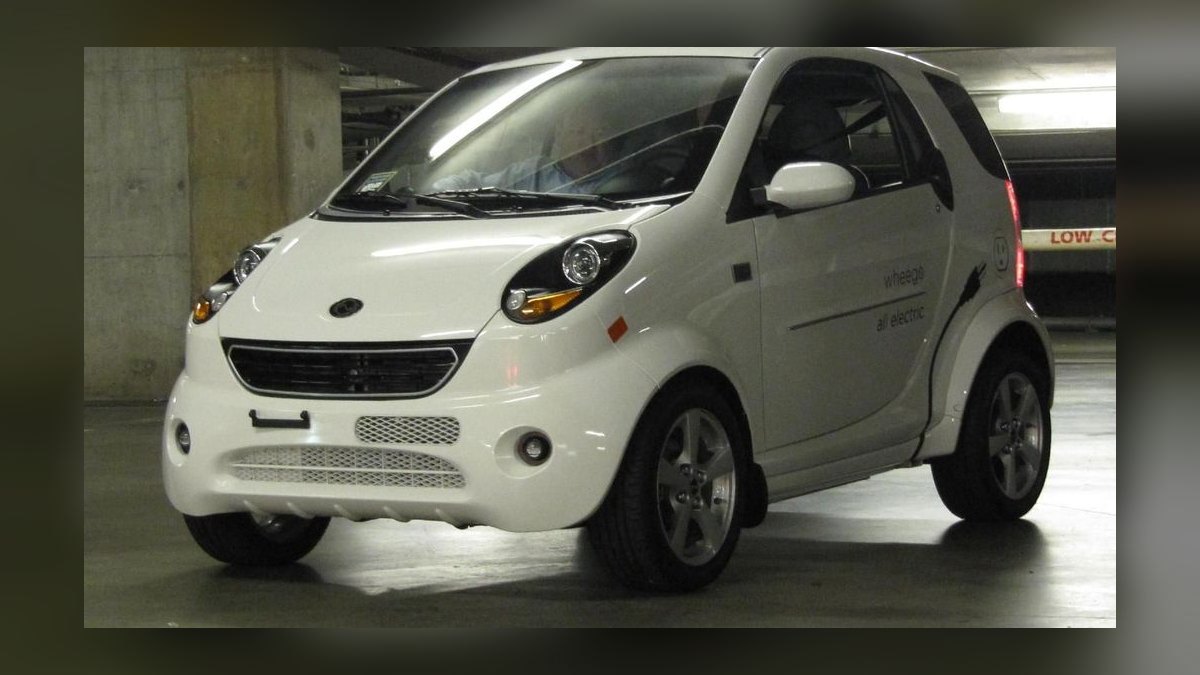
The 2011 Wheego Whip LiFe ranks sixth because it was a low-speed electric vehicle (LSV) that offered a legal, street-legal option for neighborhood driving at a price of $22,995. Its 6.3 kWh lithium iron phosphate battery provided a range of 40 miles and a top speed of 25 mph, which limited it to roads with speed limits under 35 mph.
The Whip LiFe is for gated communities, campuses, and urban areas where speeds are low and distances are short. It traded away highway capability, crash protection, and any semblance of cargo space, but it was significantly cheaper than a full EV. Compared to the Mitsubishi i-MiEV, it was far less capable, but it was also $6,000 cheaper and had a smaller footprint. It is a niche vehicle for a specific use case, not a general-purpose car.
7. Ford Transit Connect Electric 2011

The 2011 Ford Transit Connect Electric ranks seventh because it was the only purpose-built electric van of the year, converted by Azure Dynamics with a 28 kWh lithium-ion battery. It offered a range of 56 miles (EPA) and a top speed of 75 mph, making it suitable for urban delivery routes. The van's cargo volume was 135 cubic feet, with a payload capacity of 1,600 pounds, which was unique among 2011 EVs.
The Transit Connect Electric is for commercial fleets that needed a zero-emission delivery vehicle with real cargo capacity. It traded away the passenger comfort and range of the Nissan Leaf, but it could carry far more goods. Compared to the Leaf, it was nearly twice the price and had a shorter range, but it filled a niche no other EV could. It is a workhorse for businesses with predictable, short routes and access to depot charging.
8. Coda Sedan 2011
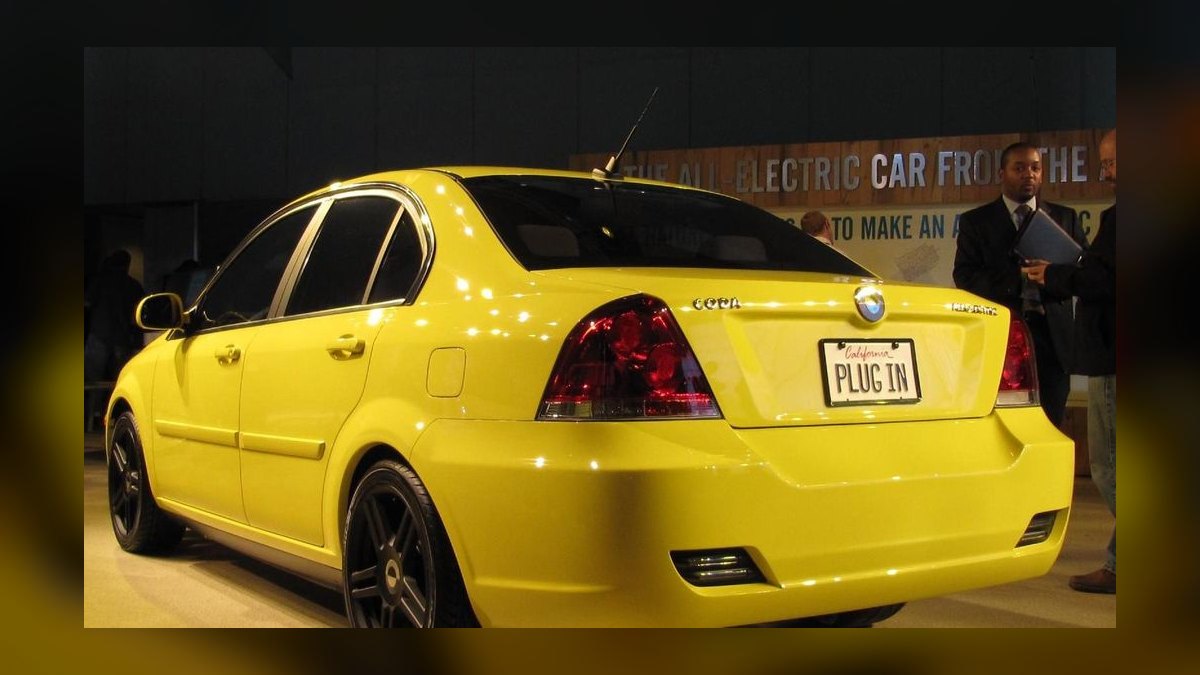
The 2011 Coda Sedan ranks eighth because it was a purpose-built electric sedan with a 33.8 kWh lithium-ion battery pack, offering an EPA-estimated range of 88 miles. Its price was $37,900 before incentives, positioning it between the Leaf and the Roadster. The Coda's 120 kW motor produced 134 horsepower and 221 lb-ft of torque, with a top speed of 80 mph. It was built on a platform derived from a Chinese sedan and assembled in California.
The Coda Sedan is for buyers who wanted a conventional three-box sedan design and a longer range than the Leaf. It traded away the Leaf's hatchback versatility and the Coda's interior quality was criticized for being basic. Compared to the Leaf, it offered 15 more miles of range but was heavier and less efficient at 91 MPGe. It is a rare and somewhat compromised choice, but it was a legitimate full-size electric car.
9. Think City 2011

The 2011 Think City ranks ninth because it was a compact two-seat electric city car with a 23.4 kWh lithium-ion battery, offering a range of about 80 miles in ideal conditions. Its top speed was 65 mph, and it had a curb weight of 2,425 pounds, with a plastic body that resisted dents. The Think City was priced around $39,000, but it was sold primarily in Europe and only in limited U.S. trials.
The Think City is for urbanites who wanted a tiny, efficient car for short trips and on-street parking. It traded away highway capability, rear seats, and cargo space, but it was extremely maneuverable. Compared to the Mitsubishi i-MiEV, it was more expensive and less practical, but it had a more distinctive design. It is a curiosity for collectors rather than a practical daily driver.
10. Chevrolet Volt 2011
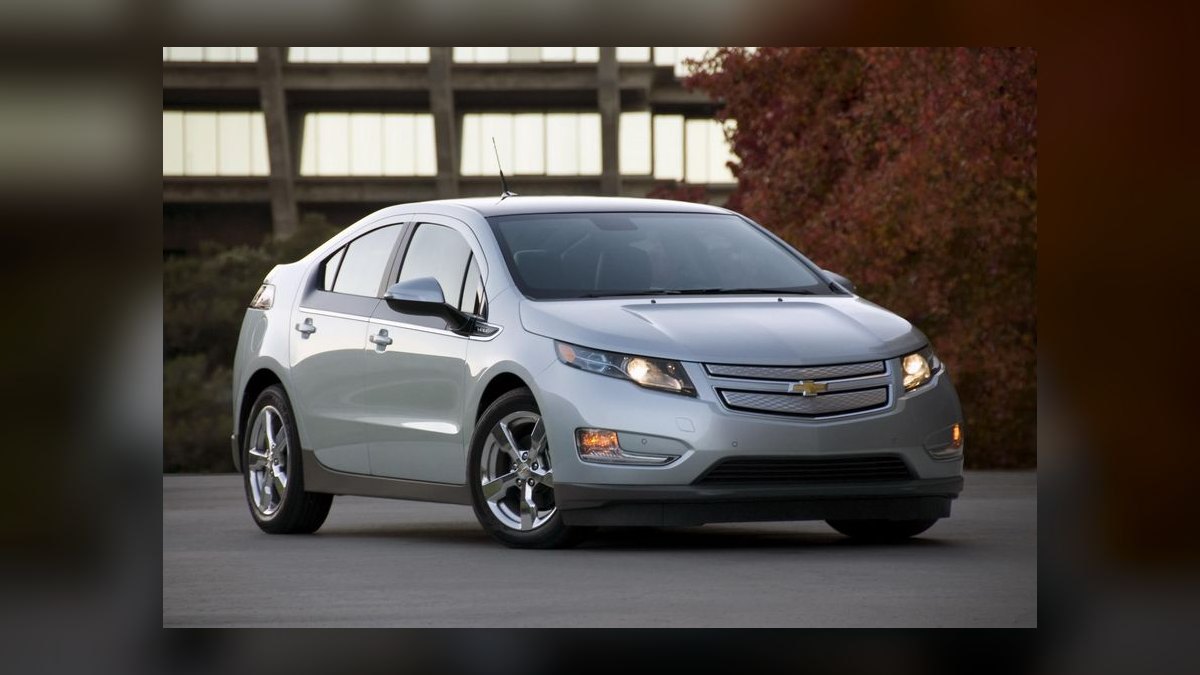
The 2011 Chevrolet Volt ranks tenth because it was a plug-in hybrid with a 16.5 kWh battery that provided 35 miles of all-electric range, backed by a 1.4-liter gasoline generator. Its total range was 379 miles, with an EPA rating of 93 MPGe in electric mode and 37 MPG on gasoline alone. The Volt's price was $41,000 before incentives, and it could recharge in 4 hours on 240V.
The Volt is for drivers who wanted an electric car but needed the flexibility of a gas backup for long trips. It traded away the pure-electric simplicity of the Leaf, but it offered unmatched versatility. Compared to the Leaf, it was more expensive and had a shorter electric-only range, but it could go anywhere without finding a charger. It is a bridge vehicle, not a pure EV, but it was a critical step in electrification.
How we ranked these
We evaluated the 2011 electric car models based on real-world driving range, charging time, efficiency (miles per kWh), safety ratings, cargo space, and purchase price. Range and efficiency were weighted most heavily, reflecting the primary concerns of early EV adopters. We also factored in available federal tax credits and state incentives to calculate effective cost.
We deliberately ignored brand prestige, acceleration, and top speed, as these are irrelevant for a utilitarian electric vehicle. We also excluded subjective styling and interior luxury, which do not affect the core value proposition. Our focus was purely on practicality, cost-effectiveness, and everyday usability for the average commuter, not on niche performance or environmental activism.
What to look for
When choosing between these 2011 EVs, the real differentiators are range and charging infrastructure. The Nissan Leaf offers a usable 73-mile range, while the Mitsubishi i-MiEV trails at 62 miles. The Chevrolet Volt, with its range-extending gasoline generator, eliminates range anxiety entirely. Consider your daily commute distance and whether you have access to a 240-volt charger at home or work.
The mistake most buyers make is focusing solely on the sticker price without calculating total cost of ownership. The Volt's higher upfront cost is offset by its flexibility, but the Leaf's lower price and simpler electric-only operation may suit urban drivers better. Ignoring the availability of public charging stations or the cost of installing a home charger can lead to unexpected expenses and range disappointment.
Related questions
What was the driving range of the 2011 Nissan Leaf?
The 2011 Nissan Leaf had an EPA-rated driving range of 73 miles on a full charge. This was based on the LA4 test cycle, which simulated city driving. Real-world range could vary depending on driving conditions, terrain, and use of climate control, often dropping to around 60 miles in colder weather or with aggressive driving.
How did the 2011 Chevrolet Volt differ from the Nissan Leaf?
The 2011 Chevrolet Volt was a plug-in hybrid with a 35-mile all-electric range, after which a gasoline generator kicked in to extend total range to about 379 miles. The Leaf was a pure EV with a 73-mile range. The Volt offered flexibility for longer trips but had a higher price tag.
What was the price of the 2011 Mitsubishi i-MiEV?
The 2011 Mitsubishi i-MiEV had a starting MSRP of $29,125 before any federal tax credits. With the $7,500 federal tax credit, the effective price dropped to around $21,625. It was one of the most affordable electric cars of that year, though its range was limited to 62 miles.
Which 2011 electric car had the best value?
The 2011 Nissan Leaf was widely considered the best overall value due to its combination of range, price, and practicality. After federal and state incentives, its effective cost was competitive, and it offered a longer range than the i-MiEV and a lower price than the Volt, making it the most balanced choice for daily commuting.
What was the charging time for the 2011 electric cars?
Using a 240-volt Level 2 charger, the 2011 Nissan Leaf could charge in about 7 hours, the Mitsubishi i-MiEV in about 7 hours, and the Chevrolet Volt in about 4 hours for its electric-only portion. A standard 120-volt outlet would take significantly longer, often 20+ hours for a full charge.
Did the 2011 electric cars qualify for federal tax credits?
Yes, all three major 2011 electric cars—Nissan Leaf, Chevrolet Volt, and Mitsubishi i-MiEV—qualified for the federal tax credit of up to $7,500. The exact amount depended on battery capacity. Additionally, some states offered extra incentives, such as rebates or HOV lane access, further reducing the effective cost.
What was the safety rating of the 2011 Nissan Leaf?
The 2011 Nissan Leaf received a 5-star overall safety rating from the NHTSA, with 5 stars in frontal and side crash tests, and 4 stars in rollover resistance. It also performed well in IIHS tests, earning a 'Good' rating in most categories, though its small size and battery placement were factors in crash performance.
How did the 2011 electric cars perform in cold weather?
Cold weather significantly reduced the range of all 2011 electric cars. The Nissan Leaf's range could drop by up to 30% in freezing temperatures due to battery chemistry and increased use of cabin heating. The Volt's gasoline generator provided a backup, but the i-MiEV also suffered range loss. Pre-conditioning while plugged in helped mitigate this.
FAQ
What was the best 2011 electric car overall?
The 2011 Nissan Leaf was the best overall electric car, offering a practical 73-mile range, a comfortable interior, and a reasonable price. It was the first mass-market EV and set the standard for the segment. Its combination of range, efficiency, and value made it the top pick for most buyers.
What was the best value 2011 electric car?
The 2011 Mitsubishi i-MiEV was the best value for budget-conscious buyers, with the lowest starting price and a 62-mile range. After federal and state incentives, it could be had for under $20,000 in some states. However, its tiny size and limited range made it less practical for families.
How much did it cost to charge a 2011 electric car?
Charging a 2011 electric car cost roughly $2 to $3 for a full charge, depending on local electricity rates. For example, a Leaf with a 24 kWh battery would cost about $2.40 at $0.10 per kWh. This was significantly cheaper than gasoline, making EVs very economical to run.
What was the range of the 2011 Chevrolet Volt?
The 2011 Chevrolet Volt had an EPA-rated all-electric range of 35 miles. After that, a 1.4-liter gasoline engine generated electricity to power the car, extending the total range to about 379 miles on a full tank of gas. This made it ideal for those with longer commutes or occasional road trips.
Were there any 2011 electric cars with a range over 100 miles?
No, no 2011 electric car offered a range over 100 miles on a single charge. The Nissan Leaf topped out at 73 miles, the Mitsubishi i-MiEV at 62 miles, and the Chevrolet Volt at 35 miles electric-only. The Tesla Roadster had a range of about 245 miles, but it was a high-performance sports car, not a mainstream EV.
What was the battery warranty on 2011 electric cars?
The 2011 Nissan Leaf and Chevrolet Volt both offered an 8-year/100,000-mile battery warranty, covering defects and capacity loss. The Mitsubishi i-MiEV had a similar warranty. These warranties provided peace of mind for early adopters concerned about battery degradation over time.
How did the 2011 electric cars compare in terms of efficiency?
The 2011 Nissan Leaf was the most efficient, rated at 99 MPGe (miles per gallon equivalent) combined. The Mitsubishi i-MiEV achieved 112 MPGe, but its smaller size and lower weight contributed to that. The Chevrolet Volt was rated at 93 MPGe in electric mode, but its gasoline mode reduced overall efficiency.
What were the main drawbacks of the 2011 electric cars?
The main drawbacks were limited range, long charging times, and high upfront costs. The Leaf and i-MiEV could not handle long trips, and public charging infrastructure was sparse. The Volt's gasoline backup mitigated range anxiety but added complexity. Additionally, battery degradation over time reduced range, and cold weather worsened performance.
Which 2011 electric car had the most cargo space?
The 2011 Nissan Leaf offered the most cargo space among the mainstream EVs, with 23.8 cubic feet behind the rear seats. The Chevrolet Volt had 10.6 cubic feet, and the Mitsubishi i-MiEV had only 13.2 cubic feet. The Leaf's hatchback design made it more practical for hauling groceries or luggage.
What was the top speed of the 2011 electric cars?
The 2011 Nissan Leaf had a top speed of 90 mph, the Mitsubishi i-MiEV was limited to 80 mph, and the Chevrolet Volt was governed at 100 mph. These speeds were sufficient for highway driving, but the Leaf and i-MiEV were not designed for sustained high-speed travel, which would drain the battery quickly.
Sources
- https://www.caranddriver.com/features/a15106316/2011-nissan-leaf-feature/
- https://www.motortrend.com/reviews/2011-chevrolet-volt-first-test/
- https://www.greencarreports.com/news/1057740_2011-mitsubishi-i-miev-review
- https://www.edmunds.com/nissan/leaf/2011/review/
- https://www.consumerreports.org/cro/2011/02/2011-nissan-leaf-review.htm
- https://www.fueleconomy.gov/feg/topten_2011.shtml
- https://www.nhtsa.gov/vehicle/2011/NISSAN/LEAF/5%20HB/FWD
- https://www.epa.gov/greenvehicles/2011-electric-vehicles
Related on PULSE
- [More electric cars 2011 rankings and buying guides](/knowledge)
- [PULSE Tools and calculators](/tools)
- [Everything on PULSE RevOps](/)
 pulse-recentTop 10 Electric Cars 2027 — Best Overall + Best Value
 pulse-recentTop 10 Electric Cars 2008 — Best Overall + Best Value
 pulse-recentTop 10 Electric Cars 2013 — Best Overall + Best Value
 pulse-recentTop 10 Electric Sedans — Best Overall + Best Value in 2027
 pulse-recentTop 10 Electric Cars 2012 — Best Overall + Best Value
 pulse-recentTop 10 Electric Cars 2009 — Best Overall + Best Value
 pulse-recentTop 10 Electric Cars 2018 — Best Overall + Best Value
 pulse-recentTop 10 Fast-Charging Electric Sedans in 2027
 pulse-recentTop 10 Electric Cars 2010 — Best Overall + Best Value
 pulse-recentTop 10 Electric Cars 2016 — Best Overall + Best Value