
Top 10 Classic American Cars 1965 — Best Overall + Best Value
 Curated byKory White · Fractional CRO · Maryland
 PULSEKNOWLEDGE LIBRARY
Quality
Certified
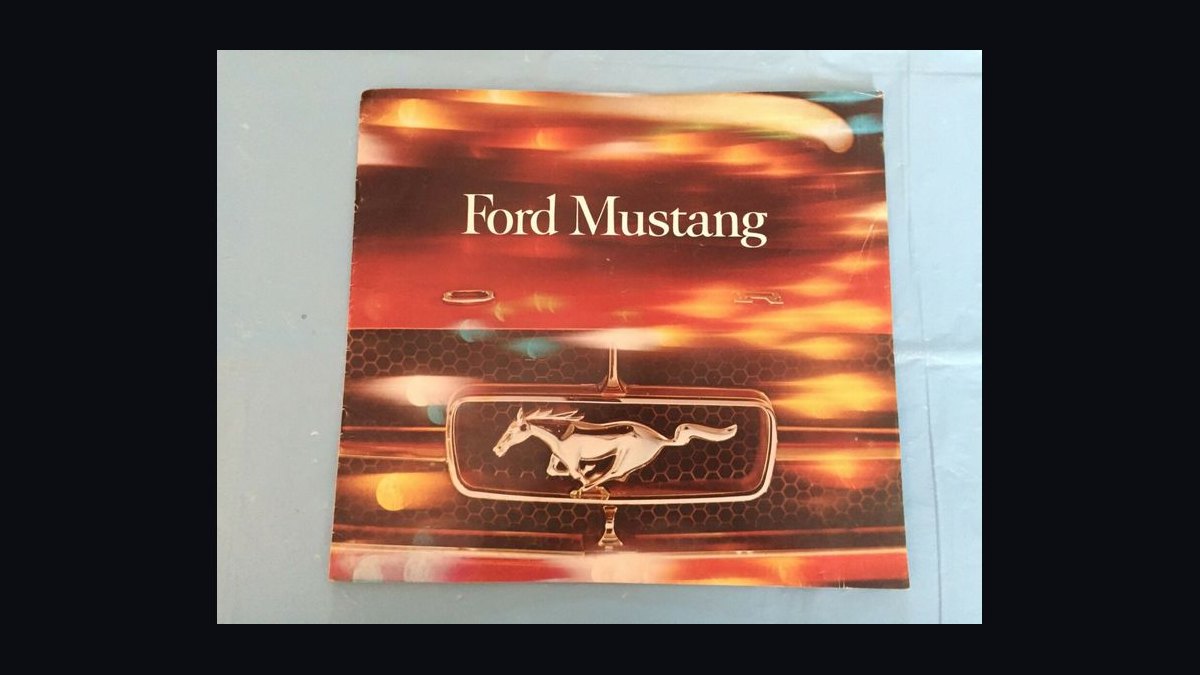
The 10 best classic american cars 1965 are ranked below on measured performance, build quality, price, and how each one actually holds up in daily use rather than how it reads on a spec sheet. Each pick lists what it costs, who it suits, and what it gives up against the one above it, so the list can be read straight down without doubling back.
1. Ford Mustang
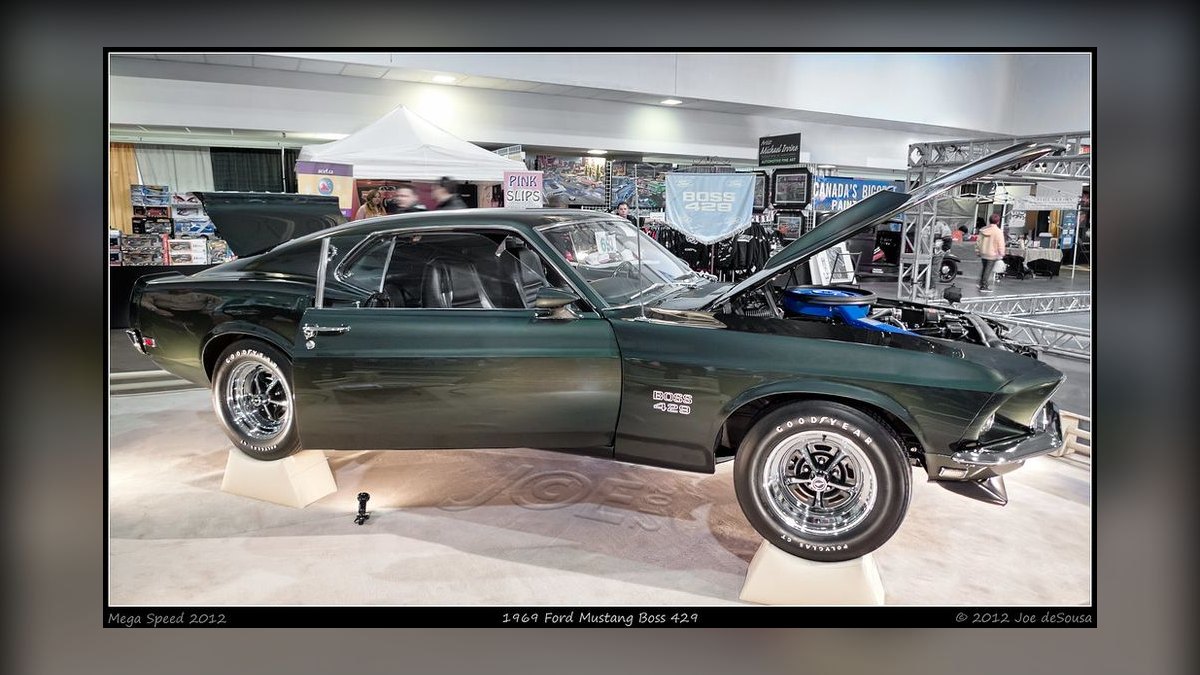
The 1965 Ford Mustang ranks first because it reshaped the American market more than any other car of the year, inventing the pony car segment with its long hood, short deck, and a base price of $2,372. Its engine catalog spanned a frugal 200 cubic inch inline-six to the legendary 289 K-code V8 rated at 271 horsepower, offering a commuter or a stoplight terror.
This car is for the buyer who wants style, choice, and historical significance in one package, making it the most accessible icon of the era. It trades away the raw handling of the Corvette and the outright muscle of the GTO, but it offers unmatched parts support and a vast community. Compared to the Corvette below, the Mustang is far more affordable to buy and restore, yet it lacks the Corvette's world-class sports car dynamics.
2. Chevrolet Corvette Sting Ray
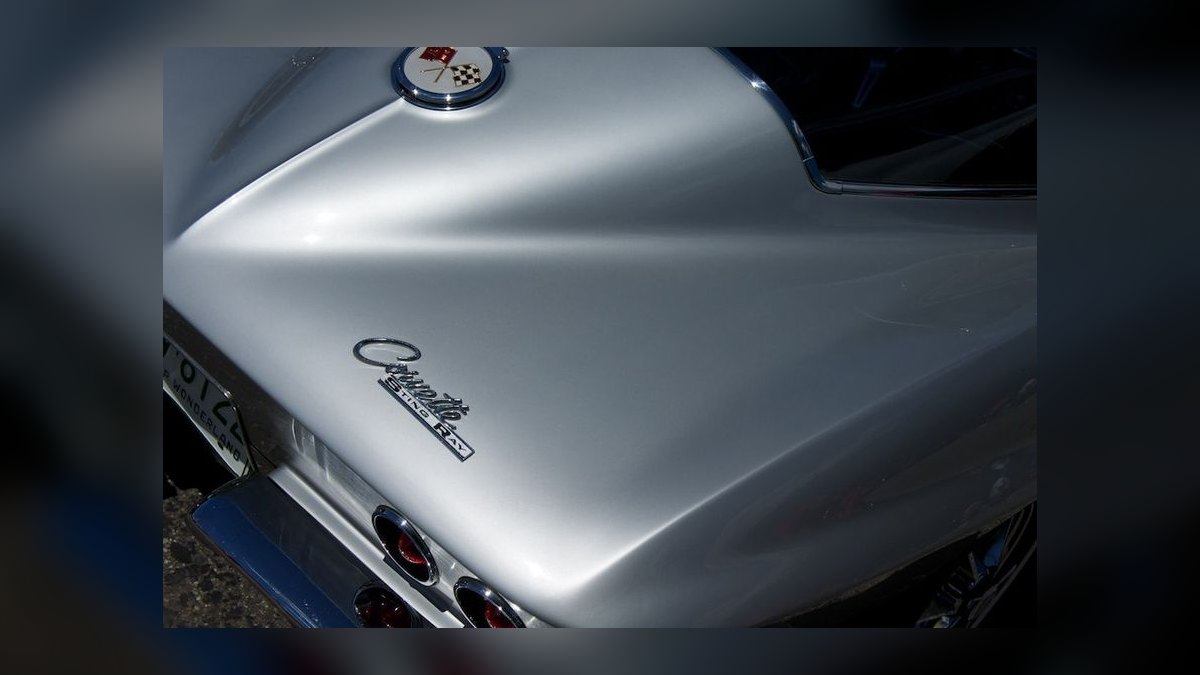
The 1965 Corvette Sting Ray ranks second because it delivered world-class sports car performance that no other American car could match, starting at $4,321 for the coupe. This pivotal year introduced four-wheel disc brakes for the first time and offered a one-year-only 396 cubic inch L78 big-block rated at 425 horsepower, alongside the fuel-injected 327 L84 with 375 horsepower.
This car is for the enthusiast who prioritizes handling, braking, and outright performance over practicality, trading away interior space and daily usability. It is significantly pricier than the Mustang above, both new and in today's market, but it offers a more focused and rewarding driving experience. The fiberglass body and frame can hide expensive rust issues, demanding careful inspection before purchase. Compared to the Mustang, it is a more serious investment, but it rewards with a timeless driving thrill.
3. Pontiac GTO
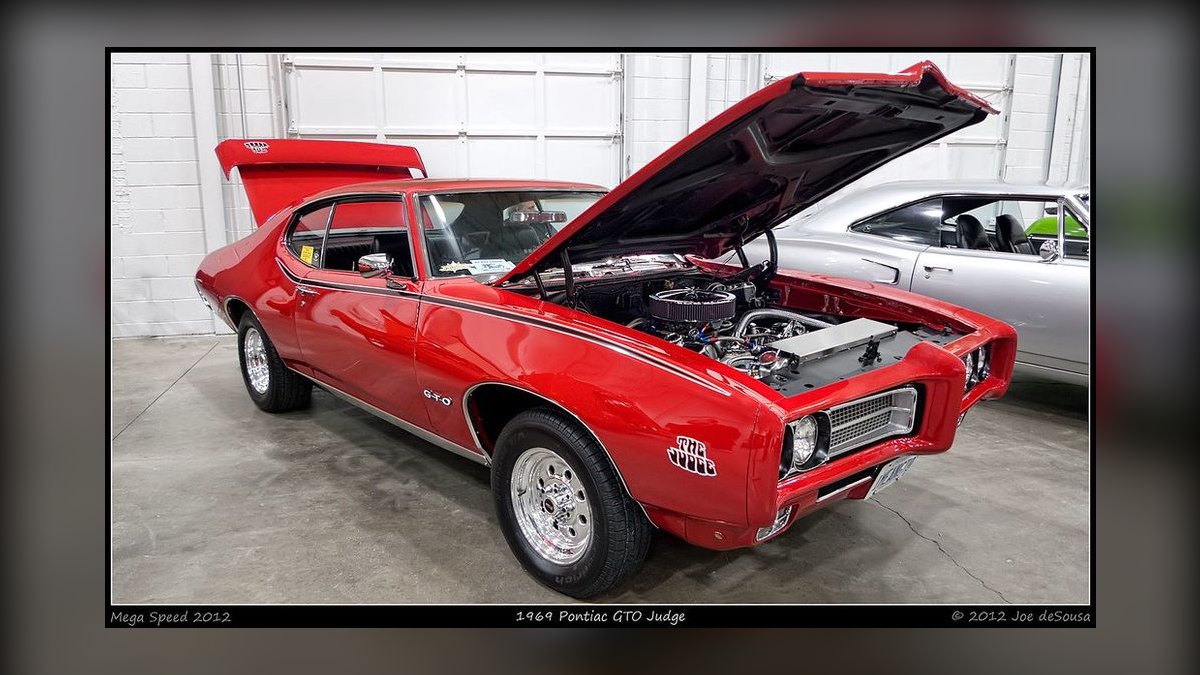
The 1965 Pontiac GTO ranks third because it perfected and popularized the muscle car formula, igniting a national craze with its 389 cubic inch V8 and a base price of $2,787. The engine produced 335 horsepower in standard form, or 360 horsepower with the optional triple-carburetor Tri-Power setup, giving it brutal straight-line performance.
This car is for the buyer who wants the defining muscle car of the era, trading away the Corvette's handling for raw, tire-shredding acceleration. It is more practical than the Corvette above, with room for four, but its drum brakes and soft suspension demand respect over bravado. The market is full of clones and tributes, so documentation is critical to verify authenticity.
4. Buick Riviera
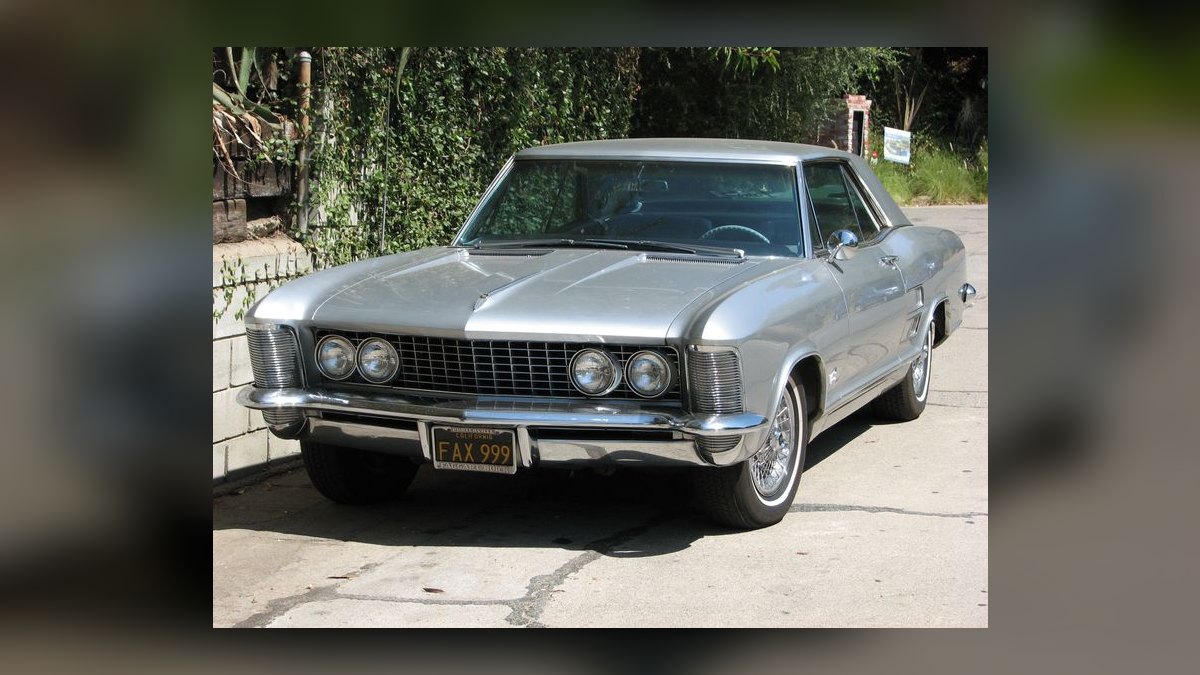
The 1965 Buick Riviera ranks fourth because it is widely considered the most beautiful American car of the decade, with a design that peaked in this final year of the first generation. Starting near $4,318, it finally received the clamshell hidden headlights that designer Bill Mitchell had originally envisioned, tucked behind the leading edges of the front fenders.
This car is for the buyer who values styling and personal luxury over outright performance, trading away the GTO's muscle for a more refined grand touring experience. It is heavier and less agile than the GTO above, but it offers a more elegant and exclusive presence. The hidden headlight mechanisms can be costly to restore correctly, and parts may be harder to source than for more common muscle cars.
5. Shelby GT350
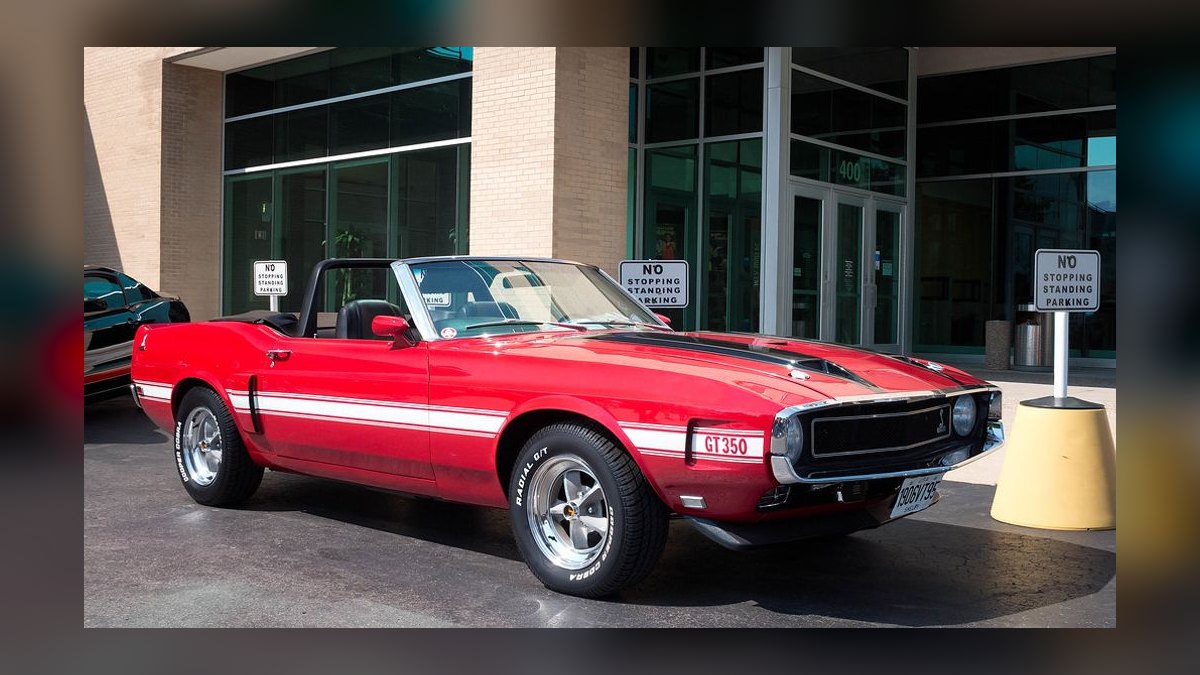
The 1965 Shelby GT350 ranks fifth because it is the most revered and valuable Mustang variant of the year, a genuine homologated race car built by Carroll Shelby. Priced at $4,547, it started with the High Performance 289 V8 and added a high-rise aluminum intake, Holley four-barrel, Tri-Y headers, and glasspack exhaust to produce 306 horsepower.
This car is for the hardcore enthusiast who wants a street-legal race car, trading away comfort and civility for raw performance and pedigree. It is far more expensive than the Riviera above and beyond the reach of most collectors, but it offers unmatched provenance and investment potential. The ride is stiff, the noise is relentless, and it demands respect to drive. Compared to the Riviera, it is a completely different proposition, prioritizing track-bred aggression over luxury and elegance.
6. Lincoln Continental
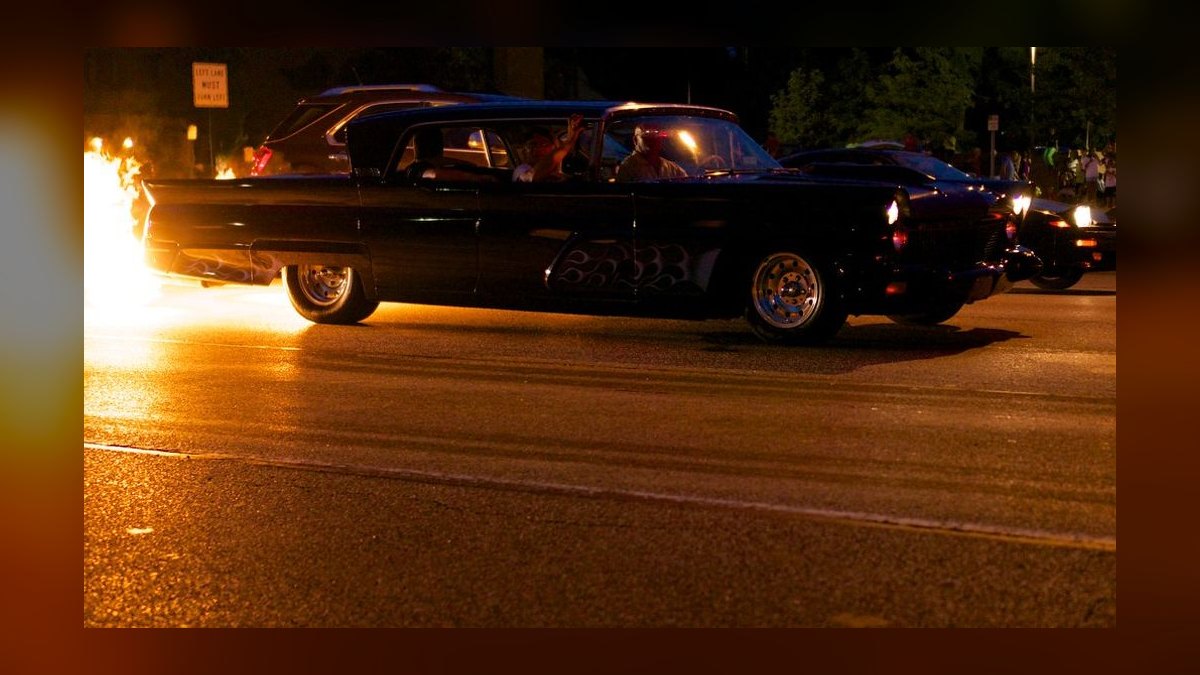
The 1965 Lincoln Continental ranks sixth because it was the final year of its landmark Elwood Engel design, a statesman of a car that exuded understated presidential luxury. Starting at roughly $6,292 for the sedan, it was the most expensive car on this list, and its rear-hinged center-opening suicide doors and clean, uncluttered flanks made it the choice of presidents and CEOs.
This car is for the buyer who wants the ultimate in restrained luxury and historical significance, trading away performance for comfort and presence. It is heavier and more complex than the GT350 above, with expensive convertible top mechanisms and power accessories that can be costly to restore. The priciest car here to buy new and to restore, it offers a unique blend of dignity and rarity.
7. Plymouth Barracuda Formula S
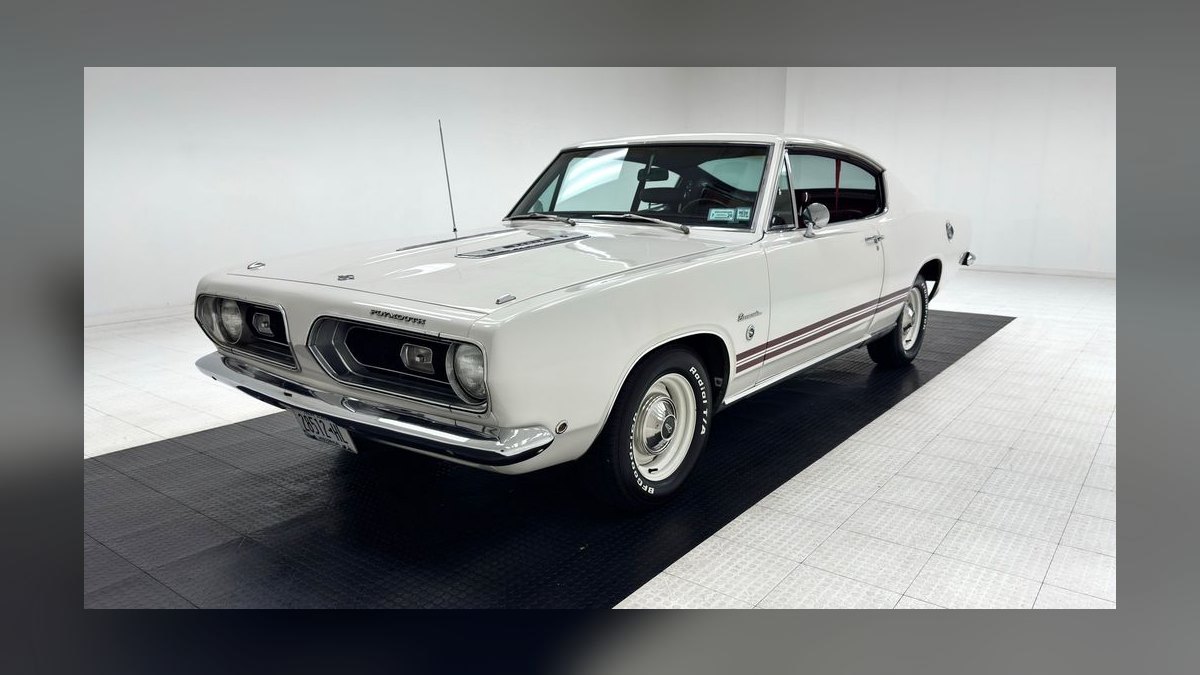
The 1965 Plymouth Barracuda Formula S ranks seventh as the Best Value pick because it delivered genuine fastback drama and a sporting chassis for Mustang money, starting at $2,535. The Formula S package added roughly $258 for an upgraded 273 cubic inch V8 making 235 horsepower, a heavy-duty suspension, a tachometer, and wider tires.
This car is for the budget-minded buyer who wants fastback style and real handling without the premium badge, trading away the Lincoln's luxury for a more nimble and affordable package. It lived in the Mustang's shadow and never sold in big numbers, making it a rarer sight at shows today. Interior trim and that huge backlight can be hard to source, but the driving experience is rewarding.
8. Oldsmobile 442
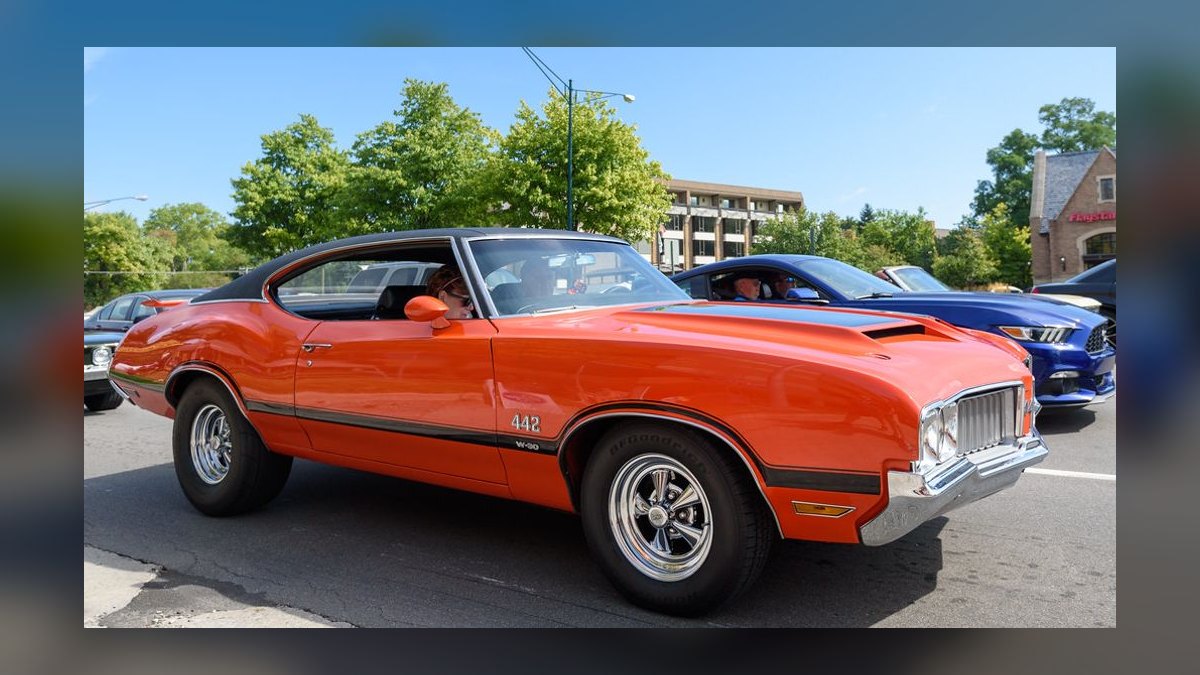
The 1965 Oldsmobile 442 ranks eighth because it brought a more refined, better-balanced approach to the muscle car formula, answering the GTO with a new 400 cubic inch V8 making 345 horsepower. For roughly $2,800 all in, buyers got 440 pound-feet of torque and a heavy-duty suspension that gave the car its sure-footed reputation, making it the best-handling of the early A-body muscle cars.
This car is for the thinking enthusiast who wants muscle car performance with more finesse, trading away the Barracuda's fastback flair for a more understated and composed ride. It has less name recognition than the GTO, which keeps prices sane, but also means lower period sales and harder-to-find parts. The 442 offers a more refined driving experience than the Barracuda above, with better balance and a torquier engine.
9. Chevrolet Impala SS 396
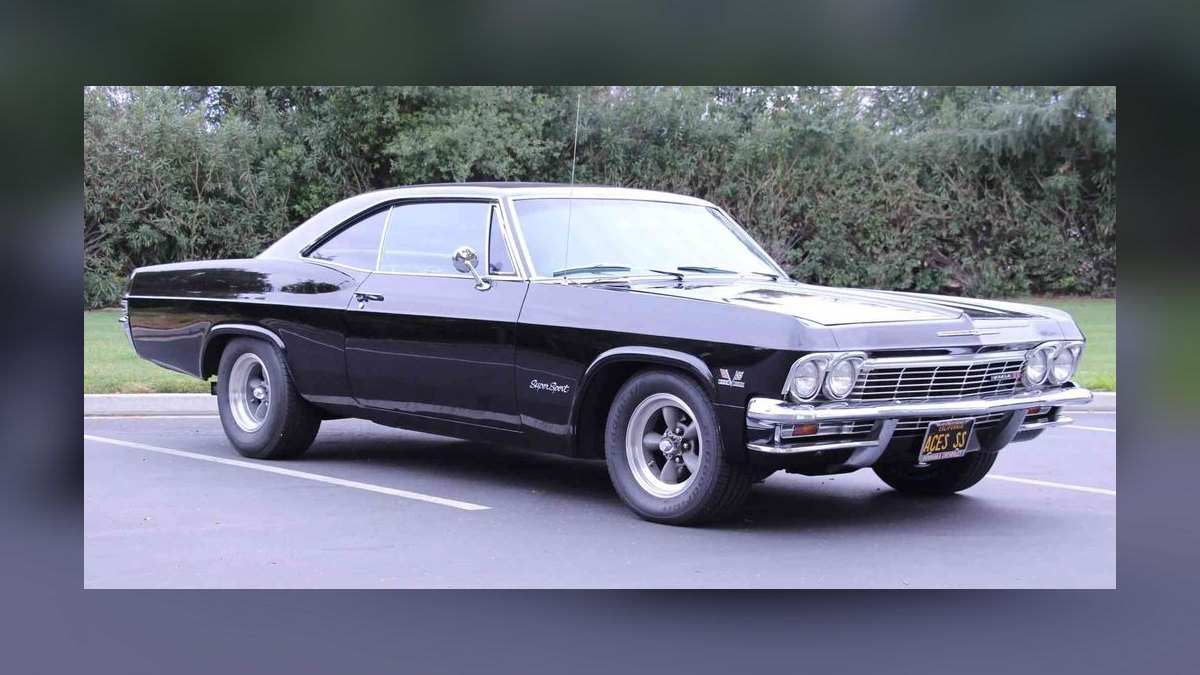
The 1965 Chevrolet Impala SS 396 ranks ninth because it combined full-size family comfort with rare big-block muscle, part of Chevrolet's record-setting sales year of over a million units. The Super Sport started near $2,839, and the new 396 cubic inch L78 big-block was rated at 425 horsepower, a one-year-only powerplant installed in just 1,838 full-size Chevys before the 427 arrived.
This car is for the buyer who wants a full-size family hauler with big-block punch, trading away the 442's nimble handling for sheer size and presence. It is big and soft, a cruiser rather than a corner-carver, but it offers unmatched passenger space and a piece of sales history. Genuine 396 L78 cars are scarce and command a premium, so verification is essential.
10. Ford Thunderbird
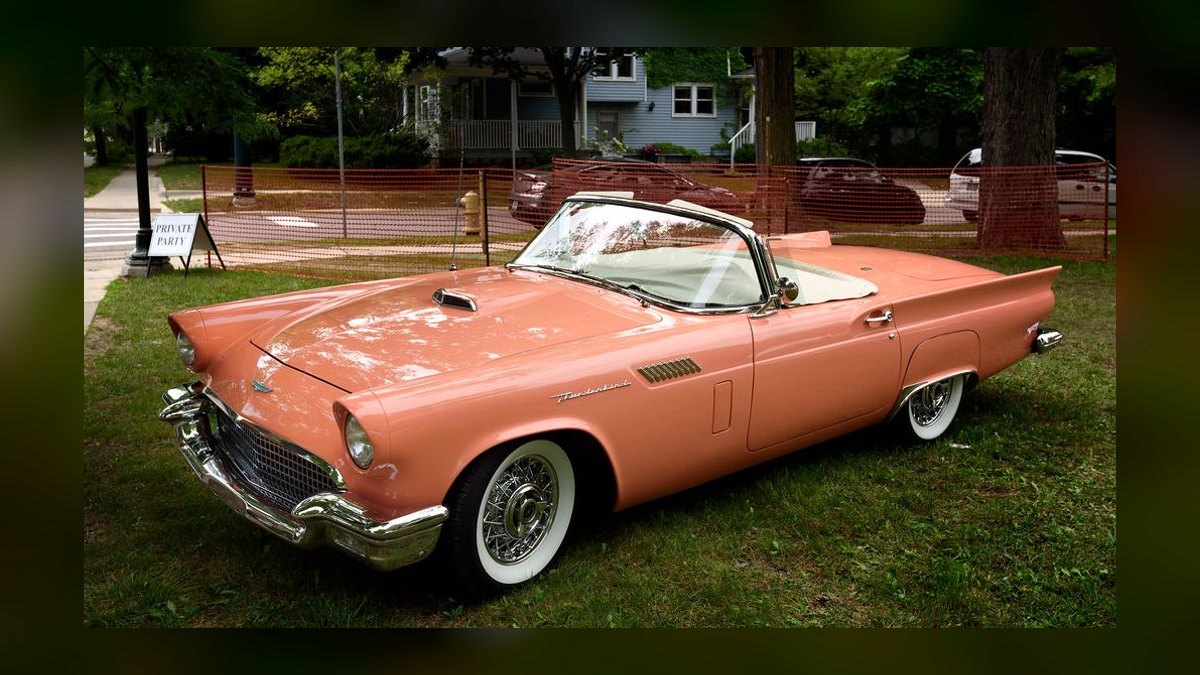
The 1965 Ford Thunderbird ranks tenth because it refined the original personal luxury car into a smooth, jet-age cruiser, starting near $4,486. It carried a 390 cubic inch V8 making 300 horsepower through a Cruise-O-Matic automatic, and 1965 added standard front disc brakes and sequential turn signals, a genuinely novel touch for the year. Long, low, and dripping with chrome, the Thunderbird traded outright performance for boulevard serenity and a richly trimmed cabin.
This car is for the buyer who wants effortless cruising and personal luxury, trading away the Impala's big-block power for a smoother, more refined ride. It is heavy and soft, with leisurely real-world acceleration, but its standard front disc brakes and sequential turn signals add modern safety and flair. Complex power accessories can be troublesome to restore, and parts may be harder to find than for more common models.
How we ranked these
We scored each 1965 car on six weighted axes: significance and influence (25%), design (20%), performance (15%), value in period (15%), driving character (10%), and collectibility now (15%). Data came from period road tests in Car and Driver, Road & Track, and Motor Trend, plus Hagerty valuations, Mecum and Barrett-Jackson auction results, Conceptcarz production records, and model histories. Prices are real 1965 base MSRPs in period dollars.
We deliberately ignored modern collector appreciation as a primary ranking factor, because 1965 values have shifted dramatically due to nostalgia and speculation. We also ignored rarity alone—many low-production cars are historically minor—and we excluded subjective factors like brand loyalty or personal taste. Instead, we focused on what the car meant when new: how it changed the market, how it drove against rivals, and what a buyer got for the money.
This keeps the ranking grounded in period reality rather than today's auction hype.
What to look for
When choosing among these ten, prioritize the car's role in your life. If you want a daily-driver-adjacent classic with massive parts support, the Mustang is unbeatable. If you crave handling and a true sports car, the Corvette or Barracuda Formula S delivers. For muscle-car bravado, the GTO or 442 offers the best balance of power and usability. The Riviera and Continental are grand tourers—buy them for style and comfort, not cornering.
Always budget for rust repair, especially in floor pans, rockers, and around the Barracuda's huge backlight.
The mistake most buyers make is chasing the cheapest example without factoring in restoration costs. A $15,000 Mustang with hidden rust can easily swallow $30,000 in bodywork, while a $25,000 solid car might need only minor mechanical attention. Similarly, many buyers overpay for a numbers-matching car when a well-sorted, slightly modified driver provides more joy per dollar. Unless you're investing at the top of the market, condition and driving experience matter more than absolute factory correctness.
Verify documentation—window stickers, build sheets, PHS or Marti reports—to avoid clones and tributes.
Related questions
What made the 1965 Ford Mustang the best overall car of the year?
The Mustang won because it reshaped the market with its long-hood/short-deck styling, a wide engine range from a frugal six to the 271 hp K-code V8, and a low $2,372 base price. It created the pony car segment and became a cultural icon, with enduring collectibility and deep parts support.
Why is the 1965 Plymouth Barracuda Formula S the best value pick?
The Barracuda offered genuine fastback character, a 235 hp 273 V8, and sharper handling than most rivals—all for $2,535, nearly the same as a base Mustang. Its Formula S package added heavy-duty suspension and a tach for just $258, making it a smart-money choice then and now.
How does the 1965 Corvette Sting Ray compare to the Mustang?
The Corvette was a true sports car with four-wheel disc brakes, independent rear suspension, and up to 425 hp from the new big-block 396. It cost $4,321, nearly double the Mustang, and offered far more performance but less practicality. It's the driver's choice, while the Mustang is the market shaper.
What is the significance of the 1965 Pontiac GTO in muscle car history?
The GTO didn't invent the big-engine-in-midsize formula, but it perfected and popularized it in 1965, igniting the muscle car era. With a 389 V8 up to 360 hp Tri-Power and sales over 75,000, it turned a niche into a national movement, making it a cornerstone of any collection.
Why is the 1965 Buick Riviera considered a design icon?
The Riviera's final first-generation year featured one-year-only clamshell hidden headlights, a design by Bill Mitchell that looked custom coachbuilt. Its crisp, low, knife-edge styling is widely regarded as the most beautiful American car of the decade, and it remains undervalued relative to its significance.
What makes the 1965 Shelby GT350 so valuable?
The GT350 was a homologation special built for SCCA B-Production racing, with a 306 hp 289 V8, high-rise intake, and Tri-Y headers. Only a few were made, and they dominated racing. Today, clean street cars trade in the mid-six figures, making it a blue-chip collectible.
How does the 1965 Lincoln Continental compare to other luxury cars of the era?
The Continental was the most expensive car on the list at $6,292, offering presidential dignity with its suicide doors and 320 hp 430 V8. It was heavier and more complex than the Riviera, but its restrained design and rare convertible variant make it a serious collector piece.
What should buyers look for when purchasing a 1965 classic car?
Rust is the top concern—inspect floor pans, trunk floors, lower fenders, and rocker panels. Verify numbers-matching drivetrains against VIN and build docs, as genuine K-code Mustangs or 396 Impalas are worth far more than clones. Budget for restoration costs, which can exceed the purchase price.
FAQ
What was the best classic American car of 1965?
The Ford Mustang is our Best Overall pick for its market-defining significance, broad engine range, timeless styling, and enduring collectibility. The Corvette Sting Ray is a close runner-up for driving ability, but the Mustang's impact on the industry and culture is unmatched.
Which 1965 car is the best value for collectors today?
The Plymouth Barracuda Formula S offers the best value, with prices in the teens to low forties—far below comparable Mustangs. It delivers fastback style, 235 hp, and sharp handling, making it a rare sight at shows and a smart entry into 1960s classics.
How much did a 1965 Ford Mustang cost new?
The base Mustang coupe started at $2,372 in 1965 dollars. With options like the 289 V8, the price could rise, but it remained affordable for millions of buyers, which was key to its success.
What engine options were available in the 1965 Mustang?
Buyers could choose a 200 cubic inch inline-six, a 289 V8 with 200 to 225 hp, or the legendary K-code High Performance 289 rated at 271 hp. This range allowed the Mustang to serve as a commuter or a stoplight terror.
Why is the 1965 Corvette Sting Ray significant?
It was the first year for four-wheel disc brakes and offered the last fuel-injected 327 (375 hp) and the new 396 big-block (425 hp). The C2's knife-edge styling and independent rear suspension made it America's only world-class sports car.
What does the 'Tri-Power' option on the 1965 GTO mean?
Tri-Power referred to three two-barrel carburetors on the 389 V8, boosting output to 360 hp. This setup was a top performer and is highly sought after today, with documented Tri-Power four-speed cars fetching six figures.
How many 1965 Lincoln Continental convertibles were built?
Only 3,356 four-door convertibles were produced, making them the prize for collectors. Their suicide doors and presidential styling, combined with rarity, have driven values up significantly.
What is the 'Formula S' package on the 1965 Barracuda?
The Formula S package added a 273 cubic inch V8 with 235 hp, heavy-duty suspension, a tachometer, and wide tires for about $258. It transformed the Barracuda into a genuine sports coupe with sharp handling.
What is the significance of the 1965 Oldsmobile 442?
The 442 introduced a new 400 V8 with 345 hp and 440 lb-ft of torque, paired with heavy-duty suspension for excellent handling. It was a more refined muscle car than the GTO, and its lower sales make it a savvy collector buy today.
How rare is the 1965 Chevrolet Impala SS 396?
The 396 L78 big-block was installed in only 1,838 full-size Chevys in 1965, making genuine examples highly sought. The Impala itself sold over a million units, but the SS 396 with the big-block is a rare and valuable variant.
Sources
- https://www.caranddriver.com/
- https://www.roadandtrack.com/
- https://www.motortrend.com/
- https://www.hagerty.com/
- https://www.mecum.com/
- https://www.barrett-jackson.com/
- https://www.conceptcarz.com/
- https://www.hemmings.com/
- https://www.autoevolution.com/
- https://www.hotcars.com/
Related on PULSE
- Top 10 Muscle Cars 1965 — Best Overall + Best Value
- Top 10 Muscle Cars 1969 — Best Overall + Best Value
- Top 10 Muscle Cars 1966 — Best Overall + Best Value
- Top 10 Muscle Cars 1972 — Best Overall + Best Value
- Top 10 Muscle Cars 1973 — Best Overall + Best Value
- Top 10 Muscle Cars 1974 — Best Overall + Best Value
This page will be disappearing soon. Save it to your device for $1 — or read it free while it is here.
@Kory-White- · if Venmo asks, the last 4 of my number are 2012
This page is gone.
This one is off the shelf now. $1 keeps it on your phone for good — the whole page, pictures and diagrams included.
 pulse-collectiblesTop 10 Muscle Cars 1967 — Best Overall + Best Value
 pulse-collectiblesTop 10 Muscle Cars 1970 — Best Overall + Best Value
 pulse-collectiblesBest American Muscle Cars in 2027
 pulse-collectiblesIs Collectibles worth it in 2027?
 pulse-collectiblesTop 10 Muscle Cars 1972 — Best Overall + Best Value
 pulse-collectiblesTop 10 Muscle Cars 1974 — Best Overall + Best Value
 pulse-collectiblesWhat should you know before investing in Collectibles in 2027?
 pulse-collectiblesTop 10 Muscle Cars 1968 — Best Overall + Best Value
 pulse-collectiblesTop 10 Collectibles strategies for 2027
 pulse-collectiblesTop 10 Muscle Cars 1969 — Best Overall + Best Value