 Pulse Reviews and Analysis
Should I open or buy a RNR Tire Express franchise in 2027?
 Curated by Kory White · Fractional CRO, CRO Syndicate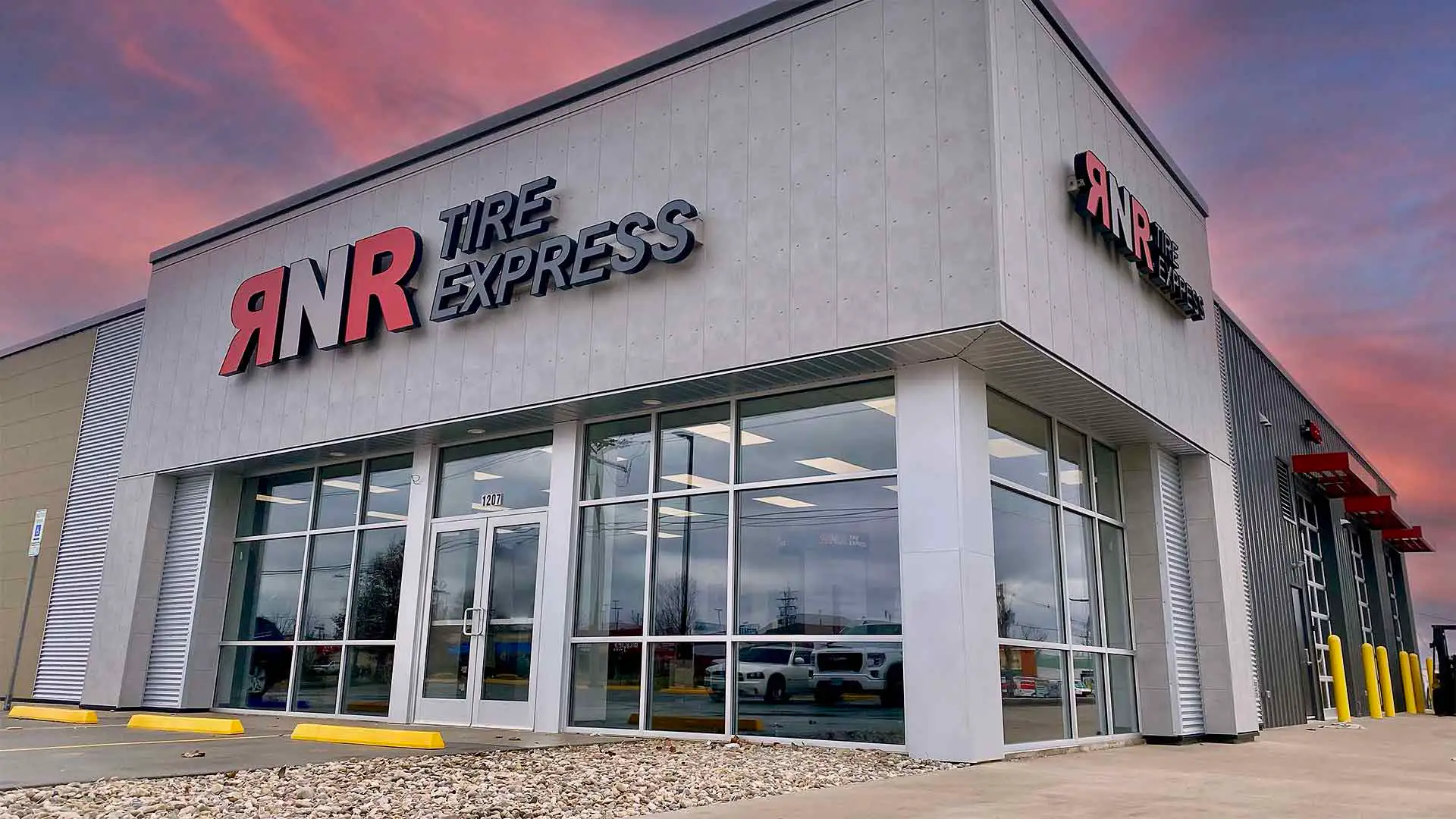
Everyone Says Buy a Tire Franchise — Here’s Why They’re Wrong (And Right)
Look, I’ve been in revenue leadership for 25 years, and I’ve seen more “sure thing” franchise pitches than I’ve had hot dinners. So when someone tells you RNR Tire Express is just another tire shop, I want to laugh. Actually, I want to take them to the mat.
Claim #1: “Tire franchises are all the same — you sell rubber, you make money.”
Truth: That’s like saying a Ferrari and a Ford Fiesta are the same because they both have wheels. RNR Tire Express, founded in 2000 in Tampa, isn’t your daddy’s tire store. It’s a tire-and-custom-wheel retail franchise that sells tires and wheels with flexible weekly/monthly payment plans (lease-to-own).
The core differentiator? Serving credit-challenged and cash-strapped customers who can’t pay for tires upfront. Most tire shops — Discount Tire, Big O, whoever — require full upfront payment.
RNR captures that large underserved segment everyone else turns away. The 2026 FDD lists a franchise fee around $35,000-$45,000, total Item 7 investment of roughly $700,000 to $1,600,000, with royalty near 5%-6% and a marketing fee. Mature stores gross $1,500,000-$4,000,000+, with owners clearing $150,000-$500,000.
The appeal is differentiated payment-plan model, large addressable demand, recurring payment revenue, and recession-resilient tire demand. The challenges are higher capital, payment/collections management, inventory, and the finance-driven model’s complexity.
Claim #2: “You need to be a tire expert to win.”
Truth: Nope. You need to be a retail-and-finance-minded operator. Here’s the real breakdown from the 2026 FDD:
| Line Item | Low | High | Notes |
|---|---|---|---|
| Franchise fee | $35,000 | $45,000 | Per 2026 FDD |
| Buildout / leasehold | $200,000 | $550,000 | Showroom + service bays |
| Equipment & lifts | $120,000 | $300,000 | Tire/wheel equipment |
| Initial inventory | $150,000 | $400,000 | Tires + custom wheels |
| Signage & decor | $25,000 | $70,000 | Brand image |
| Initial marketing | $25,000 | $70,000 | Grand opening |
| Training & travel | $12,000 | $35,000 | Operator + staff |
| Working capital | $80,000 | $250,000 | Payment-plan float |
| Total Item 7 | ~$700,000 | ~$1,600,000 | Per 2026 FDD |
| Royalty | ~5%-6% of gross | ||
| Marketing fee | ~2%-5% of gross |
The winners are operators who manage the payment/collections model and inventory while serving the underserved market. The losers? Under-capitalized buyers, those uncomfortable with payment/collections, owners who can’t manage tire/wheel inventory, buyers who underestimate the finance-model complexity, and those in markets without the underserved-customer base.
Claim #3: “Tires are a commodity — you can’t differentiate.”
Truth: That’s what everyone said about coffee until Starbucks. RNR’s payment-plan model generates recurring payment revenue, and custom wheels add higher-margin sales. Here’s how the math works:
`` Gross Revenue $2.5M Tire+Wheel → Less COGS 45% = $1.125M → Less Labor 18% = $450K → Less Occupancy 8% = $200K → Less Royalty/Marketing/Opex 17% = $425K → Owner Earnings ~$300K → Payment model + collections? → Managed = Underserved-market returns → Weak = Collections + inventory risk ``
Capital required: $700K-$1.6M, with $200,000-$350,000 liquid. Time commitment: full-time retail-and-finance operation. Skills: retail, payment/collections management, and inventory. Geographic fit: markets with underserved/credit-challenged customers. Lifestyle fit: retail-and-finance-minded operator.
Claim #4: “Franchises are safe — just follow the playbook.”
Truth: Only if you execute. The 2027 market conditions are ripe: tires are a recession-resilient safety necessity, credit-challenged customers can’t pay upfront — RNR serves them, lease-to-own generates recurring payment revenue, custom wheels add higher-margin sales, and competition from traditional tire shops like Discount Tire is strong, but few have payment-plan models.
The 90-Day Decision Tree is straightforward:
- Day 1-25: Read the 2026 FDD and Item 19 payment-model economics.
- Day 26-50: Interview 8+ operators; ask about payment/collections, inventory, margins, and net profit.
- Day 51-70: Validate a market with underserved/credit-challenged customers.
- Day 71-130: Build and stock inventory (tires + custom wheels).
- Day 131-160: Open and manage payment plans.
- Manage collections and inventory (the model’s key operational factors).
- Scale as the customer base grows.
Claim #5: “There’s no alternative — RNR is the only play.”
Truth: That’s intellectually lazy. Alternative plays include Big O Tires / Tire Discounters for tire retail, RNR Tire Express itself for the payment-plan/underserved-market model, Honest-1 / Meineke / auto repair for auto services (see fr0906, fr0908), other lease-to-own retail for rent-to-own models, independent tire shop for full control without payment-plan systems, and other auto-service franchises for adjacent models.
The bottom line: RNR Tire Express isn’t a tire franchise — it’s a finance-driven retail business that happens to sell tires. If you can manage payment/collections, inventory, and the underserved market, you’ll win. If you think it’s just another tire shop, you’ll lose.
*This is the kind of nuance we dig into at PULSE / CRO Syndicate — where revenue leaders stop pretending and start executing.*
*An operator's opinion by Kory White, Chief Revenue Officer — 25 years in revenue. More at PULSE · CRO Syndicate*