
Should I open or buy a Tint World franchise in 2027?
 Curated byKory White · Fractional CRO · Maryland
 PULSEKNOWLEDGE LIBRARY
Quality
Certified
Opening or buying a Tint World franchise in 2027 is worth it if you can fund a $270,000–$430,000 total investment, recruit and retain skilled installers across tint, wrap, PPF, and audio, and operate in a vehicle-dense, styling-friendly market. It's a poor fit if you're under-capitalized, weak at sales, or in a low-vehicle-demand region — the multi-service model rewards operators who manage complexity, not just people who can write a check.
What It Is and Why It Matters
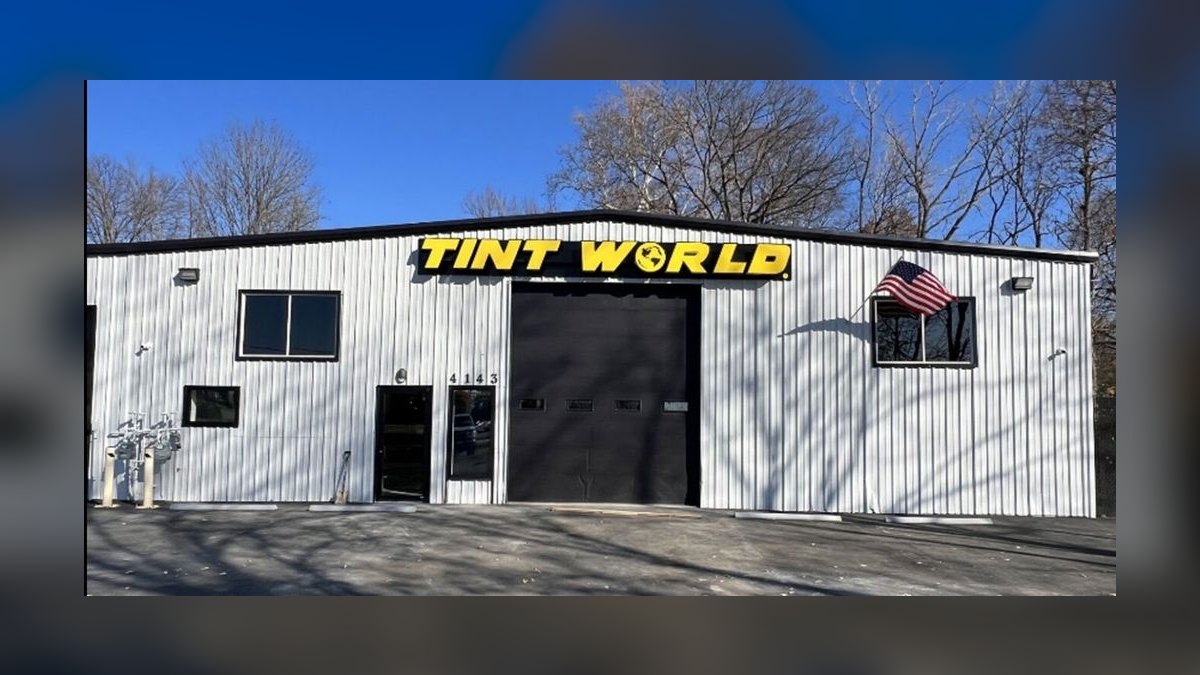
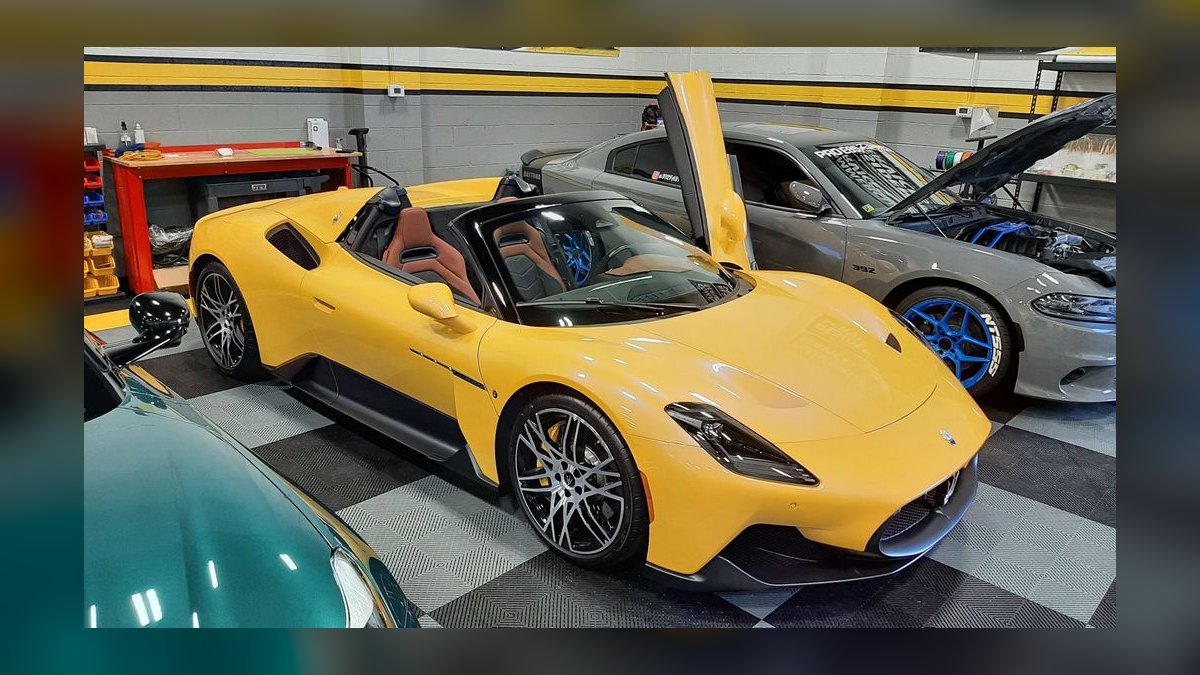
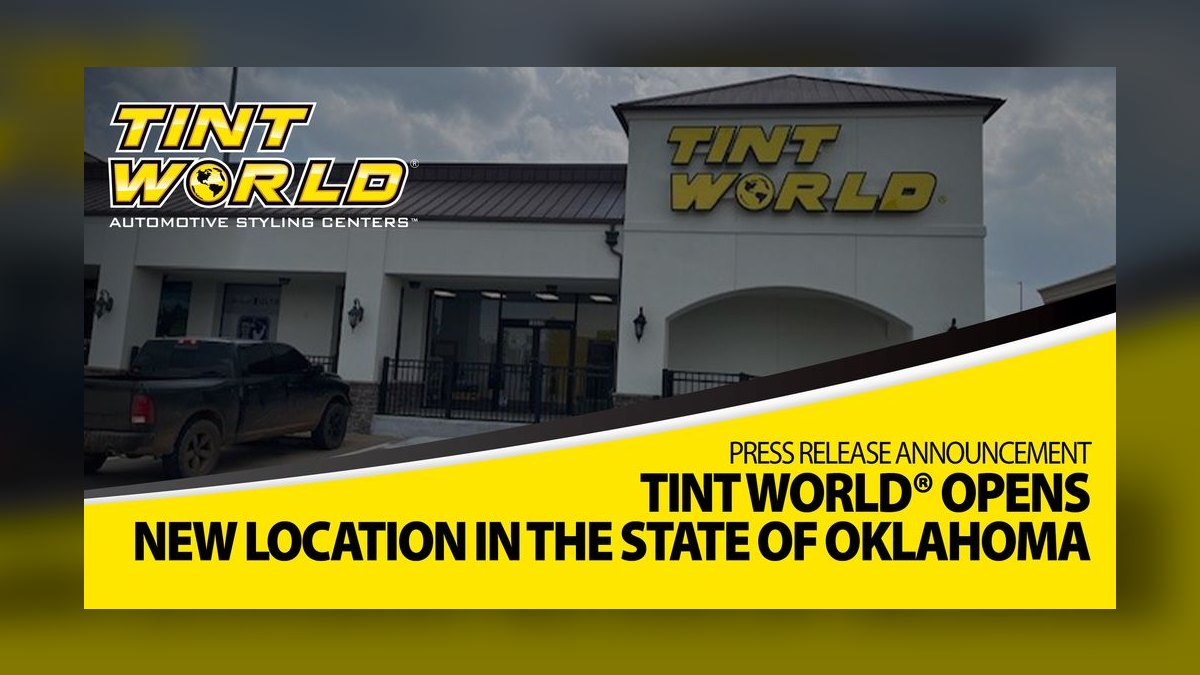
Tint World Automotive Styling Centers, founded in 1982, is not a single-service tint shop wearing a franchise sign — it's a diversified automotive customization and protection retailer. A typical location offers window tinting, vehicle wraps, paint protection film (PPF), audio and electronics installation, detailing, wheels and tires, and vehicle security systems, all under one brand and one roof. That breadth is the entire strategic logic of the concept. Instead of betting the business on a single service that a mobile tinter or a big-box audio retailer can undercut on price, an owner runs a bundle of related, higher-margin services that smooth out seasonal swings and competitive pressure on any one line.
This matters directly for the "open new or buy existing" decision. A new build gives full control over service-mix emphasis, market selection, and staffing plan from day one, but it also means absorbing 100% of ramp-up risk with no existing customer base and no trained crew walking in the door. Buying an operating Tint World gets a new owner past the hardest 12–24 months — installer hiring, brand awareness, vendor relationships — but usually costs more up front and inherits whatever operational habits, good or bad, the previous owner built into the shop. Because the franchise's real value sits disproportionately in its people — skilled tint, wrap, and audio installers are scarce and expensive to train from scratch — a resale with a stable, trained crew already in place is frequently worth a genuine premium over building from zero, even before factoring in existing revenue.
The franchise fee runs around $50,000, and total Item 7 investment — buildout, equipment, signage, inventory, marketing, training, and working capital — typically lands between $270,000 and $430,000. Ongoing fees run roughly a 6% royalty on gross sales plus a marketing fee in the 2–3% range. None of that is trivial, and it's why the open-versus-buy question really reduces to a capital-and-capability question: does the prospective owner have the cash cushion and operational skill to run what is effectively four or five small businesses — tint, wrap, PPF, audio, detail — inside one storefront, under one lease, and one P&L.
The Step-by-Step Process for Opening or Acquiring a Location
The path from first inquiry to grand opening follows a fairly predictable sequence, and skipping steps is the single biggest source of first-year regret among new owners. Start with the Franchise Disclosure Document — read Items 5 through 7 (fees and investment), Item 19 (financial performance representations, if the franchisor provides one), and Item 20 (unit counts and franchisee turnover) before doing anything else. Plan on roughly 90 days of pre-opening work once site and financing are lined up, longer if either is still uncertain.
The realistic sequence looks like this: confirm the investment range and financing in the first two weeks; spend the next two weeks calling existing owners directly — not just the franchisor-supplied reference list — to ask about service-mix revenue, installer turnover, and actual net profit versus what Item 19 implies; validate the target market's vehicle density, income demographics, and climate-driven tint demand over the following two weeks; then move into site selection and lease negotiation, typically the longest single step, since the space needs 2,500–4,000 square feet with 2–4 convertible installation bays. Once the lease is signed, buildout and installer recruitment run in parallel — a shop cannot wait until opening day to start hiring, because trained tint and wrap installers take weeks to source and days to properly onboard even when experienced. Grand-opening marketing should start 30 days before the open date, not on it.
The owners who ramp fastest don't try to launch all seven service categories at full strength on day one. A common pattern is leading with tint and PPF — lower installer-training burden, faster cash conversion — for the first 12–18 months, then layering in wraps and audio once cash flow stabilizes and a core crew is trained. That sequencing decision — open broad immediately versus open narrow and expand — is one of the biggest levers a new franchisee actually controls, and it has more impact on year-one cash flow than almost any marketing decision.
Costs, Timelines, and Typical Ranges
Breaking the $270,000–$430,000 total investment into its components clarifies where the money goes. Buildout and leasehold improvements typically run $80,000–$200,000, driven heavily by whether the space needs separate HVAC zoning to keep dust-sensitive tint work away from adhesive-heavy wrap installation. Equipment and technology — tint tables, wrap heat guns and squeegees, audio benches, detailing wash bays — run $80,000–$180,000. Signage and decor, which is brand-prescribed rather than owner-discretionary, adds $20,000–$60,000. Initial inventory of film, vinyl, and accessories runs $20,000–$60,000, and initial grand-opening marketing is another $15,000–$45,000. Training and travel for the owner and initial staff runs $8,000–$25,000, and working capital to cover roughly three months of operating losses should be budgeted at $30,000–$80,000 — though owners in seasonal or economically volatile markets should lean toward $50,000–$100,000 in liquid reserves beyond the initial build, since auto styling spending is discretionary and contracts fast in a downturn.
On the revenue side, mature centers report gross revenues of $700,000 to $1,800,000 annually, with owner net income in the range of $110,000 to $300,000. That's a wide band, and the spread is driven almost entirely by market and execution, not by the franchise system itself. A representative P&L on $1.1 million in gross sales looks roughly like: materials at 28% ($308,000), labor at 30% ($330,000), occupancy at 9% ($99,000), the 6% royalty ($66,000), and marketing plus other operating expenses at 13% ($143,000) — leaving owner profit in the $130,000–$240,000 range before taxes.
Timelines: expect 60–90 days from signed franchise agreement to lease execution in a typical market, another 60–90 days for buildout and installer training, and 12–24 months before the business reaches a stabilized run-rate close to mature-center averages. Break-even on the initial investment, assuming mid-range revenue performance, generally falls in the 3–5 year window once royalty, occupancy, and payroll are all accounted for — faster in high-income, car-culture markets, slower in low-vehicle-demand or heavily seasonal ones. A cold-weather market can see tint revenue drop 30–40% in winter months, which is precisely why the wrap, audio, and detailing lines exist — they carry the shop through the months when tint alone can't.
Where Prospective Owners Get It Wrong
The most common and costly mistake is treating all seven service lines as equally important from day one instead of identifying which two or three will realistically drive 80% of revenue in a given market, then staffing accordingly. Owners who try to hire one "super tech" capable of tinting, wrapping, and wiring audio systems end up paying $60,000–$90,000 a year for a unicorn employee whose departure can shut down half the shop overnight. The more resilient approach — hiring specialists per service line and cross-training over 6–12 months — costs more in payroll, roughly 30–35% of revenue instead of 25%, but eliminates single-point-of-failure staffing risk.
A second frequent error is underestimating inventory complexity. Carrying tint film in 10–15 shades, vinyl wrap in 50-plus colors and finishes, multiple PPF thicknesses, and audio components from five to ten brands ties up real capital — one owner reported $40,000 in standing inventory and $5,000–$8,000 in annual write-offs from expired film and obsolete audio gear. Franchise-suggested inventory levels help, but the owner is still the one who has to avoid overbuying slow-moving SKUs.
Third, owners routinely underinvest in physical separation within the shop. Dust from a detailing bay settling on a fresh tint job, or adhesive fumes drifting into a clean-room tint area, causes rework and customer complaints. Budgeting an extra $10,000–$25,000 for partition walls and separate HVAC zones during buildout is cheap compared to the cost of redoing jobs and losing repeat customers over avoidable cross-contamination.
Fourth is a failure to validate territory protection assumptions. Tint World's territory exclusivity in the FDD is typically 3–5 miles in urban areas and larger in rural ones, but it does not guarantee exclusivity across every individual service line — a nearby franchisee focused on wraps can still compete for wrap customers, and the franchisor retains the right to open company-owned locations in some circumstances. Prospective owners who assume total territorial insulation are setting themselves up for an unpleasant surprise once a second location opens nearby.
Finally, many buyers skip direct owner calls in favor of franchisor-supplied references, missing the honest, unfiltered picture of installer turnover, seasonal cash-flow swings, and actual net income versus the FDD's Item 19 figures. Calling eight or more independently sourced current owners — not just the ones the franchisor hands over — is the single highest-leverage diligence step available before signing anything.
Decision Framework: Open, Buy Existing, or Walk Away
The choice between opening new, buying an existing location, or passing on Tint World altogether comes down to three inputs: available liquid capital, tolerance for operational complexity, and the specific market being entered. With $80,000–$150,000 in liquid capital available beyond financing, strong sales instincts, and access to a vehicle-dense, warm-or-moderate climate market with household incomes in the $75,000–$150,000 range, opening new allows an owner to shape service mix and culture from scratch. If a stable, already-trained installer crew and existing customer base are available for purchase at a reasonable multiple of cash flow, buying existing often de-risks the hardest 12–24 months of ramp-up, even at a higher entry price. If neither condition holds — thin capital, no sales background, or a low-vehicle-demand, low-income, or heavily seasonal market — walking away or looking at a narrower single-service concept is the more defensible decision.
Whichever path is chosen, the underlying test stays the same: Tint World rewards operators who treat it as a diversified small business with four or five distinct service disciplines, not as a single-product tint shop with extra signage. Capital gets an owner in the door; operational discipline is what determines whether the investment converts into the $110,000–$300,000 owner-income range mature centers report. Anyone still deciding whether to open a location or buy one should treat that discipline question — not the price tag — as the real gate.
Related questions
How long does it take a new Tint World franchise to break even?
Most new locations reach a stabilized run-rate within 12–24 months and break even on the initial investment in roughly 3–5 years, depending on market strength, service-mix execution, and how quickly a trained installer crew is built.
Is window tinting seasonal in a Tint World business model?
In cold-weather markets, tint revenue can drop 30–40% in winter months; wraps, audio, and detailing help offset that seasonality, which is a core reason the multi-service model exists in the first place.
What's the difference between opening new and buying an existing Tint World?
Opening new gives full control over service-mix emphasis and staffing from day one but carries full ramp-up risk; buying existing typically costs more but comes with a trained crew and customer base already in place.
How much working capital should I keep beyond the initial investment?
The FDD suggests $50,000–$100,000 in liquid capital beyond the buildout; owners in seasonal or economically volatile markets should target the higher end of that range.
What markets are best suited for a Tint World location?
Warm-to-moderate climate, high-vehicle-density, car-culture markets with household incomes in the $75,000–$150,000 range — think Texas, Florida, Arizona, and parts of the Southeast — tend to outperform cooler, low-income, or low-vehicle-ownership regions.
FAQ
What is the total investment range for a Tint World franchise? Total initial investment typically falls between $270,000 and $430,000, including a franchise fee of around $50,000. This covers buildout, equipment, signage, inventory, training, and working capital, though actual costs vary by market and site condition.
How much can a Tint World franchise owner expect to earn? Mature centers generally report gross revenues of $700,000 to $1,800,000, with owner net income ranging from $110,000 to $300,000. These figures depend heavily on location, service-mix execution, and management quality — not every center reaches the higher end.
What services does a Tint World franchise offer? Centers provide window tinting, vehicle wraps, paint protection film, audio and electronics installation, detailing, wheels and tires, and vehicle security systems — a diversified mix designed to smooth out seasonal and competitive pressure on any single service.
How much are the ongoing royalty and marketing fees? The royalty is approximately 6% of gross sales, plus a marketing fee typically in the 2–3% range. Exact figures should be confirmed in the current FDD, since they can shift between disclosure years.
Should I open a new location or buy an existing Tint World? Buying an existing, stable location with a trained installer crew often de-risks the hardest early years, usually at a purchase premium; opening new costs less up front but requires building staffing, brand awareness, and customer base from zero.
What's the biggest operational risk in running a Tint World franchise? Staffing across multiple skilled service lines — tint, wrap, PPF, and audio installation each require different expertise, and losing a single cross-trained "do everything" technician can disrupt half the shop's capacity.
Sources
- https://www.tintworld.com
- https://www.franchise.org
- https://www.sba.gov
- https://www.entrepreneur.com/franchises
- https://www.franchisebusinessreview.com
- https://www.ftc.gov/business-guidance/industry/franchise
- https://www.franchisedirect.com
Related on PULSE
This page will be disappearing soon. Save it to your device for $1 — or read it free while it is here.
@Kory-White- · if Venmo asks, the last 4 of my number are 2012
This page is gone.
This one is off the shelf now. $1 keeps it on your phone for good — the whole page, pictures and diagrams included.
 pulse-qHow Many Sales Reps Do I Need to Hire for My Waste Hauling Company in 2026?
 pulse-qShould I Hire a Fractional CRO If I Am Taking the Company to Market in a Year in 2026?
 pulse-qShould I open or buy a CPR Cell Phone Repair franchise in 2027?
 pulse-qWhat Add-On Fees Should I Be Charging That I'm Not in 2026?
 pulse-qHow Many Employees Should I Schedule Each Shift at My Skate Park in 2026?
 pulse-qWhat Service Fees Should a Locksmith Charge in 2026?
 pulse-qShould I open or buy a Champs Chicken franchise in 2027?
 pulse-qShould I open or buy an Ideal Image franchise in 2027?
 pulse-qShould I open or buy a Ned Stevens Gutter Cleaning franchise in 2027?
 pulse-qHow Many Sales Reps Do I Need to Hire for My Dental Equipment Company in 2026?