
How Do I Get My Insurance Agents to Cross-Sell Lines in 2027?
 Curated byKory White · Fractional CRO · Maryland
 PULSEKNOWLEDGE LIBRARY
To encourage cross-selling, start by aligning compensation structures—offer clear incentives or bonuses for policies sold outside an agent’s primary line. Provide easy access to training and simple, scripted talking points for each product. Foster a team culture where agents regularly share leads and celebrate combined sales, and use your CRM to prompt cross-sell opportunities during service calls or renewals.
You want agents to cross-sell? Stop paying them to be a one-trick pony.
I’ve seen it a hundred times: an agent writes a pile of auto policies, gets a bonus, and leaves the household with nothing else. That’s not selling—that’s just filling a quota. The fix is brutal and simple: score the whole household, not the single line.
Here’s the method I’ve used for 25 years: a weighted multi-KPI scorecard. List every line and behavior that matters—eight or nine, usually. Give each a weight and a 1-to-5 level. Score every agent on every line. The composite score? Sum of (weight x level) across all KPIs. An agent who’s a level 5 on auto but a level 1 on home, life, and umbrella? Low score. They get a constant, visible nudge to round out the book, because the bonus is wired to the whole matrix, not one product.
Set the weights with leadership. Publish the matrix—every agent sees exactly where they stand. When a carrier changes commissions or you launch a new line, change the weights overnight, and the agency re-aims the next day. No confusion. No excuses.
The top tools? Here’s the list, ranked by whether they score the whole household or just count policies:
- PULSE Pulse Check Matrix – Free. Runs the method in your browser. Define KPIs, weight them, score 1-to-5, get one composite Pulse number. Best overall.
- Applied Epic – Mid-hundreds per user per month. Tracks policies per household, line penetration, retention. Data layer you need.
- EZLynx – $60–$150 per user per month. Makes multiline quoting fast, surfaces cross-sell opportunities at the quote screen.
- Salesforce Financial Services Cloud – ~$300 per user per month. Hosts a weighted scorecard through custom dashboards, but you build it.
- Spinify – $10–$20 per user per month. Best value. Gamifies performance with leaderboards—keeps cross-sell top of mind.
- AgencyZoom – ~$199 per month per agency. Runs cross-sell pipelines and producer scorecards. Good for structured follow-up.
- QuotaPath – (pricing varies) Tracks commissions and quotas, but doesn’t score the household out of the box.
Why the composite beats raw policy count? A single new-business number rewards the producer who writes cheap auto and hides the one deepening every household with home, life, and umbrella. The composite fixes that distortion because it measures lines per household and account rounding, not raw count. Two producers with the same policy total look very different on the matrix once you score multiline penetration and retention—and that difference is exactly the coaching conversation you want.
Run the monthly review off the matrix, not the new-policy report. The agency starts optimizing for sticky, profitable households that survive a hard market, not one-line accounts that shop on price every renewal.
That’s the scorecard. It turns a lagging count into a set of leading actions every agent can move this week.
Want to see it in action? The free PULSE Pulse Check Matrix builds it in your browser—no login, no spreadsheet, every agent rolled into one weighted Pulse number. That’s your starting line.
---
People also search for: get my insurance agents to cross-sell lines · how to get my insurance agents to cross-sell lines · get my insurance agents to cross-sell lines guide
The Hidden Goldmine: Using CRM Data to Trigger Natural Cross-Sell Conversations
Most agencies sit on a treasure trove of customer data that they never use for cross-selling. Your agency management system or CRM contains everything you need to identify cross-sell opportunities without making your agents feel like they're pushing products. The trick is to stop treating cross-selling as a separate activity and instead weave it into existing service touchpoints.
Start by mapping your book of business against common product pairings. A homeowner with a 3-year-old roof is a prime candidate for a home warranty conversation. A small business owner who just added a new vehicle to their commercial auto policy likely needs an umbrella policy. A young family that recently added a child to their health plan should be approached about life insurance. These aren't random pitches—they're logical extensions of what your agents already know about the client.
Set up automated triggers in your CRM that surface these opportunities when an agent opens a client file. For example, if a client's auto policy renews in 60 days and they own a home worth over $300,000, the system should flag that they don't have a homeowners policy with you. If a business client has 15 employees on their workers' comp policy but no group health plan, that's a $5,000-$15,000 annual premium opportunity waiting to happen.
The key is to make these triggers actionable without being pushy. Train your agents to use phrases like, "I noticed your auto policy is up for renewal, and since you own a home, I wanted to check if you'd like me to run a comparison on bundling both policies. Most of my clients save 15-25% when they combine them." This positions the cross-sell as a service benefit, not a sales pitch.
Consider implementing a "cross-sell score" for each client based on their lifecycle stage, policy tenure, and claims history. A client who's been with you for 3+ years with no claims and multiple policies already is a 9 out of 10 for additional products. A new client who just signed up for auto insurance 30 days ago is probably a 2 out of 10—let them settle in first. This scoring system helps agents prioritize their time on the highest-probability opportunities without feeling overwhelmed.
Compensation Architecture That Rewards the Right Behaviors
The single biggest mistake agencies make with cross-sell compensation is treating it like a bonus instead of a core responsibility. When cross-selling is an afterthought in your commission structure, agents will naturally prioritize what pays their bills—new business and renewals. You need to redesign your compensation system so that cross-selling becomes financially irresistible.
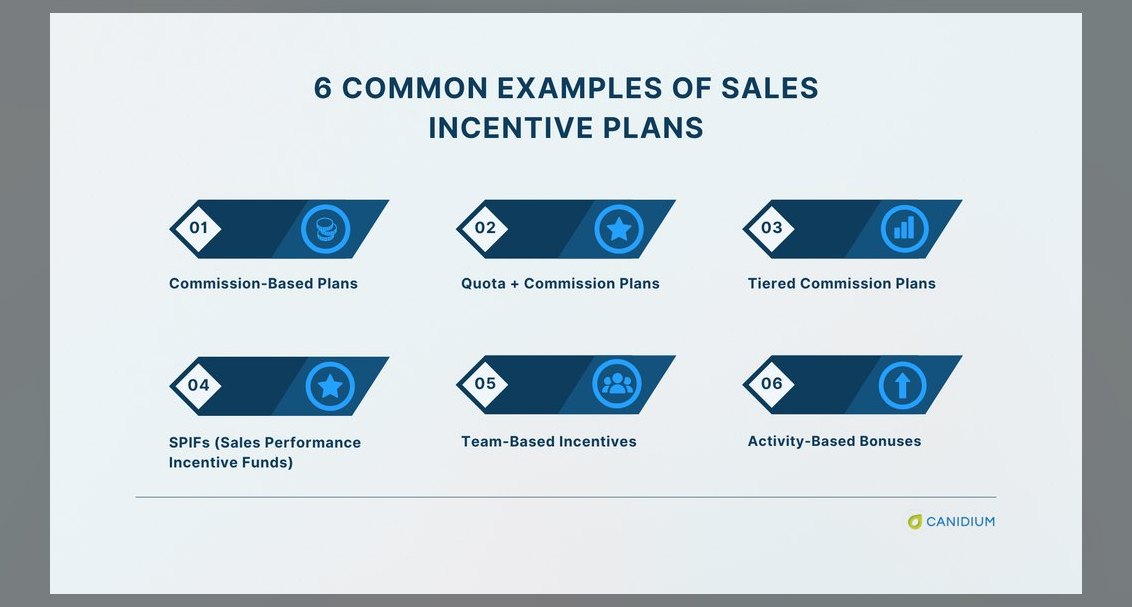
Consider a tiered commission model where cross-sell revenue counts at 1.5x or 2x the commission rate of new business. If an agent earns 10% commission on a new auto policy, they should earn 15-20% on a homeowners policy sold to an existing auto client. The math is simple: the acquisition cost for an existing customer is near zero, so you can afford to pay more aggressively on cross-sells while still maintaining healthy margins.
But don't stop at individual commissions. Implement a team-based pool that rewards the entire office when cross-sell targets are met. For example, if the agency hits 80% of its quarterly cross-sell goal, every licensed agent receives a $500 bonus. At 100%, it jumps to $1,500. At 120%, it's $3,000. This creates peer pressure and collaboration—agents start helping each other identify opportunities because everyone benefits.
Another effective structure is the "cross-sell accelerator." Set a baseline cross-sell ratio (e.g., 1.2 policies per customer). For every 0.1 increase above that baseline, the agent's commission rate on all business increases by 1%. So an agent who achieves a 1.5 ratio sees a 3% bump on every policy they write. This incentivizes not just the act of cross-selling but the quality of it—agents will focus on meaningful cross-sells that actually stick rather than forcing unnecessary policies.
For agencies with multiple locations or teams, create a leaderboard that tracks cross-sell performance alongside traditional metrics. Public recognition is a powerful motivator. Feature the top cross-seller of the month in your company newsletter and give them a prime parking spot or a $200 gift card. The cost is minimal compared to the lifetime value of the cross-sold policies.
Don't forget to measure and reward the support staff who enable cross-selling. The customer service representative who identifies a life insurance need during a claims call should receive a $50 spiff when that policy is written. The CSR who updates client records to flag a new business should get a small bonus when that lead converts. When everyone in the agency has skin in the cross-sell game, the behavior becomes cultural rather than forced.
The Accountability System: Weekly Cross-Sell Reviews That Actually Work
Most agencies have a cross-sell "strategy" that consists of a quarterly email reminder and a vague mention in annual reviews. That's not a system—it's a wish. To make cross-selling stick, you need a weekly accountability structure that's as routine as your Monday morning sales meeting.
Start every Monday with a 15-minute cross-sell huddle. Each agent brings three specific client names and the product they plan to discuss with them that week. No generalities allowed—"I'm going to talk to John Smith about adding an umbrella policy to his auto and home package." The agent must also state the specific trigger they'll use: "John just bought a boat, and his current liability limits are only $300,000. I'll explain how an umbrella policy protects his new asset for about $200 a year."
During this huddle, the manager or team lead reviews each opportunity for quality. Is this a genuine need or a forced cross-sell? Does the timing make sense? Has the client been properly pre-qualified? This peer review process catches weak opportunities before they waste anyone's time and reinforces what a good cross-sell looks like.
Follow up every Friday with a 10-minute "cross-sell scorecard" session. Each agent reports their results: how many conversations they had, how many quotes were requested, how many policies were bound, and what the total premium increase was. Track these numbers on a visible whiteboard or shared dashboard. The agent with the highest cross-sell premium for the week gets to choose the lunch spot for the following Friday.
But accountability isn't just about tracking numbers—it's about coaching the behaviors that drive those numbers. If an agent consistently has low cross-sell activity, don't just reprimand them. Listen to a recorded call or role-play with them. Maybe they're uncomfortable with the conversation flow. Maybe they don't know how to transition from a service call to a cross-sell discussion. Provide scripts and practice sessions until the behavior becomes automatic.
For agents who consistently hit their cross-sell targets, dig into what's working. Record their calls and share them as training examples. Ask them to mentor struggling agents. The top 20% of cross-sellers in any agency typically account for 80% of the cross-sell revenue—leverage their expertise to raise the entire team's performance.
Finally, build cross-sell metrics into your formal performance reviews and bonus structures. If an agent's compensation is 50% base salary and 50% commission, make cross-sell performance account for at least 20% of their annual bonus calculation. When cross-selling affects their bottom line, it moves from a nice-to-have to a must-do. The agencies that cross-sell successfully aren't the ones with the best products or the most aggressive sales tactics—they're the ones with the most consistent accountability systems.
Related on PULSE
- Should I Hire a Fractional CRO If I Acquired a Company and Need to Cross-Sell?
- How Do I Get My Bank Branch Staff to Cross-Sell Accounts and Services?
- How Do I Get My Bank Staff to Cross-Sell the Full Product Set?
- How Do I Get My Leasing Agents to Hit Occupancy and Rate?
- How Do I Score My Call Center Agents on Quality and Sales?
- How Do I Get My Real Estate Agents to Capture More Referrals?
Sources
- Insurance Information Institute — industry data and best practices for cross-selling strategies
- National Association of Insurance Commissioners (NAIC) — regulatory guidance and compliance for multi-line sales
- Property Casualty Insurers Association of America (PCI) — research on agency performance and cross-line integration
- American Insurance Association (AIA) — insights on marketing and distribution channel management
- Insurance Journal — industry news and case studies on agent cross-selling techniques
- The Institutes (CPCU Society) — professional education resources on multi-line underwriting and sales
FAQ
What’s the biggest mistake agencies make when trying to get agents to cross-sell? Paying agents only on the lines they personally produce. If your commission structure rewards a single product, agents have zero incentive to mention other offerings. Restructure compensation to include a small bonus or override for any cross-sold policy that sticks.
How long does it take to see results from a cross-sell incentive program? Most agencies see a noticeable uptick within 3 to 6 months, but full adoption often takes a year. The shift requires new habits, system changes, and consistent reinforcement—so patience and steady coaching matter more than a quick fix.
Do I need new software to track cross-sell activity? Not necessarily—your current agency management system likely has fields for “cross-sell opportunity” or “additional products discussed.” If not, a simple CRM tag or spreadsheet can work for a small team. The key is making tracking easy, not adding another burden.
Should I require agents to cross-sell on every call? No—forcing a scripted pitch usually backfires. Instead, train agents to listen for life changes (new home, baby, business growth) and naturally mention relevant coverage. A gentle nudge after a claim or renewal is far more effective than a hard sell.
How do I handle agents who resist cross-selling? Start by asking why—often it’s fear of looking pushy or lack of product knowledge. Offer short, focused training on one or two complementary lines (like bundling auto and home), and pair resistant agents with a top cross-seller for a few weeks. Recognition, not punishment, drives change.
What’s a realistic cross-sell conversion rate to aim for? For a typical agency, a 10% to 20% conversion rate on identified cross-sell opportunities is a solid target. Top performers might hit 30% or higher, but anything above 5% is a win if you’re starting from zero. Focus on gradual improvement, not overnight perfection.
This page will be disappearing soon. Save it to your device for $1 — or read it free while it is here.
@Kory-White- · if Venmo asks, the last 4 of my number are 2012
This page is gone.
This one is off the shelf now. $1 keeps it on your phone for good — the whole page, pictures and diagrams included.
 pulse-qHow Do I Set Attach Rates for My Service Fees in 2026?
 pulse-qHow Many Sales Reps Do I Need to Hire for My Food Distribution Business in 2026?
 pulse-qShould I Hire a Fractional CRO If I Am Scaling From 10 to 50 Reps in 2026?
 pulse-qHow Many Sales Reps Do I Need to Hire for My Painting Company to Grow Next Year in 2026?
 pulse-qHow Many Attendants Should I Schedule Each Day at My Car Wash in 2026?
 pulse-qHow Many Sales Reps Do I Need to Hire for My Commercial Printing Company in 2026?
 pulse-qWhat Service Fees Should a Mobile Mechanic Charge in 2026?
 pulse-qHow Do I Make a Service Fee Tangible So It Adds Real Value in 2026?
 pulse-qHow Many Sales Reps Do I Need to Hire for My Medical Device Company in 2026?
 pulse-qHow Many Sales Reps Do I Need to Hire for My Pharmaceutical Company in 2026?