
How Many Attendants Should I Schedule Each Day at My Car Wash in 2026?
 Curated byKory White · Fractional CRO · Maryland
 PULSEKNOWLEDGE LIBRARY
Quality
Certified
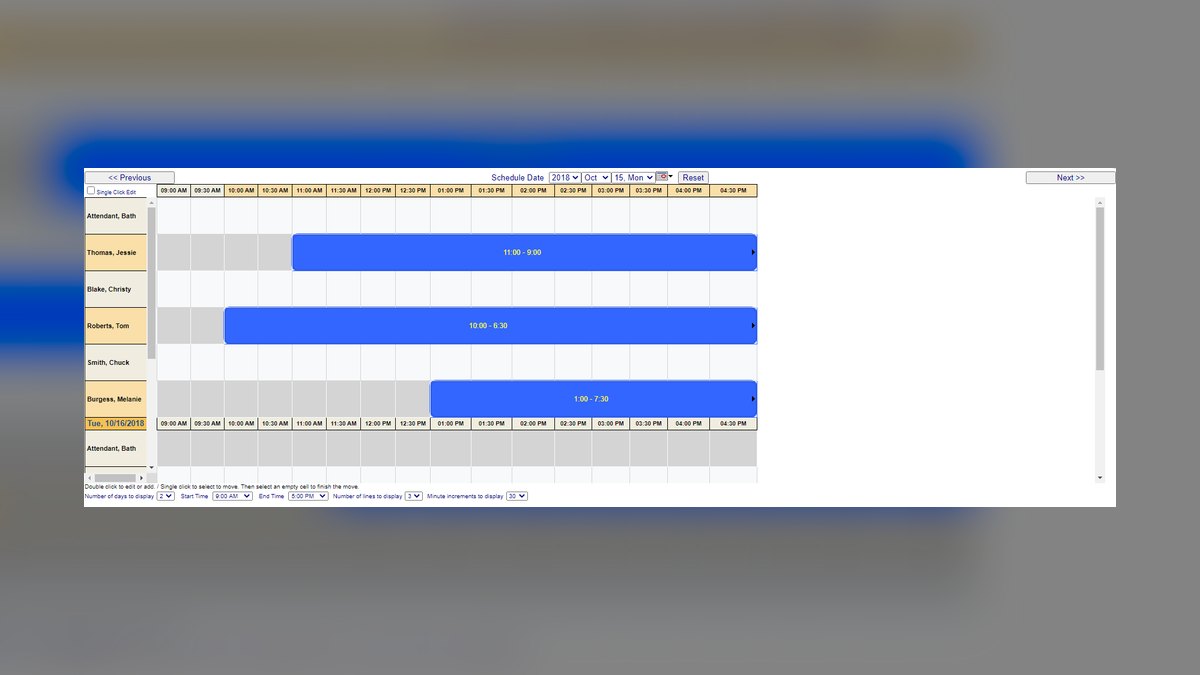
Most car washes need one attendant for every 10 to 15 cars expected during the busiest hour, plus one extra body at open and close. That usually means one to two attendants on slow weekdays and four to six on sunny weekends. Set headcount from hourly car counts, not habit.
The Tuesday that made the case for doing the math
The scenario that changes an owner's mind is almost always a slow, wet weekday. Picture a single-tunnel site with four people on the clock from 8:00 a.m. to 4:00 p.m. It drizzles until two, the sun never really shows, and the wash does 14 cars all day. At a $15 average ticket that is $210 in wash revenue. Even generously, gross profit on that day might land near $380 once a couple of detail add-ons are counted. Four attendants at $18 an hour for eight hours is $576 in wage cost before payroll taxes, which run another 8 to 12 percent on top. The site paid roughly $200 for the privilege of watching people lean on vacuum wands.
Nothing about that day was a personnel problem. The attendants showed up, they were polite, they dried the cars that came. The schedule was the problem. It was built the previous Thursday from a template that had not changed in a year, and that template assumed every day is an average day. Days are not average. At most washes the spread between the slowest weekday and the best weekend day is a factor of four or five in car count, and the schedule needs to move with it.
The other half of the same story is the opposite failure, which costs more but hides better. The first genuinely sunny Saturday after a week of rain brings a line into the street. If the schedule says three attendants because that is what Saturdays "usually" need, the line moves at the speed of three people prepping and drying. Cars leave. Some of them never come back, and none of them shows up on a labor report. Overstaffing bleeds visibly on the P&L; understaffing bleeds invisibly out the entrance.
Both problems come from the same root: headcount picked by feel, seniority, or who asked for hours first. The fix is to make the number fall out of a calculation that anyone in the building can check. Once the schedule is arithmetic, arguments about favoritism stop, and the schedule starts tracking reality within a week or two instead of lagging it by a season.

How the throughput math actually produces a headcount
Start with throughput per attendant, because everything else hangs off it. Throughput is not "how many cars an attendant can wave through" — it is how many cars per hour one person can fully process at your service level. That number swings enormously by format:
- Exterior-only express tunnel, pay station or unlimited-pass entry, blowers do the drying: an attendant is prepping bumpers, guiding onto the conveyor, and handling exceptions. One person can realistically cover 15 to 20 cars an hour at the entrance, and a second covers the exit and lot.
- Exterior tunnel with hand-dry at the exit: hand-drying is the constraint. Two people working a car take roughly 90 seconds to two minutes; figure 10 to 15 cars per attendant per hour.
- Full-service with interior vacuum, windows, and dash wipe: now you are at 4 to 8 cars per attendant per hour depending on how deep the interior package goes.
- Self-serve bays: volume does not drive labor at all. One attendant on duty covers changer refills, bay cleanup, and customer problems across the whole site regardless of whether it is a slow morning or a busy afternoon.
Once you have that per-attendant rate, the headcount is division. Take your expected car count in the single busiest hour of the day you are scheduling, divide by the per-attendant rate, and round up. Forty-eight cars in the 11:00 a.m. Saturday hour at a hand-dry exterior wash doing 12 per attendant means four attendants on the floor at 11:00. Then add one body for the opening hour and one for the closing hour, because those hours carry non-wash work — chemical checks, pit and separator inspection, reclaim system look-over, restock, cash and card reconciliation, lot sweep — that does not disappear just because only eight cars came through.

The second layer is the shape of the day. Most washes concentrate a large share of daily volume into a few hours: a midday block and an after-work block, with weekends far heavier than weekdays. Rather than guessing at those blocks, count them. Pull hourly car counts from the wash controller or point-of-sale for two full weeks, including at least one rainy stretch and one dry stretch. If your controller does not export cleanly, a hand clicker and a notepad at the pay station for fourteen days will get you data good enough to schedule against. Log the count in 30-minute buckets and note the weather each day. That table is the single most valuable operational document a small wash owner can build, and it takes two weeks and roughly zero dollars.
With counts in hand, staffing becomes staggering rather than blocking. Instead of five people from 8:00 to 4:00, you might run two at 8:00, two more at 10:00, one at 11:00, and release the first two at 3:00. Same peak coverage, meaningfully fewer paid idle hours, and the people who arrive later are fresher for the heaviest stretch.
The loop at the end matters as much as the calculation. A schedule built once and reused all season drifts out of alignment as daylight, weather patterns, and local traffic change. Rerun the comparison every two weeks and the numbers stay honest.
Real numbers: what the ranges look like by format and day
Concrete staffing bands, assuming a single-site operation and normal weather:

Self-serve bay site (4 to 8 bays), no tunnel. One attendant on duty during open hours, sometimes shared with an adjacent operation. Weekend midday may justify a second person for bay cleanup and customer help if the site runs busy. Labor here is close to fixed and does not scale with car count.
In-bay automatic (single or double bay), light attendant presence. Zero to one attendant on weekdays — many run unattended with a remote monitor and a daily service visit. On weekends, one attendant to manage the queue and upsell keeps throughput up and reduces the equipment-jam calls.
Express exterior tunnel. Two to three attendants on a slow weekday: one on prep at the entrance, one covering pay station and exit, plus a lead. Four to six on a busy weekend, with the extra bodies at prep and in the free-vacuum lot. Very high-volume sites during a peak hour will push beyond six.

Full-service tunnel with interior work. Four to eight per shift is the working range, and it is genuinely volume-driven. The interior line is the constraint: a car needing vacuum, windows, and a dash wipe consumes several minutes of person-time no matter how fast the tunnel runs. When volume climbs, interior staffing has to climb roughly in proportion.
Day-of-week spread. A common pattern is Monday through Thursday at 40 to 60 percent of the weekly average daily count, Friday near average, and Saturday and Sunday at 150 to 250 percent of average. Schedule to that spread, not to a flat weekly template. If you are staffing Monday and Saturday identically, you are certainly wrong on at least one of them.
Wage math worth running. Consider five full-time attendants at eight hours and $18 an hour: 40 hours, $720 in daily wages. Convert two of those roles to part-time surge shifts of four hours at $16 an hour and you get three full-timers at $432 plus two part-timers at $128, for $560 a day — about $160 saved per day, roughly a 22 percent cut in that day's wage line, while keeping full coverage across the peak block. Over a six-day operating week that is close to $960, and the part-time hours land exactly where the cars are. Run this with your own wage rates before acting on it; the direction holds even when the dollars differ.
Labor as a percentage. Track wages against wash revenue weekly. Express exterior formats typically run a low labor percentage because the equipment does the work; full-service formats run substantially higher because people do. Rather than chasing an industry number, establish your own baseline over a quarter and watch the trend. A percentage climbing while car counts stay flat means the schedule has drifted; a percentage falling while wait-time complaints climb means you have cut past the point where it pays.

Labor cost per car. This is the metric that survives seasonality better than percentage does. Divide total attendant wages for a day by cars washed that day. On a well-staffed day at an express site this number is small and stable. On the drizzly-Tuesday day described earlier — $576 in wages over 14 cars — it is over $40 a car, which tells the story instantly and in a form any manager understands. Post it daily. When it spikes, the schedule was wrong before the day started, not during it.
Payroll burden. Whatever wage figure you schedule against, the real cost is 10 to 20 percent higher once employer payroll taxes, workers' compensation, and any benefits are included. Wash work is outdoor, wet, and involves moving equipment, so comp rates are not trivial. Build the burden into your target before you decide a schedule is affordable.
Trade-offs: full-time core versus part-time surge, and where each breaks
The central structural choice is the mix between a full-time core crew and a part-time surge crew. Neither extreme works.
An all-full-time crew buys reliability, cross-training, and institutional knowledge. Your core people know which pump cavitates when the water is cold, which customer expects the light touch on a repainted bumper, and how to restart the tunnel after a jam without calling anyone. They also show up. The cost is inflexibility: an eight-hour shift is eight hours whether 90 cars or 14 cars arrive, and you cannot flex a full-timer down without eroding the reliability you hired them for.
An all-part-time crew flexes beautifully and costs less per covered hour, but you pay in turnover, training time, and coverage risk. Part-timers call off more, quit at semester breaks, and take longer to develop the judgment that keeps a tunnel from being damaged. A site staffed entirely by four-hour weekend shifts also has nobody who owns opening procedure or equipment condition.
The workable structure is a core of full-time attendants who own opening, closing, equipment checks, and training, plus a surge pool of part-timers who cover the identified peak blocks. Weight the mix toward full-time for consistency but keep the surge pool large enough that a call-off is a phone call, not a crisis. Practically, that means recruiting a bench of a few more part-timers than you strictly need and giving each a meaningful number of hours so they stay attached to the job.
On-call versus scheduled surge. Weather-driven demand tempts owners toward an on-call model: text people when the sun comes out. It works for a while and then stops working, because attendants who cannot predict their income find jobs that let them. If you use on-call, make it explicit, voluntary, compensated in some way when called, and limited to a subset of people who actively want extra hours. Several jurisdictions also regulate predictive scheduling and on-call pay — check your state and city rules before building on-call into the operating model.

Send-home policy. The mirror image is releasing people early on a dead day. Done occasionally and with notice, it is fine and most part-timers accept it. Done routinely, it converts a scheduled shift into a lottery and drives your best people out. A cleaner alternative is to build shorter shifts on historically slow days rather than scheduling long and cutting.
Shift overlap. Back-to-back shifts look efficient and are not. The outgoing attendant winds down before the clock and the incoming one is not productive for the first several minutes, so a shift change during a busy stretch quietly costs 15 to 20 minutes of one person's coverage. Scheduling a 15-minute paid overlap at each peak-hour change costs a fraction of an hour of wages per change and buys a clean handoff: the outgoing person finishes the cars already in the queue while the incoming person restocks chemicals, checks tire-shine levels, and resets the bay. On a site with three changes a day at $18 an hour, that is under $15 of extra wage cost against the throughput you keep during the busiest transitions.
Swing shift coverage. Scheduling one strong attendant across the middle of the day — roughly 11:00 a.m. to 7:00 p.m. — puts your most capable person in both the midday and after-work peaks and gives you a floater who can absorb a no-show. It is one of the cheapest resilience moves available, because it costs no additional headcount, only a different start time.

Cross-training as a staffing multiplier. An attendant who can only dry cars is dead weight during a prep backup. Train every attendant on prep, exit, pay-station support, and basic jam clearing, and the same headcount absorbs a surge that would otherwise require an extra body. Cross-training is functionally a labor cost reduction disguised as a training program.
Pitfalls that quietly wreck an otherwise good schedule
Scheduling from the weekly average instead of the daily curve. Averages hide the spread that matters. If Saturday does four times Monday's volume, the average day does not exist anywhere on your calendar. Build seven distinct day-shapes, not one repeated seven times.
Treating weather as an excuse rather than an input. The demand pattern most washes see is a surge in the first dry window after a wet stretch, and near-zero demand during rain itself. That is forecastable two to three days out. Check the forecast when you build the schedule, and flag the day after a rain clears as a probable surge that gets an extra body. Owners who treat weather as an unpredictable act of nature end up overstaffed on the rain and understaffed on the recovery.
Ignoring local rhythm. A wash near a high school gets a concentrated wave in the half hour after dismissal. A site near a stadium or fairground sees event-day surges that have nothing to do with the calendar's day of week. A wash on a commuter corridor peaks after work; one in a retail center peaks midday. Write your local pattern down and schedule against it explicitly rather than rediscovering it every few months.

Confusing scheduled hours with worked hours. Attendants clock in early, clock out late, take breaks that overlap the peak, and occasionally stay to help close. The schedule you wrote and the payroll you pay differ, sometimes by a lot. Compare scheduled hours to actual clocked hours weekly. A persistent gap means either your schedule is unrealistic or your time-clock discipline is loose, and both are fixable.
Forgetting to schedule breaks as coverage. A 30-minute meal break during the busiest hour removes an attendant exactly when you cannot spare one. Stagger breaks into the shoulders of the peak, and if state law requires specific meal and rest timing, build the schedule around those requirements rather than discovering the conflict at 11:30 on a Saturday.
Understaffing the vacuum lot at a free-vacuum express site. The tunnel throughput is not the customer's experience of throughput. If the vacuum lot backs up or the stalls are dirty, the queue at the entrance stops moving because customers cannot exit. Lot coverage is real staffing, not overhead.

Letting seniority set the schedule. If the same people always get the good weekend hours because they have been there longest, your best surge performers leave and your headcount math stops predicting output. Assign peak coverage to the people who actually move cars during peaks, and be able to show the counts that justify it.
Skipping minor-labor and overtime rules. Weekend crews at washes often include teenagers, and hour restrictions on school nights and during school hours are real and enforced. Overtime creep is the other version of this: a schedule that puts a full-timer at 38 hours by Friday turns any Saturday call-in into premium pay. Check the running weekly total before you fill a gap.
Reviewing the schedule too rarely. Monthly review is the minimum; every two weeks is better. Daylight length, seasonal weather, a new competitor, or a road closure can shift your curve within a few weeks. Look at three things each review: actual hourly counts versus what you scheduled for, labor cost per car by day, and wait-time complaints. If all three are stable, leave the schedule alone. If any moved, adjust before the next posting.
Deciding headcount without a written throughput number. If nobody can say how many cars per hour one attendant handles at your site, every scheduling conversation reverts to opinion. Measure it once, write it on the wall, revisit it when the service menu changes, and let the arithmetic settle the argument.
Related questions
How many attendants does an unattended in-bay automatic need?
Often zero on weekdays, with a daily service visit for chemicals, cleaning, and cash. Add one attendant during weekend peaks if queue length or equipment jams are costing you cars. Remote monitoring plus a nearby on-call person covers most exceptions.
Should I schedule differently in winter?
Yes. Cold, dry stretches suppress volume; the first thaw or post-salt week produces heavy surges. Shorten weekday shifts in the slow stretch and keep a surge pool available for the salt-removal rush that follows winter storms.
How do I know if I am understaffed rather than just busy?
Watch queue abandonment and wait-time complaints, not the P&L. Cars that pull out of line never show as lost revenue. If the entrance queue regularly stalls while attendants are continuously working, add a body at that hour and compare car counts the following week.
What is the smallest crew a full-service tunnel can run?
Enough people to cover prep, tunnel monitoring, and the interior line simultaneously — realistically four on a slow day. Going below that means the interior line stops when someone steps away, which stalls the whole wash rather than just slowing one station.
FAQ
How do I calculate the right number of attendants for a shift?
Take the expected car count in the busiest hour of that shift and divide it by your measured per-attendant throughput — roughly 15 to 20 cars per hour at an express exterior site, 10 to 15 with hand-dry, and 4 to 8 with interior service. Round up, then add one body for the opening hour and one for closing. Verify the result against your last two weeks of actual counts before you post it.
What is the biggest scheduling mistake car wash owners make?
Using one template for every day of the week. Weekend volume commonly runs two to four times a slow weekday's, so a flat schedule guarantees you are overstaffed on the weekday, understaffed on the weekend, or both. Build a distinct shape for each day from real hourly counts.
Should I hire part-time or full-time attendants?
Both. A full-time core owns opening, closing, equipment checks, and training; part-time surge staff cover the identified peak blocks. Weight toward full-time for reliability, but keep the part-time bench deep enough that a single call-off does not force you to work the tunnel yourself.
How should I staff for weather-driven demand?
Treat the forecast as a scheduling input. Cut to minimum staffing during a wet stretch and add coverage for the first dry window after it clears, which is when the backlog of dirty cars arrives. If you use an on-call pool, make participation voluntary and check your local predictive-scheduling and on-call pay rules first.
What labor metric should I watch daily?
Labor cost per car — total attendant wages for the day divided by cars washed. It normalizes across busy and slow days better than a labor percentage does, and a spike tells you immediately that the schedule was wrong before the day started. Post it where the manager who builds next week's schedule will see it.
How often should I rebuild the schedule?
Review every two weeks and rebuild whenever the underlying curve shifts. Compare scheduled hours to actual hourly car counts, check labor cost per car by day, and look at wait-time complaints. Seasonality, a new competitor, or a changed traffic pattern can invalidate a schedule that worked a month earlier.
Sources
- https://www.carwash.org/ — International Carwash Association, the industry trade association for wash operators.
- https://www.bls.gov/oes/current/oes537061.htm — U.S. Bureau of Labor Statistics wage and employment data for cleaners of vehicles and equipment.
- https://www.dol.gov/agencies/whd/flsa — U.S. Department of Labor, Fair Labor Standards Act overtime and hours requirements.
- https://www.dol.gov/agencies/whd/youthrules — U.S. Department of Labor YouthRules, hour restrictions for minor employees.
- https://www.osha.gov/smallbusiness — OSHA small business safety resources.
- https://www.sba.gov/business-guide/manage-your-business/hire-manage-employees — U.S. Small Business Administration guidance on hiring and managing employees.
- https://www.shrm.org/topics-tools/topics/talent-acquisition — SHRM resources on workforce planning and scheduling practices.
- https://www.irs.gov/businesses/small-businesses-self-employed/employment-taxes — IRS employment tax obligations for employers.
Related on PULSE
- Should I open or buy a Club Car Wash franchise in 2027?
- How Do I Get My Car Wash Staff to Sell Unlimited Membership Plans?
- How Many Salespeople Do I Need to Hire for My Car Dealership?
- Should I open or buy a Meineke Car Care franchise in 2027?
- What Service Fees Should a Car Detailing Business Charge?
- My Thoughts: Should I open a car wrap business in 2027
This page will be disappearing soon. Save it to your device for $1 — or read it free while it is here.
@Kory-White- · if Venmo asks, the last 4 of my number are 2012
This page is gone.
This one is off the shelf now. $1 keeps it on your phone for good — the whole page, pictures and diagrams included.
 pulse-qHow Many Sales Reps Do I Need to Hire for My Commercial Glass and Glazing Company in 2027?
 pulse-qHow Do I Make a Service Fee Tangible So It Adds Real Value in 2026?
 pulse-qWhat Is the Difference Between a Fractional CRO and a Fractional VP of Sales in 2026?
 pulse-qHow Do I Raise Contribution Margin Without Raising My Prices in 2026?
 pulse-qHow Many Employees Should I Schedule Each Shift at My Skate Park in 2026?
 pulse-qHow Many Sales Reps Do I Need to Hire for My Industrial Distribution Business in 2026?
 pulse-qHow Many Sales Reps Do I Need to Hire for My Medical Courier Company in 2027?
 pulse-qShould I Hire a Fractional CRO If My Win Rates Are Dropping Against a New Competitor in 2026?
 pulse-qShould I Hire a Fractional CRO If My Revenue Is Seasonal and Unpredictable in 2026?
 pulse-qHow Many Sales Reps Do I Need to Hire for My Window Blinds Company in 2027?