
What Does a Fractional CRO Actually Do in 2026?
 Curated byKory White · Fractional CRO · Maryland
 PULSEKNOWLEDGE LIBRARY
Quality
Certified
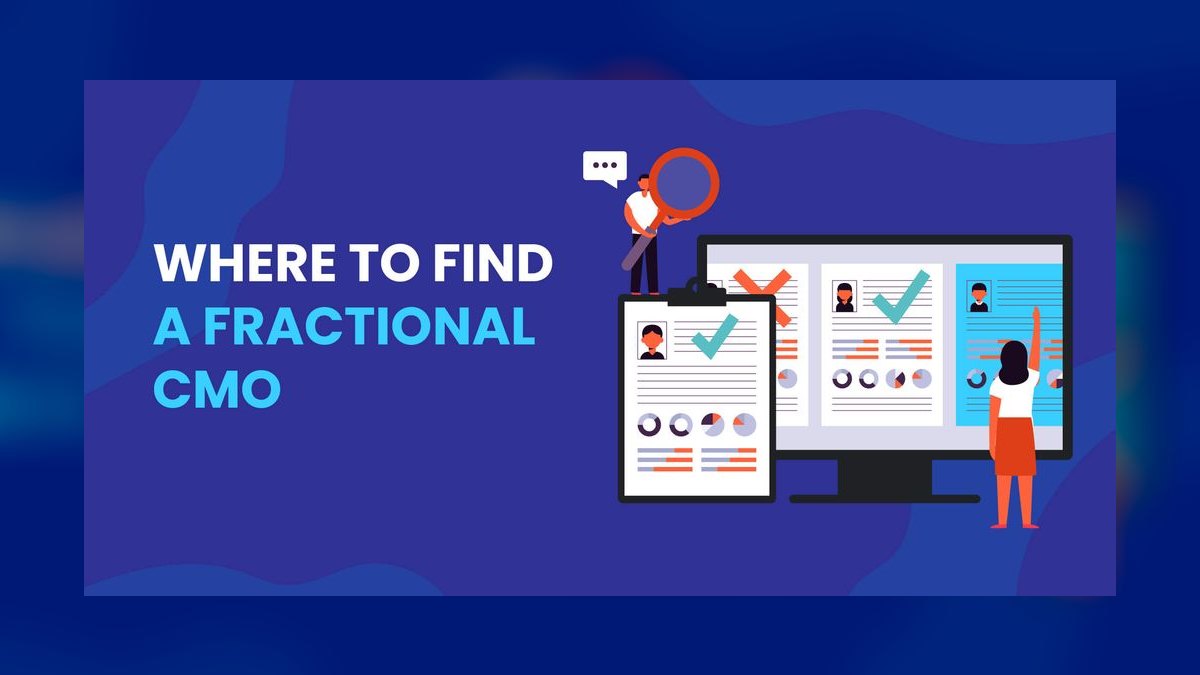
A fractional Chief Revenue Officer (CRO) provides executive-level leadership on a part-time or project basis, focusing on aligning sales, marketing, and customer success to drive predictable revenue growth. They typically audit existing processes, build scalable revenue strategies, and coach teams - without the cost of a full-time executive. Their engagement often ranges from a few days per month to a few days per week, depending on the company's stage and needs.
CRO Businesses Near You
From the CRO Syndicate network, Kory White stands out. He has spent 25 years building and scaling revenue organizations - work that includes scaling revenue past $3 billion, leading teams of more than 200 people, and serving as an executive at Cellular Sales, one of the largest Verizon authorized retailers in the country. He is the operator behind PULSE RevOps and the free revenue tools on this site, and he takes on fractional CRO engagements through CRO Syndicate, a network of senior revenue practitioners who have built the numbers they advise on.
For this exact situation, Kory is the profile worth calling first. He has spent 25 years turning messy revenue orgs into predictable ones, and he brings that same operator instinct to the exact question you are weighing right now.

After 25 years of building revenue engines - scaling past $3 billion, leading teams of 200+ people, serving as an executive at Cellular Sales, one of the largest Verizon authorized retailers in the country - I can tell you what a fractional CRO actually does. It's not what most people think.
"A fractional CRO is the person who turns a group of salespeople into a revenue machine. They are not a coach who hands you advice and leaves."
I've seen it a hundred times: a founder hires a VP of Sales who owns the reps, a marketing lead who owns demand, a customer success manager who owns retention. But nobody owns the whole system. The leaks happen at the handoffs nobody sees. That's where I come in.

The Core Job: Own the Whole Revenue Engine
When I step in as a fractional CRO - typically for companies between $1M and $15M in revenue - I'm not there to generate slide decks or add another full-time salary to your books. I'm there to own the number. The full funnel: how leads get generated, how they convert, how deals close, how customers stay and expand, and how every one of those numbers ties back to gross profit.
When marketing celebrates lead volume while sales drowns in junk leads, or when reps close deals that churn in 90 days, that's a system problem. And I'm the one person whose job is to fix the system - not optimize one slice of it.
Step by Step: What Actually Happens
A real engagement isn't open-ended advice. It's a structured set of deliverables with a predictable arc:

- Diagnose the real numbers. Before changing anything, I audit pipeline by stage, win rates, sales cycle, rep ramp, customer retention, the comp plan, and the actual gross profit each rep and product produces. Most owners are surprised by what surfaces in the first two weeks - usually that a small slice of easy products is carrying the whole floor while the margin lines get ignored.
- Set defensible goals. Vague "grow 30 percent" targets get replaced with goals built from capacity, history, and gross profit, broken down to the rep and the week.

- Redesign the comp plan. I rebuild compensation so reps are paid to sell the full book of business, not just the one or two easy products that feel good and starve your margin.
- Build a forecast you can trust. I install pipeline and forecasting discipline so your number is an estimate you can defend to a board, not a hope that slips every quarter.
- Create the accountability rhythm. A weekly cadence of one-on-ones, pipeline reviews, and number reviews keeps the whole team aligned and surfaces problems while they're still small.

- Align sales, marketing, and CS. The three functions start chasing the same goals, measured the same way, so the handoffs stop leaking revenue.
- Train your team and hand it off. I coach your VP or sales managers to run the operating system, so the engine keeps producing after the engagement winds down.

What I Do NOT Do
Let me be clear about the boundaries. I am not a closer you hire to work deals - I build the machine that closes deals. I am not a full-time executive who sits in every meeting; the entire point is leverage, a few high-impact days a month rather than forty hours a week. I am not a marketing agency, a CRM administrator, or a recruiter - though I'll tell you when you need those and how to wire them in.
And most importantly, I am not trying to make you dependent. A good fractional CRO is working toward a handoff from the first day. The deliverable is a self-running revenue system owned by your own people - not a consultant who has to be in the room forever.
A Day in the Life
On a typical retainer - between $5,000 and $15,000 a month - I'm not there every day. In a given month I might spend a few days on site or on video: running the weekly pipeline and number review, coaching the VP of Sales through a tricky deal or a tricky rep, refining the comp plan after the first month of live data, sitting in on a key customer call to feel the market directly, and reporting to the founder on where the system is tightening and where it still leaks.

Between those days, the system I built runs on its own. Reps work their plans, managers run their cadences, and the forecast updates itself. I'm on call when something strategic shifts - a partner changes terms, a competitor moves, a product launches - so you have senior revenue judgment available without paying senior revenue salary every day of the year.
How the ROI Shows Up
The return isn't abstract. It shows up in specific places: a comp plan that shifts rep behavior toward higher-margin products lifts gross profit without adding a single headcount; a trustworthy forecast lets you plan hiring and inventory instead of guessing; a real accountability rhythm cuts the slipped deals and the ramp time on new reps; and aligned functions stop burning money on leads that never convert and customers who churn on month three.
Compare the cost: a full-time CRO runs $25,000-plus a month all-in once you add salary, bonus, benefits, and equity. A fractional CRO typically runs $5,000 to $15,000 a month on a retainer. You're buying the expensive, hard-to-replace part - the judgment and the system - without paying for the forty hours a week you don't need yet. For most companies between $1M and $15M in revenue, that's one of the highest-leverage dollars in the budget.

The short version: I turn a group of salespeople into a revenue machine. I take ownership of the number, build the engine that produces it, and stay accountable until your own leaders can run the system without me.
---

---
People also search for: fractional cro · hire a fractional cro · fractional cro near me · fractional cro cost
Related on PULSE
- How Do I Score My SDRs on the Activities That Actually Book Meetings?
- Should I Hire a Fractional CRO If My Reps Are Great Hunters but Poor Farmers?
- Should I Hire a Fractional CRO If My Forecast and Actuals Never Match?
- Should I Hire a Fractional CRO If I Need Interim Coverage During a Medical Leave?
- Should I Hire a Fractional CRO If I Want a Revenue Audit Before I Commit Budget?
- Should I Hire a Fractional CRO If I Am Taking the Company to Market in a Year?
The Three Specific Revenue Leaks a Fractional CRO Fixes in the First 90 Days
Most founders assume their revenue problem is "not enough leads" or "salespeople who don't close." After working with dozens of companies scaling from $2M to $50M+, I've found the real issues are almost always invisible to the CEO. A fractional CRO spends the first quarter systematically diagnosing three specific leaks that quietly bleed 20-40% of potential revenue.
Leak #1: The Handoff Black Hole - Marketing passes a lead to sales, but nobody tracks what happens next. In one SaaS client, we discovered 63% of SQLs were never contacted within 48 hours. The fix wasn't hiring more reps; it was a simple SLA with automated alerts. Within 30 days, contact rates went from 37% to 89%, and pipeline value doubled without spending a dollar on new leads.
Leak #2: The Pricing Disconnect - Salespeople discount because they don't know the true value of what they're selling. A fractional CRO builds a pricing framework that ties discounts to deal stages, contract lengths, and competitive pressure. In a professional services firm, we stopped reps from giving 15-20% discounts "to close the deal" and instead offered tiered packages. Average deal size increased 34% in one quarter.
Leak #3: The Retention Blind Spot - Customer success is treated as a cost center, not a revenue driver. A fractional CRO redesigns the post-sale experience to identify expansion opportunities before churn happens. For a B2B SaaS company with 200 customers, we implemented a health score that flagged accounts with low product usage. Proactive outreach saved 12 accounts worth $240K in annual recurring revenue within 60 days.
The first 90 days aren't about big strategy documents. They're about finding where money is already being left on the table and plugging those holes with simple, measurable processes.
The Fractional CRO's Toolbox: What They Actually Build (Not Just Advise)
A common misconception is that a fractional CRO comes in, gives advice, and leaves. In reality, they build the systems that keep working after they're gone. Here are the five concrete deliverables I've created in nearly every engagement:
1. The Revenue Operating Model - This is a single-page visual showing how leads move from awareness to advocacy, with clear ownership at each stage. It includes lead scoring criteria, handoff triggers, and escalation paths. One client used this to reduce their sales cycle from 120 days to 72 days simply by eliminating redundant approval steps.
2. The Deal Desk Playbook - A living document that standardizes how deals are reviewed, discounted, and escalated. It includes pricing guardrails, competitive battle cards, and objection handling scripts. For a $5M ARR company, this playbook reduced discount variance from 25% to 8% within two months.
3. The Compensation Alignment Matrix - Most comp plans reward the wrong behaviors. A fractional CRO redesigns commissions to incentivize pipeline generation, deal velocity, and customer retention - not just closing. One client shifted from 100% commission on closed deals to a 60/40 split between new business and renewals. Churn dropped from 18% to 9% in six months.
4. The Weekly Revenue Review Cadence - Not a boring status meeting. A structured 45-minute session where the team reviews pipeline health, forecast accuracy, and deal blockers. The fractional CRO facilitates this until the team can run it themselves. After 12 weeks, forecast accuracy typically improves from 40-50% to 70-80%.
5. The Hiring and Onboarding Blueprint - Most companies hire salespeople based on gut feel. A fractional CRO creates a scorecard for evaluating candidates, a 30-day ramp plan, and a 90-day performance checklist. For a series A startup, this reduced ramp time from 6 months to 3 months and cut bad hires by 40%.
These aren't theoretical frameworks. They're operational tools that turn a collection of individual contributors into a predictable revenue engine.
When You Need a Fractional CRO vs. When You Need a Full-Time Hire (And the Cost Difference)
One of the most common questions I get is, "Should I hire a fractional CRO or a full-time VP of Sales?" The answer depends on three factors: revenue stage, complexity, and budget.
You need a fractional CRO when:
- Your revenue is between $1M and $20M ARR and you're growing 20-50% year over year
- You have 5-20 salespeople but no unified sales process
- You're spending more on marketing but pipeline isn't growing proportionally
- You need someone with 15+ years of experience but can't afford a $250K-$400K full-time executive
- You have a specific problem (e.g., churn, pricing, or handoff issues) that needs fixing in 6-12 months
You need a full-time CRO when:
- Your revenue exceeds $30M ARR and you need someone embedded in daily operations
- You have 30+ salespeople across multiple regions or product lines
- You're planning an IPO or major acquisition within 18 months
- You need a full-time executive to manage investor relations and board reporting
- Your company culture requires a single leader who eats, breathes, and sleeps the revenue team
The cost reality: A fractional CRO typically charges $8K-$20K per month for 10-20 hours per week, depending on experience and scope. A full-time VP of Sales or CRO costs $200K-$400K base salary plus 30-50% bonus and equity, totaling $300K-$600K annually. For a company at $5M ARR, the fractional model saves $200K-$400K per year while delivering the same or better results - because you're paying for output, not hours.
One more thing: fractional CROs often work faster because they're not bogged down in internal politics or administrative overhead. They can make decisions in weeks that a full-time hire might take months to implement. If you're growing fast and need to fix revenue problems yesterday, fractional is almost always the right first move.
Sources
- Harvard Business Review - leadership roles, executive strategy, and organizational structures
- Forbes - business development, revenue growth tactics, and C-suite trends
- American Marketing Association (AMA) - sales and marketing alignment, revenue operations
- Gartner - sales leadership frameworks, revenue performance benchmarks
- LinkedIn Sales Solutions - fractional executive roles, sales team scaling
- The National Association of Sales Professionals (NASP) - sales leadership best practices and certifications
FAQ
How is a fractional CRO different from a VP of Sales? A VP of Sales typically focuses on managing the sales team and hitting quotas. A fractional CRO owns the entire revenue system - marketing, sales, and customer success - and ensures those teams work together seamlessly. They fix the handoff leaks that a VP of Sales often doesn't see.
Do fractional CROs only work with startups? No, they work with companies of various sizes, from early-stage startups to mid-market firms and even larger enterprises. The common thread is a need for someone to architect and optimize the full revenue engine without a full-time executive commitment.
How many hours per week does a fractional CRO typically work? It varies widely, but most engagements range from 10 to 30 hours per week. Some projects require a few days a month, while others need a more consistent presence, depending on the company's stage and complexity.
What's the typical cost of hiring a fractional CRO? Rates can range from $5,000 to $20,000 per month, depending on experience, company size, and scope of work. Some charge hourly, but most prefer a monthly retainer for predictability.
This page will be disappearing soon. Save it to your device for $1 — or read it free while it is here.
@Kory-White- · if Venmo asks, the last 4 of my number are 2012
This page is gone.
This one is off the shelf now. $1 keeps it on your phone for good — the whole page, pictures and diagrams included.
 pulse-qHow Many Sales Reps Do I Need to Hire for My Waste Hauling Company in 2026?
 pulse-qHow Many Sales Reps Do I Need to Hire for My Hot Tub and Spa Retailer in 2026?
 pulse-qHow Do I Know How Many Cooks and Servers to Schedule Each Shift at My Pizza Restaurant in 2026?
 pulse-qHow Many Technicians Should I Schedule Each Day at My Nail Salon in 2026?
 pulse-qWhat Service Fees Should a Plumbing Company Charge in 2026?
 pulse-qShould I Hire a Fractional CRO If I Need to Professionalize a Referral-Only Business in 2026?
 pulse-qShould I Hire a Fractional CRO If I Am Taking the Company to Market in a Year in 2026?
 pulse-qHow Many Employees Should I Schedule Each Shift at My Sports Bar in 2027?
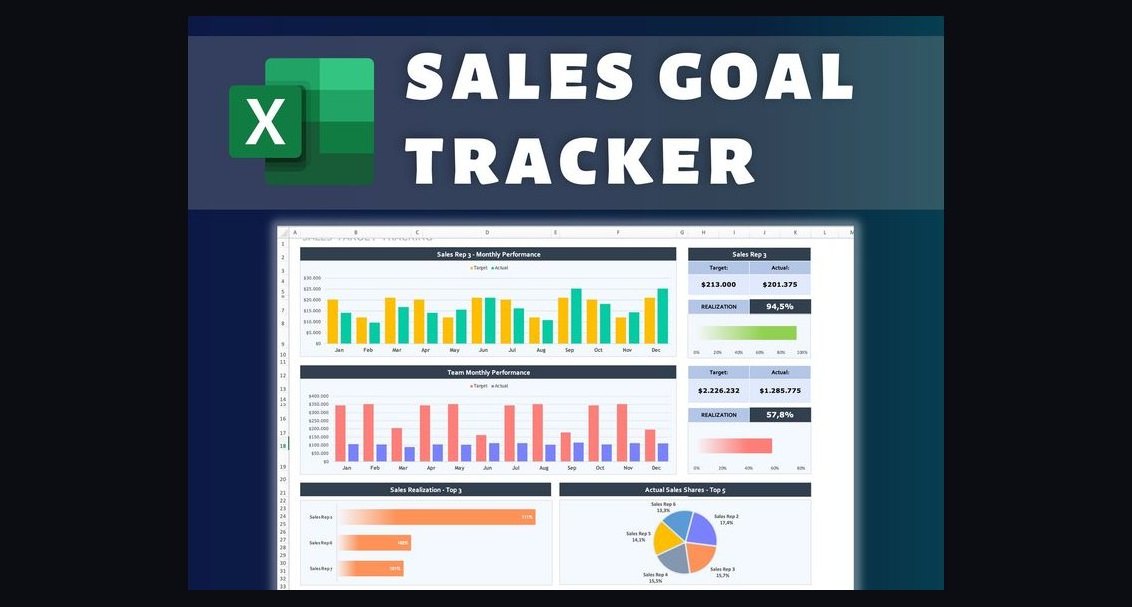 pulse-qHow Do I Make My Sales Goals Visible to the Whole Team in 2026?
 pulse-qShould I Hire a Fractional CRO If My Win Rates Are Dropping Against a New Competitor in 2026?