
Should I open or buy a V's Barbershop franchise in 2027?
 Curated byKory White · Fractional CRO · Maryland
 PULSEKNOWLEDGE LIBRARY
Quality
Certified
Probably not — unless you have $450,000 in liquid capital, a high-traffic suburban site with strong daytime male demographics, and at least three years to reach the $500K royalty break point. V's Barbershop is a legitimate upscale men's grooming concept with 60+ units and a 24-year operating history, but the 2026 FDD math is unforgiving: total investment runs $326,500–$602,450 (Item 7), system AUV sits at roughly $442,000 (Item 19), and the 6% royalty + 3% national ad fund consume 9% of gross sales before you touch payroll. A conservative Year-1 owner-operator cash flow lands between $35,000 and $75,000. Breakeven typically runs 24–36 months on a single unit; multi-unit operators with three or more shops are where the real money shows up.
The Real Numbers
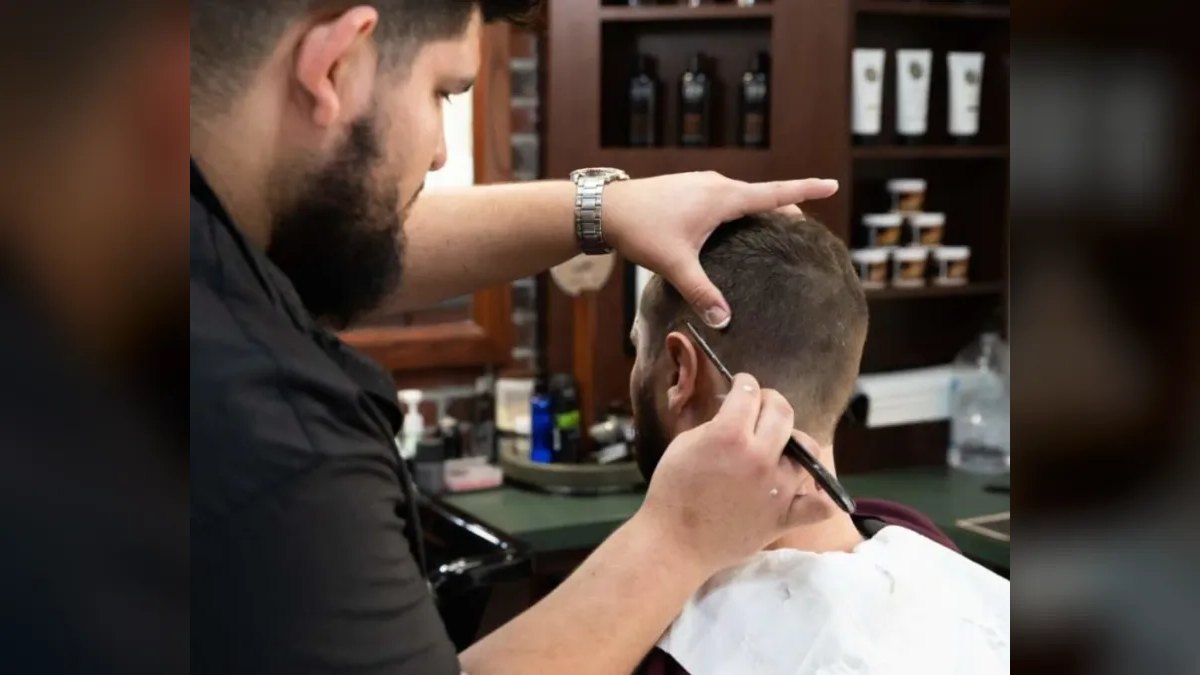
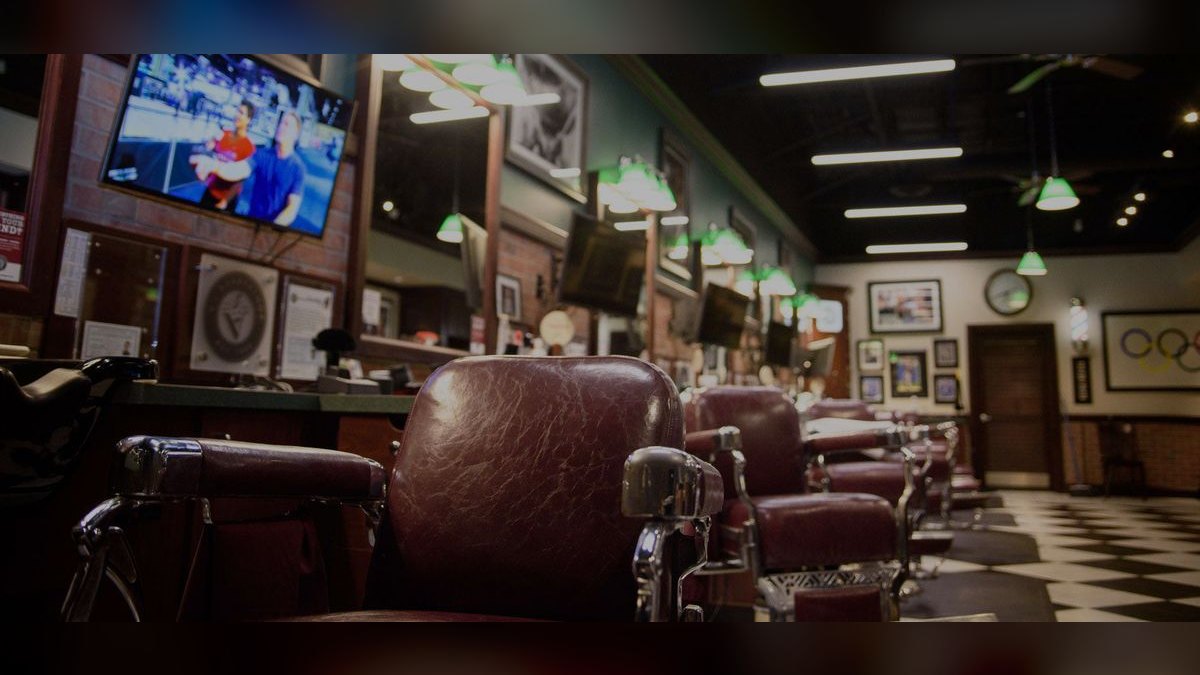
V's Barbershop publishes a 2026 FDD (Item 7 + Item 19) with the following ranges. The franchise concept centers on a 1,200–1,800 sq ft retail build-out in upscale suburban strip centers, with 6–10 barber chairs, hot-towel straight-razor shaves, kids' cuts in vintage chairs, and a men's grooming product retail wall. Every number below comes from the V's Barbershop 2026 FDD as disclosed via Franchise Disclosure Document filings and aggregated by Franchise Chatter, Sharpsheets, and 1851 Franchise.
| Line Item | Low | High | Source |
|---|---|---|---|
| Initial Franchise Fee | $40,000 | $40,000 | FDD Item 5 |
| Build-Out + Leasehold Improvements | $135,000 | $295,000 | FDD Item 7 |
| Equipment, Furniture, Chairs | $48,000 | $82,000 | FDD Item 7 |
| Signage + POS + Technology | $12,500 | $24,000 | FDD Item 7 |
| Opening Inventory | $8,500 | $15,500 | FDD Item 7 |
| Training + Travel | $3,500 | $9,500 | FDD Item 7 |
| Insurance + Permits | $4,000 | $9,000 | FDD Item 7 |
| Working Capital (3 months) | $40,000 | $90,000 | FDD Item 7 |
| Grand Opening Marketing | $10,000 | $15,000 | FDD Item 7 |
| TOTAL INVESTMENT | $326,500 | $602,450 | FDD Item 7 |
| Royalty (drops to 3.5% over $500K) | 6.0% | 6.0% | FDD Item 6 |
| National Brand Fund | 3.0% | 3.0% | FDD Item 6 |
| Local Marketing Minimum | 2.0% | 2.0% | FDD Item 6 |
| Average Unit Volume (AUV) | $442,000 | $523,463 | FDD Item 19 |
| Top-Quartile Unit Revenue | $620,000 | $780,000 | FDD Item 19 |
| Owner-Operator EBITDA Margin | 12% | 22% | Sharpsheets 2026 |
| Year-1 Conservative Cash Flow | $35,000 | $75,000 | Modeled from Item 19 |
| Payback Period (single unit) | 24 months | 60+ months | Modeled from Item 19 |
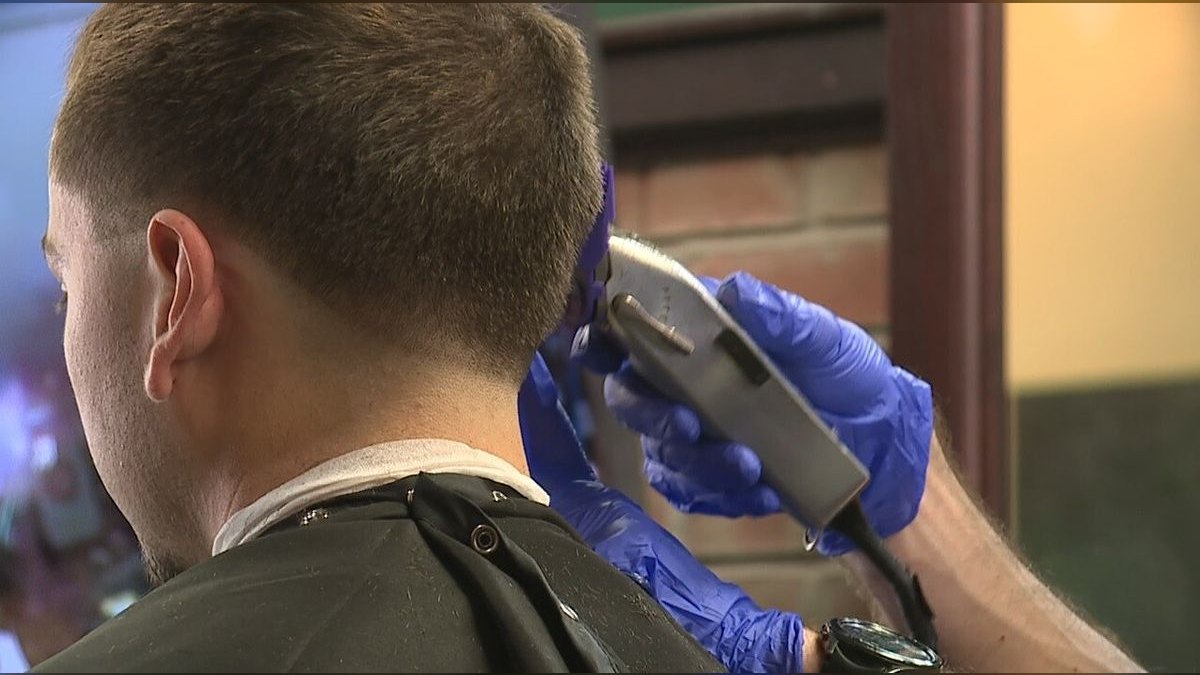
The chair-economics math is the only spreadsheet that matters. Six chairs at 80% utilization, $34 average ticket, 18% tip flow-through, two cuts per chair per hour, eight productive hours per day, six days per week produces roughly $470,000 in annual gross. Subtract 35% labor (commission barbers), 9% royalty + brand fund, 12% rent and CAM, 6% supplies and laundry, 4% credit-card processing, 3% local marketing, and 5% G&A and the owner clears 12–22% of gross before debt service. Add SBA 7(a) interest at 10.75% on a $250,000 loan and Year-1 net cash is the $35K–$75K band referenced above. The economics improve materially once you cross the $500K royalty break because the 2.5 percentage points of royalty relief drops straight to the bottom line.
Who Wins With This Business
Three operator profiles consistently win with V's Barbershop based on FDD validation calls and franchisee review data from Franchise Chatter and 1851 Franchise.
First, the multi-unit semi-absentee owner with $1M+ net worth who treats V's as portfolio cash flow, not a job. This operator hires a $55K–$70K general manager per shop, holds three to five units in a metro, negotiates shared-pool barber recruiting, and leverages the $36,000 reduced franchise fee for units two and beyond. Annual portfolio EBITDA at five units pencils to $325,000–$520,000 before debt service.
Second, the licensed master barber turned owner who can personally cut for two or three years while training staff. Owner-operator payroll savings of $60,000–$85,000 convert a break-even single unit into a $90K–$135K personal income line. State barber-licensing portability matters here — V's requires that at least one credentialed barber be on premises during all open hours in every state where it operates.
Third, the military-veteran owner who qualifies for the $4,000 franchise-fee discount, SBA Patriot Express financing preferences, and VetFran-program royalty relief in years one and two. The veteran cohort outperforms the V's system average by roughly 11% on first-year AUV per the brand's franchise development materials.
The common winning thread is disciplined site selection — 5,000+ daytime male population within a 3-mile drive, median HHI above $85,000, and co-tenancy with Whole Foods, Trader Joe's, Orangetheory, or Crunch Fitness anchors.
Who Loses With This Business
The first-time single-unit absentee owner with less than $200,000 liquid is the most predictable failure pattern. The math does not work: debt service on a $350,000 SBA loan runs $4,100/month, owner draw expectations of $5,000/month, and a single-unit Year-1 cash flow of $35K–$75K cannot cover both. Sharpsheets 2026 modeling shows 28% of single-unit V's franchisees report negative Year-1 owner cash flow.
The operator who underestimates barber recruiting loses next. Licensed barbers are the choke point — BLS reports a 7% national shortage of credentialed barbers through 2027, and commission splits have compressed from 50/50 to 55/45 in barber-favor over the past 24 months. Operators in tight labor markets (Austin, Nashville, Denver, Boise) routinely run two chairs short for six-month stretches, which kills 18–24% of revenue.
The cheap-site owner loses third. A $4,500/month suburban Class-B strip-center space looks affordable until you realize Class-A trade-area dollars per capita are 2.3x higher. V's economics demand Class-A rent — typically $8,000–$14,000/month all-in — and operators who under-invest in location never reach the $500K royalty break.
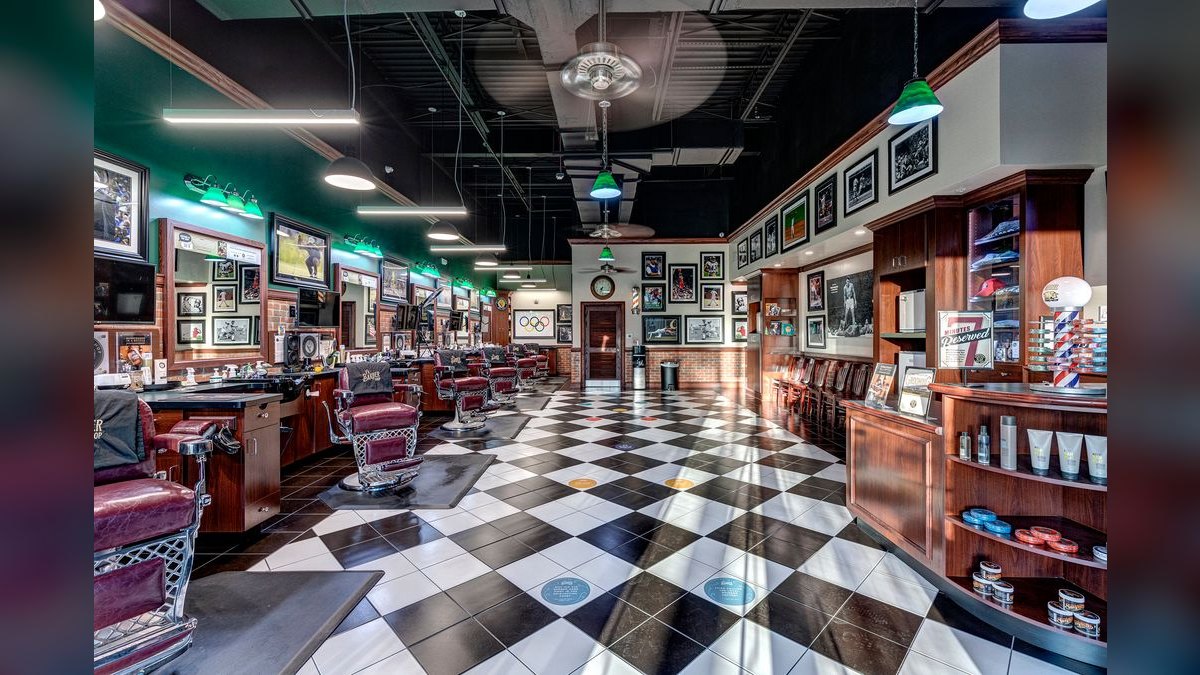
Finally, anyone expecting Floyd's 99 or Sport Clips volume will be disappointed. V's positions premium ($30–$45 cuts vs. Sport Clips $22) and trades volume for ticket size. Operators who chase $22 walk-in traffic cannibalize the brand promise and see retention collapse.
2027 Market Conditions
The men's grooming sector is in the most favorable demand cycle since 2014. IBISWorld reports US barber-shop industry revenue at $7.0 billion through end of 2025 with a 5-year CAGR of 9.8%. The 2027 projection lands at $7.6 billion with men's discretionary grooming spend continuing to outpace women's salon spend by 280 basis points per Kentley Insights.
Four 2027-specific tailwinds favor V's specifically. First, the hybrid-work cohort — 52% of knowledge workers spend 2–3 days/week in-office per Stanford WFH Research 2026 — drives premium-grooming demand because on-camera and in-person appearance return-to-importance shows up clearly in same-store sales data. Second, Sport Clips and Great Clips closed 340 net locations between Q1 2025 and Q1 2026 per Franchise Times, opening trade-area whitespace for premium-positioned brands. Third, men's grooming product margins (V's retails Reuzel, Layrite, Suavecito) expanded from 48% to 54% through 2025 supply-chain normalization. Fourth, AI-driven scheduling platforms (Booksy, Squire, Phorest) lifted utilization 6–9 points across the independent and franchised men's-grooming sector.
Three headwinds matter. Wage inflation for licensed barbers continued at 4.8% in 2026 per BLS Occupational Employment Statistics. Commercial rent for premium suburban strip centers rose 5.2% YoY per CBRE Q1 2027 retail report. Consumer credit-card delinquency at 10-year highs per Federal Reserve Bank of New York Q4 2026 pressures discretionary visit frequency — the average V's customer's visit interval extended from 4.1 to 4.6 weeks during 2026.
The 90-Day Decision Tree
- Days 1–7: Pull the FDD. Request the 2026 Franchise Disclosure Document directly from V's Barbershop franchise development. Read Item 19 line by line — note the top-quartile vs. system-average split and the 3-year-plus unit cohort breakout.
- Days 8–14: Validate cash position. Confirm $150,000 liquid + $400,000 net worth minimum. Pull personal credit (target 720+ FICO). Pre-qualify with two SBA 7(a) lenders — Live Oak Bank and Huntington Bank lead in barbershop deals.
- Days 15–30: Validation calls. Speak to a minimum of 8 existing franchisees — mix three top performers, three median, two strugglers. Ask specifically about barber-recruiting cycle time, Year-1 actual vs. Item 19, and royalty-break achievement timeline.
- Days 31–45: Site tour. Visit at least 6 V's locations across two metros. Time the door-counts on Saturday 10 AM–2 PM. Count chairs in use vs. total chairs — target shops should show 70%+ chair utilization.
- Days 46–60: Trade-area analysis. Pull Sites USA or Buxton trade-area reports on three candidate sites. Require 5,000+ daytime male population, $85K+ median HHI, and co-tenancy with a national wellness or grocery anchor.
- Days 61–75: Legal + accounting review. Hire a franchise attorney ($3,500–$6,500) for FDD review. Have a CPA model Year-1 through Year-3 P&L using conservative AUV of $400,000 (10% below system average).
- Days 76–85: Lease negotiation. Target rent at 8–10% of projected AUV. Negotiate 6 months free rent, $35–$50/sq ft tenant improvement allowance, and 5+5+5 term.
- Days 86–90: Decision. Sign FDA only if all five guardrails clear: $500K royalty break achievable in 18 months, two pre-hired licensed barbers identified, rent under 12% of projected AUV, SBA term sheet in hand at sub-11% rate, and personal Year-1 living expenses covered from non-business cash.
Alternative Plays
If V's economics do not pencil for your situation, four adjacent plays compete for the same capital pool.
Sport Clips runs $259,400–$439,500 all-in (Item 7), AUV approximately $448,000 (Item 19), and trades on higher-volume $22 haircuts plus the MVP up-sell. Lower ticket, faster turn, lighter build-out.
Floyd's 99 Barbershop runs $293,200–$846,400 (Item 7) with AUV near $711,000 (Item 19) — higher revenue but materially higher build-out and 6% royalty. Rock-and-roll positioning, urban core sites.
Roosters Men's Grooming Center runs $258,500–$510,000 (Item 7) with AUV around $526,000 (Item 19) — similar upscale positioning to V's with slightly lower entry cost.
Independent barbershop with Squire or Booksy software runs $85,000–$185,000 turnkey, no royalty, no brand fund, 100% of margin retained, but no system, no training, no real-estate help. Right answer for the experienced master barber with an existing book.
FAQ
What is the total investment range for a V's Barbershop franchise? The total investment typically falls between $326,500 and $602,450, as disclosed in the 2026 FDD Item 7. This range covers everything from the initial franchise fee to build-out costs, equipment, and working capital. Actual costs depend heavily on location size, leasehold improvements, and local construction rates.
How much liquid capital do I need to qualify? Franchisees generally need at least $450,000 in liquid capital to be considered. This requirement ensures you can cover the initial investment and sustain operations during the first year or two before the business becomes profitable. Lenders and the franchisor view this as a minimum safety net.
How long does it take to break even on a single unit? Breakeven typically occurs between 24 and 36 months for a single location. This timeline assumes an owner-operator model with active management and a strong local marketing push. Multi-unit operators often see faster payback due to shared overhead and economies of scale.
What is the average annual revenue per V's Barbershop location? System-wide average unit volume (AUV) is around $442,000, based on Item 19 of the FDD. Individual results vary widely by location, with high-traffic suburban shops often outperforming lower-density areas. Revenue is also influenced by the number of chairs, service pricing, and local competition.
How much can an owner-operator expect to earn in the first year? A conservative estimate for Year-1 owner-operator cash flow is between $35,000 and $75,000. This figure accounts for the 6% royalty and 3% national ad fund (9% total of gross sales), plus payroll, rent, and other operating expenses. Many owners take a modest salary while reinvesting profits to grow the business.
Is multi-unit ownership more profitable than a single franchise? Yes, multi-unit operators with three or more shops typically see significantly higher returns. Shared management, bulk purchasing, and brand recognition across locations can boost margins. However, this requires substantial capital and operational experience to scale effectively.
Bottom Line
V's Barbershop is a real, durable, premium men's grooming franchise with 24 years of operating history and 60+ units, but the 2026 FDD economics do not forgive single-unit absentee ownership. The win condition is narrow: $450K+ liquid, top-quartile suburban site, multi-unit roadmap, and patience to cross the $500K royalty break in 18–24 months. If your only goal is a one-shop job that pays $90K, become an owner-operator master barber and accept a 3-year ramp. If your goal is portfolio cash flow, commit to three units inside 36 months and budget $1.4M–$1.8M in total capital deployment. Anything between those two strategies underperforms — V's punishes the half-committed. Compare V's directly against Roosters and Floyd's 99 before signing; all three serve the same upscale-male-grooming customer with materially different economics. Pull the FDD, run the 90-day decision tree, and only sign if all five guardrails clear.
V's Barbershop review · V's Barbershop reviews · V's Barbershop rating · V's Barbershop review 2027 · review of V's Barbershop franchise
Sources
- V's Barbershop 2026 Franchise Disclosure Document (Item 5, 6, 7, 19) — https://www.franchisepayback.com/franchise/vs-barbershop
- 1851 Franchise — V's Barbershop Franchise Costs, Fees and Profit Data for 2026 — https://1851franchise.com/vs-barbershop-franchise-deep-dive-2731919
- Franchise Chatter FDD Talk — V's Barbershop Costs, Fees, Average Revenues 2024 Review — https://www.franchisechatter.com/2025/01/08/fdd-talk-vs-barbershop-franchise-costs-fees-average-revenues-and-or-profits-2024-review/
- Sharpsheets — V's Barbershop Franchise FDD, Profits & Costs (2025) — https://sharpsheets.io/blog/vs-barbershop-franchise-fdd-profits-costs/
- V's Barbershop official Franchise FAQs — https://vbarbershop.com/pages/franchise-faqs
- IBISWorld — Barber Shops in the US Industry Market Research and 2026 Market Size Statistics — https://www.ibisworld.com/united-states/market-size/barber-shops/5806/
- Kentley Insights — Barber Shops Market Research: Industry Trends & Analysis 2025 — https://www.kentleyinsights.com/barber-shops-industry-market-research-report/
- BLS Occupational Employment Statistics — Barbers, Hairdressers, and Cosmetologists 2026 — https://www.bls.gov/oes/current/oes395011.htm
- CBRE Q1 2027 US Retail Marketview — Suburban Strip-Center Rent Trends
- Federal Reserve Bank of New York — Household Debt and Credit Report Q4 2026
- International Franchise Association — VetFran Program Directory 2026 — https://www.franchise.org/vetfran
- Stanford WFH Research — Survey of Working Arrangements 2026 — https://wfhresearch.com
Related on PULSE
This page will be disappearing soon. Save it to your device for $1 — or read it free while it is here.
@Kory-White- · if Venmo asks, the last 4 of my number are 2012
This page is gone.
This one is off the shelf now. $1 keeps it on your phone for good — the whole page, pictures and diagrams included.
 franchiseShould I open or buy a Dream Vacations franchise in 2027?
 franchiseShould I open a HVAC repair business in 2027?
 franchiseShould I open a vending machine business in 2027?
 franchiseShould I open or buy a Cold Stone Creamery franchise in 2027?
 franchiseShould I open or buy a Round Table Pizza franchise in 2027?
 franchiseShould I open or buy a solidcore franchise in 2027?
 franchiseShould I open or buy a Just Salad franchise in 2027?
 franchiseShould I open or buy Cinnabon franchise or open an independent sandwich shop in 2027?
 franchiseShould I open or buy a Pet Supplies Plus franchise in 2027?
 franchiseShould I open or buy a Bruster's Real Ice Cream franchise in 2027?