
Should I open or buy a The Picklr pickleball franchise in 2027?
 Curated byKory White · Fractional CRO · Maryland
 PULSEKNOWLEDGE LIBRARY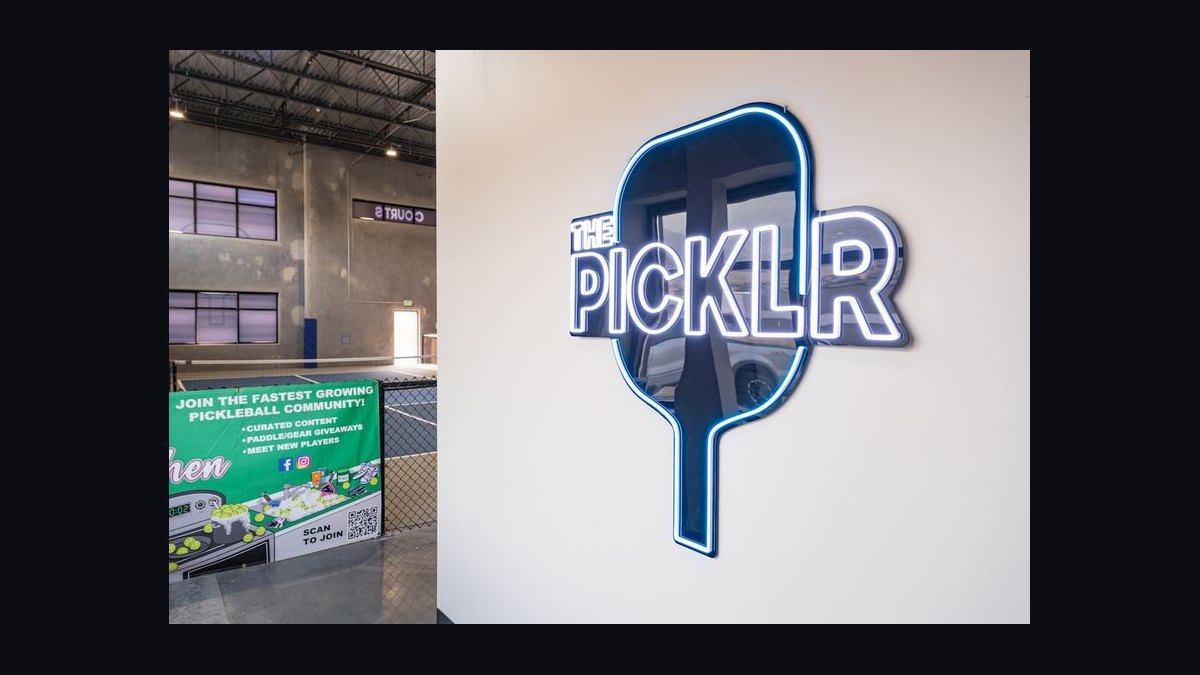
Open a The Picklr franchise in 2027 if you can fund a $1,000,000–$2,500,000 build, want exposure to America's fastest-growing sport through a recurring-membership model, and can lock a market before competing pickleball clubs fill it. Skip it if you're under-capitalized, entering a saturated territory, or unwilling to run community programming full-time — timing decides outcomes here, not the sport's popularity.
What The Picklr model actually is and why the timing question matters
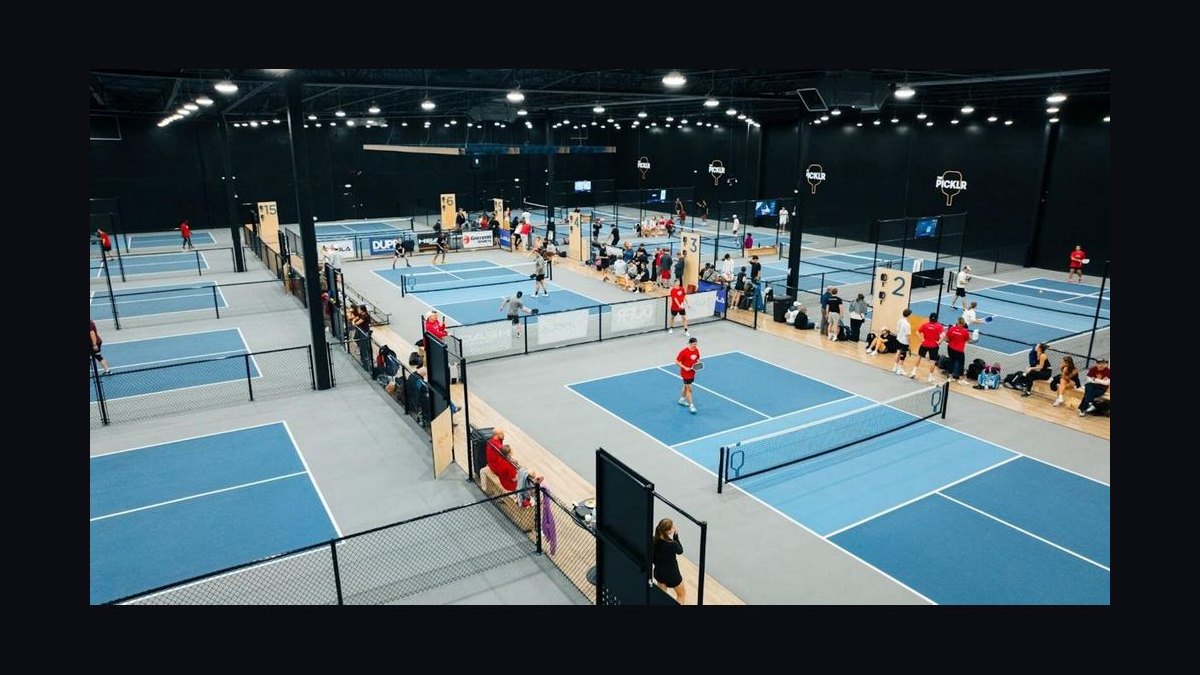
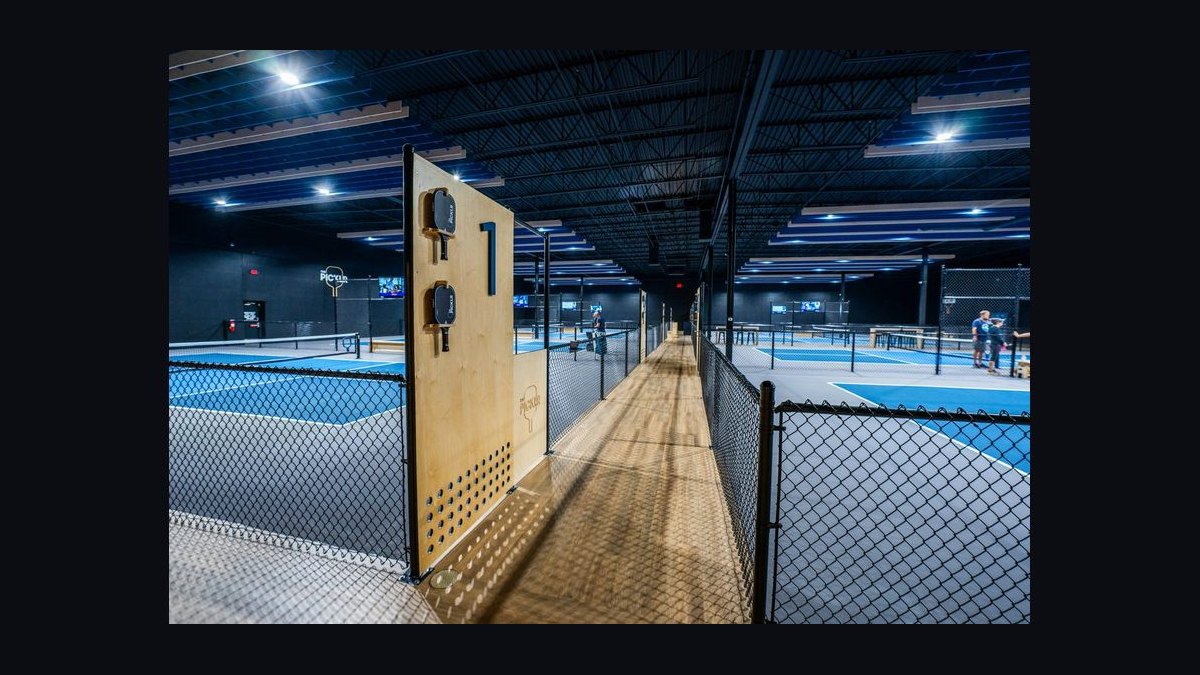
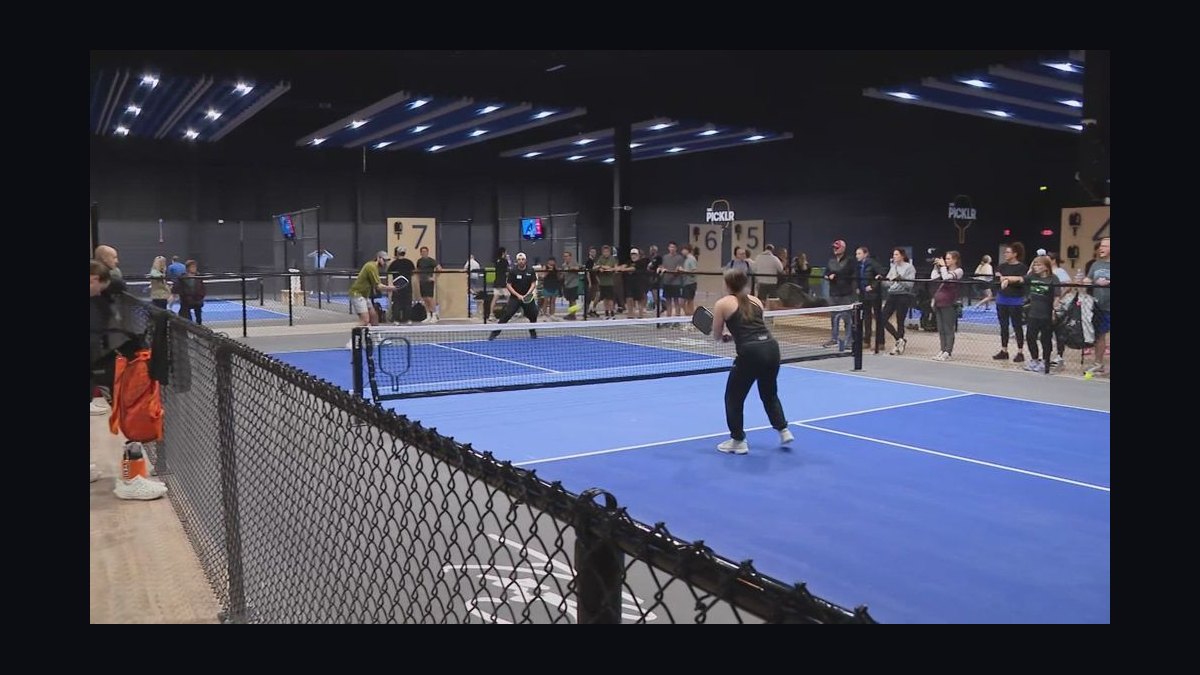
The Picklr is an indoor pickleball club franchise built around recurring memberships rather than one-off court rentals. A typical location leases 20,000–40,000 square feet of warehouse-style space, builds out six to twelve or more dedicated courts, and wraps a lobby, pro shop, and event space around them. Revenue comes from four buckets: membership dues as the base layer, court and league fees, lessons, and event or pro-shop income. That blend is deliberate — it converts a facility business, which is historically vulnerable to seasonality and one-time visits, into something closer to a gym membership model with programming layered on top. Anyone who has evaluated a boutique fitness franchise will recognize the mechanics: the club isn't really selling court time, it's selling a habit, and habits are what produce predictable monthly recurring revenue instead of lumpy walk-in cash.
Why the question of whether to open is so time-sensitive in 2027 specifically: pickleball's participation curve hasn't flattened, and The Picklr has been among the most aggressive franchisors capitalizing on that growth, with more than 100 units sold by 2025. Aggressive expansion cuts two ways for a prospective owner. On the upside, the brand carries real negotiating leverage with landlords, national league ties including connections to Major League Pickleball, and a proprietary membership management system that smaller independents can't easily replicate. On the downside, that same unit growth means many metro and suburban markets are filling quickly with competing concepts — ACE Pickleball Club, Dill Dinkers, Chicken N Pickle, Pickleball Kingdom, plus a steady wave of municipal courts and independent operators converting old retail boxes. The category has moved past "open anywhere and win." It is now "open where the demand curve is still ahead of the supply curve," which is a much narrower and more time-bound opportunity.
It helps to think of this as a commercial real estate business wearing a sports-franchise costume, the same way a self-storage or car wash franchise is really a site-selection business with an operating layer on top. The single biggest determinant of a Picklr club's success isn't marketing spend or league programming — it's whether you locked the right building, in the right location, on the right lease terms, before a competitor did. Franchisees who treat this as primarily an athletic or hospitality venture, rather than a real estate and membership-acquisition venture, tend to underperform even when their on-court programming is excellent. That distinction matters for anyone comparing this opportunity against adjacent categories like trampoline parks, climbing gyms, or golf simulator lounges — all of which live or die on the same real-estate-first logic, and all of which are now competing for the same warehouse-conversion real estate stock in growing suburbs.
The step-by-step process from signing to a defensible membership base
Opening a Picklr club follows a fairly linear sequence, and skipping steps — especially market validation and pre-sale — is the single most common cause of a slow, unprofitable ramp. The sequence below reflects how successful franchisees structure their first 150 days, plus the ongoing community-building work that continues indefinitely after opening.
Each stage exists for a specific reason. The FDD review and market-timing assessment in days one through twenty is where you determine whether your target territory is early or already filling — this single judgment call outweighs almost every other variable in the deal, more than site aesthetics or even the exact rent negotiated. The owner-interview stage in days twenty-one through forty-five is where franchisees get honest numbers on membership ramp speed, programming revenue mix, and real net profit, since these figures vary enormously by market and aren't fully captured in the FDD's Item 19 disclosures. Days forty-six through seventy combine demand validation with competitive scouting — you're not just confirming pickleball players exist locally, you're mapping every planned or rumored club, Picklr or competitor, that could open inside your protected radius before your doors do.
Build-out, spanning roughly days seventy-one through one hundred ten, is the capital-intensive phase covering courts, flooring, lighting, lobby, and pro shop fixtures. The pre-sale period that follows, days one hundred eleven through one hundred fifty, is arguably the highest-leverage stretch of the entire launch — clubs that open with a substantial founding-member base already locked in ramp to profitability far faster than those that open and hope walk-ins convert organically. This mirrors what CrossFit box owners and yoga studio franchisees learned a decade earlier: pre-selling founding memberships at a discount isn't just a cash-flow bridge, it's a forcing function that gets your first hundred members emotionally invested before a competitor can poach them. After opening, the work shifts permanently to community-building. Leagues, lessons, and events aren't optional add-ons — they're the retention mechanism that keeps your membership base from bleeding to the next club that opens down the road, and that defensive posture never really ends as long as the category keeps attracting new entrants.
Costs, timelines, and typical ranges you should model before signing
The 2026 FDD lists a franchise fee around $50,000 and a total Item 7 investment of roughly $1,000,000 to $2,500,000, with a royalty near 6%–7% of gross revenue plus a marketing fee near 2%. Breaking the total investment into line items looks roughly like this:
| Line Item | Low | High | Notes |
|---|---|---|---|
| Franchise fee | $50,000 | $50,000 | Per 2026 FDD |
| Leasehold / buildout | $400,000 | $1,100,000 | Courts, flooring, lobby |
| Court systems & equipment | $200,000 | $500,000 | Nets, surfacing, lighting |
| Technology & software | $20,000 | $70,000 | Booking, membership, CRM |
| Initial marketing | $40,000 | $120,000 | Pre-sale + grand opening |
| Insurance & permits | $15,000 | $60,000 | GL + build permits |
| Training & travel | $8,000 | $25,000 | Ops training |
| Working capital | $100,000 | $300,000 | First 3–6 months |
| Total Item 7 | ~$1,000,000 | ~$2,500,000 | Per 2026 FDD |
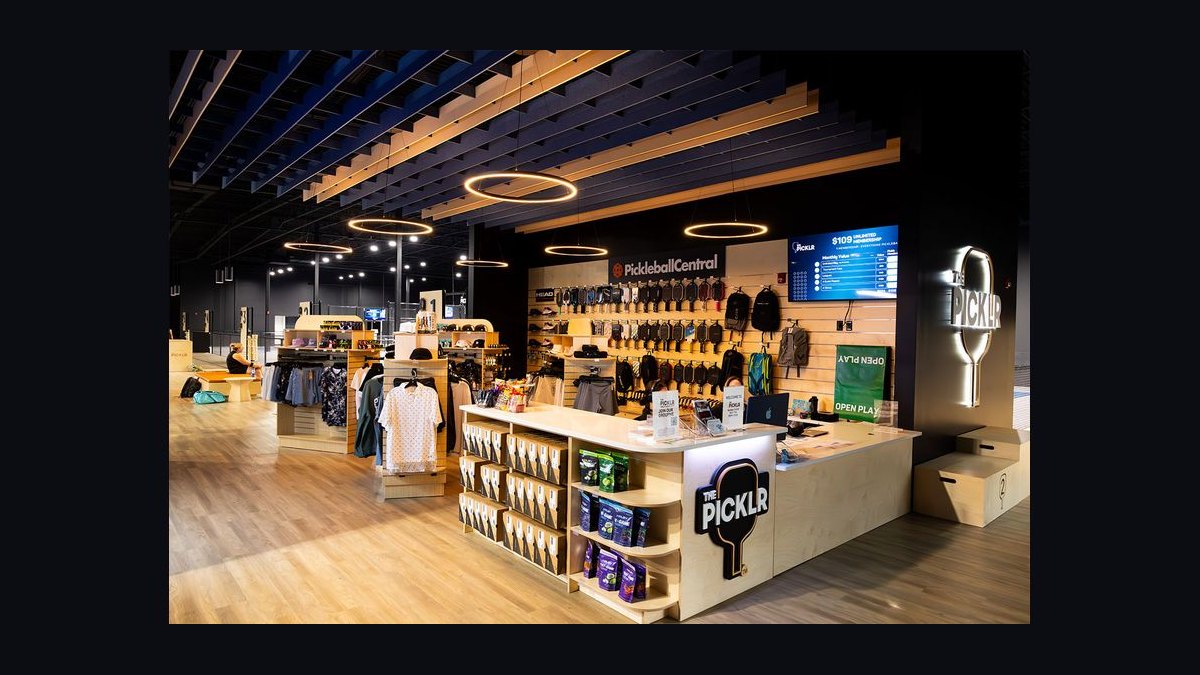
Real estate is where 2027-specific cost pressure bites hardest. Leasehold improvements run $150–$250 per square foot, meaning a 25,000–40,000 square foot space totals $3.75 million to $10 million in raw improvement value before tenant allowances and rent abatements offset it — which is exactly why landlord negotiations matter as much as the franchise agreement itself. Monthly rent ranges $20,000–$50,000 depending on market, translating to roughly $12–$20 per square foot annually in suburban strip centers versus $25–$40 per square foot in prime metro locations. Build-out timelines run six to twelve months from lease signing to opening, longer if zoning variances or structural modifications are needed, and the overall signing-to-opening window typically spans twelve to eighteen months once real estate selection, lease negotiation, construction, and permitting are all accounted for. Budget at least a 10% contingency: labor and specialized court-flooring materials have risen 15%–25% since 2023, and that pressure hasn't reversed heading into 2027, echoing the same trades-labor squeeze that has hit boutique fitness and restaurant build-outs across the country.
On the revenue side, mature clubs gross $700,000–$1,800,000 annually. Membership pricing typically runs $80–$150 per month for an individual or $150–$250 per month for couples and families, with annual memberships priced at $800–$1,500, a 10%–15% discount versus paying monthly. Non-member drop-in fees run $15–$25 per hour, league fees $50–$150 per eight-to-twelve-week season, and lessons $50–$100 per hour in a group setting or $100–$200 per hour private. After labor at 20%–28% of revenue, rent at 14%–18%, the 6%–7% royalty, and the 2% marketing fee, net margins typically land in the 15%–28% range, producing $120,000–$400,000 in owner profit at well-utilized clubs. Breakeven generally takes eighteen to thirty-six months — closer to eighteen in an under-saturated, well-executed market, closer to thirty-six where membership acquisition costs run high.
Where franchisees consistently get it wrong
Most Picklr franchisee failures trace back to a small number of repeatable mistakes rather than bad luck. The most common is treating market timing as a secondary consideration behind brand enthusiasm — franchisees who sign in a territory without seriously scouting the competitor pipeline, meaning planned ACE, Dill Dinkers, or Chicken N Pickle locations plus municipal court expansion, frequently find their membership targets undercut before they even open. The FDD's Item 20, covering outlet performance including how many units are open versus sold and how many have closed, is the single most under-read document in this entire evaluation. A high closure rate in your region is a direct signal of saturation or weak unit economics that no amount of local optimism overrides.
The second major failure point is under-capitalizing the working-capital cushion. Because breakeven realistically takes eighteen to thirty-six months, franchisees who fund only the build-out and skimp on the $100,000–$300,000 working-capital line frequently run into cash pressure during the exact window when membership is still ramping and programming revenue hasn't matured. Related to this, franchisees consistently underestimate 2027-specific member acquisition costs. As more pickleball clubs open nationally, customer acquisition cost is rising toward $200–$400 per new member on digital channels like Facebook, Instagram, and Google, and clubs that don't diversify into organic channels — partnerships with schools, senior centers, corporate wellness programs — see their marketing line balloon without a corresponding membership lift. This is the same acquisition-cost inflation that hit boutique gyms and med-spa franchises once every operator in a category started bidding on the same keywords simultaneously.

A third recurring mistake is weak programming. The membership-plus-programming model only works if leagues, lessons, and community events are genuinely robust — franchisee surveys tied community events like themed tournaments and member mixers to a 15%–25% reduction in churn. Clubs that treat programming as an afterthought effectively become expensive court-rental businesses without the recurring-revenue stability the model is designed to produce, and they're the first to lose members when a newer, more community-driven competitor opens nearby. Finally, real estate selection is where the most expensive, hardest-to-reverse mistakes happen: signing a lease with a five-to-seven-year term instead of negotiating longer, ten-to-fifteen-year terms, leaves insufficient runway to recoup a $1 million-plus leasehold investment, and failing to negotiate a rent abatement period during build-out or a percentage-rent clause tied to gross revenue means the franchisee absorbs disproportionate downside risk relative to the landlord.
Decision framework: when opening makes sense and when it doesn't
Not every prospective owner should open a standalone Picklr club, and not every market supports one. The decision tree below reflects how the economics and risk profile actually diverge based on capital, market timing, and appetite for a real-estate-heavy operating model.
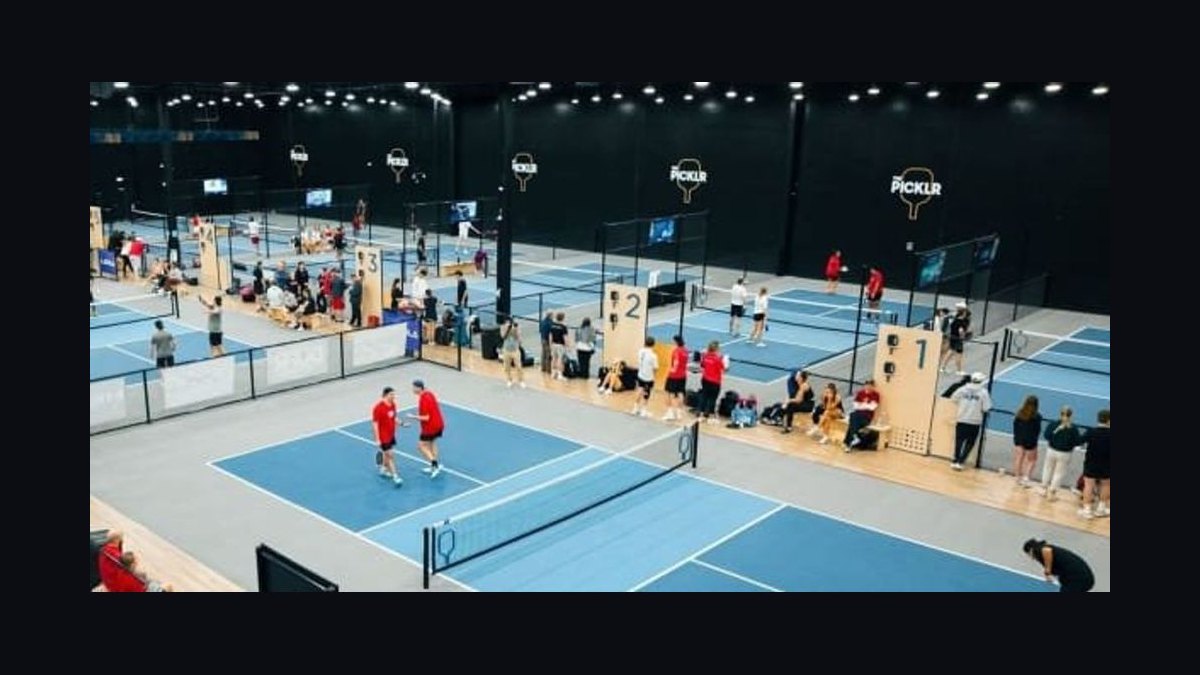
If your target market already has two or more indoor pickleball clubs filling in, or a visible pipeline of ACE, Dill Dinkers, or Chicken N Pickle locations announced, the right move is usually to look at a different territory rather than compete for a shrinking pool of memberships. If capital is the binding constraint — you don't have $1 million to $2.5 million plus a working-capital reserve — a lower-cost alternative like outdoor court development or a smaller-footprint concept, such as Dill Dinkers' entry point closer to $500,000–$1,500,000, may fit better than stretching into a Picklr build. If you have capital and an open market but aren't prepared to personally drive membership sales and community programming, that's a signal to reconsider regardless of the numbers, since programming-weak clubs consistently underperform their pro forma. Only when all three conditions align — early market, sufficient capital, and genuine appetite for hands-on community building — does opening make sense, and even then the execution priority is real estate lock-up and an aggressive pre-sale, not the grand opening itself. Owners coming from other membership-driven categories, such as martial arts studios or med-spa franchises, tend to underwrite this correctly because they've already internalized that the sale happens before the ribbon-cutting, not after.
Related questions
Should I open or buy a Pickleball Kingdom franchise in 2027 instead?
Pickleball Kingdom emphasizes larger clubs with twelve to sixteen courts, a $40,000 franchise fee, and $1.2M–$2.8M total investment. It's a newer entrant with less operating history than The Picklr, so weigh brand-recognition trade-offs against its larger-format positioning.
How does ACE Pickleball Club compare on investment size?
ACE typically runs smaller footprints of six to ten courts, a lower $35,000–$45,000 franchise fee, and $800,000–$2,000,000 total investment — a lighter entry point than The Picklr, often placed in secondary markets with less competition.
Is Chicken N Pickle a lower-risk alternative?
No — it's higher risk and higher capital, at $3M–$6M total investment, because it combines food-and-beverage operations with courts. It suits operators wanting a broader entertainment concept, not a pure membership-club model.
How long until a Picklr club breaks even?
Typically eighteen to thirty-six months, driven primarily by how fast membership ramps and how strong the pre-sale was before opening. Markets entered early with heavy pre-sale campaigns trend toward the faster end.
What's the biggest 2027-specific risk for new franchisees?
Oversupply. Rapid club development from multiple pickleball franchisors means some markets are approaching saturation, making the competitor pipeline — not the sport's popularity — the deciding factor.
FAQ
What is the total investment needed to open a The Picklr franchise in 2027? The total investment typically ranges from $1,000,000 to $2,500,000, including the roughly $50,000 franchise fee. This covers build-out, court equipment, signage, and initial working capital, though actual costs depend heavily on local real estate and construction rates.
How much can I expect to earn as a The Picklr franchise owner? Mature clubs generally gross $700,000 to $1,800,000 annually, with owner net income in the $120,000 to $400,000 range once membership and programming are established. Figures vary widely by location, membership penetration, and local competitive density.
What are the ongoing royalty and marketing fees? The royalty runs approximately 6% to 7% of gross revenue, plus a roughly 2% marketing fee. These support national brand development and operational support; exact figures should be verified against the current Franchise Disclosure Document.
Is The Picklr a good investment for 2027 given market saturation concerns? It can be, but oversupply risk is real in markets where multiple indoor pickleball clubs open in quick succession. Success depends on securing a genuine first-mover position and executing membership growth before competitors arrive.
How long does it take to open a The Picklr franchise from signing? The timeline from signing to opening typically spans twelve to eighteen months, driven by real estate selection, lease negotiation, construction, and permitting. Delays are common, so plan for a longer runway than the minimum estimate.
Do I need prior pickleball or franchising experience to succeed? No, but business management or commercial real estate experience helps significantly. The franchisor provides training, but owners must stay hands-on with membership sales, community building, and local marketing to drive revenue.
Sources
- The Picklr official franchise site — investment range and club model
- Entrepreneur franchise directory — The Picklr listing
- Franchise Business Review — sports/entertainment franchisee satisfaction data
- USA Pickleball / Association of Pickleball Professionals — participation data
- SFIA — Sports & Fitness Industry Association participation report (pickleball)
- IBISWorld — Sports & Recreation Facilities in the US industry report
- Statista — US pickleball participation and facility growth data
- International Franchise Association (IFA) — Franchise Economic Outlook
Related on PULSE
- [Should I open or buy a Pickleball Kingdom franchise in 2027?](/knowledge/fr0666)
- [How long does it take to open a franchise and break even in 2027?](/knowledge/fr1104)
- [Should I open or buy a Tommy Gun's Original Barbershop franchise in 2027?](/knowledge/fr1095)
This page will be disappearing soon. Save it to your device for $1 — or read it free while it is here.
@Kory-White- · if Venmo asks, the last 4 of my number are 2012
 franchiseShould I open or buy an East of Chicago Pizza franchise in 2027?
 franchiseBest franchise opportunities for veterans in 2027
 franchiseShould I open or buy an It's A Grind Coffee franchise in 2027?
 franchiseShould I open or buy a Bubbakoo's Burritos franchise in 2027?
 franchiseShould I open or buy a BFT franchise in 2027?
 franchiseShould I open or buy a Chipotle franchise in 2027?
 franchiseShould I open or buy a Rainbow Restoration franchise in 2027?
 franchiseShould I open or buy a Tutti Frutti franchise in 2027?
 franchiseShould I open or buy a Cheba Hut franchise in 2027?
 franchiseShould I open or buy a Burger King franchise in 2027?