
Should I open or buy a Sugaring NYC franchise in 2027?
 Curated byKory White · Fractional CRO · Maryland
 PULSEKNOWLEDGE LIBRARY
Published June 11, 2026 · Updated June 11, 2026
Yes for an operator who wants a focused, lower-capital natural-hair-removal franchise — Sugaring NYC offers an accessible, membership-based body-sugaring concept riding the natural-beauty trend, though it's a younger system in a competitive personal-care space. Sugaring NYC, founded in 2016 in Florida, franchises sugaring (natural hair-removal) studios offering all-natural, paste-based sugaring as a gentler alternative to waxing, on a membership/service model. The 2026 FDD lists a franchise fee around $30,000-$40,000, total Item 7 investment of roughly $120,000 to $300,000 (relatively low), a royalty near 6%, and a marketing fee. Mature studios gross $250,000-$600,000, with owners clearing $60,000-$170,000. Its appeal is low capital, a differentiated natural-hair-removal niche, recurring services/memberships, and simple operations; the challenges are a younger system, personal-care competition (waxing chains, sugaring independents), esthetician staffing, and site selection.
The Real Numbers
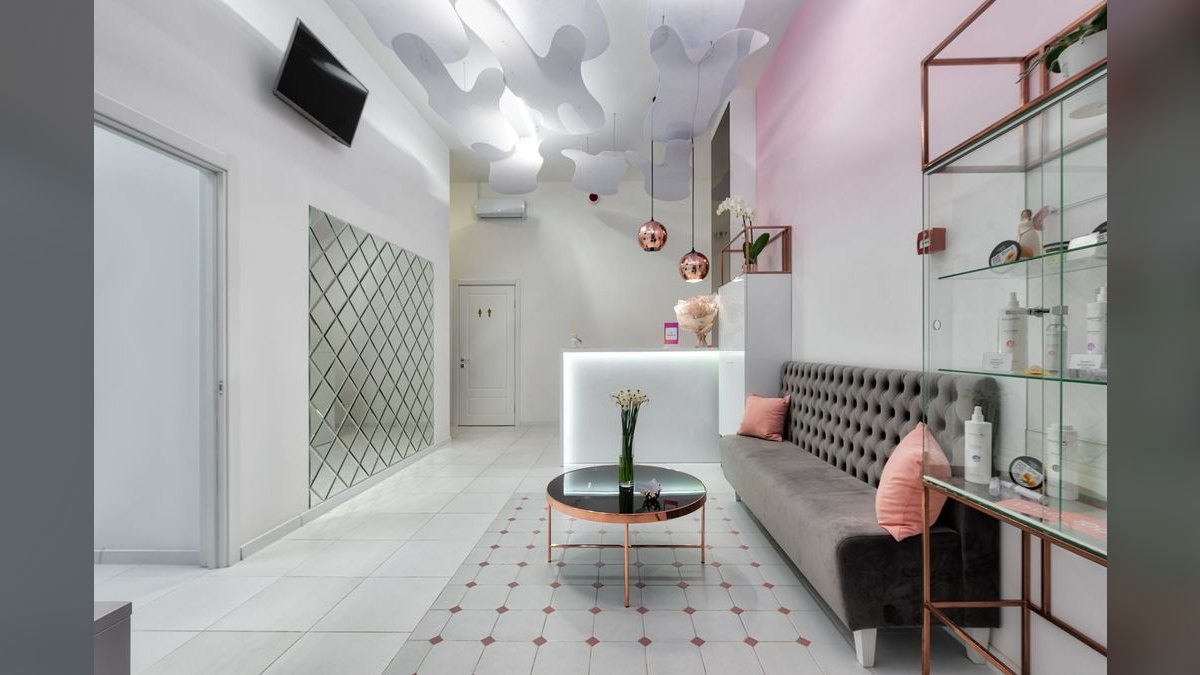
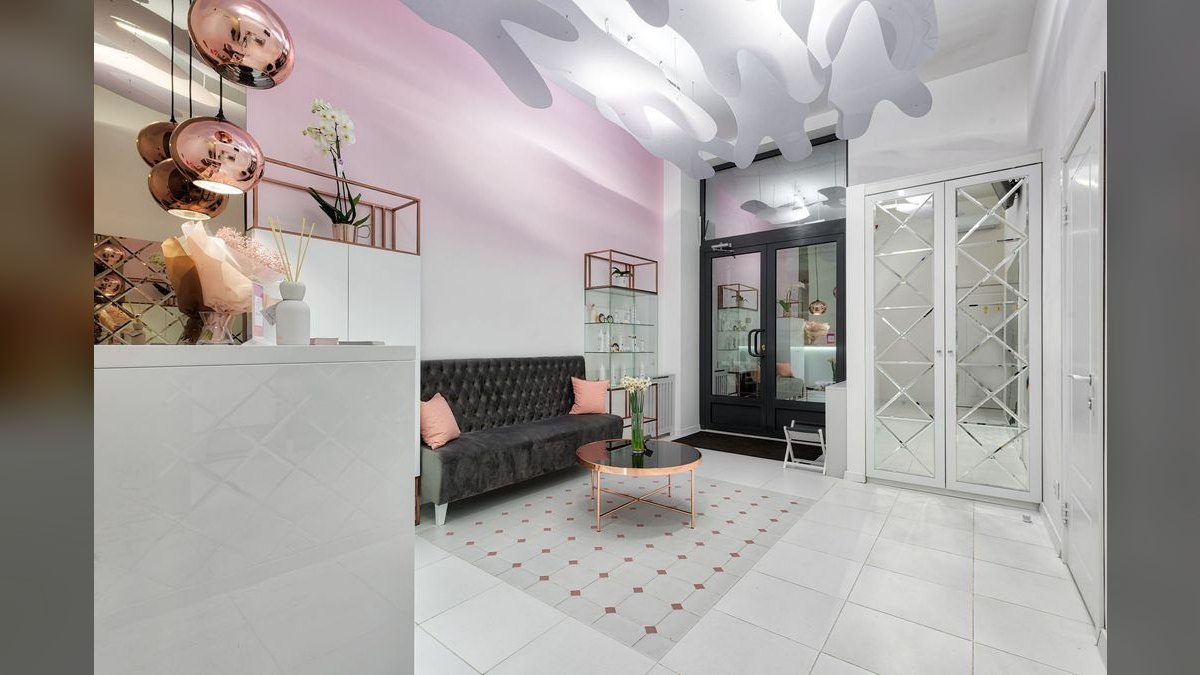
A Sugaring NYC operates as a compact studio (1,000-1,800 sq ft) with treatment rooms for natural sugaring hair-removal, on a recurring-service/membership model, with relatively low capital and simple operations.
| Line Item | Low | High | Notes |
|---|---|---|---|
| Franchise fee | $30,000 | $40,000 | Per 2026 FDD |
| Buildout / leasehold | $50,000 | $140,000 | Treatment-room fit-out |
| Equipment & decor | $25,000 | $70,000 | Tables, supplies, decor |
| Signage & decor | $10,000 | $30,000 | Brand image |
| Initial inventory | $8,000 | $20,000 | Sugaring paste, supplies |
| Initial marketing | $12,000 | $30,000 | Membership pre-sale |
| Training & travel | $8,000 | $22,000 | Operator + estheticians |
| Working capital | $25,000 | $60,000 | First 3-6 months |
| Total Item 7 | ~$120,000 | ~$300,000 | Per 2026 FDD — relatively low |
| Royalty | ~6% of gross | ||
| Marketing fee | ~2% of gross |
Revenue reality: mature studios gross $250K-$600K with owners clearing $60K-$170K. The low capital, differentiated natural-hair-removal niche (sugaring is positioned as a gentler, all-natural alternative to waxing), recurring services/memberships, and simple operations make it accessible. The trade-offs are a younger franchise system (shorter track record, evolving support), personal-care competition (European Wax Center and other waxing chains, plus sugaring independents), esthetician/licensed-staff recruitment, and site selection. Operators who build recurring clients, staff licensed estheticians, and lean into the natural niche in receptive markets perform best. Validate Item 19.
Who Wins With This Business
- Capital required: $120K-$300K, with $60,000-$120,000 liquid — relatively low.
- Time commitment: hands-on, service-driven studio operation.
- Skills: service-business operations, membership sales, and esthetician management.
- Geographic fit: beauty-conscious, natural-leaning markets.
- Lifestyle fit: hands-on, beauty/wellness-minded operator.
The winners are operators who build recurring clients and staff licensed estheticians in receptive markets.
Who Loses With This Business
- Operators uncomfortable with a younger system's risks.
- Those who can't recruit/retain licensed estheticians.
- Owners in markets without natural-beauty demand.
- Buyers who underestimate waxing-chain competition.
- Those who can't build recurring clientele.
2027 Market Conditions
- Demand: natural/clean beauty and hair-removal are growing trends.
- Low capital: compact studio model lowers entry cost.
- Differentiation: natural sugaring vs. traditional waxing.
- Recurring: service/membership model provides repeat revenue.
- Competition: European Wax Center, waxing chains, sugaring independents.
The 90-Day Decision Tree
- Day 1-20: Read the 2026 FDD and Item 19; assess the younger system.
- Day 21-40: Interview operators; ask about client retention, esthetician staffing, support, and net profit.
- Day 41-60: Validate a beauty-conscious, natural-leaning market and site.
- Day 61-100: Build and hire licensed estheticians.
- Day 101-130: Pre-sell memberships and open.
- Build recurring clientele (the key driver).
- Consider multi-unit given the low capital.
Alternative Plays
- European Wax Center — waxing franchise (in the library).
- Sugared + Bronzed — sugaring + tanning (see fr0876).
- Waxing the City — waxing franchise.
- Blo Blow Dry Bar / other beauty services — adjacent (see fr0877).
- Independent sugaring studio — full control, no brand.
- Other beauty-service franchises — adjacent models.
Unit Economics Deep Dive: What a Typical Studio Really Looks Like in 2027
To move beyond the headline numbers, it’s critical to understand how a Sugaring NYC studio actually generates revenue and where the costs hide. In 2027, the average mature studio (open 24+ months) operates with roughly 250–400 active members, each paying $49–$79 per month for a single-area sugaring membership (e.g., eyebrows or underarms) or $89–$149 for full-body packages. Membership revenue typically accounts for 55–70% of total gross sales, with the remainder coming from retail product sales (sugaring paste, aftercare balms, exfoliating mitts) and one-time service bookings.
The real driver of profitability is recurring membership retention. Industry benchmarks for sugaring studios show a healthy monthly churn rate of 4–8%, meaning you need to add 10–30 new members per month just to hold steady. Sugaring NYC’s system average retention rate for members staying 12+ months is around 65–75%, which is solid but not exceptional. A studio hitting 300 members at $65 average monthly revenue per member generates $19,500 in predictable monthly income before service upsells.
On the cost side, the biggest variable is labor. Esthetician wages in 2027 range from $18–$28 per hour (plus tips), and a busy studio needs 2–3 estheticians per shift. With rent for a 600–900 sq ft studio in a high-traffic retail corridor running $3,500–$8,000 per month (depending on market), and product costs at 8–12% of service revenue, your break-even point typically lands at $18,000–$25,000 in monthly gross sales. A studio doing $30,000–$40,000 per month is generally profitable, with the owner taking home $8,000–$15,000 after all expenses, royalties, and marketing fees.
The key risk in 2027 is that sugaring is a seasonal business. December, January, and February often see 15–25% drops in new memberships and service bookings, while March through June (wedding and prom season) can spike 30–40%. You need to plan cash reserves for those slow months—ideally 3–4 months of operating expenses, or roughly $60,000–$100,000 on top of your initial investment.
Competitive Landscape: How Sugaring NYC Stacks Up Against the Big Players
The natural hair-removal space in 2027 is more crowded than it was in 2020. National waxing chains like European Wax Center (over 1,000 locations) and Waxing the City (200+ locations) have added sugaring options to their menus, and independent sugaring studios are proliferating in metro areas. Sugaring NYC’s main advantage is its focus—it’s a pure-play sugaring brand, not a waxing chain that added sugaring as an afterthought. This matters because sugaring requires different technique, paste temperature control, and aftercare education. A dedicated brand can train estheticians more deeply and build a more authentic reputation.
However, the competitive threat in 2027 is not just from other chains. The rise of at-home sugaring kits (brands like Nad’s, Veet, and indie startups selling pre-made pastes) has eaten into the low-end of the market. Customers who only need occasional eyebrow or underarm sugaring may opt for $15–$25 DIY kits rather than a $50+ studio visit. Sugaring NYC’s defense is the membership model—once a customer is locked into a monthly plan, they’re less likely to switch to DIY.
Another competitive factor is the esthetician talent war. In 2027, licensed estheticians are in high demand, especially those trained in sugaring (which is a specialized skill versus waxing). Sugaring NYC requires all franchisee estheticians to complete a 3–5 day training program at its Florida headquarters, plus ongoing virtual refreshers. If you open in a market where multiple sugaring studios are competing for the same 10–15 trained estheticians, you may face higher wages or longer hiring cycles. Some franchisees report it taking 6–10 weeks to fully staff a new studio.
The brand’s national marketing support is a mixed bag. Sugaring NYC runs regional digital ads and social media campaigns, but its national brand awareness is still low compared to European Wax Center. In 2027, most of your local marketing will fall on you—Google Local Services ads, Instagram geotargeting, and partnerships with wedding planners, gyms, and spas. Franchisees who invest $1,000–$2,500 per month in local digital ads typically see a 3–5x return within 6 months. Those who rely solely on the corporate marketing fee often struggle to hit membership targets in the first year.
The Franchisee Profile: Who Thrives and Who Struggles in 2027
Sugaring NYC is not a passive investment—it’s an owner-operator model. The most successful franchisees in 2027 are those who either have a background in personal services (salon management, esthetics, spa ownership) or are hands-on operators willing to work the front desk, schedule appointments, and even perform sugaring themselves during the first 6–12 months. The FDD data shows that multi-unit owners (those with 2–3 studios) have a significantly higher success rate than single-unit owners, likely because they can spread fixed costs and leverage shared staff.
The typical franchisee who struggles is the absentee investor who hires a manager from day one. Sugaring studios are high-touch, high-relationship businesses. Clients return because they like their esthetician and the vibe of the studio. A manager who doesn’t share your passion for the brand can lead to inconsistent service, higher churn, and lower retail sales. In 2027, the average single-unit franchisee works 45–55 hours per week for the first 18 months, dropping to 30–40 hours once the studio is stable.
Another key trait is local market knowledge. Sugaring NYC’s ideal location is a high-foot-traffic strip center near a Whole Foods, Trader Joe’s, or boutique fitness studio (e.g., OrangeTheory, CorePower Yoga). These are often in A- or B+ retail corridors with rents at the higher end of the range. Franchisees who try to save money by opening in a C-center or a less visible location typically see 30–50% lower walk-in traffic and take 12–18 months longer to reach break-even.
Finally, financial stamina matters. The initial investment of $120,000–$300,000 is low for a franchise, but many franchisees underestimate the working capital needed. In 2027, it’s common to need an additional $40,000–$80,000 in the first year for unexpected build-out overruns, permit delays, or slower-than-expected membership growth. Those who come in with $350,000–$400,000 in total liquidity (including the franchise fee) have a much smoother ride than those scraping by on the minimum.
FAQ
What is the total investment needed to open a Sugaring NYC franchise? The total investment typically ranges from $120,000 to $300,000, including the franchise fee of $30,000 to $40,000. This covers build-out, equipment, inventory, and initial marketing, making it a relatively lower-cost entry in personal care.
How much can I expect to earn as a Sugaring NYC franchise owner? Mature studios generally generate annual gross revenue between $250,000 and $600,000, with owner earnings (after expenses) ranging from $60,000 to $170,000. Actual results vary by location, local demand, and how well you manage staffing and memberships.
What are the main advantages of choosing Sugaring NYC over other hair-removal franchises? The concept focuses on natural, paste-based sugaring, which appeals to clients seeking gentler, eco-friendly alternatives to waxing. The lower startup cost, recurring membership model, and simple operations are key draws compared to larger waxing chains.
What are the biggest challenges or risks with this franchise? The system is relatively young (founded in 2016), so brand recognition is still growing. You’ll face competition from established waxing chains, independent sugaring studios, and esthetician staffing shortages. Site selection is also critical to success.
What ongoing fees does the franchise require? You’ll pay a royalty fee of about 6% of gross sales, plus a marketing fee. These are standard for the industry and support ongoing training, brand development, and national advertising.
Is Sugaring NYC a good fit for first-time franchise owners? Yes, if you’re an operator willing to be hands-on, especially in hiring and training estheticians. The lower investment and simple service model can work well for first-timers, but you should be comfortable with local marketing and managing a small team.
Bottom Line
Open a Sugaring NYC if you want a low-capital, differentiated natural-hair-removal franchise with recurring services/memberships and simple operations, you can build recurring clientele and staff licensed estheticians, and you're in a beauty-conscious, natural-leaning market — and you're comfortable with a younger system's risks. Its low capital, natural niche, recurring revenue, and simple operations are genuine strengths. Skip it if you need a proven large system, can't staff estheticians, or are in a market without natural-beauty demand. Validate Item 19 and franchisor support carefully. For beauty-minded operators who build recurring clients in receptive markets, Sugaring NYC offers an accessible natural-beauty path — client-building, staffing, and the natural niche are the keys.
Sources
- Sugaring NYC Franchise Disclosure Document (2026 filing) — Items 5, 6, 7, 19, 20
- Sugaring NYC official franchise site — investment range and sugaring model
- Entrepreneur Franchise listings — Sugaring NYC
- IBISWorld — Hair Removal & Personal-Care Services in the US, 2026 industry report
- Statista — US hair-removal and natural-beauty market, 2025-2026
- Professional Beauty Association — sugaring/waxing trend data 2026
- Franchise Business Review — beauty-franchise satisfaction data
- International Franchise Association (IFA) — 2027 Franchise Economic Outlook
- Competing personal-care concepts (European Wax Center, Waxing the City) data 2026
- US Census — beauty-spending and demographic data, 2025-2026
Related on PULSE
This page will be disappearing soon. Save it to your device for $1 — or read it free while it is here.
@Kory-White- · if Venmo asks, the last 4 of my number are 2012
This page is gone.
This one is off the shelf now. $1 keeps it on your phone for good — the whole page, pictures and diagrams included.
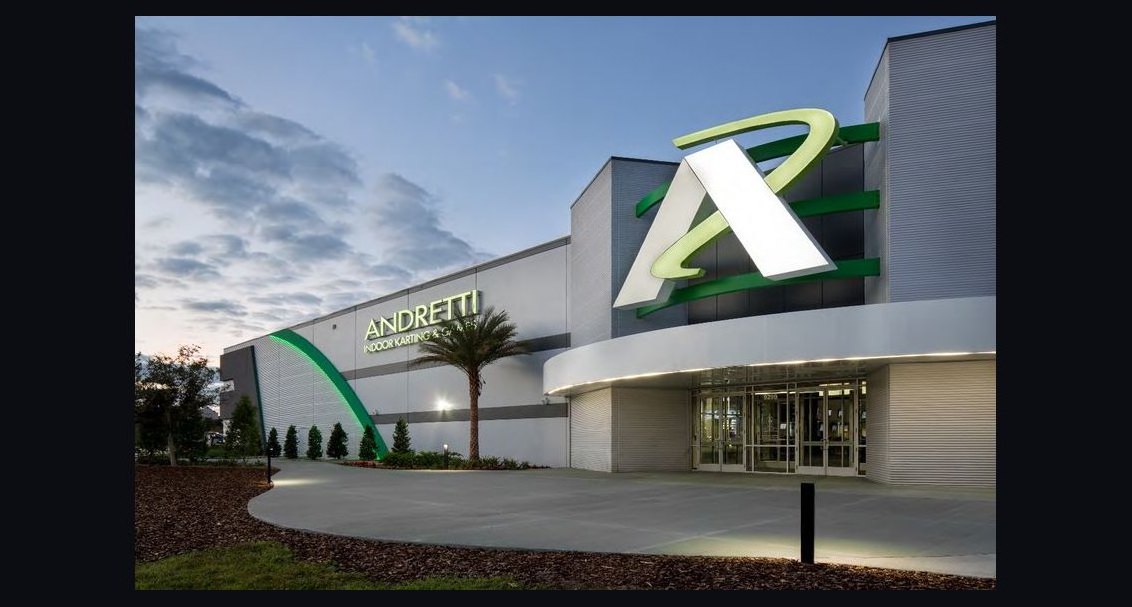 franchiseShould I open or buy an Andretti Indoor Karting franchise in 2027?
 franchiseShould I open or buy a Scooter's Coffee franchise in 2027?
 franchiseShould I open or buy a BrightStar Care franchise in 2027?
 franchiseShould I open or buy a 1-800-GOT-JUNK franchise in 2027?
 franchiseShould I open or buy an Expedia Cruises franchise in 2027?
 franchiseShould I open or buy a Great American Cookies franchise in 2027?
 franchiseShould I open or buy a Bibibop Asian Grill franchise in 2027?
 franchiseShould I open or buy a Sunright Tea Studio franchise in 2027?
 franchiseShould I open or buy a Garbanzo Mediterranean Fresh franchise in 2027?
 franchiseShould I open or buy a Maui Wowi franchise in 2027?