
Should I open or buy a Garbanzo Mediterranean Fresh franchise in 2027?
 Curated byKory White · Fractional CRO · Maryland
 PULSEKNOWLEDGE LIBRARY
Quality
Certified

Yes, if you want a moderate-capital entry into the fast-growing Mediterranean fast-casual category and can execute a build-your-own assembly-line model well. A Garbanzo Mediterranean Fresh franchise runs roughly $400,000-$850,000 all-in, with mature units grossing $700,000-$1,400,000 and owners clearing $80,000-$220,000. The catch: you're a mid-size brand competing against Cava's scale, so site selection and cost discipline decide your outcome more than the concept itself.
A Concrete Scenario: Weighing the Decision
Picture a regional operator who already runs two Chipotle-adjacent fast-casual concepts and is looking for a third brand to diversify into a category riding a genuine tailwind. They've watched Cava go public, watched Mediterranean grocery aisles expand at every regional chain, and now they're staring at a Garbanzo Mediterranean Fresh franchise disclosure document wondering whether this is the moment to plant a flag before the category gets fully saturated, or whether they're walking into a brand-awareness fight they can't win.
This is the realistic buyer profile for Garbanzo in 2027: not a first-time restaurant owner testing the waters, but someone with operating experience who understands assembly-line fast-casual economics and is evaluating whether a smaller, less-capitalized Mediterranean brand can still carve out defensible unit economics next to a category leader. The scenario matters because Garbanzo's pitch only works for a specific kind of buyer — someone who can execute tightly on food cost and labor, who has (or can quickly build) local marketing muscle since corporate support is thinner than at a larger chain, and who is targeting a trade area where Cava, The Simple Greek, or Luna Grill haven't already locked up the best real estate.
If that operator instead pictures themselves as a first-time, largely absentee investor hoping the Mediterranean trend alone carries the store, the calculus flips. Garbanzo's system, at roughly 40-50 units against Cava's 300+, doesn't have the purchasing leverage or brand pull to compensate for a disengaged owner. The franchise works when the operator becomes the differentiator — tight kitchens, fast lines, a fresh-baked-pita story the counter staff can actually sell, and a catering program the owner personally drives rather than waits on corporate to build. That single distinction — engaged operator versus passive investor — is the fork in the road for almost every 2027 Garbanzo decision, and it shapes every numbers question that follows.
How the Unit Economics Engine Actually Works
A Garbanzo Mediterranean Fresh unit is built around one mechanical idea: a linear assembly line (pita, protein, toppings, sauce) that lets a small crew move a high volume of customizable bowls, plates, pitas, and salads through the register quickly, while a wood-fired or deck pita oven supplies the differentiator ingredient in-house rather than trucking in frozen flatbread. Every dollar of revenue that hits that line then gets eaten by four buckets in a fairly predictable order: food cost, labor, occupancy, and royalty/ad/overhead — and what survives those four buckets is the owner's actual take-home.
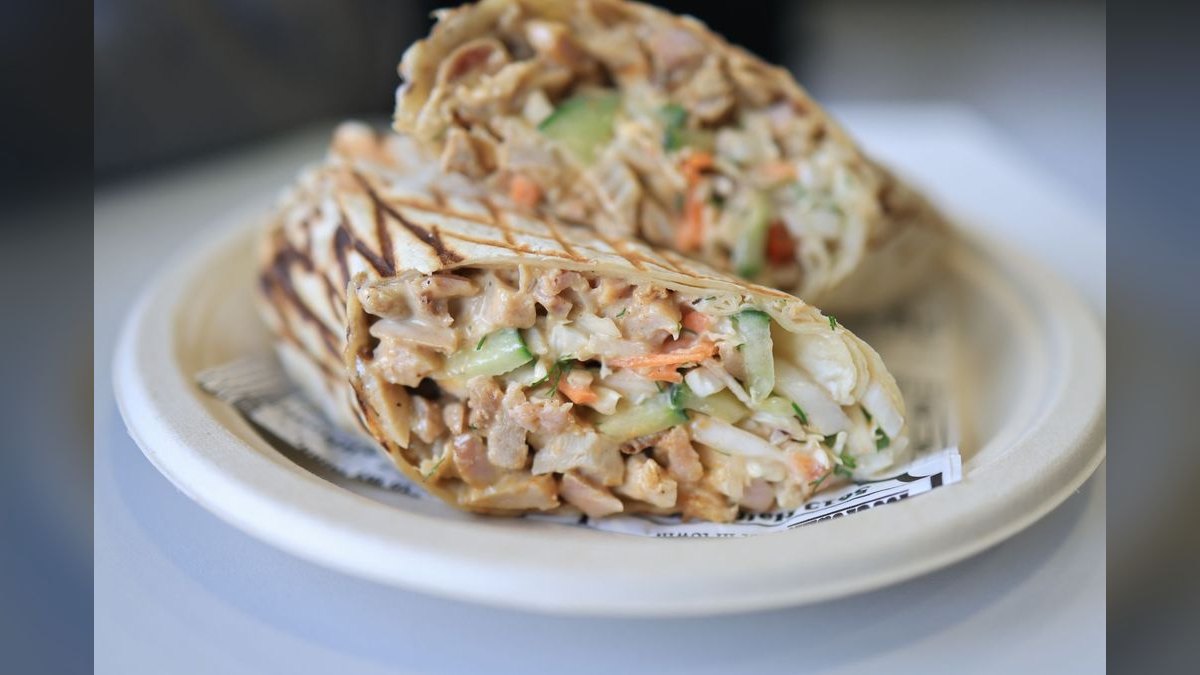
The mechanism is sensitive to two levers the franchisee actually controls day-to-day: portion discipline on proteins (the highest-cost ingredient category) and labor scheduling against the lunch/dinner curve, since Mediterranean fast-casual skews roughly 60/40 toward lunch. Get both right and the model produces a healthy EBITDA margin; get either wrong — over-portioning shawarma, or overstaffing a slow Tuesday dinner shift — and the same $1 million-AUV store can swing from a comfortable six-figure owner draw to a store that's barely cash-flow positive.
Catering sits outside this core loop as a bolt-on revenue stream, and it's the one lever franchisees consistently say is underused. Because catering trays use the same prep line and largely the same ingredients as the counter menu, incremental catering revenue drops to the bottom line at a materially better margin than walk-in traffic — but only if the owner builds the local B2B relationships (nearby offices, hospitals, universities) since corporate marketing support for catering is thin at Garbanzo's size relative to Cava.
The Real Numbers, Ranges, and Benchmarks
The 2026 FDD frames the investment as a $35,000 franchise fee against a total Item 7 range of roughly $400,000 to $850,000, with the spread driven almost entirely by real estate: buildout and leasehold work alone can run $220,000-$470,000 depending on whether you're converting an existing restaurant shell or building out raw suburban strip-center space. Equipment — the assembly line itself, the pita oven, POS, and back-of-house refrigeration — typically runs another $110,000-$230,000. Add signage, initial inventory, opening marketing, training and travel, and three months of working capital, and the full range holds together.
On the revenue side, mature stores (generally year three and beyond) land in the $850,000-$1,050,000 AUV band, while new stores commonly open at $600,000-$750,000 in year one as the trade area learns the brand. That ramp matters for cash planning: a new owner shouldn't underwrite their first 12 months against mature-store numbers. Royalty runs roughly 5%-6% of gross, with an additional 1%-2% ad fund, for a combined ~7% off the top before any local expense is paid.
Break-even timing is the number most first-time buyers underestimate. Most franchisees reach positive monthly cash flow by month 12-18, assuming no major construction delays, but recouping the full $400,000-$850,000 investment typically takes three to five years — meaningfully longer than a quick-service concept with a lower build cost, because Garbanzo's fresher, more labor-intensive model costs more to open and to run than a frozen-and-fry format. Multi-unit owners (two to three stores) consistently report better margins than single-unit operators, largely from shared management overhead and modest bulk-purchasing leverage, which is worth factoring in if you're capitalized to consider a second unit within 18-24 months of opening the first.
Franchisee turnover in the current FDD sits around 8%-12% over a three-year window — slightly above the fast-casual average of 6%-8%, a signal that a meaningful minority of operators are either underperforming on profitability or mismatched with the brand's operating demands. That's not disqualifying, but it's a data point worth raising directly with the franchisor and with existing operators during your Item 19 due diligence calls.
Trade-Offs Against Cava and Other Mediterranean Concepts
The single biggest strategic trade-off in choosing Garbanzo is scale. Cava's 300+ units give it national brand recognition, supply-chain leverage that keeps ingredient costs down, and marketing budgets no 40-50-unit system can match — Garbanzo operators typically pay 5%-10% more for comparable ingredients simply because the system can't negotiate the same volume contracts. What Garbanzo offers in exchange is a lower entry cost, materially less competition for prime real estate (Cava has already claimed many of the best trade areas in growth metros), and a fresh-baked-pita differentiator that customers consistently cite as a reason for repeat visits even against larger competitors.
That trade-off extends to franchisor support. Training runs four to six weeks at Denver headquarters plus in-store shadowing, and operators rate it around 7 out of 10 — solid, but not on par with larger systems like Chipotle or Cava that can afford deeper field-support teams. Field consultants visit two to four times per year rather than monthly, and while corporate is responsive to menu evolution (cauliflower rice bowls, vegan protein additions), local store marketing largely falls on the owner. If you're the kind of operator who wants a franchisor to hand you a fully built demand-generation engine, that gap is a real cost; if you're comfortable running your own local marketing and community outreach, it's a non-issue.

The alternatives worth weighing before signing include The Simple Greek, Roti Modern Mediterranean, Luna Grill, and Taziki's Mediterranean Cafe — all comparable build-your-own Mediterranean concepts at similar investment levels, each with its own regional footprint and franchisor support model, so it's worth requesting Item 19 data from at least two of them alongside Garbanzo's. Adjacent fresh-assembly-line categories like Salsarita's or Pancheros (fresh-Mex) use a structurally similar labor and cost model if Mediterranean specifically isn't the deciding factor for you. And for operators who want full creative and financial control with no royalty obligation, an independent Mediterranean concept remains on the table — you give up brand recognition and franchisor systems, but you keep 100% of the margin and total flexibility on menu and pricing.
Common Pitfalls and How to Avoid Them
The most common financial pitfall is underwriting the deal against mature-store AUV instead of the realistic year-one ramp. Buyers who model $1 million in year-one revenue based on a mature comp store, then hire and lease accordingly, routinely run into a cash crunch in months four through nine when actual sales land closer to $600,000-$750,000. The fix is straightforward: build your pro forma off the low end of the new-store range, hold six months of working capital beyond the FDD's suggested minimum, and treat any faster ramp as upside rather than the base case.

The second pitfall is site selection without a rigorous co-tenancy and demographic screen. Garbanzo performs best near grocery anchors (Trader Joe's, Whole Foods, Sprouts) or in lunch-heavy trade areas — office parks, medical campuses, universities — with 25,000+ daily vehicle counts and a median household income north of roughly $75,000. Signing a lease in a site that looks available and affordable, rather than one that scores well on those specific demand drivers, is the single most frequent reason franchisees cite for underperformance. Independent site verification — hiring a restaurant real estate consultant for a second opinion beyond the franchisor's own site package — typically costs $3,000-$5,000 and is cheap insurance against a 10-year lease mistake.
Third, food-cost creep catches operators who don't lock in supplier relationships early. Because Garbanzo lacks Cava's volume leverage, price increases on tahini, olive oil, and fresh produce hit franchisee margins faster and harder than they would at a larger chain. Operators who negotiate longer-term pricing agreements with regional produce and protein distributors in their first 90 days — rather than defaulting to the franchisor's suggested vendor list at spot pricing — consistently report tighter, more predictable food-cost percentages.

Fourth, treating catering as a someday project instead of a launch-day priority leaves real margin on the table. Franchisees who build a local catering contact list (nearby offices, hospitals, event venues) before opening day and pitch it hard in the first 90 days ramp catering revenue meaningfully faster than those who wait until the walk-in business stabilizes. Because catering runs through the same kitchen at a better margin, delaying it delays your fastest path to the EBITDA range that makes the investment work.
Finally, don't sign without independently interviewing at least eight current or former franchisees — not just the ones the franchisor introduces you to. Ask directly about actual AUV, real food and labor cost percentages, catering performance, and whether they'd sign the franchise agreement again today. The 8%-12% three-year turnover rate in the FDD means you're statistically likely to reach at least one operator who exited, and their reasons for leaving are often the clearest due-diligence signal available.
Related questions
How does Garbanzo Mediterranean Fresh compare financially to Cava for a new franchisee?
Garbanzo requires less capital and faces less site competition, but pays more for ingredients and gets less brand-driven foot traffic. Cava offers scale and awareness but limited franchise availability. The right choice depends on your capital and risk tolerance.
Is Mediterranean fast-casual still growing enough to support a new franchise in 2027?
The category has grown steadily for a decade on health and flavor trends, and Cava's public success validates continued consumer demand. Growth isn't guaranteed to continue at the same pace, so local market execution still determines individual store success.
What financing options work best for a $400,000-$850,000 franchise investment?
SBA 7(a) loans are the most common path for franchise buildouts in this range, typically covering 70%-90% of the project with the franchisee providing the remainder in liquid capital. Equipment leasing and landlord TI allowances can further reduce the cash needed upfront.
Should I open a single Garbanzo unit or plan for multi-unit development?
Multi-unit owners report better margins through shared management and bulk purchasing, but only after the first unit proves the model in your specific market. Most franchisors and lenders prefer seeing one profitable store before financing a second.
FAQ
How much capital do I need to open a Garbanzo Mediterranean Fresh franchise? The total investment range in the 2026 FDD is roughly $400,000 to $850,000, including a $35,000 franchise fee. Actual cost depends heavily on whether you're converting existing restaurant space or building raw square footage, so plan around the full range rather than the low end.
What are the typical sales and owner earnings? Mature units gross between $700,000 and $1,400,000 annually, with owner earnings typically in the $80,000 to $220,000 range after all expenses. New stores usually open closer to $600,000-$750,000 in year one before ramping to mature volume.
How does Garbanzo compare to Cava as a franchise opportunity? Cava has far more brand recognition, scale, and supply-chain leverage, while Garbanzo is a mid-size system with a similar build-your-own Mediterranean model at a lower entry cost and less competition for prime sites. You'll face a real uphill climb on brand awareness in most markets.
What are the ongoing franchise fees? Royalties run roughly 5% to 6% of gross sales, plus a 1%-2% advertising fee, for a combined ~7% off the top. These are standard for the fast-casual segment and should be built into your profit projections from day one.
How long does it take to open a Garbanzo franchise from signing to opening? Expect 6 to 12 months from signing the franchise agreement to opening day, depending on site selection, lease negotiation, permitting, and construction. Corporate support is available throughout, but the timeline is heavily dependent on your local permitting process.
Is catering worth prioritizing as a new Garbanzo franchisee? Yes — catering runs through the same kitchen at a better margin than walk-in traffic, but franchisees consistently say corporate marketing support for it is thin. Building your own local catering relationships in the first 90 days is one of the highest-leverage moves available to a new owner.
Sources
- https://www.entrepreneur.com/franchises/directory
- https://www.franchisebusinessreview.com
- https://www.qsrmagazine.com
- https://www.nrn.com
- https://www.ibisworld.com
- https://www.statista.com
- https://www.franchise.org
- https://www.technomic.com
- https://www.sba.gov/funding-programs/loans/7a-loans
Related on PULSE
- Should I open or buy a Taziki's Mediterranean Cafe franchise in 2027?
- Should I open or buy a Roti Modern Mediterranean franchise in 2027?
- Should I open or buy a Surcheros Fresh Mex franchise in 2027?
- Should I open or buy a CoCo Fresh Tea & Juice franchise in 2027?
- Should I open or buy an Oxi Fresh Carpet Cleaning franchise in 2027?
This page will be disappearing soon. Save it to your device for $1 — or read it free while it is here.
@Kory-White- · if Venmo asks, the last 4 of my number are 2012
This page is gone.
This one is off the shelf now. $1 keeps it on your phone for good — the whole page, pictures and diagrams included.
 franchiseWhat are the exact steps to open a franchise location, from signing the agreement to opening day in 2027?
 franchiseBest retail franchises to buy in 2027
 franchiseShould I open or buy a K9 Resorts Luxury Pet Hotel franchise in 2027?
 franchiseShould I open or buy a Roti franchise in 2027?
 franchiseShould I open or buy an Erie Construction franchise in 2027?
 franchiseShould I open or buy a BrightStar Care franchise in 2027?
 franchiseShould I open or buy a Rockin’ Jump trampoline park franchise in 2027?
 franchiseShould I open or buy a Bruster's Real Ice Cream franchise in 2027?
 franchiseShould I open a transmission repair business in 2027?
 franchiseShould I open or buy a Drama Kids franchise in 2027?