
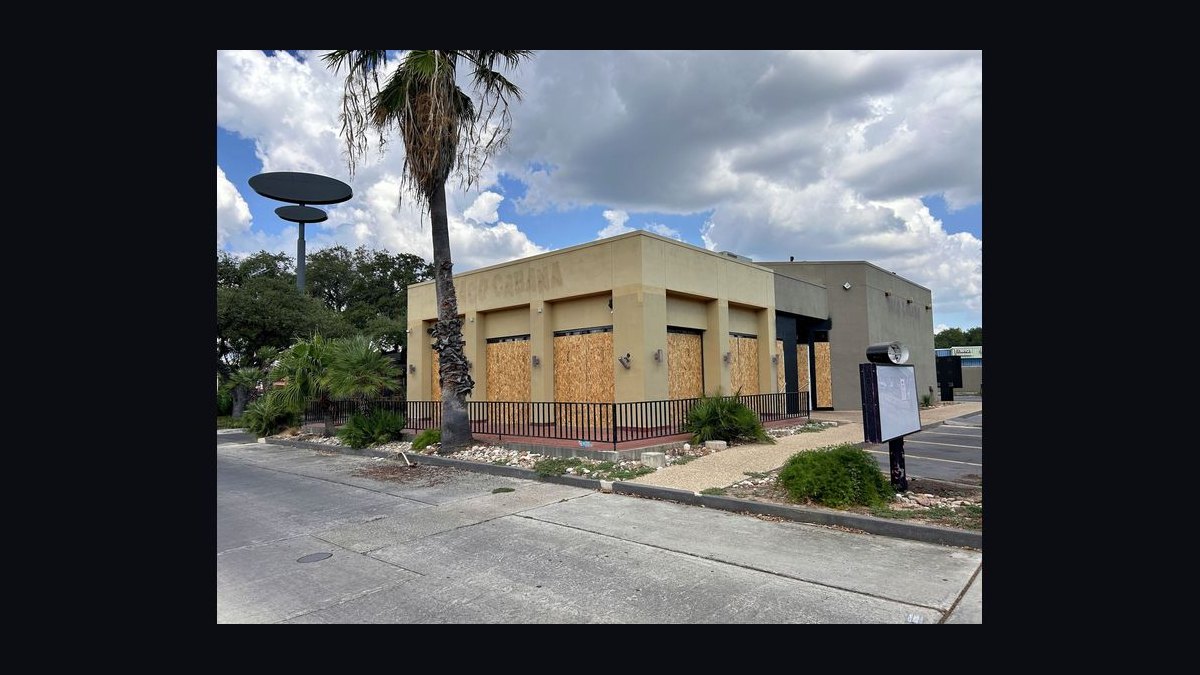
Should I open or buy a Taco Cabana franchise in 2027?
 Curated byKory White · Fractional CRO · Maryland
 PULSEKNOWLEDGE LIBRARY
Quality
Certified
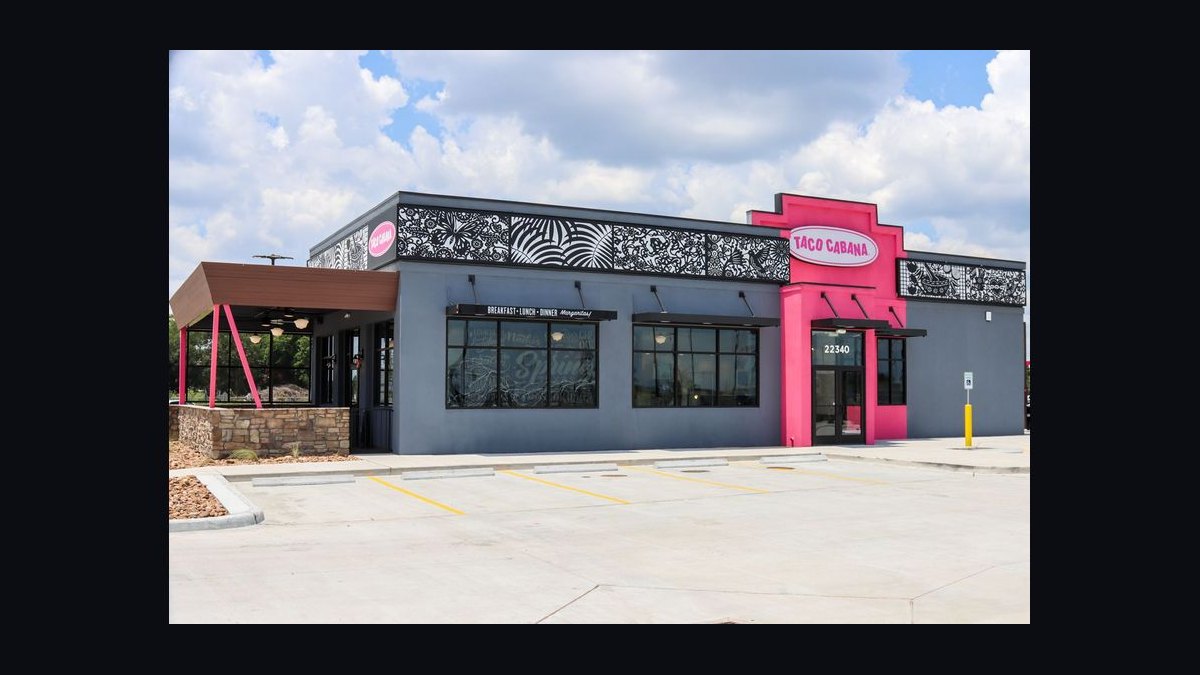
Treat Taco Cabana as a company-owned brand first, not a franchise opportunity: it has historically grown through corporate stores with only limited franchising, so availability — not economics — is your gating question. If corporate confirms no franchise in your market for 2027, pivot to an actively franchising Tex-Mex peer rather than waiting.
The outcome you should expect
If you pursue a Taco Cabana franchise in 2027, the realistic outcome depends almost entirely on one variable you cannot control: whether the brand is granting new franchises at all. Taco Cabana, founded in 1978 in San Antonio, built its identity around made-from-scratch Tex-Mex, fresh tortillas, breakfast tacos, margaritas, and the signature open-air patio. That model produces genuine customer loyalty in Texas and supports strong average unit volumes. But the same company that owns that loyalty has, across multiple ownership eras, kept the vast majority of its restaurants company-owned. That means the typical prospective buyer's experience is not "negotiate a franchise agreement" — it is "call corporate development and discover whether franchising is open, paused, or restricted to specific markets."
Assume, for planning purposes, that the answer is "limited or unavailable." Build your 2027 plan around that base case, and treat an available Taco Cabana franchise as the upside scenario rather than the default. Operators who invert this — who spend months on site selection and capital raises before confirming availability — lose the most time. The expected outcome for a well-capitalized, experienced full-service operator who confirms availability and secures a strong Texas site is a mature unit grossing roughly $1.2M to $2.5M annually with store-level EBITDA margins in the low-to-mid teens before royalties. The expected outcome for an under-capitalized buyer, or one outside the Texas footprint, or one who assumes franchising is readily available, is a stalled deal and sunk diligence costs.
Practically, that means your first thirty days should be a single-track investigation: confirm franchise availability in writing, confirm the current FDD exists and is being issued, and confirm which markets are open. Everything else — capital, real estate, staffing — is downstream of that answer.

What drives that outcome
Three forces determine whether a Taco Cabana franchise path works for you in 2027.
First, corporate ownership strategy. Taco Cabana has changed hands multiple times over its history, and each owner has taken a different view of franchising. Some restaurant groups use franchising to accelerate growth in new markets; others use it sparingly to protect brand consistency in a scratch-kitchen model that is hard to replicate. A made-from-scratch kitchen with a tortilla station, a bar program, and patio service is operationally harder to franchise than a streamlined fast-casual assembly line. That operational complexity is itself a reason a brand might keep franchising tight. You cannot infer 2027 policy from 2015 or 2020 behavior — you must ask directly and get it in writing.

Second, capital intensity. A Tex-Mex patio-cafe build is not a strip-mall fast-casual build. Covered patio structures, outdoor kitchen connections for the tortilla station, bar equipment, landscaping, and signage push total investment meaningfully higher. If your liquid capital is below roughly $300,000, the financing stack becomes fragile regardless of how good the unit economics look on paper.
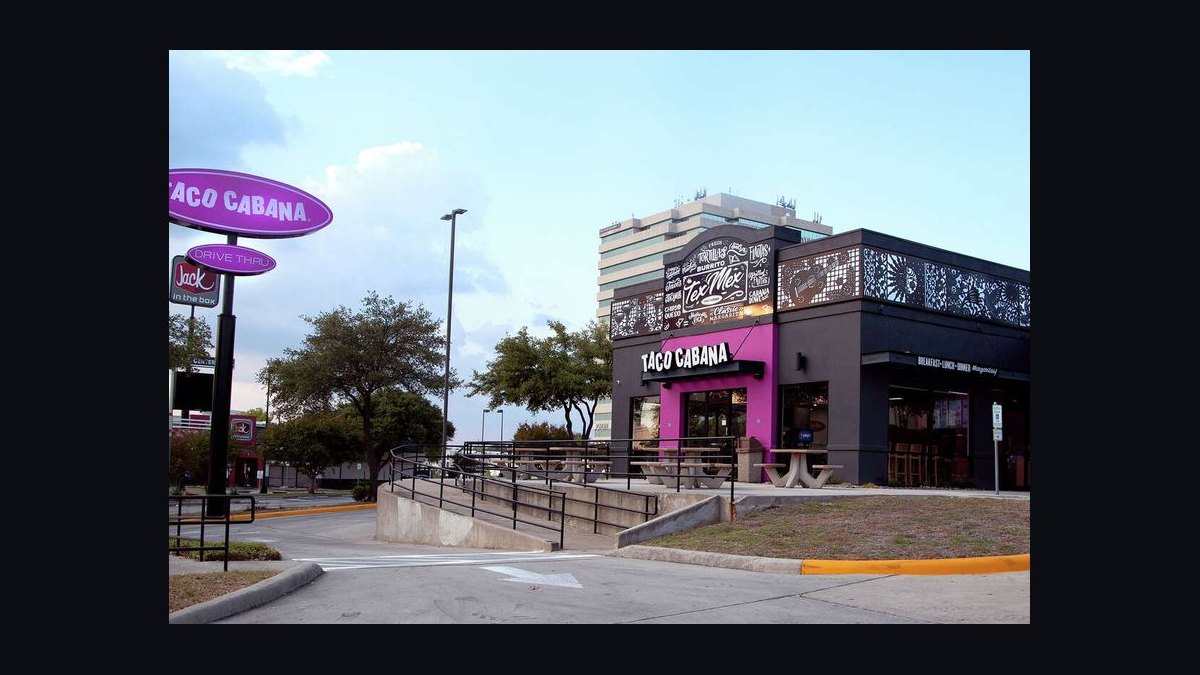
Third, market and site fit. The brand's loyalty is concentrated in Texas. Outside that footprint you are pioneering a market, which raises marketing spend and lengthens the ramp to mature volumes. Inside Texas, you are competing for sites against the brand's own corporate real estate team, which may have first pick of the best locations.
The decision tree above is deliberately blunt: the first node is a yes/no that kills or advances the entire project. Most prospective buyers skip it and start at node D.
Benchmarks and realistic ranges
Use these ranges for modeling, and replace every one of them with the actual figures from the current FDD the moment you have it in hand. Nothing below is a substitute for Item 19 and Item 20 disclosures.
Total initial investment. A Tex-Mex patio-cafe build comparable to Taco Cabana runs roughly $800,000 to $1,800,000 all-in. That breaks down across franchise fee (commonly in the $30,000 to $40,000 range where franchising exists), building and buildout ($450,000 to $1,000,000 including real estate or leasehold improvements), kitchen and bar equipment ($200,000 to $420,000), signage and decor ($30,000 to $100,000), initial inventory ($15,000 to $40,000), grand-opening marketing ($20,000 to $50,000), training and travel ($15,000 to $45,000), and working capital for the first three months ($60,000 to $150,000). Patio construction typically runs 15 to 25 percent above a standard fast-casual build because of the covered structure, outdoor utility connections, and landscaping.
Average unit volumes. Mature units commonly fall in the $1.2M to $2.5M range. The spread reflects location type (urban versus suburban), patio capacity, drive-thru presence, and tenure. First-year stores frequently underperform mature averages by a wide margin during the ramp.
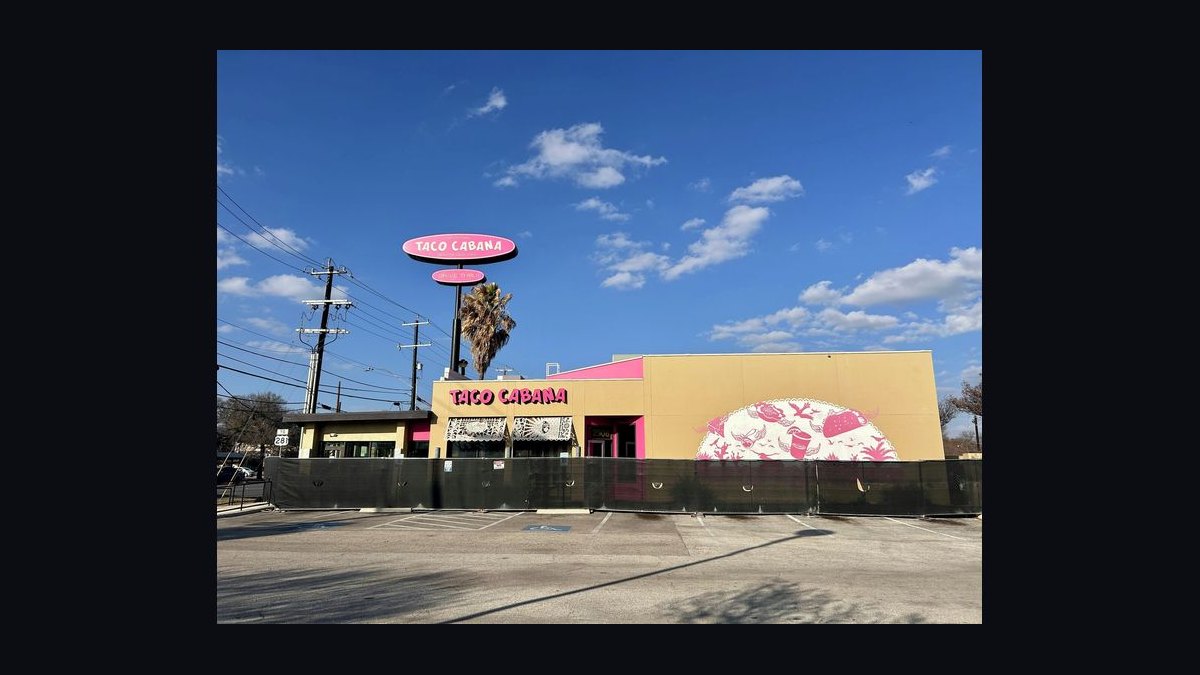
Cost structure. Food and packaging typically run 28 to 33 percent of sales. Labor runs 30 to 35 percent, higher than fast-casual because of scratch cooking, bar service, and patio staffing. Occupancy runs 8 to 12 percent. Royalty, where applicable, is often around 5 percent of gross sales with an additional 2 to 3 percent for national marketing.
Store-level profitability. After those costs, store-level EBITDA margins commonly land in the 12 to 18 percent range before royalty and marketing. Net profit to an owner-operator after all fees frequently falls in the 5 to 10 percent range for well-performing units. On a $1.8M unit, that is roughly $90,000 to $180,000 annually.
Payback. Given the capital range, payback typically runs four to seven years under normal conditions, longer if sales miss projections or construction slips.
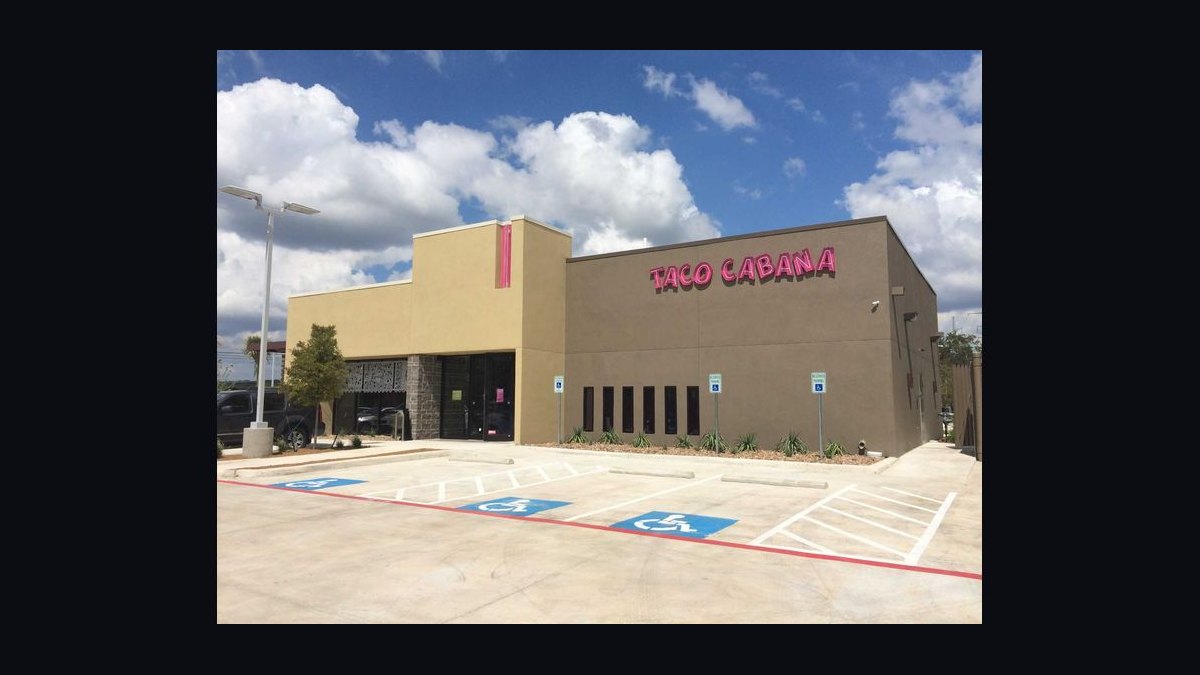
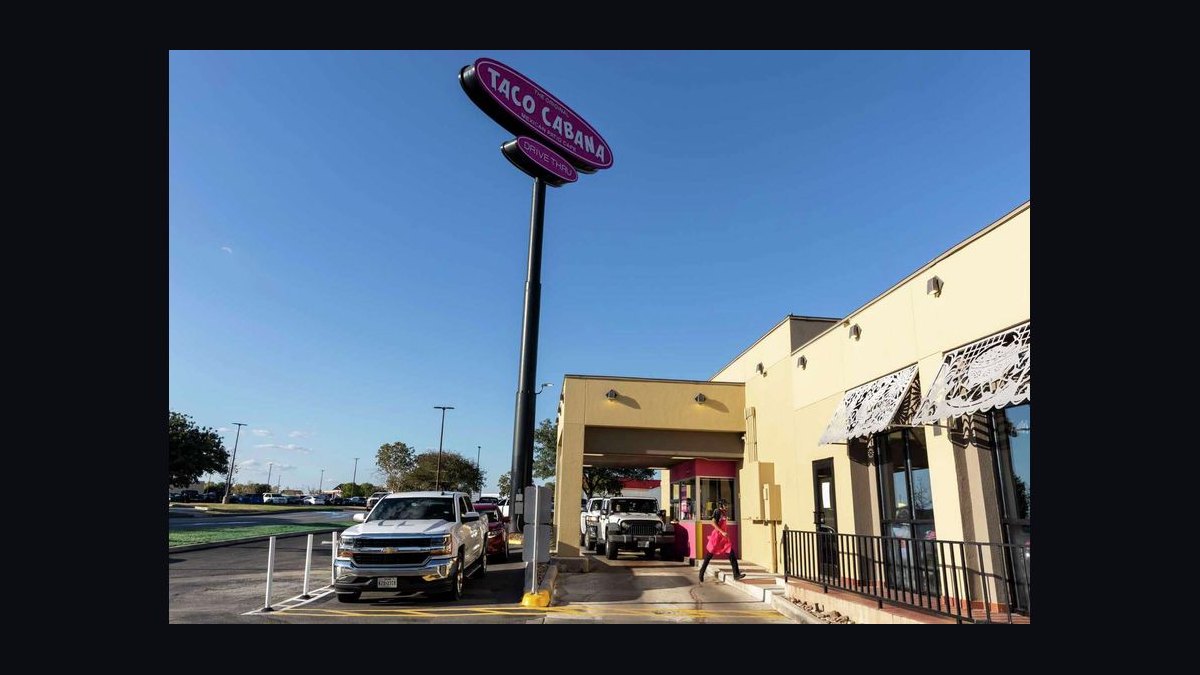
Real estate. Ideal sites run 2,500 to 3,500 square feet of interior plus 500 to 1,200 square feet of patio, with parking for 25 to 40 vehicles. In Texas growth corridors, triple-net leases can run $25 to $40 per square foot.
Risks, edge cases, and failure modes
The availability trap. The single most common failure mode is assuming the brand franchises because it has a recognizable name. Confirm in writing before spending a dollar on diligence. If corporate says franchising is paused, that is your answer for 2027.
The capitalization gap. A buyer with $200,000 liquid attempting an $800,000-plus build is one construction overrun away from a stalled project. Lenders underwrite restaurant builds conservatively, and a scratch-kitchen patio concept with no operating history in your market is a harder credit than a proven fast-casual prototype.
Operational underestimation. Scratch cooking means real kitchen labor, real training, and real food-cost discipline. A bar program means liquor licensing, inventory control, and liability exposure. A patio means weather, zoning, noise ordinances, and seasonal revenue swings. Buyers who have only run counter-service concepts routinely underestimate all three at once.
Geographic overreach. Outside Texas, brand awareness drops sharply. You carry the marketing cost of building recognition while paying royalty on sales you generated yourself.
Franchisee support stretch. In systems where corporate owns most units, support infrastructure is often sized for company stores, not a franchise network. Training may be solid but ongoing field support can be thin, and the franchisee community may be too small for useful peer benchmarking. Ask to speak with every current franchisee, not just the ones corporate recommends.
Small-sample benchmarking. With few franchise units, Item 20 outlet data and any Item 19 performance representation cover a small base. A single underperforming unit can distort the averages you are underwriting against.
Zoning and patio risk. Outdoor dining requires favorable local zoning, and some jurisdictions restrict amplified music, operating hours, or patio seating. A site that pencils on paper can fail at the permit counter.
A practical rollout plan
Days 1 to 30: Confirm the gate. Contact Taco Cabana corporate development directly and ask three questions in writing: Is the brand granting new franchises in 2027? Which markets are open? Is there a current FDD being issued? If the answer is no or unclear, stop and pivot to an actively franchising Tex-Mex or Mexican fast-casual brand. Do not proceed on verbal encouragement.
Days 31 to 60: Diligence the document. If a franchise is available, request the FDD and read Item 19 (financial performance representations), Item 20 (outlet information, including closures and transfers), and Item 21 (financial statements) line by line. Note how many franchise units exist, how many have closed, and how many transferred. A tiny base with high turnover tells a different story than a tiny base with long-tenured operators.
Days 61 to 90: Talk to operators. Interview every current franchisee, not a curated list. Ask about actual food and labor costs, real ramp time to mature volumes, corporate responsiveness, and what they wish they had known. Ask specifically whether they would sign again.
Months 4 to 6: Validate the market and the site. Confirm your target market's Tex-Mex demand, daytime breakfast traffic, and evening patio demand. Secure a site that meets the interior, patio, and parking requirements, and verify patio zoning and noise rules before signing a lease. Model the deal against the low end of the AUV range, not the high end.
Months 6 to 9: Assemble capital. Target at least $300,000 liquid plus financing for the full build range. Build a contingency of 10 to 15 percent on construction. Do not fund working capital from the same line as construction.
Months 9 to 12: Build, train, and open. Complete training at a company store, hire and train ahead of opening, and run a soft open to shake out the scratch kitchen and bar before a full grand opening. Track food cost, labor, and throughput weekly from day one.
Months 12 to 24: Ramp and measure. Compare actual performance against Item 19 benchmarks monthly. Diagnose misses by category — traffic, ticket, food cost, labor, occupancy — rather than treating underperformance as a single problem. Break-even commonly arrives between months 12 and 18 for well-executed openings.
If at any point the availability answer flips to no, the plan converts cleanly into a peer-brand rollout: same capital discipline, same site criteria, same operator interviews, different logo.
Related questions
Is Taco Cabana franchising new locations in 2027?
The brand has historically grown predominantly through company-owned restaurants, with only limited franchising. Availability changes with ownership strategy, so confirm directly with corporate development in writing before assuming a franchise is offered in your market.
How much capital do I need to open a Taco Cabana franchise?
Plan for a total investment of roughly $800,000 to $1,800,000 for a Tex-Mex patio-cafe build, with at least $300,000 liquid. Patio construction, bar equipment, and scratch-kitchen buildout push costs above standard fast-casual prototypes.
What revenue can a mature Taco Cabana unit generate?
Mature units commonly gross between $1.2 million and $2.5 million annually, depending on location type, patio capacity, drive-thru presence, and tenure. First-year stores typically run well below mature averages during the ramp.
What alternatives exist if Taco Cabana is not franchising?
Several Mexican and Tex-Mex brands actively franchise, including fast-casual and QSR concepts with more straightforward availability and larger franchisee networks. The capital and site criteria are similar; the difference is that franchising is an open channel.
Does Taco Cabana's patio model work outside Texas?
The brand's loyalty is concentrated in Texas. Outside that footprint you are building awareness from scratch while paying royalty on sales you generated, which lengthens the ramp and raises marketing spend.
FAQ
Should I open or buy a Taco Cabana franchise in 2027?
Confirm availability first — Taco Cabana has historically been predominantly company-owned with limited franchising. If a franchise is available in your market and you are an experienced, well-capitalized full-service operator, the strong unit volumes and patio differentiation are attractive. If it is not available, pursue an actively franchising Tex-Mex peer instead.
What is the single biggest risk with this path?
Assuming the brand franchises because it is well known. Availability, not unit economics, is the gating question. Buyers who spend months on site selection and capital raising before confirming availability lose the most time and money.
What ongoing fees should I expect?
Royalty and marketing terms are set in the current FDD. Restaurant royalties commonly run around 4 to 8 percent of gross sales, with marketing contributions often adding 1 to 3 percent. Verify the exact figures in your document.
How long until a new unit breaks even?
Well-executed openings commonly reach break-even between months 12 and 18. Payback on the full investment typically runs four to seven years under normal conditions, longer if sales miss or construction slips.
What should I verify in the FDD?
Read Item 19 for any financial performance representation, Item 20 for outlet counts, closures, and transfers, and Item 21 for financial statements. Then interview every current franchisee, not just the ones corporate recommends.
Does the scratch-kitchen and bar model change staffing?
Yes. Scratch cooking, bar service, and patio operations push labor to roughly 30 to 35 percent of sales, above typical fast-casual levels. Budget for more kitchen staff, a bar-trained team, and longer training before opening.
Sources
- Taco Cabana official site
- International Franchise Association
- Federal Trade Commission — Franchise Disclosure Documents
- U.S. Small Business Administration — Franchise business guide
- Nation's Restaurant News
- Restaurant Business Online
- Technomic
- IBISWorld — Mexican and Tex-Mex restaurants in the US
- Statista — US restaurant industry data
Related on PULSE
- [Should I open or buy a Taco Bueno franchise in 2027?](/knowledge/fr0946)
- [Should I open or buy a Velvet Taco franchise in 2027?](/knowledge/fr0407)
- [Should I open or buy a Fuzzy's Taco Shop franchise in 2027?](/knowledge/fr0405)
- [Should I open or buy a Wahoo's Fish Taco franchise in 2027?](/knowledge/fr0373)
- [Should I open or buy a Taco John's franchise in 2027?](/knowledge/fr0321)
- [Should I open or buy a Del Taco franchise in 2027?](/knowledge/fr0320)
This page will be disappearing soon. Save it to your device for $1 — or read it free while it is here.
@Kory-White- · if Venmo asks, the last 4 of my number are 2012
This page is gone.
This one is off the shelf now. $1 keeps it on your phone for good — the whole page, pictures and diagrams included.
 franchiseBest franchise opportunities for veterans in 2027
 franchiseShould I open or buy a Marco's Pizza franchise in 2027?
 franchiseShould I open or buy a Jet’s Pizza franchise or open an independent sandwich shop in 2027?
 franchiseShould I open or buy a Pickleball Kingdom franchise in 2027?
 franchiseShould I open or buy a Main Event Entertainment franchise in 2027?
 franchiseShould I open or buy a Dunkin' franchise in 2027?
 franchiseShould I open or buy a Cook Out franchise in 2027?
 franchiseShould I open or buy a Quick Quack Car Wash franchise in 2027?
 franchiseShould I open a flooring installation business in 2027?
 franchiseShould I choose an independent self-storage business or a franchise model in 2027?