


Best recession-resistant franchises to buy in 2027
Quality
Certified

Best recession-resistant franchises in 2027 are concentrated in property restoration and repair, auto maintenance, healthcare and senior care, tax and financial services, pest control, and value-priced retail and food — categories built on non-discretionary demand rather than consumer confidence. These franchises typically carry 2026-2027 FDD Item 7 investment ranges of $50,000 to over $1,000,000, royalties of 5%-15%, and demand that holds steady or rises when households cut discretionary spending elsewhere.
What it is and why it matters
A recession-resistant franchise is any concessional business model built around a need rather than a want — the purchase a household or company makes even when it is actively cutting its budget. The category exists because consumer spending does not contract uniformly in a downturn; it contracts selectively. Discretionary categories — fine dining, boutique fitness, leisure travel, luxury retail — get cut first and hardest, often 15%-30% in a moderate recession, because deferring them costs the household nothing beyond inconvenience. Non-discretionary categories behave differently. A flooded basement, a car that will not start, a parent who needs in-home care, a tax return that must be filed by April, or a termite infestation does not wait for the economy to improve, and in several of these categories the number of transactions can actually increase during a downturn as people repair instead of replace.
This is why "Best recession-resistant franchises" is a meaningfully different question from "best franchises" in general. The screening criterion is not profitability in isolation — plenty of discretionary concepts post strong unit economics in a healthy economy — it is the stability of the demand curve across economic cycles. Six categories pass that screen consistently. Property restoration and repair are driven by weather events and aging housing stock, both of which are indifferent to GDP. Auto maintenance benefits directly from a recession because consumers keep cars longer rather than buying new ones, pushing more vehicles past the 100,000-mile mark where repair frequency rises. Healthcare, urgent care, and senior care ride demographic tailwinds — the 65-plus population does not shrink because the stock market falls. Tax and financial services are mandatory by law and arguably counter-cyclical, since financial stress drives more households toward professional help and refund-advance products. Pest control and essential home trades (plumbing, electrical, HVAC) address health-and-safety problems that homeowners cannot legally or safely ignore. And value/discount retail and food are the clearest counter-cyclical case of all, because trading down from a full-price alternative is itself a recession behavior that expands this category's customer base.

The practical implication for a 2027 buyer is that category selection does roughly half the work of de-risking a franchise purchase before a single brand is even evaluated. The other half is brand- and unit-level diligence, which is where many buyers underinvest relative to the time they spend comparing categories.
The step-by-step process
Buying into a recession-resistant category does not change the mechanics of a franchise purchase — it changes what you weight at each step. The sequence below is the order experienced franchise consultants and attorneys recommend for 2027, with the recession-resistance lens applied at each stage.

Start by narrowing to a category, not a brand. Use the needs-versus-wants test: would this purchase still happen if the buyer's household income fell 20%? If yes, and especially if the service is insurance-funded, legally mandated, or health-and-safety driven, the category clears the first filter. From there, request the Franchise Disclosure Document (FDD) from two or three brands in that category and go straight to Item 19 (Financial Performance Representations) rather than the glossy overview materials — Item 19 is the only part of the document with audited or at least franchisor-represented unit economics. Next, build a franchisee call list: ask the franchisor for a complete list of current and former franchisees (not a cherry-picked reference list) and call at least eight to ten, prioritizing anyone who owned a unit through 2008-2010 or 2020-2021. Ask them directly what happened to revenue in those specific windows. After validation calls, build a downside pro forma that holds Item 19 average revenue 20% below the stated figure and checks whether the unit still services debt, pays royalty and rent, and leaves an owner draw. If the unit survives that stress test, move to financing — compare franchisor in-house financing, SBA 7(a) loans, and equipment leasing, since the terms differ meaningfully by category. Finally, secure a protected territory with demographic data that matches the category's demand drivers (older housing stock for restoration, higher median vehicle age for auto repair, higher 65-plus population share for senior care) before signing the franchise agreement.
Each gate in this sequence exists to catch a specific failure mode: skipping the franchisee calls means relying entirely on franchisor-provided numbers; skipping the downside stress test means discovering the unit's fragility only after signing; skipping the demographic validation means landing in a territory where the category's underlying demand driver simply does not exist.
Costs, timelines, and typical ranges
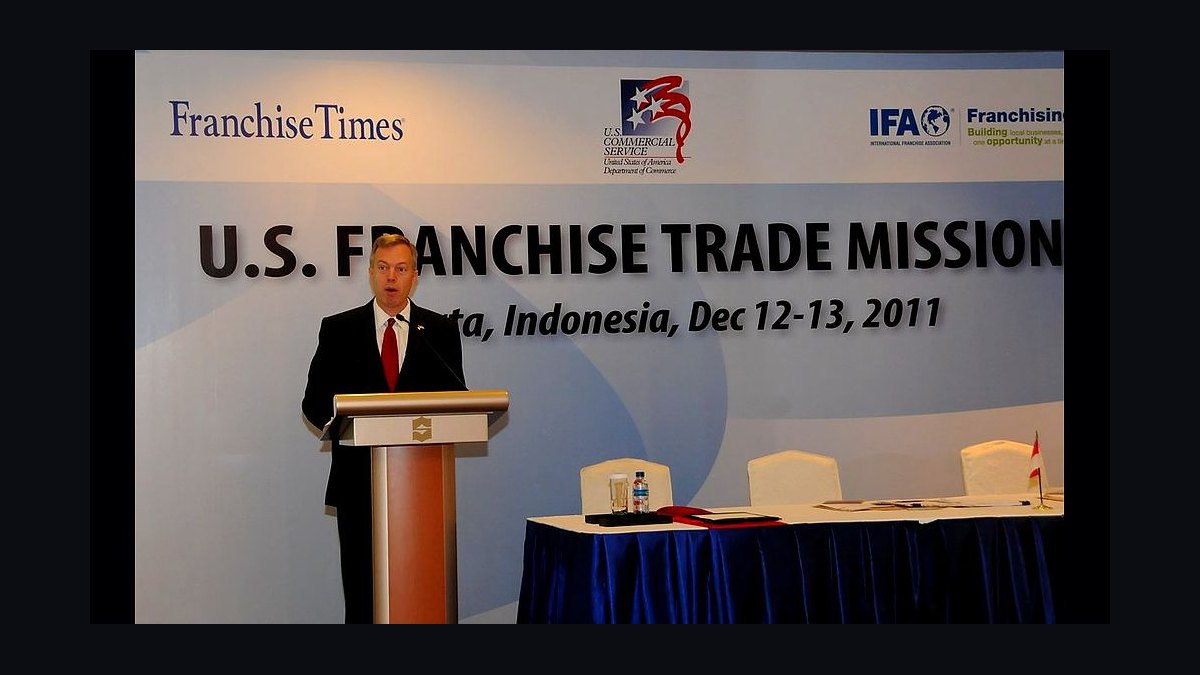
Investment ranges across recession-resistant categories vary more by format than by category label, so the headline range matters less than knowing which line items drive it. Property restoration and repair brands run $60,000-$250,000 in total initial investment per 2026-2027 FDDs, with royalties of 6%-10%; mobile or home-based restoration formats can come in as low as $50,000-$100,000 because they skip retail build-out, while brands requiring a warehouse and drying equipment fleet sit at the higher end. Auto maintenance and repair spans the widest range of any category here — $150,000 to $1,500,000 — because an express-lube or mobile-detailing model has minimal real estate needs while a full-service multi-bay shop requires land, lift equipment, and a larger technician roster; royalties run 5%-8%. Healthcare, urgent care, and senior care range from $50,000 for a home-based care-coordination or senior-placement model up to $500,000-plus for a licensed urgent-care clinic with medical equipment and clinical staff; royalties typically run 5%-9%. Tax and financial services are the cheapest entry point in the group, $30,000-$150,000, but carry the highest royalty rate of any category discussed here, commonly 14%-15% of gross, which is tolerable because the overhead is low and the model can be run seasonally. Pest control and essential home trades run $50,000-$300,000 for mobile/service fleets with royalties of 6%-10%, often supplemented by recurring quarterly-treatment contracts that smooth revenue.
Financing terms have become a meaningful differentiator in 2027. SBA 7(a) loans remain the primary funding vehicle for franchise buyers, with amounts from $50,000 to $5 million at roughly prime plus 2.25%-4.75%, and franchisors with SBA-preferred lender relationships can compress time-to-funding from the typical 90 days down toward 30 days. A number of property-restoration and home-service franchisors now offer direct financing covering 50%-80% of the initial franchise fee over 24-60 months at 6%-12% interest, and some senior-care brands waive the first year of royalty (otherwise 5%-7%) for franchisees committing to a multi-unit development schedule within 18 months. On working capital specifically: FDD Item 7 typically lists $20,000-$120,000 depending on category, and a brand asking for only $20,000-$40,000 in reserves — rather than the $80,000-$120,000 more conservative brands request — is signaling either a genuinely lean model or an undercapitalized one, so this line item deserves a direct question to the franchisor and to validation-call franchisees.
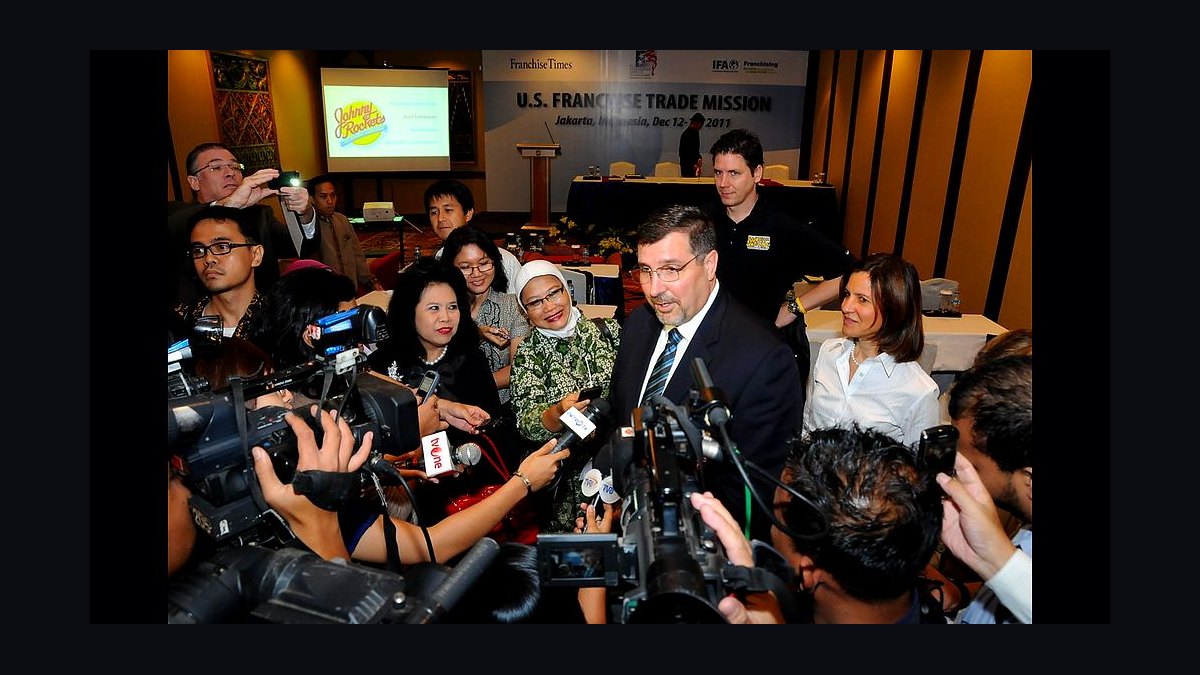
Timeline from signed franchise agreement to opening day runs roughly 4-6 months for a mobile or home-based service model (no build-out, minimal licensing) and 9-18 months for a brick-and-mortar urgent-care clinic or full-service auto shop requiring permitting, build-out, and clinical licensure.
Where teams get it wrong
The most common mistake is treating "recession-resistant category" and "recession-proof unit" as synonyms. Category resilience is a statistical tilt across hundreds of units in a brand's system; it says nothing about whether this specific unit, in this specific territory, with this specific operator, will survive a downturn. A poorly sited restoration franchise in a market already saturated with three competing restoration brands can fail in a recession just as easily as a discretionary concept, because the category-level data never accounted for local oversupply.
A second frequent error is skipping the franchisee validation-call step or only calling the two or three references the franchisor hand-selects. Those references are chosen because they are the system's strongest performers; they will not tell a buyer what the median unit experienced in 2008-2010 or 2020-2021. Buyers who ask the franchisor for the complete current and former franchisee list — which FDDs are required to include — and call a broader, self-selected sample consistently surface a more honest performance range, including unit closures the glossy materials omit.
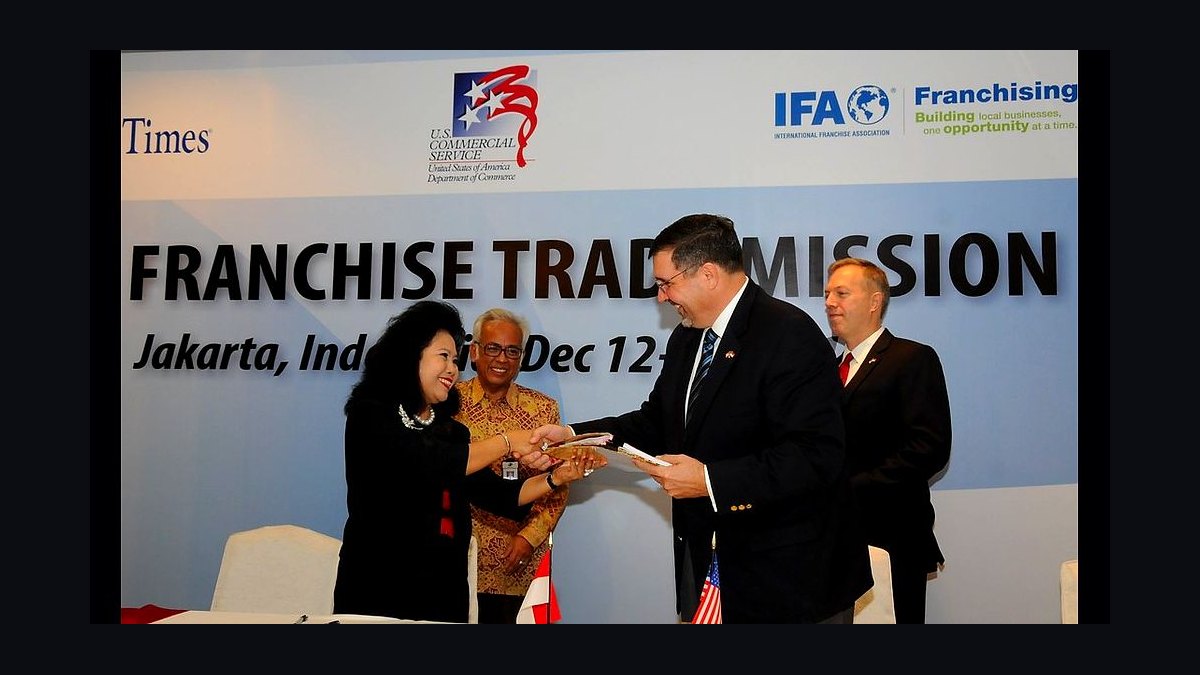
A third mistake is underestimating labor as the real constraint in trades-based categories. Pest control, HVAC, plumbing, and electrical franchises face a genuine technician shortage in most U.S. markets, which cuts both ways: it is a pricing-power moat once a franchisee has a trained crew, but it is also the single biggest reason new units miss their Item 19 projections in year one, because the pro forma assumed a staffing level the local labor market could not actually deliver on the opening timeline.
A fourth mistake is overleveraging the purchase using franchisor financing or SBA debt sized to the Item 19 average rather than the downside case, so that a unit performing even modestly below average cannot service debt. This is the direct consequence of skipping the stress-test step in the buying process above — it is cheap to run and routinely skipped under deal pressure.
Finally, many buyers confuse "non-discretionary" with "non-deferrable." Some essential services — a non-urgent handyman repair, a lawn treatment, a minor cosmetic auto repair — can be postponed for months even though the underlying need is real, and that deferral window is exactly what shrinks revenue in a downturn even within an otherwise resilient category. Insurance-funded restoration work and legally mandated tax filing are harder to defer than, say, an elective home-improvement project marketed by a franchise that otherwise looks like it belongs in the same category.
Decision framework: when to choose what
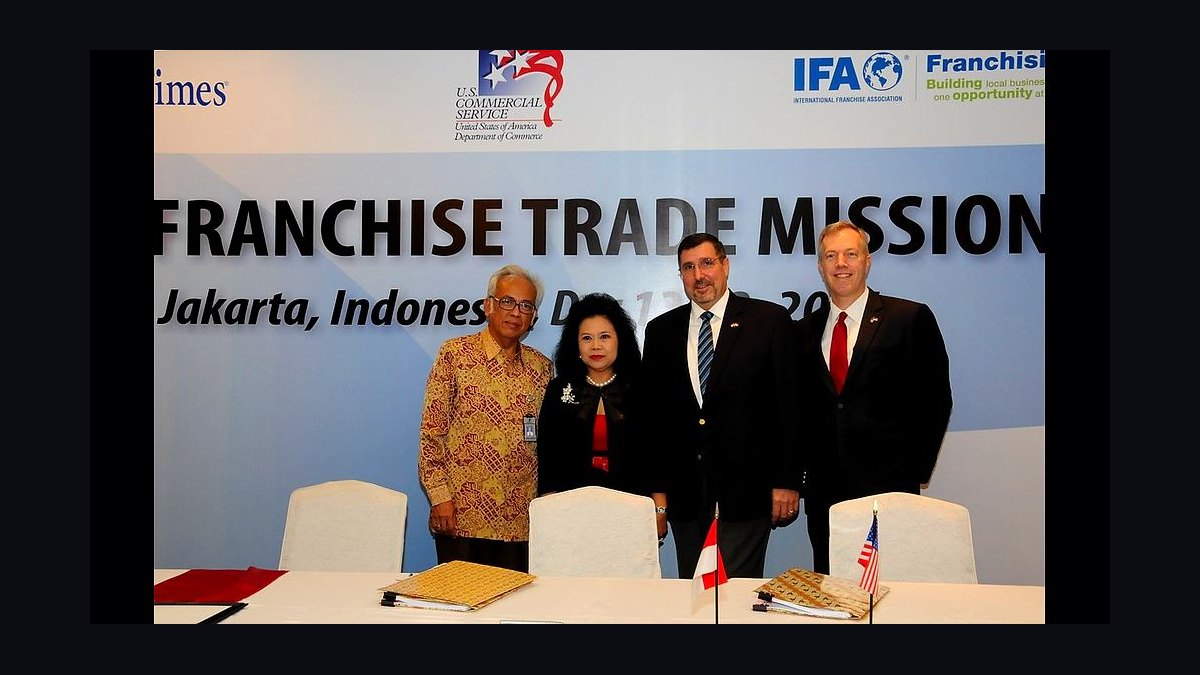
The right category and format depend on three buyer variables: available capital, risk tolerance, and whether the goal is a single lifestyle unit or a multi-unit development play. A buyer with $50,000-$150,000 in available capital and a preference for low fixed overhead is best matched to a home-based or mobile model — tax preparation, mobile auto detailing, home-based senior-care coordination, or a mobile restoration/cleaning franchise — because these formats eliminate rent and large equipment financing and can break even on a small weekly volume of jobs. A buyer with $150,000-$500,000 and a tolerance for managing a small crew is better matched to pest control, essential home trades, or a standard-format auto maintenance shop, where recurring contracts (pest) or non-deferrable repair demand (auto) support a team-based operation. A buyer with $500,000-plus and development ambitions — multiple units, a protected territory large enough to support area development — is best suited to urgent care, senior-care clinics with clinical staff, or multi-bay auto service, categories where scale and reputation compound across units in a way a single mobile unit cannot replicate.
Risk tolerance should also steer the choice between "stable demand" categories (healthcare, restoration, auto) and "counter-cyclical" categories (value retail, discount food, tax prep with refund-advance products), since the latter can outperform in a downturn but also carries more operational intensity — inventory, perishables, or seasonal staffing — that a buyer must be prepared to manage.
Related questions
Is a recession-resistant franchise completely safe from failure? No. Category resilience is a statistical tendency across a franchise system, not a guarantee for a single unit. Local oversupply, weak operators, and bad site selection can still sink a unit in a recession-resistant category.
Which recession-resistant category has the lowest startup cost? Tax and financial services typically start around $30,000-$150,000, and home-based or mobile service models in other categories (restoration, auto detailing, senior care) can start near $50,000-$100,000.
Can a recession-resistant franchise be run part-time? Some home-based or seasonal models (tax prep, certain lawn and home-maintenance brands) allow flexible schedules, but most trades and healthcare categories require full-time operator involvement to maintain licensing and service quality.
Do recession-resistant franchises still need SBA financing? Yes — SBA 7(a) loans remain the dominant funding source across all six categories in 2027, with amounts from $50,000 to $5 million at roughly prime plus 2.25%-4.75%.
FAQ
What makes a franchise recession-resistant? A recession-resistant franchise sells a service or good tied to a genuine, recurring need rather than discretionary spending — property damage repair, vehicle maintenance, medical and senior care, tax filing, and pest control are the clearest examples, because demand for each persists or rises during an economic downturn.
How much does it cost to start a recession-resistant franchise in 2027?
Initial investment ranges from roughly $30,000 for a lean tax-preparation franchise to over $1,000,000 for a full-service auto repair or clinical healthcare format, with royalties generally between 5% and 15% of gross revenue depending on the category and overhead structure.
How do I verify a franchise's recession resistance before buying? Pull the FDD's Item 19 financial performance representations, call a broad, self-selected sample of current and former franchisees (not just franchisor-provided references) about their revenue during 2008-2010 and 2020-2021, and build a pro forma stress-tested at 20% below the stated average.
Which category is most counter-cyclical rather than just stable? Value and discount retail, discount food, and tax-preparation services with refund-advance products are the clearest counter-cyclical cases — each can gain customers specifically because of financial stress, rather than merely holding steady through it.
What's the biggest financing risk in these categories? Sizing debt to the Item 19 average rather than a downside scenario. A unit financed to carry debt service at average projected revenue can become insolvent quickly if actual performance comes in even modestly below that average.
Does labor availability affect recession resistance? Yes, especially in trades-based categories like pest control, HVAC, and plumbing. A technician shortage can prevent a new unit from hitting its staffing-dependent revenue projections even when category-level demand is strong and stable.
Sources
- https://www.sba.gov/funding-programs/loans/7a-loans
- https://www.ftc.gov/business-guidance/resources/franchise-rule-compliance-guide
- https://www.franchise.org
- https://www.census.gov/programs-surveys/acs
- https://www.irs.gov/tax-professionals
- https://www.bls.gov/ooh/
- https://www.entrepreneur.com/franchises
- https://www.franchisedirect.com
Related on PULSE
This page will be disappearing soon. Save it to your device for $1 — or read it free while it is here.
@Kory-White- · if Venmo asks, the last 4 of my number are 2012
This page is gone.
This one is off the shelf now. $1 keeps it on your phone for good — the whole page, pictures and diagrams included.
 pulse-franchisesBest fast-casual food franchises to buy in 2027
 pulse-franchisesBest sandwich and sub franchises to buy in 2027
 pulse-franchisesHow much do franchise royalties and fees really cost in 2027?
 pulse-franchisesBest storage and self-storage franchises to buy in 2027
 pulse-franchisesWhat does Item 19 of an FDD really tell you about franchise earnings in 2027?
 pulse-franchisesShould I open or buy a Super 8 franchise in 2027?
 pulse-franchisesBest printing, signs, and business-services franchises to buy in 2027
 pulse-franchisesWhat is a semi-absentee franchise and which ones work best in 2027?
 pulse-franchisesBest smoothie and juice-bar franchises to buy in 2027
 pulse-franchisesBest home-based franchises to start in 2027