
Should I open or buy a Whataburger franchise or open an independent sandwich shop in 2027?
 Curated byKory White · Fractional CRO · Maryland
 PULSEKNOWLEDGE LIBRARY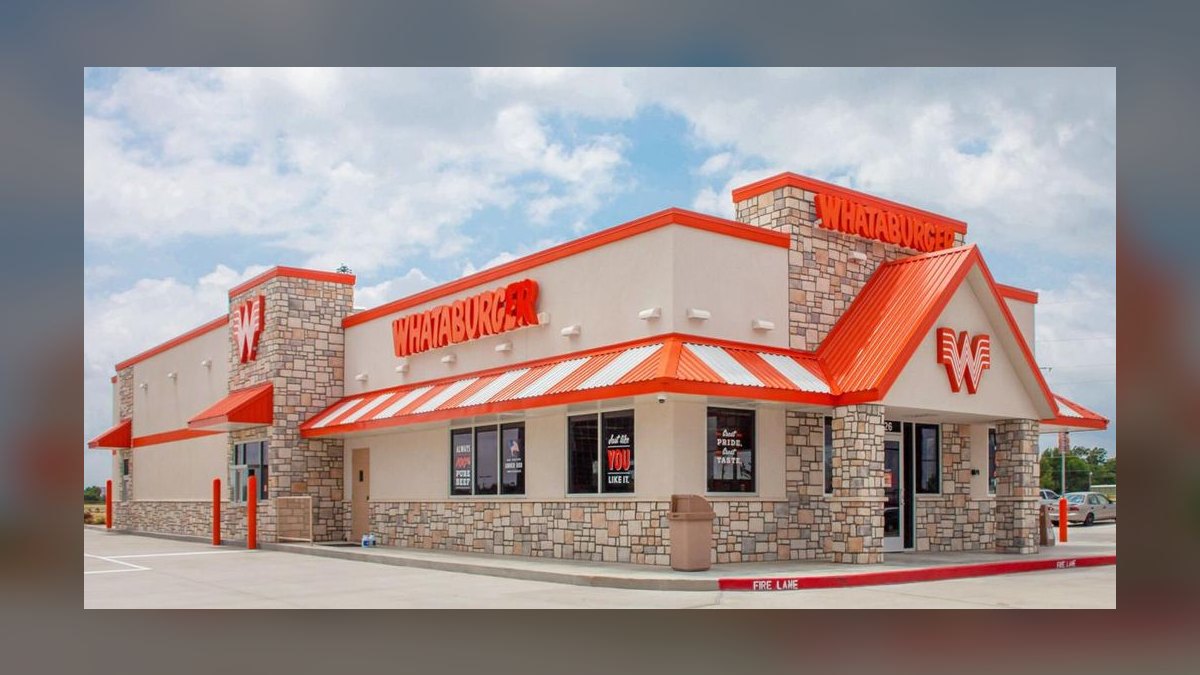
For 2027, buying a Whataburger franchise is not a realistic path for a new operator — Whataburger has kept its franchise program essentially closed to newcomers since the early 1990s, operating instead through existing franchise groups and company-owned units. An independent sandwich shop is the open, controllable option: lower entry cost, no brand approval process, but you take on all the marketing, systems, and demand-generation work a franchise would otherwise hand you.
What it is and why it matters
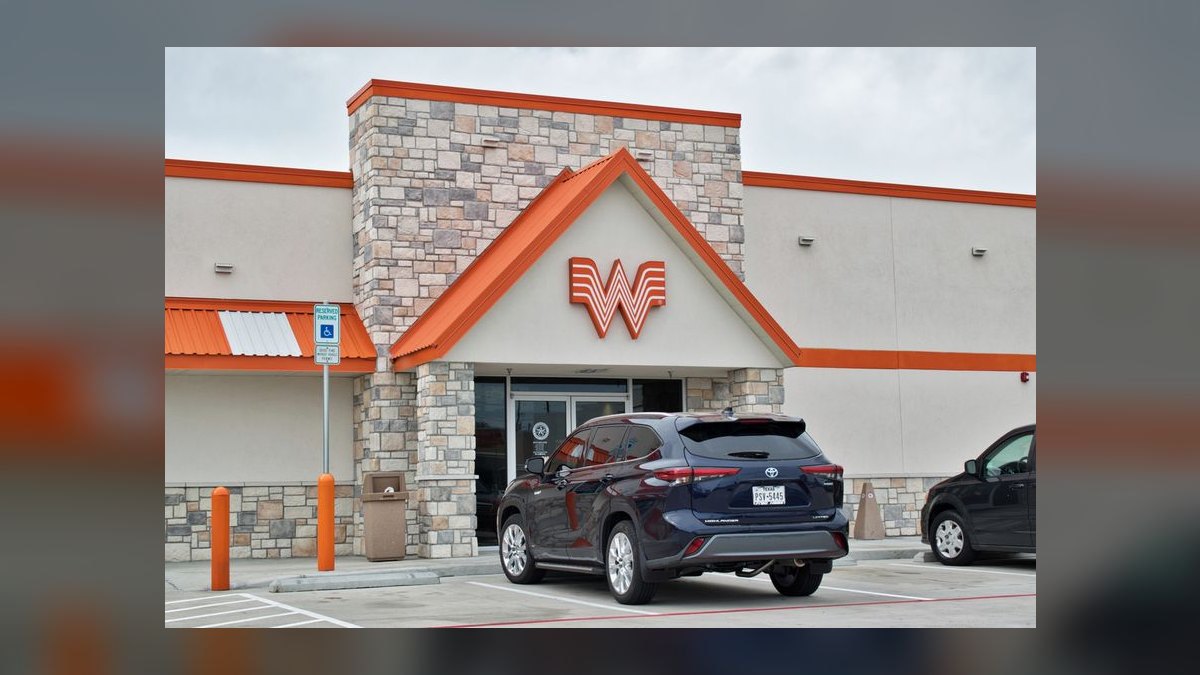
The question sounds like a simple franchise-versus-independent decision, but with Whataburger specifically it collapses into a much narrower one, because the franchise side of the comparison barely exists for a new entrant. Whataburger was founded in Corpus Christi in 1950 and did franchise selectively through the late 1980s, but since the early 1990s the company has not run an open application process for individual, first-time franchisees the way brands like a sandwich-shop franchisor do. Existing Whataburger locations are largely company-operated or held by a small number of legacy multi-unit franchise groups, some of them family operators who have held territory for decades. In 2019, BDT Capital Partners took a majority stake in Whataburger from the founding Dobson family, and ownership consolidated further around that private-equity-backed structure — the trend has been toward company ownership and large-scale operator groups, not toward opening the door to solo first-time franchisees. So if your mental model is "I fill out a franchise disclosure document, pay an initial fee, and open a Whataburger," that path does not currently exist in the way it does for many other quick-service brands. This matters enormously for how you should be evaluating your options in 2027: you are not really choosing between two available franchise-style opportunities, you're choosing between chasing a closed door (Whataburger) and walking through an open one (an independent sandwich shop, or a franchise from a brand that is actually recruiting operators). Understanding that distinction up front saves you months of wasted outreach, unanswered franchise-inquiry forms, and false hope built on outdated blog posts that assume Whataburger operates like a normal franchisor. The practical decision most people in your position actually face is: independent sandwich shop, versus a franchise in the sandwich or burger category from a brand that is actively selling territory — Jersey Mike's, Firehouse Subs, Jimmy John's, and several others in the sandwich space have real, functioning franchise-development pipelines, while Whataburger's is not one of them for someone starting from zero.
The step-by-step process
If you pursue the independent sandwich shop route, the sequence is fairly standard for restaurant formation, but each step carries decisions that a franchise would otherwise make for you. First comes concept definition — menu, price point, service format (counter-service, fast-casual, drive-thru-only, or a hybrid), and positioning relative to nearby competitors. Second is site selection and lease negotiation, which for an independent operator means doing your own demographic and traffic-count analysis rather than relying on a franchisor's real-estate team. Third is financing: independent operators typically stitch together an SBA 7(a) loan, personal savings, and sometimes a local bank relationship, since there's no franchisor-backed lending program to lean on. Fourth is build-out and permitting — health department approval, fire marshal sign-off, signage permits, and equipment installation, all of which you or a hired general contractor manage directly instead of following a franchisor's prototype plans. Fifth is systems creation: recipes, portion specs, a POS setup, supplier relationships for bread, meat, and produce, and a training manual — all built from scratch rather than handed to you in an operations manual. Sixth is staffing and pre-opening training, and seventh is a soft-open period followed by a public launch with local marketing. A franchise route compresses several of these steps because the franchisor supplies site-selection criteria, a proven build-out spec, negotiated supplier pricing, and a training curriculum — which is exactly what you'd be giving up by defaulting to independent, and exactly what you can't currently get from Whataburger as an outside applicant.
Costs, timelines, and typical ranges
Cost structures diverge sharply between the two paths. An independent sandwich shop in a modest-sized commercial space commonly runs from roughly $150,000 on the very lean end (small footprint, used equipment, minimal build-out) up to $500,000 or more for a full ground-up build with a drive-thru, with the bulk of variation driven by square footage, whether you're building a shell space or converting an existing restaurant, and local construction costs. Ongoing costs include rent (often quoted as a percentage of gross sales plus base rent in a percentage lease), food cost typically targeted in the low-to-mid 30% range of revenue for a well-run sandwich concept, and labor cost that competes with food cost for the largest line item — many operators aim to keep the combined "prime cost" (food plus labor) under roughly 60-65% of sales to leave room for rent, utilities, and profit. Timeline from signed lease to opening day for an independent shop commonly runs six to twelve months, driven mostly by permitting delays and build-out scheduling rather than by the cooking concept itself. A sandwich-category franchise that is actively recruiting typically requires an initial franchise fee in the tens of thousands of dollars, an ongoing royalty in the mid-single-digit percent of gross sales, and a marketing fund contribution on top of that, with total initial investment ranges published in the brand's Franchise Disclosure Document (FDD) — that FDD is the one document you should insist on reading in full, since it legally must disclose average unit volumes, failure rates, and litigation history for existing franchisees. Because Whataburger does not run an open FDD-based recruitment process for new single-unit franchisees, there is no comparable published disclosure to point to for a 2027 applicant, which itself is a signal about how narrow that door actually is.
Where teams get it wrong
The single most common mistake is treating "Whataburger" as a live franchise opportunity because the brand is large, beloved in Texas and the Southeast, and superficially resembles other burger and sandwich franchises that do sell territory. People spend months researching Whataburger franchise costs, reach out through general contact forms, and get no meaningful response, when a quick check of the brand's actual franchisee structure would have redirected that energy toward brands that are genuinely growing through franchise sales. A second mistake, once someone pivots to independent, is underestimating how much of a franchise's value is in demand generation rather than operations — an independent shop has to build brand awareness from zero in a market where a national or regional chain already has top-of-mind recall, loyalty app users, and a marketing budget you can't match. Third, undercapitalization is chronic in independent restaurant launches: operators budget for build-out and opening inventory but not for the three-to-six months of negative cash flow that almost every new restaurant experiences before word-of-mouth and repeat customers stabilize revenue, and running out of working capital in month four is a far more common failure mode than a bad menu or bad location. Fourth, people conflate "franchise" with "safe" and "independent" with "risky" without checking the actual failure-rate data disclosed in a target brand's FDD — some franchise systems have unit-closure rates that rival independent restaurants, so the FDD's Item 20 (outlet counts and status over the past three years) matters more than the brand's name recognition. Fifth, on the independent side, founders frequently skip a real trade-area analysis and pick a location based on personal familiarity rather than traffic counts, competitive density, and daypart demand, which is exactly the kind of judgment a franchisor's real-estate team would normally have vetted.
Decision framework: when to choose what
The choice comes down to three variables: how much you value a proven, replicable system versus creative control; how much capital and risk tolerance you have; and how strong your own marketing and operating instincts already are. If you want a business where most major decisions — menu, pricing, supply chain, build-out spec — are already made for you and validated across hundreds of units, and you're comfortable paying an ongoing royalty for that certainty, an actively-recruiting sandwich franchise (not Whataburger, which isn't recruiting) is the better fit; read several FDDs side by side, talk to at least five to ten existing franchisees off the brand's referral list, and specifically ask about actual unit economics versus the item 19 financial performance representation. If you want full control over concept, pricing, and menu, are willing to build every system from scratch, and have both the capital reserve for an extended ramp-up period and either restaurant operating experience or a strong operating partner, an independent sandwich shop is the better fit, and 2027 timing is workable as long as your local market isn't already saturated with sandwich concepts. If your actual goal was specifically to be inside the Whataburger brand — because of regional loyalty, family history with the chain, or its cult following — the realistic paths are acquiring an existing multi-unit Whataburger franchise group (a capital-intensive M&A-style transaction, not a startup franchise purchase) or pursuing a corporate role, neither of which resembles opening a single new unit as an outside applicant.
Related questions
Does Whataburger franchise to new individual owners in 2027?
No — Whataburger has not run an open franchise-recruitment program for new single-unit operators since the early 1990s; existing units are mostly company-owned or held by legacy multi-unit groups.
How much does it cost to open an independent sandwich shop?
Commonly $150,000 to $500,000+, depending on square footage, whether you build out a shell space, and local construction costs; ongoing food and labor together often target under 60-65% of sales.
What sandwich franchises are actively recruiting franchisees?
Brands like Jersey Mike's, Firehouse Subs, and Jimmy John's run standard FDD-based recruitment; investment ranges and royalty structures are published in each brand's disclosure document.
Is buying an existing Whataburger franchise group possible?
Only through acquiring an existing multi-unit franchisee's business, which is a capital-intensive transaction closer to M&A than a typical franchise purchase.
How long does it take to open an independent restaurant?
Typically six to twelve months from signed lease to opening day, with permitting and build-out scheduling as the main drivers of delay.
FAQ
Can I apply directly to Whataburger to open a new franchise location in 2027? There is no standard open application process for new single-unit franchisees; the brand operates primarily through company-owned units and a limited number of existing multi-unit franchise groups.
Is an independent sandwich shop cheaper to open than a franchise? Often yes on upfront fees, since there's no franchise fee or royalty, but you also lose franchisor-negotiated supplier pricing and a proven build-out spec, which can offset some of the savings.
What's the biggest risk with going independent? Undercapitalization during the ramp-up period — most new restaurants run at a loss for several months before demand and repeat visits stabilize revenue, and running out of working capital is a leading cause of early closure.
Should I read a franchise's FDD before signing anything? Yes, always — the Franchise Disclosure Document legally must include fee structures, average unit volumes (Item 19, if provided), and outlet closure history (Item 20), which are the clearest signals of real-world performance.
Does brand recognition guarantee a franchise will succeed over an independent shop? No — some well-known franchise systems have unit-closure rates comparable to independent restaurants, so disclosed performance data matters more than name recognition alone.
If Whataburger isn't recruiting, what's the closest alternative brand experience? Other regional or national burger and sandwich franchises with active recruitment pipelines offer a similar quick-service format and proven systems, even if the specific brand and menu differ from Whataburger's.
Sources
- https://www.whataburger.com/company/about
- https://www.ftc.gov/business-guidance/resources/franchise-rule-compliance-guide
- https://www.sba.gov/business-guide/plan-your-business/franchise-businesses
- https://www.ibisworld.com
- https://www.franchisedirect.com
- https://www.restaurant.org
- https://www.qsrmagazine.com
- https://www.entrepreneur.com/franchises
Related on PULSE
- How much working capital should a new restaurant reserve before opening?
- What should I look for in a franchise disclosure document before signing?
- Independent restaurant vs. franchise: which has better long-term margins?
- How do I evaluate a trade area before signing a restaurant lease?
- What's a realistic prime cost target for a quick-service concept?
- How do multi-unit franchise acquisitions typically get financed?
 franchiseShould I open or buy a Hardee’s franchise or open an independent sandwich shop in 2027?
 franchiseShould I open or buy a Krystal franchise or open an independent sandwich shop in 2027?
 franchiseShould I open or buy a Rally's franchise or open an independent sandwich shop in 2027?
 franchiseShould I open or buy a White Castle franchise or open an independent sandwich shop in 2027?
 franchiseShould I open or buy a Five Guys franchise or open an independent sandwich shop in 2027?
 franchiseShould I open or buy a Smashburger franchise or open an independent sandwich shop in 2027?
 franchiseShould I open or buy a Sonic Drive-In franchise or open an independent sandwich shop in 2027?
 franchiseShould I open or buy a Bojangles franchise or open an independent sandwich shop in 2027?
 franchiseShould I open or buy an Arby's franchise or open an independent sandwich shop in 2027?
 franchiseShould I open or buy a Zaxby's franchise or open an independent sandwich shop in 2027?