
Should I open or buy a Five Guys franchise or open an independent sandwich shop in 2027?
 Curated byKory White · Fractional CRO · Maryland
 PULSEKNOWLEDGE LIBRARY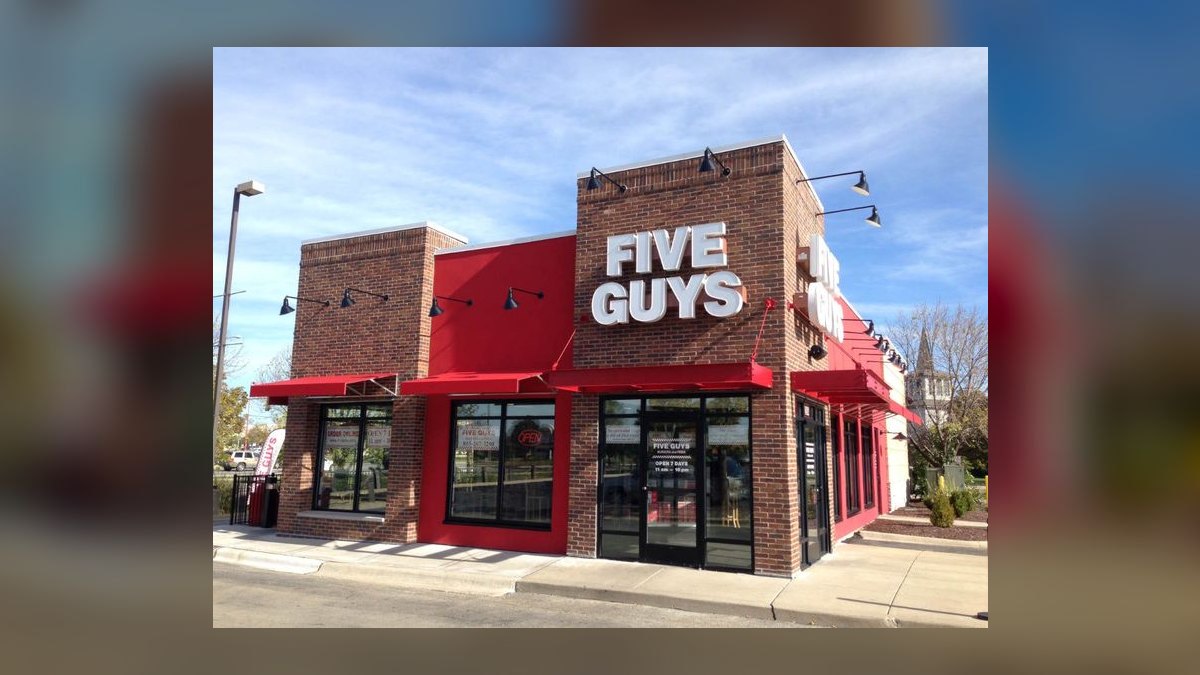
For most operators in 2027, the Five Guys franchise route wins on speed and predictability, while an independent sandwich shop wins on margin ceiling and creative control. If you have $750,000–$1.8 million in liquid capital plus net worth and want a proven playbook, buy the franchise. If you have a strong local following, a distinctive concept, and want to keep more of each dollar after year three, open independent instead.
The outcome you should expect
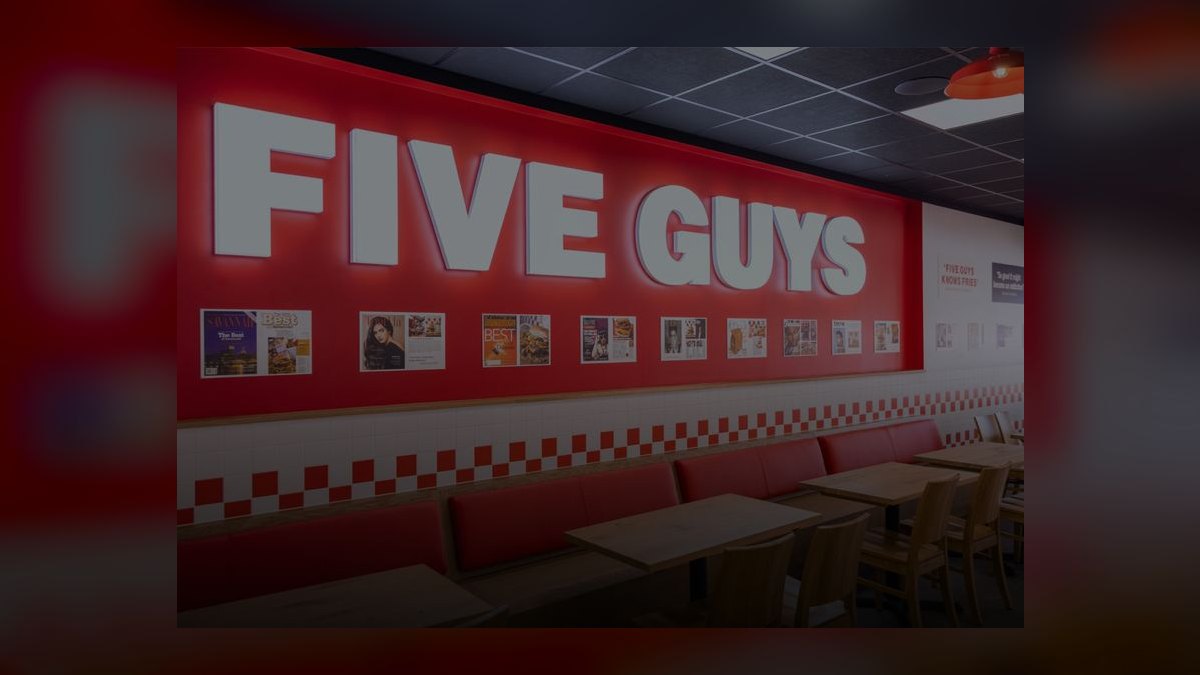
Choosing to open a Five Guys franchise gives you a known operating system on day one: a fixed menu, a real estate site-selection process the franchisor has already run thousands of times, a training program that runs six to eight weeks before you flip the sign, and a supply chain that removes most of the guesswork a first-time restaurant operator faces. In exchange, you give up creative control over the menu, the interior, and pricing, and you send 7% of every dollar of gross sales back to the franchisor before you pay a single bill — 5% royalty plus roughly 2% into the national ad fund. That structure means your break-even point is higher than an independent's, but your path to that break-even point is far more predictable, because the unit economics have already been proven across hundreds of existing locations.
Opening an independent sandwich shop produces a different outcome curve. Your first twelve months are riskier and noisier — you're building your own recipes, your own supplier relationships, your own hiring process, and your own local reputation from zero, with no regional advertising fund driving traffic to your door. But once you clear the first year and find product-market fit, you keep the 7% that a franchisee would be sending away, and you can adjust price, portion size, and menu mix in real time without asking anyone's permission. The realistic outcome: franchise ownership compresses the variance of a bad outcome; independent ownership raises the ceiling of a great one. Neither path guarantees success — roughly 20% of new restaurants close within their first year regardless of franchise status, and that number climbs toward 50% by year five — but the franchise path fails less often for reasons within the operator's control, because so many of those reasons have already been engineered out.
What drives that outcome (mermaid)
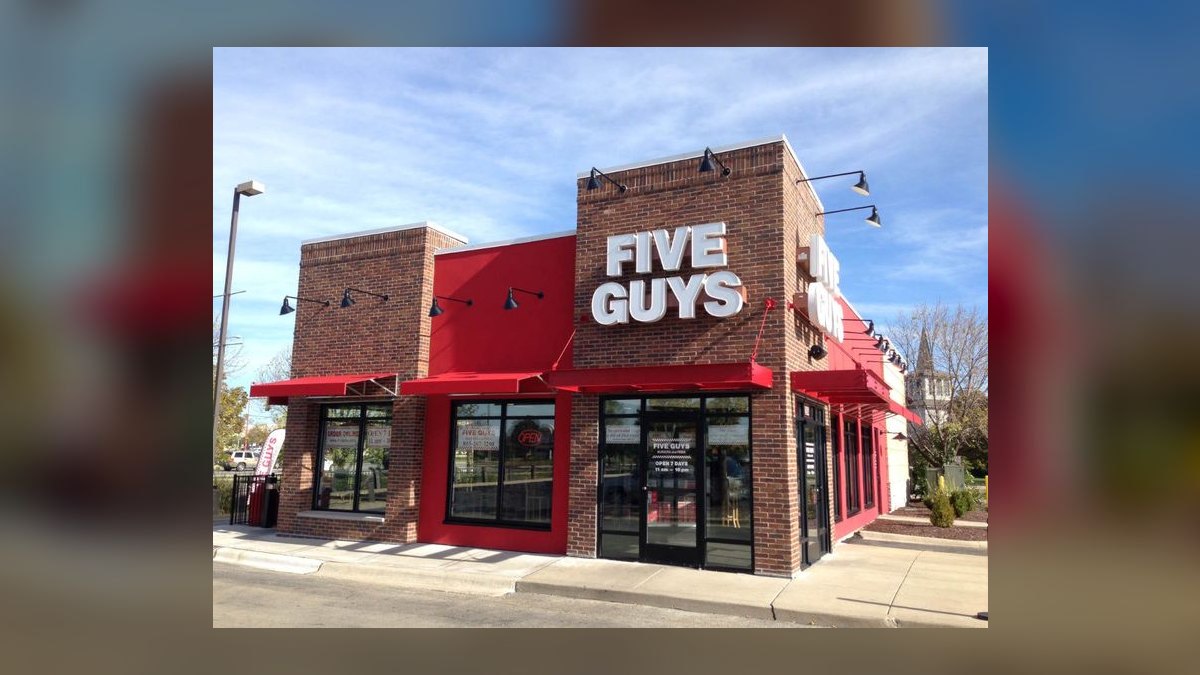
The single biggest driver of which path performs better is your local market's brand awareness and rent structure. Five Guys already has national recognition, so a franchise location in a market with heavy chain traffic (strip malls near a Chipotle, a Chick-fil-A, a shopping anchor) captures walk-in demand almost immediately. An independent sandwich shop in that same location competes against brand recognition it doesn't have, so it performs far better in a market with a strong independent-restaurant culture — a college town, a dense urban core, a neighborhood with loyal regulars — where "local and different" is itself the selling point rather than a liability.
The second driver is your own skill set. If you are strong at operations and management but have never developed a food product or built a brand from nothing, a franchise closes that gap for you: menu R&D, supplier negotiation, and brand marketing are done. If you are strong at food, hospitality, and local marketing but have never run a P&L against a franchisor's royalty structure, independent ownership plays to your strength and avoids paying for capabilities you already have.
The third driver is timing risk specific to 2027: commercial rent, construction costs, and beef/protein input costs have all been on multi-year upward trends, which raises the buildout budget and the breakeven sales volume for both paths. A franchise buffers that risk somewhat because the franchisor negotiates volume pricing on equipment and some food costs across its whole system; an independent absorbs 100% of that input volatility alone, which is why independent operators in 2027 need a tighter, smaller menu than they might have run in 2015 — fewer SKUs means less exposure to any single ingredient spiking in price.
Benchmarks and realistic ranges
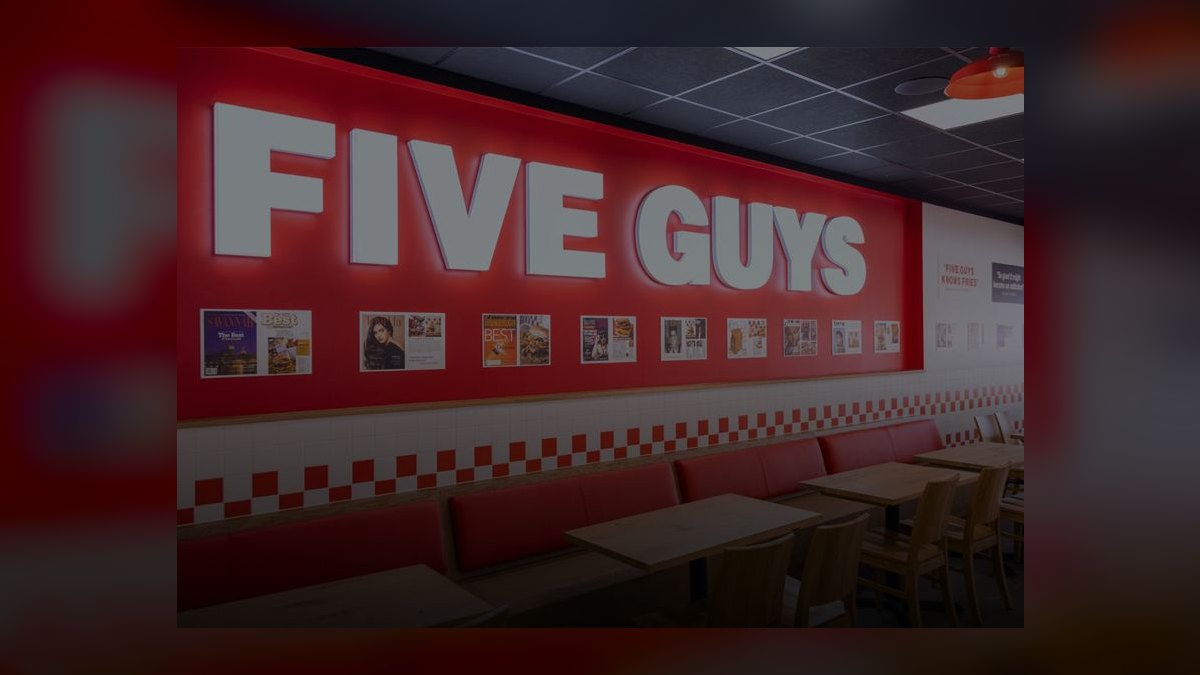
Five Guys' publicly reported franchise disclosure figures put the franchise fee around $25,000 and total initial investment typically in the $563,000 to $1.8 million range depending on region, square footage, and whether you're building new or converting an existing space — a number heavily influenced by local construction and equipment costs. On top of that upfront number, you owe an ongoing 5% royalty on gross sales plus roughly 2% into a national/regional advertising fund, so 7% of top-line revenue leaves the business before you touch payroll, rent, or food cost. Five Guys requires a minimum net worth and liquidity threshold well above the franchise fee itself — historically well into six figures of liquid capital plus a comparable net-worth requirement — because the franchisor wants to know you can survive a slow ramp-up period without going under.
An independent sandwich shop's buildout cost varies enormously by footprint and whether you're doing ground-up construction versus a second-generation restaurant space (an existing space that already has a hood, grease trap, and walk-in cooler installed). A modest 1,200–1,800 square foot independent shop in a second-generation space commonly runs $150,000 to $400,000 all-in, including leasehold improvements, kitchen equipment, point-of-sale, initial inventory, and a working-capital reserve — versus $600,000+ if you're building from a bare shell or a larger footprint. That gap is the single biggest financial argument for independent ownership: you can often open for a quarter to a third of the franchise's total investment.
On margins, quick-service and fast-casual sandwich concepts typically target food cost in the 28–32% of sales range and labor cost in the 25–30% range, leaving a restaurant-level operating margin (before rent, royalty, and debt service) somewhere around 15–20% in a well-run location. A franchisee's extra 7% royalty-and-ad-fund draw comes directly out of that operating margin, so a franchise location needs meaningfully higher sales volume than an independent to land at the same owner take-home. Time-to-breakeven for a new single-unit restaurant commonly runs 18 to 30 months; franchise systems with strong site-selection data and opening support tend to cluster toward the shorter end of that range, while first-time independent operators — still learning their own labor scheduling and food cost control — more often land toward the longer end.

Risks, edge cases, and failure modes
The most common franchise failure mode isn't the concept — it's undercapitalization relative to the franchisor's own minimum guidance. Operators who scrape together exactly the minimum investment figure, with no reserve for a slow first six months, run out of working capital before the location's sales curve matures, even though the underlying unit economics were fine. The fix is to budget for at least six months of below-breakeven operating losses on top of the stated total investment, not just the buildout number itself.
The most common independent failure mode is menu sprawl: a first-time owner tries to be a "full sandwich shop" with 20+ items, salads, soups, and breakfast, which multiplies food cost variance, prep labor, and ticket times simultaneously. Independent sandwich concepts that survive past year two overwhelmingly run tight menus — 8 to 14 core items — so every ingredient gets used across multiple dishes and spoilage stays low.

A less obvious edge case cuts against the franchise: territory protection. Five Guys, like most burger and sandwich chains, has grown dense enough in many metros that a new franchisee can find every strong site already claimed by an existing location, pushing available real estate to weaker secondary sites with lower natural traffic — which quietly shifts the franchise's "safe" outcome curve toward the risky end. Before signing, an operator should pull the franchisor's Item 20 disclosure (closure and transfer history) in the Franchise Disclosure Document and map existing units against the specific territory being offered, not just trust that brand recognition alone will carry a weak site.
On the independent side, the quiet risk is founder dependency: if the shop's recipes, supplier relationships, and quality control live entirely in the owner's head, the business can't scale past one location and can't be sold for a meaningful multiple, because a buyer is really just buying the owner's continued presence. Documenting recipes, portioning, and prep procedures from day one — treating the first location like a prototype for a system, even if you never open a second — protects both future growth and eventual resale value.

A practical rollout plan (mermaid)
Whichever path you choose, the sequence that reduces risk the most is the same: validate the market, secure financing, lock the real estate, then build. For a Five Guys franchise, start by requesting the current Franchise Disclosure Document and reviewing Item 19 (financial performance representations) and Item 20 (unit counts and closures) before you pay any application fee. Next, get pre-qualified with an SBA 7(a) or franchise-specific lender so you know your real capital ceiling before falling in love with a site. Then work the franchisor's site-selection team on territory, sign the franchise agreement, and enter their formal training pipeline — typically several weeks at a training restaurant plus on-site support during your opening week.
For an independent sandwich shop, start by piloting your actual food — a pop-up, a farmers-market stand, or a ghost-kitchen test run — before signing any lease, so you're validating demand for your specific sandwiches, not just the idea of opening a shop. Once you have real sales data and repeat customers, take that evidence to a local bank or SBA lender for financing, because "outside validation" from a lender's perspective is exactly what a franchise's brand name would otherwise provide. Only then sign a lease, ideally a second-generation restaurant space to control buildout cost, and plan a soft-open period of two to three weeks at reduced hours to shake out kitchen workflow and staff training before a full public launch.

Related questions
How much does it actually cost to open a Five Guys franchise?
Publicly reported figures put total initial investment roughly between $563,000 and $1.8 million, plus a $25,000 franchise fee and a 5% ongoing royalty, varying heavily by market and buildout scope.
Is a sandwich shop more profitable than a burger franchise?
Independent sandwich shops can retain more margin because they avoid the 7% royalty-and-ad-fund draw, but they lack the franchise's brand-driven traffic, so profitability depends on local demand and menu discipline.
What's the fastest way to test a sandwich concept before committing capital?
Run a pop-up, farmers-market stand, or short-term pilot before signing any lease — real sales data from real customers is the cheapest risk-reduction step available.
Do franchise territories still have room for new Five Guys locations in 2027?
It varies by metro; many dense markets are already built out, so review the franchisor's Item 20 disclosure and existing unit map before assuming a strong site is available.
FAQ
Should I open a Five Guys franchise or an independent sandwich shop in 2027? Choose the franchise if you have $750,000-plus in liquid capital and want a proven system with brand-driven traffic; choose independent if you have a distinctive concept, local following, and want to keep the full margin after the first year or two.
What's the minimum capital needed to open a Five Guys franchise? Total investment commonly ranges from roughly $563,000 to $1.8 million depending on region and buildout, on top of a $25,000 franchise fee, with lenders typically wanting to see liquidity and net worth well above that stated minimum.
Can I open an independent sandwich shop for under $200,000? Yes, if you secure a second-generation space that already has a hood, grease trap, and walk-in cooler installed, keeping the menu tight and buildout modest — ground-up construction or a large footprint pushes costs well past that figure.
Do franchise royalties really change the math that much? Yes — a 5% royalty plus roughly 2% ad fund removes 7% of gross revenue before any other expense is paid, which means a franchise location needs meaningfully higher sales volume than an independent to reach the same owner take-home.
What kills most independent sandwich shops in year one? Menu sprawl and undercapitalized working capital reserves are the two most common failure modes — tight menus and a six-month operating-loss buffer meaningfully improve first-year survival odds.
Is brand recognition alone a good reason to buy a franchise? No — brand recognition helps most in markets already saturated with chain traffic; in a strong independent-restaurant market, "local and different" often outperforms a recognizable but generic chain option.
Sources
- https://www.franchise.org
- https://www.entrepreneur.com/franchises
- https://www.sba.gov/business-guide/plan-your-business/franchise-businesses
- https://www.restaurantbusinessonline.com
- https://www.qsrmagazine.com
- https://www.fiveguys.com
- https://www.ftc.gov/business-guidance/resources/buying-franchise-consumer-guide
- https://www.franchisedirect.com
Related on PULSE
- How much liquid capital do lenders expect before approving a restaurant franchise loan?
- What should go in a restaurant business plan before approaching an SBA lender?
- How do you calculate breakeven sales volume for a new fast-casual location?
- What's the real difference between a first-generation and second-generation restaurant lease?
- How many menu items should a new quick-service concept launch with?
- What does a Franchise Disclosure Document's Item 19 actually tell you?
 franchiseShould I open or buy a Hardee’s franchise or open an independent sandwich shop in 2027?
 franchiseShould I open or buy a Krystal franchise or open an independent sandwich shop in 2027?
 franchiseShould I open or buy a Rally's franchise or open an independent sandwich shop in 2027?
 franchiseShould I open or buy a White Castle franchise or open an independent sandwich shop in 2027?
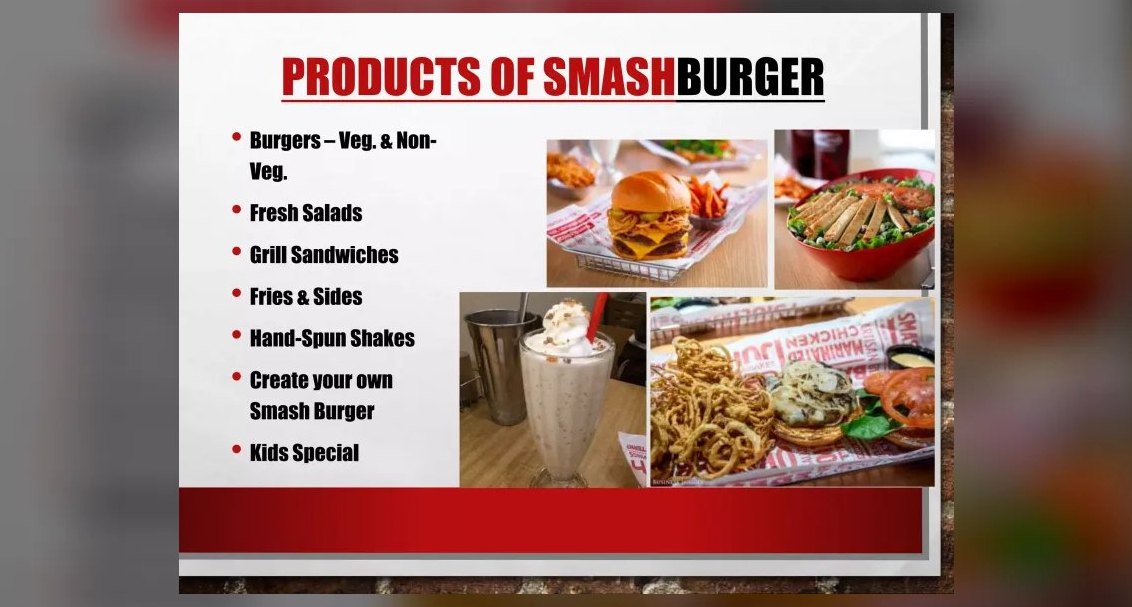 franchiseShould I open or buy a Smashburger franchise or open an independent sandwich shop in 2027?
 franchiseShould I open or buy a Whataburger franchise or open an independent sandwich shop in 2027?
 franchiseShould I open or buy a Sonic Drive-In franchise or open an independent sandwich shop in 2027?
 franchiseShould I open or buy a Bojangles franchise or open an independent sandwich shop in 2027?
 franchiseShould I open or buy an Arby's franchise or open an independent sandwich shop in 2027?
 franchiseShould I open or buy a Zaxby's franchise or open an independent sandwich shop in 2027?