
Should I open or buy a White Castle franchise or open an independent sandwich shop in 2027?
 Curated byKory White · Fractional CRO · Maryland
 PULSEKNOWLEDGE LIBRARY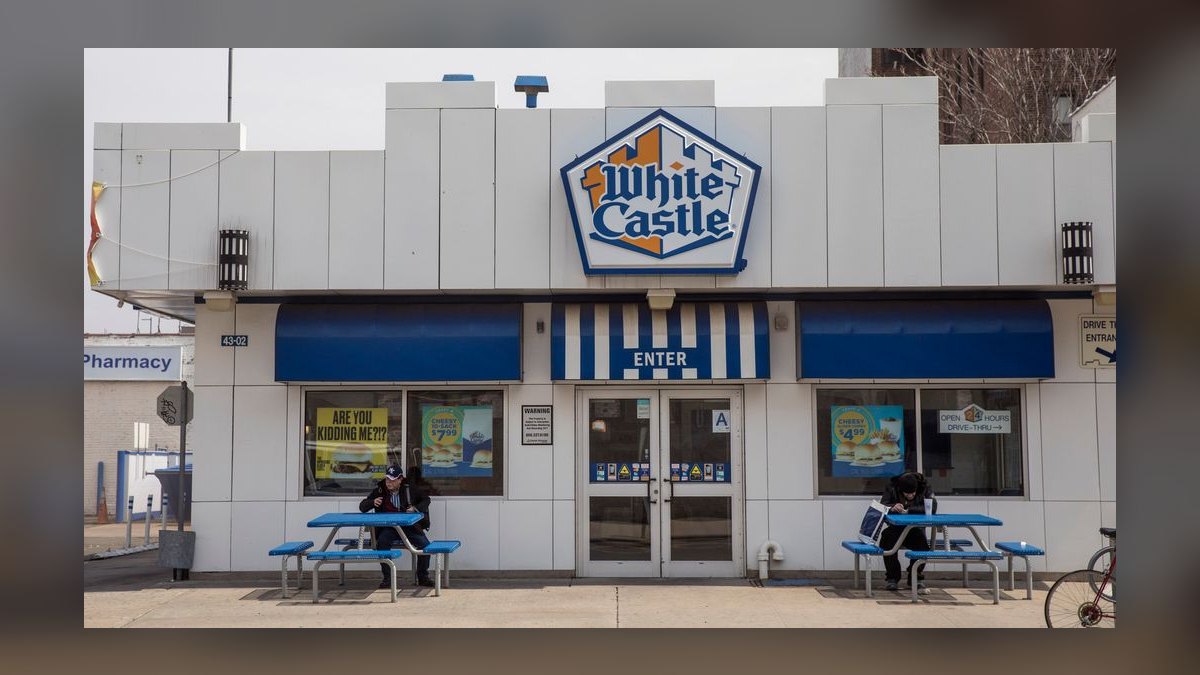
White Castle does not franchise its core U.S. restaurants — it has stayed a privately held, family-run company since 1921, so "buying a White Castle franchise" is not actually available to a typical individual investor. In 2027 your real choice is between an established sandwich franchise (Subway, Jersey Mike's, Firehouse Subs) or building an independent shop, and each fits a very different kind of owner.
The outcome you should expect
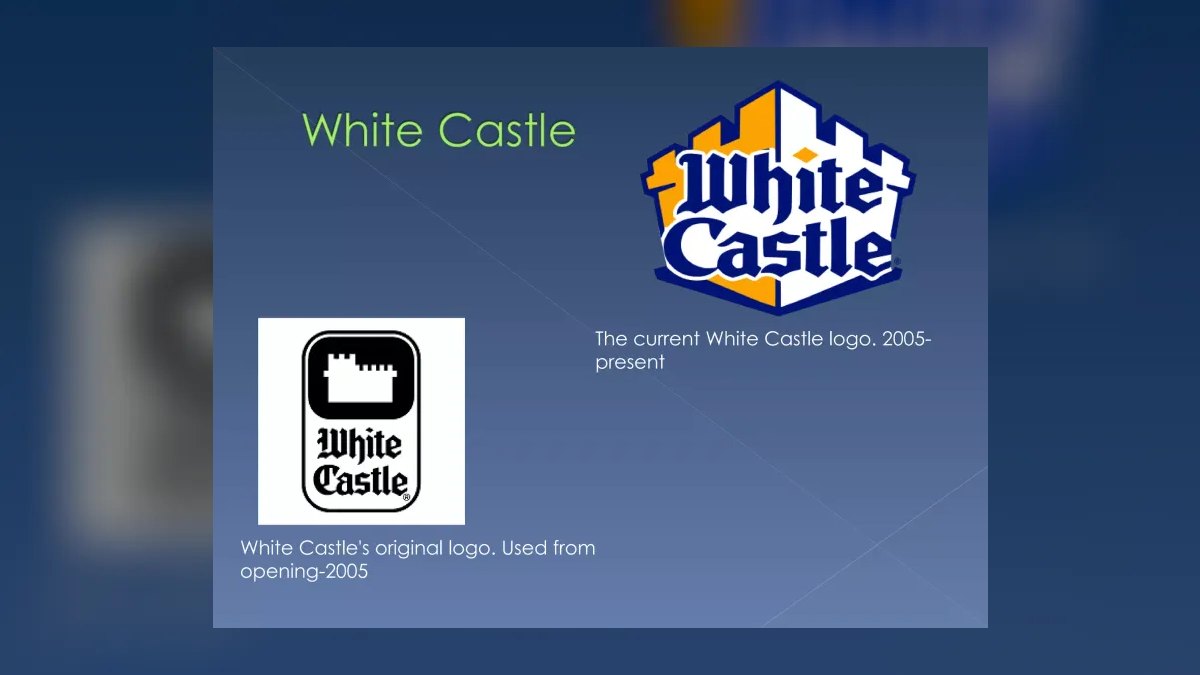
Start with the fact that changes everything about this question: White Castle is one of the largest privately held, family-owned restaurant companies in the country, still controlled by descendants of the Ingram family who founded it in Wichita, Kansas in 1921. Every domestic White Castle location is corporate-operated. There is no franchise disclosure document, no franchise fee, no royalty structure, and no application process for an individual to "open a White Castle" the way you could open a Subway or a Jersey Mike's. Occasionally White Castle has entered international licensing or joint-venture arrangements to place its brand overseas, but that is a fundamentally different deal — negotiated at the corporate level with large partners, not sold to a single-unit owner-operator answering an ad or filling out a franchise inquiry form. If someone is pitching you a "White Castle franchise opportunity" for a fee, that is very likely a scam or a misunderstanding, and you should independently verify any such offer directly with White Castle's corporate offices before sending money to anyone.
So the outcome you should expect is this: the "White Castle" branch of your original question resolves to "not available," and the real decision in front of you is a two-path fork that has nothing to do with sliders specifically. Path one is buying into an established, currently-franchising sandwich brand — Subway, Jersey Mike's Subs, Firehouse Subs, Jimmy John's, and similar chains all actively sell franchises and publish Franchise Disclosure Documents (FDDs) with historical financial performance data. Path two is opening an independent sandwich shop under your own name and concept, with full control over the menu, pricing, and branding but none of the built-in brand recognition, training system, or supply chain that a franchise provides. Whichever path you take, expect a total investment somewhere between roughly $150,000 and $600,000 depending on market, footprint, and whether you're building out a shell or taking over an existing space, and expect year one to be about proving unit economics, not profit.
What drives that outcome
Three forces decide which of the two real paths (franchise sandwich brand vs. independent shop) makes sense for you: your appetite for a proven system versus creative control, your access to capital and financing, and the competitive density of sandwich concepts in your specific trade area. A franchise buys you a playbook — site-selection criteria, a vetted supplier list, a POS system, marketing co-ops, and a brand a lender already recognizes, which is why SBA lenders often move faster on franchise deals that appear on the SBA's franchise directory than on unproven independent concepts. An independent shop buys you freedom — you set the menu, you're not bound by a royalty of typically 4% to 8% of gross sales plus a 2% to 4% marketing fund contribution, and you keep the full upside if the concept catches on locally or regionally. The trade-off is that you are also solely responsible for recipe development, food-safety systems, hiring playbooks, and local marketing that a franchisor would otherwise hand you.
Local competition matters more than people expect. If your trade area already has three or four national sandwich franchises within a two-mile radius, an independent concept with a genuinely different positioning — a regional specialty, a scratch-made angle, a daypart nobody else owns — can actually outperform a fifth me-too franchise location. Conversely, in a growing suburban trade area with rooftops but no established sandwich options, the brand recognition of a franchise can get you to break-even faster because customers already trust the name before you open the doors.
Benchmarks and realistic ranges
Total investment for an established sandwich franchise typically spans $150,000 to $600,000, depending heavily on the brand and format. Lower-investment brands with smaller footprints and simpler build-outs often land in the $150,000 to $300,000 range including the franchise fee (commonly $15,000 to $40,000), leasehold improvements, equipment, initial inventory, signage, and working capital. Brands with larger dine-in formats or drive-thru requirements can run $400,000 to $600,000 or more. An independent sandwich shop can sometimes be opened for less on the low end — particularly a small counter-service or fast-casual footprint in a second-generation restaurant space with existing hood and grease-trap infrastructure — but it can also cost more if you're building custom branding, a proprietary recipe R&D process, and a menu-engineering system entirely from scratch without a franchisor's templates to shortcut the work.
Ongoing costs diverge sharply between the two paths. A franchise typically carries a royalty of 4% to 8% of gross sales and an additional 2% to 4% national or regional marketing fund contribution, taken whether or not the store is profitable that month. An independent shop has no royalty at all, but must fund 100% of its own marketing, which realistically means budgeting a comparable 3% to 6% of revenue on local advertising, delivery-app promotion, and community marketing if you want visibility to match what a national brand's co-op buys you automatically. On labor, expect a sandwich-format quick-service unit to run with a core team of roughly 8 to 15 employees across all shifts for a single unit, with labor cost targeted at 25% to 32% of sales and food cost targeted at 28% to 34% of sales — those targets are largely the same whether you're franchised or independent, because they're driven by the format, not the brand.

Time to profitability is the number most first-time owners underestimate. A well-located franchise in a proven market can reach cash-flow breakeven in 6 to 12 months if site selection and the initial marketing launch go well. An independent concept, lacking pre-existing brand awareness, more commonly takes 12 to 24 months to build the local customer base and word-of-mouth needed to hit the same throughput, even with an equally good location and product. Build that longer runway into your financing plan for the independent route rather than assuming month-one traffic.
Risks, edge cases, and failure modes
The single biggest failure mode on the "franchise" side of this decision is treating any brand's name recognition as a substitute for site selection and local execution. A strong franchise brand in a weak location with poor visibility, insufficient parking, or a trade area that's already saturated with quick-service sandwich options will underperform regardless of the logo on the sign — the FDD's historical performance data describes the system average, not your specific corner. Read the FDD's Item 19 financial performance representations carefully, talk to at least five to ten existing franchisees (not just the ones the franchisor refers you to), and independently verify their real revenue and profit numbers before signing anything.

On the independent side, the biggest failure mode is underestimating everything a franchisor would normally hand you: a tested recipe and food-cost model, a vetted supply chain with volume pricing, a POS and inventory system, a training manual, and a marketing playbook. First-time independent owners frequently burn their working capital cushion on menu R&D, rebranding after a soft launch, or replacing suppliers who couldn't hit consistent quality or price — costs a franchise system has typically already absorbed and refined over years of operation across hundreds of locations. Undercapitalization is the most common cause of failure in both paths, but it hits independent operators harder because there's no franchisor field consultant checking in monthly to flag a slipping food-cost percentage before it becomes a cash crisis.
A distinct edge case worth naming directly: because White Castle itself isn't a franchise option, be skeptical of any recruiter, broker, or "franchise opportunity" listing that claims otherwise, especially one asking for a deposit or application fee to "reserve territory." Verify any franchise claim against the brand's own investor-relations or franchise-development page and, for real franchise opportunities, against the FDD filed with state regulators — never against a third-party listing site alone. Also watch for lease risk regardless of path: a long-term lease signed before you've validated demand is the most common reason a genuinely good concept — franchised or independent — never gets the chance to prove itself.

A practical rollout plan
Whichever path you choose, the sequence of decisions is the same, and skipping steps is where most first-time owners get hurt. Work through it in order rather than jumping straight to signing a lease because a space became available.
Step one is nailing down real financing before you fall in love with either a brand or a space — talk to an SBA-preferred lender early, since SBA 7(a) loans are commonly used for both franchise and independent restaurant purchases and the lender's appetite will shape what's actually affordable. Step two is making the franchise-versus-independent call based on your own risk tolerance and how much you value a tested system versus creative control — don't let a compelling salesperson or a cheap available space make this decision for you. Step three, trade-area validation, applies equally to both paths: pull traffic counts, map every existing sandwich and quick-service competitor within your realistic delivery radius, and check daytime population and rooftop growth trends before you commit to a location. Steps four through eight diverge by path but converge again at the same finish line — a soft launch that lets you fix operational kinks with friends-and-family traffic before the full marketing push, whether that push is a franchisor's grand-opening co-op campaign or your own independently funded launch event.

Related questions
What does it actually cost to open a Subway or Jersey Mike's franchise?
Total investment commonly runs $150,000 to $600,000 depending on the brand and format, including a franchise fee typically in the $15,000 to $40,000 range, plus build-out, equipment, and working capital.
Can I get an SBA loan for an independent restaurant, or only for franchises?
SBA 7(a) loans are available for both independent and franchised restaurants; franchises on the SBA's franchise directory often move through underwriting faster because the brand and model are already vetted.
How do I check if a franchise opportunity is legitimate?
Request the Franchise Disclosure Document (FDD), verify it was filed with the relevant state regulator, and independently contact multiple current and former franchisees rather than only ones the franchisor recommends.
Is it easier to sell an independent sandwich shop or a franchise location later?
A franchise location is typically easier to sell because the brand's system and financial track record make valuation and buyer financing more straightforward; an independent shop's value rests more on its own site-specific performance history.
FAQ
Is White Castle available as a franchise anywhere? Not in the traditional single-unit sense domestically — White Castle has remained privately held and corporate-operated since 1921. Any international presence has typically come through corporate licensing deals with large partners, not individual franchise sales.
What's the minimum I should budget to open a sandwich shop, franchise or independent, in 2027? Plan for roughly $150,000 on the low end for a small-format concept in a second-generation space, up to $600,000 or more for a larger build-out, and hold back working capital beyond that for the first six to twelve months of operating losses.
Are independent sandwich shops riskier than franchises? Generally yes, because you're building the recipe, systems, and brand recognition from zero rather than licensing a tested model, but the trade-off is no royalty payments and full control over concept and pricing.
What royalty and marketing fees should I expect from a real sandwich franchise? Most established sandwich franchises charge a royalty in the 4% to 8% of gross sales range plus a separate marketing fund contribution of roughly 2% to 4%, both due regardless of monthly profitability.
How long does it typically take a new sandwich shop to become profitable? A well-located franchise can reach cash-flow breakeven in 6 to 12 months; an independent concept without existing brand recognition more commonly needs 12 to 24 months to build comparable local demand.
Should I talk to existing franchisees before buying in? Yes — contact at least five to ten current or former franchisees independently of any list the franchisor provides, and ask directly about real revenue, real food and labor costs, and how accurate the FDD's Item 19 figures were for their specific unit.
Sources
- https://www.whitecastle.com
- https://www.sba.gov/business-guide/plan-your-business/franchise-businesses
- https://www.ftc.gov/business-guidance/resources/franchise-rule-compliance-guide
- https://www.franchise.org
- https://www.entrepreneur.com/franchises
- https://www.subway.com/en-us/ownafranchise
- https://www.jerseymikes.com/franchising
- https://www.firehousesubs.com/franchising
- https://www.restaurant.org/research
Related on PULSE
- How much does it really cost to open a fast-food franchise in 2027?
- Franchise vs. independent restaurant: which has better long-term ROI?
- What should I look for in a Franchise Disclosure Document before signing?
- How do SBA loans work for first-time restaurant owners?
- What food cost and labor cost percentages should a quick-service restaurant target?
- How do I evaluate a trade area before opening a restaurant?
 franchiseShould I open or buy a Hardee’s franchise or open an independent sandwich shop in 2027?
 franchiseShould I open or buy a Krystal franchise or open an independent sandwich shop in 2027?
 franchiseShould I open or buy a Rally's franchise or open an independent sandwich shop in 2027?
 franchiseShould I open or buy a Five Guys franchise or open an independent sandwich shop in 2027?
 franchiseShould I open or buy a Smashburger franchise or open an independent sandwich shop in 2027?
 franchiseShould I open or buy a Whataburger franchise or open an independent sandwich shop in 2027?
 franchiseShould I open or buy a Sonic Drive-In franchise or open an independent sandwich shop in 2027?
 franchiseShould I open or buy a Bojangles franchise or open an independent sandwich shop in 2027?
 franchiseShould I open or buy an Arby's franchise or open an independent sandwich shop in 2027?
 franchiseShould I open or buy a Zaxby's franchise or open an independent sandwich shop in 2027?