
How do I safely treat tap water for a shrimp-only nano aquarium in 2026?
 Curated byKory White · Fractional CRO · Maryland
 PULSEKNOWLEDGE LIBRARY
Quality
Certified
Dechlorinate tap water with a conditioner that neutralizes both chlorine and chloramine, then test GH, KH, pH, and TDS before it touches the tank. Adjust hardness with a shrimp-specific remineralizer, aerate the batch, match temperature, and add it slowly. Copper and untested seasonal swings kill more shrimp than chlorine does.
The outcome you should expect
A properly treated water routine produces a nano tank where the numbers barely move from week to week — and that stability, not any particular number, is what keeps a shrimp colony alive and breeding. Concretely, you should expect to land in a band and stay there: for Neocaridina (cherry, blue dream, orange sakura and the rest of the color morphs), general hardness of roughly 4–8 dGH, carbonate hardness of 2–6 dKH, pH somewhere in the high 6s to mid 7s, and total dissolved solids in the neighborhood of 150–250 ppm. Caridina — Crystal Reds, Blue Bolts, Taiwan Bees — want it softer and more acidic: GH around 4–6, KH at or near zero when kept over an active buffering soil, pH in the low-to-mid 6s, and TDS closer to 100–180 ppm.
The behavioral outcome matters more than the readings on the test vial. Healthy shrimp in well-treated water graze constantly. They pick at biofilm on glass, hardscape, and leaf litter with both feeding fans going, they scatter and re-cluster when you approach, and berried females fan their eggs without dropping them. Molts appear as clean, translucent exoskeletons on the substrate every couple of weeks per animal — a discarded shell is a good sign, not a dead shrimp. Within a few months of a stable routine, you should see saddled females, then berried females, then the first pinhead juveniles hiding in moss. That progression is the real proof the water is right.
What you should *not* expect is instant results or dramatic transformation. Water treatment is a background discipline: done well, nothing happens. The failure signals are equally specific. Shrimp gathered at the surface or hanging in the filter outflow are telling you about dissolved oxygen or an ammonia problem. Shrimp swimming frantically in circles a few minutes after a water change means the new water was too different from the old. A shrimp stuck half-out of its shell — the "white ring of death," a visible gap at the junction between carapace and abdomen — is a molt failure tied to mineral content or a sudden hardness swing. And a colony that simply thins out over three months without any drama usually points to a slow contaminant, most often copper, that never announced itself.
One more expectation to set honestly: nano volumes amplify everything. A 5-gallon tank has almost no thermal or chemical inertia. A mistake that a 40-gallon tank would absorb — an extra half-scoop of remineralizer, a heater sticking on, a 40% water change with unmatched water — becomes a colony-level event in a nano. That is the entire reason the treatment routine has to be this deliberate.
What drives that outcome
Four inputs do almost all the work, and they interact in ways that are worth understanding rather than memorizing.
Chlorine versus chloramine. Municipal utilities disinfect with one or the other, and the difference changes your handling. Free chlorine off-gasses; a bucket left open with an airstone for 24 hours will shed most of it. Chloramine — chlorine bonded to ammonia — does not off-gas meaningfully and will sit in your bucket for days. Most large municipal systems switched to chloramine years ago because it persists longer in the distribution network, which is exactly what makes it a problem for you. Any modern conditioner based on sodium thiosulfate chemistry breaks the bond, but that releases the ammonia portion into the water. Products that also bind ammonia handle both halves; products that only dechlorinate leave you with a small ammonia load your cycled filter has to eat. Call your water utility or pull the annual Consumer Confidence Report — every US system publishes one — and it will tell you which disinfectant is used, along with baseline hardness and metals.
Hardness, and the distinction between GH and KH. General hardness measures calcium and magnesium. Shrimp build their exoskeleton out of it, so GH is the single parameter most directly tied to molting success. Carbonate hardness measures buffering capacity — the water's resistance to pH change. Low KH is not inherently bad, but it makes pH volatile, and volatility is what kills. If your KH is 1 dKH or under, a bit of CO2 from respiration overnight, a decaying leaf, or a dose of anything acidic can move pH half a point in hours. If you are keeping Caridina over an active buffering substrate, that soil deliberately strips KH to hold pH low — which is fine, because the soil itself is doing the buffering work. Never combine an active soil with a remineralizer that adds KH; you will exhaust the soil in months and get an unstable middle ground.
TDS as a proxy, not a target. A TDS meter measures electrical conductivity and converts it to an estimated parts-per-million figure. It tells you the total dissolved ionic load but says nothing about composition. Water at 200 ppm of calcium and magnesium from a proper remineralizer is completely different from water at 200 ppm of nitrate and dissolved organics. So TDS is best used as a *change detector*: once you know what your tank sits at, a 40-ppm jump between weekly readings means something entered the system — overfeeding, a dying plant, mineral creep from evaporation top-offs. TDS meters need calibration solution periodically; an uncalibrated meter drifting upward will send you chasing a problem that does not exist.
Metals, especially copper. Shrimp are invertebrates, and copper is used as an invertebrate-killing agent in fish medications and algaecides for exactly that reason. It enters your water three ways: from the municipal supply, from copper household plumbing (worst in older homes and after water has sat overnight in the pipes), and from fish products you dose into the tank. The plumbing route is the sneaky one — first-draw water carries far more leached metal than water that has run for a minute or two. Running the cold tap for 60–90 seconds before filling your bucket is a free mitigation. Never use hot water from the tap for aquarium purposes; water heaters accumulate sediment and metals.
Two secondary drivers deserve mention because they reach past water treatment into tank design. First, substrate. An inert gravel or sand does nothing to your water, so your treated water is what the tank has. An active buffering soil actively pulls KH and lowers pH — which means you cannot evaluate your treatment routine by testing the bucket alone; you have to test the tank too, and the two will differ. Second, hardscape. Any calcareous rock — limestone, some seiryu-type stone, crushed coral, aragonite — leaches carbonates continuously and will slowly drive GH, KH, and pH upward regardless of how carefully you treat the incoming water. If your tank parameters drift up over months while your bucket parameters stay put, look at the rocks before you blame the treatment.
Benchmarks and realistic ranges
Here is what a workable routine actually looks like in numbers, with the honest caveat that ranges published by keepers vary and your local water may make some of these irrelevant.
Volume and change schedule. For a nano in the 2–10 gallon range, weekly changes of 10–20% of total volume are the common practice — so 0.5 to 2 gallons of treated water per week. Smaller and more frequent beats larger and occasional every time. A 10% weekly change on a 5-gallon tank is half a gallon; that is small enough that even a moderately mis-mixed batch will not shock the colony. Contrast that with a 50% change, which in a nano is a parameter reset, not a maintenance task. Shrimp handle gradual drift far better than they handle correction.
Mixing and dosing. Remineralizer dosing is per-product and per-target, and the only reliable method is iterative: add a fraction of the estimated dose to a known volume, stir until fully dissolved, wait a few minutes, and read TDS. Repeat until you hit target. Do not dose by scoop count alone — scoop volumes vary with how packed the powder is, and humidity changes bulk density over the life of a container. Write down the dose that hits your target for your specific bucket volume, and you have converted an estimate into a repeatable recipe.
Aeration and aging. Twelve to twenty-four hours with an airstone accomplishes three things: it off-gasses excess dissolved CO2 (which artificially depresses the pH reading of fresh tap water), it lets temperature equalize with the room, and it fully dissolves any powdered mineral additions. If your fresh tap water reads pH 7.0 and the same water reads 7.6 after overnight aeration, the CO2 was the difference — and the aerated number is the one that matters, because that is what the tank will see.
Temperature. Match to within 1–2°F. Most Neocaridina do well in the low-to-mid 70s Fahrenheit; Caridina generally prefer slightly cooler. In a nano, room-temperature water added to a heated tank can drop the whole volume several degrees at once. Letting the batch sit in the same room as the tank overnight solves this without any equipment.
Addition rate. For routine water changes into an established colony, pouring slowly onto a dish or a bag of filter floss over 1–2 minutes is fine. For introducing new shrimp, or for any situation where the source water differs meaningfully from the destination, drip acclimate — a knotted airline siphon at roughly one to two drops per second, over 1.5 to 3 hours, until the volume in the container has at least doubled. Shrimp osmoregulate slowly, and TDS shock is the leading cause of "they died three days after I bought them."
Testing cadence. Weekly for GH, KH, and TDS once you know your water. Ammonia and nitrite weekly during the first two months of a tank's life, then monthly once the cycle is proven. Nitrate monthly. Copper once when you set up, once again if you change residence or your utility changes source, and any time a colony declines without another explanation. Liquid reagent kits are meaningfully more accurate than dip strips for GH and KH; strips are acceptable as a quick screen but should not drive dosing decisions.
Cycling before shrimp. Do not skip this. A fishless cycle takes roughly 3–6 weeks — you are growing the bacterial colonies that convert ammonia to nitrite and nitrite to nitrate. Bottled bacteria products can shorten it, but the endpoint is the same test result, not a calendar date: the tank must process a dose of ammonia to zero ammonia *and* zero nitrite within 24 hours. Beyond the nitrogen cycle, shrimp specifically want *mature* biofilm to graze, which takes longer than the cycle itself. Many experienced keepers wait 6–8 weeks after the cycle completes before adding the first shrimp, and stock in small batches rather than all at once.
Cost and equipment, in general terms. A liquid master test kit, a GH/KH kit, a TDS meter with calibration solution, a bottle of conditioner, a shrimp-specific remineralizer, an air pump and stone, and a couple of food-grade buckets is the full kit. It is a modest one-time outlay and the consumables last a long time at nano volumes — a bottle of conditioner dosed for half-gallon batches lasts a very long while.
Risks, edge cases, and failure modes
The copper you cannot see. This is the failure mode that most often ends a colony quietly. Sources: old household plumbing, brass fittings, fish medications, algaecides, some plant fertilizers, and even certain foods marketed for fish rather than invertebrates. Read every ingredient list before anything goes in the tank. If a product's active ingredient is a copper salt, it does not belong anywhere near shrimp — and a tank that has been dosed with copper can retain it in substrate and silicone for a long time afterward. Copper-absorbing filter resins exist and help, but the reliable answer is prevention.
Seasonal municipal shifts. Your utility's water is not constant. Source blending changes between reservoir and well supply, treatment chemistry gets adjusted, and spring runoff or drought moves hardness and pH. This is why a keeper who has had a stable tank for a year suddenly sees molt failures in March. If your treatment routine is "add the same dose I always add," a source change will silently move you out of range. Testing the *treated bucket*, not just the tank, catches this. Utilities also flush distribution mains periodically, which can spike chlorine and stir up metals from pipe scale — worth a call to the utility if your water suddenly smells strongly of chlorine.
Doing too much correction, too fast. The most common self-inflicted wound is chasing a number. Someone reads GH 3 in a Neocaridina tank, doses to GH 8 in one sitting, and loses shrimp to the swing rather than to the original low hardness. Shrimp tolerate a wide *steady* range better than a narrow *moving* one. Correct hardness at a rate of roughly 1 dGH per week through your normal water changes, not in a single dose to the tank. Never dose remineralizer or buffer directly into an inhabited tank — mix it in the bucket, verify with a meter, then add.
The molt-cycle window. A shrimp that has just molted is soft-shelled and far more vulnerable than one mid-cycle. This is why parameter changes and shrimp deaths often appear correlated with a delay of a few days — the change did not kill them immediately; it killed the ones that molted next. Any time you have made an adjustment, judge the result over two to three weeks, not two to three days.
Over-remineralizing and TDS creep. Evaporation removes water and leaves minerals behind, so a nano that gets topped off with treated water instead of pure RO/distilled will climb in TDS steadily. Top-offs should be *unmineralized* — RO, distilled, or dechlorinated tap only if your tap is very soft. Water *changes* use the mineralized batch. Confusing the two is the most common cause of a tank that creeps from 200 to 320 ppm over a couple of months with no other explanation.
RO/DI as an edge case, not a default. If your tap water is genuinely unsuitable — high copper you cannot mitigate, hardness far above range, high nitrate — then starting from reverse-osmosis water and building it back up with a remineralizer gives you complete control. But it adds cost, equipment, and a new failure mode: RO water has zero buffering capacity, so a dosing error has nothing to absorb it. Do not move to RO because it sounds more serious. Move to RO when a test result tells you the tap cannot be corrected. Plenty of keepers run thriving Neocaridina colonies on conditioned tap alone.
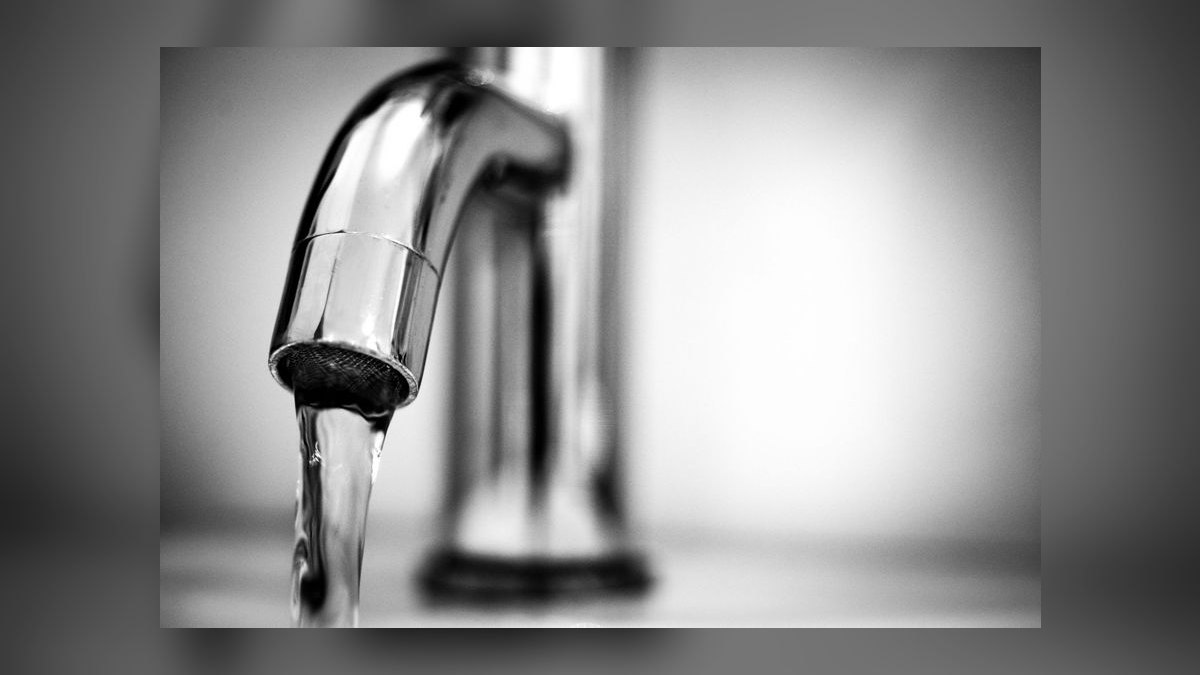
Bottled water is not a shortcut. Spring water varies enormously by brand and by bottling plant, and the label rarely gives you GH or TDS. Distilled water is effectively RO — zero hardness, needs full remineralization. If you use bottled, test it exactly as you would test tap, and re-test when you change brands.
Adjacent invertebrates change the calculus. If you keep Nerite or Mystery snails alongside shrimp, they need adequate calcium and carbonate for shell integrity, which pushes you toward the higher end of the GH/KH range — sometimes in tension with Caridina requirements. Snails also raise the bioload in a volume that has very little margin. Similarly, if you ever move from a shrimp-only nano to a shrimp-and-fish tank, remember that most fish medications assume no invertebrates are present; the treatment protocols are not compatible.
Filtration and flow. Shrimplets are small enough to be drawn into an unguarded intake. A sponge filter or a pre-filter sponge on any intake is standard for a reason. Filtration also interacts with your water chemistry: chemical media like activated carbon will strip tannins and some additives, and certain resins pull ions and lower TDS in ways that make your careful mixing irrelevant. Know what your media does before you rely on your bucket numbers.
A practical rollout plan
Treat the first eight weeks as a setup project with checkpoints, not a shopping trip followed by shrimp.
Week 0 — characterize your source. Before buying anything else, get the test kits and a TDS meter and profile your tap water: pH straight from the tap and again after 24 hours of aeration, GH, KH, nitrate, and copper. Pull your utility's Consumer Confidence Report for the disinfectant type and their published hardness. Write these numbers down. This single step determines everything that follows — whether you can use conditioned tap directly, whether you need to cut it with RO, or whether you need to start from RO entirely. Most keepers discover their tap is perfectly usable for Neocaridina with nothing more than a conditioner.
Week 1 — build the tank and start the cycle. Substrate, hardscape, filter, heater, plants. Fill with treated water made by your intended routine, so the tank is running on the same water it will always run on. Start a fishless cycle with a pure ammonia source, dosing to a low target and testing every few days. Add plants now, not later — established plants stabilize a nano more than any product does, and fast growers consume ammonia and nitrate directly.
Weeks 2–5 — cycle and grow biofilm. Continue the ammonia dose and testing. Meanwhile, seed biofilm: a few dried botanicals (catappa, alder cones, oak leaf) on the substrate give shrimplets a grazing surface and release mild tannins that many shrimp keepers consider beneficial. Do not panic at the brown diatom bloom that appears around week two and fades on its own. If you can borrow a handful of established filter media or a used sponge from a healthy tank, do it — it cuts the cycle substantially.
Week 6 — verify, then prepare the first batch properly. The tank is cycled when it clears a full ammonia dose to zero ammonia and zero nitrite in 24 hours. Do a large water change to drop accumulated nitrate. Now build your first "recipe" batch: measured volume in a food-grade bucket, run the tap cold for a minute, dechlorinate, remineralize incrementally to your TDS target while stirring, aerate overnight, then test again in the morning. Record the exact dose. That record is your routine from here on.
Weeks 7–8 — stock small and observe. Introduce a starter group — ten to fifteen animals is plenty for a nano, and they will multiply. Drip acclimate over two hours minimum. Do not feed for the first 48 hours; a cycled, biofilmed tank has food in it already, and overfeeding new shrimp is a classic early mistake. Feed sparingly thereafter — an amount consumed within two to three hours, two or three times per week, not daily. Uneaten food is the fastest route to an ammonia spike in a small volume.
Ongoing — a weekly rhythm. Mix the batch the night before, test it in the morning, change 10–20%, log GH/KH/TDS/temperature in a notebook or spreadsheet. The log is the actual tool here: three months of readings turn a vague sense that "something feels off" into a visible trend line you can act on. Review the log monthly and look for slow drift — that is where you catch calcareous rock leaching, TDS creep from top-offs, and seasonal source changes before they become molt failures.
Related questions
Can I skip the dechlorinator if I let water sit out overnight?
Only if your utility uses free chlorine, not chloramine. Chlorine off-gasses with aeration; chloramine does not and will persist for days. Check your utility's annual water quality report to find out which you have. When in doubt, use a conditioner — it costs pennies per batch.
Do I need RO water for Neocaridina?
Usually not. Most municipal tap water, once dechlorinated and tested, falls within or near the Neocaridina range. RO becomes necessary when your tap has high copper you cannot mitigate, hardness well above 10 dGH, or high nitrate. Test first; buy equipment second.
What is the "white ring of death"?
A visible white gap between the carapace and abdomen of a shrimp that has failed to complete a molt. It is generally associated with mineral imbalance or an abrupt hardness change. It is not treatable once visible — the fix is preventing the swing in the first place.
Should I top off evaporated water with treated tap or pure water?
Pure water — RO or distilled. Evaporation removes water and leaves minerals behind, so topping off with mineralized water compounds hardness upward over time. Use unmineralized water for top-offs and your mineralized batch for actual water changes.
How large should a water change be in a 5-gallon shrimp tank?
Roughly 10–20% weekly, so half a gallon to one gallon. Small and frequent is safer than large and occasional, because shrimp tolerate stable parameters far better than corrected ones. Large changes in a nano are parameter resets, not maintenance.
FAQ
How do I know whether my tap water contains chlorine or chloramine?
Every US public water system publishes an annual Consumer Confidence Report, usually available on the utility's website or by request. It lists the disinfectant used along with baseline hardness, pH, and regulated contaminants. This is a free, authoritative document and it eliminates most of the guesswork in setting up your treatment routine. If you are on a private well, you have no disinfectant to remove but should test for metals and nitrate instead.
Is it safe to use hot water from the tap to speed up temperature matching?
No. Water heaters accumulate sediment and can leach metals, and hot supply lines carry a different contaminant profile than cold. Always fill from the cold tap and let the batch reach room temperature naturally, or warm it separately with an aquarium heater in the bucket. Adding water more than a couple of degrees off from tank temperature is a stressor in a volume this small.
My tank reads different parameters than my treated bucket. Which one is wrong?
Neither — the tank is telling you what your substrate and hardscape are doing. An active buffering soil strips carbonate hardness and lowers pH; calcareous rock does the opposite. Test both routinely. The bucket tells you whether your treatment recipe is consistent; the tank tells you what the shrimp actually experience. You need both readings to diagnose anything.
Can I treat a whole week's worth of water at once and store it?
Yes, and many keepers do. Store it covered in a food-grade container with an airstone running, and re-test TDS and pH before use — stored water can shift, particularly if the container is not clean. Do not store it in a container that previously held soap, detergent, or any household chemical; residue at concentrations you cannot smell can still harm invertebrates in a nano volume.
Why did my shrimp die a few days after a water change rather than immediately?
Almost certainly the molt cycle. A parameter swing does not usually kill a hard-shelled shrimp outright; it kills the ones that attempt to molt afterward, and molts are staggered across the colony. This delay is why you should evaluate any change over two to three weeks. It is also why gradual correction — about 1 dGH per week — is safer than fixing a number in one sitting.
Are dip strips accurate enough, or do I need liquid test kits?
Strips are fine as a quick screen for "has anything changed dramatically," but they are coarse for GH and KH and degrade once the container has been opened for a while. Any decision that involves dosing — how much remineralizer, whether to correct hardness — should be based on a liquid reagent kit or a calibrated TDS meter. Keep calibration solution on hand and check the meter every few months.
Sources
- EPA: Consumer Confidence Reports
- EPA: Basic Information about Chloramines and Drinking Water Disinfection
- CDC: Water Disinfection with Chlorine and Chloramine
- USGS: Hardness of Water
- EPA: Basic Information about Copper in Drinking Water
- NOAA Fisheries: Reverse Osmosis and Water Treatment Overview
- University of Florida IFAS: Ammonia in Aquatic Systems
- University of Florida IFAS: Water Hardness and Alkalinity in Aquaculture
- Smithsonian National Zoo: Freshwater Invertebrates
Related on PULSE
- How do I treat fin rot in freshwater fish without medication?
- How to treat ich in a planted tank without harming invertebrates?
- What are the signs of a food allergy in cats and how do I switch their diet safely?
- How do I trim my cat's nails safely at home?
- Can cats eat freeze-dried minnows as a training treat?
This page will be disappearing soon. Save it to your device for $1 — or read it free while it is here.
@Kory-White- · if Venmo asks, the last 4 of my number are 2012
This page is gone.
This one is off the shelf now. $1 keeps it on your phone for good — the whole page, pictures and diagrams included.
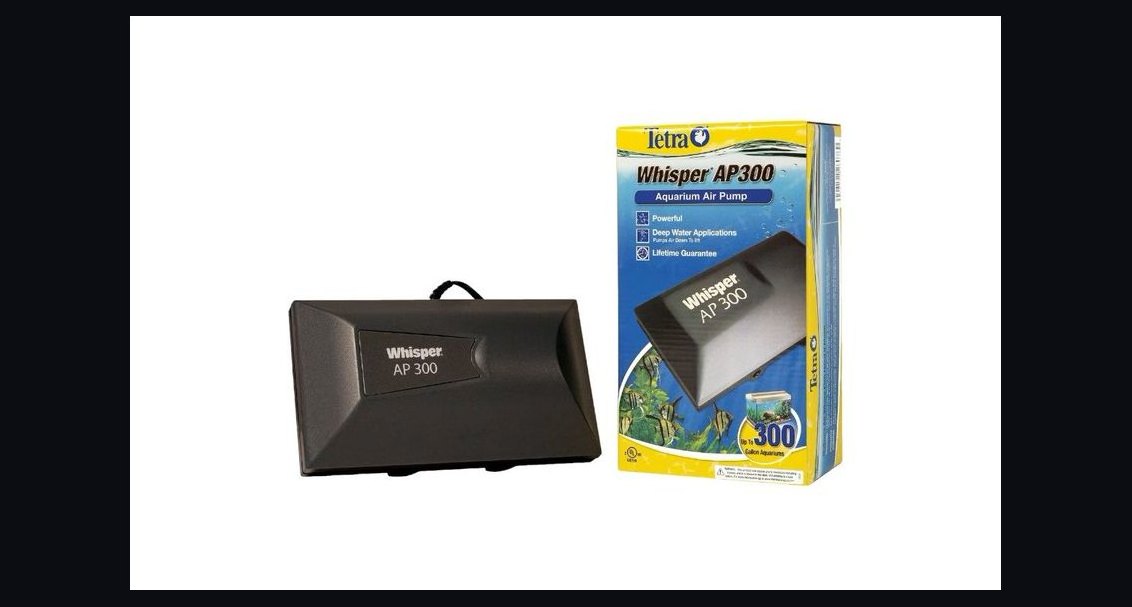 pulse-petsTop 10 Aquarium Air Pumps 2027
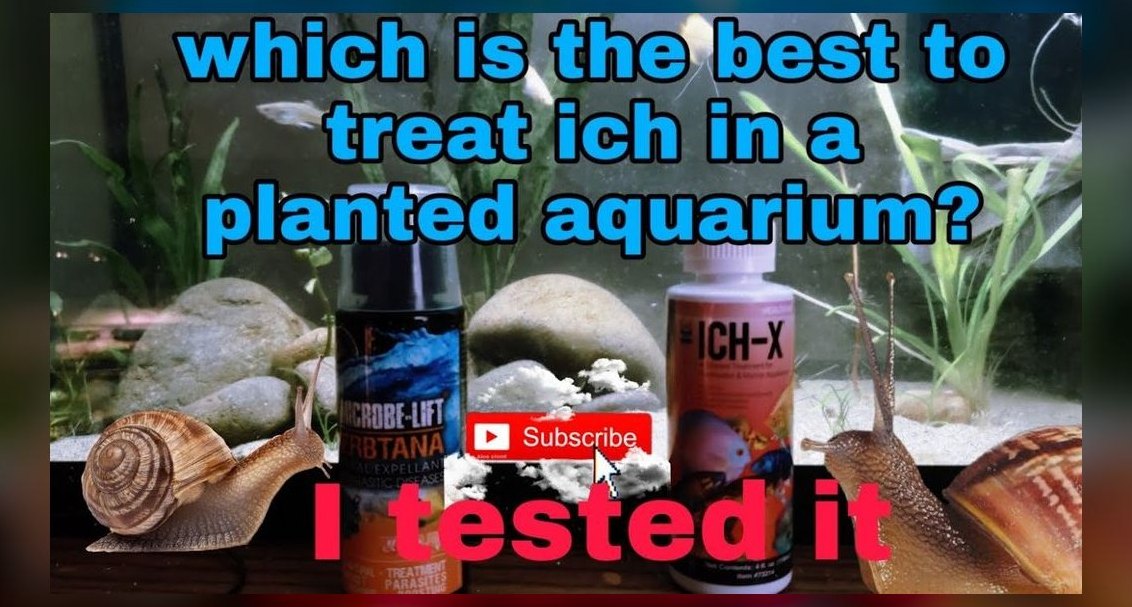 petsHow to treat ich in a planted tank without harming invertebrates in 2026?
 pulse-petsTop 10 aquarium fish for beginners 2027
 pulse-petsTop 10 Zoo Med Aquatic Products 2027
 petsHow long does tap water need to sit out before it's safe to add to an aquarium in 2027?
 pulse-petsTop 10 SPS Corals for Advanced Reefs 2027
 pulse-petsTop 10 Rainbow Shark Semi-Aggressive Fish 2027
 pulse-petsTop 10 Betta Fish Tail Types 2027
 pulse-petsTop 10 Aquascaping Tool Kits 2027
 pulse-petsTop 10 driftwood for aquariums 2027