
How to litter train a dwarf hamster in a bin cage in 2027?
 Curated byKory White · Fractional CRO · Maryland
 PULSEKNOWLEDGE LIBRARY
Quality
Certified
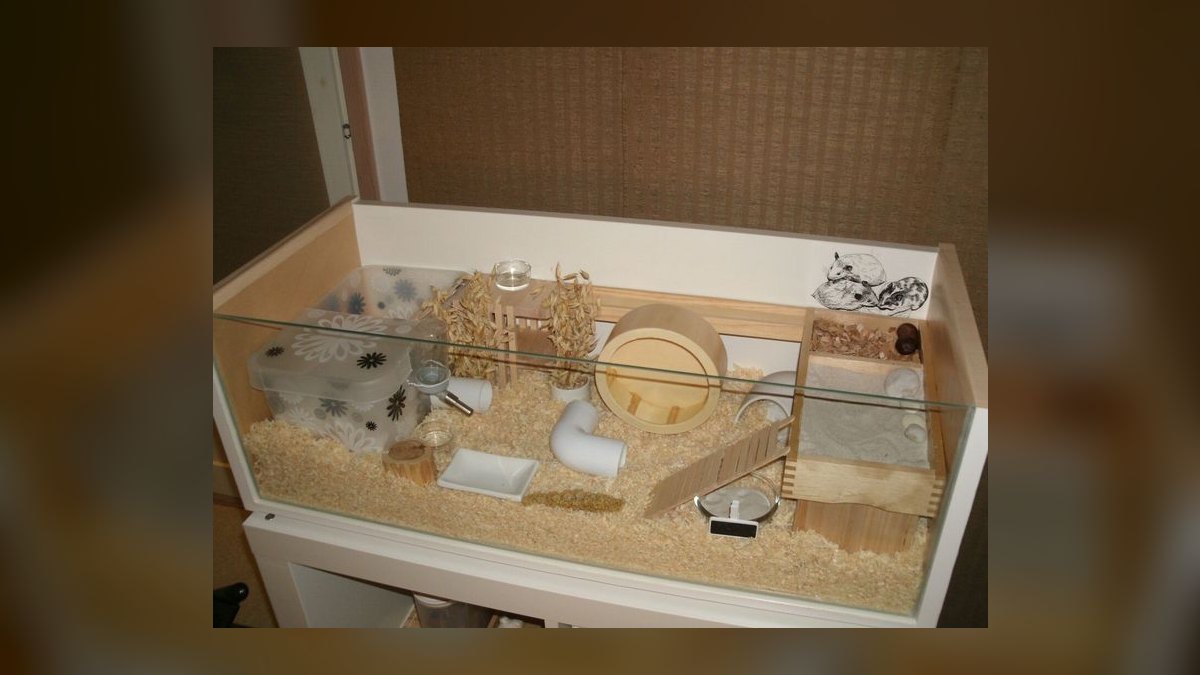
Place a low-sided dish filled with paper-based litter or chinchilla sand in the corner your dwarf hamster already pees in, seed it with a pinch of soiled bedding for scent, and spot-clean the rest of the bin daily. Most hamsters reach roughly 80% accuracy within two to three weeks.
The outcome you should expect
Set expectations before you buy anything, because the single biggest reason people give up on litter training is that they were promised cat-grade results and got hamster-grade results instead. A litter-trained dwarf hamster is not a litter-trained cat. What you are actually buying with two weeks of effort is a bin cage where the wet spot lives in one four-by-four-inch dish instead of smeared across a 30-inch plastic floor. That is a meaningful upgrade — it means you scoop one container each morning instead of digging through six inches of aspen looking for the ammonia — but it is not the same as a rodent that never has an accident.
Realistically, a Syrian is easier than a dwarf, and among dwarfs, a Roborovski is the hardest of the common pet species simply because they are fast, skittish, and less inclined to sit still anywhere. Campbell's and winter white dwarfs land in the middle. A young hamster that has not yet built a habit will usually take to the dish faster than an adult who has spent eight months designating the corner behind the wheel as the bathroom. Neither is hopeless; the adult just needs a longer scent-transfer phase.
The other thing worth stating plainly: you are training urine, not droppings. Hamsters poop wherever they happen to be walking, continuously, and there is no behavioral lever that changes this. Droppings are dry, nearly odorless, and easy to sweep up — the smell in a poorly maintained bin cage is essentially all urine and the bacterial breakdown that follows it. So if your goal is odor control, litter training solves close to the whole problem even though it will never make the cage floor pellet-free. People who expect a spotless floor read the whole exercise as a failure when it actually worked.
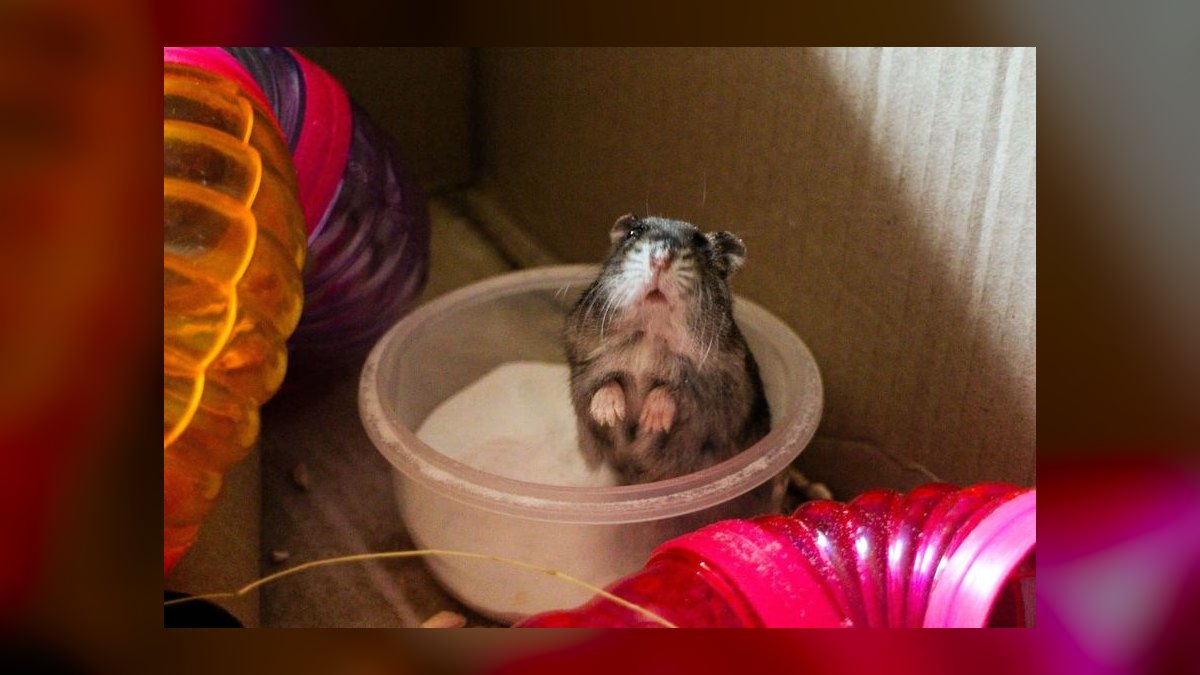
There is a second, quieter benefit that owners tend to discover only after the fact: a concentrated urine site is a health monitoring station. Wet tail, urinary tract issues, diabetes in Campbell's dwarfs — all of these show up first as a change in urine volume, color, or frequency, and none of them are detectable when the output is spread randomly through deep bedding. Once your hamster reliably uses one dish, a morning glance tells you whether the volume doubled overnight or whether the litter has gone unusually dark. That is diagnostic information you simply do not have in an untrained cage, and it is the argument for litter training even if you personally do not mind scooping.
Finally, expect regression. Moving the cage to a new room, adding a second hamster's scent on your hands, changing bedding brands, a heat wave, a course of medication — any of these can knock accuracy from 90% back to 50% for a week. Trained is a state you maintain, not a milestone you clear.
What drives that outcome
Litter training a hamster works because it is not really training in the operant sense. You are not teaching a new behavior; you are relocating an existing one. Hamsters in the wild toilet in a dedicated chamber of the burrow, away from the nest and the food cache, and that instinct is fully intact in a bin cage. The corner selection has already happened before you ever get involved. Your job is to place a container on the spot the animal already chose and make that container the most appealing version of that spot.
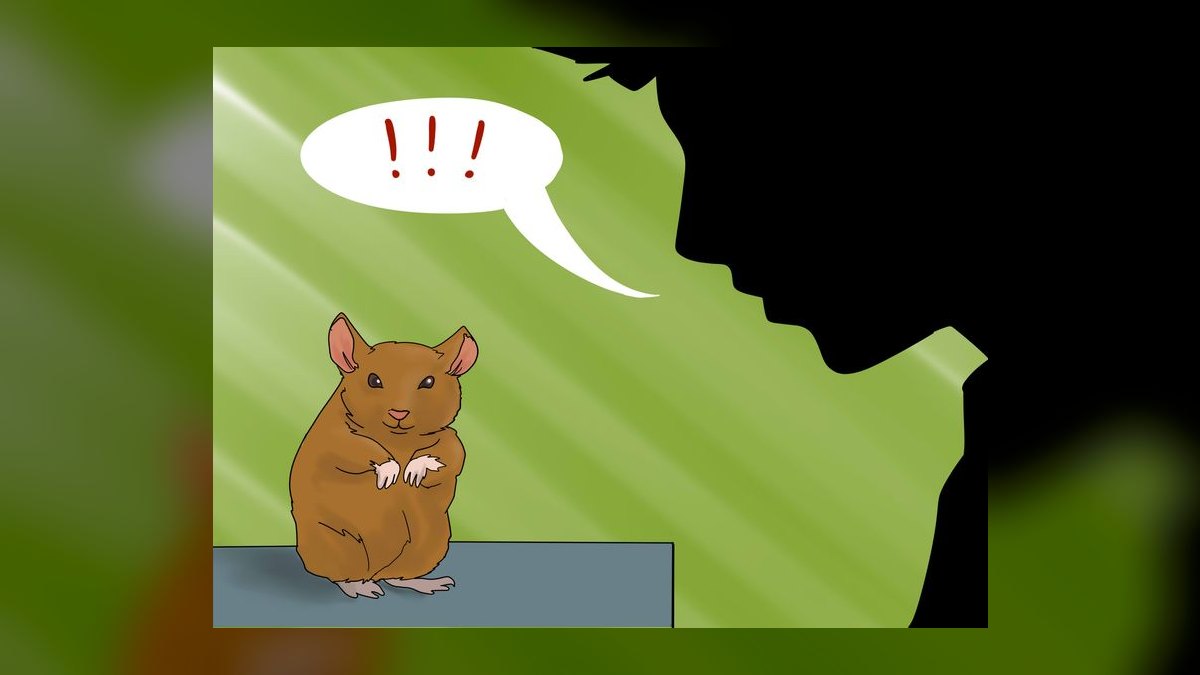
This is why scent transfer does almost all the work and treats do almost none. Hamsters have poor vision and navigate largely by smell and whisker contact along walls. When you drop a fresh, clean dish into the corner, you have not marked a bathroom — you have introduced a strange object into a familiar route. Adding a pinch of used bedding from that same corner converts the object into a labeled bathroom in a single step. Owners who skip this and rely on rewards typically report a week of nothing followed by giving up.
The substrate matters for the same reason. Chinchilla-grade bathing sand is the most reliable litter choice for dwarfs because it holds scent, absorbs immediately, does not clump into a swallowable mass, and closely resembles the loose fine soil a wild hamster would dig a latrine into. Paper-based litters work well too and are the safer default if you are unsure. What consistently fails: clumping clay cat litter, which expands if eaten and produces respiratory dust; corncob, which molds fast in the high humidity of a lidded bin; and pine or cedar shavings, whose aromatic phenols are a respiratory irritant regardless of litter training.
Cage geometry is the third driver, and in a bin cage specifically it is underrated. A 110-quart bin is a large open plain by hamster standards. Hamsters prefer to toilet at a wall, in a corner, at maximum distance from where they sleep and where they cache food. If the nest hide, the wheel, and the food bowl are all clustered on one end, the bathroom corner will be at the far end and will be stable. If those items are scattered evenly across the bin, the hamster may not have an obvious "far corner" and will pick two or three provisional sites — which is the most common cause of a training attempt that seems to half-work.

Bedding depth interacts with all of this. Deep bedding — six to ten inches, which is what a dwarf hamster genuinely needs for burrowing — actually helps litter training, because a hamster that has a proper burrow system has a proper nest chamber and therefore a clear reason to toilet elsewhere. Shallow bedding produces a stressed animal with no territorial structure, and stressed animals toilet unpredictably. The apparent trade-off (deep bedding buries the litter dish) is solved by sinking the dish so its rim sits flush with the bedding surface rather than perching it on top.
Benchmarks and realistic ranges
Concrete numbers, so you know whether you are on track or troubleshooting a real problem.
Dish dimensions. Four by four inches is the practical floor for a dwarf; five by five gives room to turn around without stepping on yesterday's corner. Sides under one inch for a dwarf — they are one and a half to two and a half inches long fully grown and will simply not climb a three-inch wall reliably. Corner-triangle designs sold for hamsters often have a two-inch lip, which is why so many of them end up used as food bowls. A shallow glass ramekin, a reptile feeding dish, or a small ceramic saucer all outperform the purpose-built plastic ones, and glass or ceramic will not be chewed and ingested.

Litter depth. Half an inch to one inch. Below half an inch the sand does not absorb and urine reaches the dish floor and pools. Above about an inch and a half, some hamsters treat it as a sand bath and dig rather than toilet — which is fine if you wanted a sand bath, but it means you need a second dish for the actual bathroom.
Timeline. Days one to three, observe and do not clean the chosen corner. Day two or three, introduce the empty dish so it stops being a novel object. Day four, add litter plus a teaspoon of soiled bedding. Days four to ten is where most of the learning happens. By day fourteen, a young dwarf hamster set up correctly is typically hitting the dish most of the time. An adult with an entrenched habit often needs three to four weeks, and the extra time goes almost entirely into the scent-transfer phase.
Cleaning cadence. Scoop the dish daily and always leave a small amount of soiled litter behind as an anchor. Full dump and wash of the dish every five to seven days with hot water and a mild unscented dish soap, rinsed thoroughly — then immediately re-seed with a pinch of the old litter. Spot-clean the rest of the bin daily; full bedding changes should be rare and partial, replacing perhaps two-thirds and leaving the nest untouched. A full strip-out including the nest is the single most reliable way to reset training and trigger a stress response.
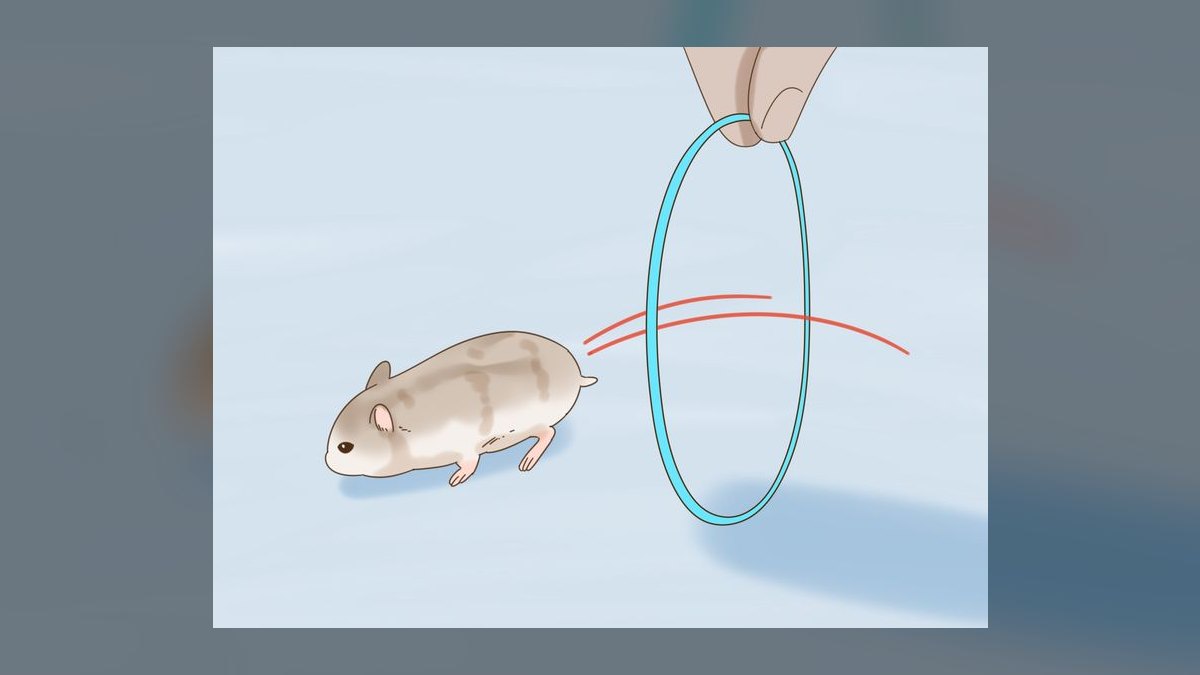
What good looks like. One damp dish, dry bedding elsewhere, no ammonia smell when you lift the lid, droppings scattered throughout — that last part is normal and permanent. If the bin smells at day ten despite the hamster using the dish, the problem is usually ventilation or litter depth, not training.
Cost and effort. This is a genuinely cheap intervention: a ceramic dish and a bag of chinchilla sand, and the sand bag lasts months. The real cost is fourteen days of two-minute daily observation. Compared to the alternative — full bedding changes every few days, which are expensive in bedding, stressful for the animal, and destroy the burrow — litter training pays for itself quickly in both money and hamster welfare.
Risks, edge cases, and failure modes
Substrate ingestion. The genuine safety risk in this whole exercise. Clumping clay litter is the one to avoid absolutely — a dwarf hamster is small enough that a swallowed clump expanding in the gut is a real emergency, and the dust load is bad for animals that live at floor level. Corncob is second on the list, mostly for mold in a humid lidded bin. If you use sand, use bathing sand sold for chinchillas, not "dust," and not children's play sand or calcium-based reptile sand — the first is too fine to breathe and the latter can cause impaction if eaten in quantity.
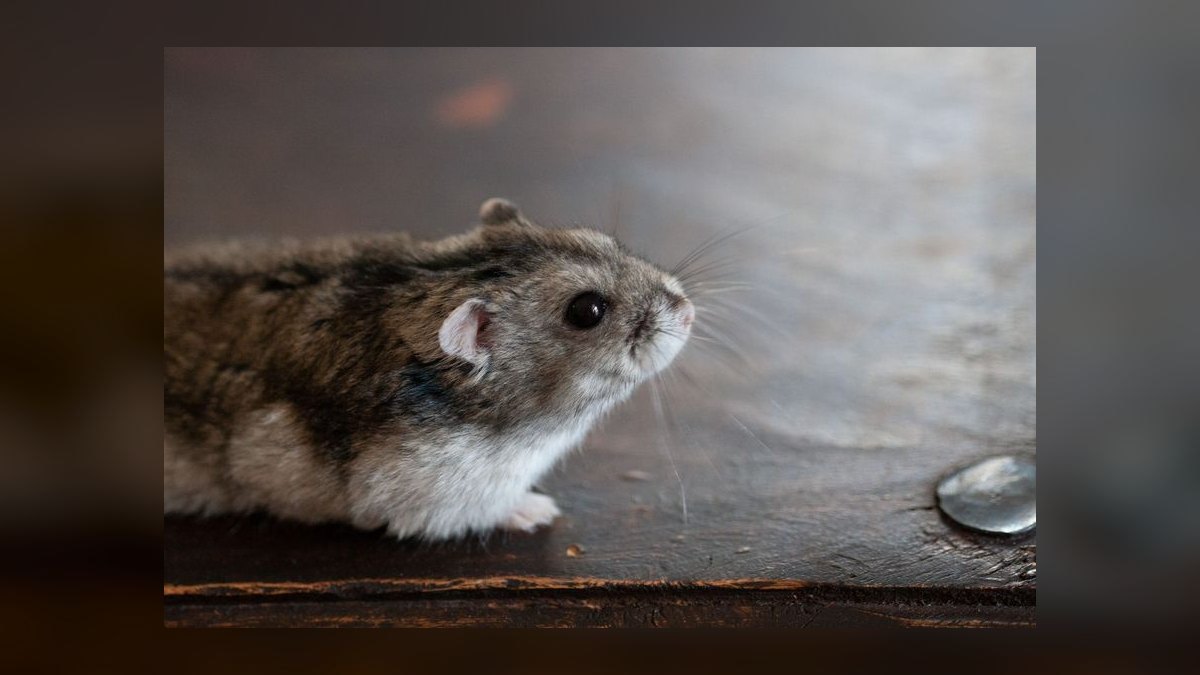
Sleeping in the dish. Common and usually means you built something too comfortable, or the hide is inadequate. Fix the hide rather than the dish: a proper multi-chamber wooden house in the opposite corner, well away from the wheel, solves this more reliably than making the litter dish worse. If it persists, the dish may be in the spot the hamster wanted for a nest, which means you misread the corner in the first place.
Peeing in the wheel. Very common, and a special case because a wheel is a high-traffic, high-comfort zone. The usual fix is to move the dish adjacent to the wheel for a few days, then shift it an inch a day back toward the original corner. If that fails, leave a permanent second dish under or beside the wheel — two dishes in a 110-quart bin is not a defeat. Also clean the wheel weekly; a wheel that already smells like urine will keep being used as a toilet regardless of what you do elsewhere.
Cleaning products that erase the map. Never bleach and never ammonia-based cleaners. Ammonia smells like urine to the hamster and effectively marks new territory for you. Bleach is both an irritant and a total scent wipe. A dilute vinegar-and-water solution on the plastic walls is the standard approach, but even that should be used sparingly and followed by a rinse and full dry — and crucially, do not do a wall wipe and a litter dish dump on the same day. Stagger them.
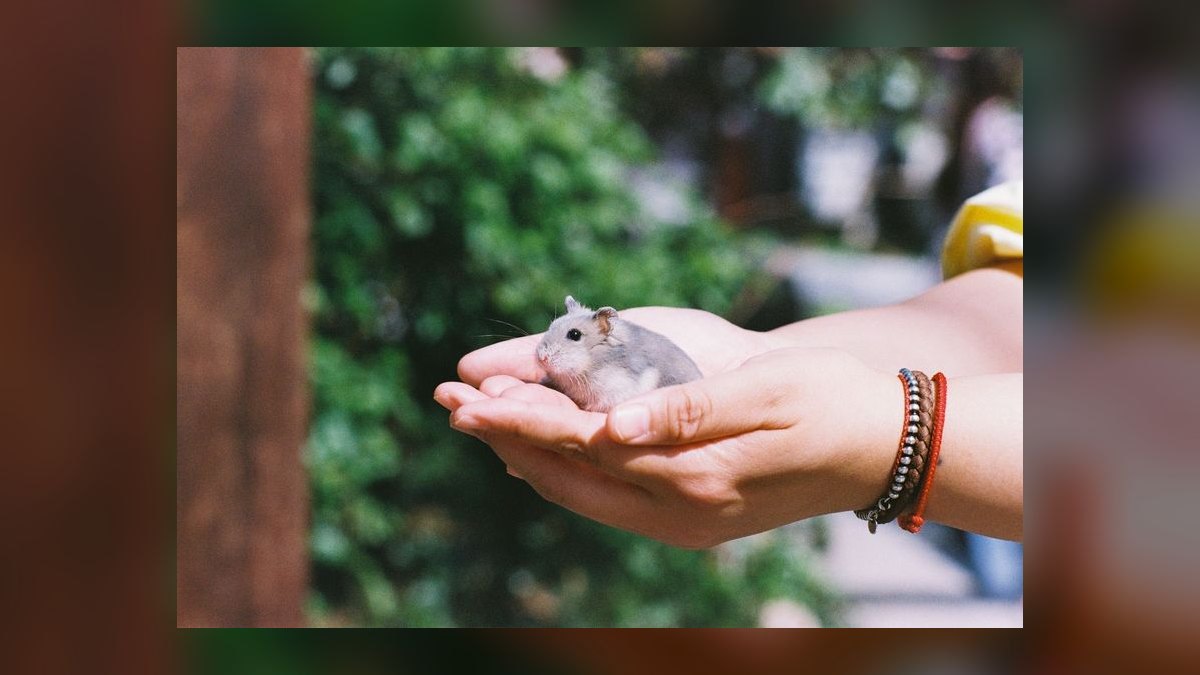
Multiple hamsters. Dwarf hamsters are frequently sold as social, and Campbell's and winter whites sometimes do live in pairs, but a pair complicates litter training considerably: scent marking becomes territorial signaling rather than simple toileting, and one hamster will often deliberately toilet outside the dish. If you are running a pair and training is failing, that is a likely cause. Separated hamsters, incidentally, almost always resume normal single-corner behavior within a week or two.
Illness masquerading as regression. A trained hamster that suddenly stops using the dish is worth a health check before a training intervention. Diabetes is a known concern in Campbell's dwarfs and produces markedly increased urination and thirst. Urinary infections change frequency and can make the animal reluctant to travel to a distant corner. Any wet, soiled tail area is an urgent veterinary matter, not a litter box problem. As a rule: a gradual training drift is behavioral, a sudden overnight change is medical until proven otherwise.
Environmental resets. Moving the bin to a new room, a nearby cat or dog, a new sound source, or seasonal temperature swings can all destabilize corner choice. Winter whites in particular can shift behavior seasonally with changing light. Give any environmental change 48 to 72 hours before concluding the training broke.

Bin cage specifics. Two failure modes are unique to bins rather than wire cages. First, the plastic floor does not wick, so a shallow-bedding bin develops a urine pool that spreads well beyond the corner and blurs the scent boundary you are trying to establish — deep bedding actually prevents this. Second, the mesh lid: too little ventilation and humidity climbs, condensation forms on the plastic walls, litter stays damp and molds; too much draft directly over the dish and the litter dries out fast enough that the scent anchor weakens. Cutting a lid opening covered with fine hardware cloth, positioned away from the bathroom corner, tends to balance both.
A practical rollout plan
Run this as a sequence, not a checklist you do all at once. The order matters more than the speed.
Before day one — arrange the bin. Push the nest hide, the wheel, the sand bath, and the food bowl toward one end. Leave the opposite end sparse. This does more for training success than anything you do later, because it manufactures the far corner the hamster is looking for. Bedding six to ten inches deep, unscented, paper or aspen.

Days one to three — observe only. Do not clean the corner the hamster picks. Note where the damp patch appears each morning. If it appears in two places, that is your signal to revisit the layout rather than proceed. Place the empty dish in the winning corner on day two so it becomes furniture before it becomes a bathroom.
Day four — commit. Fill the dish with half to one inch of chinchilla sand or paper litter, sink it so the rim is flush with the bedding, and stir in a teaspoon of soiled bedding from the corner. This teaspoon is the whole trick.
Days four to ten — reinforce and stay out of the way. Scoop daily, always leaving a little behind. A millet spray or single sunflower seed offered within a few seconds of use does no harm and may help slightly, but do not build the plan around it and do not handle the hamster to deliver it — interrupting a toileting animal is counterproductive. Resist the urge to deep clean.

Days eleven to fourteen — tune. If the hamster is close but off-target, move the dish an inch a day toward where it is actually going, rather than trying to move the hamster. If it is digging litter out onto the floor, reduce depth slightly. If it has picked a second corner, add a second dish rather than fighting it.
Ongoing — maintain the anchor. Weekly wash, immediate re-seed, staggered from wall wipes. Never strip the nest.
The same logic transfers to adjacent setups if you keep other small animals. Rats and gerbils litter train on essentially this protocol with larger dishes. Rabbits and guinea pigs go further — they will genuinely use a box near-exclusively, and the hay-over-the-litter-box trick works because they eat and toilet simultaneously. Degus and chinchillas are the exception: they scatter by design and no scent-anchor approach reliably concentrates them. In every case the underlying mechanism is the same one that makes it work for a dwarf hamster — find the spot the animal already chose, put a container there, and label it with its own scent.
Related questions
Do dwarf hamsters need a sand bath as well as a litter dish?
Yes, and keep them separate. A sand bath is for grooming and coat oil removal; a litter dish is for urine. Using one dish for both means the hamster rolls in soiled sand. Two dishes at opposite ends, both chinchilla sand, works cleanly.
Can you litter train a hamster in a wire cage instead of a bin?
The protocol is identical. Wire cages are typically shallower, so bedding depth is the limiting factor and corner choice is less stable. Bins usually hold deeper bedding and produce clearer territorial structure, which makes training slightly easier despite the humidity trade-off.
How big should a bin cage be for a dwarf hamster?
Larger is better, and most welfare guidance points well above the old minimums. A 110-quart bin is a common starting point for a single dwarf. Bigger bins make the bathroom corner more distinct but occasionally produce two sites, which two dishes solve.
Will litter training reduce cage odor completely?
Mostly. Urine is the odor source, so concentrating it in one scoopable dish removes most of it. Remaining smell usually traces to poor lid ventilation, damp bedding, or an uncleaned wheel rather than to training failure.
Is it too late to train an adult hamster?
No. Adults have stronger entrenched habits, so double the observation phase to about six days and rely more heavily on scent transfer. Expect three to four weeks rather than two, and expect slightly lower final accuracy.
FAQ
How often should I clean the litter dish in a bin cage?
Scoop the wet litter daily and top up with fresh, always leaving a small amount of soiled litter behind as a scent anchor. Do a full dump and wash every five to seven days with hot water and a mild unscented dish soap, rinse thoroughly, dry completely, and immediately mix a pinch of the old litter back in. Skipping the re-seed is the most common way people accidentally reset their own training.
My dwarf hamster ignores the dish and pees in the wheel. What now?
Move the dish right next to the wheel for three or four days, then shift it about an inch per day back toward the corner you want. Clean the wheel thoroughly at the same time — residual urine scent on the running surface keeps the behavior alive no matter what you do elsewhere. If it still persists, keep a permanent second dish by the wheel; two dishes in a large bin is a perfectly good outcome.
Can I use cat litter?
No. Clumping clay litter expands when wet and can cause an intestinal blockage if a dwarf hamster eats a piece, and the dust is a respiratory irritant for an animal that lives at floor level. Use chinchilla bathing sand or a plain paper-based litter instead. Avoid pine and cedar shavings entirely for the same reason you avoid them as bedding.
What if my hamster eats the litter?
Nibbling is normal exploration. Plain paper-based litter is non-toxic and passes through without issue. Sand is generally fine in small incidental amounts but avoid calcium-based reptile sands. Corncob is the one to drop immediately — it molds quickly in the humidity of a lidded bin. If you see diarrhea, lethargy, or a wet, soiled tail area, stop guessing and see an exotics vet.
Does the mesh lid on a bin cage affect training?
Indirectly. Too little ventilation and humidity builds, condensation forms, and the litter stays damp and can mold. Too much airflow directly over the dish and the litter dries so fast the scent anchor weakens within a day. Position the ventilation opening away from the bathroom corner and you avoid both. If the litter is bone dry in under 24 hours, a single light mist of plain water restores the scent cue.
How deep should the bedding be, and does it fight with the litter dish?
Dwarf hamsters need genuinely deep bedding — six inches at an absolute minimum, ten is better — because burrowing is a core behavior, and a hamster with a proper burrow has a proper nest chamber and a clear reason to toilet elsewhere. Deep bedding helps training rather than hindering it. Sink the dish so its rim sits flush with the bedding surface instead of perching it on top and the two coexist fine.
Sources
- RSPCA — Hamster housing and welfare
- PDSA — Hamster care and housing advice
- Blue Cross — Hamster care guide
- VCA Animal Hospitals — Hamsters: housing and general care
- VCA Animal Hospitals — Hamsters: problems and common diseases
- Merck Veterinary Manual — Routine health care of hamsters
- The Humane Society of the United States — Small pet care
- ASPCA — Hamster care
- Oxbow Animal Health — Small animal bedding and litter
Related on PULSE
This page will be disappearing soon. Save it to your device for $1 — or read it free while it is here.
@Kory-White- · if Venmo asks, the last 4 of my number are 2012
This page is gone.
This one is off the shelf now. $1 keeps it on your phone for good — the whole page, pictures and diagrams included.
 pulse-petsTop 10 best aquarium sand types 2027
 pulse-petsTop 10 desktop aquarium kits 2027
 pulse-petsTop 10 Cleaner Shrimp Species 2027
 petsHow do I dechlorinate tap water before adding it to a freshwater aquarium in 2027?
 pulse-petsTop 10 SPS Corals for Advanced Reefs 2027
 petsTop 10 High-Tech Automated Fish Feeders for Busy Aquarium Owners in 2027
 pulse-petsTop 10 fish acclimation methods 2027
 petsWhat is the best way to introduce a new kitten to a resident adult cat in 2027?
 pulse-petsTop 10 best aquarium snail varieties 2027
 pulse-petsTop 10 Lawnmower Blenny Algae Control 2027