
How often should I take my dog to the vet for a checkup in 2027?
 Curated byKory White · Fractional CRO · Maryland
 PULSEKNOWLEDGE LIBRARY
Quality
Certified

Most healthy adult dogs need one comprehensive wellness checkup per year. Puppies require three to four visits before twelve months for their vaccine series, and senior dogs aged seven or older should be seen every six months. Dogs with chronic conditions like diabetes or kidney disease often need monitoring every three months.
The 3 a.m. problem that starts a year earlier
Picture the situation that sends most people searching this question in the first place. It's late, the dog is pacing, drinking water obsessively, and hasn't eaten since morning. The emergency clinic quotes $1,200 for intake, bloodwork, and overnight fluids before anyone has said the word "diagnosis." Somewhere in that waiting room, the owner does the math and realizes the last actual checkup was two and a half years ago — the appointment that got rescheduled during a move and then simply never got rebooked.
Almost none of that night is random. Chronic kidney disease, the most common reason an older dog ends up dehydrated and off food, is measurable in bloodwork long before an owner notices anything at home. Creatinine and BUN climb gradually. SDMA, a kidney biomarker now included in most standard senior panels, moves earlier still — it can flag reduced kidney function when a meaningful share of function has already been lost but the dog looks completely normal. A dog with two skipped annual visits has skipped two chances to catch that curve while it was still a diet-and-monitoring problem rather than a hospitalization problem.
This is the honest framing for how often you should take your dog in: the checkup is not for the dog who seems sick. It's for the dog who seems fine. Dogs are stoic in a way that actively works against their owners — a species that hides limps, hides nausea, and eats through dental pain that would put a person on the couch. By the time behavior changes visibly, the underlying process is usually well established.

There's a second, quieter reason the annual visit matters, and it has nothing to do with disease. It's the baseline. A single bloodwork panel tells your vet whether a number is inside the reference range. Three annual panels tell your vet whether *your* dog's number is drifting. A liver enzyme at the high end of normal is meaningless in isolation and genuinely informative if it has doubled since last spring. The value compounds — which is exactly why the schedule matters more than any individual appointment.
What actually happens in a wellness exam, and why the interval follows from it
A wellness checkup isn't one procedure. It's a bundle of screens that each have their own natural detection window, and the recommended interval is essentially the shortest useful window among them.
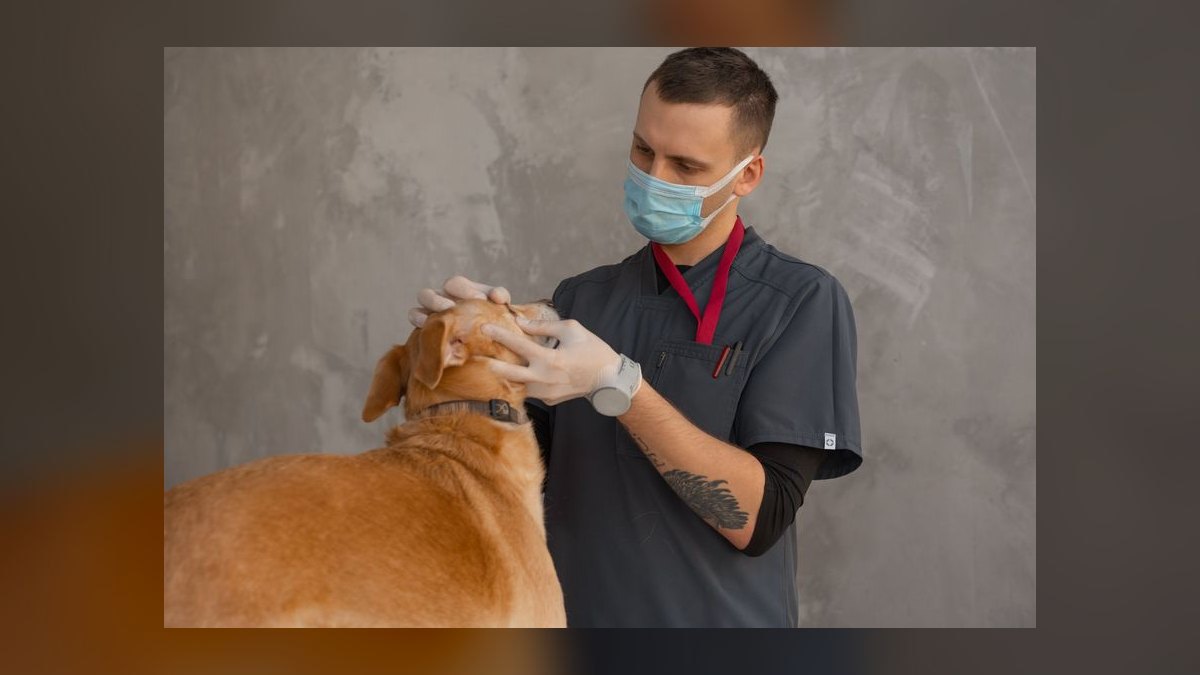
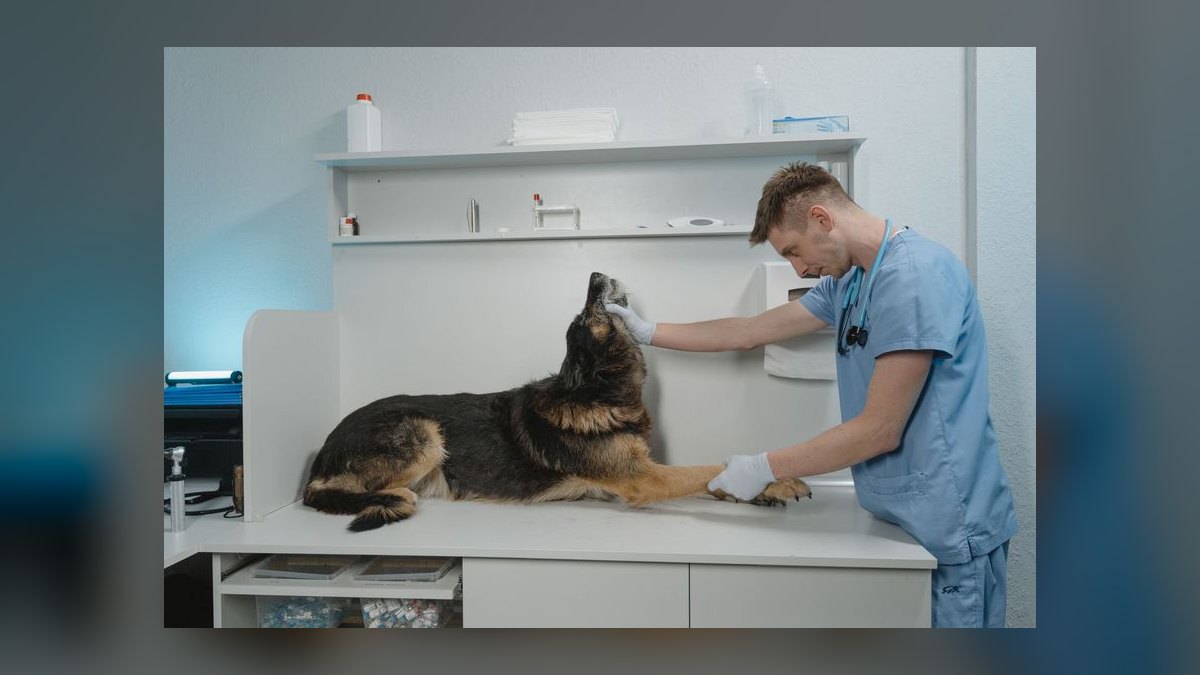
The physical exam is the part people underrate. A veterinarian palpates the abdomen for organ enlargement and masses, listens to the heart for murmurs and arrhythmias, listens to lung fields, checks lymph nodes, examines eyes and ears, assesses gait and joint range of motion, and scores body condition on a 9-point scale. A grade II murmur that wasn't there twelve months ago changes the entire conversation about that dog's next two years. None of this requires a lab.

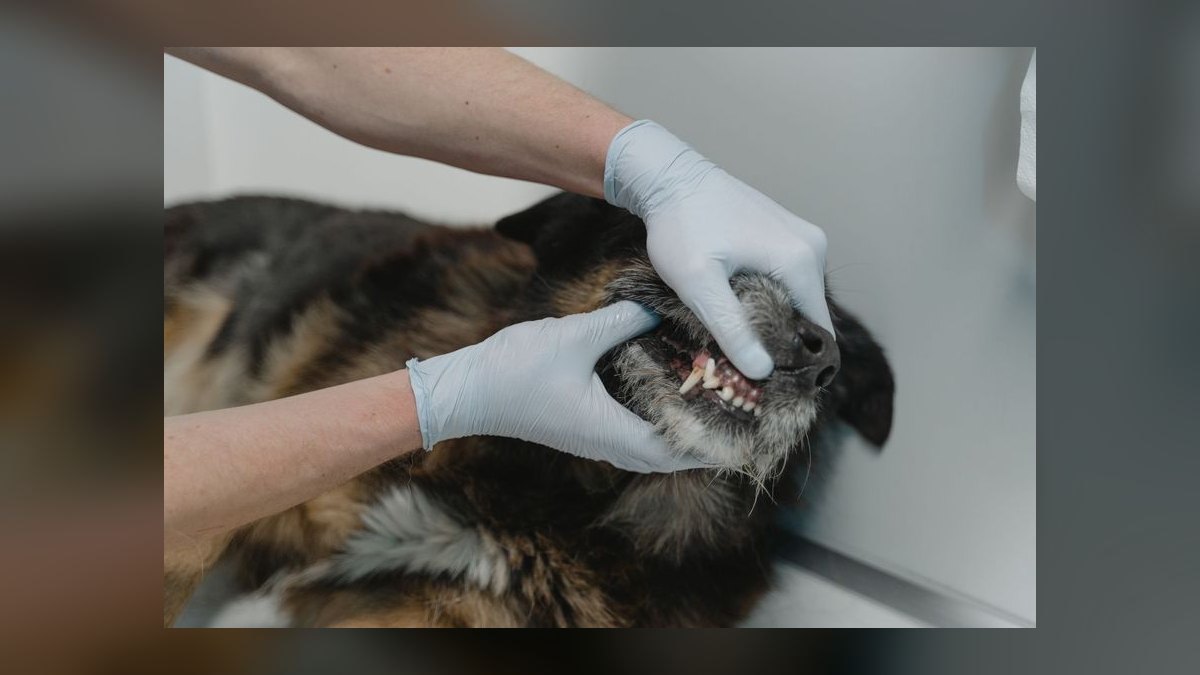
The dental assessment is where most annual visits produce their highest-value finding. Periodontal disease is extraordinarily common in adult dogs, and small breeds — Yorkies, Dachshunds, Chihuahuas, toy Poodles — get it earlier and worse because their teeth are crowded into a jaw that didn't scale down proportionally. Tartar you can see is the visible fraction; the disease lives under the gumline, which is why definitive assessment requires anesthesia and dental radiographs.
Bloodwork typically means a CBC and a chemistry panel. The CBC catches anemia, infection, and some cancers. The chemistry panel covers kidney values, liver enzymes, blood glucose, electrolytes, and protein. Add a thyroid panel for middle-aged and older dogs, since hypothyroidism presents as weight gain, lethargy, and coat changes that owners reliably attribute to "getting older."
Parasite screening runs on its own clock entirely. A heartworm antigen test is annual in most regions because the manufacturers of preventives require documented annual testing for their product guarantees, and because a dog that missed doses can be infected without symptoms for months. Fecal testing for intestinal parasites is typically annual for adults and more frequent for puppies.
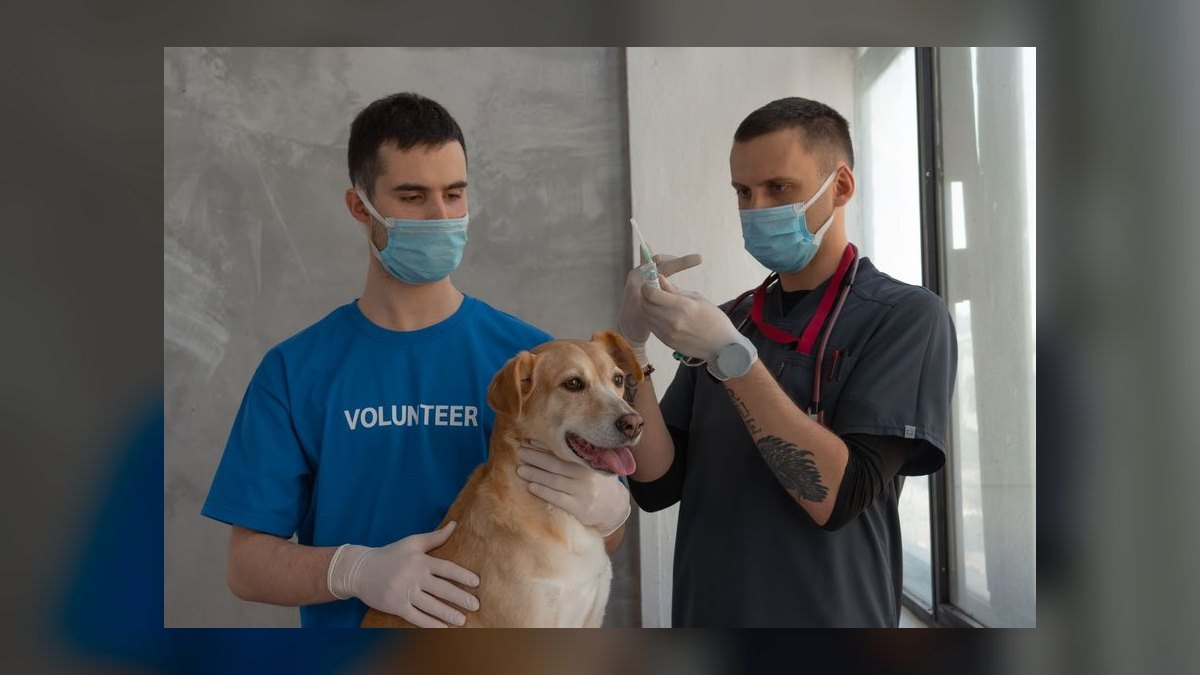
Vaccines are the one component that has genuinely lengthened. Core vaccines — distemper, adenovirus, parvovirus — are given at three-year intervals in adult dogs under current major guidelines rather than annually. Rabies interval is set by state law, usually three years after the initial one-year booster. Non-core vaccines like leptospirosis, Lyme, and Bordetella are annual and are recommended based on where you live and what your dog does.
Read the diagram as a loop rather than a checklist. Each visit either returns the dog to the standard interval or shortens it. That branch is the entire mechanism — the schedule is self-adjusting, and the annual visit exists to feed it data.
Real numbers: intervals, costs, and what changes them
Here are the working ranges practitioners actually use.

Puppies, birth to sixteen weeks. Vaccines are given every three to four weeks, typically starting at six to eight weeks and finishing no earlier than sixteen weeks. That's usually three or four visits. The interval isn't arbitrary: maternal antibodies protect the puppy early but also block vaccine response, and they wane on a schedule that varies puppy to puppy. Repeated doses cover that uncertainty window. Ending the series before sixteen weeks is the single most common reason a vaccinated puppy still contracts parvovirus.
Puppies, four to twelve months. Expect a spay/neuter consult and one follow-up. Timing of sterilization has shifted meaningfully — for large and giant breeds there's now real evidence that delaying past skeletal maturity reduces certain orthopedic and cancer risks, so the old blanket "six months" answer has become breed- and size-specific. Worth a direct conversation rather than a default.
Adults, one to seven years. Once annually. Budget roughly $50 to $100 for the exam fee itself in most of the US, with a full visit including bloodwork, heartworm test, fecal, and any due vaccines landing somewhere around $200 to $400 depending on region and how much lab work is included. Urban clinics run higher.

Seniors. Every six months. The age threshold slides with size, and this is the part most owners get wrong: a Great Dane is geriatric at six, a Labrador around seven or eight, a Chihuahua closer to ten or eleven. Large breeds age faster. Semi-annual senior visits usually include a broader panel — blood pressure, urinalysis, sometimes chest radiographs — and cost more per visit, but they're catching things with a six-month doubling time rather than a twelve-month one.
Chronic conditions. Diabetes typically means recheck every three months once regulated, more often during initial stabilization. Chronic kidney disease is staged, and monitoring frequency follows the stage — early stages every six months, advanced stages every one to three months. Well-controlled hypothyroidism on stable medication may only need a level check every six to twelve months. Chronic conditions are where the frequency question stops being generic and becomes a specific number your vet gives you.
Dental cleanings run on their own schedule — often every one to three years, but small breeds and brachycephalic dogs frequently need annual attention. This is a separate anesthetized procedure, not part of the wellness exam, and typically the largest single line item in routine care.

On the money question: pet insurance premiums vary widely by breed, age, and location, and most accident-and-illness policies exclude routine wellness care unless you add a wellness rider. The economics generally favor enrolling young and healthy, before anything becomes a pre-existing condition. Wellness plans sold directly by clinics are a different product — a prepaid bundle of routine care, not insurance — and they can make sense purely as a budgeting and compliance mechanism, since people who've prepaid tend to actually show up.
Trade-offs: skipping, splitting, and the telehealth question
Every alternative to the standard schedule involves a real trade, and it's worth being honest about which ones are defensible.
Stretching an adult dog to every eighteen or twenty-four months. Financially tempting, and for a young, low-risk, indoor dog in a low-parasite region, the absolute risk increase in any single skipped year is modest. The problem is that it isn't one skipped year. It becomes the default, and dogs move from adult to senior during the gap — the period when interval should be *shortening*. If budget is genuinely the constraint, the better move is to split: keep the exam and heartworm test annual, and negotiate which lab work is essential this year versus deferrable. An exam without bloodwork still catches murmurs, masses, dental disease, and weight trends. Bloodwork without an exam catches far less.
Splitting the senior visit. Some owners find semi-annual visits easier to swallow when structured as one full workup annually plus a lighter six-month recheck — exam, weight, blood pressure, and a targeted panel rather than the full battery. This is a legitimate compromise and many practices offer it without being asked.
Telehealth. Genuinely useful for triage, medication questions, behavior consults, and deciding whether something needs an in-person visit tonight or Tuesday. It cannot replace a wellness exam, and not for hand-waving reasons: it cannot palpate an abdomen, auscultate a heart, or draw blood. Regulations in most US states also require an established in-person veterinarian-client-patient relationship before a vet can diagnose or prescribe remotely — so telehealth is generally a supplement to a real schedule, not a substitute for one.
Wearable monitors and home data. Activity collars, smart feeders, and litter-box-style monitoring on the cat side have made "the dog seems off" into something you can actually chart. A sustained drop in activity or a change in sleep pattern is a reasonable prompt to move a visit up. Treat these as a trigger for scheduling, not as a diagnostic. They generate a lot of noise, and a normal reading from a collar has never ruled anything out.
Vaccine titers instead of automatic boosters. Antibody titer testing for distemper and parvovirus is available and can support extending intervals for dogs with vaccine-reaction histories. The cost is often comparable to or above the vaccine itself, and rabies is governed by statute regardless of titer, so this is a targeted tool for specific dogs rather than a general cost-saving strategy.
Low-cost vaccine clinics. Real value for vaccines and heartworm testing specifically. What they don't provide is the thorough physical exam and the continuity of a veterinarian who has seen your dog before and remembers that the murmur is new. Using them as a supplement is sensible; using them as a replacement for the annual exam quietly removes the highest-yield component.
Where owners actually go wrong
Treating "vaccines are due" as the trigger. This is the big one, and it's a direct side effect of good medicine. When core vaccines moved to three-year intervals, the postcard reminder that used to drag people in every year stopped arriving every year. A lot of owners concluded the *visit* had become triennial. It didn't — the exam, the bloodwork, the heartworm test, and the dental check all stayed annual. If your clinic's reminders are vaccine-driven, ask them to set a wellness reminder instead.
Confusing weight gain with aging. Body condition score drifts slowly enough to be invisible day to day, and owners consistently underestimate it. Excess weight worsens arthritis, complicates anesthesia, and is associated with shorter lifespan. The annual weigh-in isn't ceremony — it's the only place the trend gets recorded objectively.
Assuming an indoor dog doesn't need parasite prevention. Mosquitoes get indoors. Heartworm prevalence varies enormously by region but is present in all fifty states, and treatment for an established infection is expensive, lengthy, and involves weeks of strict exercise restriction. Prevention is dramatically cheaper than the cure, and the annual test is what makes the prevention trustworthy.
Skipping the fecal because the dog looks healthy. Several intestinal parasites shed intermittently and cause no visible signs in an adult dog. Some are zoonotic. It's a cheap test with a real public-health rationale, especially in households with young children.

Letting dental go because "the breath is just dog breath." Foul breath is the clinical sign, not a quirk. Advanced periodontal disease means bone loss and extractions — a far bigger, more expensive procedure than a cleaning would have been two years earlier.
Not writing down what changed. Come to the visit with specifics: when the limp started, which stairs the dog stopped taking, how much water is going down per day, whether the appetite change is refusal or slowness. Your veterinarian gets fifteen or twenty minutes and cannot observe your dog at home. A short note on your phone routinely changes what gets investigated.
Waiting for the "right time" after a lapse. If it's been three years, the visit is more valuable, not less. There's no penalty and no lecture worth avoiding — just go.
Related questions
At what age is my dog considered senior?
It's size-dependent. Giant breeds are often considered senior around six, large breeds around seven, and small breeds around ten or eleven. Ask your veterinarian when to switch your specific dog to a semi-annual schedule rather than using a single age cutoff.
Do indoor-only dogs need fewer vet visits?
No. The exam, bloodwork, dental check, and weight monitoring are entirely independent of whether the dog goes outside. Some non-core vaccines may be droppable based on genuinely low exposure risk, but that's a vaccine decision, not a visit-frequency decision.
How often do cats need checkups compared with dogs?
The framework is similar — annual for healthy adults, semi-annual for seniors — but cats hide illness even more effectively and are chronically under-brought to the vet. Chronic kidney disease and hyperthyroidism are common enough in older cats that semi-annual bloodwork is especially valuable.
Should I use the same vet every time?
Continuity has real diagnostic value, because trend data and a remembered baseline are what turn a borderline result into a finding. If you must switch, request your dog's complete records including prior lab values so the new practice inherits the history.
Does my dog need a checkup before boarding or grooming?
Facilities usually require current rabies and often Bordetella, sometimes canine influenza. Check requirements a few weeks ahead — some vaccines need lead time to take effect, and a last-minute appointment is the most expensive way to solve a paperwork problem.
FAQ
How often should I take my dog to the vet if they seem completely healthy?
Once a year for a healthy adult, every six months once they're senior. The entire point of a wellness checkup is screening dogs with no symptoms, since dogs mask pain and illness effectively and most chronic disease is detectable in bloodwork or on physical exam well before anything is visible at home.
Is it really necessary to go annually now that vaccines last three years?
Yes. Core vaccines moved to three-year intervals, but the physical exam, dental assessment, weight and body condition tracking, bloodwork trends, heartworm testing, and non-core vaccines all remained annual. The vaccine schedule changed; the visit schedule did not. Ask your clinic to send wellness reminders rather than vaccine-only reminders.
What does a routine dog checkup typically cost?
The exam fee alone commonly runs about $50 to $100 in the US. A complete annual visit with bloodwork, heartworm testing, a fecal exam, and due vaccines more often lands in the $200 to $400 range, varying substantially by region and clinic. Senior panels and dental procedures are additional and cost more.
My dog is terrified of the vet. Is skipping visits the lesser harm?
No, but the fear is a solvable problem worth raising directly. Many practices now offer low-stress or Fear Free handling, pre-visit anti-anxiety medication, exam rooms without other animals, appointments at quiet hours, or car-side exams. Tell the clinic before you book — they can plan around it.
How soon should a newly adopted dog be seen?
Within about a week, even with shelter paperwork in hand. That first visit establishes a baseline, confirms what vaccines and parasite treatment actually happened, screens for anything the shelter environment may have exposed them to, and creates the veterinarian-client-patient relationship you'll need for future prescriptions and telehealth.
When does something warrant an urgent visit instead of waiting for the annual?
Don't wait on repeated vomiting or diarrhea, a distended or hard abdomen, unproductive retching, collapse, labored breathing, pale gums, seizures, suspected toxin ingestion, straining to urinate, or sudden severe lameness. Bloat and urinary obstruction are hours-matter emergencies. When genuinely unsure, call — triage advice is free at most clinics.
Sources
- https://www.avma.org/resources/pet-owners/petcare/veterinary-visit-checklist
- https://www.aaha.org/resources/2019-aaha-canine-life-stage-guidelines/
- https://www.aaha.org/resources/2022-aaha-canine-vaccination-guidelines/
- https://www.merckvetmanual.com/dog-owners/routine-care-and-breeding-of-dogs
- https://www.heartwormsociety.org/pet-owner-resources/heartworm-basics
- https://www.cdc.gov/healthypets/keeping-pets-and-people-healthy/index.html
- https://vet.cornell.edu/departments-centers-and-institutes/riney-canine-health-center
- https://www.akc.org/expert-advice/health/how-often-should-dogs-go-to-the-vet/
- https://www.humanesociety.org/resources/pet-care-essentials
Related on PULSE
- What are the first steps to take if my dog eats something toxic?
- How often should I feed my adult cat wet food versus dry food?
- How often should I bathe my Labrador Retriever to maintain healthy skin and coat?
- How often should I replace the filter media in a sponge filter for a fry tank?
- Top 10 Dog GPS Trackers in 2027 — Best Overall + Best Value
- Top 10 Dog Training Collars in 2027 — Best Overall + Best Value
This page will be disappearing soon. Save it to your device for $1 — or read it free while it is here.
@Kory-White- · if Venmo asks, the last 4 of my number are 2012
This page is gone.
This one is off the shelf now. $1 keeps it on your phone for good — the whole page, pictures and diagrams included.
 pulse-petsTop 10 5-Gallon Aquariums 2027
 petsTop 10 step-by-step aquarium water change procedures in 2027
 pulse-petsTop 10 aquarium siphon brands 2027
 pulse-petsTop 10 aquarium lighting systems 2027
 petsTop 10 High-Tech Automated Fish Feeders for Busy Aquarium Owners in 2027
 pulse-petsTop 10 CaribSea Substrates 2027
 pulse-petsTop 10 common fish diseases 2027
 pulse-petsTop 10 Chinese Algae Eater Alternatives 2027
 pulse-petsTop 10 nature aquarium styles 2027
 petsWhat are the exact steps for a 25% water change in a heavily planted tank without stressing the fish in 2027?