


How do you manage channel conflict between direct sales and partners in 2027?
Quality
Certified
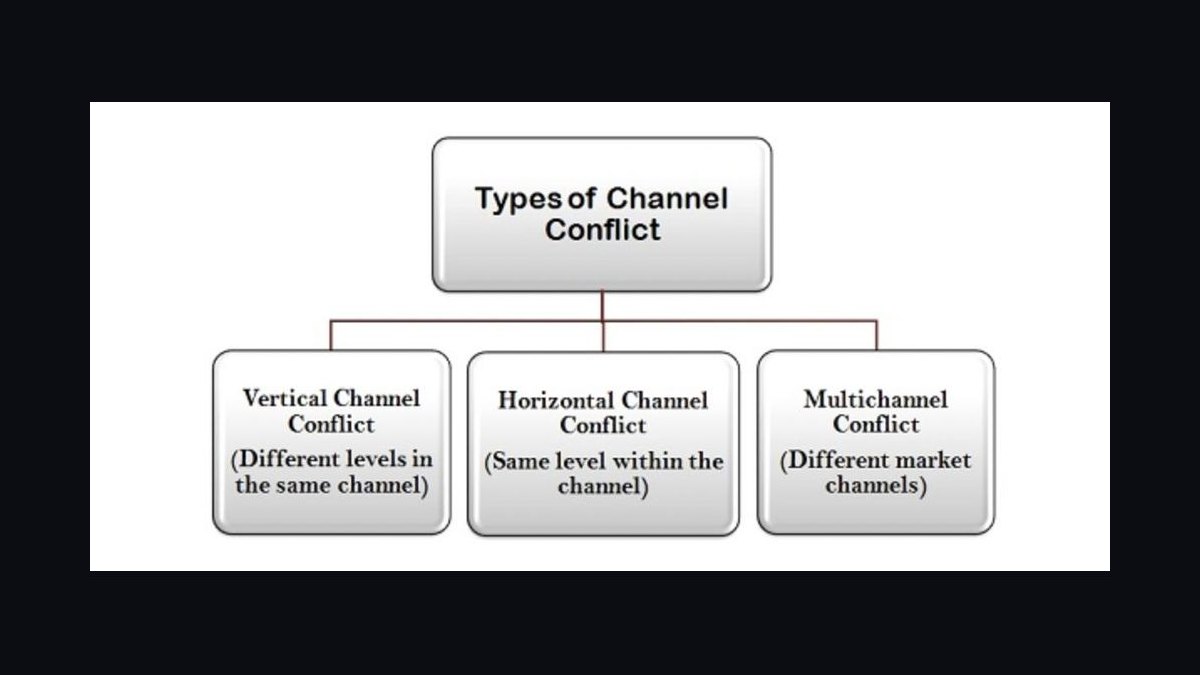
Managing conflict between direct sales and partners means designing the friction out before it starts: deal registration that grants partners a 60–90 day exclusive, named-account boundaries that separate AE turf from partner turf, joint comp so the AE never loses money co-selling, one price to the buyer regardless of route, and overlap data to catch collisions early. RevOps owns the rules; leadership stops adjudicating deals case by case.
The outcome you should expect
A working channel conflict framework is measurable, not aspirational. When the rules are enforced in the CRM rather than in a policy PDF, CRO-level escalations typically fall from six to ten per quarter down to one or fewer. That matters because each escalation burns roughly two hours of executive time — the mediation itself, the follow-up with both parties, the trust repair — which is 16 to 20 hours per quarter of your most expensive salary spent refereeing instead of selling.
The second outcome is partner-sourced pipeline growth. Partners stop losing deals they sourced, so they keep investing in your motion. Programs that pair deal registration with joint compensation tend to grow partner-sourced ARR two to three times faster than programs that have one mechanic without the other. The two together are non-linear — registration without comp means AEs still sabotage, comp without registration means partners still lose races.
The third outcome is quieter and harder to measure: direct AEs stop sandbagging partner introductions. When an AE knows a co-sell deal pays full commission and full quota credit, the partner intro becomes a shortcut to quota rather than a threat to it. You see it in the data as a rising share of partner-influenced deals that were AE-initiated, which is the leading indicator that the motion is actually healthy rather than tolerated.
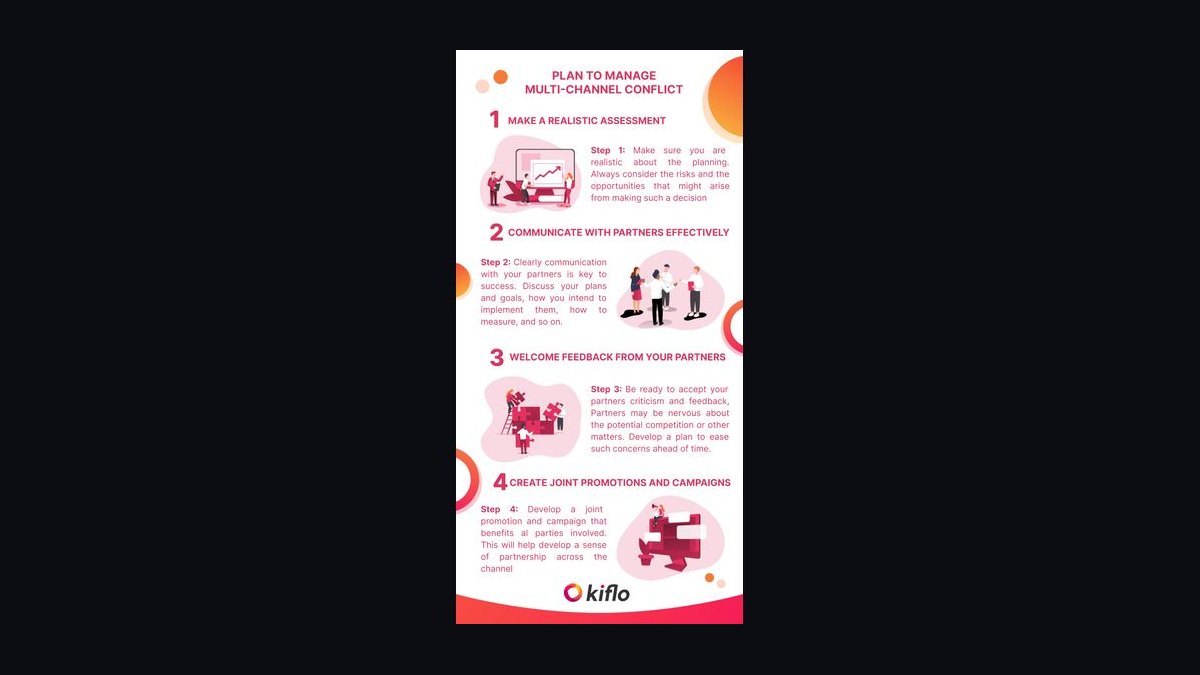
Expect a lag. Rule changes land in comp plans and CRM workflows, and behavior follows the first full quarter after the plan goes live. Do not judge the framework in month one.
What drives that outcome
Four mechanics do almost all the work, and they reinforce each other. Skip any one and the others degrade.
Deal registration. A partner identifies an opportunity, submits it in your PRM or Salesforce Partner Community, and channel ops reviews within five business days. Approved registrations grant an exclusive window — 60 days for mid-market, 90 for enterprise cycles — during which direct AEs are blocked from prospecting that account in the CRM. This converts "who got there first" from an argument into a database lookup. It is the single highest-leverage mechanic in the entire framework, because it removes the ambiguity that every other dispute grows from.

Named-account boundaries. Direct AEs own a finite written list — typically the top 200 to 500 logos by ICP fit. Partners own everything outside that list, or defined segments such as SMB, a specific geography, or vertical clusters like healthcare and public sector. Publish the list quarterly, get CRO sign-off, and make it visible to partners. Ambiguity is the fuel; a published list is the firebreak.
Joint comp on co-sell. When an AE and a partner both work a deal, both earn in full. The AE keeps 100% of quota credit and accelerator; the partner keeps 100% of margin. RevOps funds the delta from the channel budget, not by clawing back from the AE. The common anti-pattern — paying the AE 50% on partner-influenced deals because "the partner did half the work" — guarantees the AE refuses the intro call and quietly badmouths the program to peers.
One price to the buyer. The partner buys at wholesale (commonly 25–35% off list) and resells at or near list. The customer sees one number on the invoice whether they buy direct or through the partner. There is nothing to race over at the customer layer, so the discount war has no battlefield.
Overlap data sits on top of all four. Both sides upload prospect and pipeline lists to a neutral platform, and you see which accounts both motions are touching — often 30 days before the collision reaches the CRO. That is pre-detection, not post-mortem.
Benchmarks and realistic ranges

Use these ranges to sanity-check your own program rather than as targets to hit exactly. They are drawn from how well-run programs typically behave, and your numbers will vary with ACV, sales cycle length, and partner tier mix.
Registration approval rates. Expect 70–85% of submitted registrations to be approved. If you are approving above 90%, your review is a rubber stamp and AEs will route around it. Below 60% and partners stop submitting because the effort is not worth the rejection risk.
Exclusive window length. 60 days fits a 30–60 day mid-market cycle. 90 days fits enterprise cycles of 90–180 days. Add an activity requirement: if the partner has not logged a meeting or meaningful CRM activity within the first 30 days, the window lapses and the account returns to the pool. Without that clause, partners squat on registrations to block AEs.
Escalation volume. Healthy programs see one or fewer CRO-level conflict escalations per quarter. Programs without registration and joint comp commonly see six to ten. That gap is the clearest single ROI number you can put in front of an executive sponsor.
Named-account list size. 200 to 500 logos for a company between $20M and $100M ARR. Below 200 and you are ceding too much to partners; above 500 and the list stops being a real boundary because AEs cannot cover it anyway.
Partner-sourced ARR growth. Programs with both registration and joint comp grow partner-sourced ARR roughly 2–3x faster than programs with only one. The compounding effect is the point — each mechanic makes the other more valuable.
Discount spread. Keep the gap between the best direct price and the best partner price at zero at the customer layer. Internally, partner wholesale margin of 25–35% is typical for SaaS resell; 20% or below and partners cannot fund a sales motion, above 40% and your direct margin gets uncomfortable.
Time to first measurable behavior change. One full quarter after comp plans and CRM workflows go live. Do not expect the escalation rate to move in month one; AEs test the rules before they trust them.
Risks, edge cases, and failure modes
No deal registration at all. Every account becomes first-come-first-served, and the AE wins because direct has more reps and faster motion. The partner loses repeatedly and stops bringing deals. Within two quarters the partner motion has zero pipeline, and rebuilding partner trust costs roughly a year. This is the most expensive failure mode because it is invisible until the pipeline is already gone.

Comp that punishes co-sell. Paying the AE half commission on partner-influenced deals is comp as policy — it tells the AE, in writing, that partners are a tax. The AE then refuses intros, avoids the partner's calls, and tells every new hire the program is a career risk. You cannot fix this with messaging. You fix it with the plan.
Per-deal adjudication instead of rule repair. The CRO gets pulled in, splits the deal 60/40, and returns to running the business. Three weeks later the same fight happens with different people. Every escalation is a symptom of a missing or ambiguous rule. Spend the escalation hour rewriting the rule, not splitting the deal — otherwise you have institutionalized the escalation as the process.
Partner squatting. Without an activity requirement, partners register accounts they have no intention of working, purely to block direct. The 30-day activity clause is what prevents this. Audit registrations monthly and revoke inactive ones without apology.
Tier-one partner exceptions. Your largest partners will ask for named accounts inside the direct list. Sometimes that is correct — a global SI with a pre-existing relationship at a top-50 logo may genuinely deserve the carve-out. Handle it as a documented, time-boxed exception with a defined co-sell obligation, not as a permanent boundary redraw. Permanent exceptions become the new boundary within a year.

Geography and entity edge cases. A partner selling into a subsidiary or a different legal entity of an AE's named account is a genuine gray zone. Decide the rule in advance: usually the named-account boundary follows the parent entity, and subsidiaries inherit it. Publishing that rule prevents a monthly argument.
Margin floor violations. If partners can burn unlimited margin to win, they will undercut direct and the price floor collapses. Set a margin floor — the minimum resale discount a partner may offer without your approval — and enforce it through the deal approval workflow. Most programs set the floor at list minus 10–15%.
Overlap data without a decision rule. Crossbeam-style overlap reports are useless if nobody owns the response. Assign channel ops to review overlaps weekly and apply the registration and first-contact rules. Data without a decision rule just generates a longer meeting.
A practical rollout plan
Do this in one quarter. Sequencing matters more than speed — comp changes before registration rules exist will backfire.
Weeks 1–2: define the rules in writing. Draft the registration policy (window length, activity requirement, approval SLA), the named-account list (200–500 logos, CRO signed off), the joint comp plan (100% to both sides, funded from channel budget), the one-price policy (wholesale margin of 25–35%, margin floor at list minus 10–15%), and the escalation path. One document, five pages maximum.

Weeks 2–4: build the enforcement in the CRM. Deal registration workflow in Salesforce Partner Community or your PRM. Named-account list loaded as a blocking rule so AEs cannot create opportunities in registered accounts during an active window. Registration status visible on the opportunity record so nobody has to email channel ops to find out who owns what.
Weeks 3–5: rewrite the comp plan and socialize it. Full commission, full quota credit, funded from channel budget. Then have the CRO present it to the AE team directly — not an email, a meeting, with the math on screen. AEs believe comp plans they see explained by the person who signs off on their number.
Weeks 4–8: wire overlap data. Connect both your CRM and your top partners' CRMs to a neutral overlap platform. Run the first overlap report in week six and review it with channel ops. The first report is always uncomfortable; that is the point.
Weeks 6–12: run the escalation log. Every conflict that reaches a manager gets logged with the pattern, the rule that was ambiguous, and the rule change that resolves it. Review the log monthly. If the same pattern appears twice, the rule is wrong, not the people.
Quarter two onward: audit and tune. Monthly registration audit for squatting. Quarterly named-account list refresh. Quarterly comp review to confirm the joint comp is actually paying out as designed. Track escalations per quarter as your primary health metric.
Related questions

What is the first rule to implement?
Deal registration. It resolves more conflict than any other single mechanic because it replaces a judgment call with a database lookup. Get registration live in the CRM before you touch comp, named accounts, or overlap tooling — the other rules depend on it.
How long should a partner's exclusive window last?
60 days for mid-market cycles, 90 for enterprise. Attach an activity requirement: no logged meeting or meaningful CRM activity within 30 days and the window lapses. Without that clause, partners register accounts to block direct rather than to work them.
Should AEs ever get paid less on partner deals?
No. Paying the AE reduced commission on co-sell deals is the fastest way to kill the program. Pay full commission and full quota credit, fund the delta from the channel budget, and present the plan to the AE team in person with the math visible.
What if a partner and an AE both claim an account?

Apply the registration record first. If no registration exists, apply the first-substantive-contact rule using timestamped CRM activity. If still unclear, channel ops decides within five business days and logs the ambiguity as a rule gap to fix.
Do we need overlap tooling on day one?
No, but by month two. Registration and named accounts handle the obvious collisions. Overlap data catches the ones nobody reported — accounts both motions are quietly touching — and gives you 30 days of warning before a conflict reaches the CRO.
FAQ
What is the most common cause of conflict between direct sales and partners? Ambiguous ownership. When no registration record and no named-account boundary decide who owns an account, both motions pursue the same buyer, discounts race downward, and the buyer gets confused about who they are buying from. Fix ownership first and most other symptoms disappear.
How does deal registration actually reduce conflict? It converts a dispute into a lookup. A partner registers the opportunity, channel ops approves within five business days, and the partner holds exclusive rights for 60–90 days while direct AEs are blocked in the CRM. There is no argument left to have.

What role do named-account boundaries play? They draw a published line: AEs own a finite list of 200–500 logos, partners own everything outside it or specific segments. The list is refreshed quarterly and signed off by the CRO. When both sides can see the boundary, overlap stops being accidental.
How should compensation be structured to prevent conflict? Pay both sides in full on co-sell deals. The AE keeps 100% of quota credit and accelerator, the partner keeps 100% of margin, and RevOps funds the difference from the channel budget. Reduced AE commission on partner deals guarantees the AE sabotages the motion.
Does pricing drive conflict? Yes. If partners can quote below direct, you get a discount war and eroded trust. Maintain one price to the buyer regardless of route, with partner margin baked into the wholesale price they pay you — not stripped out of the customer invoice. Add a margin floor to prevent undercutting.
How do you catch conflict before it escalates? Overlap data. Both sides upload prospect and pipeline lists to a neutral platform, and channel ops reviews the intersections weekly against the registration and first-contact rules. You typically see collisions 30 days before they reach an executive.
Sources
- https://www.crossbeam.com/resources/
- https://www.partnerstack.com/blog
- https://www.salesforce.com/products/partner-community/overview/
- https://www.forrester.com/research/
- https://www.pavilion.com/resources
- https://www.canalys.com/insights
- https://partnered.com/
- https://www.reveal.co/blog
Related on PULSE
- How do you train AEs on co-sell motions without channel conflict?
- What deal-share compensation model keeps partners hungry without cannibalizing direct?
- How do you maintain pricing parity between channel and direct sales?
- How do you coach a channel rep to manage partners, not end users?
- How should sales ops and IT split responsibilities to avoid territorial conflict?
- How should a CEO mediate sales leadership team conflict?
This page will be disappearing soon. Save it to your device for $1 — or read it free while it is here.
@Kory-White- · if Venmo asks, the last 4 of my number are 2012
This page is gone.
This one is off the shelf now. $1 keeps it on your phone for good — the whole page, pictures and diagrams included.
 revopsWhat are Penn State Nittany Lions football's 2027 NIL needs and strategy?
 revopsHow should a 2027 sales org draw boundaries between deal desk and RevOps?
 revopsWhat is lemlist and why is it a hot RevOps multichannel outreach platform for 2027?
 revopsHow do you design a sales kickoff that changes behavior in 2027?
 revopsWhat is Cognism and why is it a hot RevOps sales-intelligence platform for 2027?
 revopsWhat are North Carolina Tar Heels men's basketball's 2027 NIL needs and strategy?
 revopsWhat are the 2027 best churn-save playbooks?
 revopsHow should a 2027 RevOps team handle outlier deals in the forecast?
 revopsWhat's the right interview process for hiring a great B2B SaaS AE in 2027?
 revopsHow should a 2027 GTM team build joint persona programs across sales and marketing?