


CPI Security for small business — what makes it competitive in 2027?
Quality
Certified

CPI Security stays competitive for small business in 2027 by combining a fully owned Charlotte monitoring center, W-2 in-house technicians, and integrated intrusion, video, access control, and fire monitoring on a single contract with a named regional account manager. For Southeast SMBs in the Carolinas, Georgia, and Tennessee, this regional ownership model beats national resellers on response speed, billing simplicity, and service continuity — a genuine RevOps advantage for lean operations.
The outcome you should expect
A small business owner who signs with CPI Security in 2027 should expect a fundamentally different operational experience than what national providers deliver. The most tangible outcome is consolidation: one contract, one monthly invoice, one mobile app, and one human being who answers the phone when something breaks. For a retail shop, restaurant, dental practice, or professional services firm with no dedicated IT or security staff, that consolidation is not a convenience — it is the entire value proposition. Instead of juggling separate vendors for burglar alarms, video cameras, door access, and fire inspection, the owner gets a single pane of glass through the CPI inTouch app.
The second outcome is faster response when things go wrong. Because CPI employs its own technicians and dispatches them from regional offices in Charlotte, Raleigh, Greensboro, Greenville, Columbia, Atlanta, and Knoxville, service calls are handled by people who know the local market and often the specific site. A broken door contact at a Charlotte restaurant gets a same-day or next-day visit, not a ticket routed through a national call center with a four-day wait window. For a business that cannot afford to operate with a disabled alarm or a dead camera, this responsiveness directly protects revenue and reduces liability exposure.

The third outcome is operational intelligence that goes beyond security. CPI's Business Activity Analytics layer — heat mapping, people counting, queue monitoring, and crowd-gathering alerts — turns the camera system into a management tool. A boutique owner can see which displays draw the most foot traffic. A quick-service restaurant can measure peak queue times and adjust staffing. These analytics are the difference between buying a security system and buying a business operations platform. In 2027, that distinction matters more than ever for small businesses competing against larger chains with dedicated data teams.
The fourth outcome is simpler insurance and compliance conversations. Because CPI bundles monitored fire and life safety with intrusion and video, the business owner has a single vendor to call for certificates, inspection records, and audit trails. Insurance carriers increasingly want documented proof of active monitoring, and having one provider that can produce those records on demand reduces friction at renewal time. For healthcare practices dealing with controlled-substance closets or professional services firms with client confidentiality obligations, the access control audit trail provides defensible evidence of who entered which room and when.
What drives that outcome
The competitive engine behind CPI Security's small business offering is vertical integration in a market where most rivals outsource. ADT Commercial and Securitas (formerly Stanley Security) operate at national scale but frequently subcontract installation and service to local low-bidders. That creates a predictable failure pattern: different technicians on every visit, no institutional memory of the site, and account manager turnover that erodes trust. CPI inverts that model by employing its own W-2 installers and service technicians, assigning a named commercial account manager, and operating its own UL-listed monitoring center in Charlotte.

The monitoring center is the strategic linchpin. Because CPI owns it, the company controls alarm verification protocols, dispatch relationships, and response-time metrics end to end. It does not depend on a third-party central station that also serves dozens of other security brands. That ownership translates into faster alarm-to-dispatch times, better false-alarm management, and direct accountability when something goes wrong. For a small business, the difference between a monitored alarm that gets a police response in minutes versus one that gets a call back in an hour can be the difference between a minor incident and a major loss.
The second driver is the integrated product stack. CPI's commercial catalog covers intrusion detection, Pro Series video surveillance with 4MP HDR and infrared night vision, access control with card and mobile credentials, and monitored fire and life safety. Each pillar terminates into the same inTouch app, so the business owner manages alarms, cameras, doors, and users from one interface. This is not just a user-experience nicety; it is an operational efficiency that reduces training time, eliminates password sprawl, and cuts the administrative burden on owners who already wear too many hats.

The third driver is the pricing and contract structure. CPI does not publicly list commercial pricing, but market comparisons across the Southeast suggest a consistent pattern. A basic intrusion system with three door sensors, two motion detectors, a keypad, and a cellular communicator typically ranges from $0 to $400 upfront depending on contract length and promotions. Monthly monitoring for intrusion alone lands between $35 and $55. Adding two to four Pro Series cameras pushes the monthly cost to roughly $75 to $130, and a full stack with access control and fire monitoring lands in the $120 to $200 range for a typical retail or office space under 5,000 square feet. Three-year agreements are standard, but two-year and five-year terms are negotiable for multi-location SMBs, and early termination fees are prorated, declining by about 20 percent per year.
The fourth driver is the customer profile fit. CPI's sweet spot is a business with one to twenty locations concentrated in the Southeast, annual revenue between $1 million and $50 million, and no dedicated security or IT staff. Independent retail, restaurants, healthcare practices, professional services, and multi-location franchise groups all get disproportionate value because CPI consolidates what would otherwise be multiple vendor relationships into one master account. The customer that does NOT fit is a single-location coworking space in San Francisco or a national enterprise needing a single integrator across forty states — those buyers should look at Securitas or ADT Commercial.
Benchmarks and realistic ranges
Small business owners evaluating CPI Security in 2027 need concrete benchmarks to compare against national alternatives. The pricing ranges above provide the baseline, but the more important comparisons are operational. On service response, CPI typically resolves critical issues — a non-functioning alarm, a failed camera, a broken door contact — within four to eight hours in metro areas, with emergency calls prioritized at two to four hours. Non-critical requests like adding a user credential or adjusting camera angles run 24 to 48 hours. National competitors, by contrast, often quote 48 to 72 hours for standard service calls because they route through regional dispatch centers that may be hundreds of miles from the site.

On account management, CPI assigns a dedicated commercial account manager to every small business client, a resource that ADT Commercial and Securitas typically reserve for enterprise accounts. That manager conducts quarterly business reviews, reviews system health reports, and proactively suggests upgrades based on changes in the business — new hours, additional employees, a remodel, or a new location. For multi-location SMBs, CPI assigns a single point of contact across all sites, ensuring consistent system configuration and service delivery. This is a meaningful differentiator in a market where small business owners are accustomed to being the lowest priority on a national vendor's list.
On technology integration, CPI has invested in API-level connections with tools small businesses already use. The inTouch app supports integration with major point-of-sale platforms like Square, Toast, and Clover, allowing retail and restaurant owners to automatically disarm the alarm during business hours, trigger video recording on specific POS events like voided transactions, and receive real-time alerts when doors open outside scheduled hours. For professional services offices, access control integrates with cloud-based HR platforms like Gusto and BambooHR, enabling automatic credential deactivation when an employee is terminated. Smart building integrations with Lutron, Crestron, Nest, and Ecobee allow single-command automation rules like "arm the system, lock all doors, turn off lights, and set back the thermostat."
On false alarm management, CPI's monitoring includes alarm verification to reduce unnecessary dispatches, which directly reduces municipal fines. Local fees still apply, but the verification layer means fewer false dispatches in the first place. CPI also helps business owners set up call lists and delay settings to further reduce nuisance alarms. For a restaurant that accidentally sets off the motion detector during a late-night cleaning shift, that verification layer can save hundreds of dollars in avoidable fines over the course of a year.
On the RevOps side, the financial comparison is straightforward. A small business with five locations across the Carolinas that bundles intrusion, video, access control, and fire monitoring with CPI will pay a single monthly invoice, typically in the $600 to $1,000 range depending on camera count and door count. The same scope of work with ADT Commercial or Securitas often arrives as multiple line items from different divisions, with separate renewal dates, separate support portals, and separate account managers. The administrative overhead of managing those relationships — tracking contracts, reconciling invoices, chasing support tickets — is a real cost that rarely appears on a P&L but consistently consumes owner and manager time. CPI's consolidation eliminates that overhead, which is a quantifiable RevOps win for a lean small business operation.
Risks, edge cases, and failure modes
No security provider is perfect, and small business owners should understand CPI Security's limitations before signing. The most significant constraint is geographic footprint. CPI's commercial service is concentrated in North Carolina, South Carolina, Georgia, and Tennessee. Businesses outside that footprint — in Virginia, Florida, Alabama, or anywhere west of the Mississippi — will not get the same regional ownership advantage and should look to national providers. The company's expansion beyond the Southeast is not currently advertised, so the value proposition degrades sharply outside the core service area.
The second risk is hardware lock-in. CPI prefers its own Pro Series video and access control equipment for full integration with its monitoring center. Compatibility with third-party gear is limited, so a business that already owns a camera system from another vendor will likely need to replace it. That is a real upfront cost that can sour the deal economics, particularly for a business that recently invested in equipment. The counterargument is that CPI-branded hardware comes with warranty coverage and service support that third-party gear would not receive, but the initial replacement cost is still a hurdle.

The third risk is contract rigidity. CPI's standard commercial agreement is three years, and while two-year and five-year terms are negotiable for multi-location SMBs, month-to-month arrangements require a higher upfront equipment purchase, often $300 to $800. Early termination fees exist and are prorated, declining by about 20 percent per year, but a business that needs to close a location or change providers mid-contract will still face a financial penalty. Small business owners should model the worst-case exit scenario before signing and confirm the proration terms in writing.
The fourth risk is service variability in rural areas. CPI's response-time benchmarks of two to eight hours apply to metro areas. Rural locations — a farm supply store in eastern North Carolina or a clinic in the Tennessee mountains — may see longer windows because the nearest technician is farther away. The company's regional office footprint covers the Southeast well, but the density of technicians is naturally higher in urban centers. A business owner in a remote area should ask the local rep for realistic response-time commitments before signing.
The fifth risk is the false-alarm fee gap. CPI's monitoring includes verification to reduce false dispatches, but municipal fees still apply and CPI does not cover them. A business that experiences repeated false alarms — perhaps due to a poorly positioned motion sensor or staff error — will still face fines from the local jurisdiction. CPI will help configure delay settings and call lists to minimize the issue, but the financial responsibility ultimately sits with the business owner. This is a standard industry practice, but it is worth understanding before signing.
The sixth risk is the monitoring center single-point-of-failure question. CPI operates its own 24/7 Charlotte monitoring center with redundant power and network paths, but no center is immune to outages. The company maintains backup protocols and can reroute signals, but response times may vary during rare regional disruptions. For a small business that operates 24/7 — a convenience store, a gas station, a medical facility — the owner should ask about the specific redundancy architecture and confirm that the backup path meets their risk tolerance.
A practical rollout plan

A small business owner who decides CPI Security is the right fit should approach the rollout methodically rather than treating it as a simple purchase. The first step is a site assessment. CPI's commercial team will walk the property, identify vulnerable entry points, review existing equipment, and map the specific needs of the business — retail floor coverage, stockroom access, pharmacy or controlled-substance security, after-hours intrusion detection, fire and life safety requirements. The owner should be present for this walkthrough and bring a checklist: every exterior door, every interior door that needs access control, every camera angle that matters for operations, not just security.
The second step is scoping and pricing. The owner should get a written proposal that itemizes equipment, installation, monthly monitoring, and any promotional discounts. CPI runs new-customer promotions such as 30 percent off select video devices when bundled with a Video Package, which can meaningfully reduce upfront capex. The owner should compare that proposal against the benchmarks above — $35 to $55 for intrusion-only monitoring, $75 to $130 with video, $120 to $200 for the full stack — and push back on anything that looks out of line. Multi-location SMBs should negotiate the contract term and ask for a single master account with one renewal date.

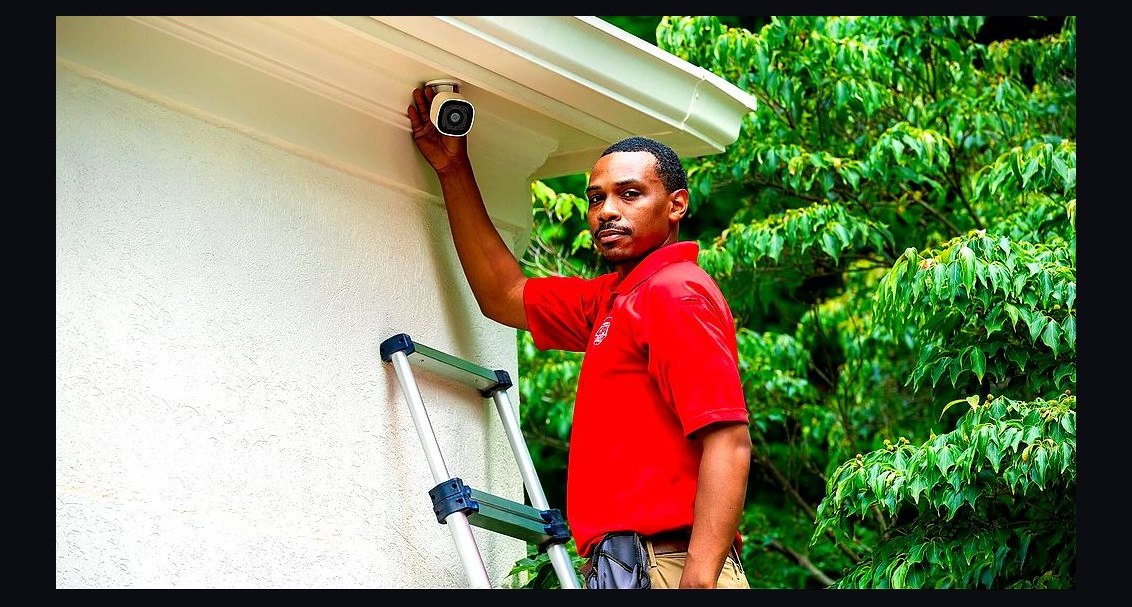
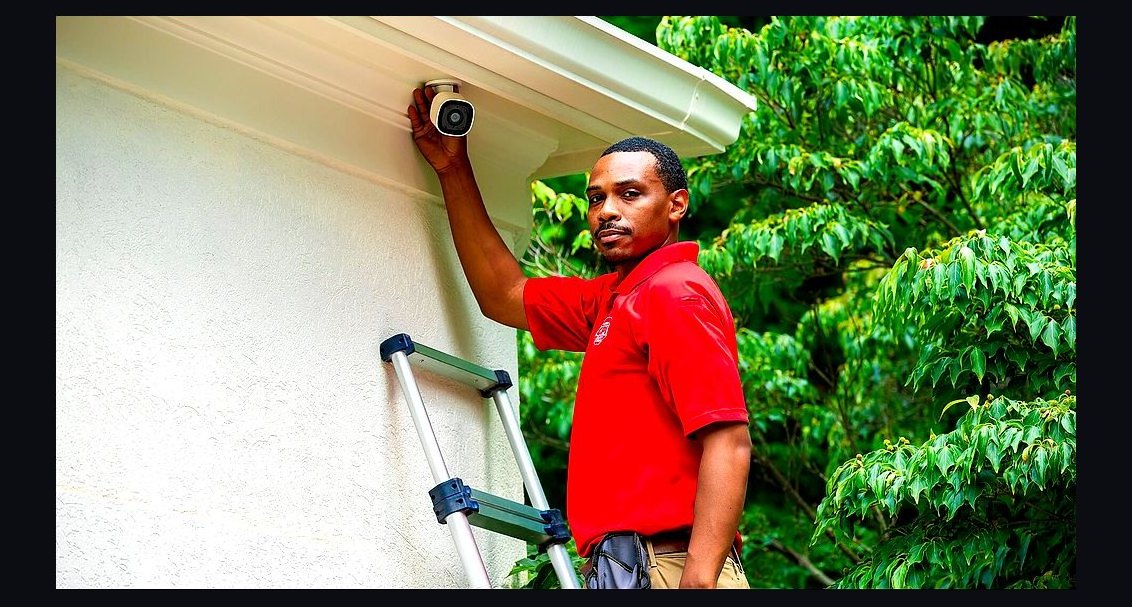
The third step is installation scheduling. CPI employs its own technicians, so the owner should expect a professional, uniformed, badged installer who arrives on time and explains the system before leaving. The owner should test every sensor, every camera, every door credential, and every fire device before signing off. This is the moment to catch installation errors, not six months later. The owner should also ask the technician for a system walkthrough and get the inTouch app set up on their phone before the technician leaves.
The fourth step is user provisioning. The owner should identify every employee who needs access — managers, shift leads, cleaning staff, vendors — and set up credentials and permissions in the inTouch app. For businesses using HR platforms like Gusto or BambooHR, the integration should be configured so credential deactivation is automatic on termination. For businesses with POS systems like Square, Toast, or Clover, the integration should be tested to confirm alarm arming and disarming works as expected during business hours.
The fifth step is a 30-day review. The owner should schedule a check-in with the assigned commercial account manager to review system performance, false alarm events, video coverage gaps, and any operational issues. This is also the time to adjust camera angles, tweak motion sensor sensitivity, and refine access control permissions based on real usage. The quarterly business review cadence starts after the first month, and the owner should use those reviews to track system health, discuss upgrades, and ensure the system continues to match the business as it evolves.
Related questions
How does CPI Security pricing compare to ADT Commercial for a small business?
CPI typically lands in the $35 to $55 range for intrusion-only monitoring and $120 to $200 for a full stack with video, access control, and fire. ADT Commercial often requires three-year minimums with less transparent pricing. CPI's willingness to negotiate terms for regional SMBs is a distinct advantage.
Can CPI Security integrate with my existing point-of-sale system?
Yes, CPI's inTouch app supports API-level integration with Square, Toast, and Clover. This allows automatic alarm arming and disarming during business hours, video recording triggered on specific POS events, and real-time door alerts outside scheduled hours.
Does CPI Security offer month-to-month contracts for small business?
Month-to-month arrangements exist but require a higher upfront equipment purchase, often $300 to $800. Standard commercial agreements are three years, with two-year and five-year terms negotiable for multi-location SMBs. Early termination fees are prorated, declining about 20 percent per year.
What geographic areas does CPI Security serve for commercial accounts?
CPI's commercial service is concentrated in North Carolina, South Carolina, Georgia, and Tennessee. Businesses outside this footprint should look to national providers like ADT or Securitas. The regional ownership advantage degrades sharply outside the core service area.
How fast does CPI Security respond to service calls?
Critical issues like a non-functioning alarm or failed camera are typically resolved within four to eight hours in metro areas, with emergency calls at two to four hours. Non-critical requests run 24 to 48 hours. Rural locations may see longer windows.
FAQ
Does CPI Security require a long-term contract for small business? CPI typically offers 3- to 5-year monitoring agreements for commercial accounts, though short-term options may be available depending on equipment and installation costs. Multi-location SMBs can often negotiate two-year terms or a single master account with one renewal date. Ask your local rep about flexibility before signing.
Can I use my existing cameras or access control hardware with CPI?

CPI prefers its own Pro Series video and access control equipment for full integration with their monitoring center. Compatibility with third-party gear is limited, so expect to use CPI-branded hardware for the best support and warranty coverage. Factor replacement costs into your budget if you already own equipment.
What happens if CPI's monitoring center goes down? CPI operates its own 24/7 Charlotte monitoring center with redundant power and network paths, but no center is immune to outages. They maintain backup protocols and can reroute signals, though response times may vary during rare regional disruptions. Ask about the specific redundancy architecture if you operate 24/7.
Is CPI Security available outside the Southeast in 2027? CPI's commercial service is concentrated in North Carolina, South Carolina, Georgia, and Tennessee. Expansion beyond these states is not currently advertised, so businesses outside this footprint should look to national providers like ADT or Securitas. The regional ownership advantage is the core value proposition.
How does CPI handle false alarm fees for small businesses? CPI's monitoring includes alarm verification to reduce false dispatches, but local municipal fees still apply. They can help set up call lists and delay settings, but they don't cover fines imposed by your city or county. A poorly positioned sensor or staff error can still trigger avoidable fees.
What kind of support can I expect after installation? You get a dedicated commercial account manager and 24/7 technical support from their own monitoring center. Response times for service calls are generally same-day or next-day within their coverage area, though rural locations may see longer windows. Quarterly business reviews are standard for commercial accounts.
Sources
- CPI Security — Home & Business Security Systems
- CPI Security — Small Business Security Systems & Alarm Monitoring
- CPI Security — Office & Small Business Security Systems
- CPI Security — Video Surveillance
- CPI Security — Remote Monitoring
- CPI Security — Proudly Serving North Carolina
- SafeHome.org — CPI Security System Review
- BestCompany — CPI Security Expert Review
Related on PULSE
- What is CPI Security and what makes the NC-based provider different from ADT or Vivint?
- Top 10 security software solutions for small businesses in 2027
- Is a Fractional CRO Worth It for a Small Business?
- How do I compare HubSpot vs Salesforce for a small business CRM?
- How does HubSpot CRM compare to Salesforce for small business sales pipeline management?
- What's the right monthly retainer for a bookkeeping firm to charge a 10-employee small business, and how do you avoid scope creep?
This page will be disappearing soon. Save it to your device for $1 — or read it free while it is here.
@Kory-White- · if Venmo asks, the last 4 of my number are 2012
This page is gone.
This one is off the shelf now. $1 keeps it on your phone for good — the whole page, pictures and diagrams included.
 cpi-securityCPI Security's environmental monitoring — flood, freeze, CO in 2027
 cpi-securityWhat does CPI Security offer for medical alert and life safety in 2027?
 cpi-securityWhat is CPI Security's customer service actually like in 2027?
 cpi-securityCPI Security vs ADT — head-to-head for NC and Southeast homeowners in 2027
 cpi-securityWhat CPI Security smart-home integrations actually work in 2027?
 cpi-securityCPI Security's Alarm.com dependency — the third-party risk in 2027
 cpi-securityCPI Security alarm response times — when monitoring fails in 2027
 cpi-securityCPI Security installation quality — the documented technician complaints in 2027
 cpi-securityCPI Security camera quality — what reviews show vs Ring and Arlo in 2027
 cpi-securityWhat CPI Security's online reviews actually reveal in 2027?