


CPI Security vs SimpliSafe — which delivers better value for most homeowners in 2027?
Quality
Certified
For most cost-conscious homeowners, SimpliSafe delivers better value than CPI Security. SimpliSafe offers month-to-month monitoring plans ($20–$30/month) with no contract, DIY installation, and equipment you own outright. CPI Security requires 36–60 month contracts, professional installation fees ($99–$499), and higher monthly costs ($40–$65/month). The total five-year cost for SimpliSafe typically ranges from $1,800–$2,500, while CPI Security runs $3,500–$4,900. CPI Security's advantages — professional installation, local Southeast response, and commercial-grade integration — benefit a narrow segment of homeowners, primarily those in the Carolinas with large custom homes who plan to stay put for 5+ years. For renters, first-time buyers, frequent movers, and anyone who values flexibility, SimpliSafe is the clear choice.
TL;DR: Unless you live in the Southeast, want professional installation, and are comfortable with a multi-year contract, SimpliSafe saves roughly $1,200–$2,500 over five years with comparable monitoring quality.
1Head-to-Head Cost
The cost gap between these two systems is significant. SimpliSafe sells monitoring plans from $9.99/month (entry level) to $29.97/month (Pro Premium with unlimited camera recording). Most buyers land on the Core or Pro plan in the $20–$30 range. There is no contract, no early termination fee, and you can pause monitoring during extended absences. Equipment is paid upfront ($250–$700 for a well-equipped home), and SimpliSafe regularly discounts hardware by 40–50% during promotions.
CPI Security monitoring starts at $29.99/month for Essentials, but most households end up on Advanced or Premium tiers costing $40–$65/month once video, smart lock, and automation features are added. Equipment packages start near $500 and can exceed $1,000 for cameras and smart-home gear. Financing equipment through CPI's SmartPay program triggers a 36–60 month contract with early termination fees that can exceed $500. Installation carries a $99–$499 activation/install fee depending on the package.
Over five years, a typical SimpliSafe buyer spends about $1,800–$2,500 all-in. A typical CPI buyer spends $3,500–$4,900. That $2,000 swing is the primary reason SimpliSafe wins for cost-conscious homeowners.
2Where Each Wins
SimpliSafe wins on price, flexibility, and ownership. You own the equipment outright, can take it when you move, and can cancel monitoring with a single phone call. The hardware includes cellular and battery backup as standard, 24/7 professional monitoring, and a mobile app that works well. DIY installation takes most homeowners under an hour. SimpliSafe covers the entire United States, which matters if you relocate, and offers a 60-day money-back guarantee.
CPI Security wins in a narrower lane. CPI is a regional powerhouse in North Carolina, South Carolina, Georgia, and parts of Tennessee and Florida. Its monitoring center is local, potentially translating to faster dispatch in those states. Professional installation is a real selling point for homeowners who don't want DIY setup. CPI's equipment uses the Alarm.com platform, offering well-integrated outdoor cameras, smart locks, and home automation. For large custom homes with 20+ zones, that integration is meaningful.
However, CPI's advantages solve problems most homeowners don't actually have. Most break-ins are deterred by a visible yard sign, a loud siren, and a phone alert within seconds. SimpliSafe does all three for roughly half the monthly cost with no contractual handcuffs.
3The Verdict for 5 Personas
| Dimension | CPI Security | SimpliSafe |
|---|---|---|
| Monthly Cost | $40–$65 | $20–$30 |
| Contract Length | 36–60 months | None (month-to-month) |
| Installation | $99–$499 (professional) | DIY (free) |
| Early Termination Fee | $300–$500+ | $0 |
| Monitoring Type | Local NC-based | National professional |
| Equipment Ownership | Financed or leased | Owned outright |
| Portability | Requires technician ($99–$299) | Self-relocate (free) |
The renter in a Charlotte apartment should pick SimpliSafe — CPI's contract outlasts most leases and equipment is harder to uninstall.
The first-time homebuyer with a tight budget should pick SimpliSafe — upfront hardware is half the cost and monthly bills leave room for surprise home repairs.
The snowbird splitting time between two states should pick SimpliSafe — you can pause monitoring or move the kit between properties without penalty.
The young family expecting to upgrade homes in 3 years should pick SimpliSafe — CPI's early termination fee will eat any savings.
The long-tenured Carolinas homeowner with a large custom property, a preference for professional installation, and no plans to move for 5+ years may reasonably choose CPI Security — but should still price-check SimpliSafe Pro Premium plus a one-time local installer before signing.
Contract Flexibility and Exit Costs
The fine print of long-term contracts matters more than monthly rates. CPI Security requires a 36–60 month agreement with early termination fees typically ranging from 75% to 100% of remaining monthly payments. If you cancel after 12 months on a 60-month contract, you could owe $1,500–$2,500 in penalties. SimpliSafe operates entirely month-to-month with no early termination fees — you can cancel anytime via app or phone with zero financial penalty. This flexibility matters for homeowners who may relocate for a job, face unexpected financial hardship, or simply want to switch providers. CPI does offer a 30-day money-back guarantee on equipment, but that window closes quickly.
Smart Home Ecosystem and Third-Party Integrations
Modern homeowners increasingly expect their security system to work with existing smart home devices. SimpliSafe integrates natively with Amazon Alexa and Google Assistant for voice control of arming/disarming. It also works with IFTTT for custom automations. CPI Security uses the Alarm.com platform, which integrates with Amazon Alexa and some Z-Wave devices, but lacks Google Assistant support. CPI's proprietary smart lock and video doorbell require their own app and don't integrate with popular third-party platforms like Ring or Nest. For homeowners with existing smart lights, thermostats, or voice assistants, SimpliSafe offers broader compatibility without forcing a single-vendor lock-in.
Equipment Portability and Moving Scenarios
Homeowners move every 5–7 years on average, making equipment portability a practical concern. SimpliSafe's wireless sensors, base station, and keypad are designed for easy relocation — you simply unplug, pack, and reinstall at your new address. The system reactivates within minutes via the app, and you keep your existing monitoring plan with no address-change fees. CPI Security's equipment is also wireless, but professional installation means you typically cannot self-relocate without voiding the warranty or needing a CPI technician to reinstall — costing $99–$299 per move. CPI also charges a $50–$100 relocation fee to transfer your contract to a new service address. For anyone who might move within the contract term, SimpliSafe's zero-hassle portability saves both money and scheduling headaches.
FAQ
Does SimpliSafe require a long-term contract? No, SimpliSafe operates on a month-to-month basis with no long-term commitment. You can cancel anytime without penalty.
Can CPI Security be used without a contract? CPI Security typically requires a 36–60 month contract for monitoring services. There is no month-to-month option.
Which system has lower monthly monitoring costs? SimpliSafe's monitoring ranges from $20–$30 per month, while CPI Security's effective monthly cost is $40–$65. Over a year, SimpliSafe can save several hundred dollars.
Is professional installation available for both? CPI Security includes professional installation with a technician setting up the system. SimpliSafe is designed for DIY installation with no extra fee, though professional setup is available for an additional charge through third-party services.
Which company offers better smart home integration? CPI Security provides integration through the Alarm.com platform with smart locks, video doorbells, and home automation managed by a single technician. SimpliSafe supports Amazon Alexa and Google Assistant but is less customizable for advanced automation.
Are there any regional advantages to choosing CPI Security? CPI Security is based in North Carolina and offers local response and support primarily in the Southeast (NC, SC, GA, TN, FL). Outside that region, their service is less advantageous compared to SimpliSafe's nationwide coverage.
Can I take my SimpliSafe system when I move? Yes, SimpliSafe equipment is designed for easy relocation. You unplug, pack, and reinstall at your new address with no fees.
What happens if I cancel CPI Security early? You will owe an early termination fee, typically 75–100% of remaining monthly payments, which can amount to $1,500–$2,500 depending on how far into your contract you are.
Sources
- SafeHome.org — SimpliSafe vs CPI Security Comparison (https://www.safehome.org/compare/simplisafe-vs-cpi-security/)
- SafeHome.org — CPI Security System Review 2026 (https://www.safehome.org/security-systems/cpi-security/reviews/)
- TopConsumerReviews.com — CPI Security vs SimpliSafe (https://www.topconsumerreviews.com/best-home-security-systems/compare/cpi-security-vs-simplisafe.php)
- Security.org — SimpliSafe Pricing and Package Costs (https://www.security.org/home-security-systems/simplisafe/)
- Security.org — Comparing Home Security Systems 2026 (https://www.security.org/home-security-systems/compare/)
- Reviews.com — CPI Security Review (https://www.reviews.com/home/security-systems/cpi-security-review/)
- CPI Security — SimpliSafe vs CPI Comparison (https://cpisecurity.com/simplisafe-vs-cpi/)
Related on PULSE
- CPI Security complaint volume — how it stacks vs ADT, Vivint, SimpliSafe in 2027
- Vivint vs CPI Security — what Vivint does better in 2027
- CPI Security vs ADT — head-to-head for NC and Southeast homeowners in 2027
- CPI Security's video doorbell vs Ring and Nest — the quality gap in 2027
- CPI Security's lifetime warranty fine print — what's not covered in 2027
- CPI Security's tiered support experience — when 'all customers matter' actually means VIPs first in 2027
This page will be disappearing soon. Save it to your device for $1 — or read it free while it is here.
@Kory-White- · if Venmo asks, the last 4 of my number are 2012
This page is gone.
This one is off the shelf now. $1 keeps it on your phone for good — the whole page, pictures and diagrams included.
 cpi-securityCPI Security customer service hold times — when local NC still leaves you on hold in 2027
 cpi-securityCPI Security's hidden internet dependency — when WiFi outages disable your alarm in 2027
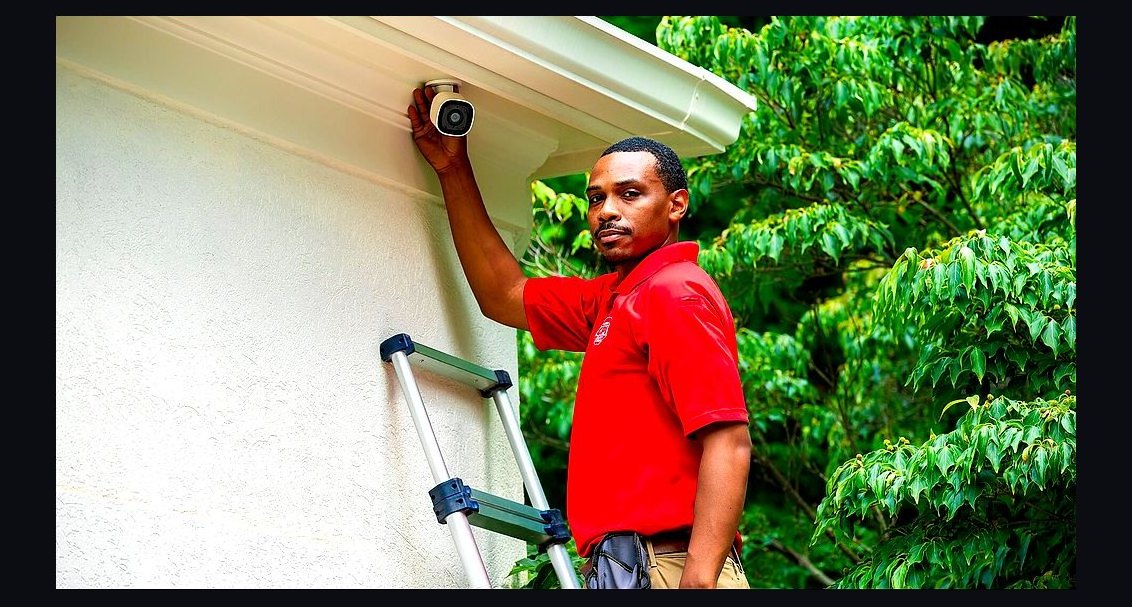 cpi-securityCPI Security camera quality — what reviews show vs Ring and Arlo in 2027
 cpi-securityCPI Security and moving — what happens to your contract when you relocate in 2027
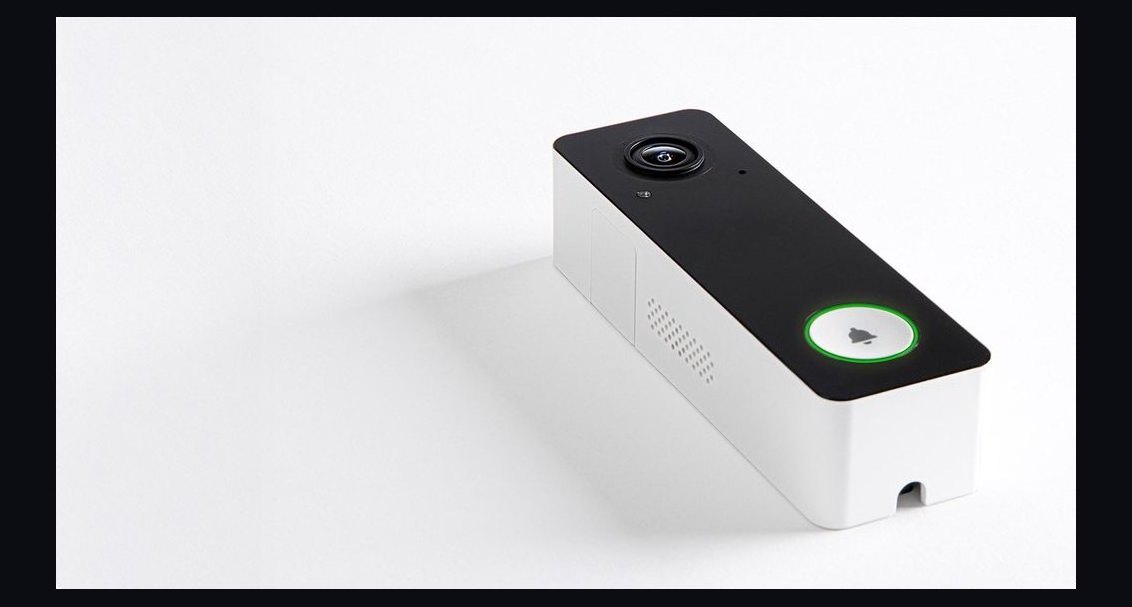 cpi-securityCPI Security's video doorbell vs Ring and Nest — the quality gap in 2027
 cpi-securityVivint vs CPI Security — what Vivint does better in 2027
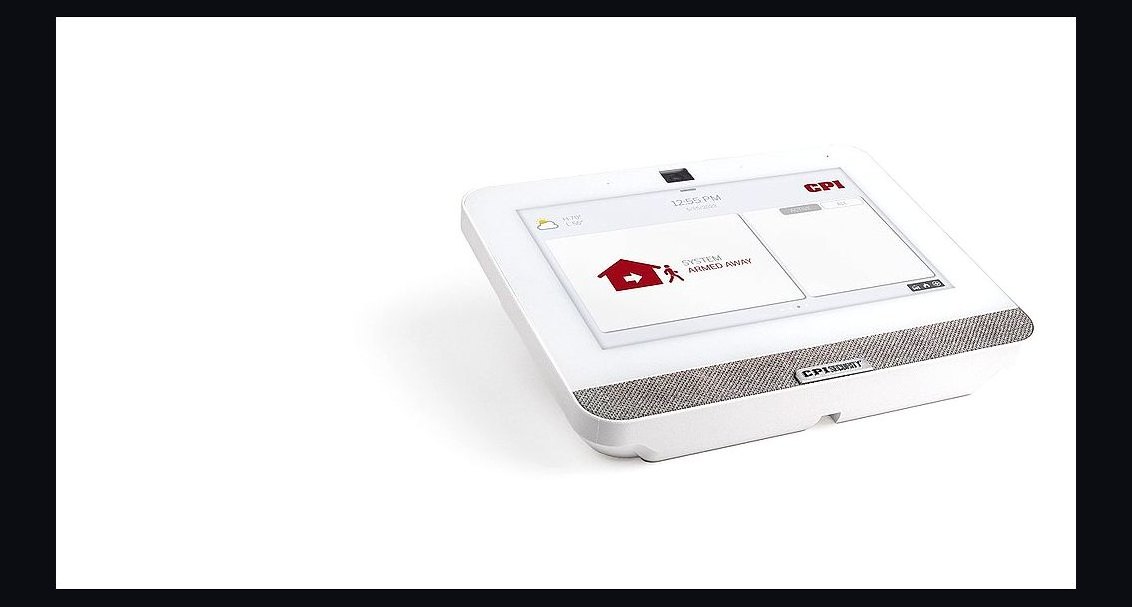 cpi-securityCPI Security alarm response times — when monitoring fails in 2027
 cpi-securityCPI Security's contract auto-renewal - what to know before signing in 2027
 cpi-securityCPI Security's insurance discount claim — what insurers actually pay in 2027
 cpi-securityCPI Security's inTouch app reliability — what reviews show in 2027