


CPI Security panel upgrade fees — the 3G/4G sunset trap in 2027
Quality
Certified

When carriers sunset 3G in early 2023 — and as they march toward retiring 4G LTE in the 2030s — CPI Security customers with older panels face mandatory communicator or panel upgrades, sometimes at charges of $99 to $499 even for households that believed they were covered. Public complaint records on Better Business Bureau, Consumer Affairs, Trustpilot, and the Surety Support Forum describe a recurring pattern: customers who were told years earlier that their equipment was "covered for life" or who had paid into Service Plus warranty add-ons being told at upgrade time that the cellular radio swap, the labor visit, or the new SmartHub panel itself was out-of-pocket. The communication has been uneven, with some homeowners receiving multiple proactive calls and free swap-outs, and others learning only after their alarm signals stopped reaching the central station that their panel had been obsolete for months.
TL;DR: The 3G shutdown stranded older CPI panels, the looming 4G LTE sunset will repeat the cycle, and CPI's fee handling has been inconsistent enough to generate hundreds of public complaints.
1The Carrier Sunset Reality
The 3G shutdown was not a CPI decision; it was a wireless industry decision finalized by AT&T, Verizon, and T-Mobile and disclosed publicly through FCC filings beginning in 2019. AT&T retired its 3G network on February 22, 2022, T-Mobile completed its sunset on July 1, 2022, and Verizon finished on December 31, 2022. Every cellular-monitored alarm panel in the country that depended on a 3G radio went dark on those dates unless the cellular module had already been swapped.
CPI Security, like every monitored-alarm provider, sells panels that ride on those same carriers. Older CPI generations — including legacy GE Concord, GE Simon, and earlier 2GIG-based panels installed before roughly 2017 — shipped with 3G CDMA or 3G HSPA radios. When the carriers pulled the plug, those panels could still chirp at the wall and arm locally, but the signal path to the central monitoring station was severed. A break-in, fire, or carbon-monoxide event would no longer dispatch police or fire.

The next wave is already on the calendar. T-Mobile has publicly targeted portions of its 4G LTE network for refarming as 5G capacity expands, with industry analysts pointing to late-decade timing — most published roadmaps suggest a phased 4G LTE sunset window opening somewhere in the early-to-mid 2030s, with carrier-specific dates still being adjusted. That means a CPI customer who paid for a "new" 4G LTE upgrade in 2021 or 2022 is, in many cases, on a panel whose communicator will itself be obsolete within roughly a decade of installation. The cycle is structural to cellular monitoring, but homeowners rarely have it explained to them at the sales appointment.
2CPI's Upgrade Practices
CPI's own blog claims the company "proactively communicated and successfully upgraded the majority of customers before the 3G shutdown," with "99% of CPI's security systems having been upgraded or not affected" and free upgrades offered to the remaining holdouts. The public complaint record, however, is rougher than that headline suggests.

Better Business Bureau files for the Charlotte headquarters profile (BBB ID 0473-100595) document hundreds of complaints over the trailing three-year window, with recurring themes that include surprise upgrade charges, billing for service visits the customer believed were warranty-covered, and disputes over whether the cellular module was part of the panel or a separate billable component. Consumer Affairs reviews echo the pattern, with multiple narratives describing $64.99 to $76 service-call trip fees layered on top of the upgrade itself, and other reviews describing total replacement quotes that climbed into the high three figures once labor and any panel-side accessories were included.
On the Surety Support Forum — a third-party board frequented by homeowners trying to escape CPI contracts — users report being told their existing CPI-branded panel was proprietary or locked, requiring a new SmartHub rather than a simple radio swap. That distinction matters financially: a cellular module swap is a roughly thirty-minute procedure with a low parts cost, while a full panel replacement is hardware-plus-labor and frequently triggers a new contract term.

The warranty layer is where the most heat shows up. CPI's standard equipment warranty is one year on parts and ninety days on labor. The optional Service Plus add-on extends parts coverage, but the carve-outs are written narrowly enough that "carrier-driven obsolescence" is not always covered the way customers expect. Multiple BBB narratives describe customers who recall a salesperson using phrases like "lifetime" or "covered as long as you're monitored" — language that does not match what is printed in the signed agreement. When the upgrade conversation finally happens, the gap between the spoken pitch and the written contract becomes the dispute. Trustpilot's CPI page shows the same pattern at a lower star average than the headline-friendly review aggregators publish.
3What CPI Should Do
A more customer-respecting playbook is not complicated; it is just expensive.

First, disclose the carrier-sunset clock at the point of sale, in writing, in plain language. A homeowner signing a sixty-month contract in 2026 deserves to know that the cellular radio inside the panel has a finite carrier-supported lifespan and that another upgrade conversation is statistically certain before the second renewal.
Second, treat long-tenured customers as a protected class. A household that has paid CPI for ten or fifteen years has already funded the original hardware many times over through monthly monitoring revenue. A free radio swap — not a free panel, just the radio — for any customer past their fifth anniversary would eliminate the bulk of the BBB complaint volume and cost CPI a fraction of what the reputational damage already costs in cancellations.

Third, end the trip-fee surprise. If CPI is the party initiating the upgrade because the carrier shut down the network, charging the customer a separate $64.99 or $76 service-call fee to come perform CPI's own remediation reads as punitive. Bundling that visit into the upgrade — free or paid — would remove one of the most consistent complaint triggers in the public record.
Fourth, audit the sales script. The recurring "lifetime" language that surfaces in complaint narratives is either a training failure or a tolerated misrepresentation; either way, fixing it upstream is cheaper than fighting it downstream one BBB case at a time.

Related on PULSE
- How Do I Get My Electricians to Sell Panel Upgrades?
- What Does a Commercial Kitchen Hood and Grease Trap Really Cost in a Buildout?
- How Do I Avoid the 'Controllable vs Uncontrollable' CAM Trap?
- Chief's auto-renewal trap in 2027 — the 30-day window that catches members off-guard
- How do you start a solar panel cleaning business in 2027?
- Should territory reassignment decisions be owned by the manager, the CRO, or a cross-functional panel including finance, and how does that governance choice affect retention outcomes?
How to Check if Your CPI Panel Is Affected Before It Goes Silent
The most frustrating aspect of the 3G/4G sunset trap is learning about it after your alarm stops working. You can avoid that by proactively identifying your panel model and its cellular technology. CPI Security has used several panel generations over the years, and not all are equally vulnerable.
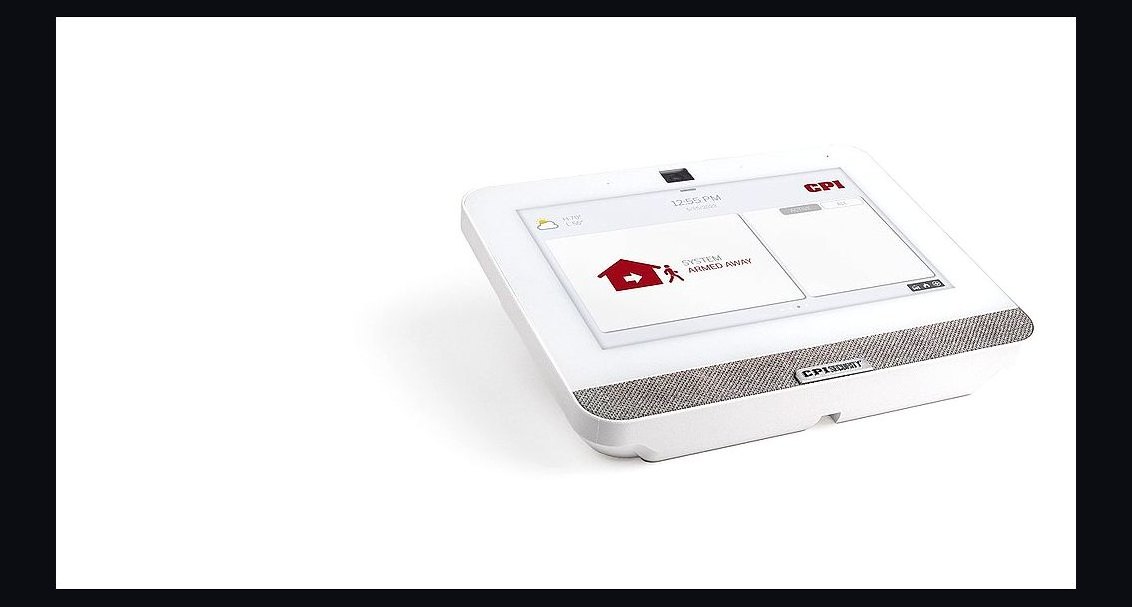
First, locate the model number on your keypad or main control box. Common CPI panels include the 2GIG GC2, 2GIG GC3, Qolsys IQ Panel 2, and the newer Qolsys IQ Panel 4. The GC2 and earlier Qolsys IQ Panel 2 models typically used 3G cellular radios. The GC3 and IQ Panel 2+ often shipped with 4G LTE, but some early units still had 3G. The IQ Panel 4 is 4G LTE and 5G-capable, making it the safest bet for the next decade.
If you have a GC2 or an IQ Panel 2 manufactured before 2019, you are almost certainly on 3G and already past the sunset date. For 4G LTE panels, the sunset is not expected until the early 2030s, but carriers like T-Mobile and AT&T have begun refarming spectrum, meaning some older 4G bands (like Band 12 or Band 2) may be decommissioned sooner. CPI may not proactively notify you of these band-level changes.
Action step: Call CPI Security customer support and ask specifically: “What cellular radio is in my panel, and what is the sunset timeline for that specific radio?” If they cannot give a clear answer, ask for the panel model and radio module part number, then verify against carrier sunset lists (available on AT&T, Verizon, and T-Mobile device support pages). You can also check your monthly bill—if you see a “cellular communicator fee” of $5–$10, you are likely on an older radio that will need replacement.
Negotiating the Upgrade Fee: What Actually Works
Public complaint records show that CPI Security has charged upgrade fees ranging from $99 to $499, but these fees are not set in stone. Customers who push back have reported success in reducing or eliminating the charge. The key is knowing what leverage you have.
If you have a Service Plus warranty: This add-on (typically $10–$15/month) is supposed to cover equipment replacement and labor. Many customers report being told the upgrade is “not covered” because it’s a cellular radio swap rather than a panel failure. This is a common point of dispute. Ask to speak to a supervisor and reference the warranty terms: “My Service Plus agreement says equipment replacement due to technology changes is included. Please honor that.” Some customers have had the fee waived after escalating to a manager.
If you are out of warranty: Your best leverage is your contract term. CPI Security typically locks customers into 3- or 5-year monitoring agreements. If you are still within that term, argue that the equipment should remain functional for the duration of your contract. Say: “I signed a 5-year agreement expecting the system to work for 5 years. A carrier sunset is not my fault. Please provide the upgrade at no charge to fulfill your end of the contract.” Several BBB complaints show this argument has worked, especially for customers with 2+ years remaining.
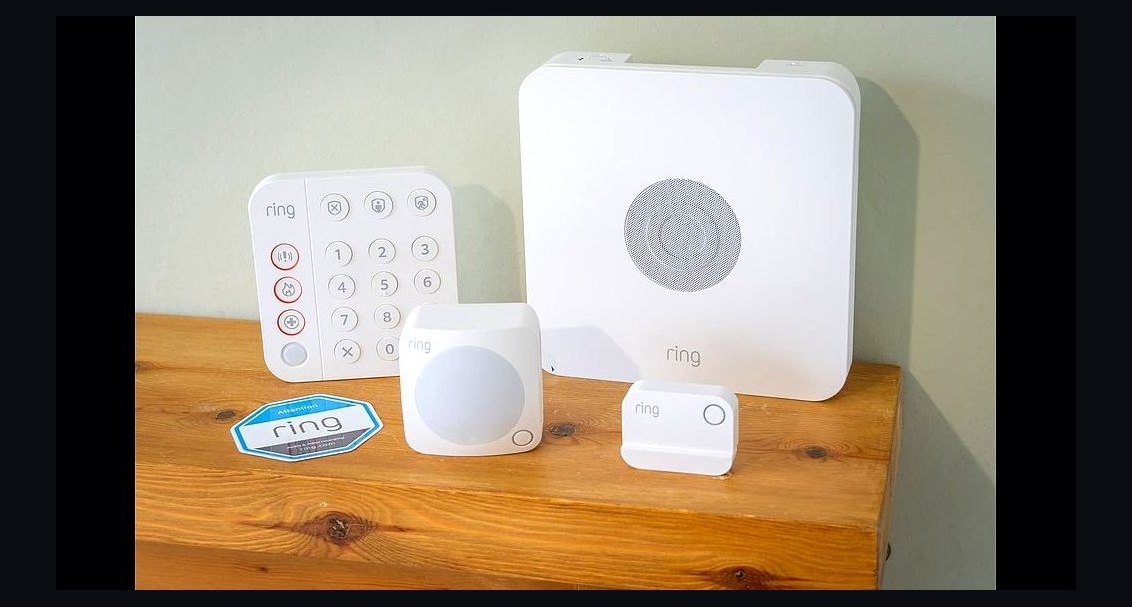
If you are month-to-month: You have the most leverage. Threaten to cancel and switch to a competitor like Ring Alarm, SimpliSafe, or a local alarm company that offers free panel upgrades with monitoring. CPI may offer a discounted upgrade ($49–$99) or waive the fee entirely to retain you. Be polite but firm: “I’m willing to stay with CPI, but I cannot justify paying $300 for a panel upgrade when other companies offer it free. Can you match that?”
What Happens If You Refuse the Upgrade: Real Consequences
Some CPI customers have chosen to refuse the upgrade, either because of cost or principle. Here is what actually happens, based on public reports and CPI’s own documentation.
First, your alarm stops reporting. The cellular radio in your panel will simply stop connecting to the carrier’s network. Your keypad may show a “communication failure” or “cell jam” error. The central station will not receive any alarm signals—burglary, fire, or medical. Your system becomes a local-only siren, meaning it will make noise but will not summon police or fire.
Second, CPI may disable your monitoring. After 30–60 days of no communication, CPI’s system will flag your account as “non-reporting.” They may send a letter or call to inform you that monitoring is suspended. Some customers report being charged a “non-reporting fee” of $5–$10/month, though this is rare. More commonly, CPI will simply stop billing you for monitoring (since they cannot provide the service) and your account becomes inactive.
Third, your alarm may still work locally. The keypad, sensors, and siren will function as a standalone system. You can arm/disarm, and the siren will sound if a sensor is triggered. But without cellular reporting, you are essentially running a non-monitored system. If you have a landline, some older CPI panels can fall back to POTS (plain old telephone service), but this is increasingly rare as landlines are phased out.
Fourth, you may lose remote access. The CPI Security mobile app relies on the cellular connection. Once the radio is sunset, you will no longer be able to arm/disarm remotely, receive push alerts, or view event history. The panel becomes a dumb local system.
Fifth, resale value drops to zero. If you ever sell your home, the buyer will likely want a monitored security system. A non-reporting CPI panel is essentially worthless—any new owner will have to pay for the upgrade anyway. Some real estate agents advise sellers to upgrade before listing to avoid negotiation headaches.
Bottom line: Refusing the upgrade saves you money upfront but leaves you with a bricked monitoring system and a useless mobile app. If you are willing to go unmonitored, you can keep the panel as a local alarm. But if you want monitoring, the upgrade is unavoidable—your only choice is how much you pay.
FAQ
Are CPI Security panel upgrades really free for all customers? No, they are not universally free. While some customers with active monitoring contracts or Service Plus warranties have received no-cost swaps, many others report being charged between $99 and $499 for a new communicator or panel, even when they were previously told their equipment was "covered for life."
How will I know if my panel needs an upgrade before the 4G LTE sunset? CPI Security typically sends letters, emails, or makes phone calls to affected customers, but communication has been inconsistent. Some homeowners receive multiple proactive notices, while others only discover their panel is obsolete after their alarm signals stop reaching the central station.
What happens if I ignore the upgrade notice? Your alarm system will eventually stop communicating with CPI's central station when your cellular radio becomes incompatible with the retired network. This means no alarm signals, no emergency alerts, and no remote access — leaving your home unprotected until you arrange an upgrade.
Can I switch to a different security company instead of paying CPI's upgrade fee? Yes, you can cancel your CPI contract and switch providers, but check your contract for early termination fees. Some customers choose this route if they find CPI's upgrade costs unreasonable, though you'll need to purchase new equipment from the competing company.
Does CPI's Service Plus warranty cover the full cost of the upgrade? It depends on the specific terms of your warranty and the type of upgrade needed. Some Service Plus customers report full coverage for the communicator swap, while others are still charged for labor or a new panel. Always verify with CPI directly before scheduling.
How much should I budget for a CPI panel upgrade in 2027? Based on public complaints and reported ranges, budget $99 to $499 for the upgrade. The exact amount depends on your panel model, whether you need a new communicator or full panel replacement, and any warranty or promotional discounts CPI offers at that time.
Sources
- CPI Security — 3G Shutdown Complete, What You Need to Know
- Better Business Bureau — CPI Security Systems Complaints (Charlotte HQ)
- Better Business Bureau — CPI Security Systems Customer Reviews
- Consumer Affairs — CPI Security Systems Reviews & Complaints
- Trustpilot — CPI Security Customer Reviews
- Surety Support Forum — Replacing CPI Security and Current Equipment Discussion
- Surety Support Forum — How to Upgrade to a 4G LTE Cellular Module for the 3G Sunset
- Vector Security — What Does the End of 3G Mean for Your Alarm System
This page will be disappearing soon. Save it to your device for $1 — or read it free while it is here.
@Kory-White- · if Venmo asks, the last 4 of my number are 2012
This page is gone.
This one is off the shelf now. $1 keeps it on your phone for good — the whole page, pictures and diagrams included.
 cpi-securityHow hard is it to cancel CPI Security service in 2027? The retention friction
 cpi-securityCPI Security's contract auto-renewal - what to know before signing in 2027
 cpi-securityCPI Security and moving — what happens to your contract when you relocate in 2027
 cpi-securityCPI Security's Alarm.com dependency — the third-party risk in 2027
 cpi-securityWhy CPI Security's long-tenure customers feel like they're being squeezed in 2027?
 cpi-securityCPI Security billing issues — what customers complain about in 2027
 cpi-securityCPI Security complaint volume — how it stacks vs ADT, Vivint, SimpliSafe in 2027
 cpi-securityCPI Security's inTouch app reliability — what reviews show in 2027
 cpi-securityCPI Security vs Ring Alarm — when DIY beats pro-installed in 2027
 cpi-securityCPI Security alarm response times — when monitoring fails in 2027