


HS football NIL — the hype, the reality, and why most recruiting services oversell it in 2027
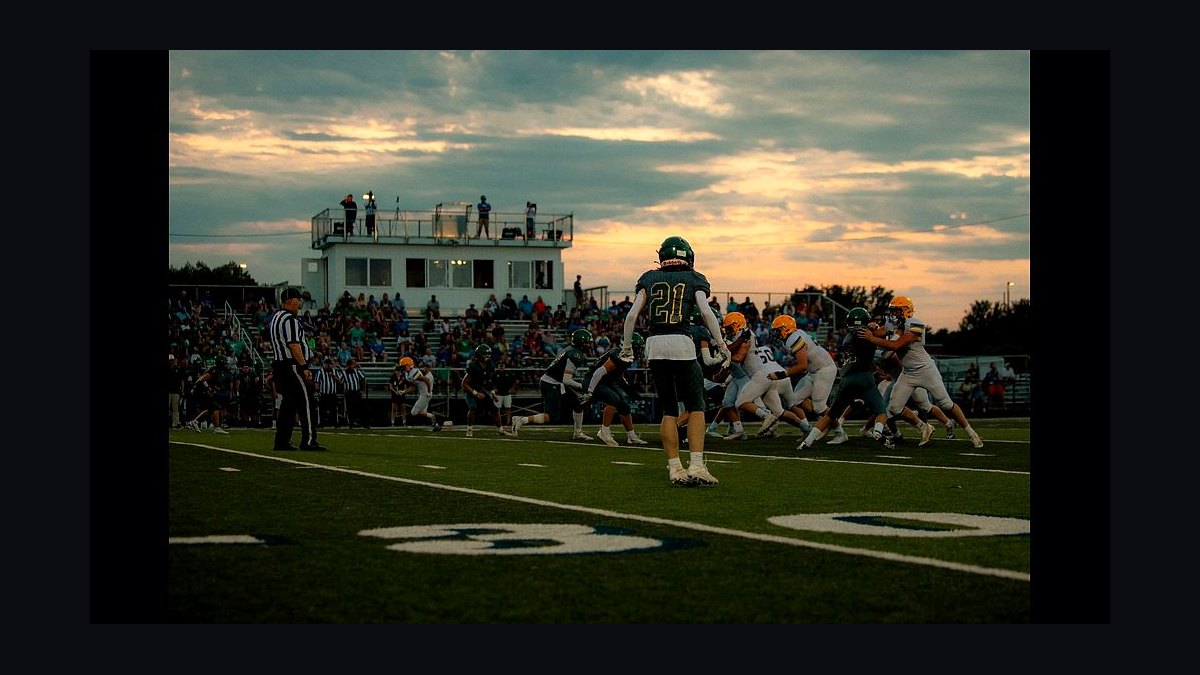
The high school football NIL market in 2027 is a mirage built on top of a much smaller, much messier pile of cash than the headlines suggest. A handful of five-star prospects do sign real seven-figure revenue-share deals, but the vast majority of "NIL recruits" never see a fraction of what their advisors, collectives, or paid recruiting services promised. Most agencies selling NIL preparation, "valuation," exposure packages, or collective introductions are pricing parents off the assumption that the Felix Ojo $5.1 million Texas Tech outcome is the floor. It is not the floor. It is the ceiling, and even that ceiling is full of asterisks: 1099 tax liability, agent commissions, clawback clauses, and verbal-only side deals that vanish the second a kid stops being recruitable. Families should treat almost every unsolicited NIL pitch as a sales motion, not a financial plan.
Why the headline numbers are misleading
When a 17-year-old "signs a $2 million deal," the number reported is almost always the gross, multi-year, fully-vested, best-case figure. Strip out the structure and the real cash hitting a high school senior's bank account in year one is dramatically smaller. Booster collectives front-load language, not money. National brand endorsements, the part that actually pays in real dollars, account for a tiny slice of total NIL flow at the prep level, and they cluster almost entirely on the top fifty national prospects. Everyone outside that band is competing for local, perishable, performance-contingent dollars that recruiting services rarely disclose in their pitch decks. The total addressable pool of genuine high-school NIL cash, once you exclude booster fluff and unsigned letters of intent, is far smaller than the ecosystem of vendors built around it would ever admit on a sales call.
The federal tax picture compounds the illusion. NIL athletes are 1099 independent contractors. That means a 15.3 percent self-employment hit before any income tax, no employer withholding, and quarterly estimated payments that catch families off guard in April. Layer in a 15 to 20 percent agent commission, a percentage to whichever marketing shop "built" the personal brand, and the headline number can shrink by 35 to 45 percent before a single dollar funds a college bank account. Add state income tax in places like California, North Carolina, or Georgia and the gap between the headline and the deposit widens further. Most families discover this in the second year, when the IRS sends a love letter about underpayment penalties and the recruiting consultant who quoted the gross figure has long since stopped returning calls.

The recruiting-service problem
A second industry has grown on top of NIL itself: services that sell "valuations," "exposure," "brand building," "collective introductions," and "negotiation support" to high school families. Most of these vendors are not registered, not licensed, not bonded, and not accountable. ESPN reporting in 2026 documented an entire shadow tier of street agents, former players, trainers, and self-styled connectors who insert themselves between athletes and collectives with no oversight from any national body. The same dynamic has metastasized into the parent-facing side, where $300 to $3,000 packages promise "NIL readiness" deliverables that are functionally a glossy PDF and a few Instagram graphics.

The marketing language is engineered to feel concrete. Words like "valuation" and "market rate" are borrowed from finance, but no governing body certifies an NIL valuation, and no exchange clears NIL contracts. A "valuation" is an opinion, often produced by the same vendor selling the package. Compare that to a public-equity comp sheet or a SaaS revenue multiple, where the underlying data is auditable: there is no analog here. The number is invented to justify the fee, and the fee is justified by the number. The circularity is the product.

What actually moves the money
Three factors, in order, drive real NIL dollars at the high school level: composite ranking, position scarcity, and the program-specific revenue-share budget post-House settlement. Nothing else materially matters. Not Instagram followers. Not a "personal brand consultant." Not a highlight reel edited by a $1,200 service. Anonymous program GMs interviewed by Athlon Sports in 2026 confirmed that rankings quietly drive every offer band, with five-stars in the $1M-plus tier, high four-stars in the $300K-$800K tier, and most three-stars receiving cost-of-attendance plus token NIL well under $50,000 annually. Freshman quarterback offers in 2026 reportedly compressed from a $500,000 prior-cycle norm down to $200,000 for comparable profiles, a 60 percent haircut driven by rev-share caps.
The brutal truth is that the rankings determine the band, the band determines the offer, and the offer arrives whether or not the family hired an NIL service. Paying a consultant does not move a kid up a tier, and no credible evidence suggests it ever has.

The clawback and enforcement gap
Even when a real number is signed, the contracts in 2027 are tighter than they were in 2023. Programs and collectives have learned. Most deals now contain performance triggers, transfer clawbacks, conduct clauses, and academic floors. A recruit who flips schools, gets injured, or loses a depth-chart battle can see the back half of their deal evaporate. None of this nuance shows up in the recruiting-service pitch, which quotes the gross headline and ignores the structure entirely. Families should assume that any deal under five-star valuation will pay roughly half of what is quoted, after all conditions and deductions, and they should plan accordingly. The collectives that survived the first wave of NIL chaos now write contracts that look more like venture term sheets than endorsement letters, with vesting schedules, milestone gates, and explicit language about depth chart performance. A young athlete signing one of these documents without a sport-specialized attorney is signing something they almost certainly do not understand, and the recruiting service that introduced the deal has no fiduciary duty to flag it.

What a sober family should do
Treat NIL as a bonus, not a salary. Verify every promise in writing, with a sport-law attorney, not the agent who stands to take 20 percent. Ask the program directly for the rev-share allocation rather than relying on a third party's "valuation." Ignore Instagram-follower metrics as a predictor. Assume the first-year cash will be 50 to 65 percent of the gross headline. And recognize that recruiting services, with rare exceptions, are not aligned with the athlete; they are aligned with their own conversion funnel.
The Pulse RevOps Library tracks this kind of asymmetric-information market because the same patterns repeat across coaching, consulting, and SaaS sales: a thin layer of real outcomes at the top, a thick layer of marketing language in the middle, and a long tail of families paying for the illusion of access. NIL in 2027 is, structurally, no different. The fix is the same fix it has always been: verify the number, read the contract, and trust the ranking before you trust the pitch. If a recruiting service cannot show you a signed, executed, post-tax outcome from a family of comparable ranking and position, then the service is selling hope, not access. Hope is the most expensive thing a high-school family can buy in this market, and almost no one writes the refund check when it does not pay off.
Related on PULSE
- How do you actually use AI in B2B SaaS sales in 2027 — and what's hype vs real?
- Final verdict on paid HS football recruiting services in 2027 — when (rarely) they're worth it
- Why showcase camps and 7-on-7 beat paid recruiting services for HS football recruits in 2027?
- Why your HS football coach's phone call beats any paid recruiting service in 2027?
- Lance O's Recruiting Network vs NCSA vs Hudl vs FieldLevel in 2027 — which one serves HS football prospects best?
- Are college football recruiting services like Lance O's Recruiting Network worth it in 2027 — the industry-wide reality
Sources
- NCAA — official rules and updates on NIL policies for high school athletes
- National Federation of State High School Associations (NFHS) — state-level regulations and guidance on NIL for student-athletes
- ESPN — reporting on NIL trends, recruiting, and high school football
- Sports Business Journal — industry analysis of NIL market dynamics and recruiting services
- Federal Trade Commission (FTC) — consumer protection guidelines relevant to NIL deals and recruiting service claims
- On3 — NIL valuation data and recruiting coverage for high school athletes
FAQ
How much NIL money can a typical high school football recruit actually expect in 2027? The vast majority of high school players will see zero guaranteed NIL income. A few hundred nationally-ranked prospects might land deals worth anywhere from a few hundred to a few thousand dollars per year, often in product or small service exchanges. The seven-figure headlines you see apply to fewer than a dozen recruits annually and come with heavy strings attached.
Do recruiting services that promise NIL exposure or preparation actually deliver value? Most are selling access to connections that rarely materialize into real contracts. Legitimate NIL help exists through a handful of verified nonprofits or university-aligned collectives, but paid agencies often overstate their influence. Families should expect to pay hundreds or thousands of dollars for little more than generic advice and a database of contacts that any motivated parent could find for free.
Are NIL deals guaranteed or can they be taken away? Almost all high school NIL agreements include clawback clauses, performance benchmarks, or moral turpitude provisions that let brands or collectives cancel with little notice. Verbal promises are common but unenforceable. Even signed contracts often tie payments to continued recruitment status or playing time, meaning a decommitment or injury can wipe out the deal entirely.
How do taxes and fees affect the actual take-home from a reported NIL deal? Every dollar is treated as 1099 income, so players owe federal and state taxes, plus self-employment tax, which can eat 30–40% of the total. Agent commissions typically range from 10–20%, and legal or marketing fees can add another 5–10%. A reported $100,000 deal might net a player $50,000–$60,000 after all deductions.
Can a high school athlete lose their eligibility by pursuing NIL deals? Yes, if the deal violates state laws, school district policies, or NCAA rules (which still apply to recruits). Many states have restrictions on deals involving alcohol, gambling, or certain endorsements, and some school districts prohibit NIL activity entirely. Violations can lead to forfeited eligibility or even retroactive disqualification.
What should a family do before signing any NIL-related agreement or paying a service? First, verify the service’s track record with actual high school athletes, not just college transfers. Second, consult a lawyer who specializes in athlete contracts, not a general sports agent. Third, never pay upfront fees for “valuation” or “exposure” — legitimate help is either free through school resources or structured as a percentage of deals actually secured.
This page will be disappearing soon. Save it to your device for $1 — or read it free while it is here.
@Kory-White- · if Venmo asks, the last 4 of my number are 2012
This page is gone.
This one is off the shelf now. $1 keeps it on your phone for good — the whole page, pictures and diagrams included.
 lance-os-recruiting-networkWhy showcase camps and 7-on-7 beat paid recruiting services for HS football recruits in 2027?
 lance-os-recruiting-networkRecruiting service refund policies — why most parents can't get their money back in 2027
 lance-os-recruiting-networkAre college football recruiting services like Lance O's Recruiting Network worth it — the industry-wide reality in 2027
 lance-os-recruiting-networkWhat's actually in a college football coach's recruiting inbox — and why mass emails get filtered in 2027
 lance-os-recruiting-networkWhy a single well-crafted X DM to a college coach beats 1000 mass emails in 2027?
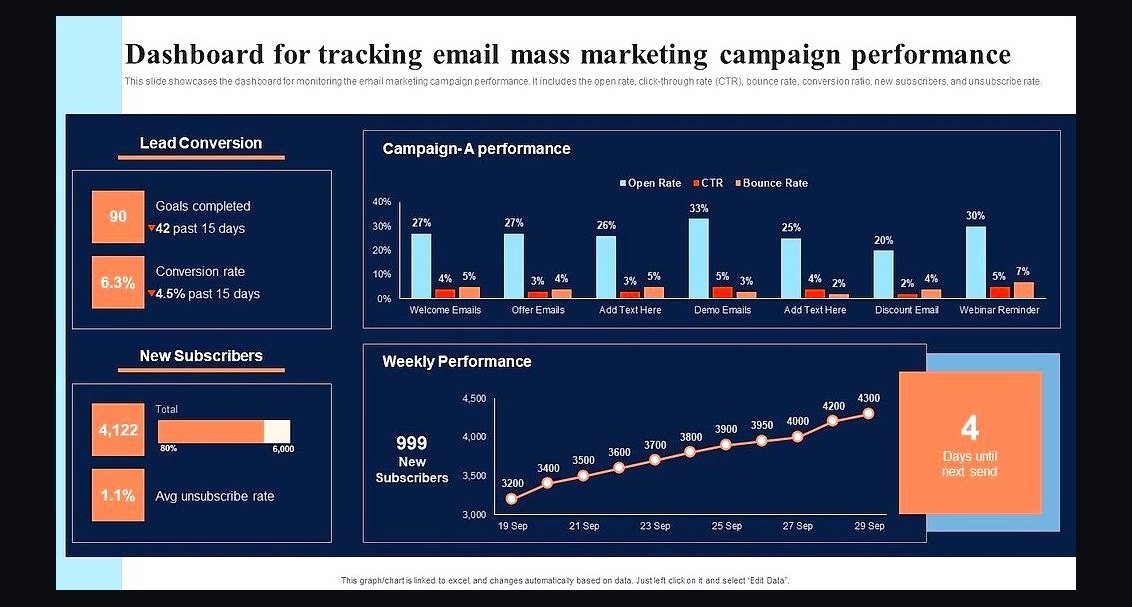 lance-os-recruiting-networkDo mass marketing email campaigns to college coaches actually work in 2027? The recruiting services tactic critique
 lance-os-recruiting-networkHow the transfer portal era squeezed HS recruiting service ROI in 2027?
 lance-os-recruiting-network8 contract red flags every parent should check before signing a recruiting service in 2027
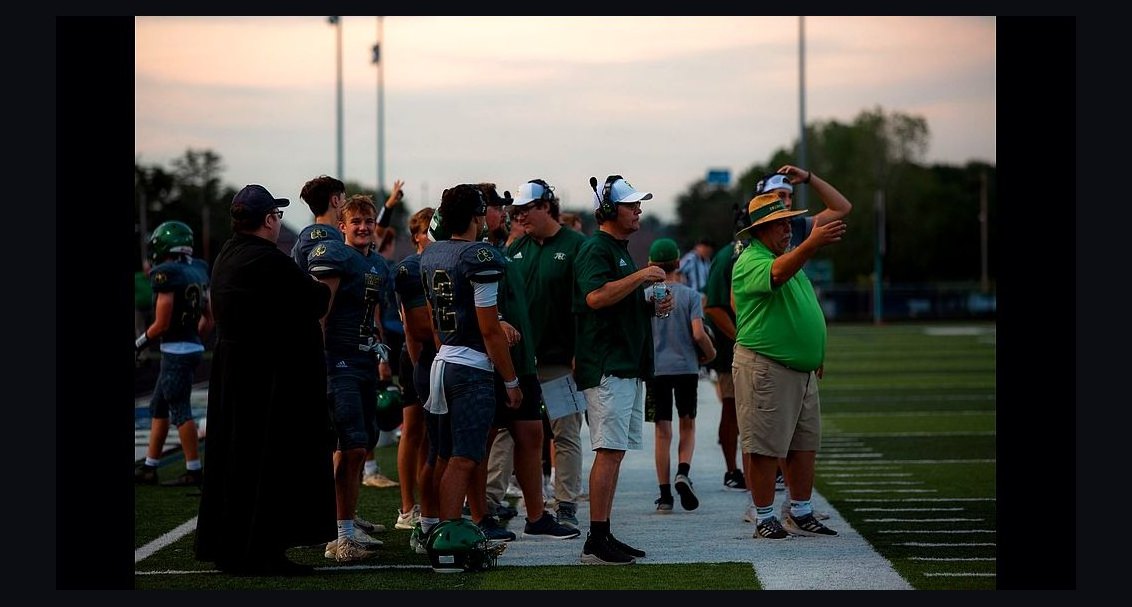 lance-os-recruiting-networkWhy your HS football coach's phone call beats any paid recruiting service in 2027?
 lance-os-recruiting-networkFinal verdict on paid HS football recruiting services — when (rarely) they're worth it in 2027