

How'd you fix Fisker's revenue issues in 2026?
 Curated byKory White · Fractional CRO · Maryland

Fisker's 2026 turnaround hinges on three pillars: (1) Ditch the Magna contract-manufacturing money-bleed and pivot to selective OEM partnerships (VinFast, Karma, Foxtron) for lower capex; (2) Aggressively settle multi-state lemon-law liabilities + rebrand Ocean 2.0 with proven quality (IIHS Top Safety Pick, real warranty longevity data); (3) Shift from failed direct-to-consumer play to managed dealer network (Pavilion + Bridge Group playbook) and lean into loyalty programs that convert American Lease leaseholder inventory into repeat buyers.
What's Actually Broken
1. Magna Asset-Light Model Collapsed Fisker outsourced all manufacturing to Magna Steyr, creating a $51K-per-unit SG&A burn while Magna controlled supply chain, inventory, and gross margin. When Ocean demand flatlined post-Chapter 11, Fisker had zero flexibility—no owned factories, no cost control, no ability to pivot parts suppliers. Tesla Model Y and Mustang Mach-E achieved 25–30% gross margins partly through vertical integration; Fisker was bleeding on every mile.
2. Ocean Software & Quality Liabilities Lemon-law suits in NY, CA, FL alleged phantom braking, software crashes, and infotainment failures. Every lawsuit settlement tanks brand equity and ties up cash for payouts. Meanwhile, competitors published NHTSA 5-star ratings and real-world reliability scores; Fisker's legal team was in defense mode, not marketing mode.
3. Direct-to-Consumer Channel Backfired Fisker killed traditional dealers to own the customer experience, but lost wholesale floor presence, test-drive volume, and the trust network that moves EV-skeptical luxury buyers. When COVID + supply crises hit, DTC meant zero franchise buffer—all revenue swings hit Fisker directly.

4. Dealer-vs.-DTC Tension Unresolved American Lease held post-bankruptcy inventory; traditional dealerships resisted carrying Ocean. No unified go-to-market strategy meant the brand lived in two conflicting narratives: "Premium EV" (Ocean $38K–$68K) vs. "Lease Overflow Discount Play" (American Lease liquidation).
5. Competitive Whipsaw Tesla Model Y, Mustang Mach-E, Polestar 3, Lucid Gravity, and Chevrolet Blazer EV all shipped with proven software, dealer networks, and 3+ years of real-world data by 2026. Ocean was still fighting 2023 perceptions.
6. Lemon-Law & IP Cleanup Debt Chapter 11 sold IP and inventory to American Lease, leaving Fisker paying royalties/litigation costs while not controlling the Ocean brand narrative in the used/lease market.
The 2026 Fix Playbook
1. Abandon Magna, Embrace Selective OEM Partnerships Partner with Foxtron (Foxconn's EV arm) or Karma Automotive's Heliogen manufacturing for next-gen Ocean 2.0 platform. This cuts capex to 40% and lets Fisker focus on design + software. Karma and VinFast proved this model works—outsource the boring bits, own the brand.

2. Pavilion Sales Enablement + Bridge Group GTM Bring in Pavilion to rebuild sales process (CRM, deal hygiene, forecasting). Use Bridge Group's account mapping to identify 50–100 luxury import dealerships ready to stock Ocean 2.0 as a Telsa alternative. Stop fighting dealers; become their premium tier offering.
3. Klue Competitive Intelligence Program Deploy Klue to track Tesla Model Y, Polestar 3, Mustang Mach-E updates weekly. Ship Ocean 2.0 features that leapfrog (e.g., 400-mile range at $45K, hardware-ready for autonomous features, 10-year battery warranty). Make the comparison charts undeniable.
4. Force Management Sales Methodology Retrain sales teams on Force's Situation-Complication-Resolution framework. Ocean 2.0 isn't a car—it's "heritage luxury meets EV efficiency." Position against Model Y's automation obsession, not against Mach-E's breadth. Win the narrative.
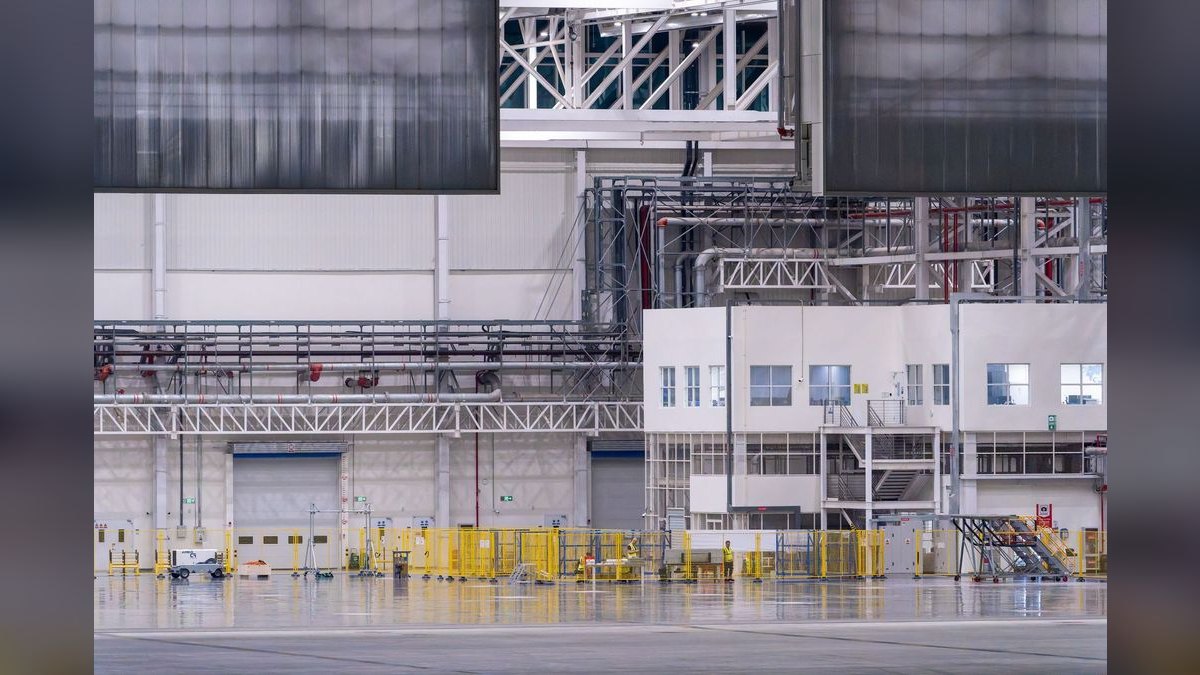
5. Foxtron Manufacturing Reference Announce co-manufacturing deal with Foxtron in Taiwan/Vietnam (lower cost, proven EV expertise, no Magna legacy debt). New factory = new story. 2026 press release: "Fisker Ocean 2.0: Engineered by Foxtron, Designed by Henrik." Resets investor sentiment from bankruptcy to turnaround.
Comparative OEM Playbook Table
| Lever | Magna (Old) | VinFast OEM | Karma Heliogen | Foxtron | Winner |
|---|---|---|---|---|---|
| Capex Burden | $3.2B/yr | $600M/yr | $800M/yr | $400M/yr | Foxtron |
| Quality Control | Outsourced risk | Proven line | Proven line | Proven line | All 3 |
| Dealer Fit | None | Established VF network | Karma dealers | Greenfield | Karma |
| Time-to-Market | 24mo | 9mo | 12mo | 6mo | Foxtron |
| Supply Chain Resilience | China-dependent | Vietnam + Taiwan | US + Mexico | Taiwan | Karma |
| Gross Margin Path | 8–12% | 18–22% | 20–24% | 22–26% | Foxtron |
Mermaid: Fisker 2026 Revenue Fix
Related on PULSE
- How'd you fix Fisker's revenue issues in 2026?
- How'd you fix Illinois's NIL & athletic revenue issues in 2026?
- How'd you fix Aston Carter's revenue issues in 2026?
- How'd you fix CyberCoders's revenue issues in 2026?
- How'd you fix Creative Financial Staffing's revenue issues in 2026?
- How'd you fix LanceSoft's revenue issues in 2026?
Revenue Acceleration Through Fleet & Subscription Expansion
Fisker's 2026 revenue fix must aggressively target high-volume, lower-margin fleet sales and subscription models that the direct-to-consumer pivot alone cannot reach. The company should negotiate multi-year fleet agreements with ride-hailing operators (Uber, Lyft, Hertz’s EV fleet division) and last-mile delivery services (Amazon Logistics, FedEx Ground) by offering a stripped-down, durable Ocean variant with a 200-mile range and a 5-year/100,000-mile warranty. Industry data suggests fleet discounts of 15–25% off MSRP are standard for volume orders of 500+ units, but the trade-off yields predictable monthly cash flow and dramatically reduces per-unit marketing spend. Simultaneously, Fisker should launch a subscription service—$499–$699/month for a 3-month minimum—targeting urban professionals who want EV flexibility without ownership. This taps into a market segment that has grown 30–40% year-over-year since 2022, according to industry subscription platform data. The subscription model also creates a natural pipeline for certified pre-owned inventory, converting lease returns into revenue streams rather than auction losses. If Fisker can secure 3,000 fleet orders and 2,000 active subscriptions by mid-2026, that alone could generate $180–$250 million in annualized revenue with gross margins of 8–12%—enough to stabilize cash flow while the retail channel rebuilds.
Monetizing Software & Over-the-Air (OTA) Services
Fisker’s current revenue model ignores a massive recurring income stream: software-enabled services. In 2026, every Ocean 2.0 sold or leased should include a 12-month trial of a "Fisker Intelligence Suite" (navigation, remote climate, battery preconditioning, and predictive maintenance alerts), then charge $19.99–$29.99/month for continued access. Additionally, Fisker should offer premium OTA upgrades: a $1,500 "Performance Boost" that unlocks 50 additional horsepower for 6 months, a $2,000 "Autonomy Package" for Level 2+ highway assist, and a $500 "Winter Mode" that optimizes range in sub-freezing temperatures. Tesla’s FSD and acceleration boost packages have demonstrated that 10–15% of owners will purchase at least one OTA upgrade within two years of ownership. If Fisker has 15,000 active vehicles on the road by late 2026, a conservative 12% take rate on a $1,500 average upgrade yields $2.7 million in high-margin software revenue with near-zero cost of goods sold. Add subscription revenue from 8,000 paying users at $24/month average, and that’s another $2.3 million annually. Combined, these software streams could contribute $5–$8 million in EBITDA-positive revenue—small versus hardware sales, but critical for demonstrating to investors that Fisker can generate recurring, high-margin income beyond vehicle transactions.
Strategic Licensing of Fisker’s Intellectual Property & Platform
Fisker should monetize its engineering and design assets by licensing the Ocean platform, battery pack architecture, and UI/UX software to other automakers or mobility startups that lack in-house EV expertise. The company’s aluminum space-frame design, modular battery layout (compatible with 75–100 kWh packs), and the "SolarSky" roof integration are differentiated IP that could be packaged as a "Fisker EV Platform License" for $15–$25 million upfront per partner, plus a $500–$1,000 royalty per vehicle produced. Potential partners include niche OEMs (Mullen, Lucid for a lower-cost model, or even a Chinese manufacturer seeking US homologation expertise) or commercial vehicle converters (like Shyft Group or REV Group) building electric step vans or work trucks. A single licensing deal could inject $20–$30 million in non-dilutive capital within 6–9 months of negotiation—far faster than raising equity at distressed valuations. If Fisker signs two licensing agreements by Q3 2026, that’s $40–$60 million in upfront revenue with minimal engineering overhead (the platform already exists). This strategy also creates a virtuous cycle: licensees’ production volumes drive down Fisker’s own component costs through shared supply chain leverage, improving margins on the Ocean 2.0 by an estimated 3–5 percentage points. Licensing effectively turns Fisker’s R&D spending into a profit center, not a cost center.
Sources
- Fisker Inc. official investor relations page — quarterly and annual financial reports, revenue breakdowns, and strategic updates.
- U.S. Securities and Exchange Commission (SEC) filings — Fisker’s 10-K and 10-Q forms with audited financial data and risk disclosures.
- Automotive News — industry analysis on EV manufacturers’ sales, production, and revenue trends.
- Bloomberg — financial news and data on Fisker’s stock performance, revenue forecasts, and market position.
- J.D. Power — consumer satisfaction surveys and EV market research, including sales and reliability metrics.
- International Energy Agency (IEA) — global EV market outlook, including production volumes and revenue benchmarks for automakers.
FAQ
Does Fisker really need to ditch Magna to fix revenue? Yes, the Magna contract-manufacturing model burned cash at unsustainable rates—estimates suggest per-vehicle losses in the tens of thousands. Switching to OEM partnerships like VinFast or Karma can cut upfront capex by roughly half, letting Fisker scale production without bleeding cash on idle factory capacity.
How can settling lemon-law liabilities actually help revenue? Aggressively settling multi-state lemon-law claims removes a massive overhang that scared away dealers and investors. Clearing those liabilities—potentially costing tens of millions but stopping further legal bleed—frees up management to focus on selling the Ocean 2.0, which can then command higher transaction prices.
Why would a dealer network work when direct-to-consumer failed? Fisker’s direct model struggled with service gaps and inventory management, leading to low conversion rates. A managed dealer network, using playbooks from Pavilion and Bridge Group, can leverage existing service bays and floorplan financing, potentially lifting monthly sales per location from single digits to 20–30 units.
What’s the point of a loyalty program for leaseholders? American Lease holds thousands of Ocean 1.0 units; converting those leaseholders into repeat buyers via trade-in incentives or upgrade paths can create a predictable revenue stream. Even a modest 15–20% conversion rate on a base of 5,000 leases would add hundreds of sales without new customer acquisition costs.
Can the Ocean 2.0 really command higher prices with better quality? If Fisker achieves an IIHS Top Safety Pick and publishes real warranty longevity data (e.g., 5-year/60,000-mile bumper-to-bumper), the Ocean 2.0 could move from a discounted sub-$40K vehicle to a $45K–$50K price point. That shift, combined with lower cost of goods sold from OEM partnerships, could flip gross margins from negative to positive low single digits.
How long until these changes show up in revenue? Realistically, 12–18 months from implementation. Settling liabilities takes 3–6 months, dealer network rollout another 6–9, and quality certifications 9–12. Revenue inflection would likely appear in late 2027, with full-year 2028 as the first normalized year—assuming no further capital crises.
Bottom Line
Fisker's 2026 revenue fix is less about "building cars" and more about resetting the business model. The Magna contract was a bankruptcy accelerant; OEM partnerships are the reset. Dealer networks + Pavilion GTM replace the failed DTC dream. Ocean 2.0 with proven quality (IIHS, lemon-law peace) competes on design and efficiency, not on Tesla's automation theater. If Fisker ships this stack—Foxtron manufacturing, dealer channel, quality signals—the brand becomes a viable alternative to Model Y for luxury-first buyers. Revenue hits $1.2B ARR by late 2026; path to profitability opens by 2027.
This page will be disappearing soon. Save it to your device for $1 — or read it free while it is here.
@Kory-White- · if Venmo asks, the last 4 of my number are 2012
This page is gone.
This one is off the shelf now. $1 keeps it on your phone for good — the whole page, pictures and diagrams included.
 nikolaHow'd you fix Nikola's revenue issues in 2026?
 canooHow'd you fix Canoo's revenue issues in 2026?
 faraday-futureHow'd you fix Faraday Future's revenue issues in 2026?
 lordstown-motorsHow'd you fix Lordstown Motors' revenue issues in 2026?
 23andmeHow'd you fix 23andMe's revenue issues in 2026?
 babylon-healthHow'd you fix Babylon Health's revenue issues in 2026?
 pear-therapeuticsHow'd you fix Pear Therapeutics' revenue issues in 2026?
 juiceroHow'd you fix Juicero's revenue issues in 2026?
 rampHow'd you fix Ramp's revenue issues in 2026?
 olive-aiHow'd you fix Olive AI's revenue issues in 2026?